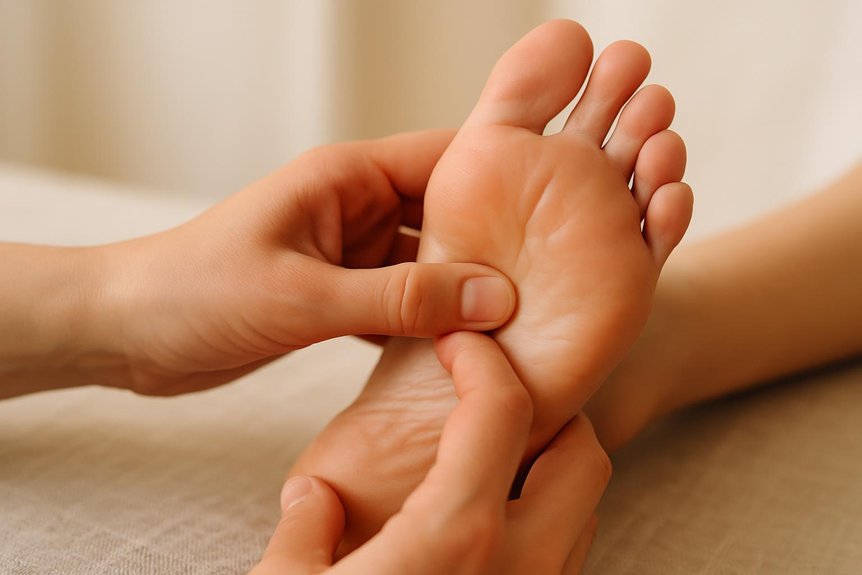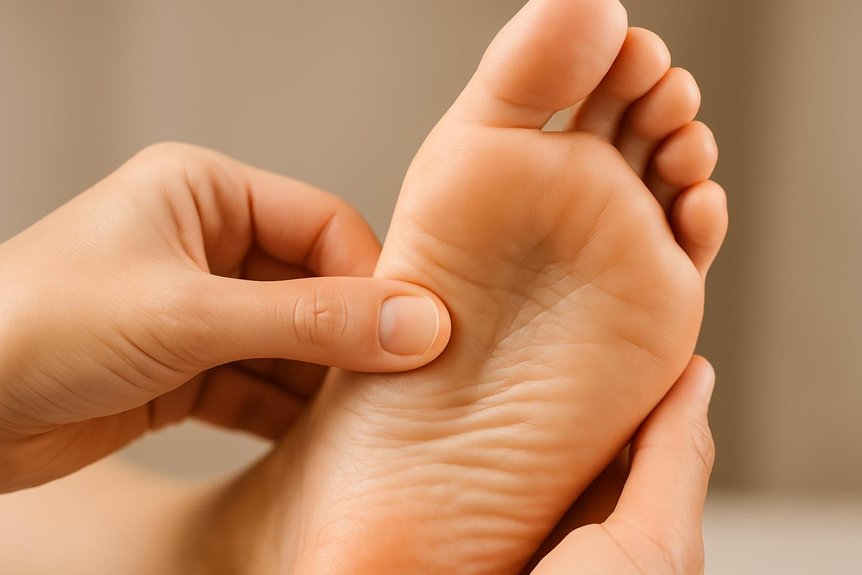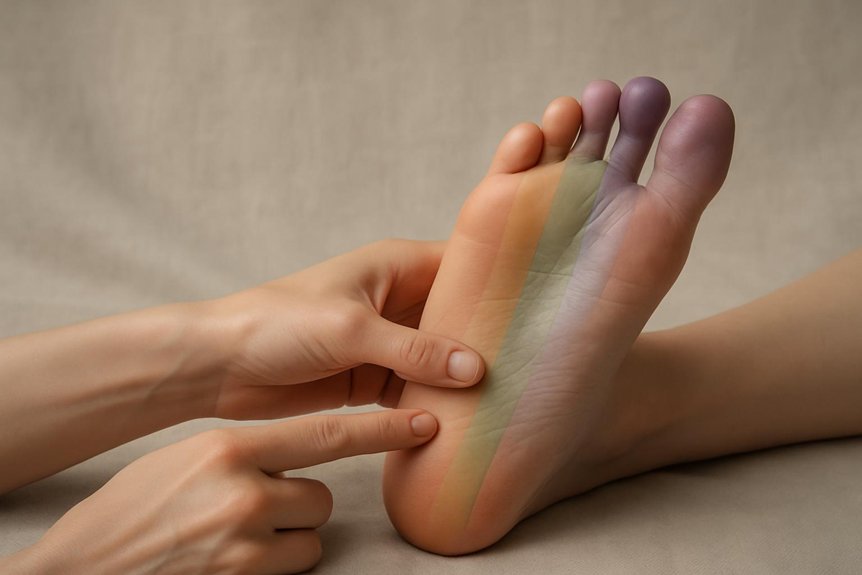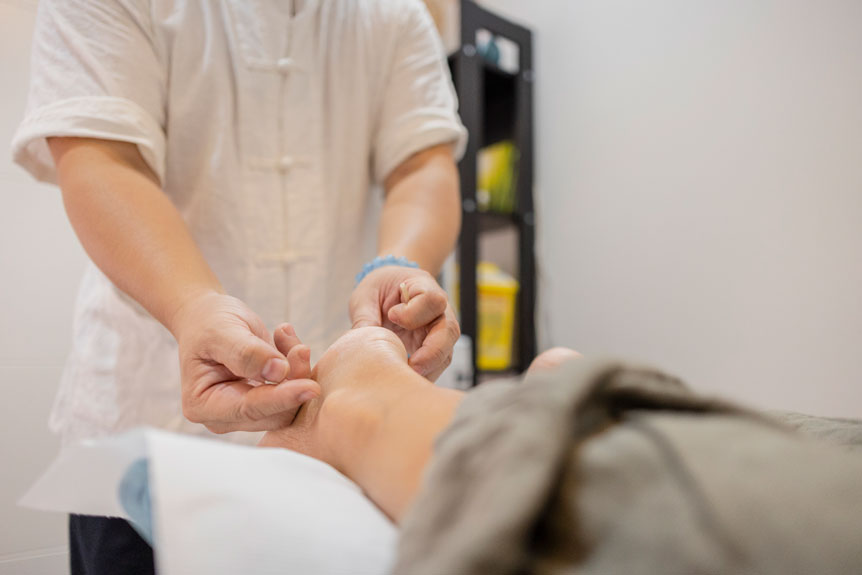
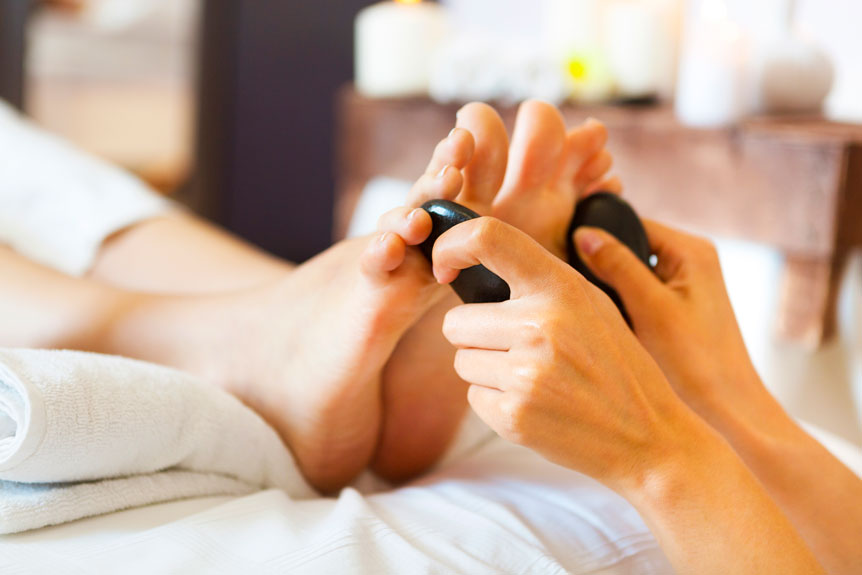
Yes. It can cause short-term fatigue or sleepiness in some people, most often as a normal, temporary relaxation response as the body shifts toward a parasympathetic “rest-and-digest” state. Symptoms are typically mild, peak soon after the session, and resolve within a few hours or by the next day. Hydration and a quiet period afterward may help; avoid driving if drowsy. Persistent or severe fatigue, or red-flag symptoms, warrants medical advice. Further details clarify duration, aftercare, and warning signs.
Is It Normal to Feel Tired After Reflexology?
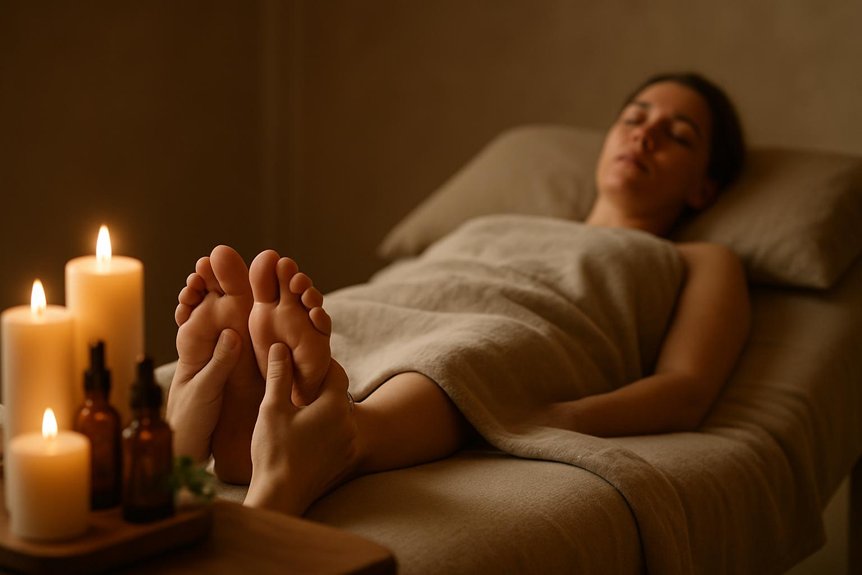
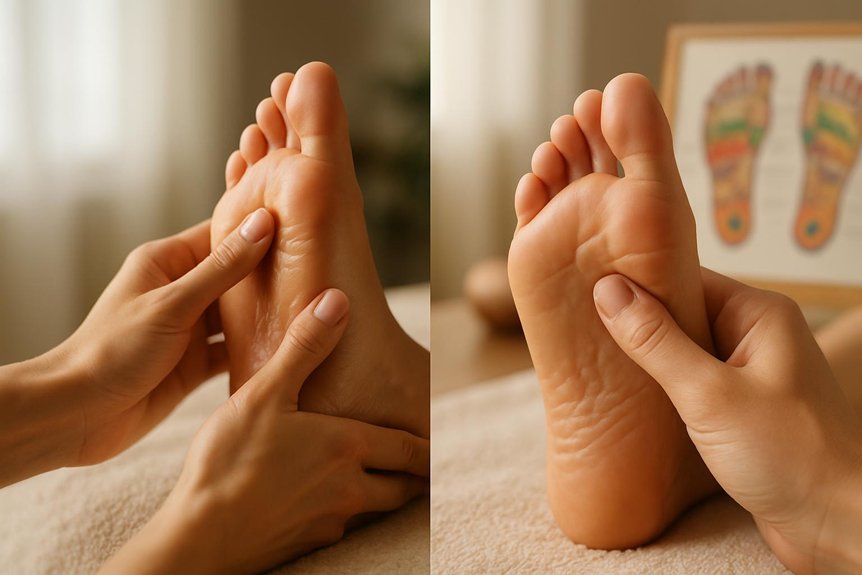
It is often normal to feel tired after zone therapy, as some clients experience a short-lived “post-treatment” response characterised by relaxation, mild fatigue, and a temporary dip in alertness.
At Spa & Massage clinics across London, therapists commonly observe this settling effect within the first few hours, particularly when the session is deeply soothing and the client arrives already stressed or sleep-deprived.
Many people explore zone therapy for its healing power, which may contribute to this calming, restorative feeling.
The sensation should be gentle, temporary, and not accompanied by concerning symptoms. Clients are advised to plan a quiet period afterwards, drink water, and avoid driving if drowsy.
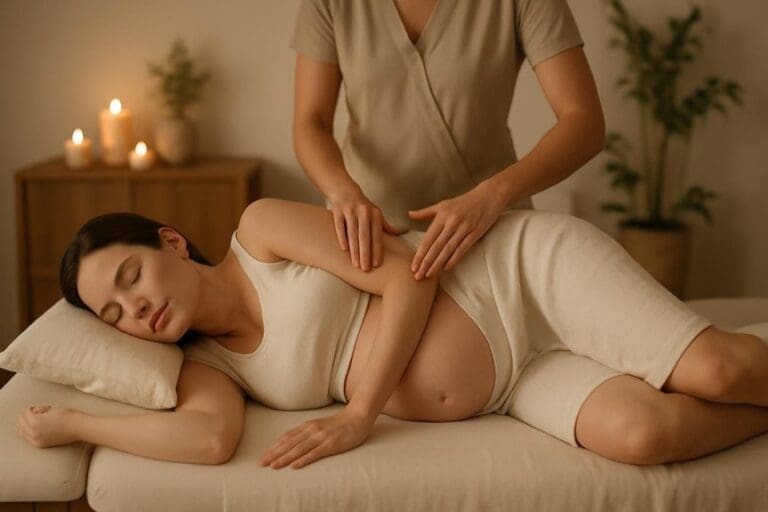
Persistent exhaustion, dizziness, chest pain, or fainting is not expected and warrants medical advice. Clients with pregnancy, diabetes, low blood pressure, or complex health conditions should disclose this beforehand for appropriate tailoring.
Why Zone Therapy Can Cause Fatigue or Sleepiness
After a zone therapy session, sleepiness or mild fatigue can occur as a predictable physiological response to downshifting from stress-related arousal into a parasympathetic (“rest-and-digest”) state.
Reduced muscle tension, slower breathing, and lower perceived stress can make the body feel heavy and ready to rest, especially in clients who arrive overstimulated or sleep-deprived.
At Spa & Massage clinics, therapists also note that focused pressure to the feet can be deeply comforting, increasing body awareness and encouraging a sense of safety that invites drowsiness.
Mild, transient fatigue may also reflect normal post-treatment processing: warmth, improved peripheral circulation, and decreased cortisol-related alertness.
Clients should avoid driving if very sleepy, hydrate, and contact a clinician promptly if fatigue is severe, persistent, or accompanied by dizziness, chest pain, or fainting.
How Long Does Zone Therapy Fatigue Usually Last?
In most cases, zone therapy-related fatigue is short-lived, resolving within a few hours and, at most, by the next day. This pattern aligns with a transient post-session relaxation response, sometimes paired with mild sleepiness as the nervous system downshifts after focused foot pressure and attentive touch.
At Spa & Massage clinics across London, therapists typically advise clients to plan a quiet evening, hydrate, and avoid scheduling demanding tasks immediately afterwards. When fatigue occurs, it often peaks shortly after the appointment and then steadily eases with rest, light food, and gentle movement.
Some clients report deeper sleep that night, with normal energy returning the following morning. Keeping caffeine and alcohol low can support steadier recovery.
When Is Fatigue After Zone Therapy a Concern?
Fatigue following zone therapy is usually benign, but concern is warranted when it is severe, worsening, or persists beyond 24–48 hours, particularly if accompanied by red-flag symptoms such as dizziness or fainting, chest pain, shortness of breath, a rapid or irregular heartbeat, confusion, fever, vomiting, new neurological symptoms (e.g., weakness, facial droop, severe headache), or signs of dehydration.
At Spa & Massage, therapists advise that clients with significant medical conditions (cardiovascular disease, diabetes, anaemia, thyroid disorders), pregnancy complications, recent infection, or medication changes treat unexpected fatigue as a prompt to seek medical advice.
Immediate assessment is appropriate if symptoms begin during a session, intensify quickly, or interfere with safe travel home.
Persistent sleepiness with dark urine, reduced urination, or inability to keep fluids down warrants urgent evaluation. If in doubt, clinicians should be consulted.
How to Reduce Fatigue After Zone Therapy(Aftercare Tips)
Most post-zone therapy tiredness settles within a day, yet even mild symptoms can be reduced with straightforward aftercare that supports hydration, circulation, and nervous system downregulation.
Spa & Massage therapists advise drinking water regularly for several hours, limiting alcohol, and eating a light, protein-balanced meal to stabilise energy.
Gentle walking and ankle circles can support blood flow without overtaxing the system; strenuous workouts are best postponed until the next day.
A warm shower, early bedtime, and reduced screen exposure can reinforce parasympathetic calming and improve sleep quality.
If soreness is present, simple foot elevation and a cool compress may help.
Persistent fatigue beyond 48 hours, dizziness, chest pain, or fainting warrants medical review promptly.
Conclusion
Zone therapy-related fatigue can be likened to a sentry lowering a shield after prolonged vigilance. As sympathetic arousal eases, breathing may slow, muscles release, and the nervous system shifts toward rest, making sleepiness a common, short-lived outcome. Hydration, baseline stress, and inadequate recovery can amplify this effect. Fatigue typically resolves within hours. Persistent, worsening, or systemic symptoms warrant clinical review. Simple aftercare—water intake, light meals, gentle movement, and rest—supports safe recovery.