Prenatal massage is generally considered safe at 12 weeks in an uncomplicated pregnancy, provided a midwife or GP has no concerns and the session is adapted conservatively. Treatment should be short, well monitored, and primarily side‑lying, with supine time minimised to reduce dizziness and hypotension risk. Pressure is kept light to moderate and deep work over the abdomen, sacrum, and medial calf is avoided. Massage should be deferred with bleeding, fever, severe headache, or unilateral leg swelling. Further guidance covers clearance needs, positioning, and product choices.
Is Prenatal Massage Safe at 12 Weeks Pregnant?

When is prenatal massage considered safe in early pregnancy? At 12 weeks, prenatal massage is generally considered acceptable for people with uncomplicated pregnancies, after confirming suitability with a midwife or GP.
Evidence suggests gentle, side-lying positioning, neutral temperature, and avoidance of prolonged supine pressure can reduce maternal hypotension and discomfort.
In Spa & Massage clinics across London, therapists use pregnancy-specific bolstering, light-to-moderate pressure, and unscented or low-allergen oils to minimise irritation and nausea.
Treatment goals focus on easing neck, back, hip tension, improving sleep, and supporting calm connection with the body.
It can also offer pregnancy massage benefits such as reduced stress and improved overall comfort for expecting mothers.
A short, well-monitored session is preferred, with attention to hydration, dizziness, bleeding, or uterine cramping.
Any concerning symptoms warrant medical review.
When Should You Avoid Massage at 12 Weeks?
Although prenatal massage at around 12 weeks is often appropriate in uncomplicated pregnancies, it should be avoided or postponed where maternal or pregnancy-related risk factors increase the likelihood of harm or where symptoms require medical assessment first.
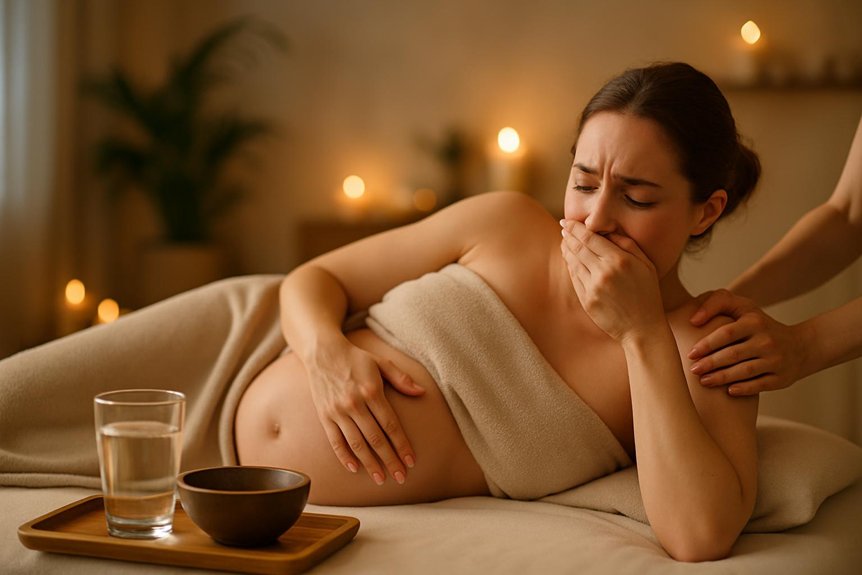
At Spa & Massage, treatment is deferred with vaginal bleeding, suspected miscarriage, severe or one‑sided pelvic pain, sudden dizziness/fainting, fever, vomiting with dehydration, or uncontrolled hypertension.
Massage is also avoided with chest pain, breathlessness at rest, calf swelling/redness/warmth (possible thrombosis), new severe headache, visual disturbance, or right‑upper‑abdominal pain.
It should be postponed over infected skin, shingles, open wounds, or painful, inflamed varicose veins.
If the client cannot lie comfortably, or experiences uterine cramping during touch, the session should stop and be rescheduled only when symptoms settle fully.
When to Get Midwife/GP Sign-Off First
Before a 12‑week prenatal massage is booked at Spa & Massage, midwife or GP sign‑off is advised when high‑risk pregnancy factors are present (e.g., prior pregnancy loss, bleeding, hypertensive disorders, placenta concerns, multiple pregnancy).
Clearance is also recommended if there are new or worsening symptoms such as vaginal bleeding, abdominal pain/cramping, severe headache, dizziness, fever, shortness of breath, or unilateral leg swelling.
The same applies for clients with relevant medical conditions or medications (including anticoagulants, insulin-treated diabetes, epilepsy, or significant cardiovascular disease), as these can alter manual-therapy risk and appropriate positioning/pressure.
High-Risk Pregnancy Factors
In early pregnancy, prenatal massage should be treated as a clinical-risk decision if any high‑risk factors are present.
Midwife or GP sign‑off is advised for prior recurrent miscarriage, IVF conception, multiple pregnancy, history of pre‑eclampsia, placental complications, significant anaemia, clotting disorders or current anticoagulants, hypertension, diabetes requiring medication, thyroid instability, renal or cardiac disease, epilepsy, autoimmune disease, or high BMI with medical comorbidity.
Sign‑off is also prudent after cervical procedures, known shortened cervix, or current threatened miscarriage precautions.
At Spa & Massage clinics in London, therapists request relevant medical context and adapt positioning, pressure, and duration, but will defer treatment until clearance is documented to protect mother, baby, and the desired closeness of care.
New Or Worsening Symptoms
Beyond established high‑risk factors, new or worsening symptoms in early pregnancy should prompt midwife or GP sign‑off before any prenatal massage is booked. This includes vaginal bleeding or fluid loss, new lower abdominal or pelvic pain, persistent unilateral pain, severe cramping, dizziness or fainting, shortness of breath, chest pain, new calf swelling or tenderness, fever, severe headache, visual disturbance, or sudden facial/hand swelling.
Escalating nausea and vomiting with inability to keep fluids down also warrants review. Symptoms suggestive of infection (burning urine, chills), marked fatigue out of proportion, or reduced wellbeing after recent scans or procedures should be checked first.
At Spa & Massage clinics across London, therapists request clearance and defer treatment until symptoms are assessed, prioritising calm, close‑to‑home care.
Medication Or Medical Conditions
Given the physiological changes and variable risk profile of early pregnancy, midwife or GP sign‑off is indicated at around 12 weeks for anyone taking prescription medicines (including anticoagulants, antihypertensives, insulin/oral hypoglycaemics, thyroid therapy, anti‑epileptics, or systemic corticosteroids) or managing relevant medical conditions such as hypertension/preeclampsia risk, diabetes, thyroid disease, epilepsy, cardiac or respiratory disease, renal or liver impairment, clotting disorders or prior DVT/PE, autoimmune disease, significant anaemia, active infection/fever, or a history of recurrent miscarriage or bleeding—because these factors can alter safe positioning, pressure tolerance, and thrombosis or haemodynamic risk during treatment; accordingly, Spa & Massage therapists routinely request written or verbal clearance and adapt technique and session planning based on the clinical advice received.
In practice, this enables safer side‑lying support, gentler pressure, avoidance of heat where contraindicated, and vigilant monitoring for dizziness, breathlessness, calf pain, or new bleeding, preserving relaxation without compromising maternal‑fetal safety.
What’s Different at 12 Weeks That Affects Massage?
At 12 weeks, clients are often still within first-trimester risk parameters, so Spa & Massage therapists prioritise symptom screening (e.g., bleeding, severe cramping, dizziness) and proceed conservatively when no red flags are present.
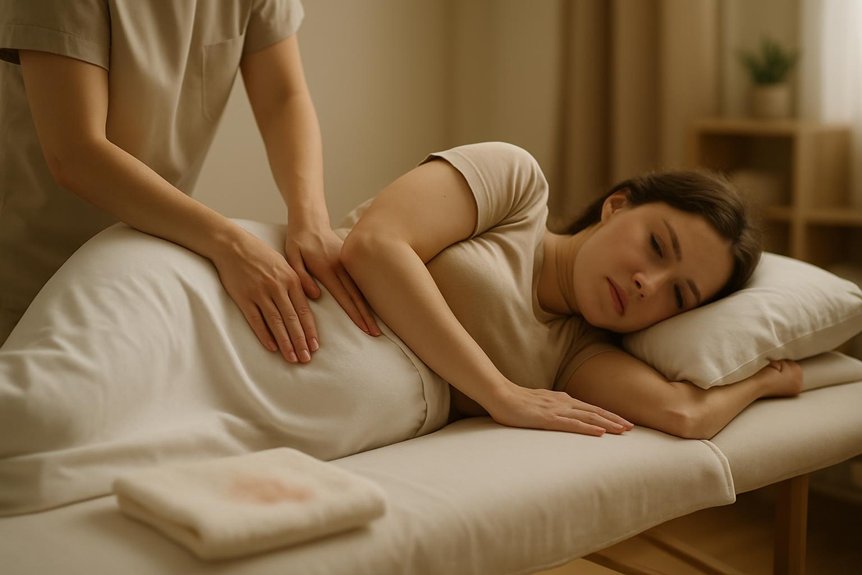
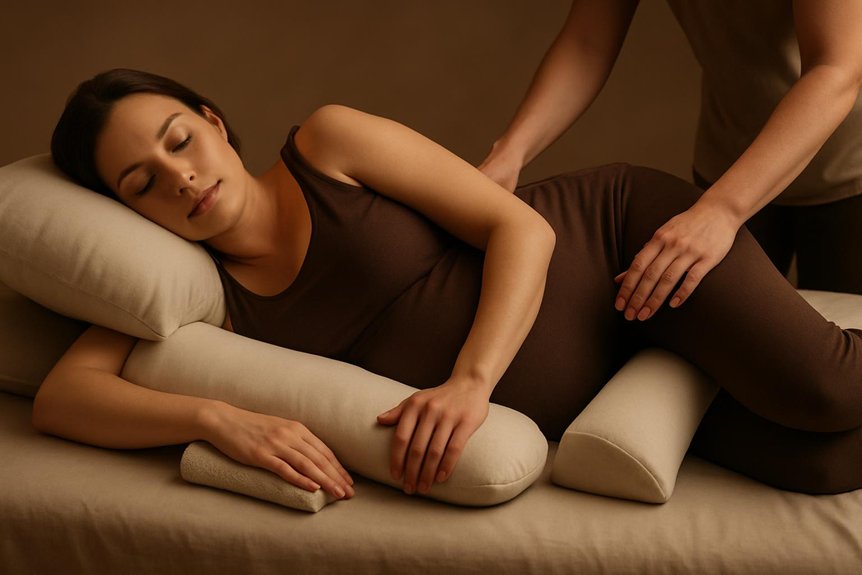
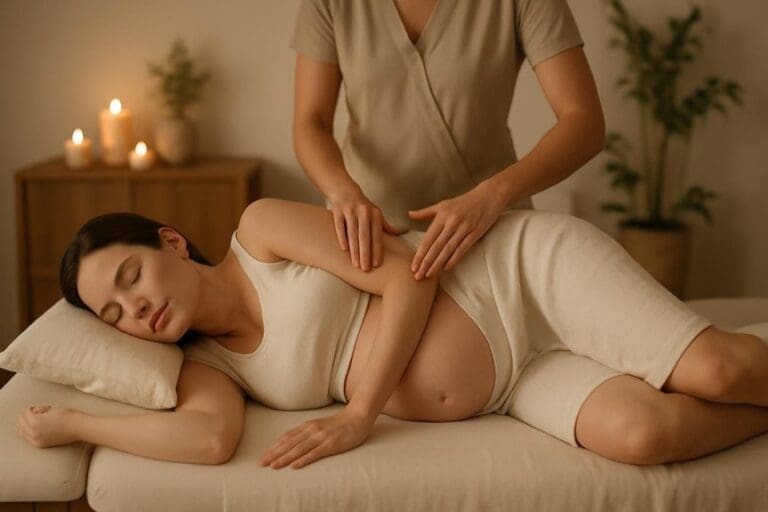
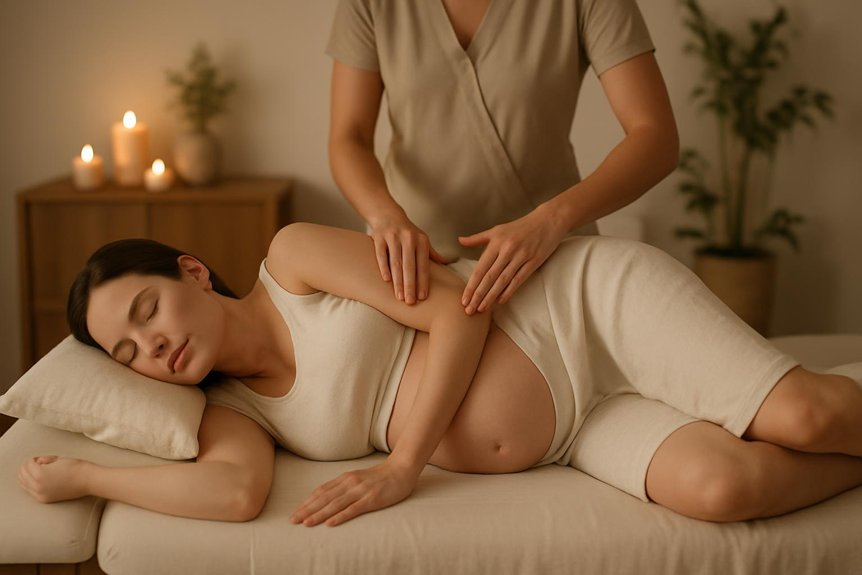
Treatment approach commonly shifts toward pregnancy-safe positioning—typically side-lying with appropriate bolstering—to minimise abdominal pressure and support haemodynamic stability.
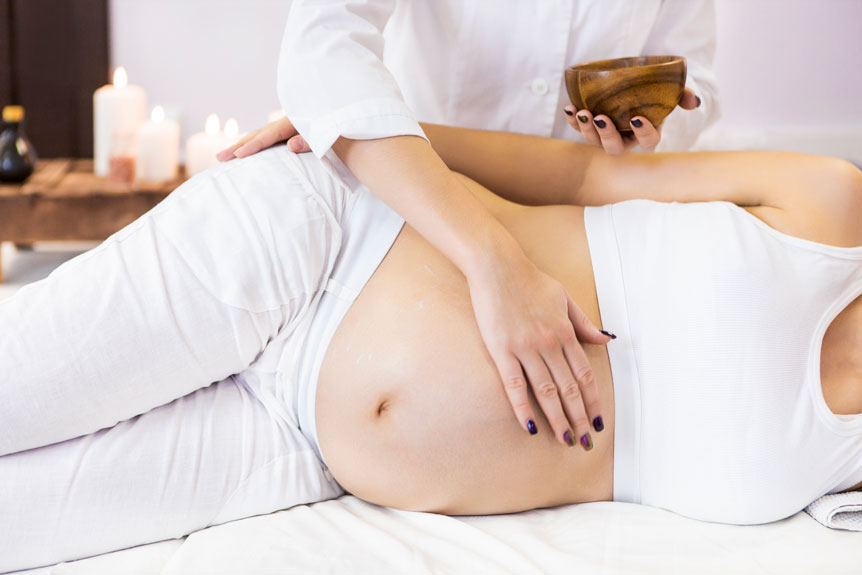
Pressure is kept light-to-moderate and adjusted to tissue response, avoiding sustained deep work over the abdomen and areas of marked tenderness or swelling.
First Trimester Considerations
Although 12 weeks marks the late first trimester, massage decisions at this stage are still shaped by a higher baseline of early-pregnancy uncertainty and symptom variability, so therapists at Spa & Massage treat it differently from later trimesters by prioritising conservative screening, gentler pressure, and careful positioning.
At 12 weeks, nausea, dizziness, fatigue, and breast tenderness may still fluctuate, and some clients have spotting or cramping histories that warrant postponement and GP/midwife clearance.
In-clinic intake focuses on obstetric risk factors (prior miscarriage, IVF, hypertension, clotting disorders), current medications, and red-flag symptoms.
Because early pregnancy carries a higher background risk of miscarriage unrelated to massage, therapists document informed consent and set realistic expectations.
Fragrance sensitivity is also common, so unscented oils are routinely offered.
Positioning And Pressure Changes
From a clinical risk-management perspective, massage at 12 weeks requires positioning and pressure to be modified to accommodate persistent first-trimester symptoms while anticipating early anatomical changes.
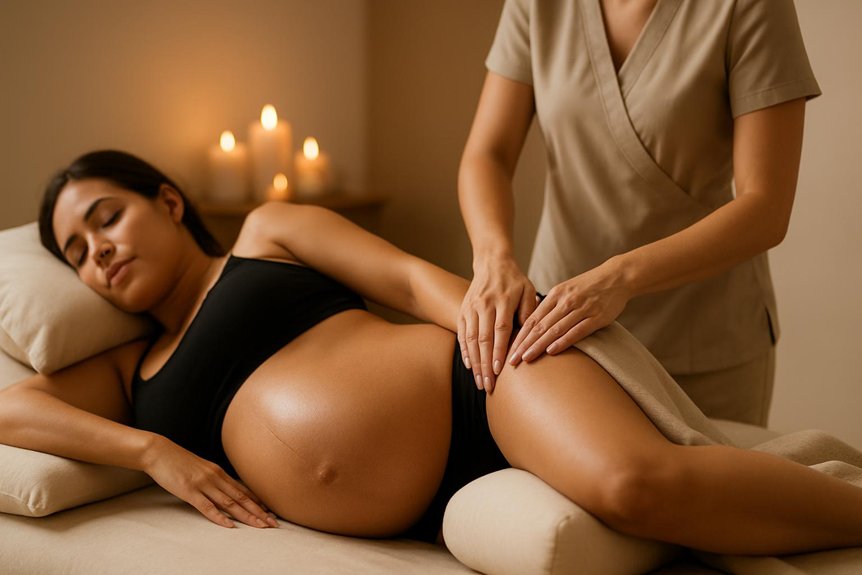
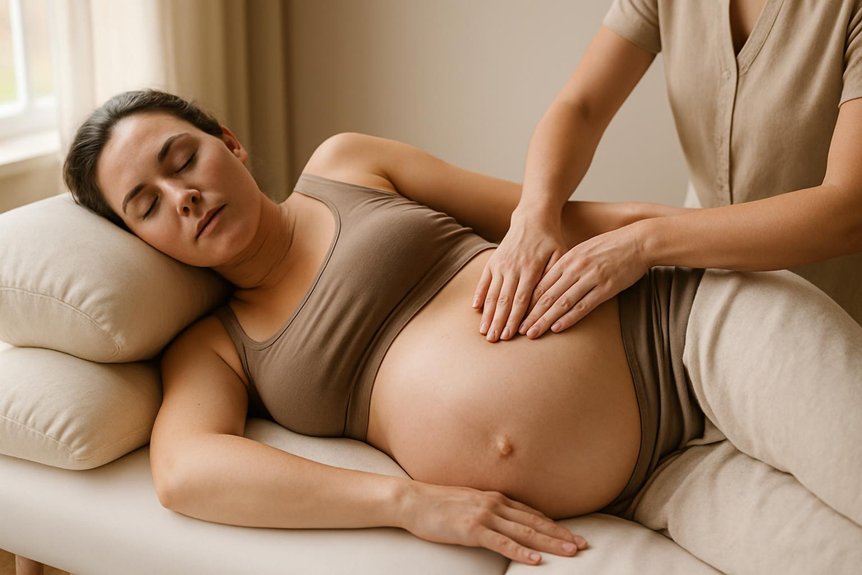
Supine time is kept brief to reduce nausea, reflux, dizziness, and early vena cava sensitivity; left side-lying with bolsters supports comfort and circulation.
Prone positioning is generally avoided unless a specialist pregnancy cushion is used and no abdominal pressure occurs.
Pressure is moderated: firm work may be appropriate over shoulders, hips, and legs, but deep, sustained compression over the lower abdomen, sacrum, and medial calf is avoided due to tenderness and thrombotic vigilance.
At Spa & Massage London clinics, therapists use slow, responsive strokes, frequent check-ins, and positioning that preserves closeness without strain.
What to Tell Your Therapist Before You Start
Before any hands-on work begins, the client should disclose key medical and pregnancy details so the therapist can complete an appropriate risk screen and select safe positioning, pressure, and techniques for a 12‑week prenatal massage.
They should share gestational age, IVF status, prior pregnancy losses, bleeding or spotting, cramps, dizziness, severe nausea, fever, reduced fetal reassurance concerns, and any clinician advice or restrictions.
Relevant conditions include hypertension, pre‑eclampsia history, clotting disorders or DVT/PE history, diabetes, thyroid disease, placenta concerns, migraine, and epilepsy.
All medications, supplements, allergies, and skin sensitivities should be listed, including reactions to essential oils; in Spa & Massage clinics, fragrance can be avoided.
The client should also describe comfort boundaries, tender areas, and preferred level of touch.
How We Adapt Prenatal Massage in the First Trimester
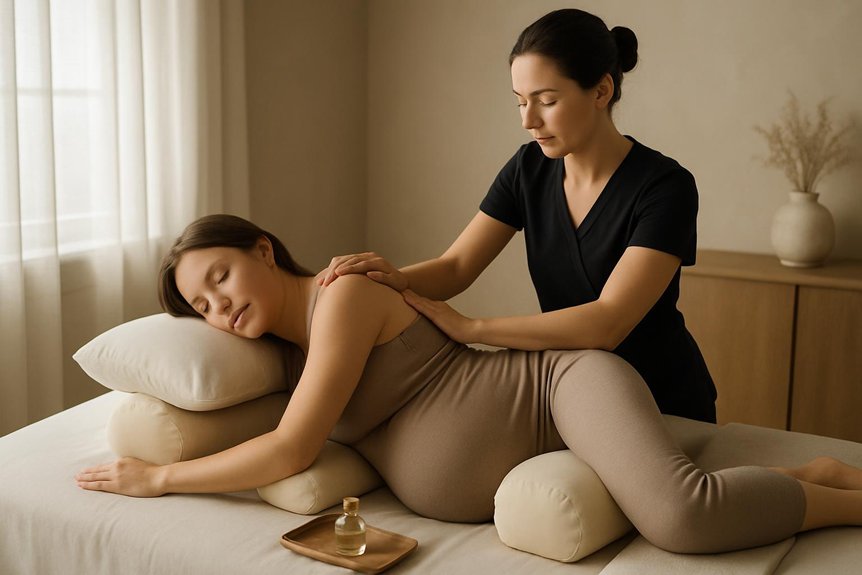
Adjustments in the first trimester prioritise maternal comfort and risk reduction rather than intensity.
At Spa & Massage, therapists keep pressure light-to-moderate, favour slow, grounding strokes, and avoid aggressive deep-tissue work that may provoke tenderness, nausea, or dizziness.
Sessions begin with a brief symptom check and consent-based communication, with frequent invitations to change pace, pressure, or pause.
Techniques focus on easing common early-pregnancy discomforts—neck and shoulder tension, headaches, low-back fatigue, and sleep disruption—while minimising prolonged, static compression.
Sensitive areas are treated conservatively, and any new pelvic pain, bleeding, fever, or clotting history triggers deferral and medical signposting.
In our clinics, fragrance-free or low-dose aromatherapy options are offered, respecting scent sensitivity.
Temperature, hydration, and aftercare guidance are kept gentle.
Best Massage Positions at 12 Weeks Pregnant
At around 12 weeks, the safest massage positions prioritise maternal haemodynamic stability and comfort while avoiding abdominal compression.
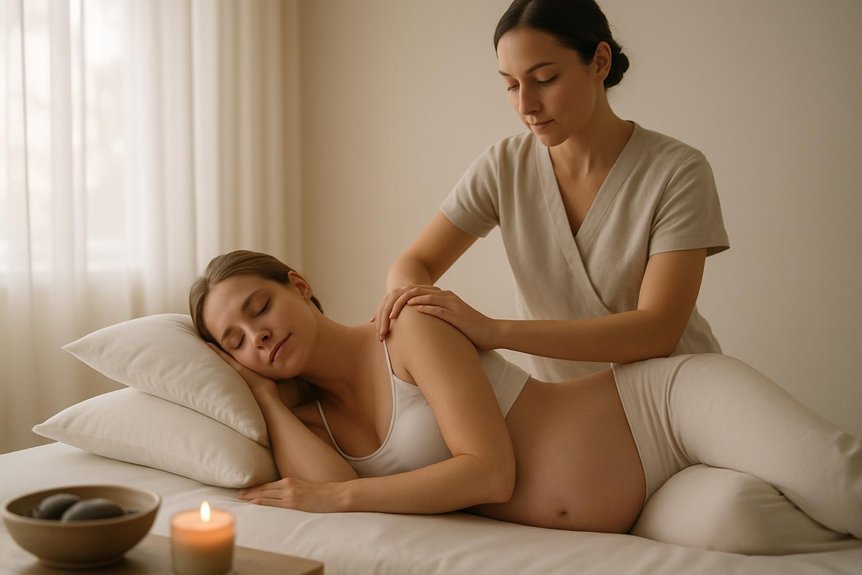
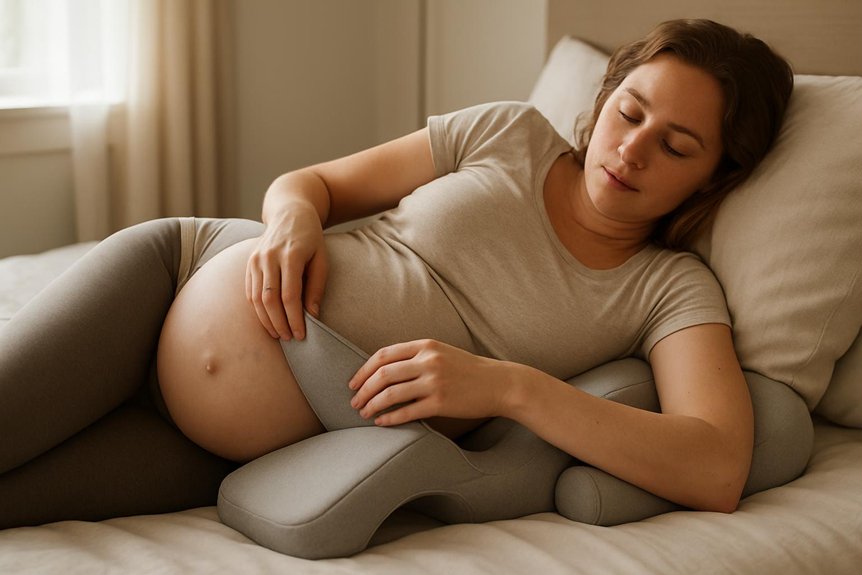
Semi‑side‑lying (left lateral) with supportive bolsters is generally preferred, as it reduces vena cava compression risk while allowing close, reassuring contact.
A slight upper‑body incline can further support breathing and minimise reflux.
Supine positioning may be tolerated briefly in early pregnancy, but should be time‑limited and stopped if nausea, dizziness, pallor, or breathlessness occur.
Prone lying is avoided unless specialised pregnancy cushions create a pressure‑free abdominal space and the client feels fully comfortable.
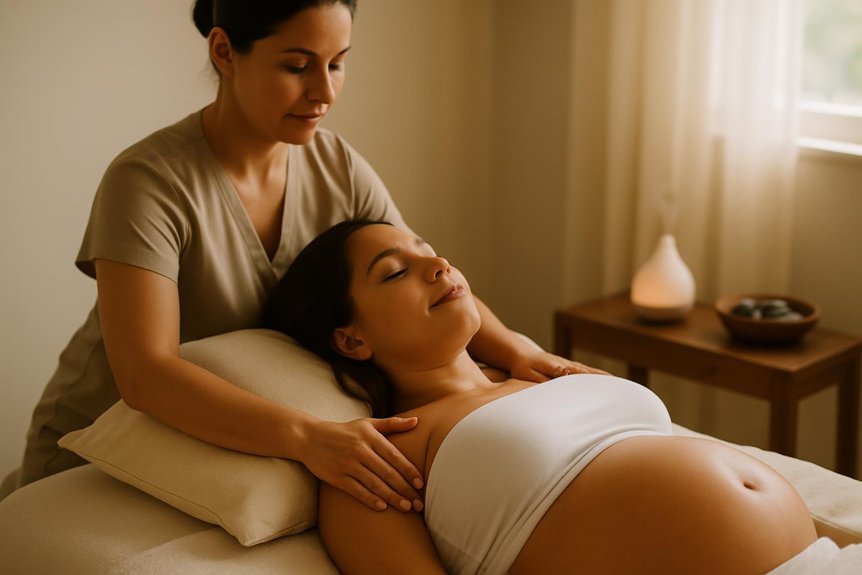
Seated, forward‑leaning support is useful for neck, shoulders, and back, and allows easy communication.
At Spa & Massage clinics, therapists continually reassess positioning throughout.
What Pressure and Oils Are Safe at 12 Weeks?
In early second trimester, massage pressure at 12 weeks is generally kept light to moderate and strictly comfort‑led, with deep, sustained work avoided over the abdomen and any areas of pain, swelling, or suspected thrombosis.
At Spa & Massage, therapists prioritise gentle, flowing strokes, cautious work around the lower back and pelvis, and immediate reduction of pressure if cramping, dizziness, unusual tenderness, or breathlessness occurs; varicose veins are treated with feather‑light touch only.
For oils, fragrance‑free, hypoallergenic carriers (such as grapeseed or sweet almond) are typically preferred, using minimal product to reduce nausea and skin reactivity.
Essential oils are used conservatively or omitted, especially in the first trimester; any aromatherapy is patch‑tested, low‑dilution, and avoided if asthma, migraine, or sensitivity is present.
What Symptoms Prenatal Massage May Ease at 12 Weeks
Reducing early‑pregnancy discomfort is the primary aim of a properly adapted prenatal massage at 12 weeks, and the symptoms most likely to respond are those linked to musculoskeletal strain and heightened stress physiology rather than obstetric complications.
Clients may notice reduced neck, shoulder, and upper‑back tension from postural change, and gentler easing of low‑back or pelvic girdle ache when positioning is well supported. Headache frequency related to muscle tightness may lessen.
Relaxation responses can help down‑shift anxiety, irritability, and sleep disturbance, indirectly softening fatigue. Some clients report calmer breathing and reduced nausea intensity, likely via stress modulation rather than direct gastrointestinal effects.
At Spa & Massage clinics, therapists avoid deep abdominal work and treat pain, bleeding, fever, or cramping as stop‑signals requiring medical review.
Conclusion
At 12 weeks, prenatal massage is usually safe when delivered by a pregnancy-trained therapist after screening, with modified positioning, conservative pressure, and avoidance of contraindications. Risk is highest in those with bleeding, severe abdominal pain, fever, uncontrolled hypertension, or a history of recurrent pregnancy loss, where medical review should precede treatment. One useful benchmark: miscarriage risk falls sharply after 12 weeks, from roughly 10–15% overall in recognised pregnancies to about 1–2% thereafter, underscoring why cautious first‑trimester triage matters.