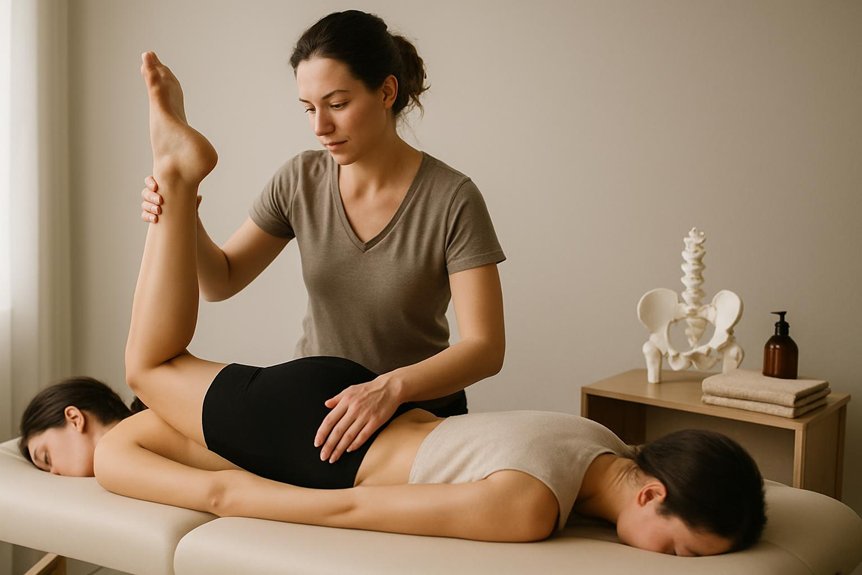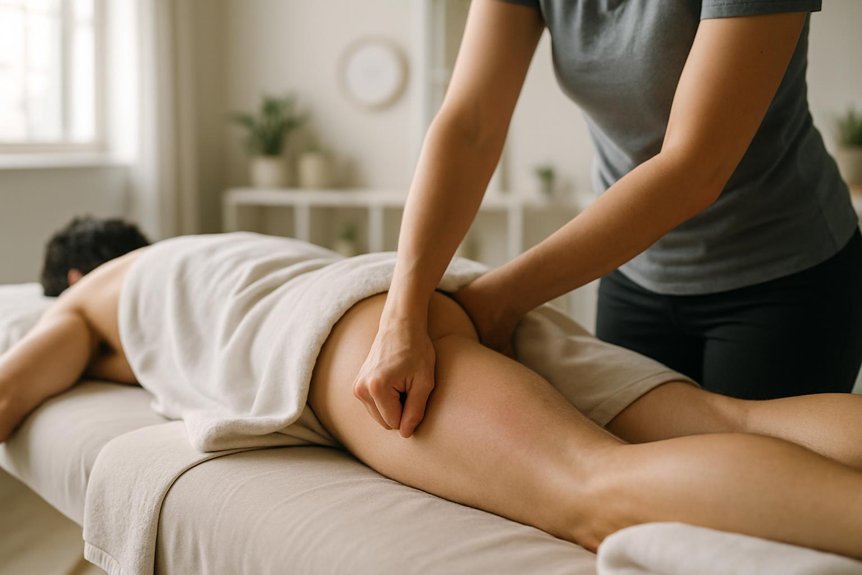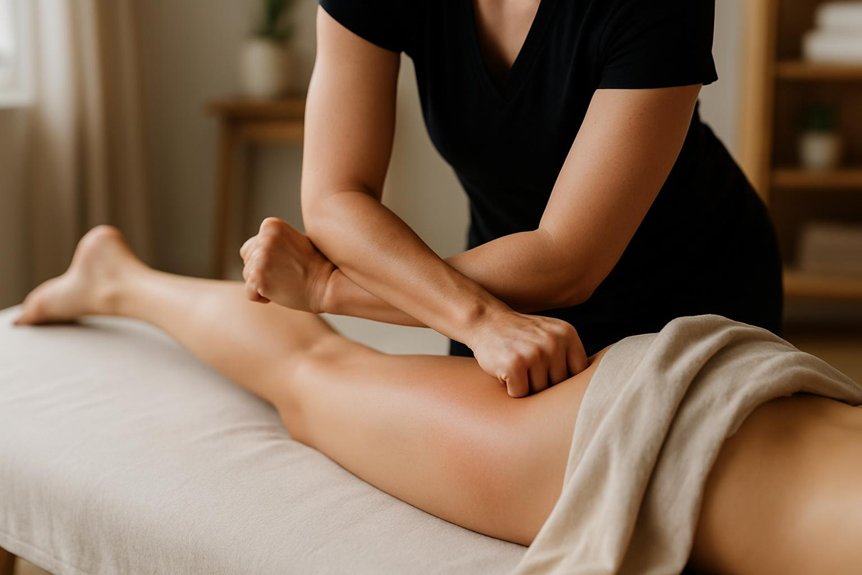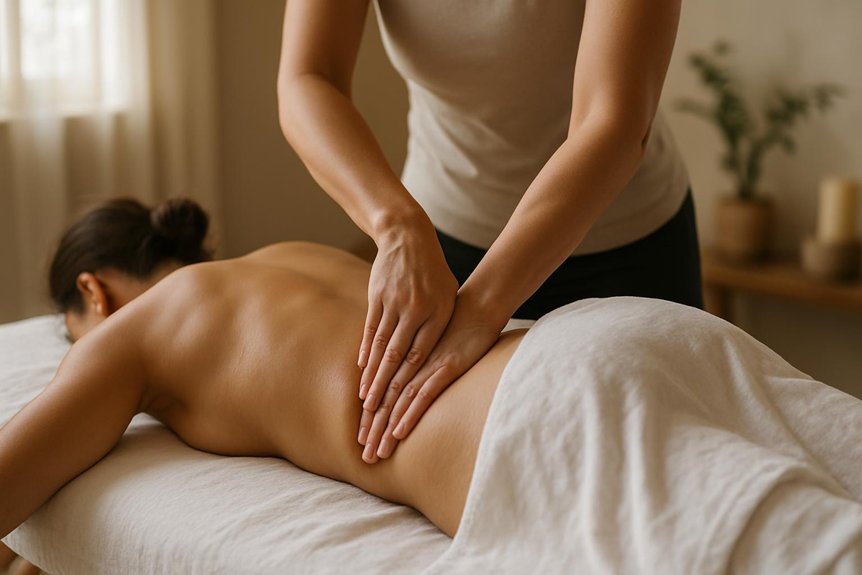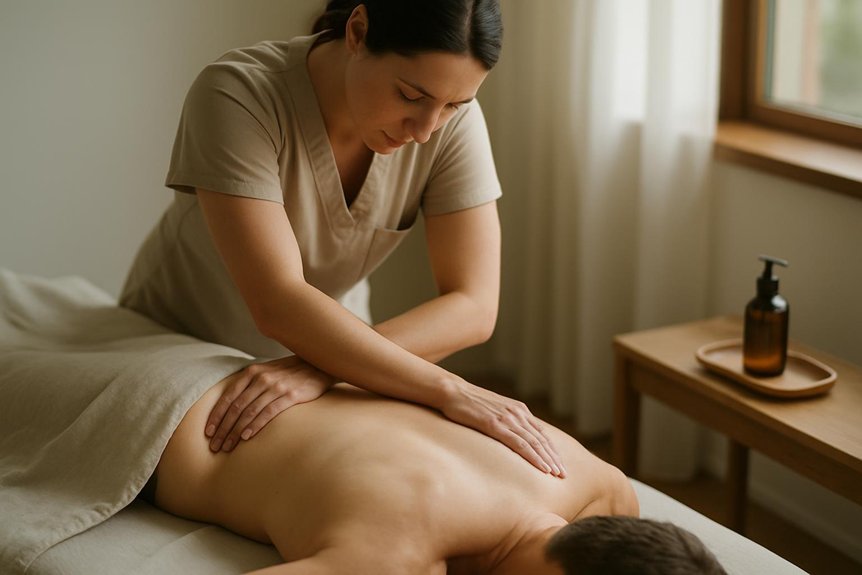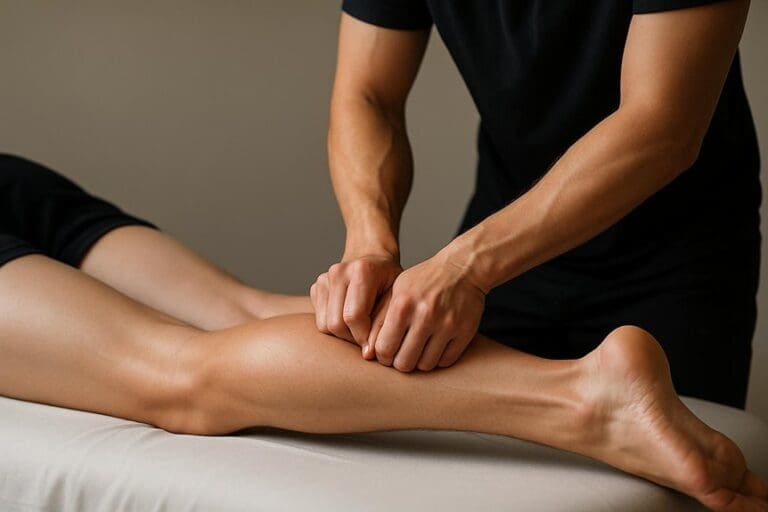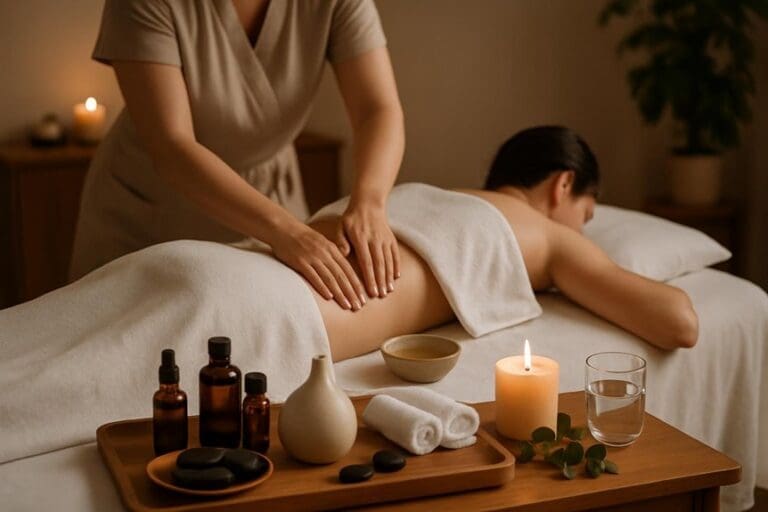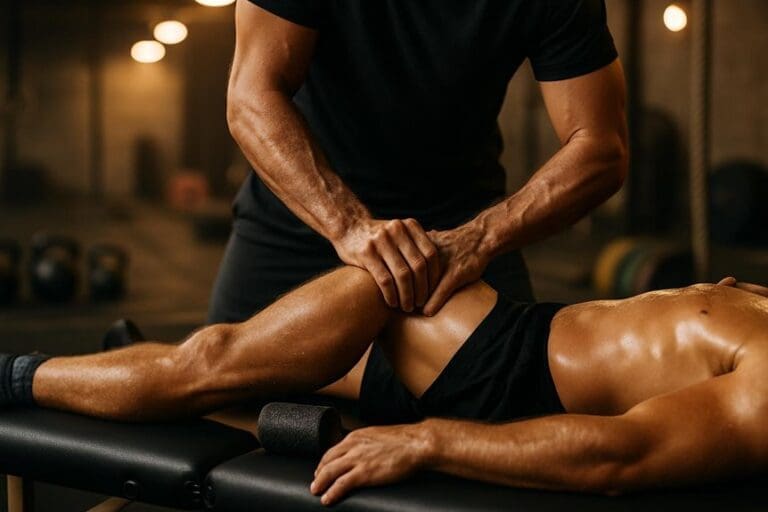
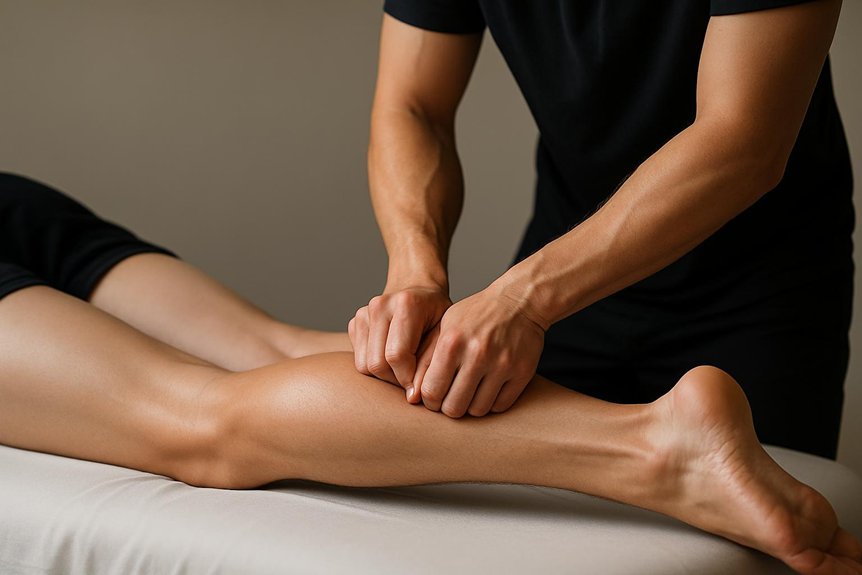
It can help tight calves by reducing perceived stiffness and pain, improving short-term ankle range of motion, and supporting recovery when tightness relates to overuse. It works by applying slow, sustained pressure to deeper muscle and fascia to ease protective guarding and improve tissue glide, while modulating pain sensitivity and lowering sympathetic arousal. Benefits are often felt immediately and over 24–72 hours, especially when paired with hydration, gentle walking, and heat. Further details clarify suitability and safe next steps.
Can It Relieve Tight Calves?
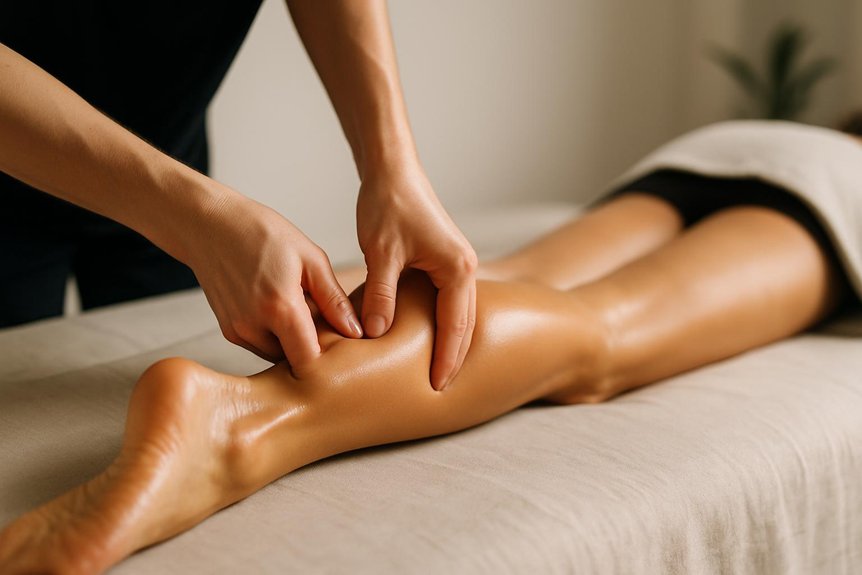
How effectively can it relieve tight calves? Evidence suggests it can reduce perceived muscle stiffness and pain, improve short-term range of motion, and support recovery when tightness is related to overuse.
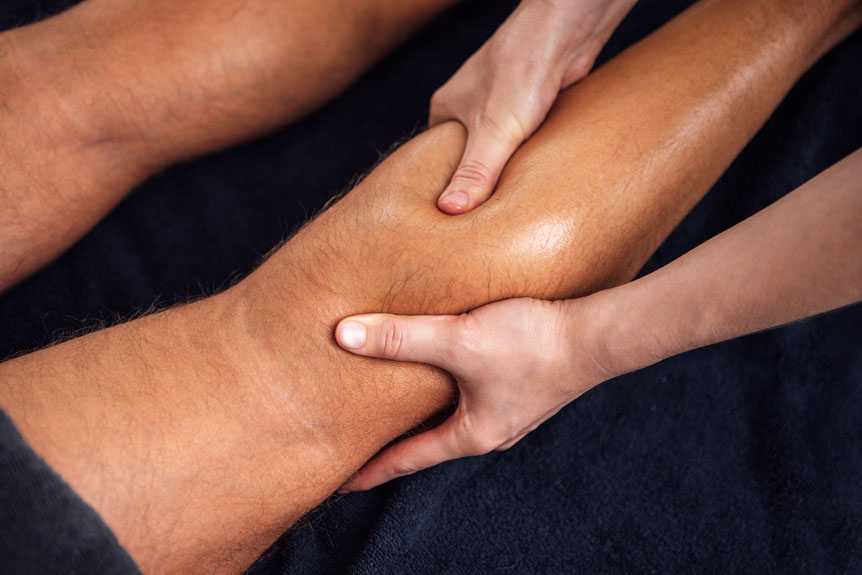
At Spa & Massage clinics across London, therapists apply slow, specific pressure to the gastrocnemius and soleus, often combining sustained holds, myofascial techniques, and targeted stretching to soften dense tissue and calm protective guarding.
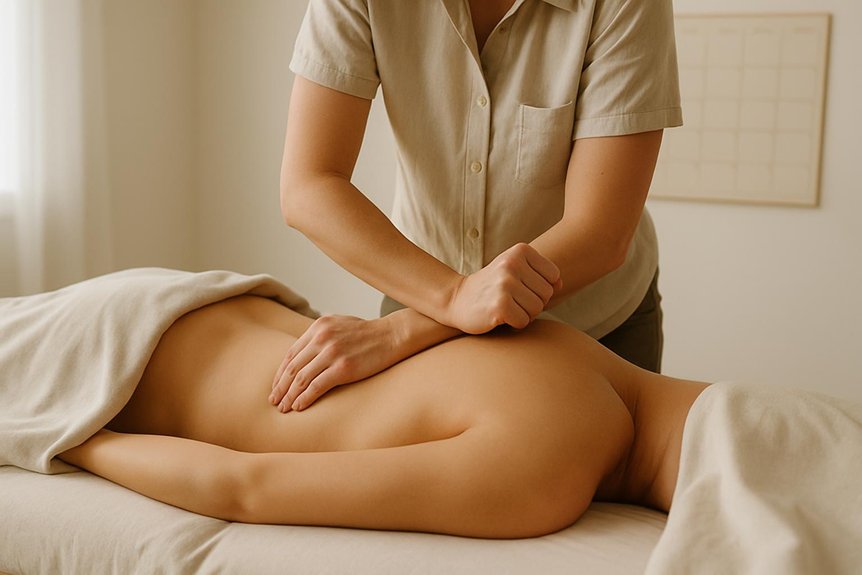
This approach draws on deep tissue massage techniques that use slow, firm pressure to address deeper layers of muscle and fascia.
Pressure is titrated to a “strong but safe” intensity, prioritising comfort and consent, which many clients find reassuringly close and attentive.
Benefits are typically felt immediately and over 24–72 hours, especially when paired with hydration, gentle walking, and heat.
Persistent symptoms warrant assessment.
Why Your Calves Feel Tight (Common Signs and Causes)
It can ease the sensation of tight calves, but lasting relief depends on identifying what is driving the tightness in the first place.
Common signs include aching after activity, stiffness on first steps, reduced ankle dorsiflexion, cramping at night, and tenderness or “knotted” bands along the gastrocnemius or soleus.
Causes often reflect muscle overuse, sudden training increases, limited recovery, dehydration or electrolyte imbalance, and protective guarding after a minor strain.
Biomechanical factors such as restricted ankle mobility, altered foot mechanics, or compensating for hip or knee issues can keep the tissues in a shortened state.
Less commonly, calf tightness accompanies nerve irritation or vascular concerns; swelling, redness, heat, or sharp pain warrants prompt medical assessment.
At Spa & Massage, therapists screen these patterns before treatment.
What Causes Tight Calves in London Day-to-Day Life?
Step outside in London and calf tension can accumulate quickly, driven less by training and more by routine loading patterns seen daily in Spa & Massage clinics.
Commuters often stand on packed Tube platforms, walk briskly in heeled or stiff shoes, and climb stairs, keeping the ankle in mild plantarflexion and biasing the gastrocnemius–soleus complex.
Desk-based work reduces ankle mobility; prolonged sitting shortens posterior-chain tissues and can leave calves reactive when movement resumes.
Cold, damp weather may increase perceived stiffness, while dehydration and high caffeine intake can contribute to cramp susceptibility.
Stress elevates resting muscle tone and encourages shallow breathing, which many clients report as “tightness.”
In clinic histories, inconsistent warm-ups and sudden weekend activity commonly amplify these everyday loads.
How It Loosens Tight Calf Muscles
Everyday loading patterns such as prolonged standing, brisk walking in restrictive footwear, and extended sitting can leave the gastrocnemius–soleus complex in a persistently elevated tone.
It targets deeper layers of muscle and fascia to reduce guarding and improve tissue glide, supporting smoother ankle dorsiflexion and more comfortable gait.
Slow, sustained pressure and specific stripping along the calf can help modulate nociception and downshift sympathetic arousal, so the calf feels safer to soften.
At Spa & Massage clinics across London, therapists pace pressure to the client’s breath and feedback, creating a contained, respectful experience.
As local circulation and lymphatic return are supported, many clients notice less heaviness and fewer night cramps.
Results are often best when treatment is tailored to activity, pain history, and tenderness response.
Deep Tissue vs Sports Massage for Tight Calves: Which Suits You?
Intensive tissue massage and sports massage can both reduce calf tightness, but they serve different treatment goals: deep tissue targets persistent muscle and fascial restriction, while sports massage focuses on performance support, recovery, and load-related strain.
At Spa & Massage clinics across London, therapists select techniques based on assessment findings, symptom behaviour, activity demands, and tolerance to pressure.
The best choice depends on whether the primary aim is longer-term release of chronic tightness or quicker support around training and sport.
Treatment Goals And Use
Although tight calves often present as a single complaint, the most appropriate massage approach depends on the primary goal—reducing persistent myofascial restriction and sensitivity (typically suited to deep tissue work) versus improving performance-related function and recovery after training (often better addressed with sports massage).
Deep tissue sessions tend to use slower, sustained pressure to soften adhesions, calm local tenderness, and improve glide through the gastrocnemius–soleus complex and Achilles region, with close attention to comfort and breathing.
Sports massage is usually more variable—combining targeted pressure with compressions, stretching, and movement-based techniques to support range, load tolerance, and post-exercise recovery.
At Spa & Massage clinics across London, therapists align pressure, pace, and positioning to the client’s symptoms and training context, then advise gentle hydration and walking.
Best Choice For You
Choose between deep tissue and sports massage for tight calves by matching the treatment to the dominant driver of symptoms and the person’s activity demands: deep tissue is typically the better fit for persistent myofascial tightness, local tenderness, and restricted tissue glide, while sports massage more often suits training-related stiffness where restoring range, supporting load tolerance, and accelerating post-exercise recovery are priorities; at Spa & Massage clinics across London, therapists use a brief assessment of pain behaviour, functional limitation (e.g., walking, stairs, running), and recent training load to recommend the most appropriate approach and pressure level.
Deep tissue may suit those with long-standing “knotted” bands, morning stiffness, or calf tightness linked to prolonged sitting. Sports massage may suit runners and gym-goers with DOMS, heavy calf loading, or upcoming events.
Both should feel intense yet safe; therapists invite steady breathing and real-time feedback, and adjust depth, pace, and aftercare.
What Happens in a Calf Deep Tissue Session: and Will It Hurt?
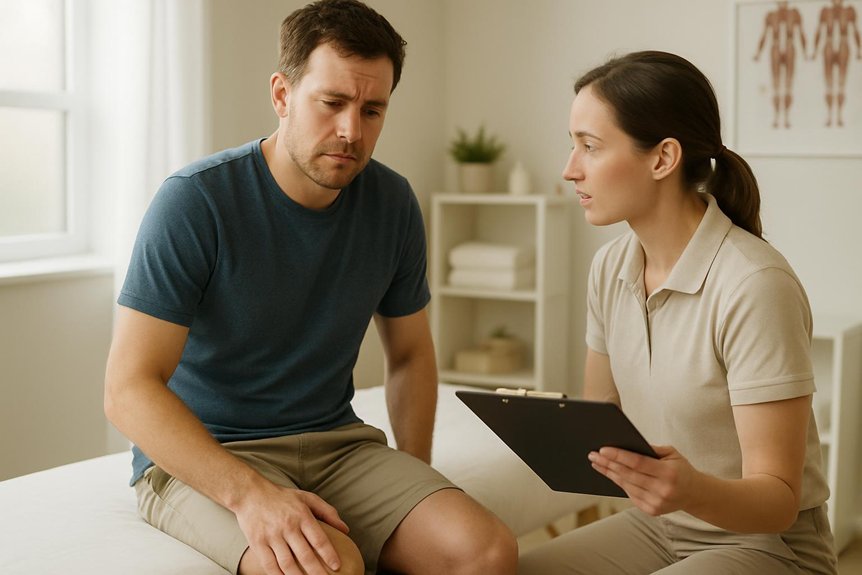
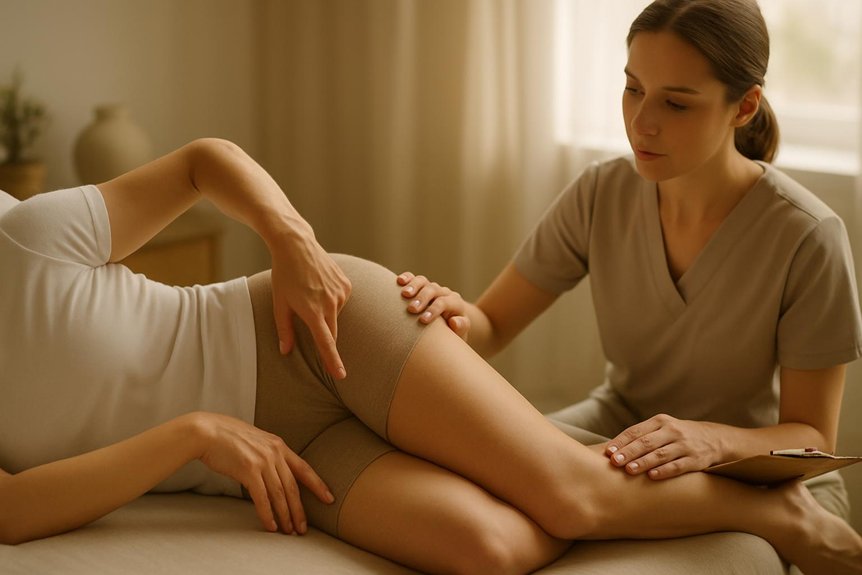
Targeting tight calves in a deep tissue session typically starts with a brief clinical intake to clarify symptoms (e.g., stiffness, cramping, Achilles or plantar discomfort), activity levels, and any contraindications such as acute strain, swelling, or suspected thrombosis.
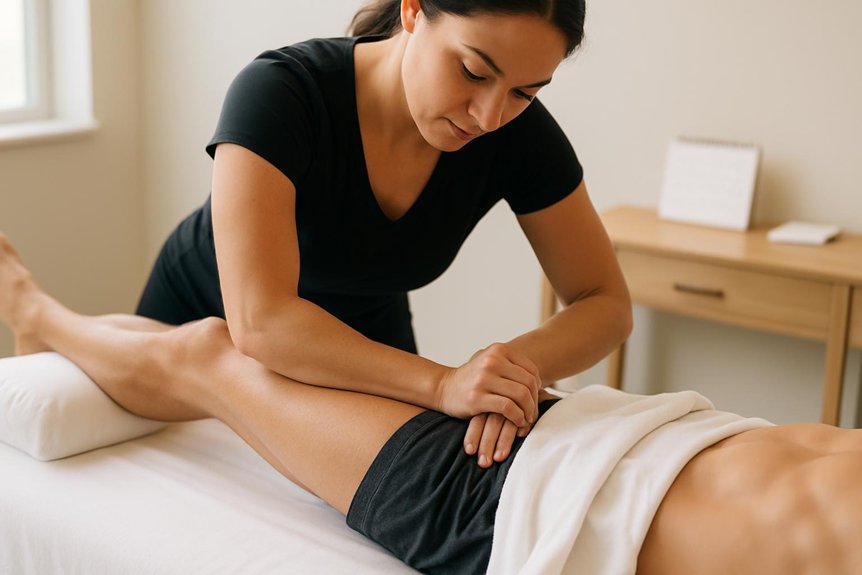
At Spa & Massage, the therapist then positions the client comfortably and applies slow, specific pressure along gastrocnemius and soleus, sometimes addressing the plantar fascia and surrounding ankle tissues. Techniques may include stripping, sustained compression, and gentle stretching, using oil for controlled glide and skin comfort.
Sensation should feel “strong but safe”; sharp, burning, or radiating pain is not expected and pressure is adjusted immediately.
Mild post-treatment tenderness can occur, so hydration and light walking are commonly advised.
How Often Should You Book Deep Tissue for Tight Calves?
Once a client understands what deep tissue work on the calves feels like and what normal after-sensations to expect, the next question is frequency.
At Spa & Massage, therapists typically suggest a short “reset” phase of 1 session weekly for 2–4 weeks when tightness is persistent, activity-related, or paired with tenderness and restricted ankle movement.
For maintenance, many clients do well with sessions every 3–6 weeks, adjusting around training load, commuting, and footwear.
If symptoms flare during runs, long standing, or travel, a brief return to weekly care may be appropriate.
Frequency should be guided by objective change—reduced soreness, improved calf length, and easier walking—rather than intensity alone, and reviewed each appointment with therapist feedback.
Aftercare: Keep Calves Loose Between Massage Sessions
Often, the difference between calves that stay supple and calves that “re-tighten” after deep tissue work comes down to structured aftercare: brief daily mobility, sensible loading, and hydration habits that support tissue recovery and reduce recurrent guarding.
At Spa & Massage, therapists recommend 2–3 minutes of ankle circles, slow calf raises, and gentle wall calf stretches twice daily, stopping short of sharp pain. Light walking the same day can improve circulation; high-intensity running or heavy leg training is best delayed 24–48 hours if tenderness persists. Heat may ease stiffness; short cold exposure can settle post-treatment soreness.
Hydration and adequate protein support recovery.
For desk-based clients, a mid-day standing break and occasional heel drops can maintain length. Consistent aftercare sustains the session’s gains between visits.
When Tight Calves Need Medical Advice Before Massage
When should tight calves be assessed by a medical professional before intensive tissue massage? Assessment is advisable when calf pain is sudden, severe, follows trauma, or is accompanied by swelling, heat, redness, fever, numbness, weakness, or chest pain/shortness of breath (possible thrombosis).
Medical advice is also needed with unexplained one‑sided swelling, new bruising, visible varicose changes, night pain, or pain that worsens at rest.
People with recent surgery, pregnancy, cancer history, clotting disorders, or anticoagulant use should seek clearance.
At Spa & Massage, therapists screen carefully and may pause treatment if signs suggest infection, tear, nerve involvement, or vascular compromise.
Clients are encouraged to share symptoms openly; safe care prioritises comfort, consent, and referrals.
Conclusion
It can act like a pressure release valve for calves that feel wound tight, easing adhesions, improving local circulation, and restoring ankle mechanics when overuse or old strain keeps tissue guarded. Benefits are often measurable: reduced soreness, improved range of motion, and fewer cramps when paired with targeted stretching and load management. Discomfort may occur, but it should remain tolerable and purposeful. Persistent swelling, redness, sudden weakness, or suspected clot warrants medical review before treatment.