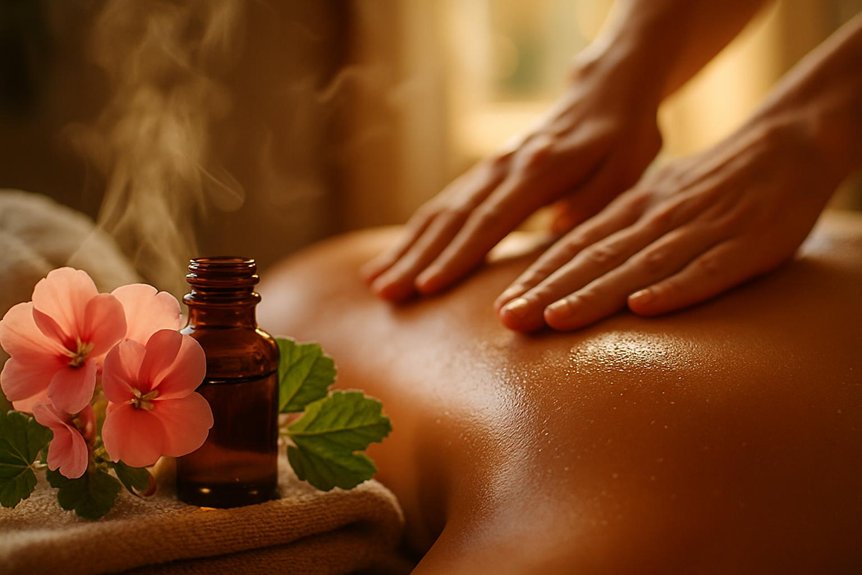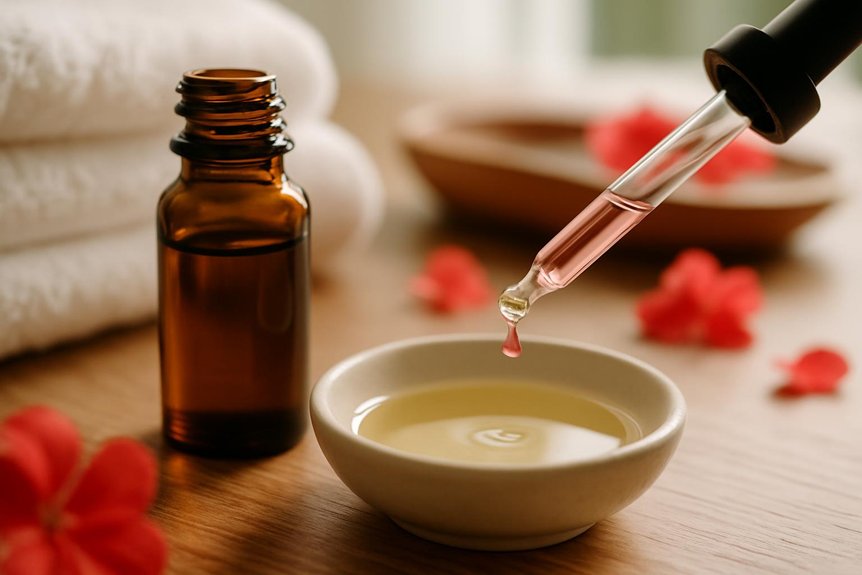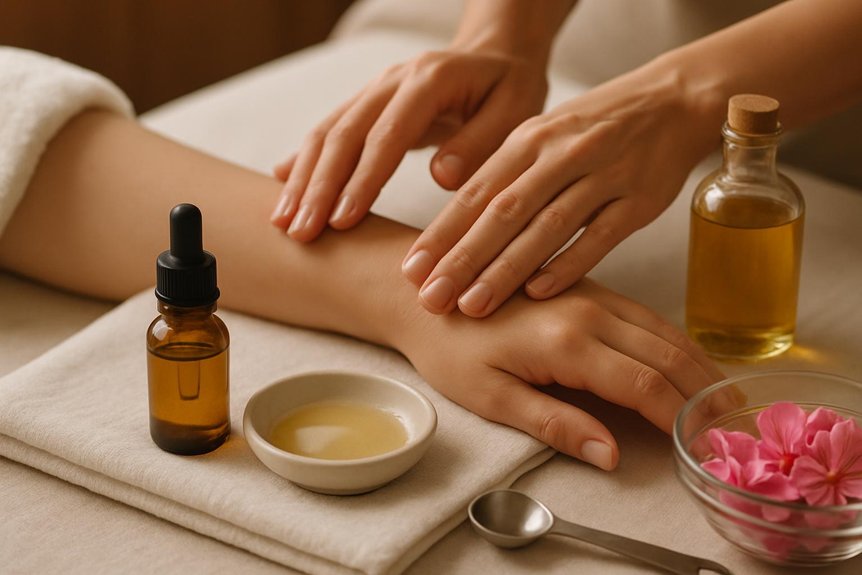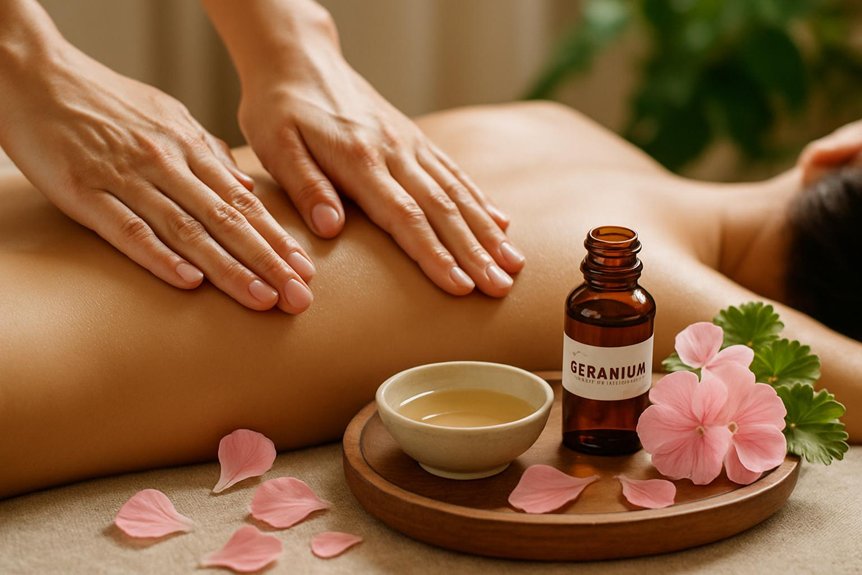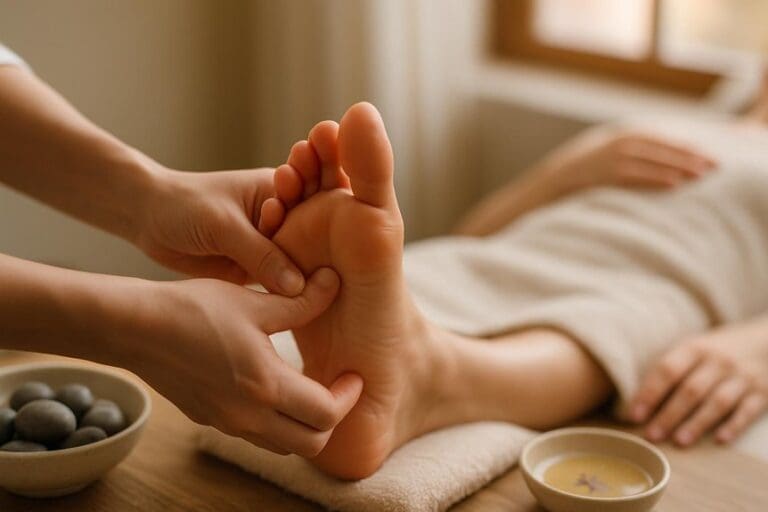
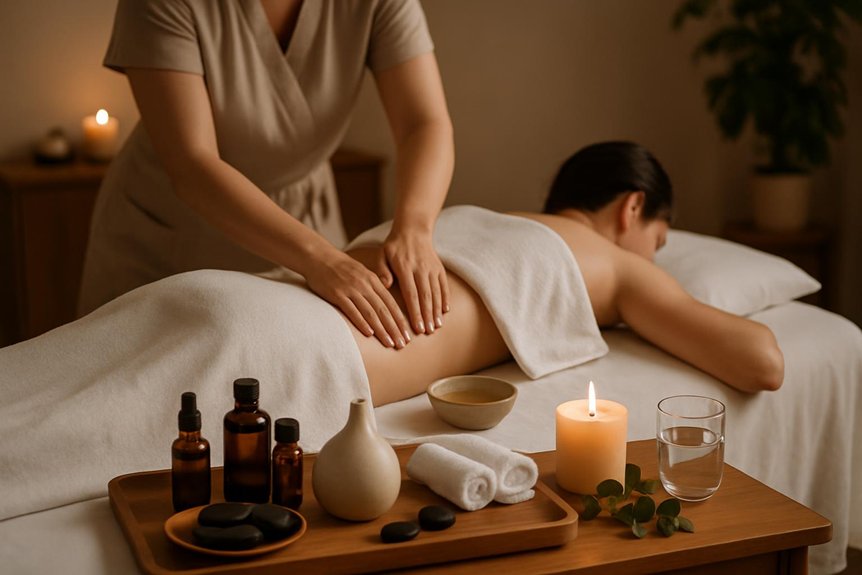
An aromatic massage session usually starts with a brief consultation to confirm goals, review health history, check medications, and screen for allergies or sensitivities such as asthma, eczema, migraine, or pregnancy. Suitable essential oils are then selected with client input and diluted conservatively in a carrier oil, with patch testing offered when needed. The massage uses professional draping, calm pacing, and adjustable pressure with regular consent check-ins. Aftercare advice covers hydration, rest, and when to report reactions, with more helpful details ahead.
What Happens in an Aromatic Massage, Step by Step?
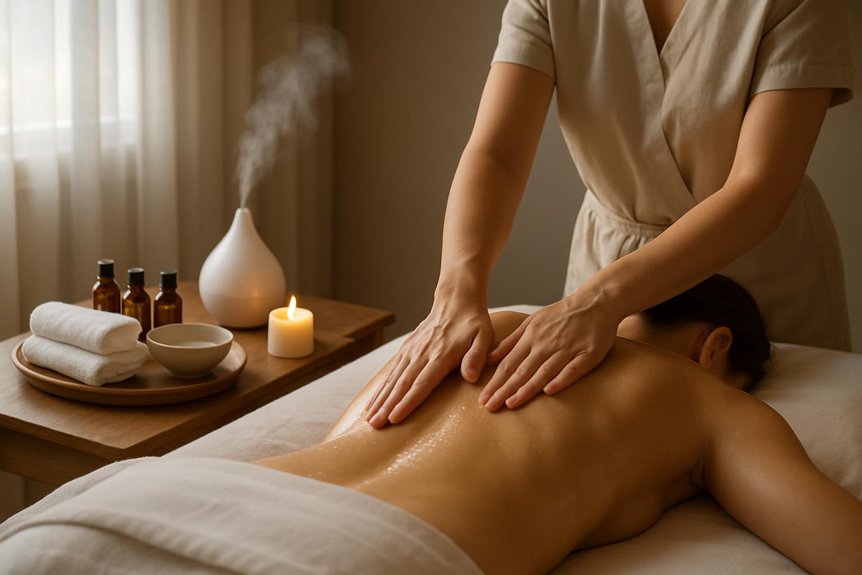
From arrival to aftercare, an aromatic massage at Spa & Massage follows a structured, safety-led process designed around the client’s goals.
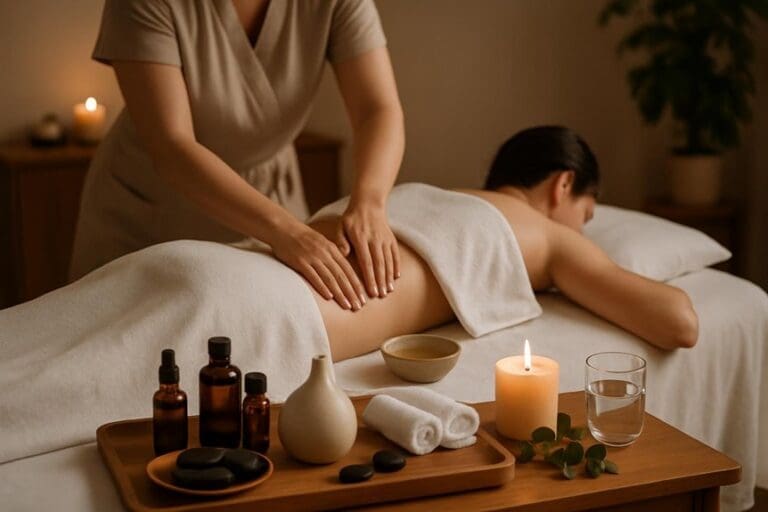
The therapist prepares a calm room, checks comfort preferences, and supports discreet undressing with clear draping throughout.
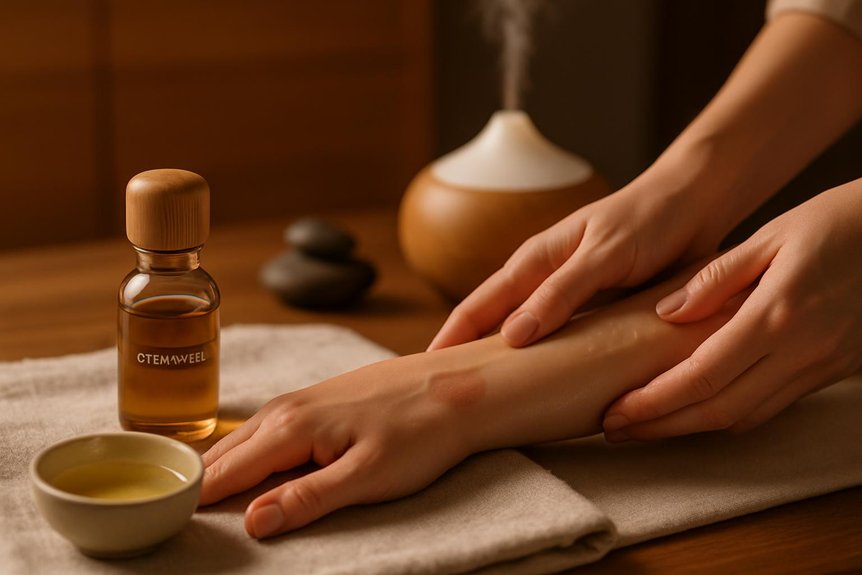
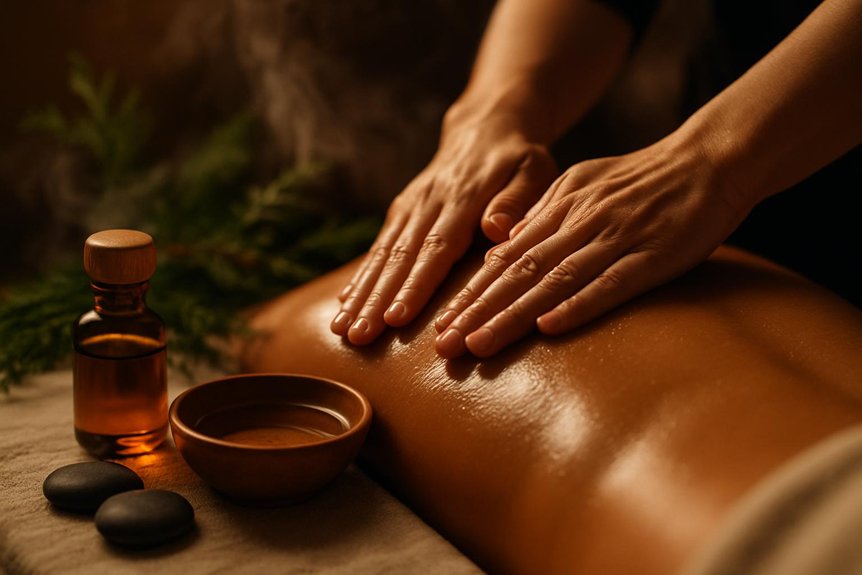
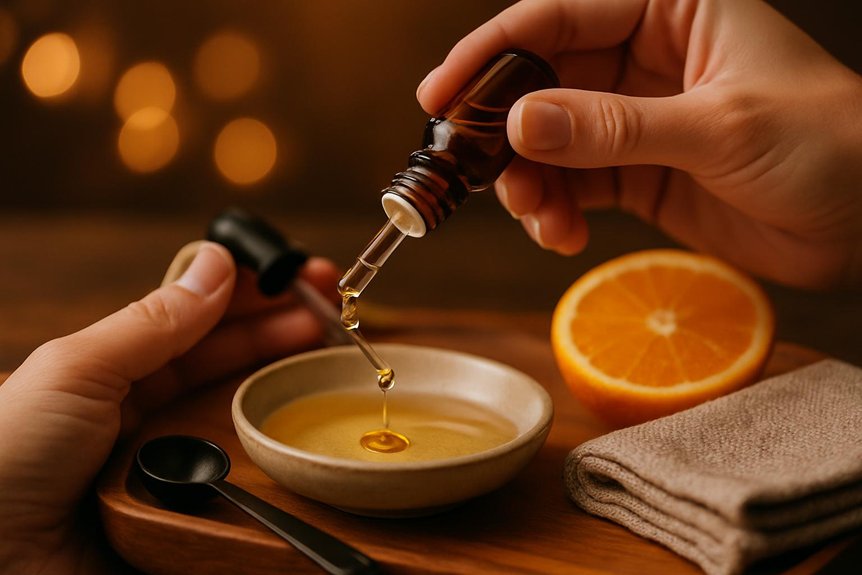
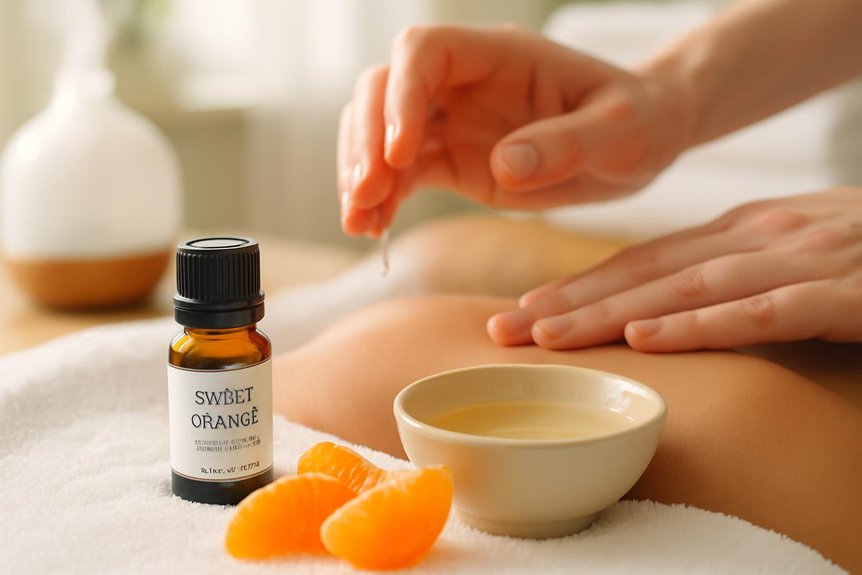
A diluted blend of essential oils is selected and patch-tested when indicated, then applied with slow, rhythmic strokes to encourage relaxation and parasympathetic settling.
Pressure is adjusted continuously, with focused work on areas of tension while maintaining fluid, soothing contact.
Breathing cues may be offered to deepen ease and body awareness.
The session closes with gentle grounding holds, a gradual return to sitting, and water offered.
Aftercare guidance covers hydration, avoiding alcohol, and allowing rest so effects feel integrated for the body.
These aromatic massage tips can help you relax and heal by reinforcing a calm, supportive routine before and after the session through aromatherapy massage.
Your Consultation: Goals, Health, and Allergies
Before any oils are blended or techniques are chosen, the consultation sets the clinical and comfort parameters for an aromatherapy massage at Spa & Massage. The therapist invites the client to share intentions—stress relief, better sleep, muscular ease, or emotional grounding—so the session can feel personal and held, not generic.
A brief health review follows: current pain, injuries, pregnancy status, recent surgery, medical conditions, and medication use that may affect massage suitability. Allergies and sensitivities are checked carefully, including asthma, eczema, fragrance reactions, and nut or carrier‑oil intolerances. Skin patch history and previous responses to massage are noted.
The therapist also confirms boundaries, preferred pressure, modesty and draping comfort, and areas to avoid, supporting trust and safety throughout.
How We Choose Essential Oils for Your Aromatic Massage
With the consultation complete, essential oils for an aromatic massage at Spa & Massage are selected through a structured, safety-led process that balances the client’s goals with clinical considerations.
Therapists match desired outcomes—calm, uplift, grounding, muscle ease, or sleep support—to oils with established aromatherapeutic use, while avoiding known irritants.
Contraindications are screened: pregnancy, asthma, epilepsy, migraine sensitivity, skin conditions, and medication interactions inform oil choice and dilution.
In Spa & Massage clinics, only professional-grade, well-stored oils are used, blended in a skin-friendly carrier at conservative concentrations to reduce sensitisation risk.
Preference is central: clients are invited to smell options, note emotional responses, and choose a profile that feels personal and safe.
Patch testing may be advised for reactive skin.
How Long an Aromatic Massage Lasts (and What’s Included)
In most cases, an aromatic massage at Spa & Massage lasts 60 or 90 minutes, with shorter sessions available for targeted work and longer appointments suited to full-body treatment and deeper relaxation.
Each session typically includes a brief consultation to confirm goals, relevant medical considerations, and scent preferences, supporting safe essential-oil selection and appropriate pressure.
Time is then spent on slow, flowing massage strokes designed to calm the nervous system, ease muscular tension, and encourage restful breathing, while keeping communication open about comfort and boundaries.
Many clients choose focused work on neck, shoulders, back, or hips, or a balanced head-to-toe approach.
The appointment usually finishes with a short pause to reorient, plus practical aftercare guidance used in Spa & Massage clinics, such as hydration and gentle movement.
What to Wear for an Aromatic Massage and How Draping Works
Most clients are most comfortable wearing their usual underwear (or keeping it on throughout), as aromatic massage is performed only on the areas being treated and is supported by professional draping to protect privacy.
At Spa & Massage clinics across London, clients are invited to undress only to their comfort level; a therapist will step out while the client settles on the couch under a sheet.
During treatment, only the body part being worked on is uncovered, and the rest remains securely covered, including the chest and groin.
Drapes are adjusted before any position change, with clear consent and check-ins.
Clients who prefer to stay fully clothed can request adapted work, though oil application may be limited.
Jewellery is best removed; hair can be tied back.
Pressure, Pace, and Techniques in Aromatic Massage
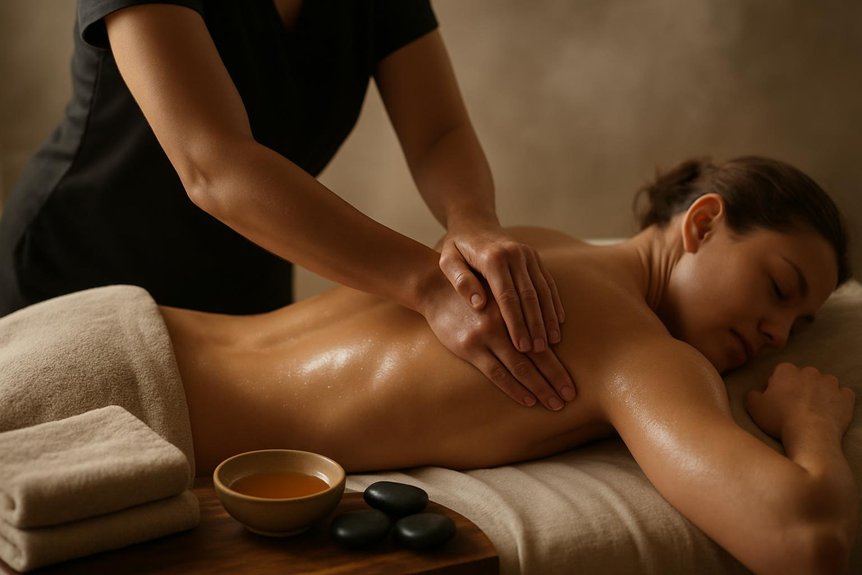
In aromatic massage, pressure and pace are adjusted to the client’s comfort, goals, and tissue response, with safety guided by ongoing feedback and contraindication checks.
At Spa & Massage clinics across London, therapists tailor touch from light, calming strokes to firmer, slower work where appropriate, monitoring breathing, tenderness, and relaxation cues throughout.
Signature aromatherapy techniques combine flowing effleurage, gentle kneading, and focused release with carefully selected essential oil blends to support a balanced, client-centered session.
Custom Pressure And Pace
Adjusting pressure and pace is central to an effective aromatic massage, because the safest and most therapeutic approach depends on the client’s goals, tissue sensitivity, medical history, and day-to-day stress levels. In Spa & Massage clinics across London, therapists begin with consent-led check-ins, then modulate touch from feather-light to firm, always within comfortable, non-painful limits.
A slower rhythm supports nervous-system settling and deeper breathing, while a steadier pace can warm tissues and ease stubborn tightness without overwhelming sensation. Pressure is reduced around vulnerable areas, recent injuries, pregnancy considerations, varicose veins, or heightened tenderness, and increased only when the body softens and the client requests more. Throughout, clients are encouraged to signal preferences, so each stroke feels personal, secure, and deeply held.
Signature Aromatherapy Techniques
How do signature aromatherapy techniques create both measurable relaxation and targeted muscular relief? At Spa & Massage, therapists blend steady effleurage with slower, deeper petrissage to encourage parasympathetic settling while easing adhesions. Pressure is graded minute by minute, staying within a client’s “good pain” threshold to prevent protective guarding. Pace is intentionally unhurried; longer strokes support calmer breathing and improve glide, reducing friction on sensitive skin.
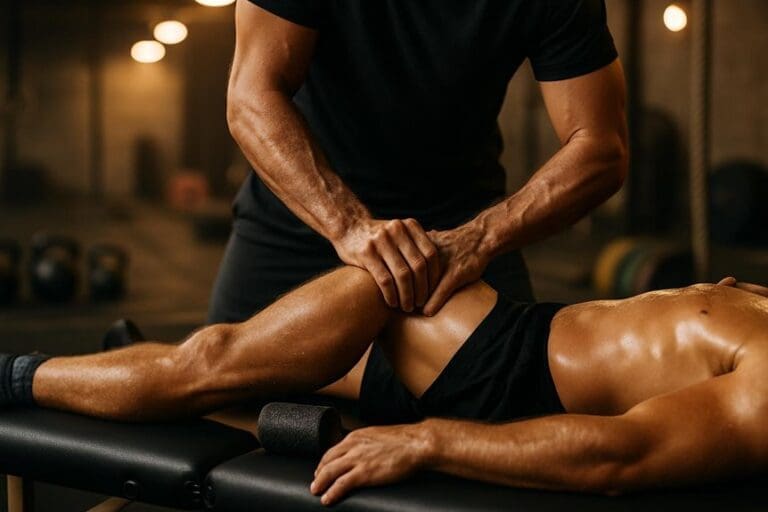
Signature work may include forearm compressions for broad back tension, thumb-free knuckle or elbow tracing for stubborn knots, and gentle joint mobilisations to restore ease without strain. Essential oils are diluted safely and chosen with contraindications in mind (pregnancy, asthma, allergies). Clients are invited to share comfort cues, enabling intimate, respectful care.
What You Might Feel During and After the Massage
During an aromatic massage at Spa & Massage, clients commonly notice warmth, gentle pressure, and increased circulation, alongside the scent and skin feel of carefully selected essential-oil blends.
Emotional shifts such as calm, reduced stress, or occasional tearfulness can occur and are treated as normal responses, with therapists checking comfort and adjusting the session as needed.
After the massage, people may feel deeply relaxed or mildly fatigued, and short-lived soreness or light-headedness is possible, so aftercare typically emphasises hydration, slow shifts to standing, and rest if required.
Sensations During Treatment
Many clients notice a distinct shift in both body and mood as an aromatic massage begins: warmth from the oil, gentle-to-firm pressure through muscles, and a gradual slowing of the breath as the nervous system settles.
As strokes continue, it is common to feel tingling, heaviness, or a pleasant floating sensation as circulation increases and tissues soften.
In Spa & Massage clinics, therapists check pressure and comfort, and clients may notice brief tenderness over tight areas; this should remain within tolerable limits and can be adjusted immediately.
Some experience cooling on the skin as oils evaporate, or subtle changes in temperature as blood flow redistributes.
After the session, the body may feel loose, grounded, or lightly fatigued, with increased thirst and easier movement for hours.
Emotional Shifts And Calm
Alongside the physical softening and changes in breath, aromatic massage often brings noticeable emotional settling as the nervous system shifts towards a calmer state.
In Spa & Massage clinics across London, many clients report feeling grounded, quietly held, or more at ease with closeness and touch as tension drops.
Some notice a gentle release—tearfulness, sighing, or a sense of relief—which can be a normal stress response rather than a sign something is wrong.
Therapists support this by choosing essential oils for the client’s preferences and sensitivities, keeping pressure and pacing predictable, and checking consent throughout.
If emotions feel intense, the therapist can pause, adjust the focus, or switch to a simpler, unscented oil.
This keeps the session safe, respectful, and soothing.
Aftereffects And Recovery
Noticing post-treatment sensations is part of understanding how the body responds to aromatic massage. During and after a session, clients may feel warmth, heaviness, slowed breathing, and deep relaxation; some experience light sleepiness or emotional softness as the nervous system settles.
Mild muscle tenderness can occur, especially after deeper work, and typically resolves within 24–48 hours.
At Spa & Massage clinics, therapists advise drinking water, eating something light, and allowing quiet time to ease the adjustment back to daily life. A warm shower, gentle stretching, and an early night can support recovery.
Clients are asked to mention dizziness, nausea, headache, skin irritation, or worsening pain; these are uncommon but warrant adjusting oils, pressure, or medical advice. Those pregnant or with allergies should disclose this beforehand.
When Aromatic Massage Isn’t Suitable (and Safer Options)
It is generally well tolerated, yet it is sometimes unsuitable when essential oils could trigger skin irritation, allergic reactions, headaches, or breathing symptoms. Caution is advised with asthma, migraine, eczema, scent sensitivity, and during pregnancy—especially the first trimester—unless a clinician has approved and oils are carefully selected and diluted.
It may also be avoided with broken skin, recent surgery, fever, or unstable medical conditions. At Spa & Massage clinics across London, therapists complete a consultation, offer patch-testing when needed, and can adapt pressure and positioning to protect comfort and privacy.
Safer options include an unscented massage using a neutral carrier oil, deep tissue or sports massage without fragrance, or reflexology. Clients are encouraged to share preferences so intimacy feels safe and supported.
Conclusion
An aromatic massage session is designed like a carefully mapped journey: it begins with consultation, then blends touch and scent to meet the client’s goals while respecting health history and allergies. Oils are diluted, techniques and pressure are adjusted, and professional draping preserves comfort and privacy. Many clients feel a steady unwinding, like knots loosening in warm water, followed by calm or mild fatigue. When contraindications exist, safer alternatives keep wellbeing at the center.