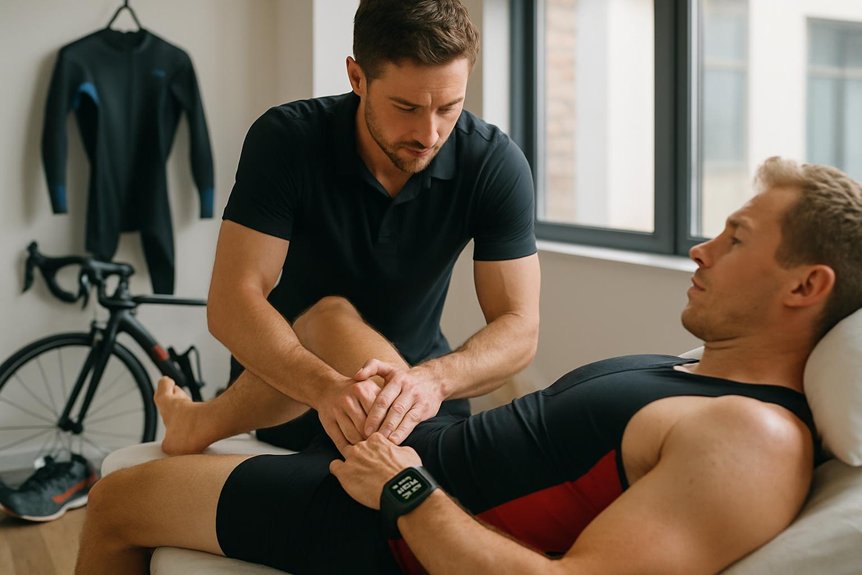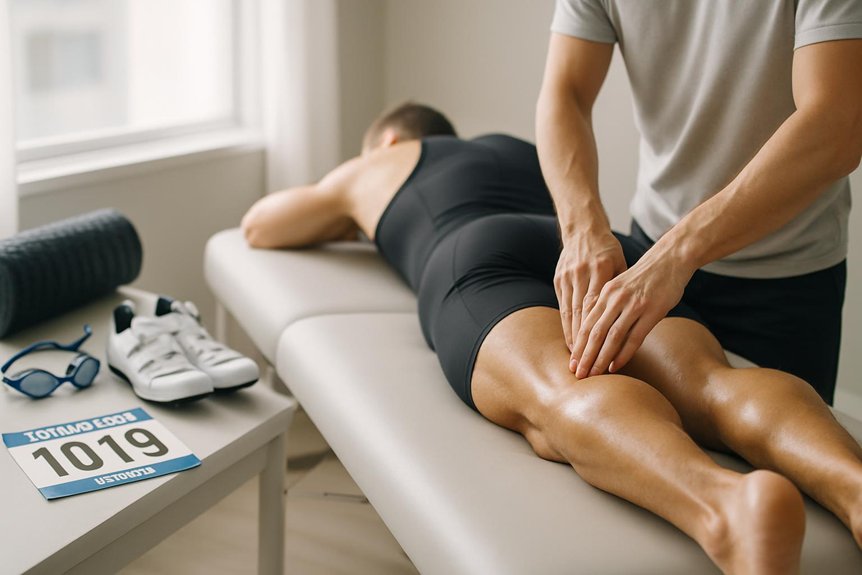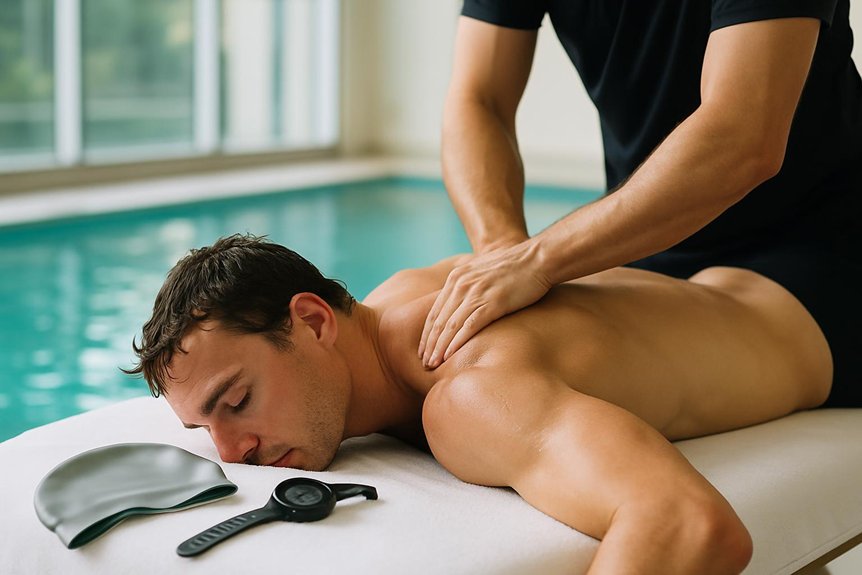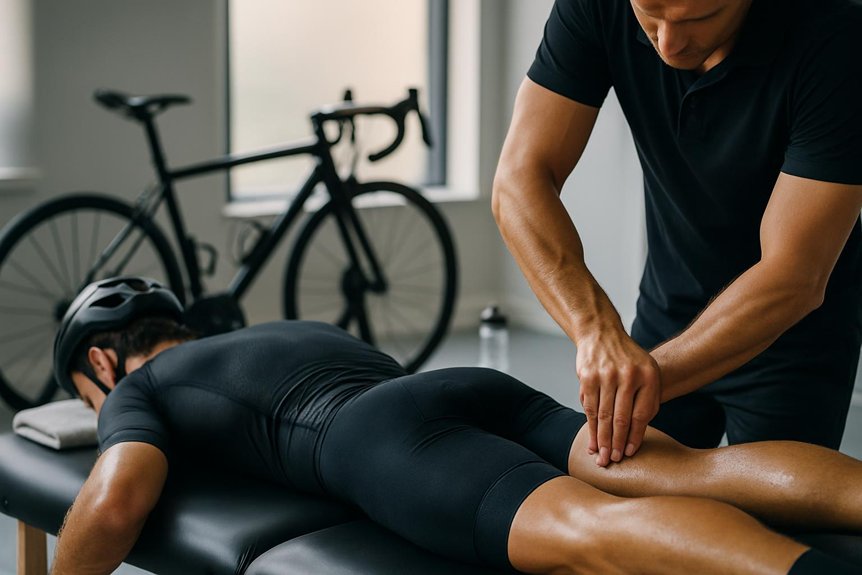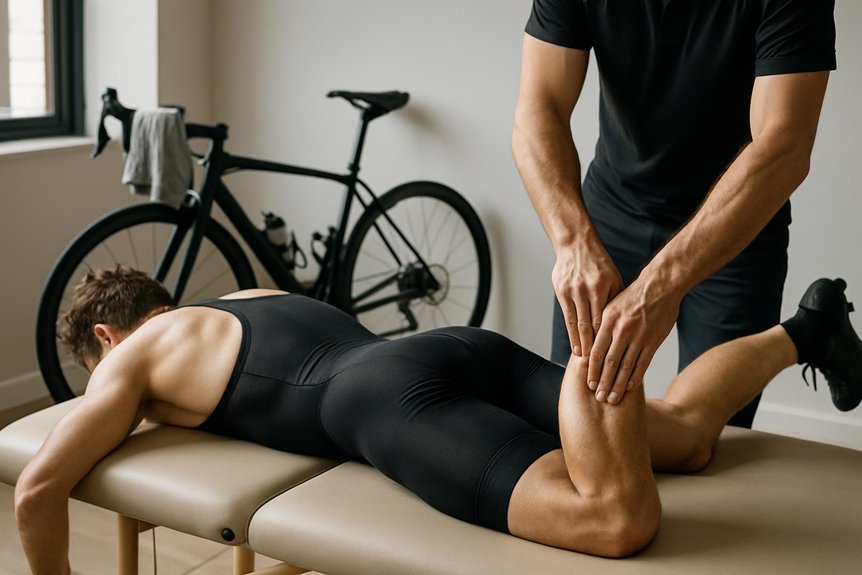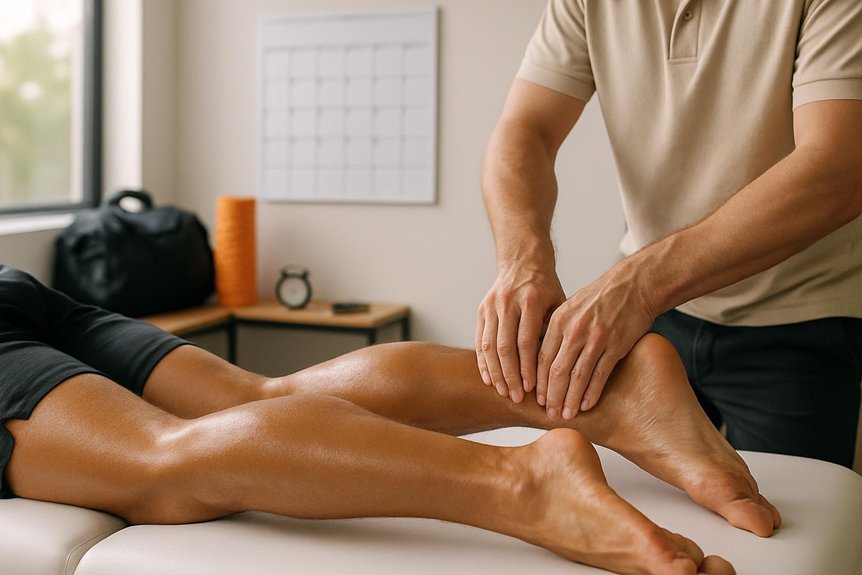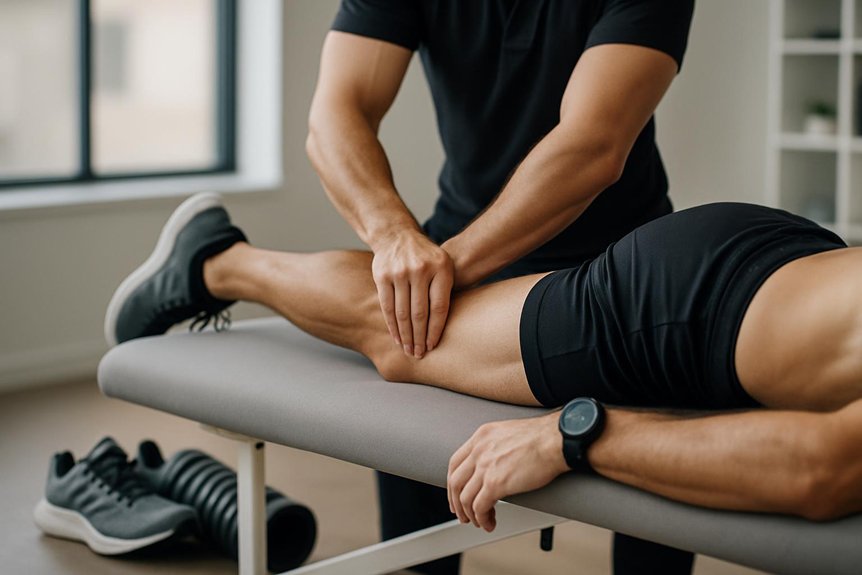
Most CrossFit athletes do well with a performance massage every 2–4 weeks, adjusting to training load and recovery. Beginners training 2–3 times weekly often need a 45–60 minute session every 2–4 weeks, while intermediate and high-volume phases may benefit from weekly to fortnightly care with progressive pressure. Pre-WOD work should stay moderate and avoid aggressive stripping; deeper corrective work fits rest days or 24–48 hours post-WOD. The sections below outline timing, techniques, and red flags.
How Often Should CrossFitters Get a Performance Massage?

Generally, CrossFitters benefit most from performance massage on a schedule that matches training load, recovery capacity, and injury history: about once every 2–4 weeks for maintenance, increasing to weekly or fortnightly during high-volume blocks, competition build-up, or when recurring tightness limits range of motion.
Regular performance massage can support performance by promoting faster recovery and helping manage training-related muscle soreness.
At Spa & Massage clinics across London, therapists tailor pressure and pacing to the athlete’s nervous-system state, using slow myofascial work, targeted trigger-point release, and sports stretching to improve tissue glide without leaving bruising or rebound soreness.
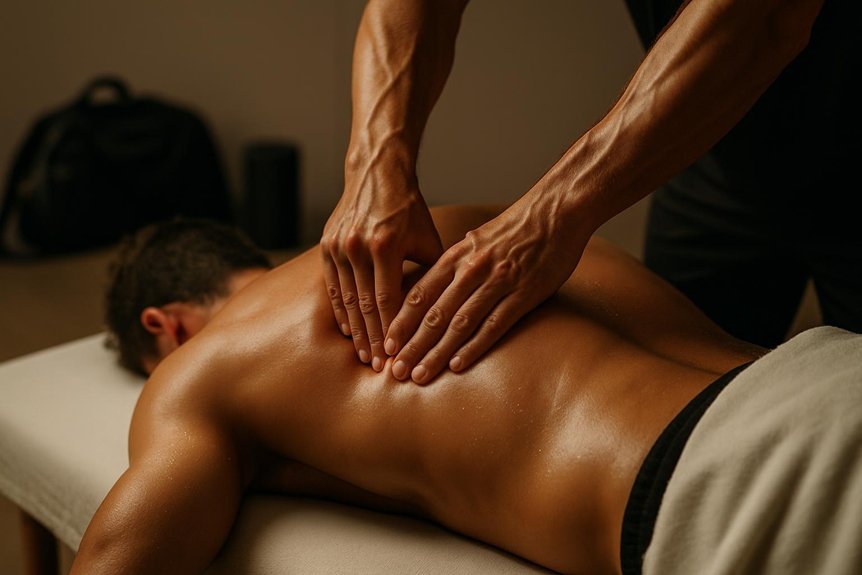
Sessions prioritise high-demand areas—hips, glutes, calves, lats, forearms—while checking breathing, pain thresholds, and any red flags.
Those with acute injury, unexplained swelling, fever, or anticoagulant use should delay massage and seek medical advice.
Performance Massage Frequency by CrossFit Training Phase
Performance massage frequency for CrossFit is best aligned to training phase, with dosage adjusted to workload, recovery markers, and tissue tolerance to reduce injury risk.
In the off-season, many clients at Spa & Massage do well with maintenance sessions every 3–6 weeks, while a build phase often benefits from a steadier recovery rhythm (about every 1–2 weeks) using technique-focused work such as deep tissue and targeted release alongside mobility advice.
In competition phases, scheduling typically shifts to shorter, lighter sessions 3–7 days pre-event and a recovery-focused appointment within 24–72 hours after, avoiding overly aggressive pressure close to competition.
Off-Season Maintenance Frequency
Often, the off-season is the most effective window to use performance massage as structured maintenance rather than crisis management: with training volume and intensity reduced, many CrossFit athletes benefit from booking a session every 2–4 weeks to address residual muscle tone, mobility restrictions, and minor niggles before they accumulate.
At Spa & Massage clinics across London, therapists typically combine slow deep-tissue strokes with targeted trigger-point work and assisted stretching to restore glide between muscle layers and keep joint range comfortable.
Pressure is progressed gradually, with clear consent, and avoided over bruised or inflamed tissue; any sharp, nerve-like pain warrants stopping and reassessment.
Many clients are advised to hydrate, walk gently, and use warmth later that day to support circulation and relaxation.
Build Phase Recovery Rhythm
As training volume and intensity rise from off-season levels into a build phase, soft-tissue load accumulates faster and recovery work typically needs a tighter rhythm. Spa & Massage generally sees best results with performance massage every 7–14 days, adjusting to soreness, sleep quality, and performance markers.
Sessions often focus on high-demand areas—hips, glutes, quads, calves, lats, and forearms—using progressive pressure, slow stripping, and targeted trigger-point work, followed by calming effleurage to downshift the nervous system. Safety remains central: therapists avoid aggressive work over acute strains, inflamed tendons, bruising, or unexplained pain.
Many clients book mid-week, then pair treatment with hydration, gentle mobility, and a lighter session within 24 hours for comfort.
Competition Phase Scheduling
In the final 2–4 weeks before a CrossFit competition, massage scheduling typically shifts from “fix and rebuild” to “maintain and prime,” with treatment frequency narrowed to one session every 5–10 days and a lighter tune‑up 48–72 hours pre‑event if travel and taper allow.
In Spa & Massage clinics, therapists keep pressure moderate, prioritising flushing strokes, myofascial release, and short, targeted trigger‑point work on hips, thoracic spine, calves, and forearms—enough to create ease without next‑day soreness.
Evidence suggests massage can support perceived recovery and range of motion; consequently sessions stay brief (45–60 minutes) and avoid aggressive deep tissue, bruising, or unfamiliar techniques.
Athletes are advised to disclose new pain, swelling, numbness, or illness, and to hydrate, sleep, and keep mobility gentle.
When to Book: Pre-WOD, Post-WOD, or Rest Day?
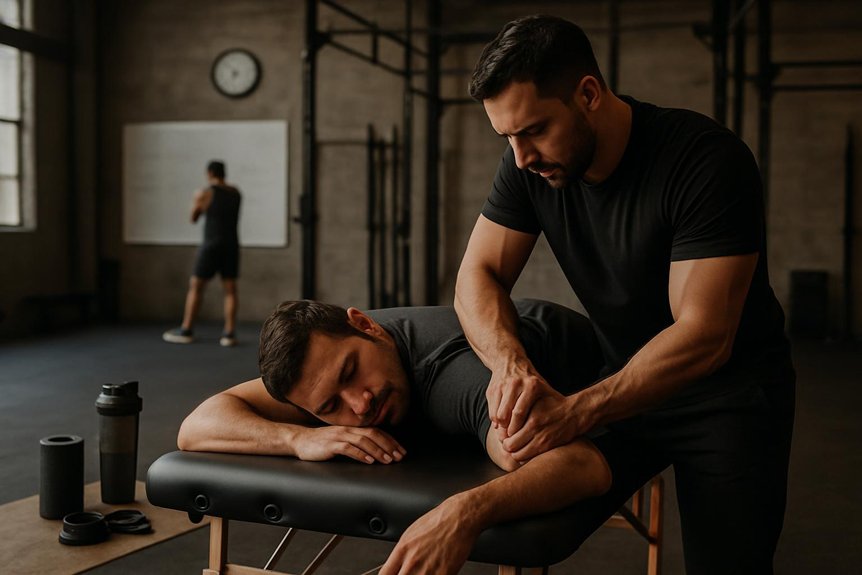
Timing a performance massage around CrossFit can influence outcomes, so a pre‑WOD session is typically kept brief and neuromuscular—focused on warming tissue, improving range of motion, and avoiding deep, soreness‑provoking pressure.
A post‑WOD recovery session usually shifts to down‑regulation and tissue loading as tolerated, using measured techniques to reduce perceived soreness while respecting acute inflammation and any pain signals.
On rest days, Spa & Massage therapists often use maintenance-focused treatment—progressively addressing tightness and movement restrictions with longer deep tissue or sports techniques, while screening for contraindications and adjusting intensity to support the next training block.
Pre-WOD Preparation Massage
Although performance massage is often booked after hard training, a pre‑WOD preparation session can be appropriate when the goal is short‑term readiness rather than recovery.
It is typically scheduled 2–6 hours before training, or the evening prior, to avoid residual soreness.
At Spa & Massage clinics, therapists keep pressure moderate and focus on faster, warming techniques: brisk effleurage, compressions, and targeted myofascial release to hips, calves, lats, and forearms, followed by brief assisted mobility.
The aim is to increase local blood flow, reduce protective tone, and improve range without draining the nervous system.
Safety matters: deep stripping, aggressive trigger point work, and intensive stretching are avoided pre‑WOD, especially with acute pain, bruising, or inflammation.
Clients often prefer minimal oil for secure grip.
Post-WOD Recovery Session
Post‑WOD performance massage is usually chosen for recovery rather than performance readiness, and the best booking window depends on the training load and the tissues most affected.
For most CrossFitters, booking 2–6 hours after training suits: body temperature is still elevated, yet acute inflammation has settled, allowing calmer, more receptive work.
At Spa & Massage, therapists prioritise slow effleurage for lymphatic support, then targeted deep tissue and myofascial release to quads, glutes, lats, and forearms, staying below sharp pain and avoiding aggressive stripping on freshly strained fibres.
If DOMS is intense, a lighter 30–45 minute session the same day can feel close and soothing; deeper work often fits 24–48 hours post‑WOD.
Hydration, gentle walking, and heat are commonly advised.
Rest-Day Maintenance Treatment
Often, a rest day is the most effective window for a maintenance performance massage because tissues are not acutely fatigued, soreness has declared itself, and deeper corrective work can be applied without compromising performance later that day.
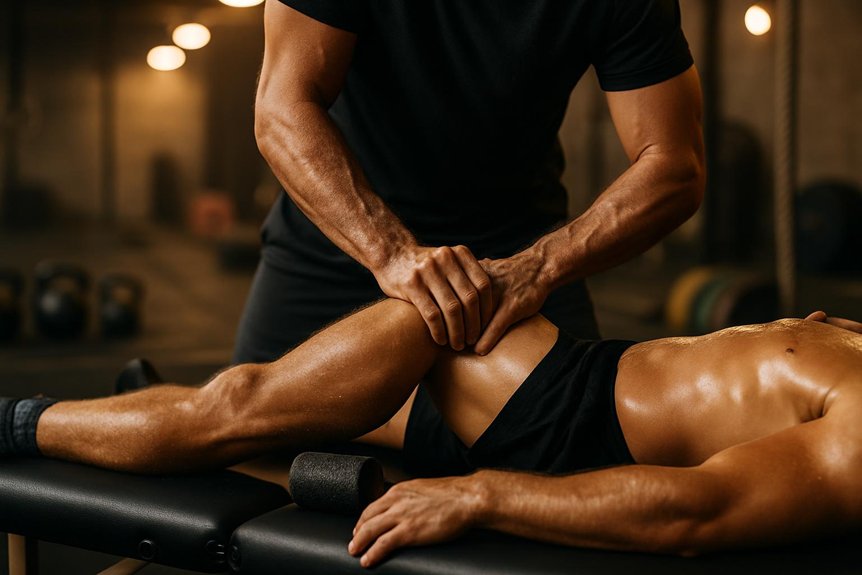
At Spa & Massage clinics across London, therapists typically use slow, specific strokes (deep tissue, myofascial release, and trigger-point work) to ease tone in hips, calves, lats, and forearms while protecting irritated tendons.
For pre‑WOD booking, pressure stays lighter and rhythmical to promote warmth and joint range without leaving tenderness.
Post‑WOD sessions prioritise flushing, diaphragmatic breathing cues, and gentle compressions to downshift the nervous system.
Rest‑day work suits longer holds and mobility re-testing; contraindications include acute swelling, fever, new numbness, or suspected strain.
Hydration and sleep are reinforced.
Weekly Performance Massage Plans (Beginner to Competitive)
Typically, a weekly performance massage plan for CrossFit is matched to training load, recovery capacity, and upcoming intensity (such as strength cycles or competition prep), with the primary aim of maintaining tissue quality and joint range of motion while reducing the risk of overuse irritation.
Beginners training 2–3 days weekly often do well with a 45–60 minute session every 2–4 weeks, focusing on calves, hips, shoulders, and gentle myofascial release.
Intermediate athletes (4–5 sessions/week) commonly benefit from weekly or fortnightly 60-minute work: deeper stripping on quads/hamstrings, trigger-point release, and controlled stretch to restore glide.
Competitive athletes in peak blocks may schedule 1–2 treatments/week, alternating heavy deep tissue with lighter flush sessions.
At Spa & Massage London clinics, pressure is progressed cautiously, with hydration and post-session mobility advised.
Signs You Need Performance Massage for CrossFit
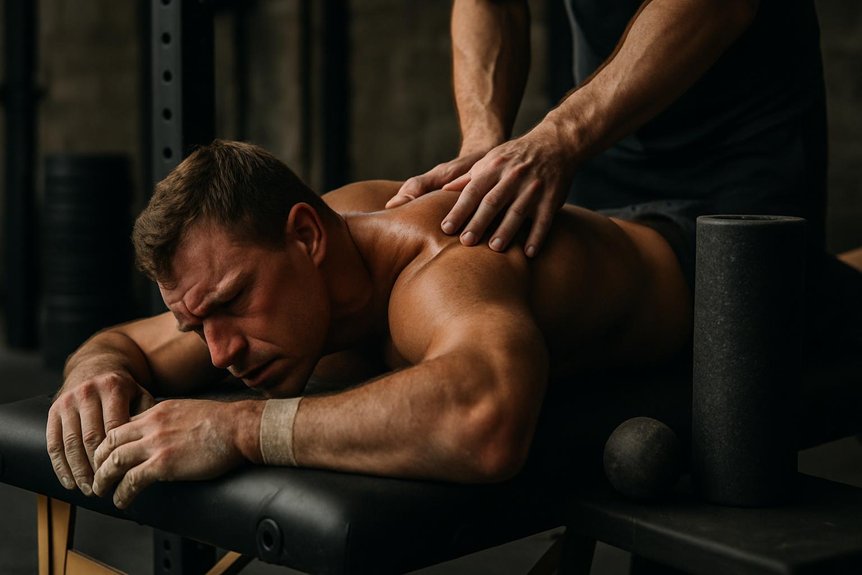
Regularly, the earliest indicators that a CrossFit athlete may benefit from a performance massage are persistent “tightness” that does not resolve with a proper warm‑up and cool‑down, a measurable drop in range of motion (e.g., overhead lockout, front‑rack position, deep squat depth), and localised tenderness that lingers for more than 48–72 hours after training.
Additional signs include asymmetrical pulling between left and right sides, recurring “hot spots” in calves, hip flexors, lats, or forearms, and compensations that alter technique under load.
At Spa & Massage clinics across London, therapists assess movement and tissue tone, then use targeted compression, slow stripping, and myofascial techniques to restore glide without provoking flare‑ups. Many clients notice breathing becomes deeper and positions feel more accessible.
Persistent numbness, weakness, or sharp pain warrants medical review first.
When Performance Massage Is Too Frequent (or Too Deep)
Sometimes, more performance massage—or excessive pressure—can reduce training quality rather than enhance recovery, particularly when sessions are scheduled too close to high-intensity CrossFit blocks.
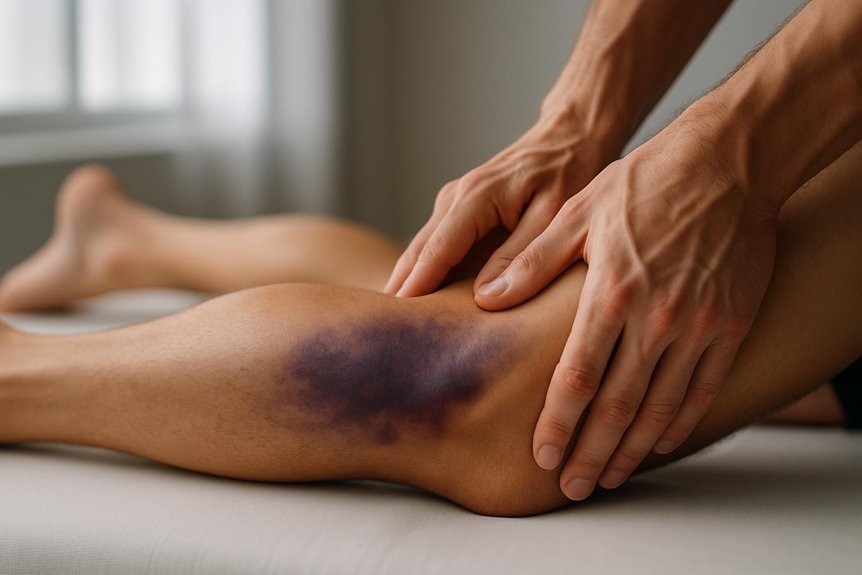
Overly frequent work can amplify soreness, disrupt sleep, and leave tissues irritable, which may blunt power output and coordination. Too-deep pressure can also trigger protective guarding, bruising, or nerve sensitivity, especially around the hip flexors, calves, and forearms commonly loaded in CrossFit.
At Spa & Massage clinics, therapists monitor post-treatment response: persistent tenderness beyond 48 hours, decreased range of motion, or pain that spikes with warming up suggests dosage is too high.
Safer technique choices include slower strokes, graded pressure, and shorter, targeted sessions, with clear consent and ongoing check-ins throughout.
CrossFit Recovery Tips Between Performance Massages
Often, recovery between performance massage sessions is determined less by “doing more” and more by consistent basics that reduce tissue irritation and support training adaptation.
Between WODs, Spa & Massage therapists advise prioritising 7–9 hours’ sleep, steady hydration, and protein with carbohydrates within two hours to support glycogen and tissue repair.
Gentle movement on rest days—easy cycling, nasal-breathing walks, or mobility flows—improves circulation without adding load.
Self-myofascial release should stay mild: slow foam rolling 30–60 seconds per area, stopping short of sharp pain or bruising.
Heat can calm tightness; brief cold exposure may reduce soreness, but should not replace active recovery.
Red-flag pain, swelling, numbness, or reduced strength warrants medical review before further training.
Conclusion
Performance massage frequency for CrossFit should be individualised, guided by training load, recovery quality, and symptom patterns rather than a fixed schedule. Like Odysseus pacing the journey, athletes benefit from timely, targeted work—lighter pre‑WOD to prime range, moderate post‑WOD or on rest days to reduce tone and improve tissue glide. Weekly plans may scale from monthly to weekly, with increased need during high volume. Overuse or excessive pressure can prolong soreness and impair training.