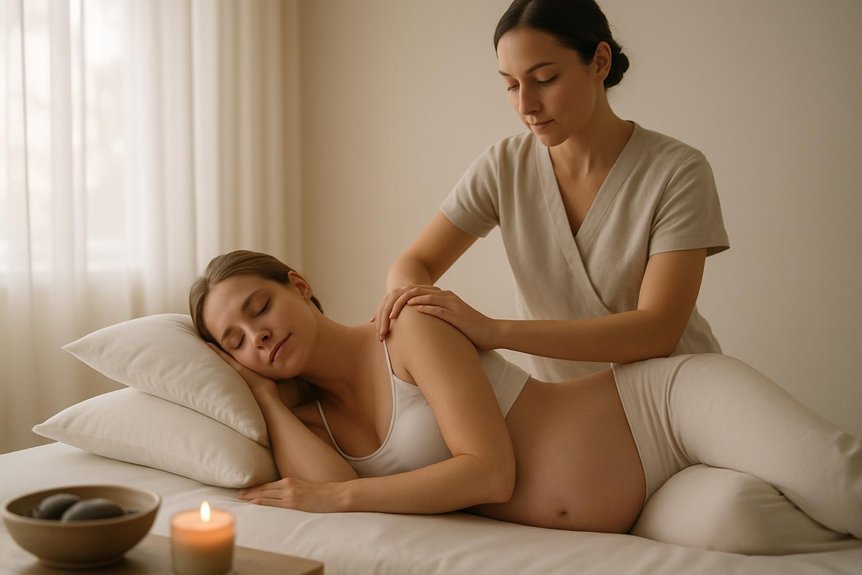
Prenatal massage is often possible at 12 weeks in a healthy, uncomplicated pregnancy when the therapist adapts positioning and uses gentle-to-moderate pressure. It should be postponed with vaginal bleeding, fever, dizziness, severe abdominal pain, suspected miscarriage, or if a clinician has advised pelvic rest, or if there is uncontrolled hypertension, pre‑eclampsia risk, or clotting concerns. Clients should share gestational age, symptoms, and medical history; further guidance covers positioning and aftercare.
Can You Have a Pregnancy Massage at 12 Weeks?
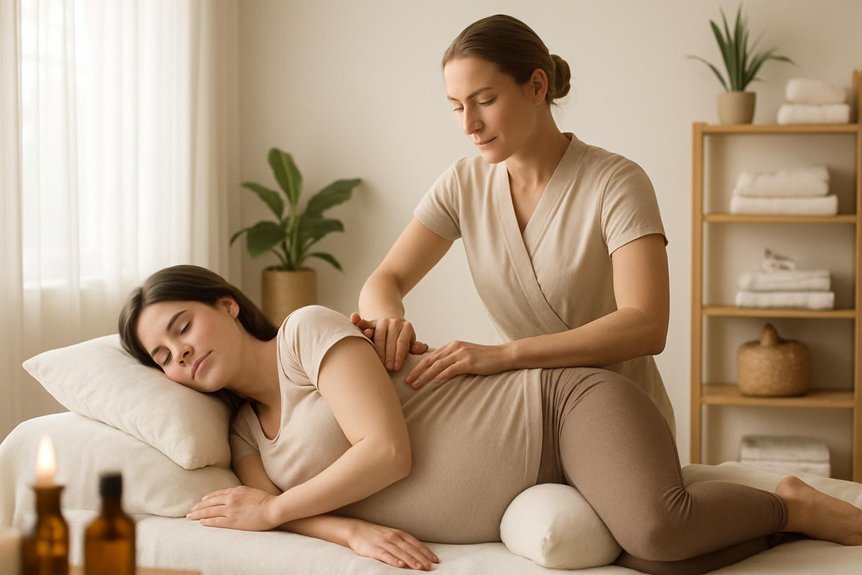
Beginning prenatal massage at 12 weeks is often possible for healthy pregnancies, provided there are no medical complications and the client’s midwife or GP has no concerns.
At this stage, many people seek gentle support for early back tension, hip ache, fatigue, or stress, and massage can be adapted to meet those needs without over-stimulation.
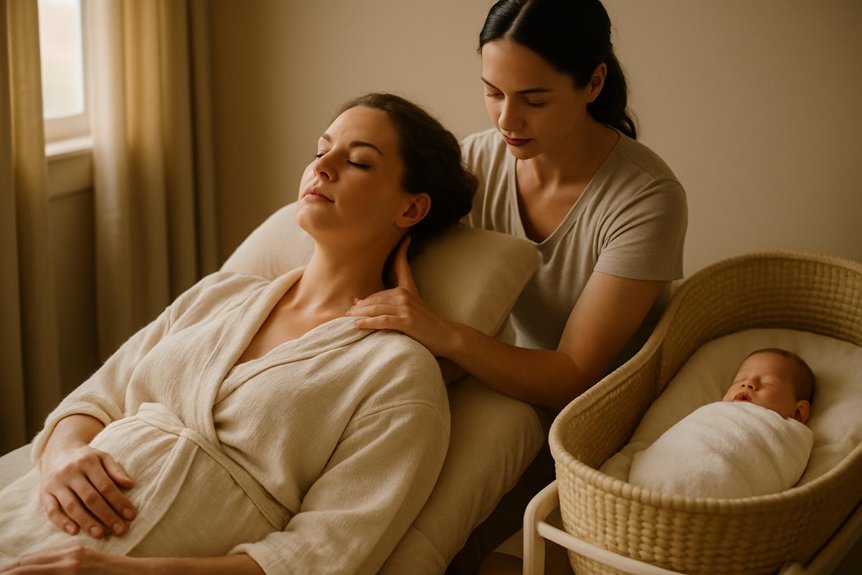
Prenatal massage is often valued for its stress reduction benefits for expecting mothers.
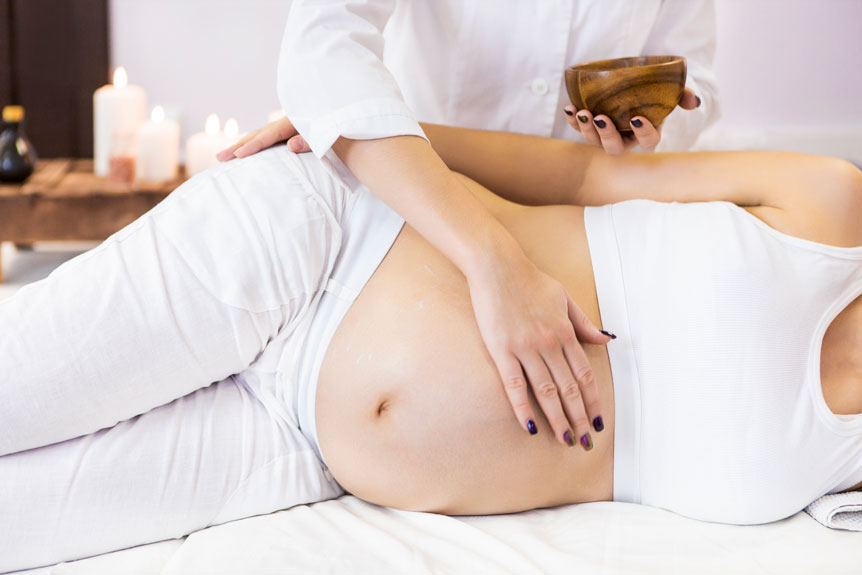
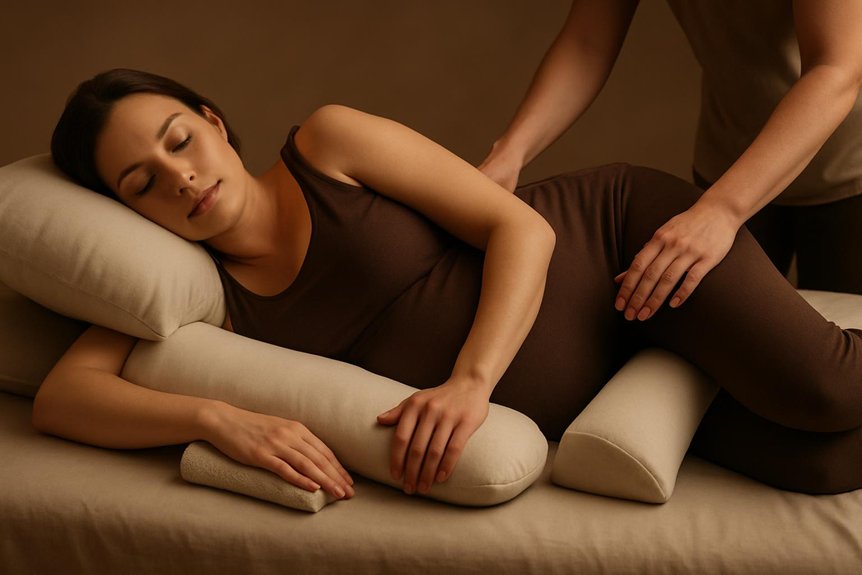
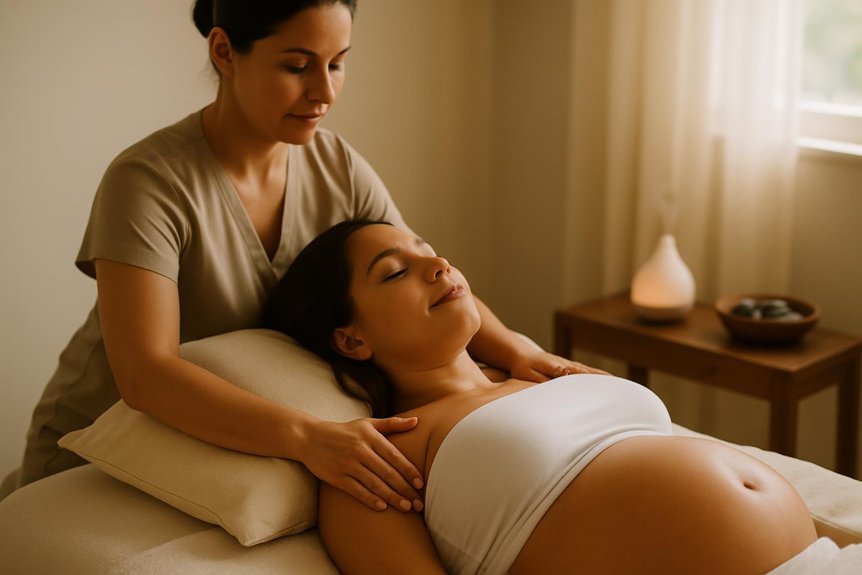
At Spa & Massage clinics across London, therapists take a brief health history, confirm gestational age, and tailor pressure, positioning, and pacing to comfort, often using side-lying bolsters and slow, soothing strokes.
Clients are encouraged to share any nausea, dizziness, tenderness, or anxiety so the session remains nurturing and closely attuned.
Aftercare includes hydration and unhurried rest.
Is Prenatal Massage Safe in the First Trimester?
A prenatal massage can be safe in the first trimester for many healthy pregnancies when it is delivered by a properly trained therapist and there are no medical red flags. Evidence suggests gentle, supportive touch may ease tension, improve sleep, and reduce stress—needs that often intensify early on.
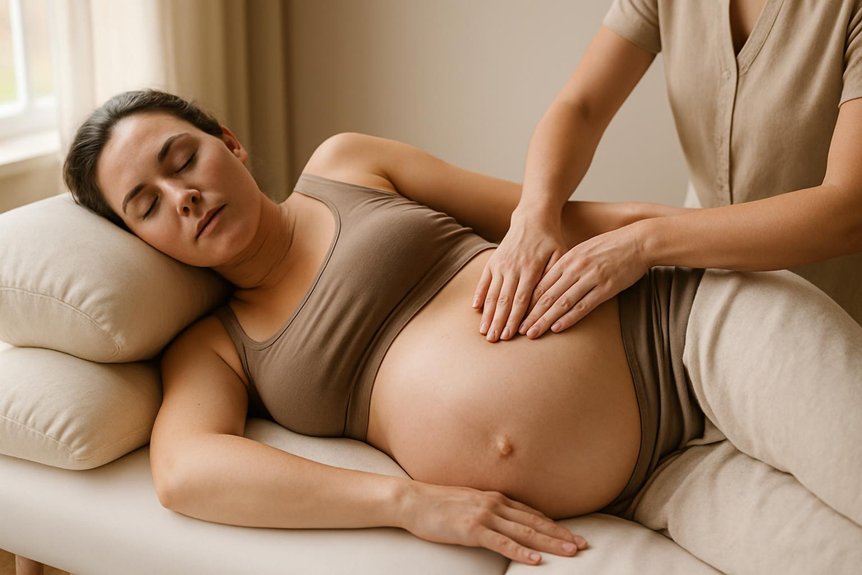
At Spa & Massage clinics across London, therapists use pregnancy-specific positioning to protect comfort, avoid pressure on the abdomen, and keep breathing easy. Pressure is kept light to moderate, guided by the client’s sensations and changing energy levels.
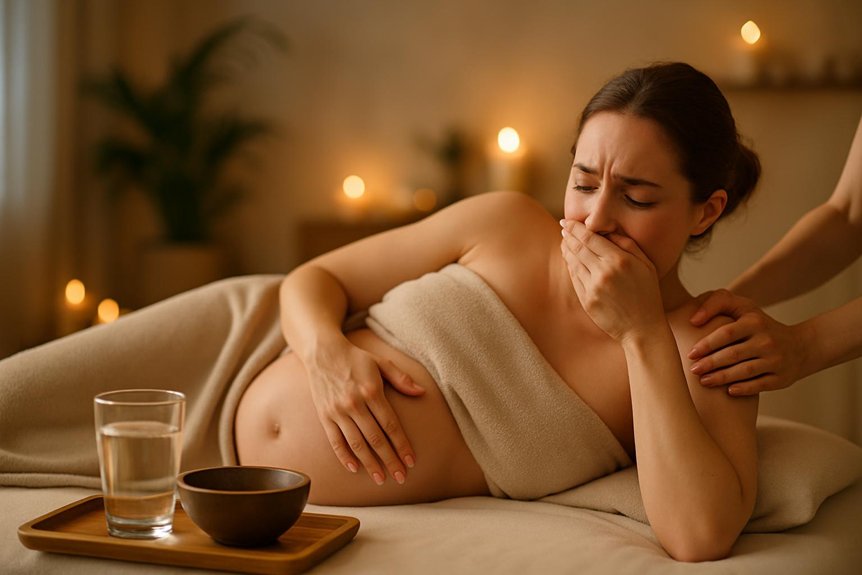
Unscented or lightly scented oils are typically chosen, as nausea can be heightened at 12 weeks. Clear communication is essential; clients are encouraged to share cramping, dizziness, or tenderness so the session remains soothing, intimate, and grounded.
When to Avoid Massage at 12 Weeks Pregnant?
During early pregnancy, there are clear situations in which massage at 12 weeks should be postponed or avoided to prioritise maternal and fetal safety.
It should be deferred with vaginal bleeding, severe abdominal pain, fever, dizziness or fainting, suspected ectopic pregnancy, or signs of miscarriage, and when a clinician advises pelvic rest.
Caution is also warranted with uncontrolled hypertension, pre-eclampsia risk, clotting disorders, history of thrombosis, significant swelling, or sudden one-sided calf pain, where urgent assessment is needed.
At Spa & Massage, therapists ask detailed intake questions and will not treat anyone who feels unwell or cannot be comfortably positioned.
Massage should also be avoided over infected skin, new rashes, or unexplained bruising.
When in doubt, medical clearance is recommended.
What Are the Benefits at 12 Weeks?
Often, the main benefits of prenatal massage at 12 weeks relate to gentle stress reduction and early symptom relief, provided the pregnancy is uncomplicated and the treatment is adapted appropriately.
At this stage, lighter, nurturing touch may help downshift the nervous system, ease tension headaches, and soften neck, shoulder, and lower‑back tightness that can accompany fatigue and postural change.
Some clients also report reduced nausea and improved sleep quality, likely through relaxation and comfort rather than any direct hormonal effect.
In Spa & Massage clinics across London, therapists favour supportive positioning and slow, reassuring strokes, aiming to promote circulation and reduce feelings of heaviness without deep pressure.
The overall benefit is a calmer body and steadier mood, helping the client feel more at home in their changing shape.
What to Tell Your Therapist at 12 Weeks?
At 12 weeks, clients should tell their Spa & Massage therapist about relevant medical history and any risk factors (such as bleeding, clotting disorders, high blood pressure, or prior pregnancy complications) so the treatment can be adapted safely.
They should also share current symptoms and comfort needs—nausea, dizziness, headaches, back or pelvic pain, and preferred positioning—so pressure, pacing, and supports can be adjusted.
Clear preferences around areas to focus on or avoid, pressure level, and sensitivities to oils or scents help guarantee a calm, reassuring session tailored to what feels best on the day.
Medical History And Risks
Share full medical context before the session begins, because the first trimester (around 12 weeks) is a time when massage decisions should be especially conservative and individualised.
At Spa & Massage, clients are asked to disclose pregnancy confirmation, any prior losses, bleeding or spotting, severe cramping, dizziness or fainting, fever, infection, or uncontrolled nausea/vomiting.
They should note high blood pressure, pre‑eclampsia risk, clotting disorders, varicose veins, swelling, migraines, diabetes, thyroid disease, kidney or heart conditions, and any recent surgery or injury.
Medication, supplements, IVF/assisted conception, and allergies (including to nut, seed, or essential oils) must be shared.
If a midwife or GP has advised activity limits, that guidance should be provided so the therapist can plan a safer, gentler approach.
Comfort, Symptoms, Preferences
Before settling onto the couch, comfort needs and first‑trimester symptoms should be communicated clearly, because they shape positioning, pressure, and product choices at around 12 weeks.
A client should mention nausea, dizziness, fatigue, headaches, breast tenderness, reflux, constipation, or heightened smell sensitivity, as these can affect time on the table and breathing ease.
Any pelvic heaviness, abdominal cramping, or spotting should be flagged immediately, and treatment deferred until medical advice is confirmed.
Preferences matter: desired areas (neck, shoulders, hips), “no‑go” zones, and whether gentle or firmer work feels safe and soothing.
In Spa & Massage clinics, therapists adjust side‑lying bolsters, keep pressure moderate, and use unscented or lightly scented oils when sensitivity is high.
Privacy and warmth can be requested.
Pressure and Areas We Avoid at 12 Weeks
During the 12‑week stage of pregnancy, pressure selection should remain conservative and responsive to day‑to‑day symptoms, with a clear preference for gentle-to-moderate strokes rather than intense, sustained force. At Spa & Massage, therapists work within comfort-led limits, avoiding painful “good hurt” sensations and checking in often, especially if nausea, dizziness, or breast tenderness is present.
Areas typically treated with extra caution include the lower abdomen, deep pressure into the inner thighs/groin, and strong, prolonged work over the lower back or sacrum if it triggers cramping. Direct, heavy compression over varicose veins, swollen calves, or any hot, tender area is avoided to reduce irritation. Essential oils are kept pregnancy-appropriate and lightly diluted in our clinics, supporting calm closeness without overwhelm.
Best Positions for a 12-Week Prenatal Massage
At around 12 weeks, the safest and most comfortable prenatal massage positions prioritise steady breathing, stable circulation, and minimal pressure on the abdomen.
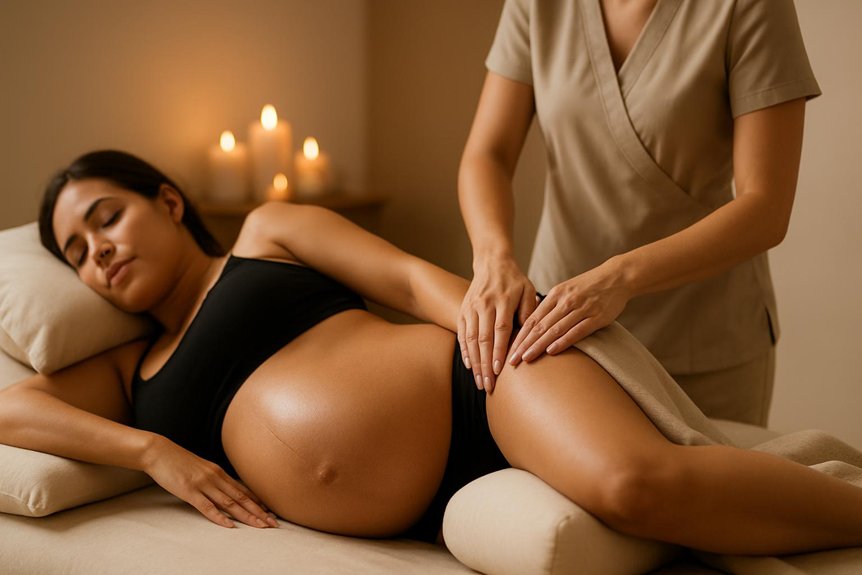
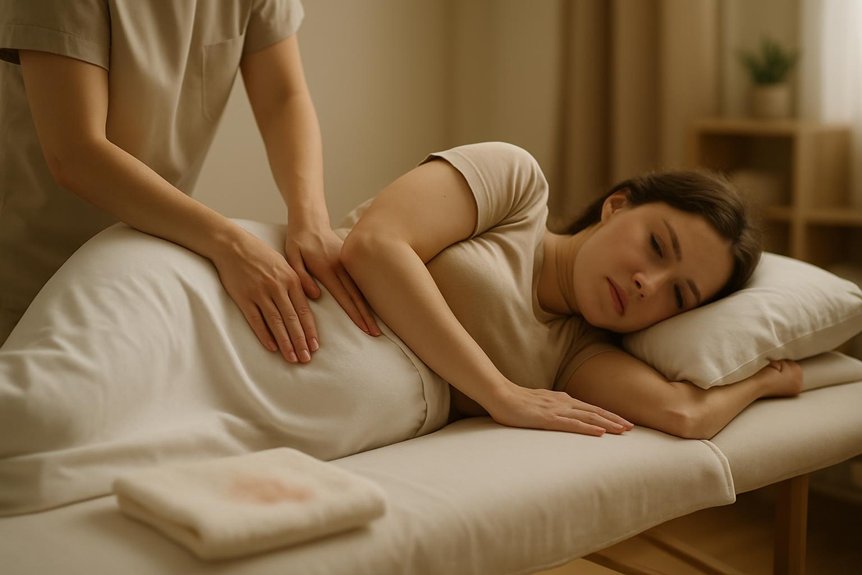
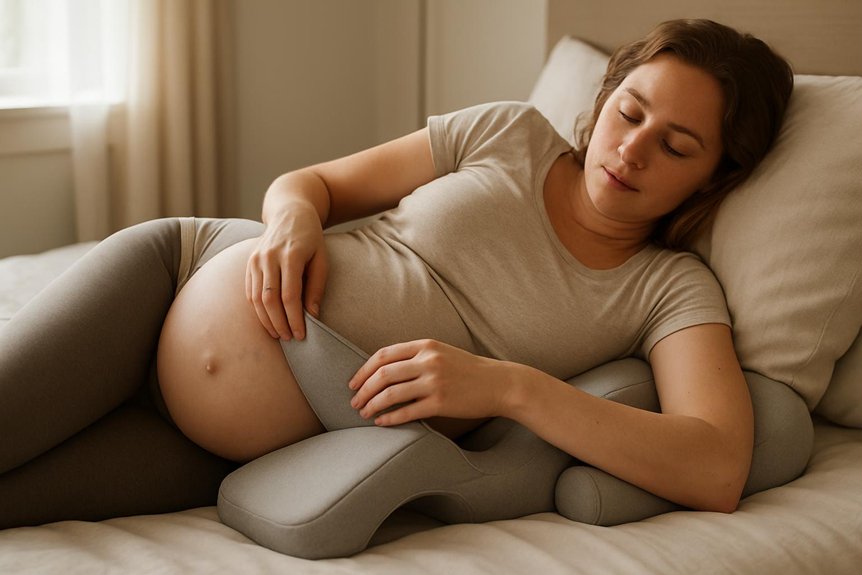
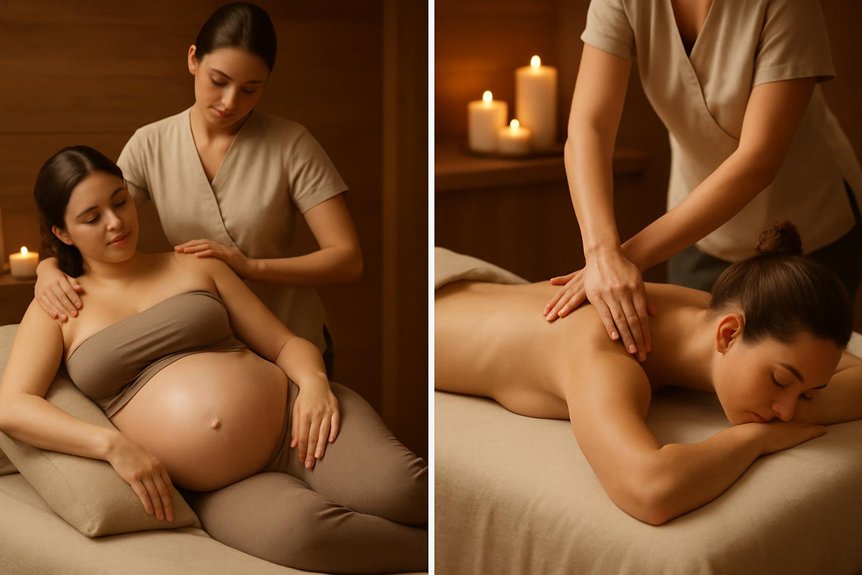
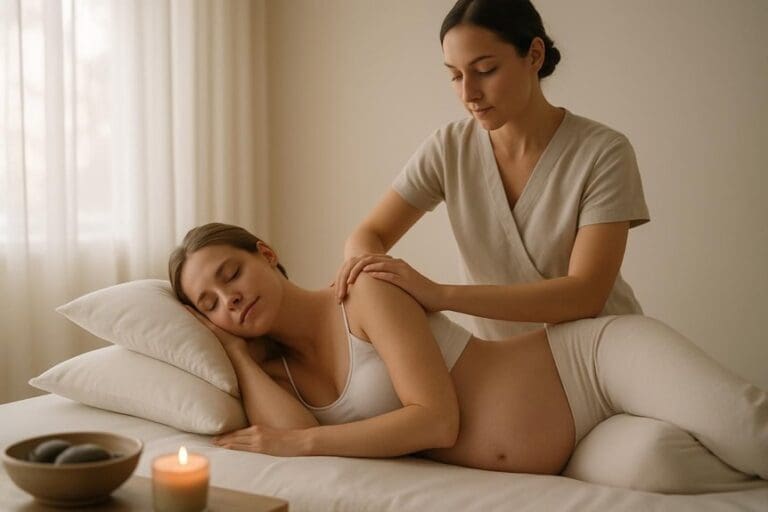
In Spa & Massage clinics across London, therapists most often use a side-lying position with supportive pillows under the head, belly, and between the knees, keeping the spine neutral and easing hip tension.
A semi-reclined, propped-up position can also suit clients who feel breathless or nauseated, while allowing close, calming contact through the shoulders, arms, and scalp.
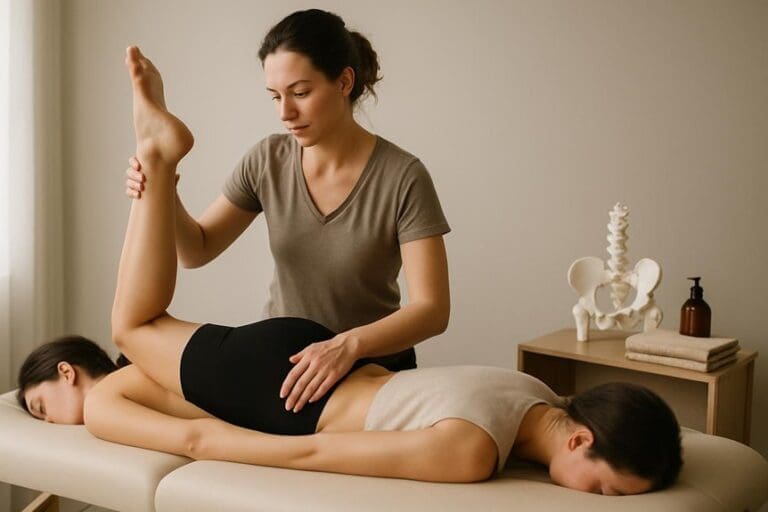
Brief prone positioning is avoided unless specialist pregnancy cushions fully offload the abdomen.
Supine work is kept short and gently inclined to reduce vena cava compression, especially if dizziness occurs.
Aftercare: What to Do After Your Massage
After a 12-week prenatal massage, Spa & Massage therapists typically advise clients to hydrate and eat a light, nourishing snack to support circulation and steady energy levels.
They also recommend gentle rest for the remainder of the day and avoiding strenuous activity, as pregnancy-related tissue sensitivity can make the body more reactive to deep pressure.
Clients should monitor how they feel over the next 24 hours—mild tiredness can be normal, but any worsening pain, dizziness, bleeding, or unusual symptoms warrants prompt medical advice.
Hydrate And Refuel
Following a prenatal massage at 12 weeks, gentle hydration and sensible refuelling support comfort and recovery, as increased fluid intake can help replace normal losses and reduce the chance of post-treatment light‑headedness. Water is usually sufficient; herbal teas may suit some, while high‑caffeine drinks are best kept modest.
At Spa & Massage clinics, therapists often suggest sipping fluids steadily rather than quickly, especially after side‑lying work that may feel deeply soothing. Refuelling can be simple and nurturing: a small snack combining protein and complex carbohydrates (such as yoghurt with oats, or wholegrain toast with nut butter) supports stable blood sugar and nausea control. Alcohol should be avoided in pregnancy, and any supplements should follow midwife or GP guidance.
Rest, Monitor, And Recover
In the hours after a 12‑week prenatal massage, a short period of rest and gentle self‑monitoring helps the body settle and supports safety as circulation and nervous system tone rebalance. At Spa & Massage, clients are advised to stand slowly, avoid rushing into errands, and give the pelvis and lower back time to integrate the treatment.
For the next 24 hours, light movement such as a calm walk can reduce post‑massage soreness, while heat, saunas, and very hot baths are best avoided in early pregnancy. They should note how they feel—sleepiness, mild tenderness, and increased urination can be normal—but stop and seek clinical advice for dizziness, strong abdominal cramping, bleeding, fever, or reduced wellbeing. A quiet evening and early night often enhance the soothing benefits.
Conclusion
At 12 weeks, prenatal massage can be appropriate when pregnancy is uncomplicated, the therapist is properly trained, and care is tailored to symptoms. Safety comes from screening, from positioning, from pressure choices. Comfort comes from supporting the body, easing early aches, and reducing stress. Caution remains essential: avoid massage when bleeding, fever, severe pain, high-risk conditions, or medical advice suggests otherwise. With clear communication and sensible aftercare, massage can be a supportive option, not a substitute for clinical care.