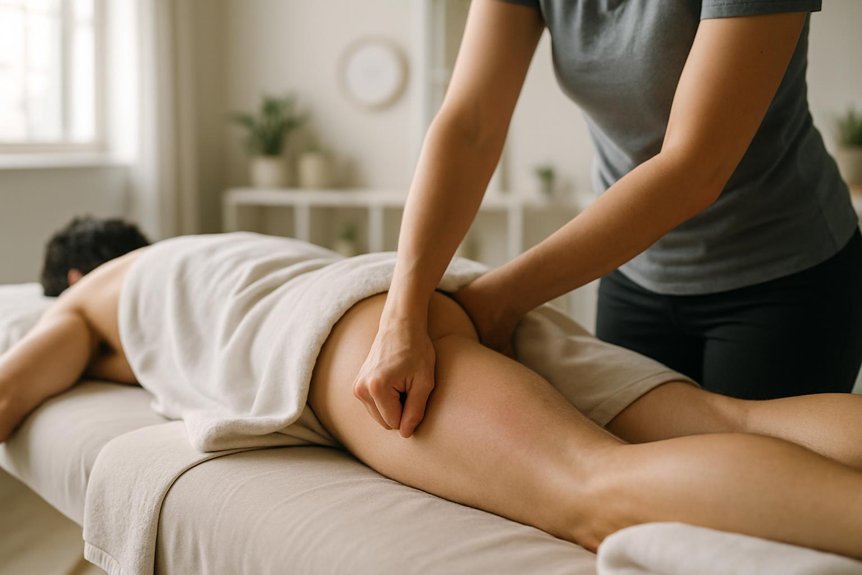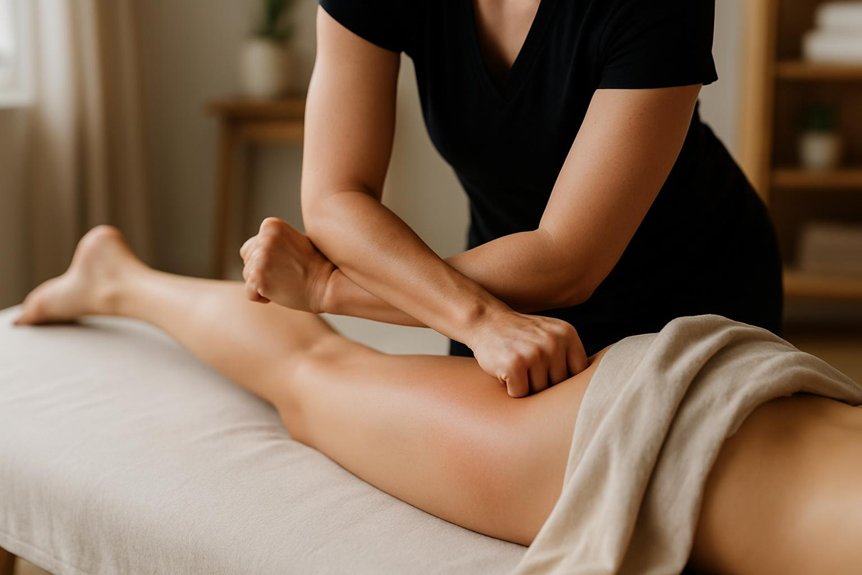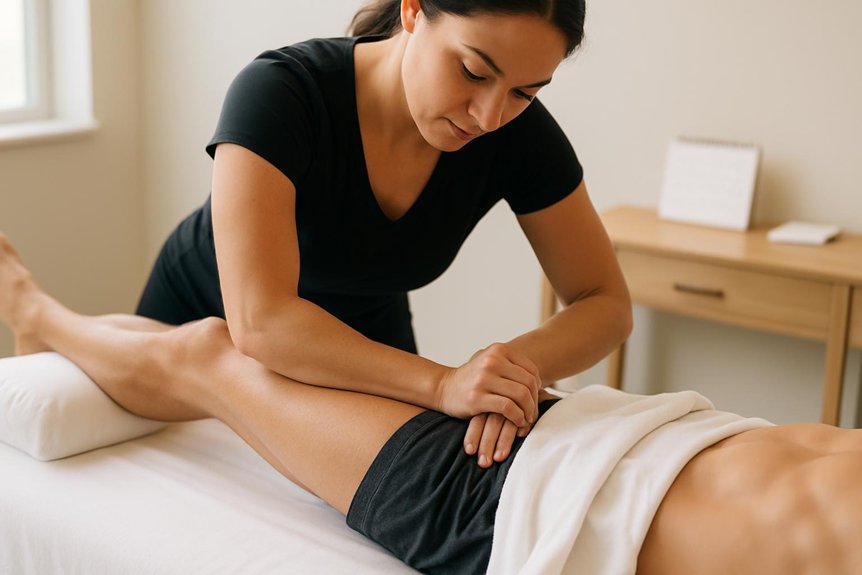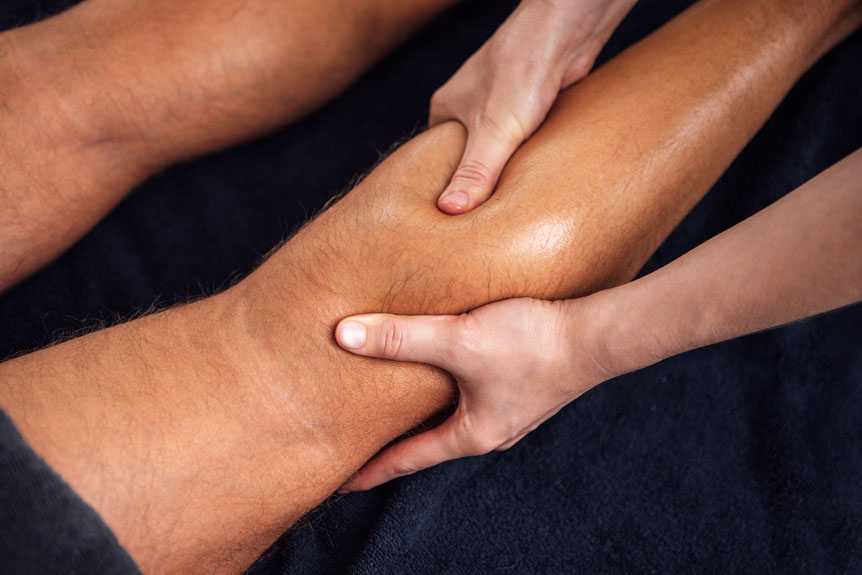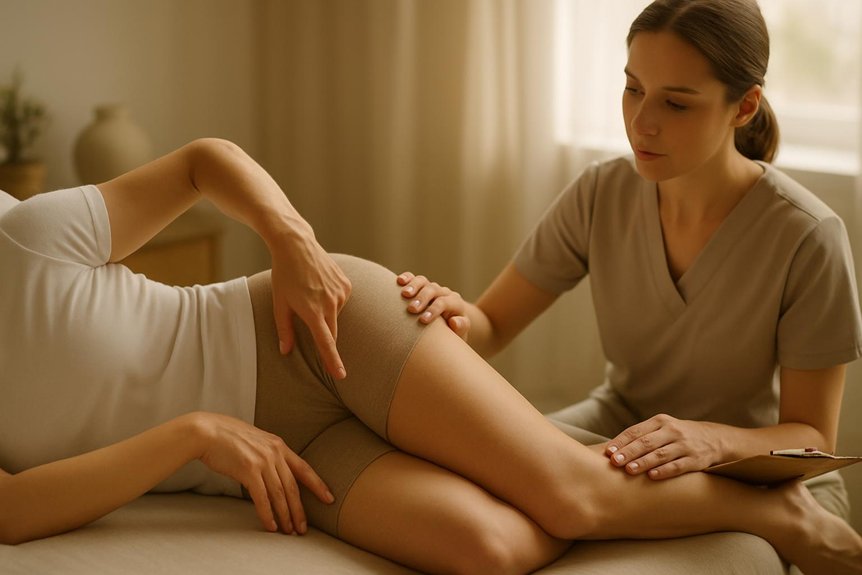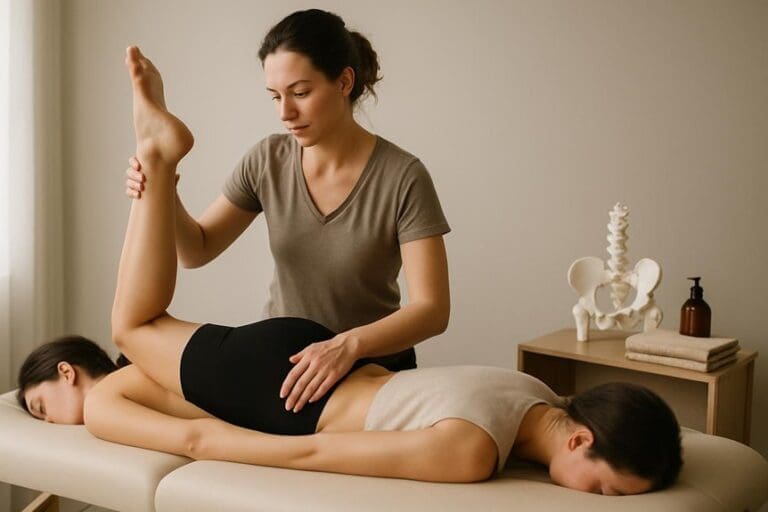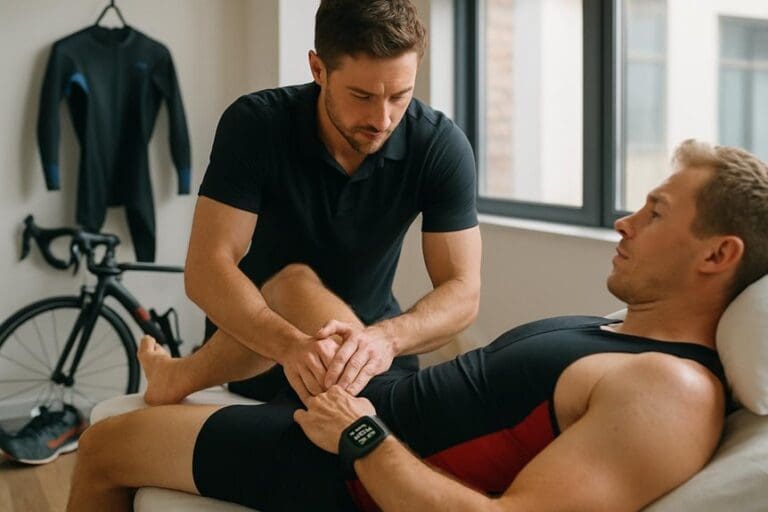
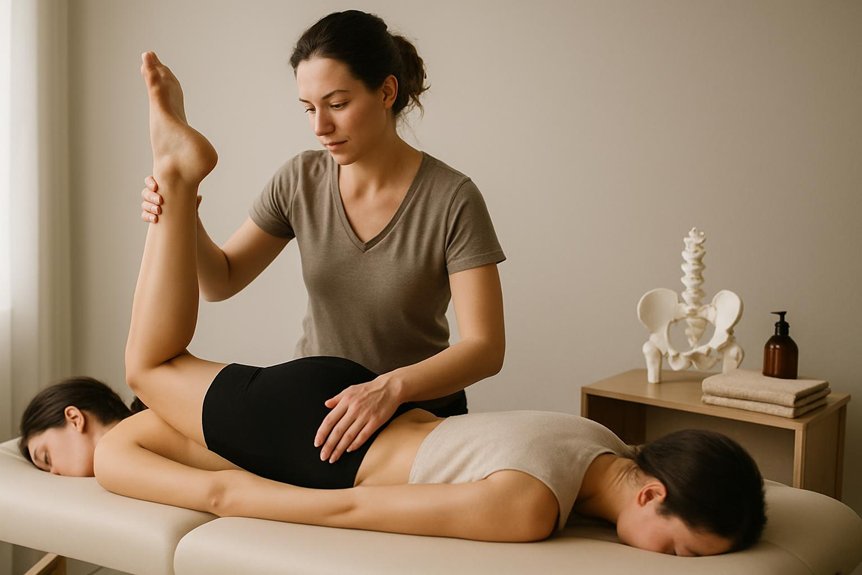
Before deep tissue massage work, the client should describe hamstring tightness by exact location (near the ischial tuberosity, mid‑belly, or behind the knee), sensation (taut band, cramp, burn), and timing (running, sitting, hip hinge). They should note side‑to‑side differences, radiation toward the glute or calf, and recent training or prolonged sitting load. Any pop, bruising, swelling, weakness, numbness, tingling, or pain with sitting should be flagged, along with pressure tolerance and aftercare needs. Further guidance clarifies how these details shape technique.
Describe Your Tight Hamstrings Symptoms and Goals
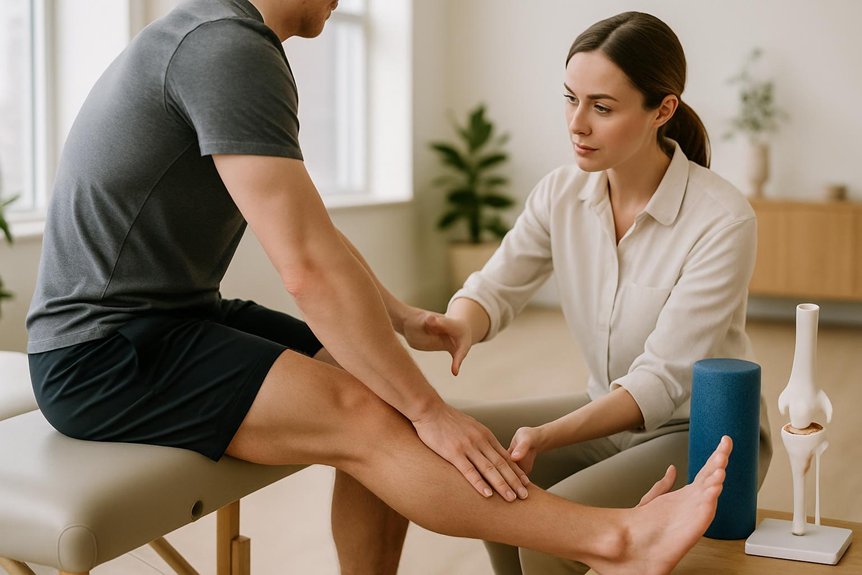
Identify the specific hamstring sensations and functional limits before booking a massage. A client should note whether the discomfort sits high near the ischial tuberosity, mid‑belly, or close to the knee, and whether it feels taut, cramping, burning, or like a pulling band during hip flexion.
They should report when symptoms appear: running, prolonged sitting, forward folds, or climbing stairs, plus any bruising, sharp pain, or recent strain. Clear goals help the therapist plan pressure and pacing: ease posterior‑thigh tension, restore hip hinge, improve stride, or reduce pelvic tug that affects the lower back. Deep tissue work often uses slow, sustained pressure to address deeper layers of muscle and fascia when hamstrings feel persistently tight.
At Spa & Massage, therapists invite brief, private check‑ins so care feels focused, safe, and respectfully close.
Point Out Exactly Where Your Hamstrings Feel Tight
Once symptoms and goals are clear, the next step is to localise the tightness along the posterior thigh so the therapist can target the correct tissues. The client should indicate whether sensation sits high near the sit bone (ischial tuberosity), mid‑belly in the biceps femoris or semitendinosus, or low behind the knee where tendons blend with fascia.
They can trace a line with fingertips, note a single knot versus a broad band, and describe depth: superficial tight skin, or deeper gripping under the muscle. Mention any side‑to‑side difference and whether it radiates toward the gluteal fold or calf.
At Spa & Massage, this mapping helps the therapist choose precise pressure angles and draping, keeping contact secure, respectful, and close.
Explain What Caused Your Tight Hamstrings (Training or Sitting)
In many cases, the origin of hamstring tightness is mechanical—either repeated loading from training or sustained shortening from prolonged sitting—and clarifying which pattern applies helps a therapist select the safest, most effective approach.
The client should describe recent running, cycling, gym work, or sprinting, noting whether tightness follows sessions, appears bilaterally, or concentrates near the ischial tuberosity or behind the knee. They can also report training volume changes, hill work, or heavy eccentrics, which often increase posterior thigh tone.
If sitting is the driver, they should mention hours at a desk or on the Tube, hip flexor stiffness, and a “pulled-forward pelvis” sensation.
At Spa & Massage, this context guides pressure, pace, and supportive positioning to maintain comfort.
Flag Injuries, Sciatic Symptoms, or Sharp Pain
Before any hands-on work, potential red flags—acute injury, neural irritation, or sharp focal pain—should be screened, because hamstring “tightness” can reflect a strain at the musculotendinous junction, proximal tendon overload near the ischial tuberosity, or referred symptoms along the sciatic nerve rather than simple muscle tone.
Clients should tell the therapist about any sudden pop, bruising, swelling, heat, or strength loss, and whether pain spikes with walking, hinging, or resisted knee flexion.
Burning, tingling, numbness, or pain tracking from the low back or glute into the posterior thigh may indicate sciatic involvement or neural tension.
Sharp pinpoint pain at the sit bone, or pain that worsens with sitting, can suggest proximal tendinopathy.
At Spa & Massage, this disclosure guides safe assessment and appropriate referral when needed.
Choose Deep Tissue Pressure and Aftercare for Hamstrings
For many clients with persistently tight hamstrings, the safest results come from selecting deep tissue pressure that matches tissue irritability and then reinforcing the treatment with targeted aftercare.
At Spa & Massage, therapists assess tone in the biceps femoris, semitendinosus, and semimembranosus, plus tenderness near the ischial tuberosity, then titrate pressure so the client can breathe smoothly and stay present.
Slow, sinking strokes and specific cross-fibre work are kept below a “guarding” threshold to avoid protective spasm or next-day soreness.
Aftercare should include gentle heat, hydration, and a short, pain-free hip-hinge stretch, followed by light glute activation to reduce hamstring overwork.
Many clients benefit from a brief walk and avoiding aggressive stretching for 24 hours.
Conclusion
Clear pre-treatment communication helps a therapist address hamstring tightness safely and effectively. Describing symptom quality, precise location along the posterior thigh, and functional limits clarifies whether primary work should target the hamstrings, or supporting structures such as the gluteals, hip flexors, and lumbopelvic fascia. Identifying triggers from running load or prolonged sitting guides pacing and technique. Reporting prior injury, sciatic-type referral, or sharp pain reduces risk. When it comes to deep tissue, *measure twice, cut once*.