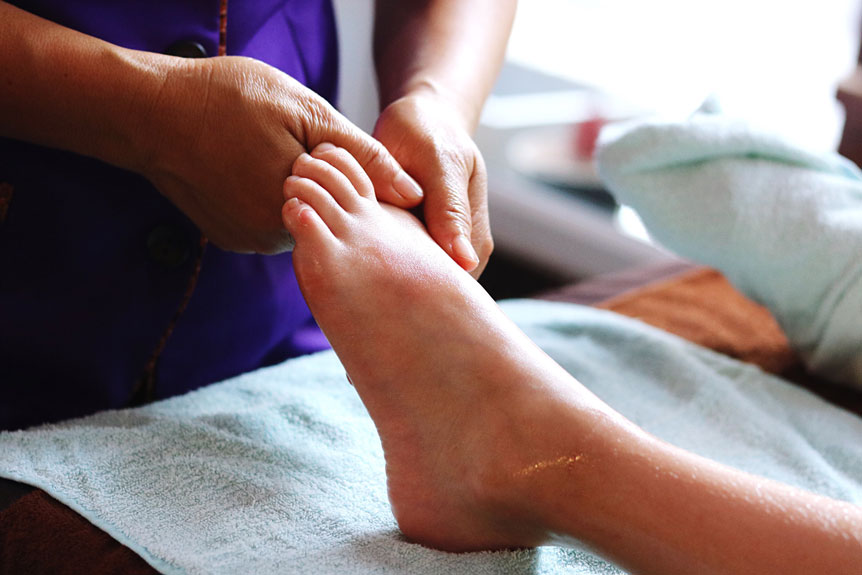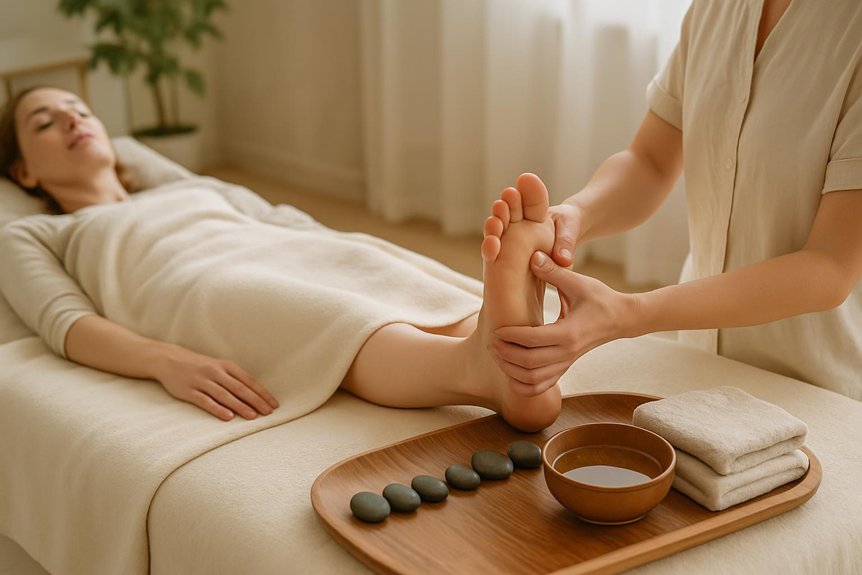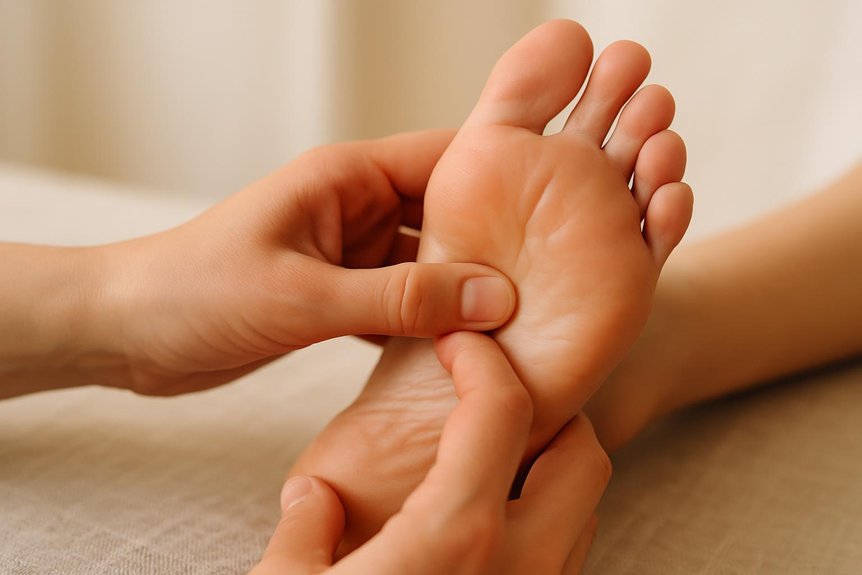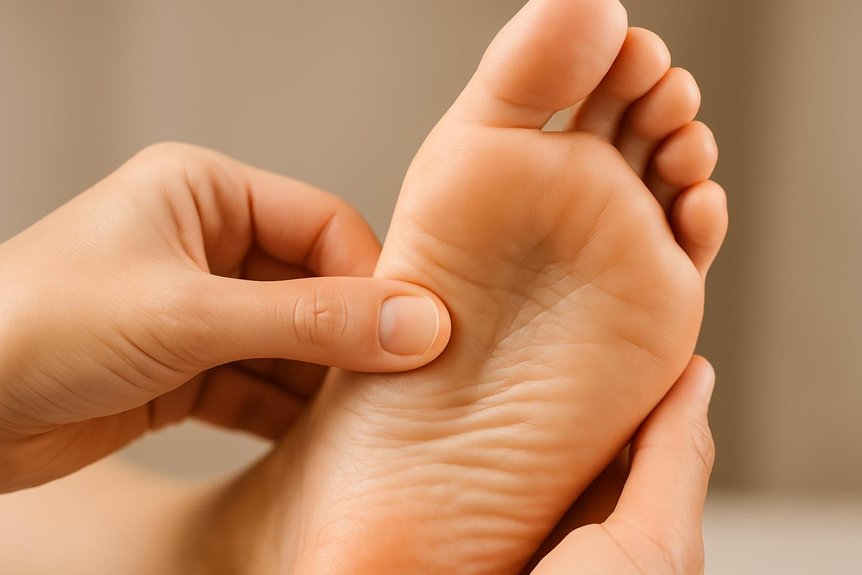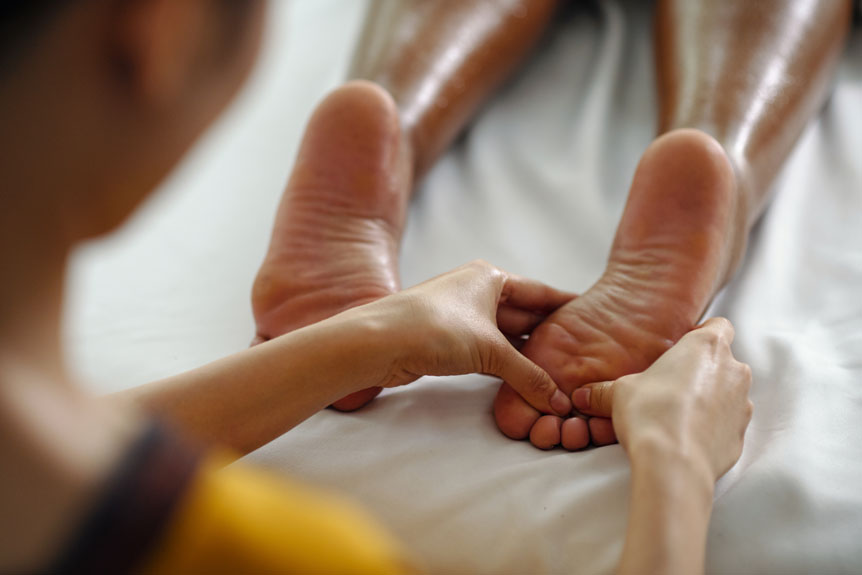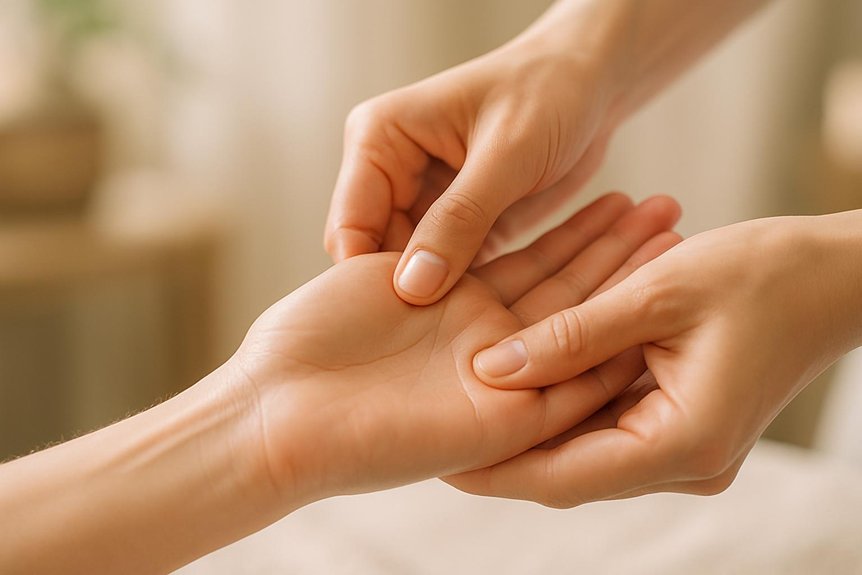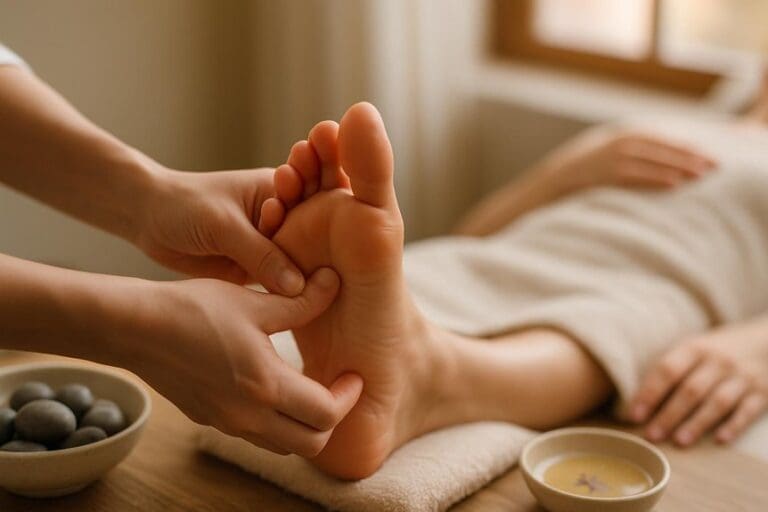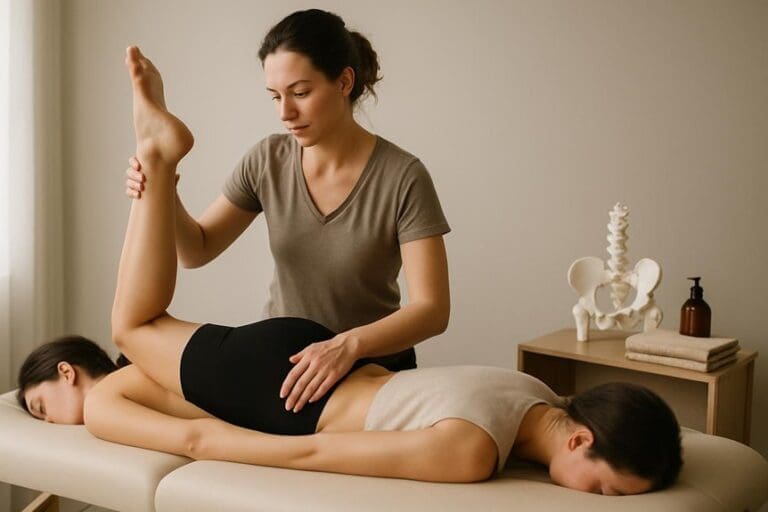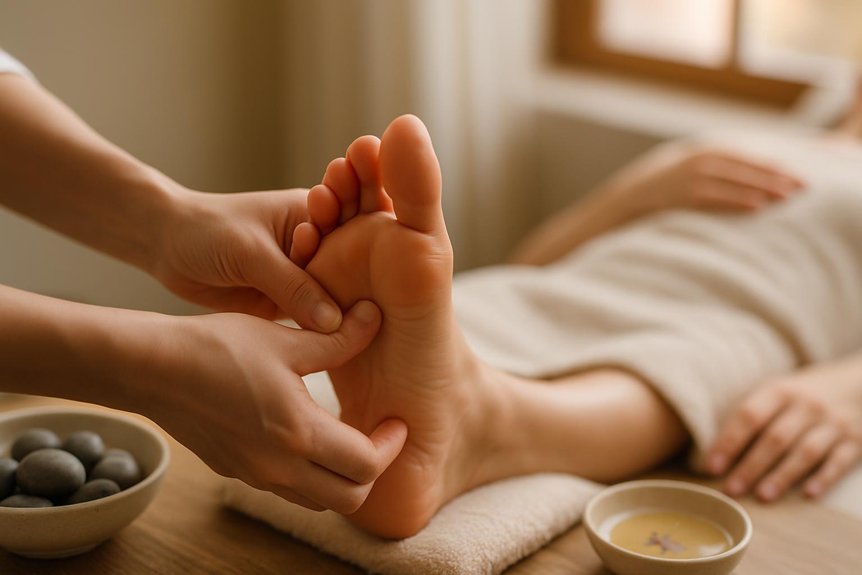
It may help some people feel calmer during panic-prone periods by lowering perceived stress, easing muscle tension, and supporting steadier breathing through structured, soothing touch. It is best framed as complementary care rather than a standalone treatment for panic attacks, as direct evidence is limited and study results are mixed. New, severe, or changing symptoms (especially chest pain, fainting, or severe breathlessness) require medical assessment. The sections below outline safety signs, likely benefits, and practical options.
Can It Help With Panic Attacks?
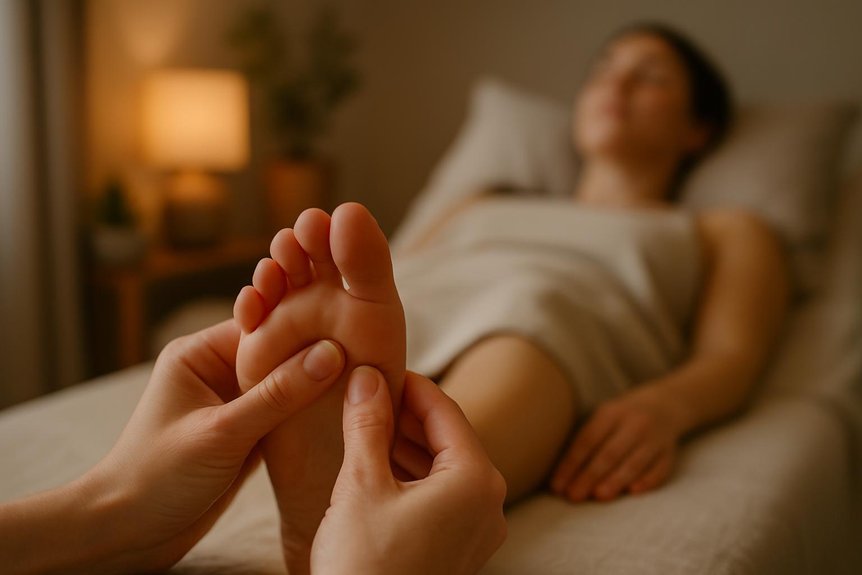
How might reflexology fit into support for panic attacks? Evidence suggests it may help some people by lowering perceived stress, easing muscle tension, and supporting calmer breathing through soothing, structured touch.
Research on zone therapy specifically for panic attacks remains limited, so it should be framed as a complementary wellbeing option rather than a standalone treatment.
Discovering the healing power of zone therapy can help contextualise why this gentle, hands-on approach may feel supportive during periods of heightened anxiety.
In Spa & Massage clinics across London, therapists use measured pressure on feet, hands, or ears, pairing the work with slow pacing and quiet guidance to encourage parasympathetic “downshifting.”
Many clients describe feeling held and safer in their body, which can reduce anticipatory anxiety and improve sleep.
The most useful approach is regular sessions alongside personalised coping skills, with attention to consent, comfort, and predictable boundaries throughout.
When to Get Medical Help (Panic Red Flags)
It may be a helpful complementary option for some people experiencing panic symptoms, but it should not delay medical assessment when warning signs are present.
Urgent help is advised for chest pain or pressure, fainting, severe breathlessness, new weakness or numbness, sudden confusion, or symptoms after a head injury.
Immediate review is also important if panic-like episodes begin after starting or stopping medication or substances, occur during pregnancy, or follow an allergic reaction.
Medical input is recommended when episodes are new, worsening, frequent, or linked with persistent low mood, self-harm thoughts, or inability to function at work or home.
At Spa & Massage, therapists can pause treatment and encourage clients to contact 111, a GP, or emergency services promptly.
What Do Panic Attacks Feel Like Physically?
Physically, panic attacks are commonly associated with sudden body sensations such as trembling, sweating, dizziness, tingling, and a sense of heat or chills.
Heart and breathing changes—often a rapid heartbeat, chest tightness, and shortness of breath or hyperventilation—may occur and can feel alarming, even when not medically dangerous.
Digestive and muscle responses are also reported, including nausea, abdominal discomfort, dry mouth, and marked muscle tension, which Spa & Massage therapists frequently consider when tailoring calming, client-led zone therapy sessions alongside appropriate medical guidance.
Common Body Sensations
Often, panic attacks present with abrupt, intense bodily sensations that can resemble acute medical symptoms: rapid or pounding heartbeat, chest tightness or pain, shortness of breath or a feeling of choking, sweating, trembling, lightheadedness, nausea, tingling or numbness (commonly in the hands or around the mouth), and a surge of heat or chills.
These sensations typically peak within minutes, then ease, yet they can feel profoundly personal and frightening in the moment. Many people also notice stomach fluttering, dry mouth, a “not-real” feeling, or urgency to escape.
Because symptoms can overlap with conditions requiring urgent care, first-time, severe, or changing symptoms warrant medical assessment. At Spa & Massage clinics in London, therapists encourage clients to track triggers and recovery patterns, then use zone therapy as a gentle, supportive relaxation tool alongside appropriate clinical care.
Heart And Breathing Changes
Among the most alarming sensations described after the initial wave of panic-related symptoms are changes in heart rate and breathing. People may notice a rapid, pounding heartbeat, chest tightness, or a sense that the heart is “skipping,” alongside fast, shallow breaths or sudden hyperventilation.
Clinically, these shifts reflect sympathetic nervous system activation and can create light-headedness, tingling, and a fear of losing control, even when tests later show no acute cardiac event. When symptoms feel new, severe, or are accompanied by fainting, persistent chest pain, or known heart or lung disease, urgent medical assessment is advised.
At Spa & Massage clinics, therapists often encourage slow, paced breathing during zone therapy sessions to support calm, comfort, and felt safety.
Digestive And Muscle Responses
During a panic attack, digestive and muscle responses can be prominent, reflecting a rapid shift of blood flow and signalling toward “fight-or-flight” physiology. People may notice nausea, stomach churning, cramps, bloating, or an urgent need for the toilet; others experience a dry mouth or a “lump in the throat” sensation. These symptoms are typically driven by adrenaline and changes in breathing, and can feel intensely personal and alarming, even when not dangerous.
Muscle effects may include trembling, jaw clenching, tight shoulders, tingling, or painful spasms—sometimes from sustained tension or over-breathing. At Spa & Massage, therapists note that when clients feel safe and grounded, gentle touch and paced breathing can help soften tension; zone therapy may be used as a supportive, non-medical calming approach alongside appropriate care.
How It Can Help You Feel Calmer
It is sometimes used as a complementary approach to support calm during periods of heightened anxiety, including panic symptoms. In Spa & Massage clinics across London, therapists use structured, gentle pressure on the feet to encourage a sense of safety and steady breathing. The treatment may help shift attention away from racing thoughts and into clear body sensations, which can feel grounding when the nervous system is on high alert.
Many clients report warmth, softening in the jaw and shoulders, and a slower heartbeat during sessions, though responses vary. Sessions are paced, with consent and check-ins, and can be adapted for sensitivity or overwhelm. It is not a substitute for medical care; it can sit alongside it.
What the Evidence Says on Zone Therapy and Anxiety
Client reports of feeling calmer during foot zone therapy can be reassuring, but those experiences need to be weighed against what clinical research has actually demonstrated.
Overall, studies on zone therapy and anxiety suggest possible short‑term reductions in self‑reported stress, yet results are mixed and often limited by small sample sizes, inconsistent methods, and difficulty blinding participants.
Some trials find benefits comparable to other relaxing touch therapies, which suggests the soothing setting, caring attention, and gentle pressure may be key contributors.
It should consequently be framed as supportive care rather than a stand‑alone treatment for panic disorder.
At Spa & Massage, therapists encourage clients to view sessions as a calming adjunct alongside medical guidance, especially when panic attacks are frequent, worsening, or linked to trauma.
Zone Therapy Points for Stress and Anxiety
In clinical zone therapy practice, certain foot reflex points are commonly used to support relaxation and reduce perceived stress, though individual responses vary and the evidence base remains mixed.
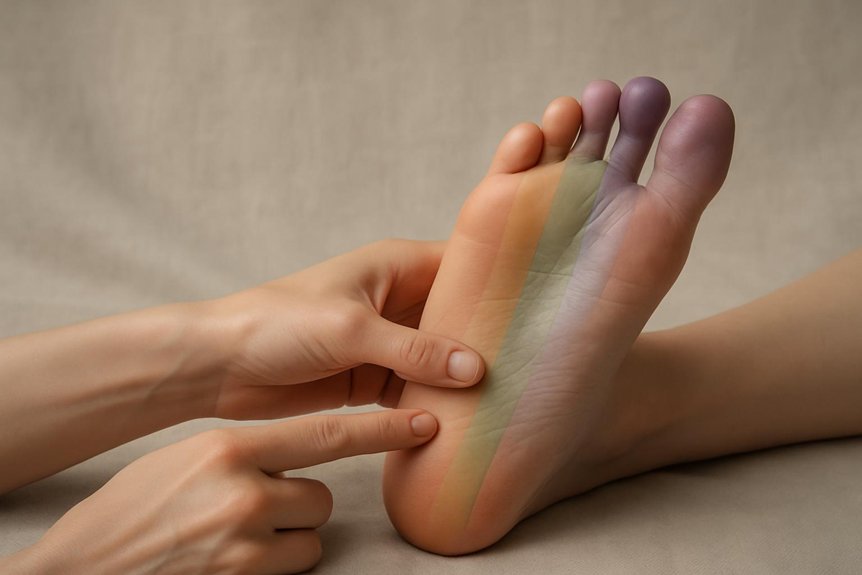
At Spa & Massage clinics across London, therapists typically focus on key areas such as the diaphragm/solar plexus region, the medial arch (spinal line), and the big toe area, applying measured pressure and monitoring comfort.
The following section outlines these key foot reflex points alongside practical self-zone therapy pressure tips that prioritise safety, gentle technique, and symptom awareness.
Key Foot Reflex Points
For many people experiencing stress-driven panic symptoms, certain foot zones are commonly targeted in zone therapy to support downregulation of the stress response.
In clinic, Spa & Massage therapists often prioritise the diaphragm line (beneath the ball of the foot) to encourage steadier breathing patterns, and the solar plexus point (central upper arch) for perceived “settling” of internal tension.
The adrenal reflex area (inner arch above the heel) is sometimes included because of its association with stress physiology, though evidence remains indirect and effects are best framed as supportive rather than corrective.
Many sessions also include the medial big toe (head/brain reflex mapping) to help clients feel more grounded. These points are approached gently and collaboratively, especially for clients who feel sensitive or easily overwhelmed.
Self-Zone Therapy Pressure Tips
With panic-prone anxiety, self-zone therapy is best approached as a low-risk, supportive technique: light-to-moderate, steady pressure on commonly targeted areas—such as the diaphragm line beneath the ball of the foot and the solar plexus point in the central upper arch—may help some people shift toward slower breathing and reduced perceived tension.
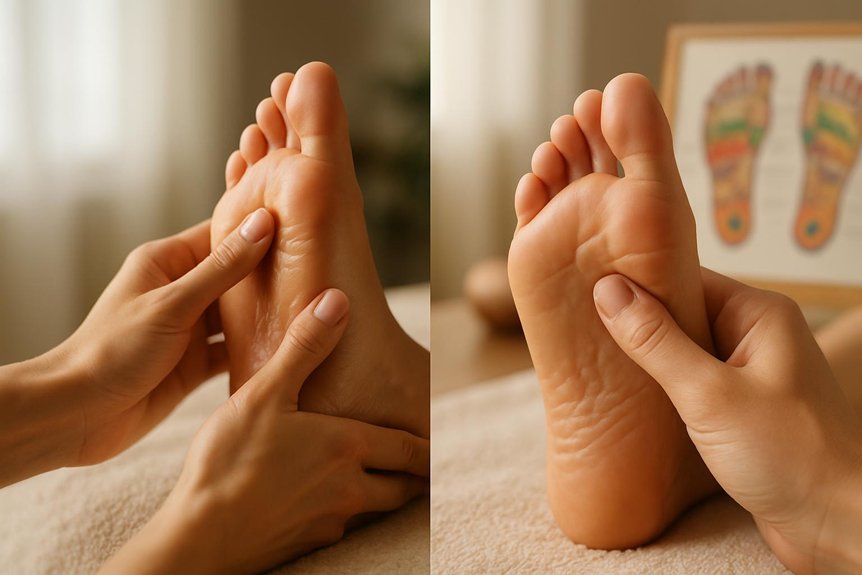
A practical method is to sit comfortably, place one thumb on the point, and press for 20–30 seconds while exhaling slowly; release, then repeat 3–5 cycles per foot.
Gentle circular holds on the inner arch (spinal reflex line) may feel grounding. Discomfort should stay mild; sharp pain, numbness, or worsening panic warrants stopping.
At Spa & Massage clinics, therapists suggest pairing pressure with paced breathing and seeking clinical care for recurrent attacks.
What a Zone Therapy Session Is Like at Spa & Massage
At Spa & Massage clinics across London, a zone therapy session for panic-attack support is structured as a calm, standardised consultation and foot treatment designed to promote relaxation without claiming to treat or cure anxiety disorders.
The therapist first asks about symptoms, stress triggers, sleep, medications, and contraindications, then agrees comfort cues and boundaries.
Clients remain fully clothed, reclined, with feet supported and warmed. A small amount of neutral oil or balm is used to reduce friction.
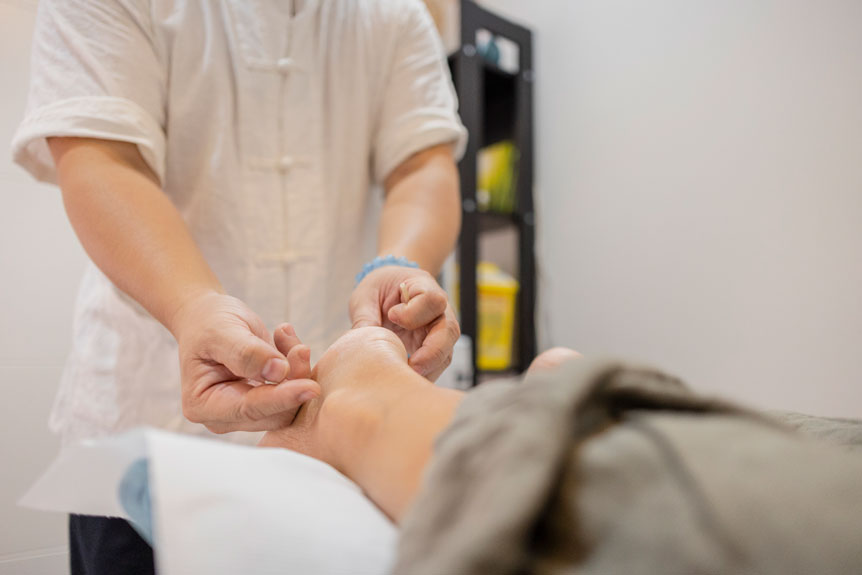
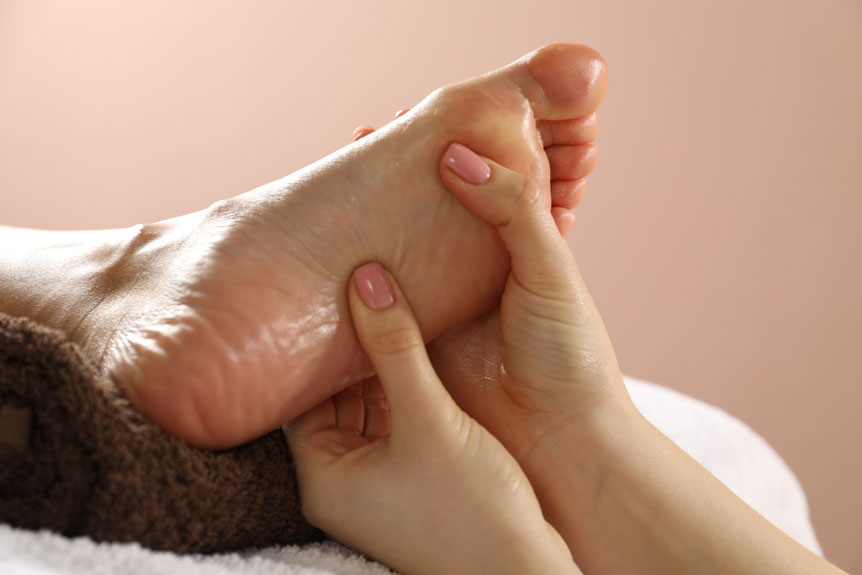
The therapist applies measured thumb-and-finger pressure across mapped foot areas, adjusting depth to stay soothing, never painful, and monitoring breathing, temperature, and emotional shifts. Silence is welcomed; consent is checked throughout.
Afterward, simple aftercare is suggested—hydration, gentle walking, and noting any changes in tension or sleep.
How Many Zone Therapy Sessions Should You Book?
Often, clients find that zone therapy feels most supportive when booked as a short course rather than a one-off session, because relaxation responses and self-regulation skills tend to build with repetition.
At Spa & Massage, therapists typically suggest starting with 4–6 weekly sessions, then reviewing changes in sleep, bodily tension, and panic frequency.
If symptoms feel intense, a twice‑weekly block for 2–3 weeks may be considered, provided it remains comfortable and alongside appropriate medical care.
Once steadier, many clients maintain benefits with sessions every 2–4 weeks.
The exact number is individual: history of anxiety, current stress load, and sensitivity to touch can all affect pacing.
A brief check‑in before each appointment helps tailor pressure, duration, and scheduling to safety.
Aftercare: 7 Ways to Reduce Panic Triggers
Session frequency can help build a steadier relaxation response, but day‑to‑day aftercare is typically what determines whether panic triggers accumulate between appointments.
Spa & Massage therapists suggest seven practical steps: (1) hydrate and eat regularly to stabilise physiology; (2) keep caffeine, nicotine, and alcohol modest, as they can amplify palpitations; (3) practise slow nasal breathing (e.g., 4–6 breaths/min) for 5 minutes daily; (4) maintain consistent sleep and light exposure; (5) use brief grounding—feet on floor, name five sensations—to interrupt spirals; (6) schedule gentle movement and outdoor time; (7) note triggers and early cues in a private journal to plan support.
If symptoms persist or intensify, clinical assessment is advised.
Conclusion
Panic can arrive like a sudden squall, overturning breath and heartbeat without warning. It is best viewed as a steady anchor: a calming, low-risk practice that may support parasympathetic settling and perceived control, but does not replace diagnosis or treatment. Evidence suggests potential anxiety reduction, though findings are mixed and mechanisms remain uncertain. Used alongside medical care, skills-based therapy, and trigger management, sessions may help some people regain steadier footing—while red-flag symptoms warrant urgent assessment.