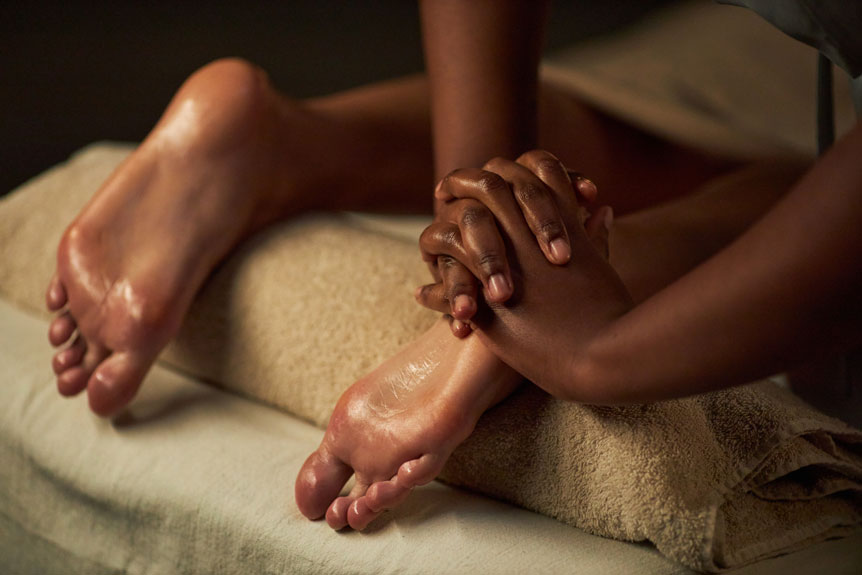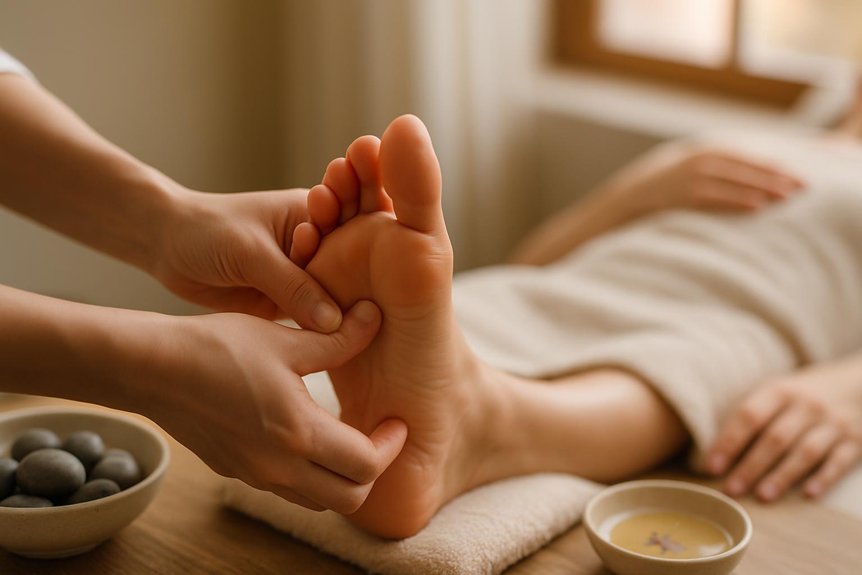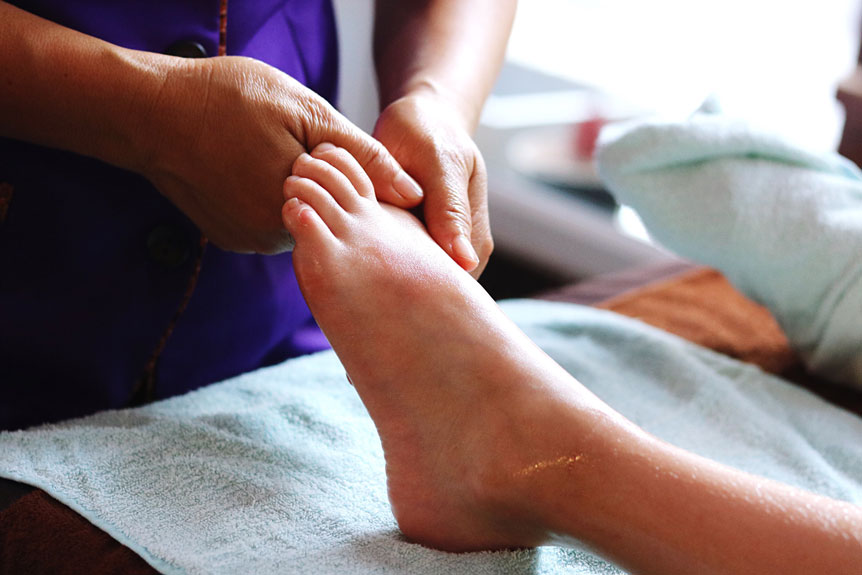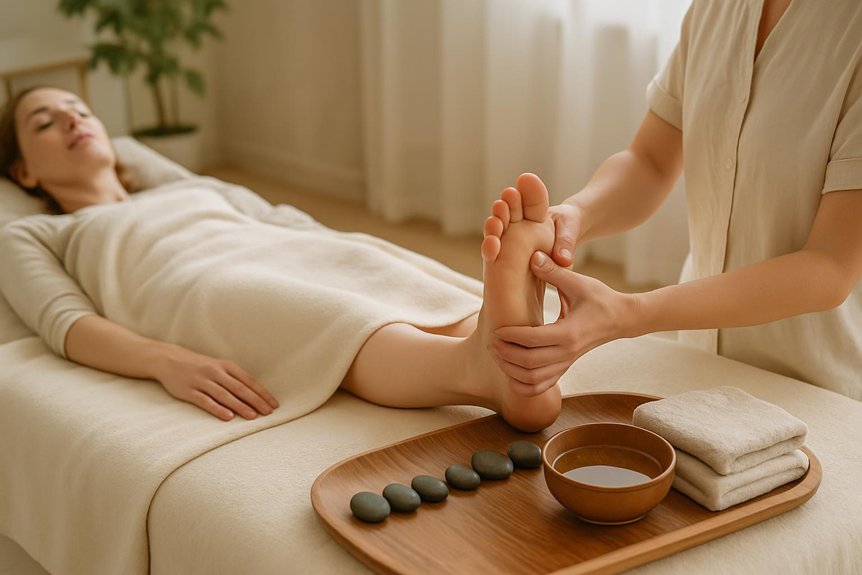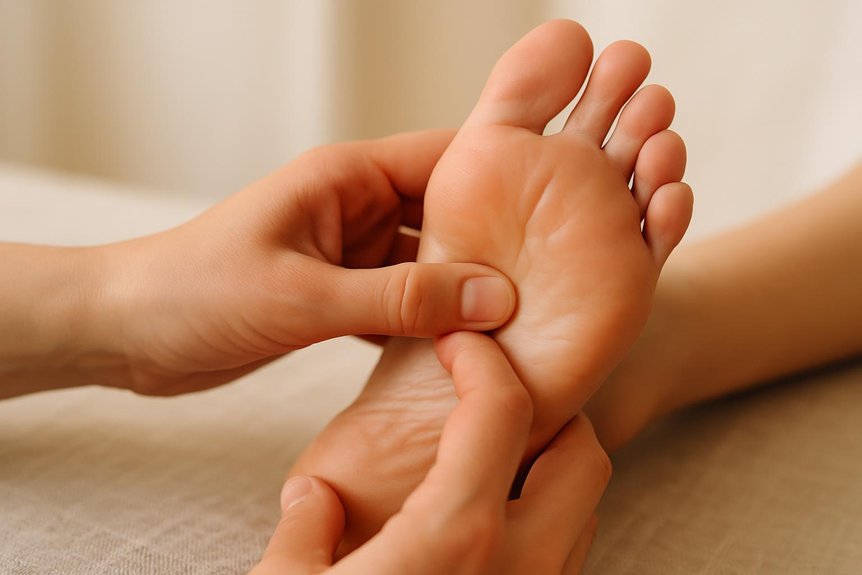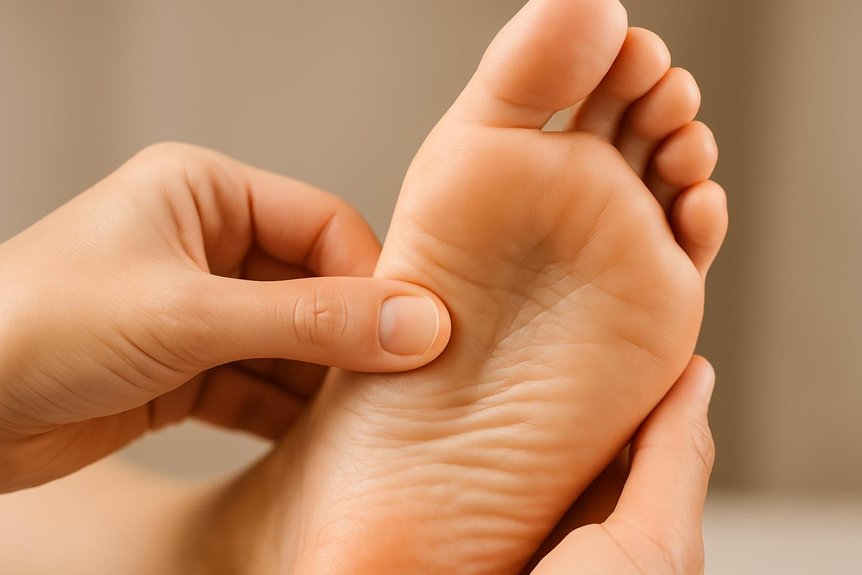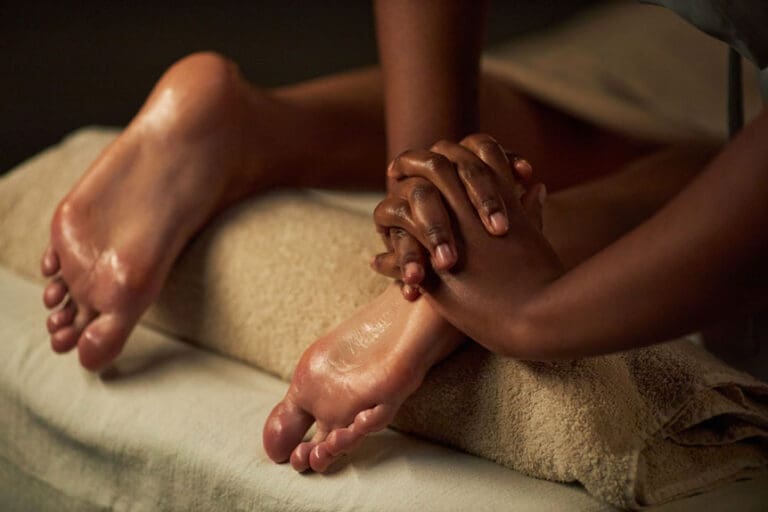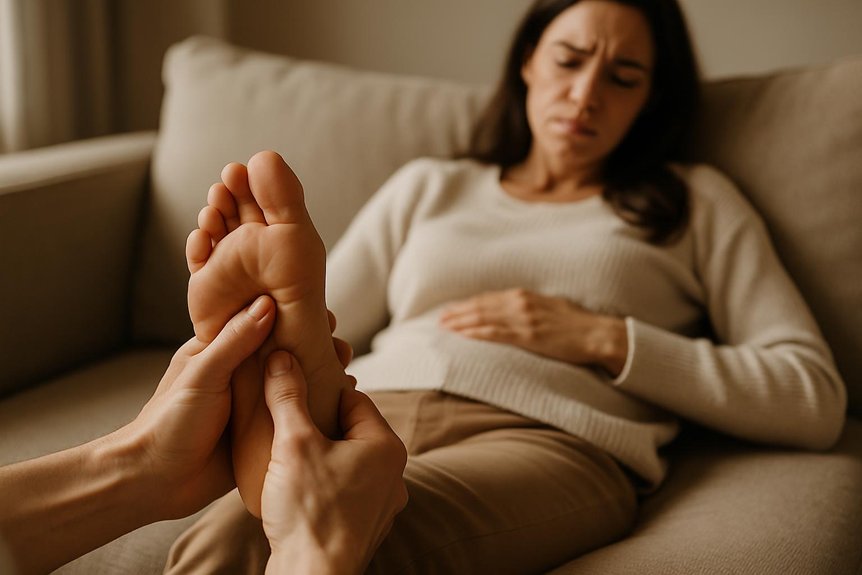
It may help some people with period cramps by promoting relaxation and modulating pain perception through targeted foot pressure, though research is mixed and benefits are typically short term. It is best used as a supportive therapy alongside standard care, not a replacement for medical evaluation. Sessions often focus on pelvic reflex areas near the inner heel and ankle, plus calming endocrine and digestive points for bloating. Safety is generally good with tailored pressure and screening for red flags. Further details cover points, timing, and warning signs.
Can It Help Period Cramps?
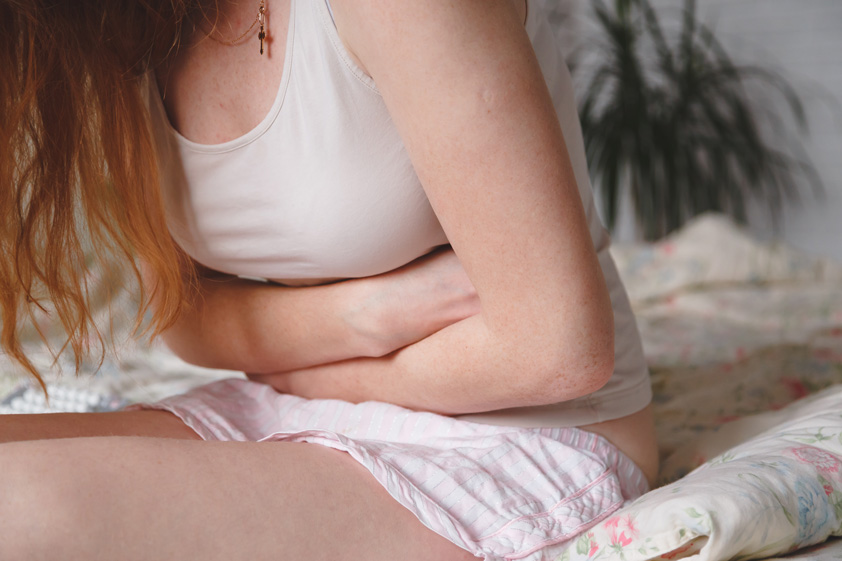
It may help reduce period cramps for some individuals by promoting relaxation and modulating pain perception through targeted pressure to specific points on the feet.
Evidence remains mixed, yet small clinical studies and client-reported outcomes suggest short-term reductions in cramp intensity, stress, and related discomfort.
It should be viewed as a supportive option rather than a replacement for medical care.
Many people explore the healing power of reflex therapy as a gentle complementary approach for managing menstrual discomfort.
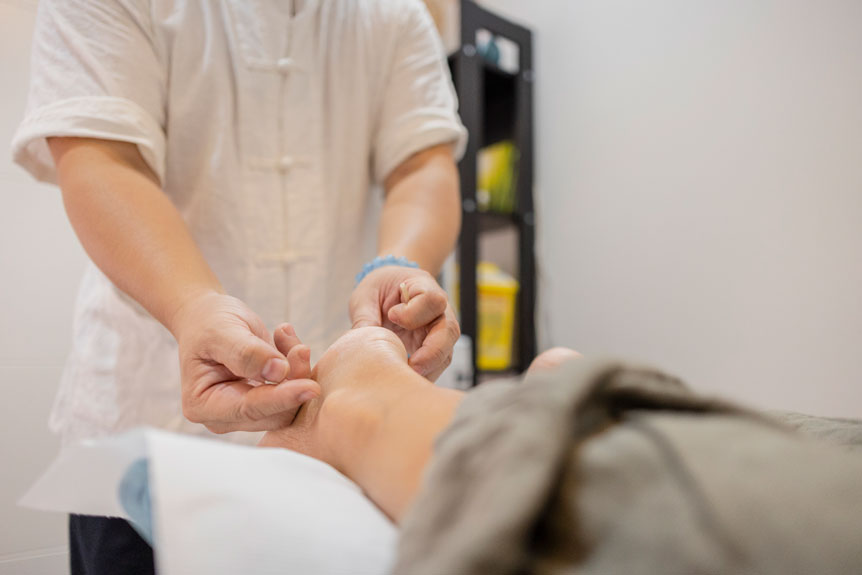
At Spa & Massage clinics across London, therapists assess symptoms, cycle patterns, and pressure tolerance, then deliver a calm, client-led session with clear consent and ongoing check-ins.
Many clients describe a softened “gripping” sensation and improved ease in the lower abdomen after treatment.
It is generally low risk, but clients with severe pain, heavy bleeding, or new symptoms are advised to seek clinical evaluation first.
How Reflexology Can Ease Period Cramps (And Bloating)
In reflex therapy sessions at Spa & Massage, therapists may target pelvic reflex points on the feet that correspond to the uterus and ovaries, aiming to reduce perceived cramping and pelvic tension.
Treatment often follows hormone-regulation pathways (including pituitary, thyroid, adrenal, and reproductive reflex areas) to support autonomic balance and help clients manage cycle-related symptoms.
For bloating, specific work on digestive reflex points may be used to encourage comfort and motility, with pressure adjusted to client feedback and symptom severity.
Pelvic Reflex Points
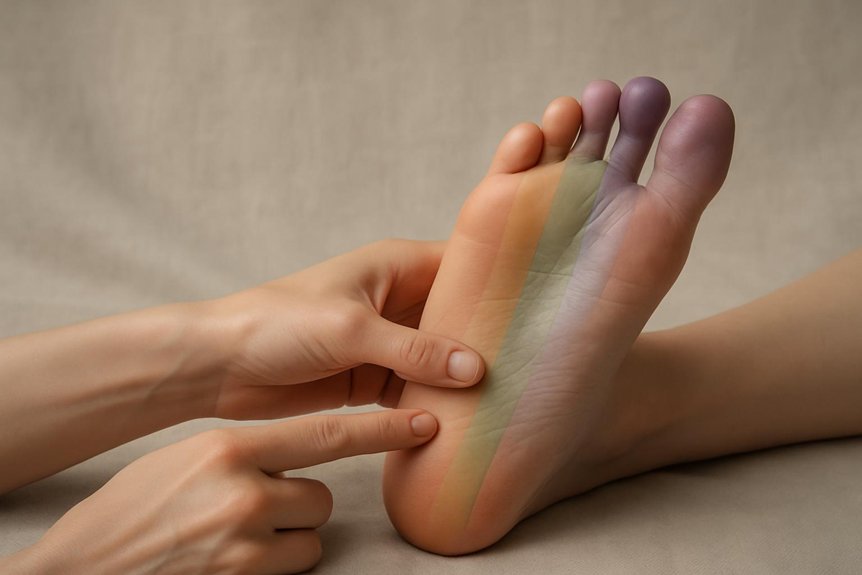
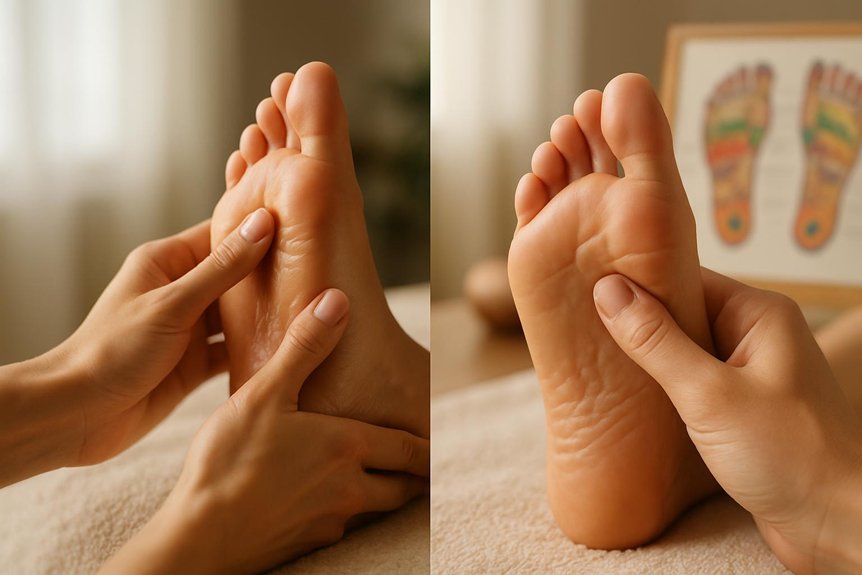
Within reflex therapy maps, pelvic reflex points are typically located around the inner heel and ankle margins and are worked to support comfort in the lower abdomen and pelvic region during menstruation.
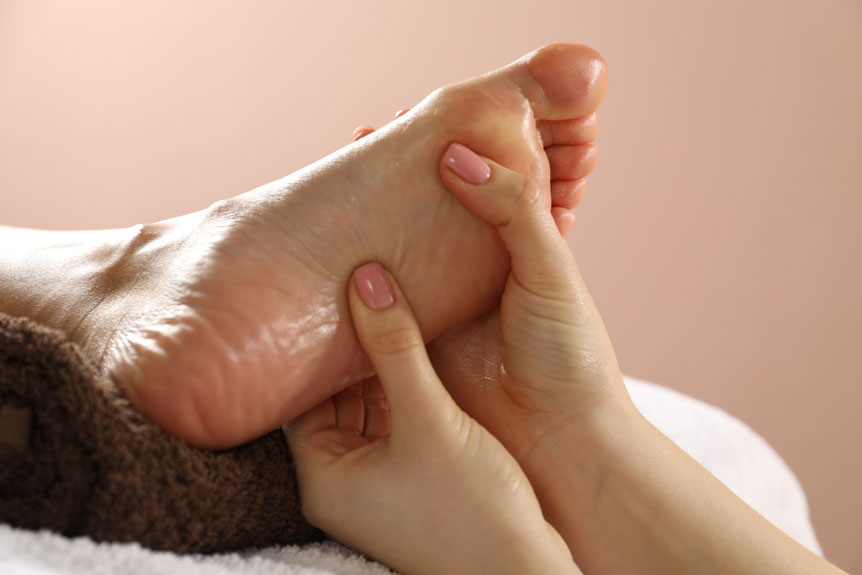
Practitioners apply slow, sustained pressure and small thumb-walking strokes, titrating intensity to a client’s tenderness and breath, which can promote relaxation and downshift pain sensitivity.
Limited clinical evidence suggests reflex therapy may reduce menstrual pain and perceived bloating, likely via reduced stress and improved autonomic balance, though results vary and it should be treated as supportive care.
At Spa & Massage clinics across London, therapists prioritise consent, warmth, and privacy, inviting feedback throughout.
Clients are advised to hydrate after treatment and pause if sharp pain, dizziness, or unusual bleeding occurs.
Hormone-Balancing Pathways
Pelvic-focused footwork can be paired with points traditionally linked to endocrine regulation, aiming to calm the stress response that often amplifies cramping and fluid retention.
In reflex therapy theory, gentle pressure along reflex areas associated with the pituitary, adrenal, and ovarian pathways is used to encourage steadier signalling across the hypothalamic–pituitary–adrenal axis, which may support comfort during the luteal phase and early bleeding.
At Spa & Massage clinics across London, therapists keep the touch slow, warm, and consent-led, prioritising breath cues and client feedback to reduce sympathetic arousal and pelvic guarding.
Limited clinical research suggests reflex therapy can lower perceived pain and anxiety in dysmenorrhoea, likely via relaxation, improved coping, and pain-modulation pathways. Sessions are adapted for cycle stage, tenderness, and privacy needs.
Bloating And Digestion Support
Alongside uterine cramping, many people experience cycle-related bloating, nausea, and slower bowel motility, often driven by prostaglandin activity, shifting progesterone levels, and a heightened stress response.
It may help by supporting parasympathetic “rest-and-digest” tone, which can reduce visceral sensitivity and improve perceived abdominal comfort.
Evidence is still emerging, yet small studies and clinical experience suggest footwork that targets digestive and pelvic reflex zones can ease bloating and tension when delivered gently and consistently.
At Spa & Massage clinics across London, therapists tailor pressure to the client’s tenderness and cycle day, often focusing on diaphragm, stomach, small intestine, and colon points, plus lymphatic-style holds.
Clients are advised to hydrate, eat warm, simple meals, and note symptom changes over two cycles.
Is It Safe During Your Period (And When to Avoid It)?
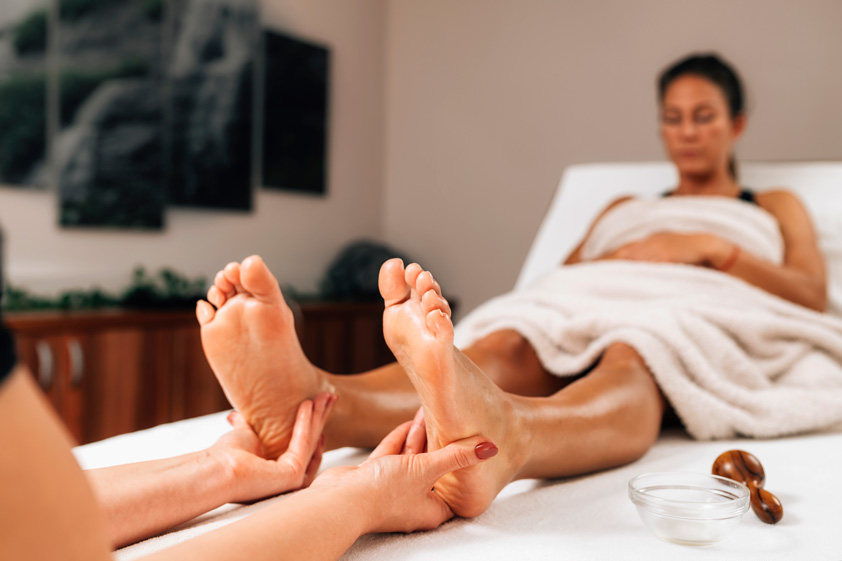
Generally, it is considered safe to receive during a period for most people, provided pressure is adjusted to comfort and the session is tailored to current symptoms. At Spa & Massage, therapists check pain levels, bleeding changes, and fatigue, then work gently to support relaxation and nervous-system settling, which may help some clients feel more at ease.
It should be avoided or postponed with fever, suspected infection, unexplained severe pelvic pain, very heavy bleeding, dizziness or fainting, new swelling, or recent surgery. Caution is also advised with clotting disorders, anticoagulant use, uncontrolled diabetes, or a history of fainting with touch. Anyone with an IUD or diagnosed endometriosis can still attend, but should disclose details so pressure and positioning protect comfort and privacy.
Which Reflex Therapy Points May Help Period Cramps?
In clinical reflex therapy, period-cramp support is typically approached by working specific foot and ankle reflex areas associated with the pelvis, lower abdomen, and stress response, with pressure kept within a comfortable range and adjusted to bleeding level, tenderness, and fatigue.
Commonly used areas include the inner and outer heel (pelvic/uterine region), the arch near the midline (lower abdomen), and the base of the big toe (hypothalamus/pituitary-related calming response).
The ankle hollows and Achilles margin may also be addressed to ease protective guarding in the calves and improve comfort in the lower back.
At Spa & Massage, therapists prioritise client feedback, using slow, grounded thumb-walking rather than sharp pressure, and stopping on any “too much” sensation.
What Happens in a Reflex Therapy Session for Period Cramps?
What can a client expect when booking reflex therapy specifically for period cramps? At Spa & Massage, the session begins with a brief, confidential intake covering cycle timing, pain pattern, contraception, relevant diagnoses (e.g., endometriosis), and contraindications.
The client then settles comfortably while feet are cleansed and supported for privacy and warmth.
The therapist uses measured thumb-and-finger pressure to map tender reflex areas linked to pelvis, lower back, and endocrine regulation, adjusting intensity to the client’s consent and comfort. Breathing cues may be offered to reduce guarding and support parasympathetic shift.
Pain should feel “productive,” not sharp; feedback is encouraged throughout. The session closes with grounding strokes and practical aftercare: hydration, gentle heat, and noting symptom changes to discuss at the next appointment.
How Often Should You Book Reflex Therapy for Period Cramps?
After a session, symptom notes and the locations of tenderness on the feet provide a practical baseline for planning follow-up care.
For predictable cramps, Spa & Massage typically advises 2–4 sessions across the two weeks before bleeding, then one session during the first 48 hours if pain peaks then.
For irregular cycles or high stress, weekly sessions for 4–6 weeks may help establish a steadier response.
When symptoms are mild, monthly maintenance timed to the premenstrual week is often sufficient.
Frequency is adjusted by pain intensity, sleep disruption, medication use, and pelvic or lower‑back referral patterns noted during treatment.
Clients are encouraged to track cramp severity and emotional sensitivity; appointments should feel supportive, never overwhelming.
Conclusion
It may offer a supportive, low-risk option for managing period cramps by promoting relaxation, reducing perceived pain, and easing associated bloating for some clients. While evidence is mixed and not definitive, reported benefits can feel almost life-changing when combined with standard care. Safety is generally good during menstruation, though severe, new, or worsening symptoms warrant medical assessment. A tailored session and consistent scheduling across cycles may help clarify individual response and set realistic expectations.