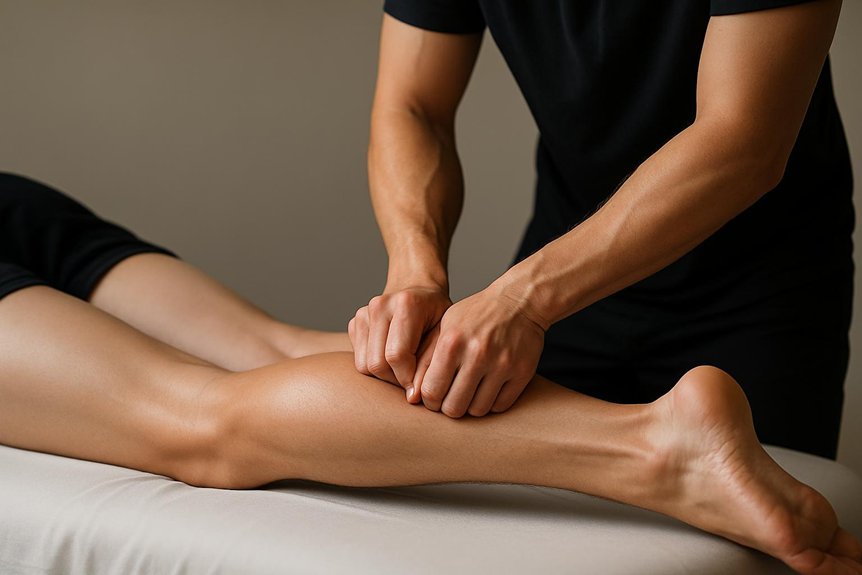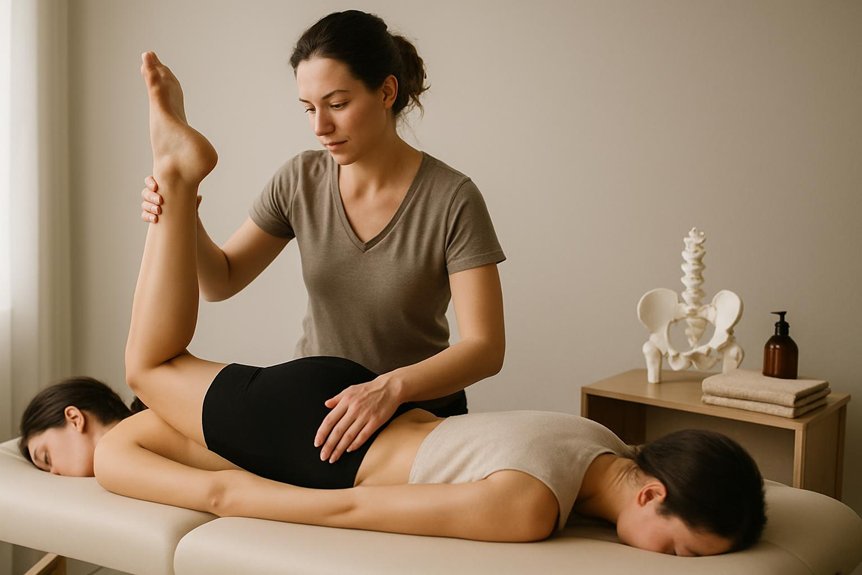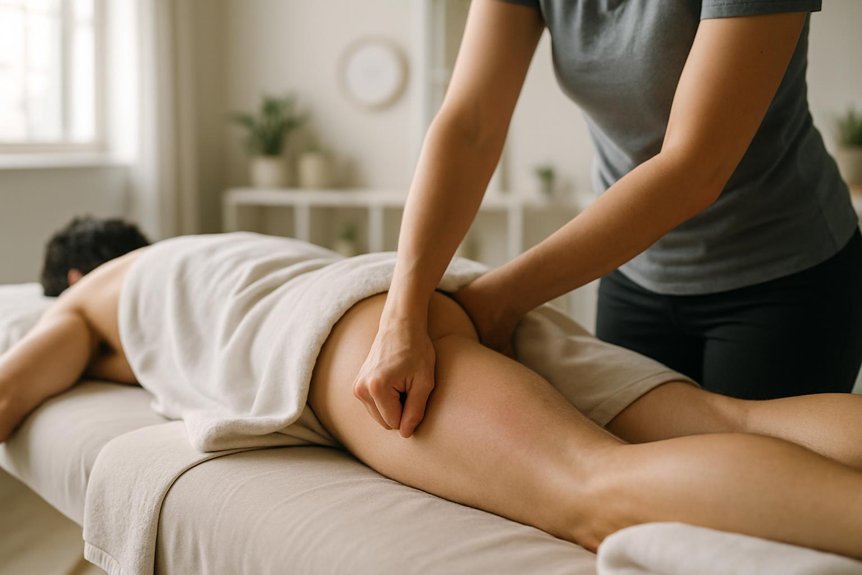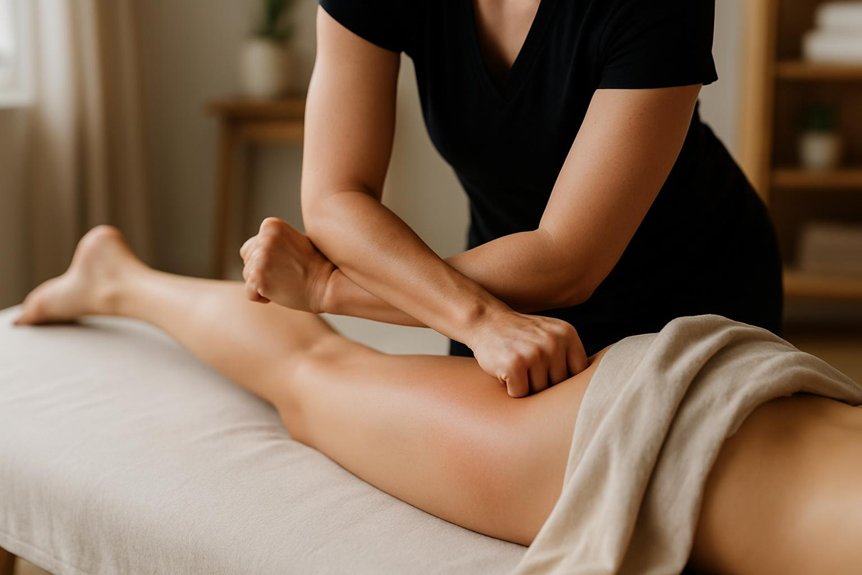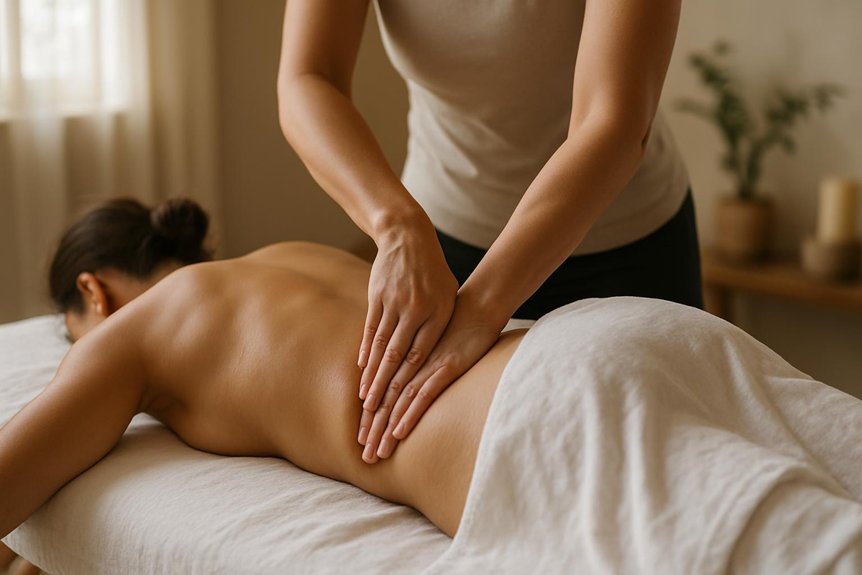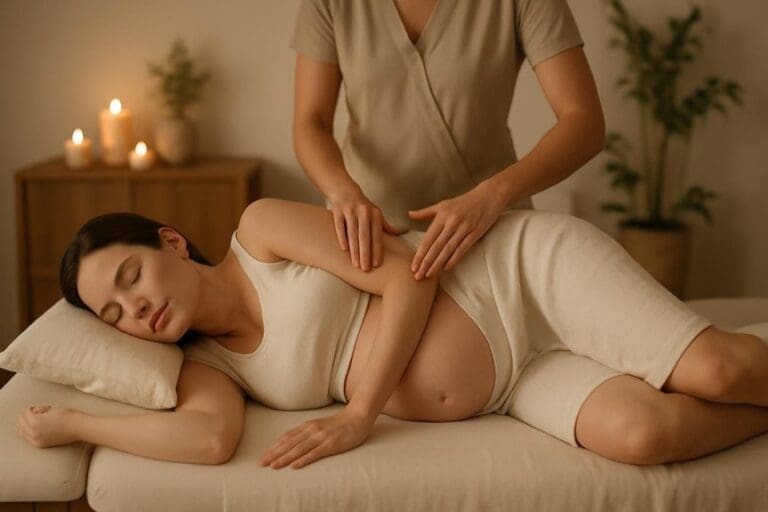
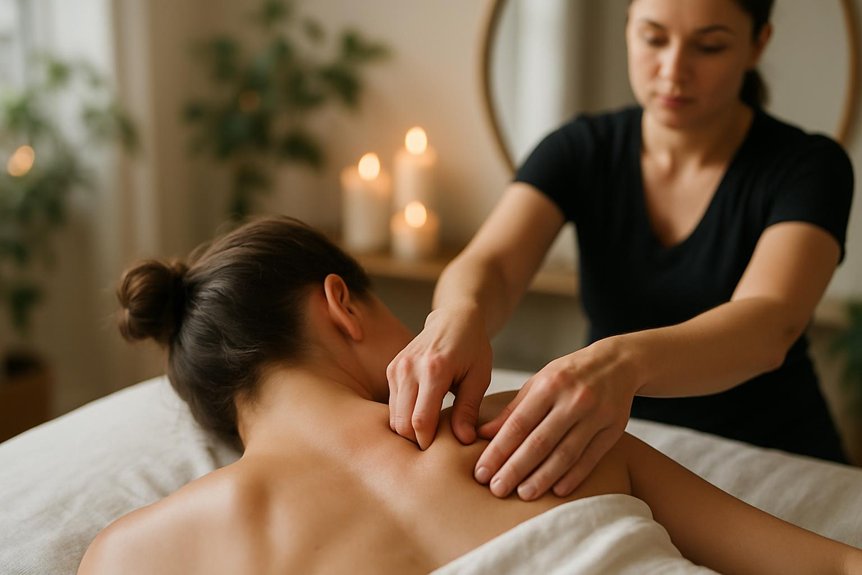
It can help non-specific neck pain linked to hypertonic muscles, trigger points, and myofascial restriction, particularly from postural strain and sustained desk work. Slow, graded pressure may reduce pain sensitivity, improve tissue glide, and restore cervical range of motion when paired with movement and posture advice. It is not appropriate with trauma, suspected instability, neurological symptoms, fever, or unexplained night pain. Ongoing stiffness or shortening relief suggests further assessment and a clearer plan.
Is It Good for Neck Pain?
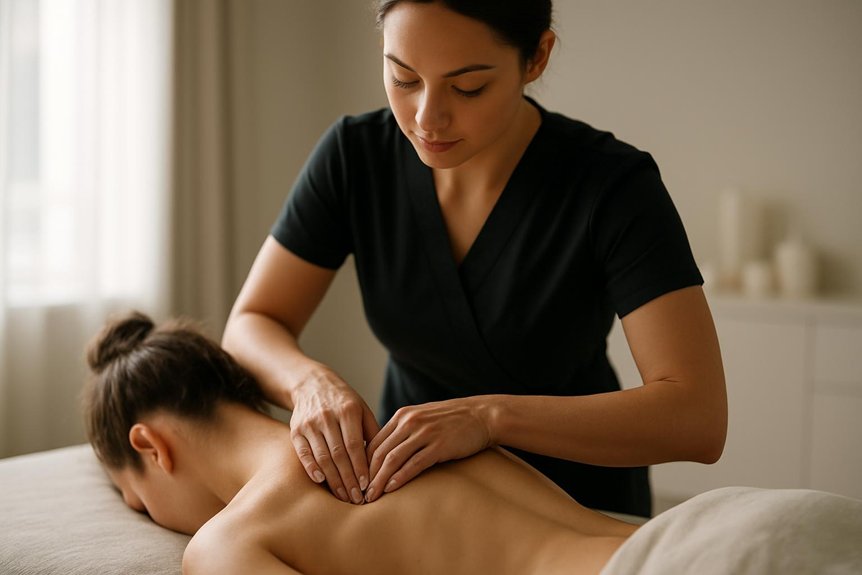
For many cases of non-specific neck pain, deep tissue massage can be a beneficial option because it targets hypertonic muscles and myofascial restrictions that commonly contribute to stiffness, reduced range of motion, and referred discomfort.
Evidence suggests manual therapy may reduce pain sensitivity and improve mobility when combined with posture and movement advice.
It can also support longer-term relief by addressing chronic muscle tension through slow, focused work into deeper layers of soft tissue.
At Spa & Massage clinics across London, therapists assess neck, shoulders, and upper back, then apply slow, sustained pressure to tissues such as the upper trapezius, levator scapulae, and suboccipitals, adjusting depth to remain within a client’s comfortable, safe threshold.
Many clients seeking close, reassuring care prefer clear communication, supported draping, and steady pacing.
Aftercare typically includes hydration, gentle mobility, and brief heat or stretching guidance.
When Is It Not Safe for Neck Pain?
In certain clinical situations, intensive tissue massage is not considered safe for neck pain and should be deferred until medical assessment has ruled out serious pathology. This includes sudden, severe pain after trauma, suspected fracture, cervical instability, neurological red flags (progressive weakness, numbness, gait changes), fever, unexplained weight loss, night pain, or a history of cancer.
Massage should also be avoided with suspected infection, acute inflammatory arthritis flare, significant osteoporosis, bleeding disorders, anticoagulant use with bruising risk, or unhealed surgical sites.
Caution is advised with carotid artery disease, uncontrolled hypertension, and pregnancy-related complications.
At Spa & Massage clinics across London, therapists screen carefully and may recommend gentler approaches or referral, ensuring touch feels safe, respectful, and supportive throughout.
What Types of Neck Pain Does Deep Tissue Help Most?
It tends to help most when neck pain is primarily driven by muscle tension and myofascial trigger points (“knots”), where targeted pressure may reduce local sensitivity and improve short-term range of motion.
It is also commonly used for postural strain and stiffness related to sustained desk work, addressing overactive cervical and shoulder-girdle muscles while supporting better movement patterns.
At Spa & Massage clinics across London, therapists prioritise assessment and conservative pressure progression to make certain symptoms remain mechanical and non-neurological, with referral advised if red-flag signs are present.
Muscle Tension And Knots
Targeting myofascial tension and palpable “knots” (trigger points) is where intensive tissue massage tends to help neck pain most, particularly when symptoms relate to sustained postural load—such as desk work, prolonged phone use, or repetitive upper‑body activity—and present as tightness, aching, restricted range of motion, or referral into the head, shoulder, or upper back.
At Spa & Massage clinics across London, therapists assess tender bands in upper trapezius, levator scapulae, and suboccipitals, then use slow, graded pressure, myofascial release, and focused trigger‑point work within the client’s comfort to reduce guarding and improve movement.
Aftercare may include hydration, heat, and gentle self‑release with a ball.
Deep tissue is avoided or modified with acute injury, fever, anticoagulants, or neurological symptoms.
Postural Strain And Stiffness
For many people, neck pain presents less as a sharp injury and more as postural strain—an accumulative stiffness linked to prolonged sitting, screen work, phone use, and sustained head‑forward positioning.
It tends to help most when symptoms reflect overworked upper trapezius, levator scapulae, suboccipitals, and chest tightness that limits comfortable head and shoulder movement.
At Spa & Massage clinics across London, therapists assess posture and breathing, then use slow, sustained pressure and targeted myofascial work to reduce tone and improve tissue glide, often paired with gentle neck and shoulder mobilisation.
Safety matters: deep pressure is modified for headaches, nerve symptoms, or acute flare‑ups.
Aftercare commonly includes heat, hydration, brief movement breaks, and simple scapular retraction drills to maintain gains.
Deep Tissue vs Sports Massage for Neck Pain
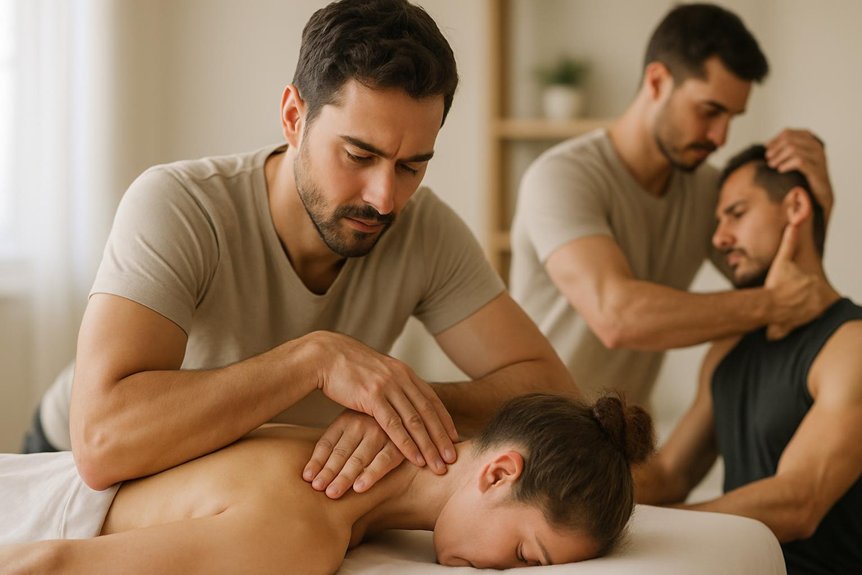
In clinical practice, choosing between deep tissue and sports massage for neck pain depends on whether the primary driver is sustained muscular tension and postural overload or sport-related strain with performance demands.
Deep tissue work typically targets deeper myofascial restriction and trigger points, suiting desk-related tightness and persistent guarding when tolerated comfortably.
Sports massage is often more integrative, combining tissue work with movement-based techniques to address training load, acute strains, and return-to-activity goals.
At Spa & Massage clinics across London, therapists select pressure and pacing to keep treatment “comfortably intense,” supporting relaxation and trust.
Safety screening is essential: new neurological symptoms, severe headache, fever, recent trauma, or anticoagulant use warrants medical review.
Most clients benefit from a tailored blend rather than an either-or choice.
How Does Intensive Tissue Massage Relieve Neck Tension?
Through a combination of sustained pressure and controlled, slow strokes, intensive tissue massage can reduce neck tension by modulating pain sensitivity, improving local circulation, and easing myofascial restriction in commonly overactive tissues such as the upper trapezius, levator scapulae, and suboccipitals.
Mechanically, graded pressure helps soften taut bands and improve tissue glide, while neurophysiologically it can downshift protective muscle guarding via the autonomic nervous system, supporting calmer, fuller breathing.
Improved microcirculation may assist oxygen delivery and metabolite clearance, which can reduce the “tight, achy” sensation many clients describe.
At Spa & Massage, therapists prioritise clear communication and consent, using pressure that feels productive rather than sharp, and avoiding forceful techniques around vulnerable cervical structures.
People with radiating pain, numbness, dizziness, or recent injury should seek medical assessment first.
What Happens in a Deep Tissue Neck Session?
Typically, a deep tissue neck session begins with a brief clinical intake to screen for red flags (for example, radiating arm symptoms, dizziness, recent trauma, or severe headache) and to confirm the client’s goals, pain behaviour, and pressure tolerance.
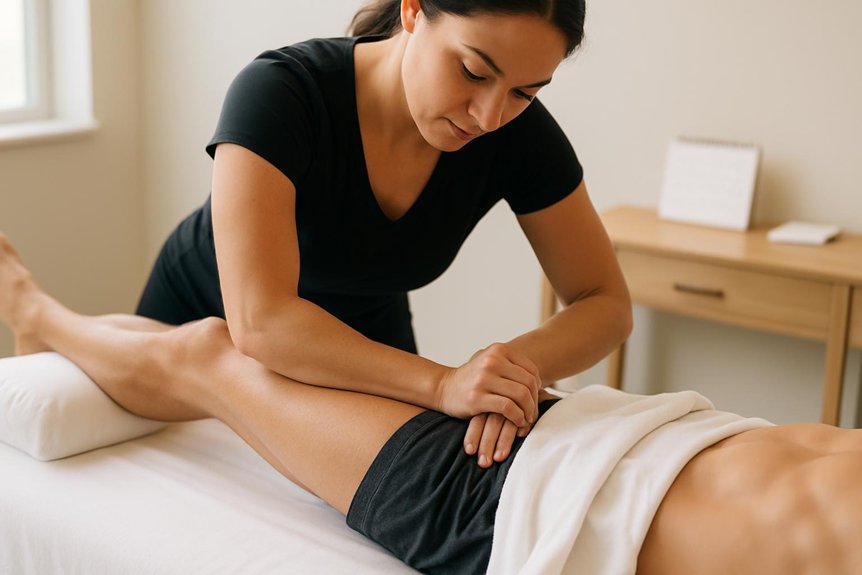
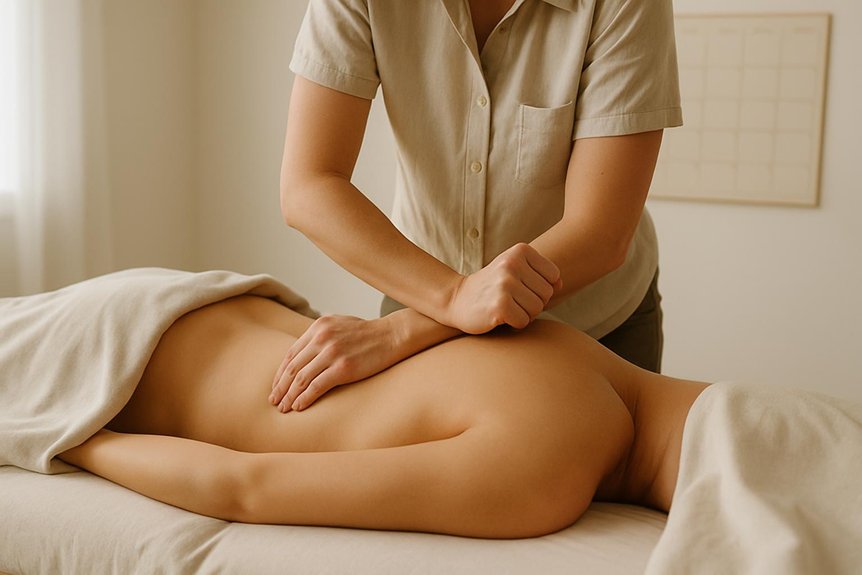
At Spa & Massage, the therapist then positions the client for comfort and privacy, with careful draping and supportive bolstering to let the neck soften. Treatment usually starts with slow warming strokes, then progresses to sustained, targeted pressure through the upper trapezius, levator scapulae, scalenes, and suboccipitals.
Pressure is titrated to a “strong but safe” range, avoiding sharp, electric, or breath‑holding responses. Gentle mobilisations and pacing with exhalation may be used to reduce guarding and improve glide in restricted tissues.
Aftercare After Intensive Tissue Massage for Neck Pain
Once the neck and upper-shoulder tissues have been worked with sustained, targeted pressure, aftercare helps consolidate the short‑term changes in tone, range, and symptom sensitivity while minimising post‑treatment soreness.
Spa & Massage therapists advise steady hydration, a warm shower or heat pack for 10–15 minutes, and gentle, pain‑free neck rotations and shoulder rolls to support circulation and comfort.
Light activity is preferred; strenuous training and prolonged desk postures are best limited for 24 hours. If tenderness appears, brief cold application can reduce reactive inflammation.
Clients should expect mild aching, not sharp pain, numbness, or spreading headache; these warrant prompt clinical review.
In Spa & Massage clinics, therapists may recommend magnesium‑rich meals and mindful breathing to ease protective guarding.
How Often Should You Get Deep Tissue for Neck Pain?
Prime intensive tissue massage frequency for neck pain should be individualised to symptom severity, irritability, and response to prior sessions, with many clients at Spa & Massage starting weekly or fortnightly and then tapering as function improves.
Signs that a higher frequency may be indicated include recurrent pain between appointments, persistent range-of-motion restriction, or symptom provocation with routine activities, provided post-treatment soreness resolves within 24–48 hours.
Any escalation of pain, neurological symptoms (e.g., numbness, tingling, weakness), or headache after treatment warrants reducing intensity/frequency and seeking clinical assessment before further sessions.
Ideal Session Frequency
Often, the most appropriate frequency for intensive tissue massage for neck pain depends on symptom severity, irritability of the tissues, and how the individual responds after each treatment; at Spa & Massage clinics across London, therapists use an initial assessment to set a plan that balances therapeutic pressure with recovery time, then adjust session spacing based on measurable changes in pain, range of motion, and post-treatment soreness.
For acute, highly sensitive presentations, sessions are typically spaced 7–14 days apart to minimise flare-up and support tissue adaptation.
For persistent, moderate symptoms, weekly treatment for 2–4 sessions may be used, then tapered to every 2–4 weeks for consolidation.
Maintenance for recurrent tension often suits every 4–6 weeks.
Shorter, focused appointments can be preferable to avoid excessive tenderness.
Any plan should be paused and medically reviewed if neurological symptoms occur.
Signs You Need More
Typically, the need for more intensive tissue massage for neck pain is indicated by a clear return or persistence of symptoms between sessions despite appropriate aftercare.
Other signs include morning stiffness lasting over 30 minutes, reduced cervical range of motion, recurring headaches linked to upper trapezius/levator tension, or sleep disruption from neck ache.
A client may notice relief shortening from days to hours, suggesting tissue irritability or workload outpacing recovery.
At Spa & Massage clinics across London, therapists also look for guarded posture, tenderness that quickly reappears, and trigger-point referral into the shoulder or arm without neurological red flags.
Urgent review is advised for numbness, weakness, fever, trauma, or unremitting night pain.
Intimate, slow breathing and heat can support comfort between sessions.
Conclusion
It can be an effective adjunct for certain forms of mechanical neck pain by reducing myofascial tension and improving short-term mobility, particularly when paired with exercise and ergonomic changes. However, it is not appropriate for all presentations; red flags, acute injury, osteoporosis, bleeding risk, or neurological symptoms warrant medical assessment first. Pressure should be titrated and technique individualized. When appropriately selected, aftercare and spacing sessions can support recovery, like adjusting a stiff hinge gradually.