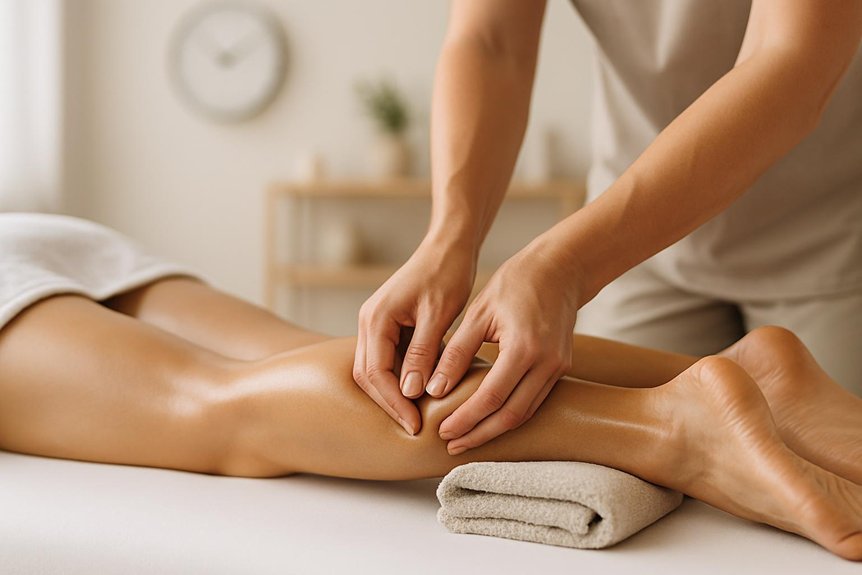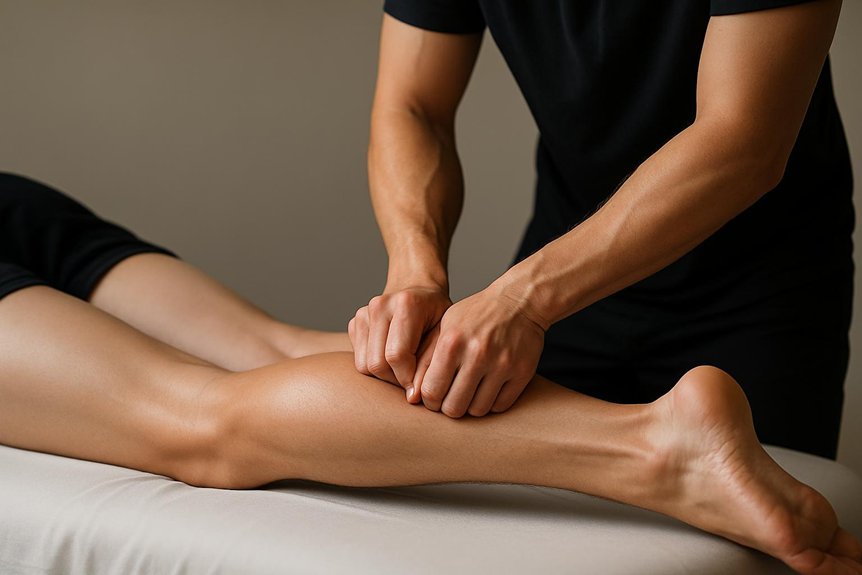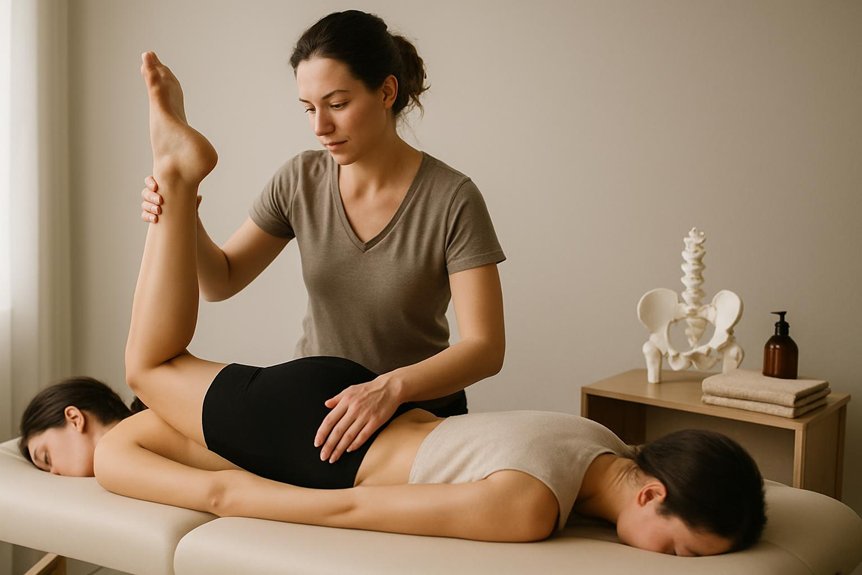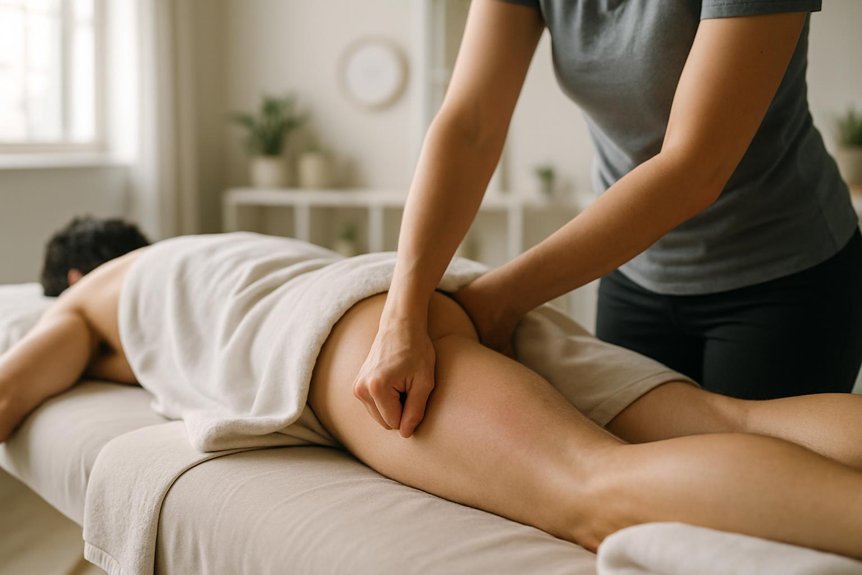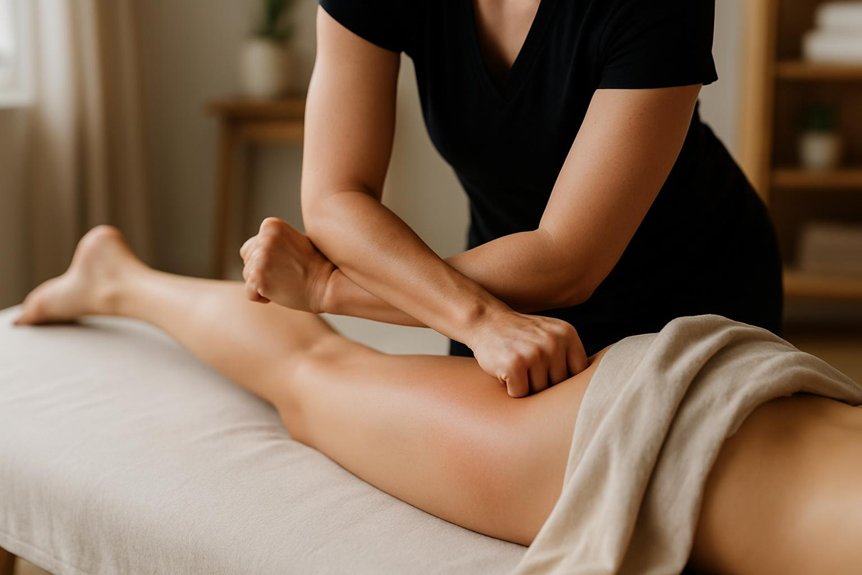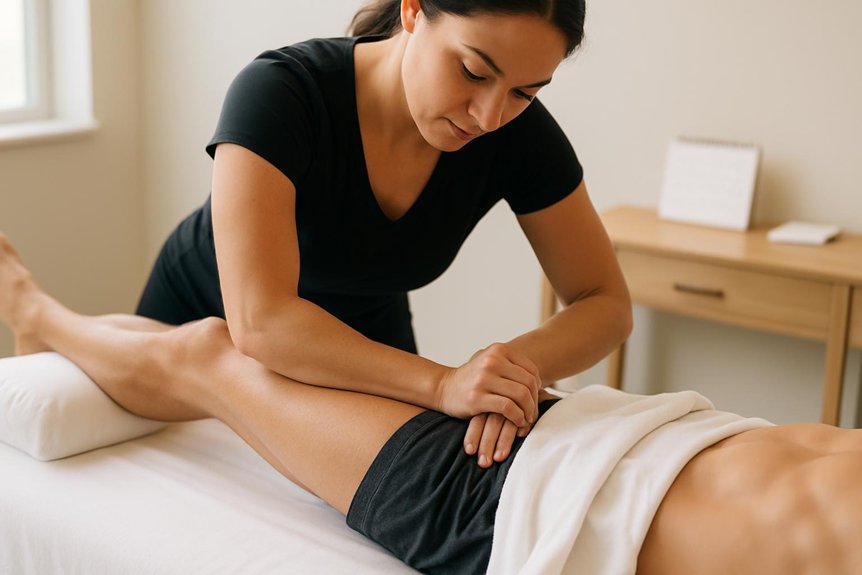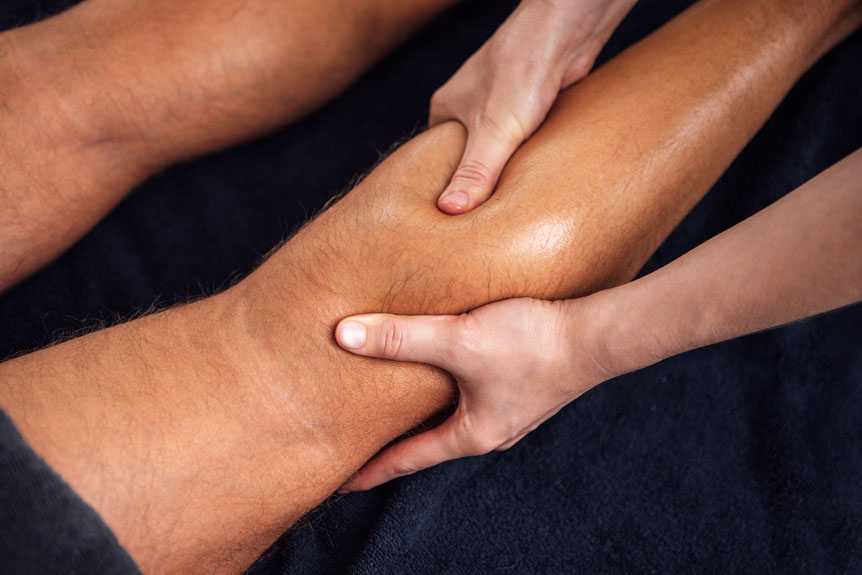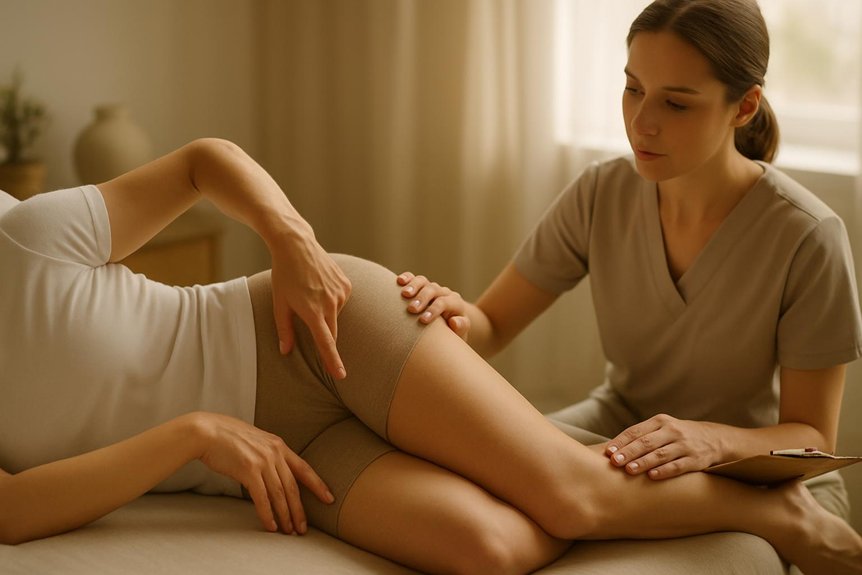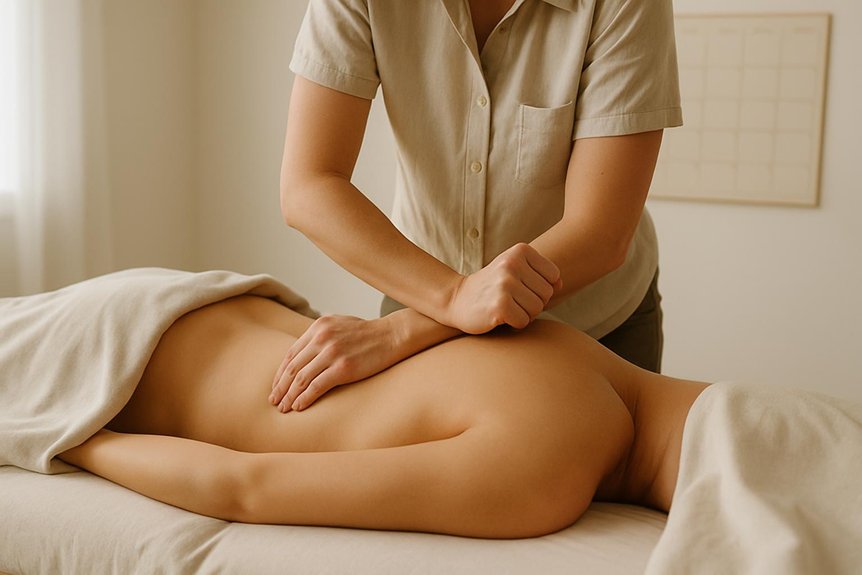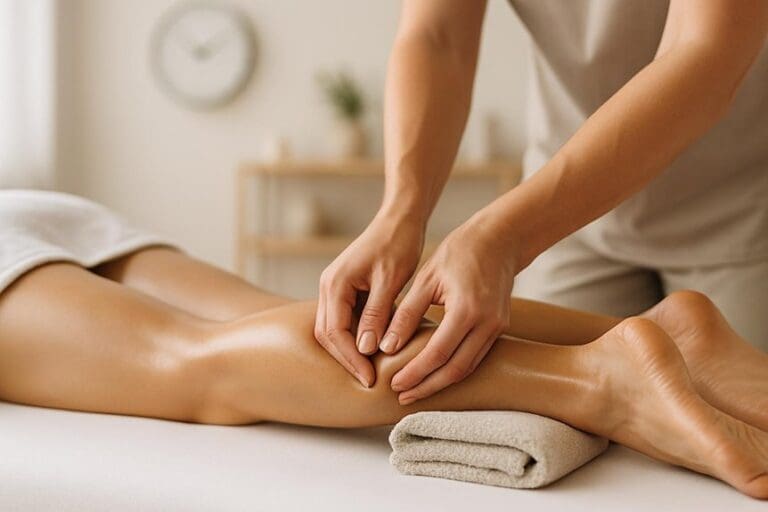
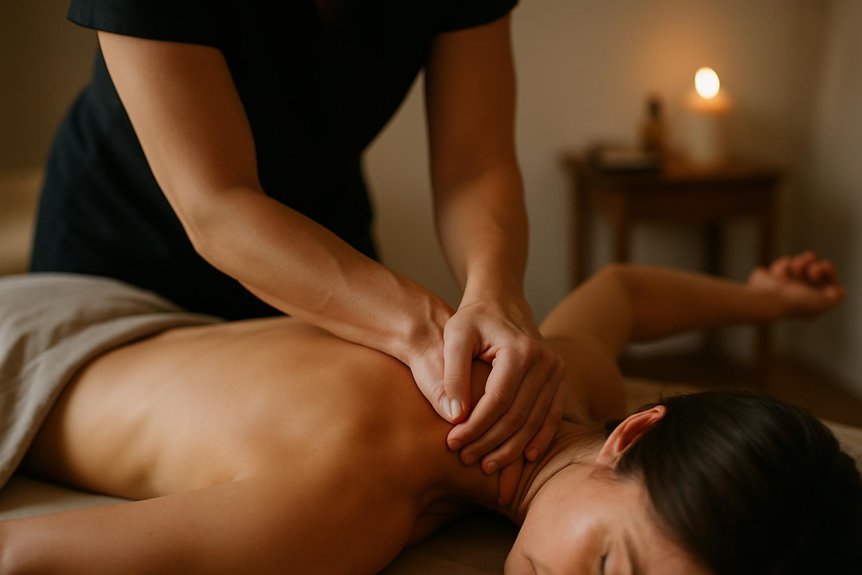
Intensive tissue massage can improve range of motion in the short term when stiffness is driven by elevated muscle tone, trigger points, and reduced soft-tissue glide rather than joint or nerve pathology. Slow, sustained pressure and directional shear may decrease protective guarding, modulate pain sensitivity, and improve tissue extensibility, making end range feel more accessible. The most reliable gains occur when treatment is paired with active mobility and reassessment. Ongoing expectations, aftercare, and suitability are outlined below.
Does It Improve Range of Motion?
In many cases, deep tissue massage can improve range of motion by reducing muscle tension and soft-tissue restriction that limit joint movement. Evidence suggests short-term gains are most likely when treatment is paired with reassessment and targeted mobility work rather than used as a standalone fix.
Deep tissue techniques that address chronic muscle tension can help reduce adhesions and restore smoother movement patterns over time. At Spa & Massage clinics across London, therapists screen for pain, recent injury, and contraindications, then tailor pressure, pace, and positioning to the client’s comfort so the body can soften without guarding. Many clients report feeling more open through the hips, shoulders, and spine, with smoother movement during training or daily tasks.
Results vary by condition, stress load, and adherence to home guidance, and benefits are typically cumulative with consistent sessions.
How It Changes Tightness and ROM
It may influence perceived tightness and range of motion through a combination of fascial release mechanisms, changes in muscle tone and extensibility, and a nervous system downshift that reduces protective guarding.
In Spa & Massage clinics across London, therapists assess movement limits and tissue response to apply pressure and pace in a way that supports safer, more comfortable motion rather than forcing length.
The sections that follow outline how these effects can interact and why outcomes vary by individual presentation, sensitivity, and activity demands.
Fascia Release Mechanisms
Within the context of range-of-motion restriction, fascial tightness is often driven less by “stuck” tissue and more by altered hydration, increased resting tone, and heightened sensitivity in the myofascial network.
It may influence this system through slow, sustained pressure and directional shear that encourage fluid exchange, temperature change, and a more permissive glide between tissue layers.
Evidence suggests manual loading can modulate local mechanoreceptor input, reducing protective guarding and improving stretch tolerance, which can translate into easier, more comfortable movement. At Spa & Massage clinics across London, therapists work within the client’s breath and consent, titrating depth and pace to avoid threat responses.
Many clients notice warmth, softness, and freer motion immediately, especially when followed by gentle, pain-free mobility.
Muscle Tone And Length
Fascial glide and sensory modulation can make movement feel easier, but range of motion is also strongly shaped by baseline muscle tone and the nervous system’s perception of safety during stretch. “Tight” muscles are often less about fixed shortening and more about elevated resting activity and reduced stretch tolerance, particularly after sustained sitting, training load, stress, or previous pain.
It can temporarily reduce perceived tightness by lowering protective tone in overactive fibres and improving local circulation, which may allow a joint to move further with less discomfort. At Spa & Massage, therapists assess whether restriction feels muscular, joint-based, or load-related, then use slow, specific pressure and active release to lengthen sensation without forcing range. Clients are guided to breathe, soften the jaw, and move gently after treatment so gains in comfort translate into usable, lasting ROM.
Nervous System Downshift
A key reason range of motion can improve after it is a nervous system “downshift” that reduces protective guarding rather than permanently lengthening tissue. When threat sensitivity falls, the brain permits a fuller movement without bracing. Research supports that manual pressure, slow strokes, and paced breathing can shift autonomic balance toward parasympathetic activity, lowering perceived tightness and pain.
At Spa & Massage clinics across London, therapists use client-led pressure, warm draping, and continuous feedback to create safety and control. This comfort can reduce reflex muscle tone and allow joints to explore end range more calmly.
Clients are encouraged to move slowly after treatment, add gentle mobility work, and notice sensations of ease, not force, to help the new range feel secure.
What to Expect: Soreness, Relief, and Timelines
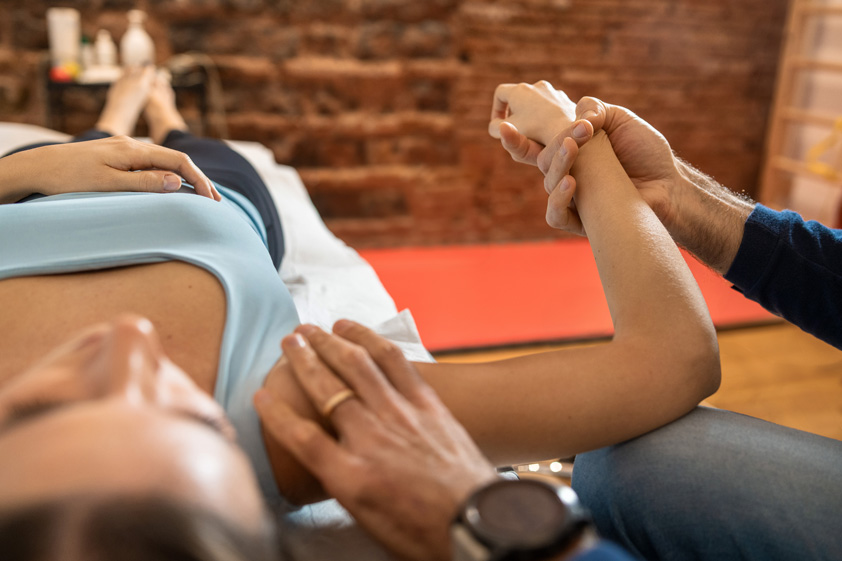
After intensive tissue massage, clients commonly experience mild to moderate post-session soreness that peaks within 24–48 hours and typically settles over the next few days, with aftercare advice at Spa & Massage tailored to comfort and recovery.
Relief and mobility changes may be felt immediately due to reduced protective muscle tone and improved tissue glide, but the response varies with baseline tightness, sensitivity, and activity level.
Measurable, more consistent range-of-motion gains often become noticeable over several sessions, particularly when treatment is paired with guided stretching and sensible load management.
Post-Session Soreness Timeline
Within the first 24–48 hours following an intensive tissue massage, mild to moderate soreness is a common, expected response—often described as similar to delayed-onset muscle soreness—while many clients also notice an earlier reduction in tightness or an easier range of motion in the treated areas.
Soreness typically peaks around day two, then steadily settles over days three to five as local inflammation resolves and tissues adapt.
At Spa & Massage clinics, therapists advise gentle hydration, light walking, and warm showers, while avoiding intense training on the same muscle groups for 24 hours if tenderness is pronounced.
A bruised feeling can occur after focused work, but sharp pain, significant swelling, numbness, or pain lasting beyond a week warrants medical review and technique adjustment at the next session.
Relief And Mobility Changes
Mild post-session tenderness often coincides with early improvements in comfort and movement, particularly in areas previously limited by muscle tone and trigger-point sensitivity.
Clients may notice an easier breath, less guarding, and a smoother, quieter stretch as tissue sensitivity reduces.
Some feel warmth, lightness, or a deep sense of release; others feel temporarily “worked,” especially after intensive forearm, elbow, or sustained pressure techniques.
At Spa & Massage clinics, therapists monitor pressure and invite steady feedback so treatment remains both effective and emotionally safe.
Relief can present as reduced ache at rest, less sharpness at end-range, and improved coordination during simple tasks.
Aftercare commonly includes hydration, gentle walking, and slow self-stretching within comfort to support circulation and calm the nervous system.
When Results Become Noticeable
Results from intensive tissue massage are often noticed on two overlapping timelines: an immediate change in perceived ease of movement and a delayed period of post-treatment soreness that can peak 24–48 hours later.
Many clients report a lighter, more open feeling in the treated area right after a session, especially when breathing becomes deeper and guarding reduces.
Over the next day, tenderness may feel similar to post-exercise soreness; this typically settles within 48–72 hours.
Range-of-motion gains may be more noticeable after this window, particularly when massage is paired with gentle mobility work.
At Spa & Massage clinics across London, therapists set pressure to remain therapeutic and safe, and they advise hydration, warmth, and light stretching.
If pain is sharp, worsening, or lasts beyond three days, reassessment is recommended.
Intensive Tissue Massage for Neck and Shoulder Mobility
Improving neck and shoulder mobility often begins by addressing myofascial tightness and trigger points in the upper trapezius, levator scapulae, scalenes, and pectoral tissues that can restrict cervical and scapulothoracic motion. Deep tissue techniques can reduce tone, improve tissue glide, and support smoother movement when paired with guided breathing and gradual pressure.
At Spa & Massage clinics across London, therapists assess posture, symptom patterns, and movement limits, then apply slow stripping, cross-fibre friction, and sustained compressions along tender bands, always within a client’s comfort. Evidence suggests short-term gains in range and pain sensitivity are most consistent when treatment is followed by active mobility (gentle neck rotations, scapular retraction, doorway pec stretch).
Aftercare includes hydration, heat, and avoiding prolonged screen-forward positions for 24 hours.
Intensive Tissue Massage for Hip, Glute, and Hamstring Mobility
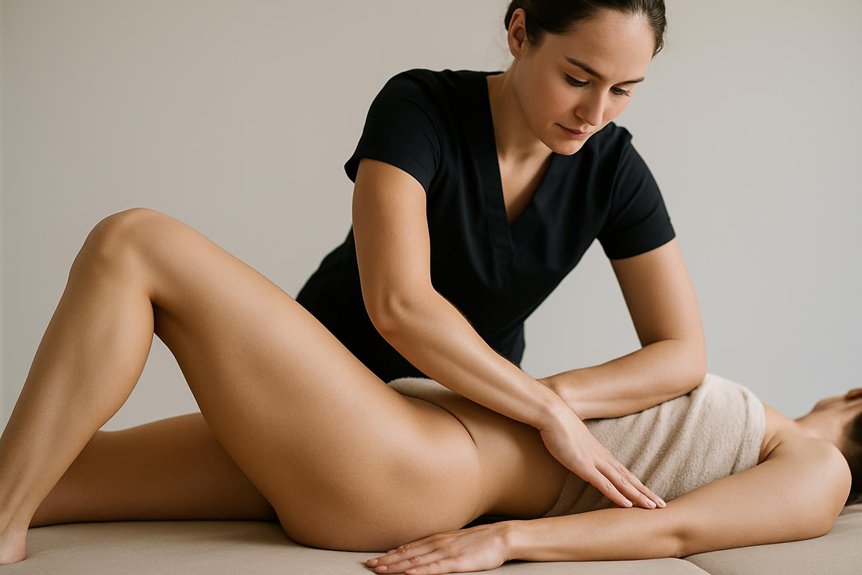
For many clients, restricted hip, glute, and hamstring mobility reflects increased myofascial tone and trigger-point activity in tissues such as the gluteus maximus/medius, piriformis, iliopsoas, TFL/ITB, and proximal hamstrings, which can limit hip flexion, extension, and rotation and contribute to compensatory lumbar or knee loading.
Intensive tissue massage may improve range of motion by reducing perceived stiffness, improving tissue glide, and modulating pain sensitivity, allowing more comfortable movement through end range.
At Spa & Massage clinics across London, therapists commonly combine slow, specific pressure with sustained myofascial work and hip-focused mobilisation, paced to the client’s breath and consent.
Many clients feel immediate warmth and ease, then consolidate gains with gentle, private stretching and hydration. Sessions are tailored to walking, running, desk posture, or gym goals.
When Deep Tissue Won’t Help: and What to Do Instead
It can support hip, glute, and hamstring range of motion when stiffness is primarily driven by elevated tone, trigger points, and reduced tissue glide, yet some movement restrictions do not respond—and may worsen—with stronger pressure. Deep tissue is less helpful when limitation is driven by joint pathology, acute inflammation, nerve sensitivity, protective guarding after injury, or true capsular restriction. In these cases, intense work may increase soreness and tighten the body’s threat response.
At Spa & Massage clinics across London, therapists screen for red flags and guide clients toward gentler options: calming Swedish or aromatherapy to downshift sensitivity, focused sports massage with lighter load, heat and breathing to support parasympathetic tone, and graded mobility and strengthening between sessions. Referral for physiotherapy or medical review is advised when pain is sharp, radiating, or persistent.
Conclusion
It may improve range of motion when restrictions are driven by muscle tone and fascial stiffness, especially in the neck, shoulders, hips, and posterior chain. Benefits are often most noticeable when paired with active mobility and strengthening, rather than used as a standalone intervention. A meta-analysis reported small-to-moderate short-term flexibility gains after massage (standardised mean difference ~0.4), suggesting measurable but variable change. Persistent limitation, instability, or neurological symptoms warrant assessment and targeted rehabilitation.