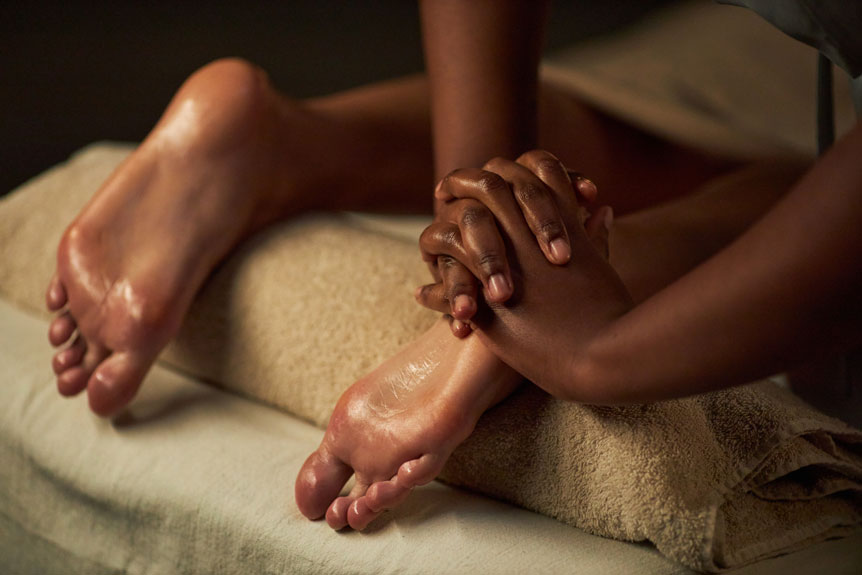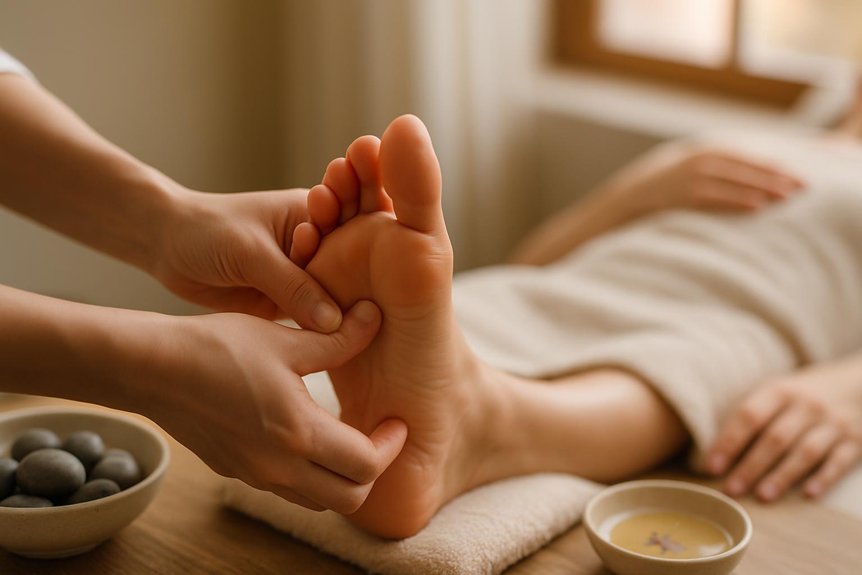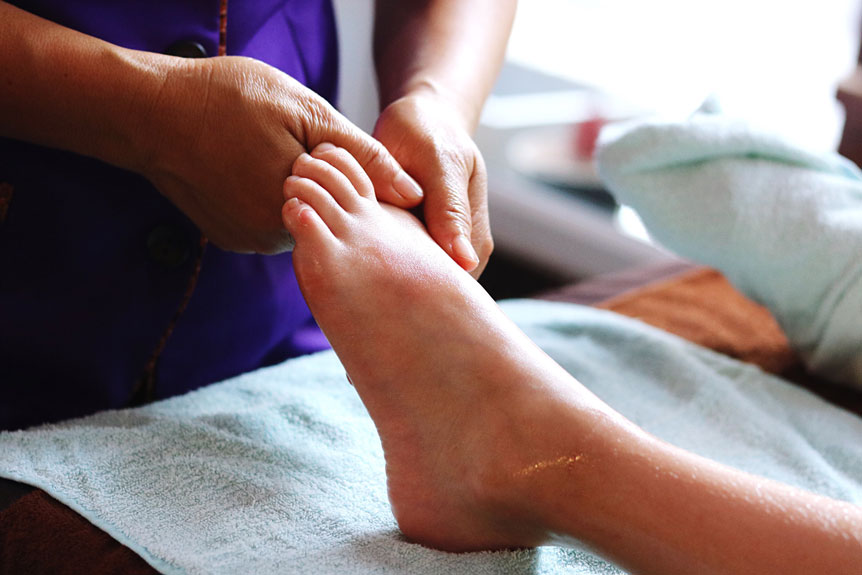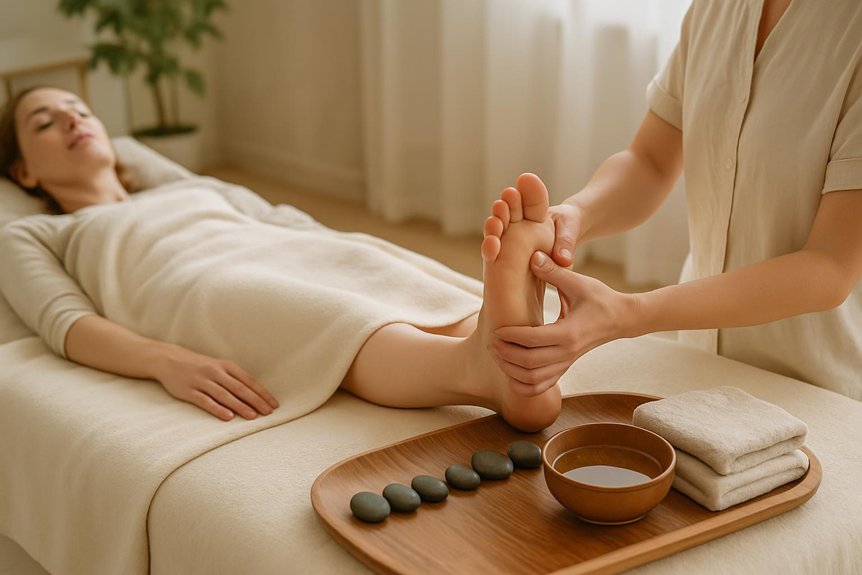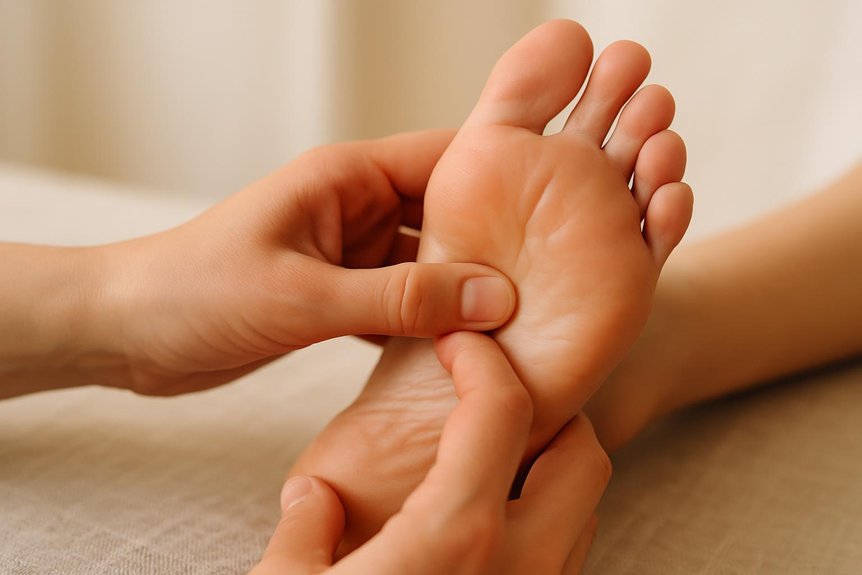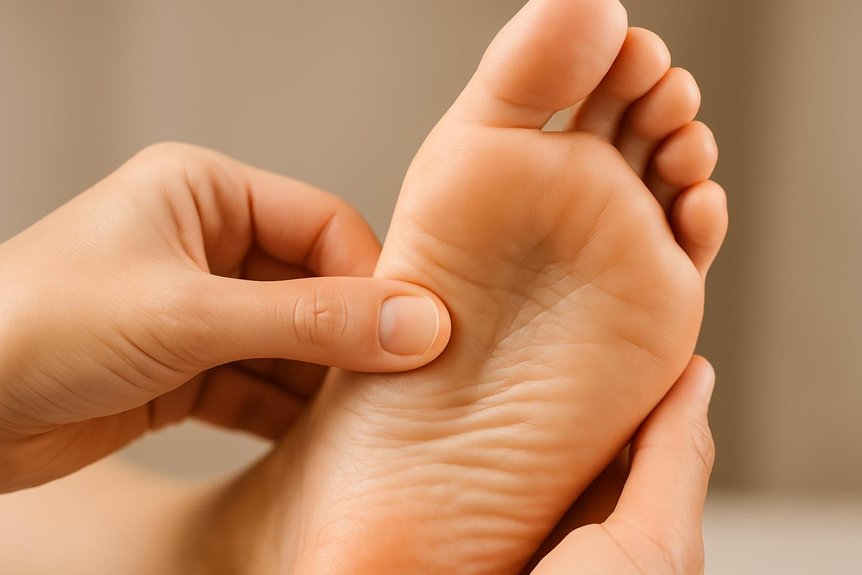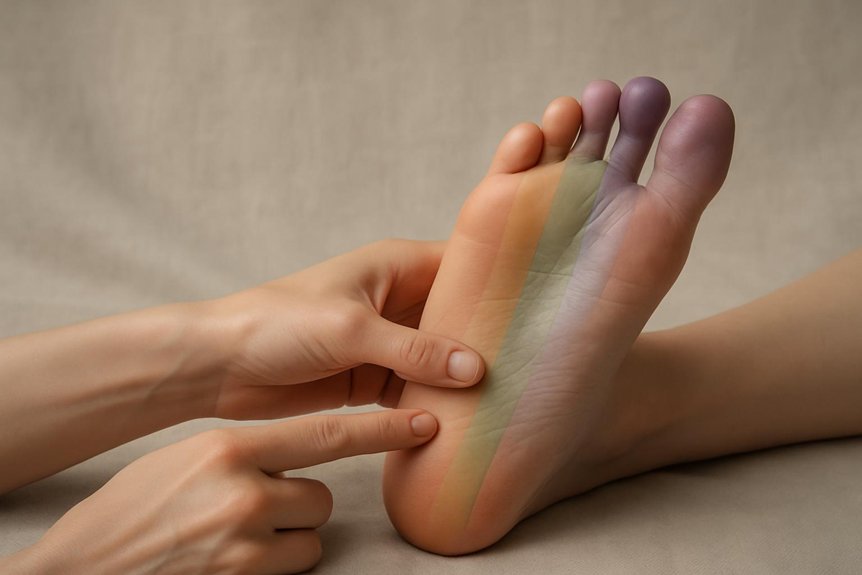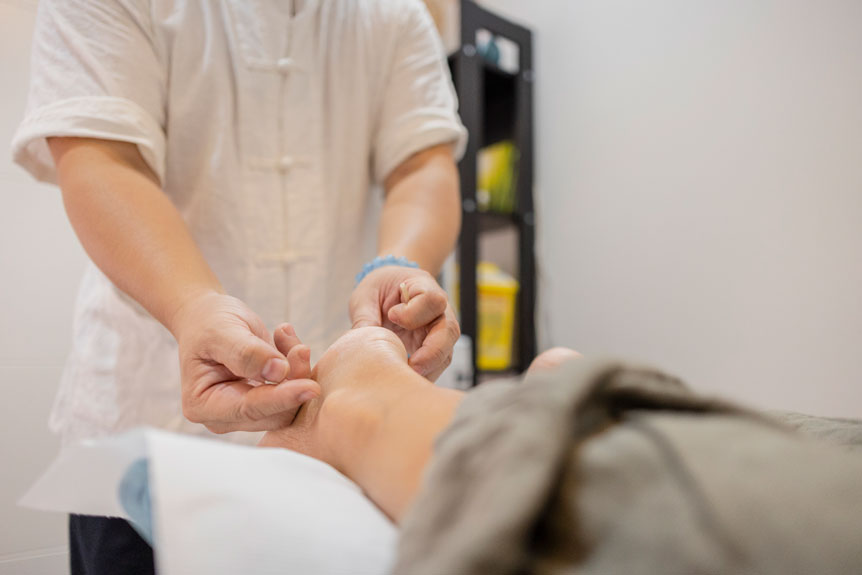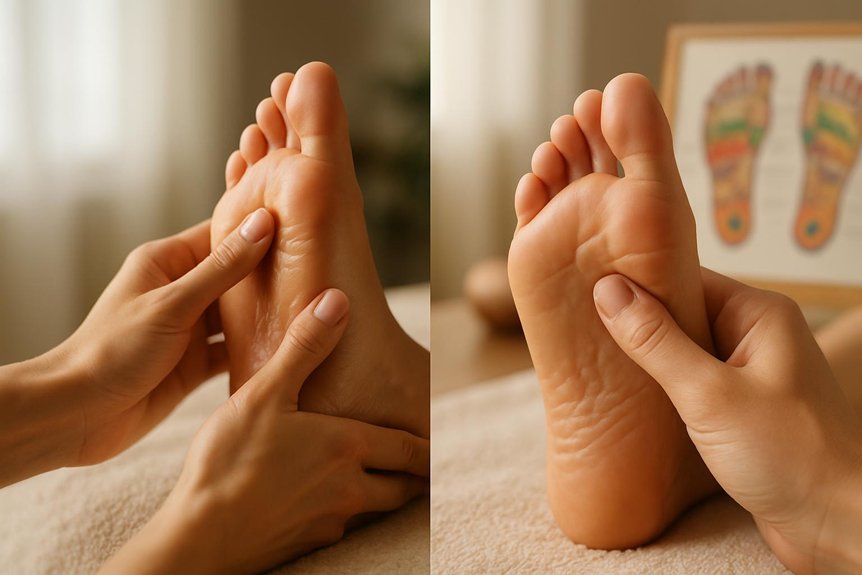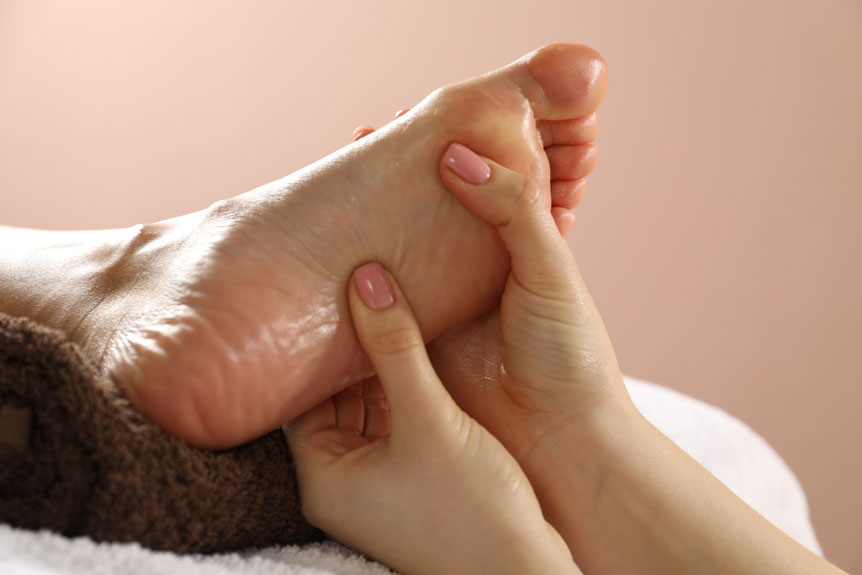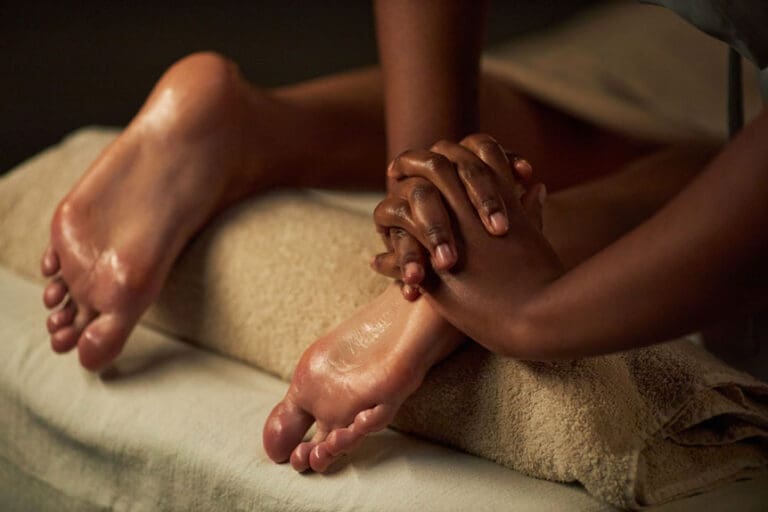
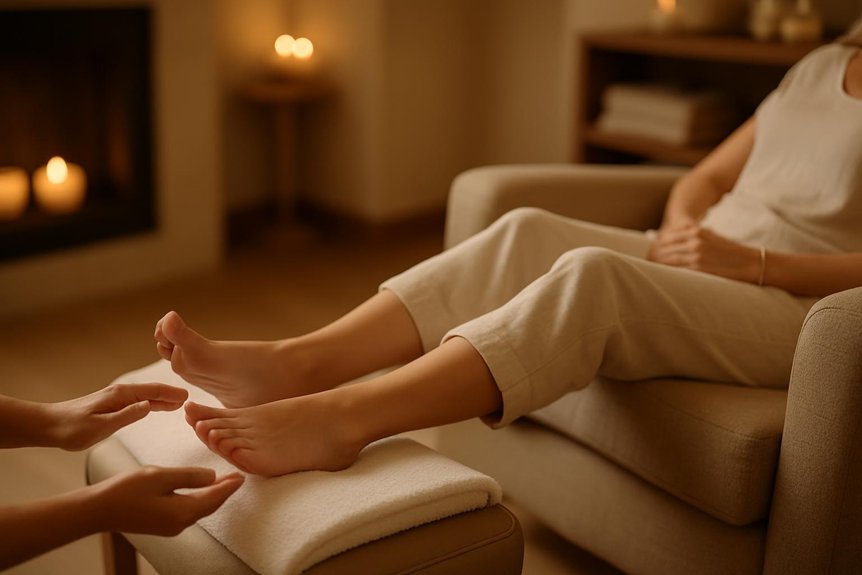
Wear comfortable, loose-fitting clothing that allows easy access to the feet and lower legs, such as trousers that roll up, soft joggers, leggings, or a long skirt. It is usually done fully clothed, with only shoes and socks removed unless the therapist advises otherwise. Choose breathable fabrics and light layers to stay warm without overheating. Avoid tight cuffs, compression socks, and hard-to-remove footwear or ankle jewellery. More useful seasonal and comfort tips follow.
What Should You Wear to Zone Therapy?
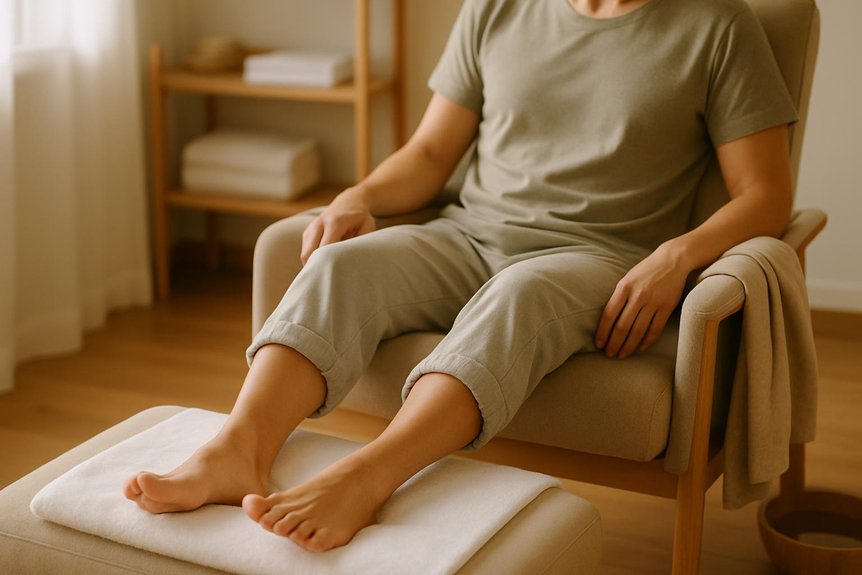
For most zone therapy appointments at Spa & Massage clinics across London, the most suitable clothing is comfortable, loose-fitting attire that allows easy access to the feet and lower legs.
Breathable fabrics help clients relax and keep body temperature steady during treatment.
Trousers that roll up easily, leggings, or soft joggers are practical; long skirts can work if they do not restrict movement.
Clients are advised to avoid tight cuffs, compression socks, or restrictive footwear immediately beforehand, as these can mark the skin and reduce comfort.
Clean, dry feet are appreciated; minimal jewellery around the ankles helps prevent snagging.
In colder months, a warm top or light layers are recommended so the upper body remains cosy while the focus stays on attentive, grounded footwork.
Many people also find that arriving with an open mind helps them better appreciate the healing power of zone thereapy.
Do You Need to Undress for Reflexology?
At Spa & Massage, clients typically only remove shoes and socks, while keeping the rest of their clothing on unless a therapist advises otherwise for safe access to the lower legs.
Therapists clearly explain what needs to be removed and what can stay on before treatment begins, so there are no surprises.
Modesty and comfort are prioritised throughout, with professional draping and adjustments offered to suit each client’s preferences.
What You Remove
Most clients do not need to undress for zone therapy; the treatment typically requires only the lower legs and feet to be accessible.
At Spa & Massage clinics across London, clients are usually asked to remove shoes, socks, and tights or stockings. If wearing trousers that cannot comfortably roll above mid-calf, changing into shorts may be suggested to keep the session smooth and unhurried. Jewellery around the ankle may also be removed to prevent pressure points, snagging, or discomfort during close, rhythmic work.
Any removal is guided by consent and comfort: therapists explain what access is needed, offer privacy for changing, and check in throughout.
Clean, dry feet help maintain hygiene and allow confident, soothing contact between therapist and client.
What You Keep On
Generally, zone therapy does not require full undressing because the therapist only needs access to the feet and lower legs. Most clients keep everyday clothing on, such as a top and trousers that can be rolled to mid-calf, or loose leggings. Socks and shoes are removed, and any tight ankle jewellery is taken off to protect circulation and allow precise pressure.
At Spa & Massage clinics across London, therapists confirm preferences before beginning and explain exactly what areas will be touched, supporting a calm, intimate sense of safety. If a client arrives in restrictive jeans or a jumpsuit, the therapist may suggest changing into shorts or a robe so the lower legs can be accessed without strain. Clients should inform the therapist about wounds, infections, or pain.
Modesty And Comfort
It is typically performed fully clothed, which reassures clients who value modesty while still allowing the therapist to work effectively on the feet and lower legs. Only shoes and socks are usually removed; trousers can be rolled up or swapped for loose, easy-to-move clothing.
At Spa & Massage clinics across London, therapists explain each step, check comfort levels, and use professional draping and positioning to keep clients covered and relaxed throughout. Undressing is not required, and any adjustments are always client-led, with clear consent.
For a more intimate, nurturing experience, clients may choose soft layers and breathable fabrics, avoiding tight cuffs or restrictive leggings. If pregnancy, mobility needs, or sensory sensitivity is a concern, the therapist can adapt seating and support.
What’s the Best Outfit for Zone Therapy Comfort?
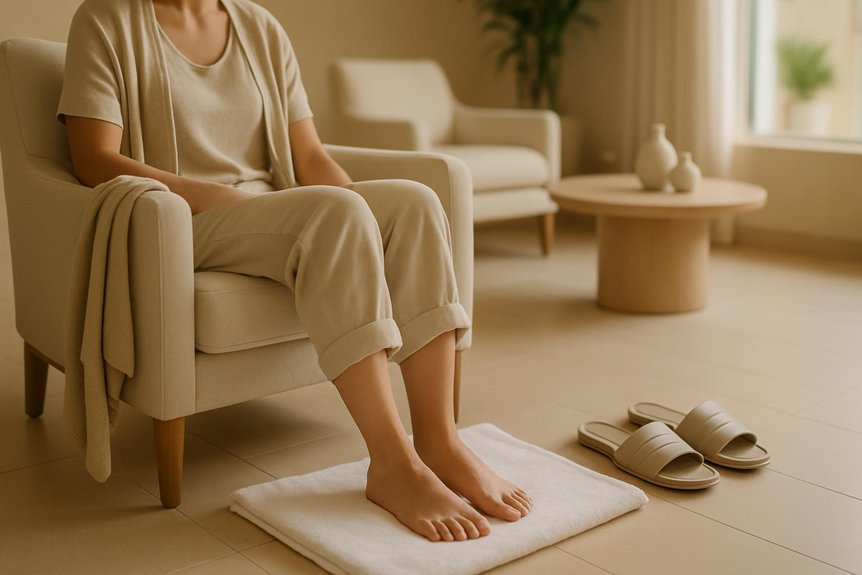
For the most comfortable zone therapy experience, the best outfit is loose, breathable clothing that can be easily adjusted without restricting circulation. Soft trousers, leggings, or a relaxed dress allow the body to settle, helping the nervous system relax so touch feels safe and reassuring. Layers are ideal, as warmth supports comfort during stillness, especially in cooler London clinics.
Spa & Massage therapists encourage clients to avoid tight waistbands, restrictive shapewear, or heavy denim, which can distract from calm breathing and gentle connection. Simple, clean garments with minimal zips or bulky pockets help clients lie back without pressure points. Jewellery and belts are best removed to prevent snagging and to support safe movement when changing position. A light cardigan or sweatshirt can be kept nearby for a cocooned feeling.
Socks or Bare Feet for Zone Therapy: What’s Best?
For zone therapy, most clients receive the best contact and pressure work with bare feet, and Spa & Massage clinics maintain strict hygiene protocols so the treatment remains clean and comfortable.
Socks can still make sense for clients who feel cold, prefer extra modesty while settling in, or want a layer on before and after the session.
The ideal choice depends on comfort needs and any therapist guidance to keep the session safe and effective.
Hygiene And Comfort
Often, the simplest choice—socks or bare feet—has the biggest impact on both hygiene and comfort during a zone therapy session.
In Spa & Massage clinics across London, therapists prioritise clean, well-prepared feet to support close, attentive work and minimise cross-contamination.
Arriving with freshly washed feet, short nails, and intact skin helps the treatment feel secure and relaxing for both client and practitioner.
Bare feet can allow more precise contact and smoother shifts when balm is used, while socks may reduce sensation or shift under pressure.
For comfort, breathable footwear on the way to the clinic and a light layer for warmth can prevent cold feet and tension.
If there are cuts, athlete’s foot, or irritation, it should be mentioned before treatment.
When Socks Make Sense
Choosing socks for zone therapy can be the safer, more comfortable option in specific situations. They can help clients feel more at ease during the first few minutes on the couch, especially if they feel exposed, are prone to cold feet, or want a little extra modesty while settling in.
Socks also add a hygienic buffer when travelling to and from the clinic, and can reduce anxiety for clients managing mild skin sensitivity.
At Spa & Massage, therapists may suggest clean, thin, breathable socks if there are minor abrasions, freshly healed skin, or a preference to keep feet covered while beginning the consultation.
Grippy socks can also support safe walking on smooth floors. If deeper work is planned, socks can be removed once comfort and consent are established.
What Should You Avoid Wearing to Zone Therapy?
A zone therapy session’s comfort and effectiveness can be reduced by clothing and accessories that restrict circulation or limit access to the feet and lower legs. Clients are best advised to avoid tight skinny jeans, restrictive leggings, or trousers with stiff seams that bunch at the calves. Heavy belts, shapewear, and compressive socks can also leave marks and increase sensitivity when pressure points are worked.
Footwear matters: complicated laces, tall boots, or shoes that are difficult to remove may feel awkward at the start and end of treatment. Jewellery around the ankles, toe rings, and bulky watches can catch on linens or be misplaced.
In Spa & Massage clinics, therapists recommend skipping strong fragrance and sticky body lotions on the feet to support hygiene, secure grip, and a more unguarded, intimate sense of ease.
What to Wear (and Bring) in Winter vs Summer?
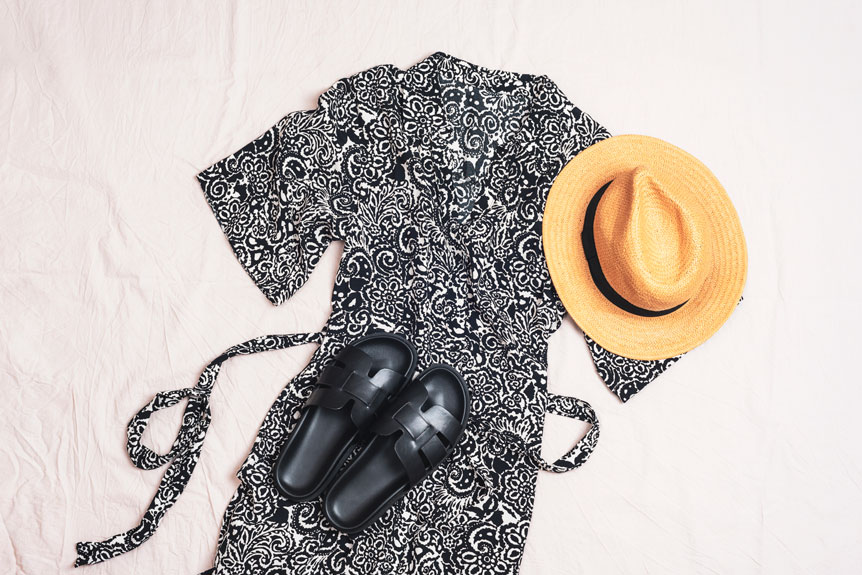
After avoiding restrictive clothing and accessories that can interfere with foot and lower-leg work, attention can shift to seasonal comfort—since temperature, layering, and hydration needs change between London’s winter chill and summer heat.
In winter, Spa & Massage suggests warm, easy layers: a soft jumper, loose trousers, and clean socks for arrival; a light scarf can be removed quickly.
Bringing an extra pair of socks supports comfort after treatment, when circulation may feel more noticeable.
In summer, breathable fabrics and shorter hems reduce overheating; sandals are practical, though feet should be clean and dry.
Clients may bring water and a small towel to freshen up, especially after travel on the Tube.
A light cardigan helps maintain cosy warmth on the couch.
Avoid heavy fragrance if scent-sensitive.
Conclusion
Choosing comfortable, practical clothing helps clients relax, stay warm, and allows clear access to the feet and lower legs without disruption. It rarely requires undressing; loose trousers, breathable layers, and easy-to-remove shoes are typically ideal, with bare feet or removable socks as advised by the therapist. Avoid restrictive garments and heavy fragrances for comfort and safety. Importantly, stress affects roughly 74% of UK adults, underscoring why a calm, well-prepared visit can matter.