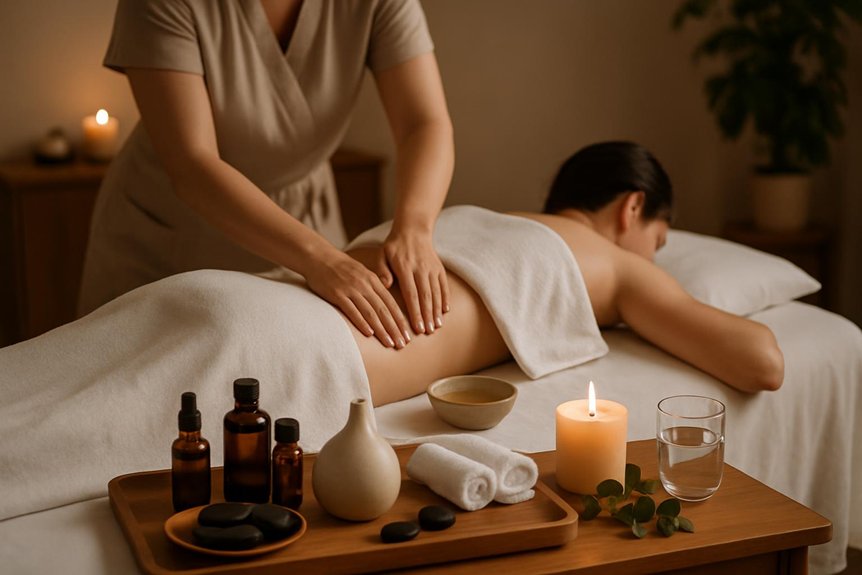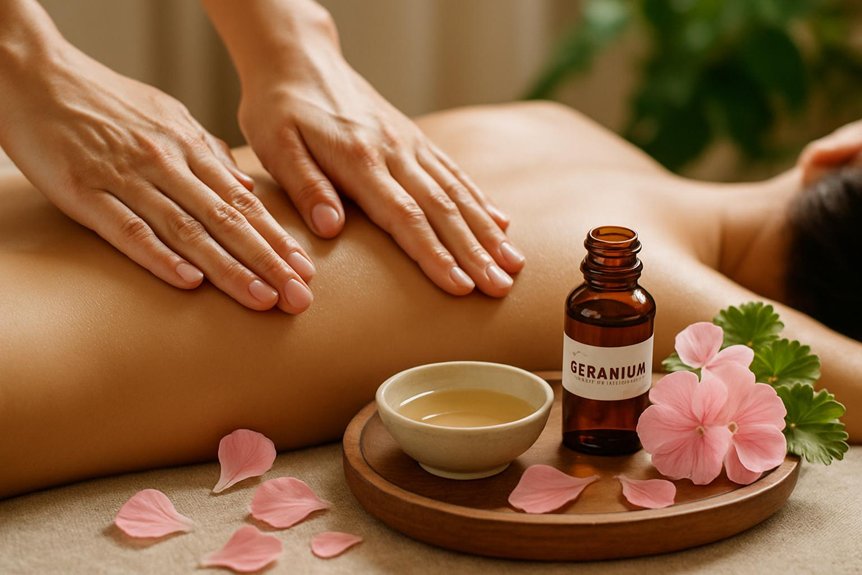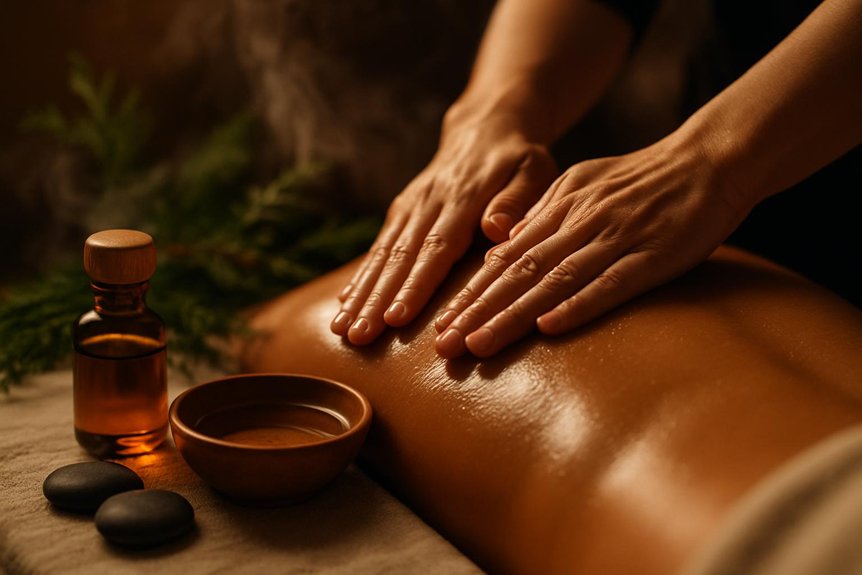
For aromatic massage, lemongrass essential oil should be diluted in a carrier oil to reduce irritation risk: use 1% for most adults (2 drops per 10 ml or 6 drops per 30 ml), 0.5% for sensitive clients (1 drop per 10 ml or 3 per 30 ml), and 2% only for small, short-duration areas (4 per 10 ml or 12 per 30 ml). Mix gently, label, patch test, and avoid broken skin; more safety details follow.
Lemongrass Oil Dilution for Massage (Drop Chart)
In professional aromatic massage, lemongrass essential oil is typically used only after careful dilution to reduce the risk of skin irritation and sensitisation.
At Spa & Massage clinics in London, therapists keep dilution low for full-body work: 0.5% for sensitive clients and 1% for most adults, increasing to 2% only for small, short-duration areas when appropriate.
Drop chart (per 10 ml massage blend): 0.5% = 1 drop; 1% = 2 drops; 2% = 4 drops.
For 30 ml: 0.5% = 3 drops; 1% = 6 drops; 2% = 12 drops.
A patch test and clear consent support intimacy and trust; avoid use on broken skin, and stop if burning or redness occurs.
These dilution guidelines help you relax and heal with aromatherapy massage in a safer, more comfortable way.
Best Carrier Oils for Diluting Lemongrass (Massage-Safe)
Often, the most important safety decision when diluting lemongrass essential oil for massage is the choice of carrier oil, because the right base can improve slip, support the skin barrier, and help keep the blend comfortable at low dilution levels.
At Spa & Massage clinics, therapists favour stable, low‑irritant oils: jojoba for very sensitive or acne‑prone skin; sweet almond for a silky glide and a nurturing feel (avoid with nut allergy); grapeseed for a lighter, fast‑absorbing finish; and fractionated coconut for excellent slip with minimal scent.
For very dry skin, avocado or wheatgerm can be blended in small amounts to add richness, while sunflower or safflower suit clients wanting a simple, budget‑friendly base.
Unscented, cold‑pressed, and patch‑tested options remain best.
Step-by-Step: How to Dilute Lemongrass Oil Safely
Before any drops are added, safe dilution of lemongrass essential oil for massage follows a simple, repeatable process that prioritises skin tolerance and accurate measuring.
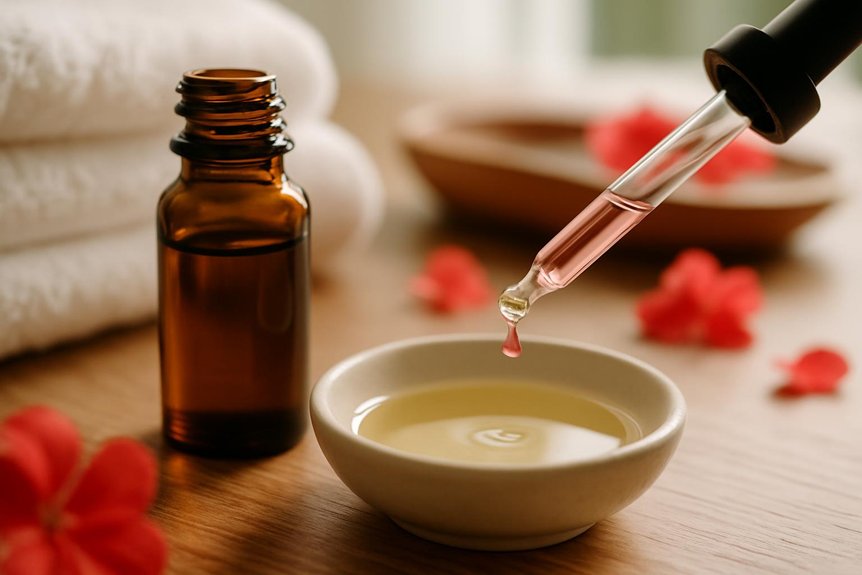
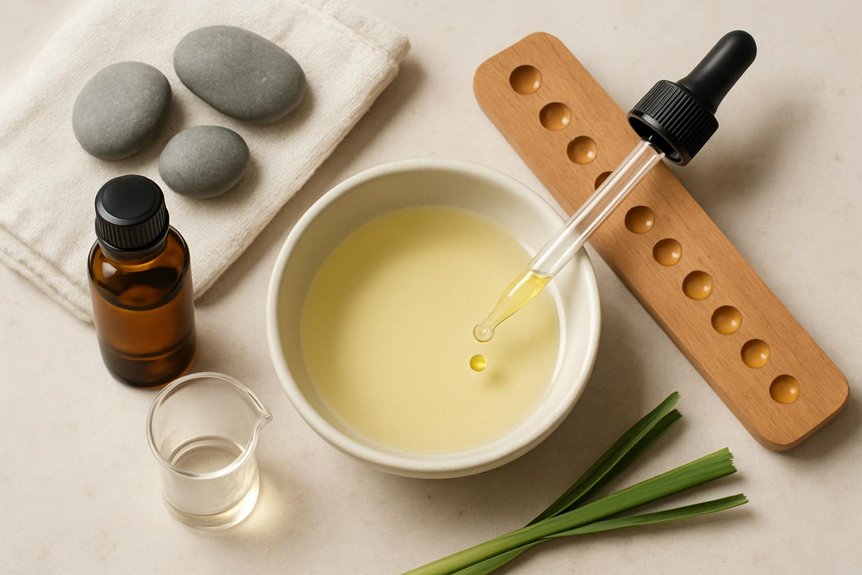
First, select a clean glass bottle and a massage-safe carrier oil; measure the carrier precisely (10 ml for a small blend, 30 ml for a full-body session).
Next, add lemongrass at a low concentration: 1% for most clients (2 drops per 10 ml) or 2% for shorter, targeted work (4 drops per 10 ml).
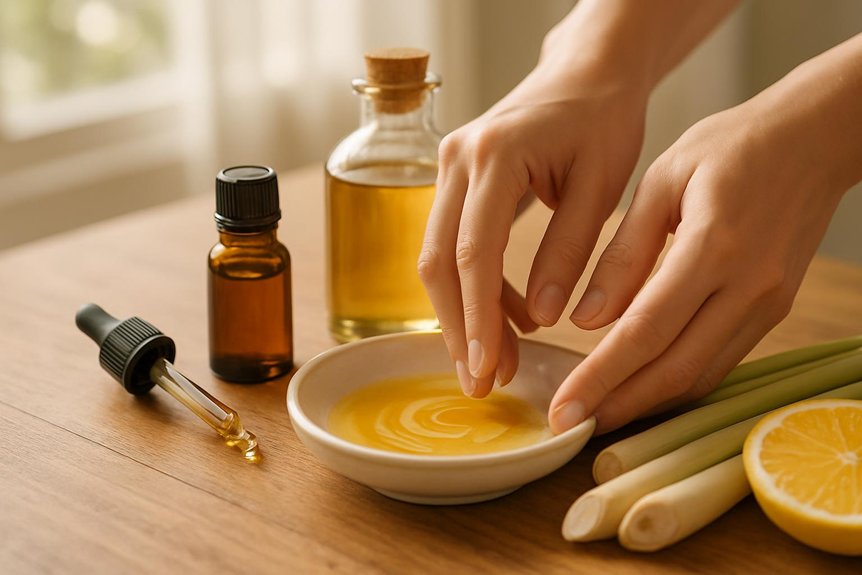
Cap and roll the bottle between palms to mix, avoiding vigorous shaking.
Label with date and dilution.
In Spa & Massage clinics, therapists warm a small amount in hands before application, then monitor comfort and adjust pressure and glide throughout the treatment.
Patch Test: Who Should Avoid Lemongrass Oil
For aromatic massage, lemongrass essential oil should be patch tested because its high citral content makes it more likely than many oils to cause irritation or sensitisation on some skin types.
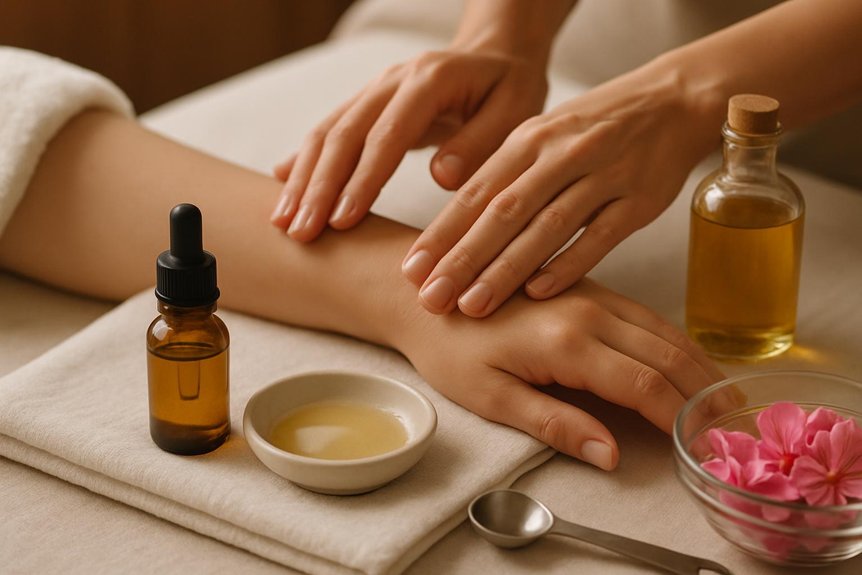
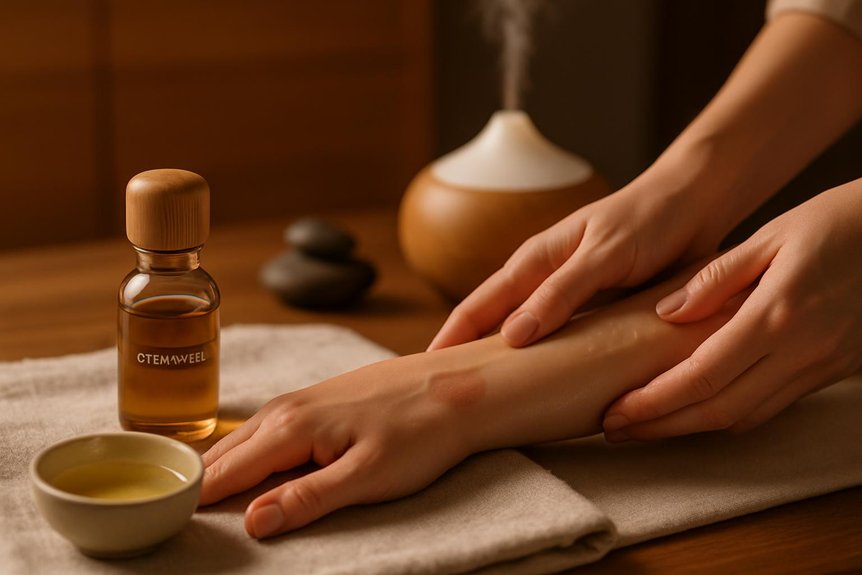
A small, diluted amount can be applied to the inner forearm and observed for 24 hours for redness, itching, swelling, or burning.
At Spa & Massage clinics in London, therapists typically advise avoiding lemongrass oil on broken or inflamed skin, and for clients with eczema, rosacea, fragrance allergy, or a history of contact dermatitis.
Extra caution is recommended for pregnancy, breastfeeding, and for children, where a clinician’s guidance may be appropriate.
Anyone using topical retinoids, acids, or steroid creams should disclose this, as skin may react more strongly.
If any reaction occurs, it should be discontinued and medical advice sought.
Dilution Mistakes to Avoid + Aftercare Tips
In aromatic massage, dilution errors with lemongrass essential oil can sometimes cause avoidable irritation, sensitisation, or photosensitivity-like reactions, particularly when the oil is applied over large areas or used repeatedly.
Common mistakes include “eyeballing” drops, using too high a percentage, blending into water without a solubiliser, and applying under tight clothing or heat, which can increase absorption.
In Spa & Massage clinics, therapists measure precisely and keep facial, pregnancy, and sensitive-skin blends especially conservative.
Avoid layering multiple scented products on the same day.
Aftercare supports comfort: leave the oil on for at least two hours unless stinging occurs; then wash gently with fragrance-free cleanser.
Hydrate, avoid sunbeds, and pause use if redness persists or tenderness develops.
Conclusion
Diluting lemongrass essential oil correctly keeps aromatic massage both effective and skin-safe. Using clear drop-to-carrier ratios, choosing massage-appropriate carriers, and following step-by-step mixing reduces irritation risk while preserving the oil’s fresh, uplifting scent. Patch testing and screening for contraindications—such as pregnancy, highly sensitive skin, or active irritation—support client comfort and informed choice. Why risk a reaction when careful dilution and aftercare can deliver the same aromatic benefits?