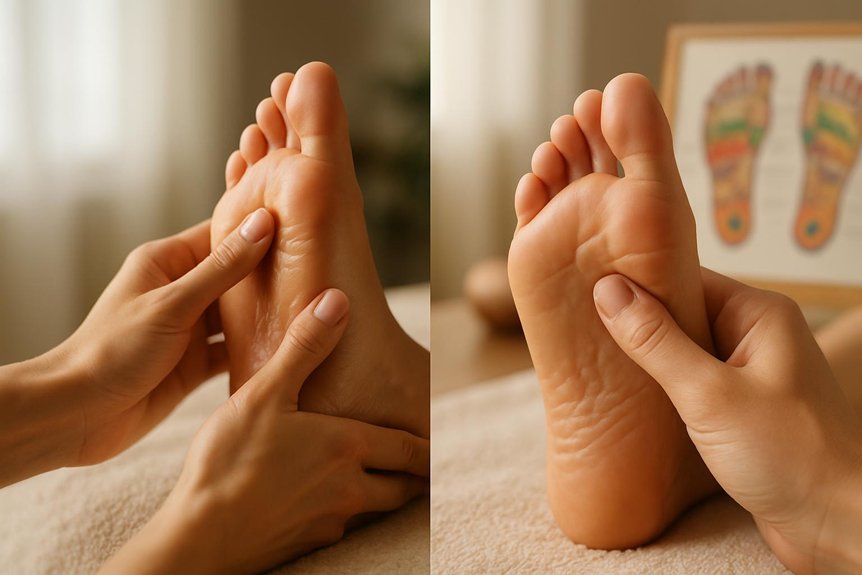
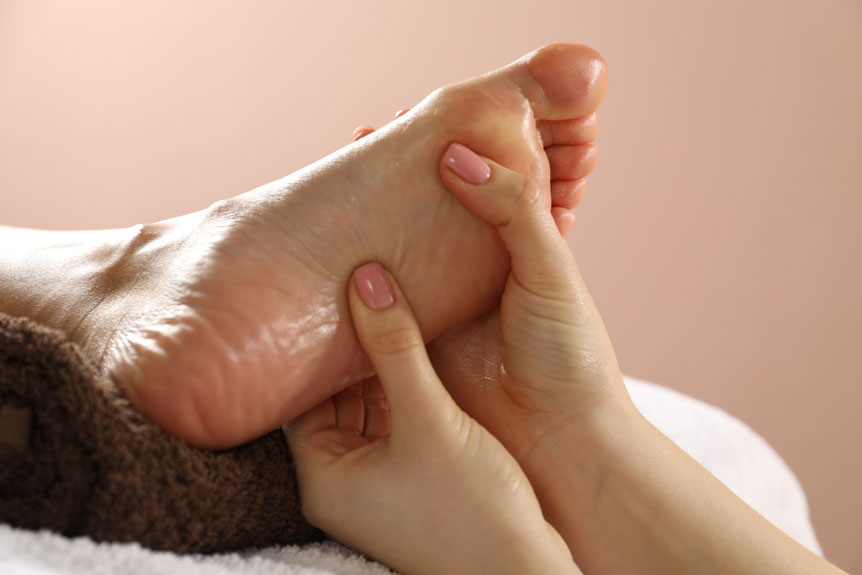
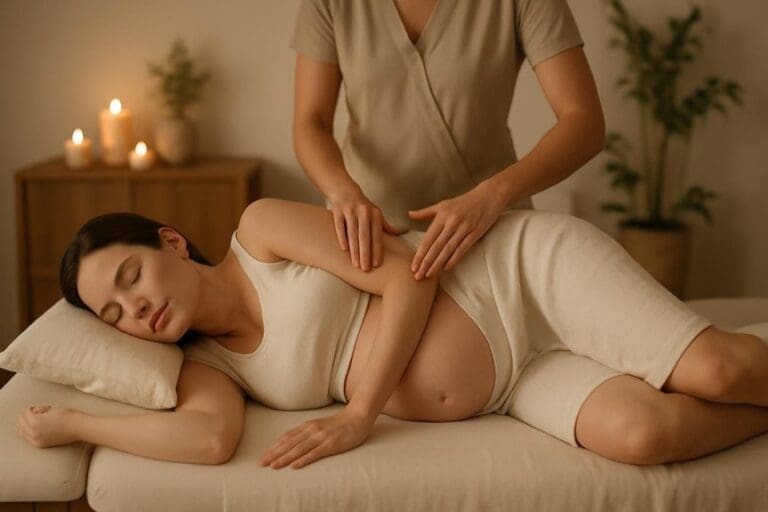
Choose a zone therapy practitioner by checking verified training, supervised practice hours, and membership of a recognised professional body with a published code of ethics. Confirm current professional indemnity and public liability insurance, relevant CPD, and clear scope-of-practice boundaries with referral procedures for medical issues, pregnancy, or recent injury. Expect a documented health intake, informed consent, hygiene protocols, and session notes with aftercare guidance. Continuity with the same therapist can support safety and trust. Further details clarify what to look for at each stage.
What Makes a Good Reflexologist?
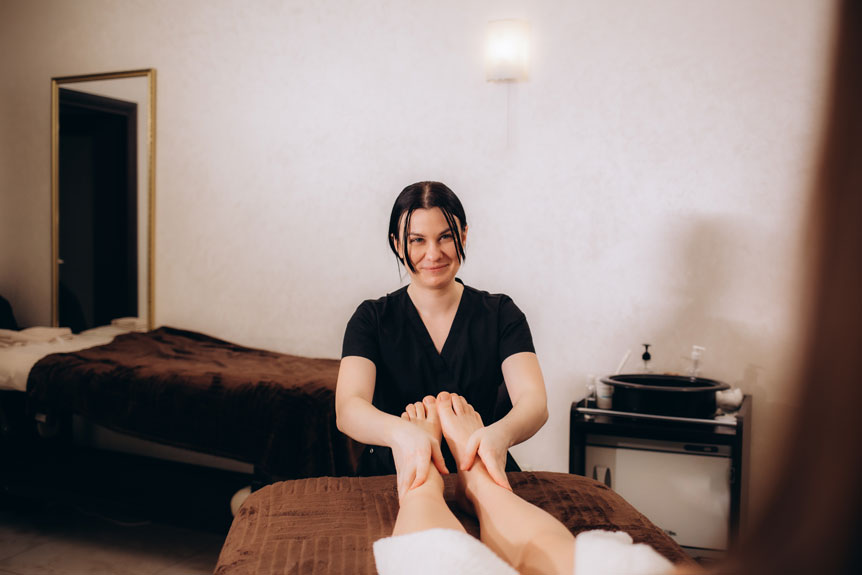
Choosing a good reflexologist starts with verified training, clear professional standards, and a strong commitment to safe, client-centred care.
A strong practitioner can evidence reputable qualifications, up-to-date CPD, and membership of a recognised professional body, with clear adherence to hygiene protocols and safeguarding. They carry appropriate professional insurance and communicate scope of practice, including when to refer to a GP or decline treatment due to contraindications (for example, fever, acute infection, or high-risk pregnancy without medical clearance).
They take a discreet, respectful consultation, invite consent at each stage, and maintain dignified draping and privacy.
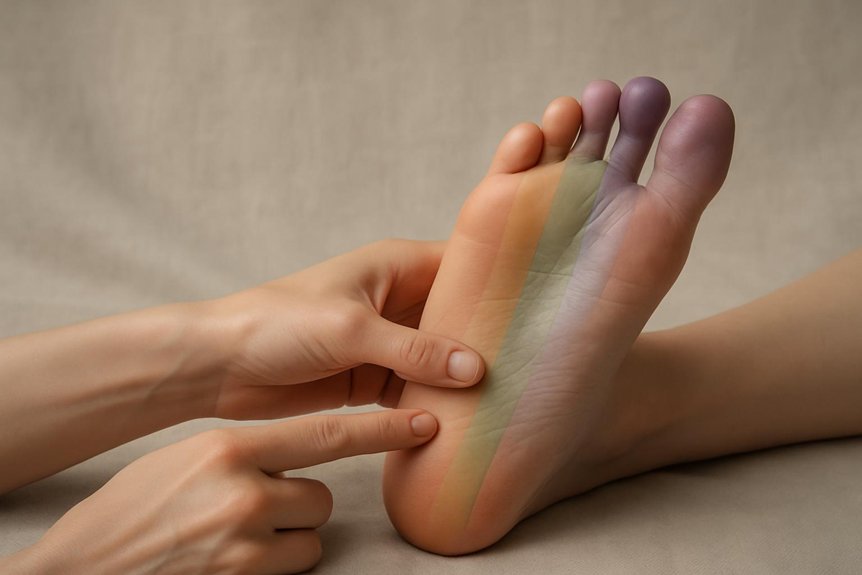
It is often sought for its potential to support wellbeing through the healing power of zone therapy.
At Spa & Massage London clinics, clients benefit from consistent standards across Crouch End, Bayswater, Chiswick, Earl’s Court, Belsize Park, and Richmond.
What Should a Reflexology Session Feel Like?
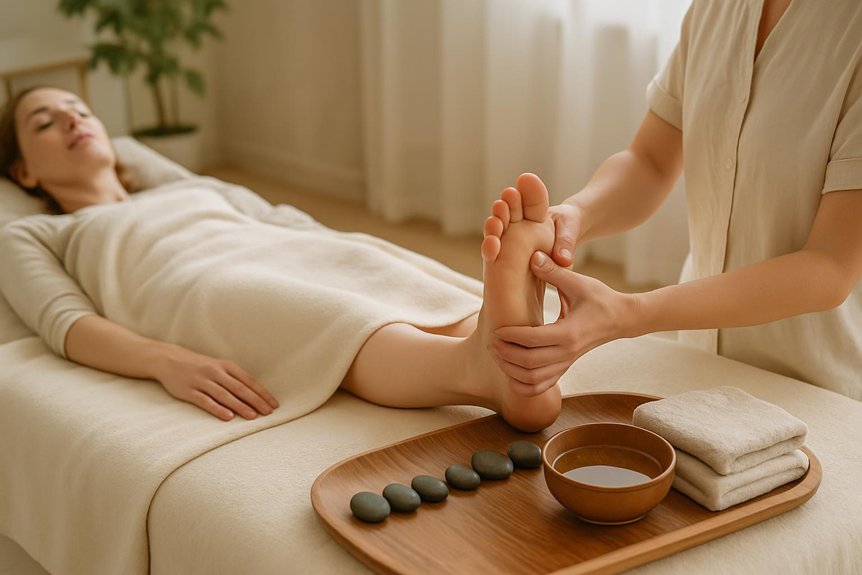
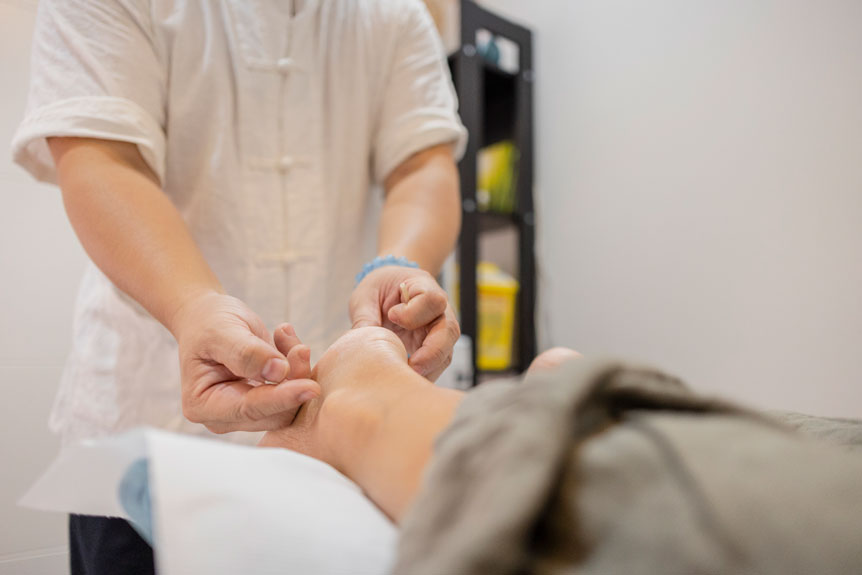
A professional zone therapy session should begin with clear consent, appropriate draping, and a modest, comfortable setup consistent with clinic hygiene and client-care standards.
Pressure is typically firm but controlled, with expected sensations ranging from warmth and tenderness to brief sensitivity, while sharp or persistent pain should be communicated immediately and addressed by the therapist.
Aftereffects are usually mild—such as relaxation, temporary tiredness, or increased hydration needs—and a qualified practitioner will give straightforward aftercare guidance and note any signs that warrant rest or follow-up.
Comfort And Modesty
In a well-run zone therapy session, comfort and modesty are maintained through clear consent, appropriate draping, and a calm clinical routine.
The practitioner explains what clothing may be removed, what will remain covered, and invites questions before any contact.
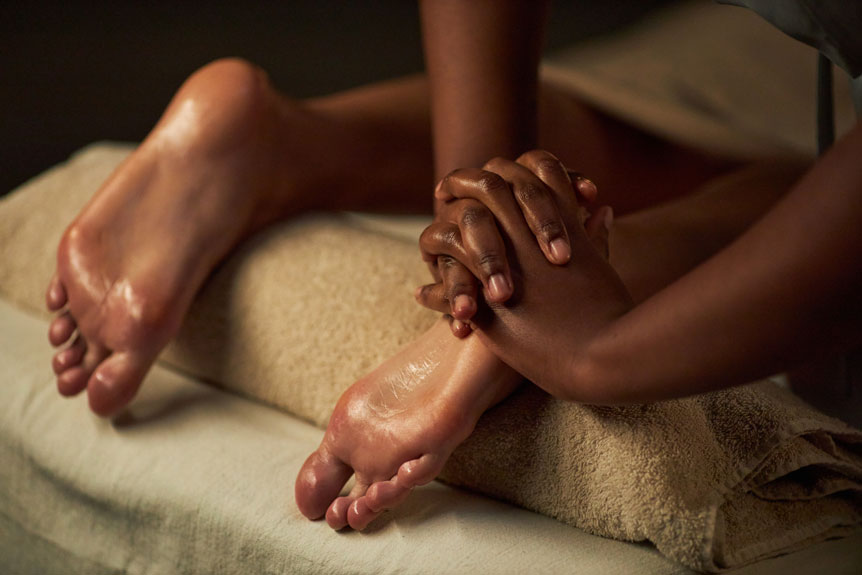
Only the feet and lower legs are typically uncovered, with towels used to protect privacy throughout.
A credible therapist will reference recognised training, follow local hygiene standards, and document health screening and consent.
At Spa & Massage clinics across London, therapists maintain a tranquil setting, offer temperature and bolster adjustments, and check in discreetly so the client can relax without feeling exposed.
For clients seeking intimacy, the tone should feel respectful, unhurried, and emotionally safe, with boundaries stated clearly and upheld consistently.
Pressure, Sensations, And Pain
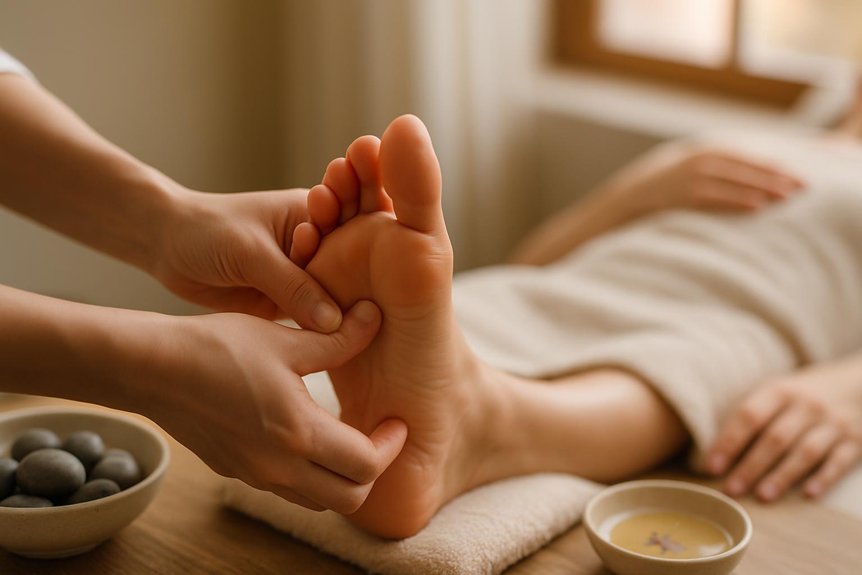
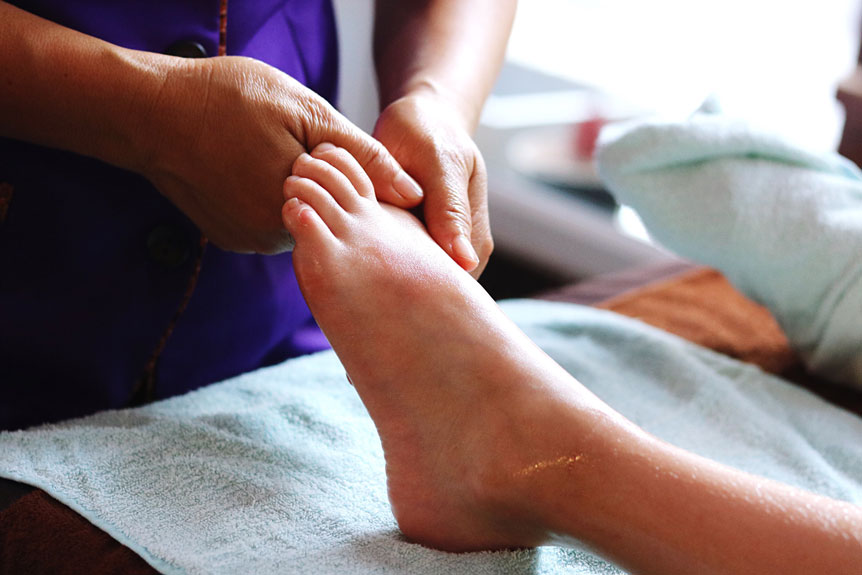
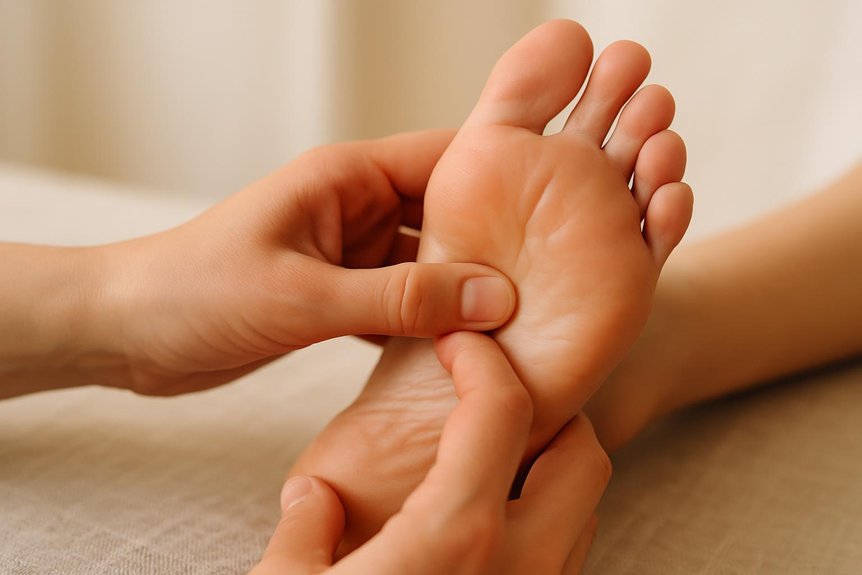
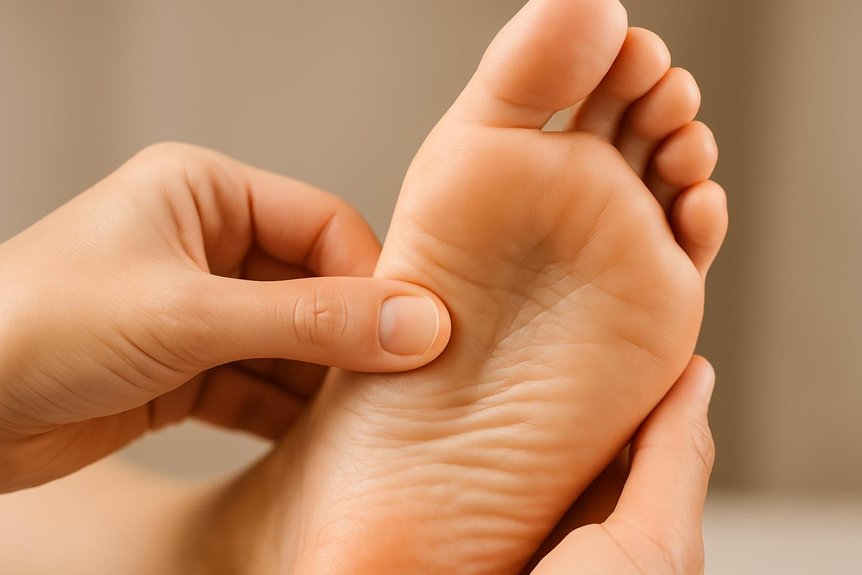
With a qualified practitioner, a zone therapy session typically feels like firm, targeted pressure along the soles, arches, heels, and toes—often described as “pleasantly intense” rather than painful.
Sensations may shift between warmth, tingling, or a dull ache at specific points; these responses should remain tolerable and never sharp, burning, or numbing.
A well-trained therapist will check consent, invite clear feedback, and adjust depth immediately, reflecting professional standards and client-centred practice.
In Spa & Massage clinics, therapists use controlled thumb-and-finger techniques and paced breathing cues to keep intensity within a comfortable, intimate threshold.
Tender spots can occur, but they are treated as information, not a test of endurance.
If pain persists, pressure should be reduced or the area avoided.
Aftereffects And Recovery
Noticing post-session changes is normal after zone therapy, and they should remain mild, short‑lived, and consistent with safe, client‑centred practice. Common aftereffects include deep relaxation, sleepiness, warmth in the feet, mild tenderness, or a brief uplift in mood; some clients also notice thirst or increased urination. At Spa & Massage, therapists document feedback, adapt pressure, and provide aftercare aligned with UK professional standards and local safeguarding expectations.
Recovery is usually simple: drink water, eat lightly, and allow quiet time, especially after a first session. Light soreness should settle within 24–48 hours. Persistent pain, dizziness, bruising, or flu‑like symptoms are not expected and warrant prompt contact with the therapist and, where appropriate, medical advice.
Is Your Reflexologist Trained, Accredited, and Insured?
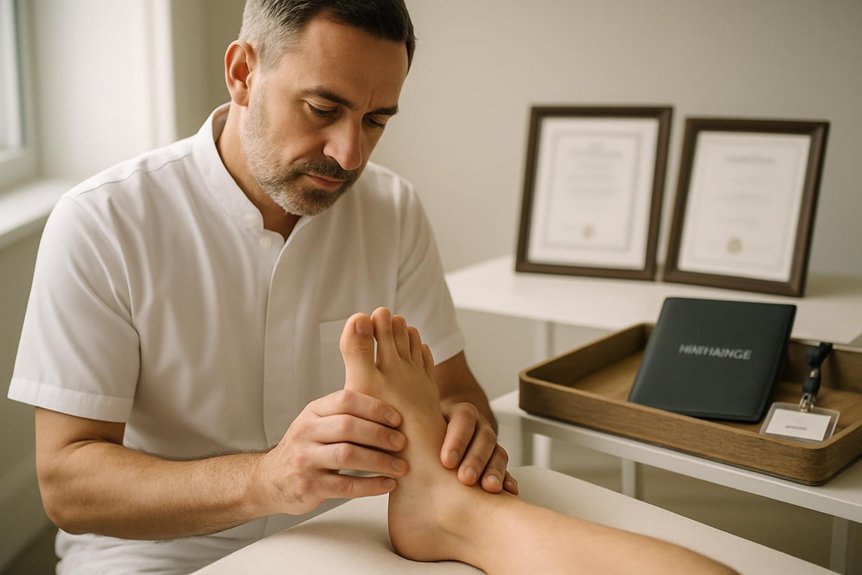
Before booking zone therapy, a practitioner’s training and formal qualifications should be verified, including the level of study and scope of practice.
Accreditation with a recognised professional body and evidence of current insurance are key safeguards for client protection and professional accountability.
At Spa & Massage clinics across London, these checks are treated as standard, and clients are encouraged to request documentation if it is not clearly provided.
Verify Training And Qualifications
In London’s busy wellness scene, verifying a reflexologist’s training, accreditation, and insurance is a core safeguard for client care and professional accountability.
A client should ask where the practitioner trained, the course level, supervised practice hours, and whether anatomy, physiology, and contraindications were covered. Certificates should be current, clearly named, and matched to the treatment offered—particularly for pregnancy, post-surgical, or complex health needs.
Practitioners should also demonstrate robust consultation skills: a thorough intake, clear boundaries, consent-led touch, and an ability to explain how sessions are adapted sensitively and safely.
At Spa & Massage clinics across London, zone therapy is delivered by experienced therapists who follow structured assessments and documented treatment plans, supporting close, respectful care and consistent clinical standards.
Check Accreditation And Insurance
A reputable reflexologist should be able to evidence three essentials: recognised accreditation, appropriate professional insurance, and clear scope of practice.
Accreditation should be current and verifiable, with membership in a recognised professional body and adherence to a published code of ethics, hygiene standards, and continuing professional development.
Insurance should include public liability and professional indemnity, covering hands-on treatments and any advice given.
A clear scope of practice means knowing when zone therapy is supportive rather than clinical care, and when referral to a GP is appropriate.
At Spa & Massage clinics across London, therapists can confirm credentials on request and explain consent, contraindications, and privacy.
This transparency supports a calm, trusting setting where clients can relax and feel cared for.
Do They Have Zone Therapy Experience With Your Goals?
Matching a practitioner’s zone therapy experience to a client’s specific goal—such as stress regulation, sleep support, pregnancy comfort, or post-exercise recovery—helps guarantee the session is planned with appropriate techniques, pressure, and aftercare.
Clients should ask how often the practitioner works with that aim, which zone therapy methods they use, and what outcomes are realistic within a wellbeing scope.
Experience matters most for sensitive situations, including pregnancy, recent injury, or medically managed conditions, where clear boundaries and appropriate referral are essential.
In Spa & Massage clinics across London, therapists can describe their training hours, supervised practice, and ongoing CPD relevant to these goals, and confirm professional indemnity insurance.
A practitioner should also be comfortable discussing comfort levels and consent, ensuring a respectful, close, calming experience.
How Do They Assess You and Tailor Zone Therapy?
How does a practitioner determine what to do in a zone therapy session and what to avoid?
A competent practitioner begins with a confidential consultation covering health history, medications, pregnancy status, injuries, circulation issues, and recent procedures, then obtains informed consent and explains scope, limits, and contra-indications in line with professional standards.
They may observe posture, breathing, and foot condition, and check comfort preferences, boundaries, and touch sensitivity to create a safe, intimate yet respectful experience.
At Spa & Massage, zone therapy is tailored by selecting pressure, tempo, and zone focus to match goals such as stress relief, sleep support, or easing fatigue, while avoiding areas that are inflamed, bruised, or medically restricted.
Ongoing feedback is invited throughout, and the plan is adjusted session by session.
Booking Zone Therapy: Location, Price, Availability

Once a zone therapy plan has been agreed and any contra-indications noted, the next practical step is securing an appointment that fits location, budget, and timing without compromising professional standards.
Clients should prioritise clinics that clearly state therapist qualifications, insurance, and hygiene protocols, and that follow UK best practice for consent, records, and privacy.
Location matters for continuity: selecting a nearby site reduces missed sessions and supports steady progress.
Spa & Massage offers zone therapy across London in Crouch End, Bayswater, Chiswick, Earl’s Court, Belsize Park, and Richmond, enabling discreet, convenient booking.
Pricing should be transparent, with session length, upgrades, and cancellation terms confirmed in advance.
Availability should allow unrushed care; evening and weekend slots can help maintain intimacy and calm.
Where possible, clients should request the same therapist to preserve trust.
Conclusion
Choosing a zone therapy practitioner should feel like stepping into a quiet, well-lit room where everything signals care: clean linens, unhurried consultation, and clear boundaries. The most reliable reflexologists show recognised training, current insurance, and reputable accreditation, and they explain scope and limitations with clinical clarity. They assess health history before touch, tailor a plan to the client’s aims, and document responsibly. With the right professional, each session becomes a steady, grounded path to comfort.