Prenatal massage can help ease pregnancy-related lower back pain by relaxing overworked muscles, improving local circulation, and reducing stress-related tension that amplifies discomfort. When provided by a trained therapist, it often supports better sleep and mood while focusing on hips, glutes, and lumbar-adjacent tissues and avoiding deep abdominal work. Sessions are adapted with side-lying bolsters and light-to-moderate, comfort-first pressure with frequent check-ins. Safety screening and medical clearance are advised for red flags, as explained next.
Can Prenatal Massage Relieve Lower Back Pain in Pregnancy?
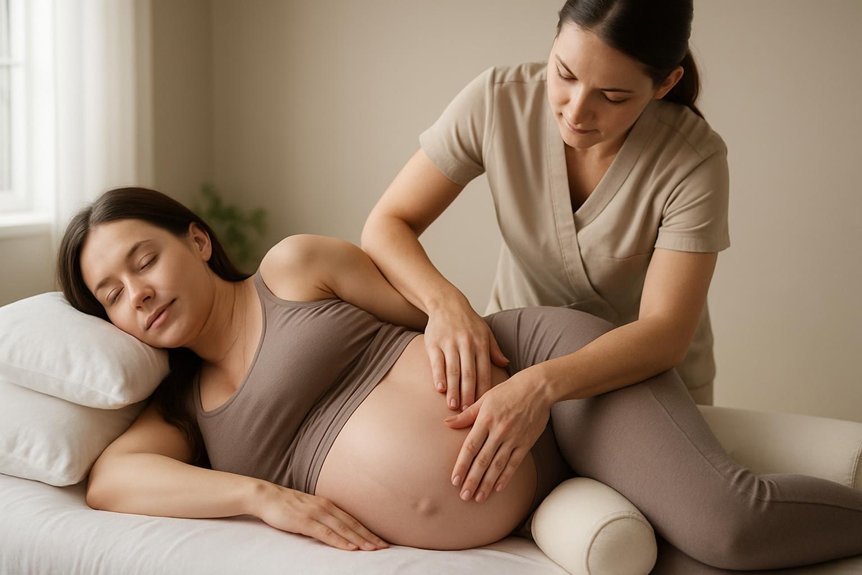
Ease can be possible: prenatal massage is commonly used to help reduce pregnancy-related lower back pain by relaxing overworked muscles, improving local circulation, and lowering stress-related tension that can amplify discomfort.
Evidence suggests that gentle, pregnancy-adapted massage can ease pain and improve sleep and mood when delivered by trained therapists and combined with supportive self-care.
One of the broader benefits of pregnancy massage is helping expecting mothers feel more comfortable and supported through the physical changes of pregnancy.
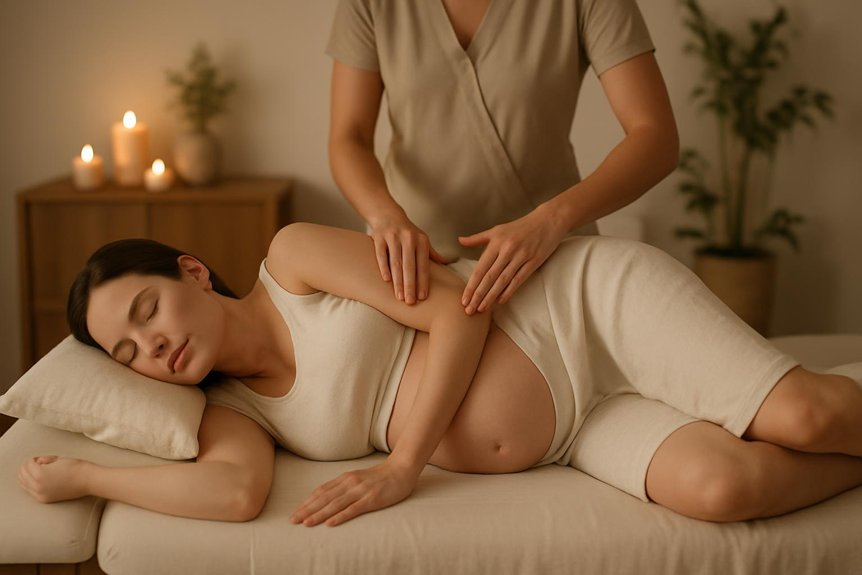
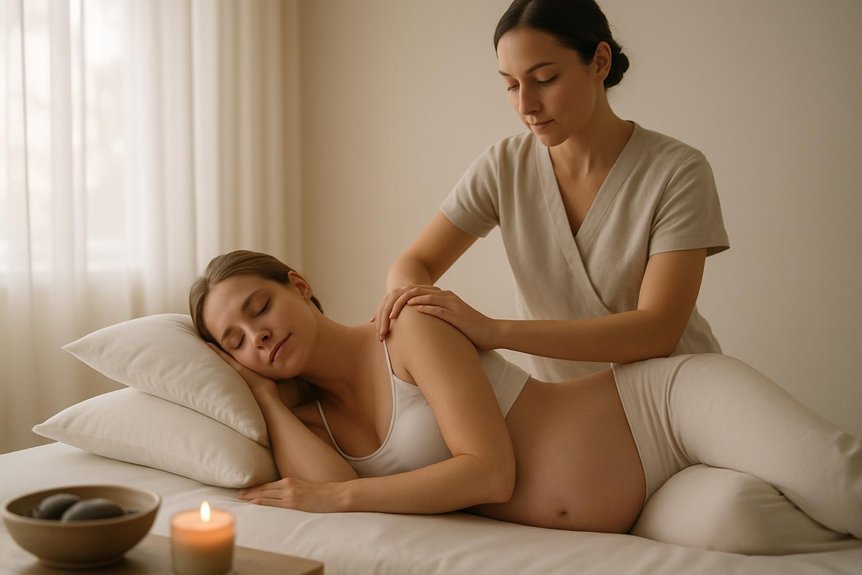
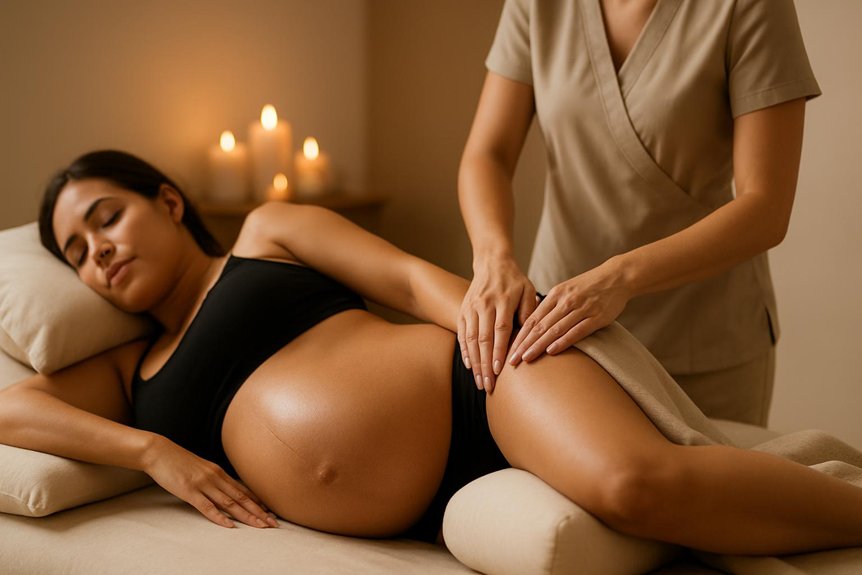
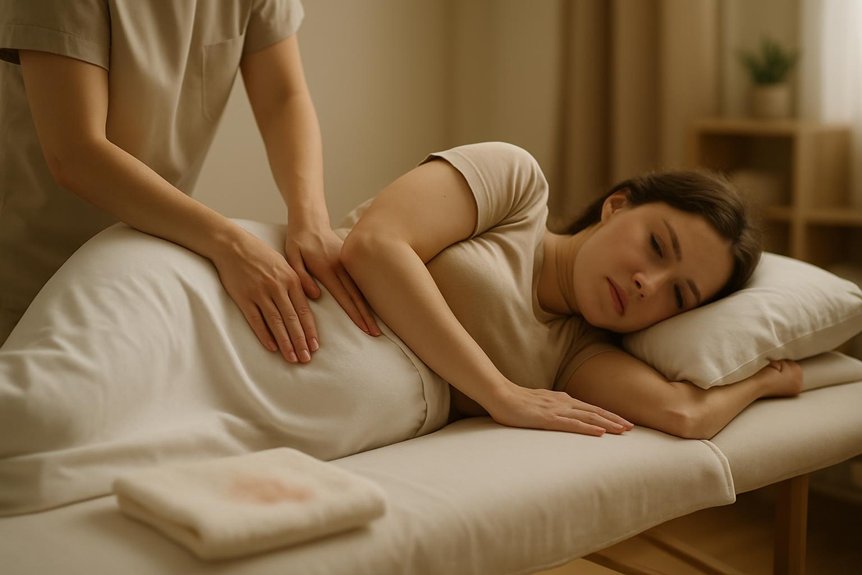
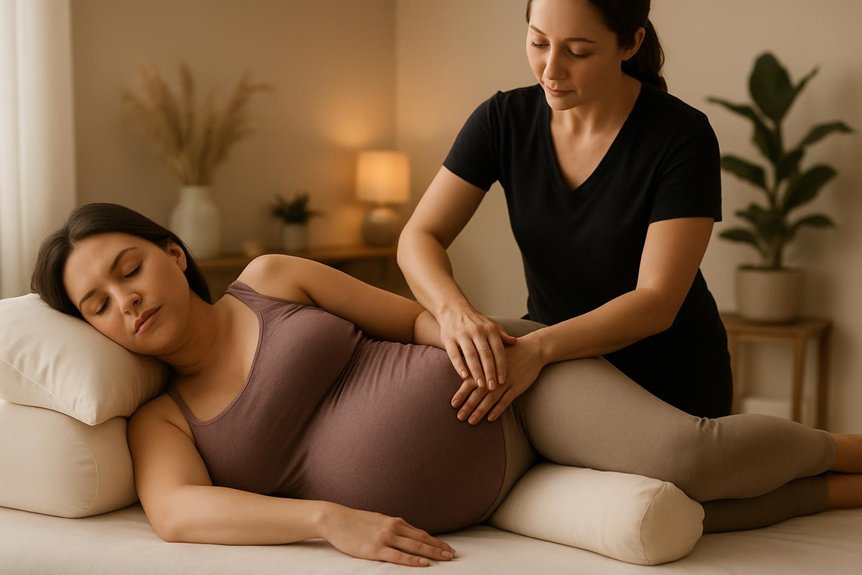
At Spa & Massage clinics across London, therapists use side-lying positioning, bolsters, and light-to-moderate pressure focused on hips, glutes, and lumbar-adjacent tissues, avoiding deep work on the abdomen.
Sessions are tailored after a brief health screen, with referral advised for bleeding, fever, sudden swelling, severe headache, or unexplained pain.
Many clients appreciate the calm touch, steady breath cues, and a sense of safe closeness.
Why Does Pregnancy Cause Lower Back Pain?
During pregnancy, lower back pain often develops because normal anatomical and hormonal changes place extra load on the lumbar spine and pelvic joints. As the uterus grows, the centre of gravity shifts forward, increasing lumbar lordosis and compressive forces. Weight gain and altered gait further strain spinal muscles, while abdominal stretching reduces core support, so paraspinals and gluteals work harder to stabilise movement.
Relaxin and progesterone increase ligament laxity, particularly around the sacroiliac joints and pubic symphysis, which can feel like deep aching or sharp “catching” with turning in bed or climbing stairs. Fluid retention may also irritate nerves. At Spa & Massage, therapists commonly see tenderness in the low back, hips, and pelvic floor that reflects these predictable changes.
When Is Prenatal Massage Not Safe for Back Pain?
Prenatal massage is not appropriate for back pain when a pregnancy is considered high risk or when symptoms suggest a complication, as safety must take priority over comfort.
At Spa & Massage clinics across London, therapists screen for contraindications and will postpone treatment or request medical clearance in cases such as preeclampsia, unexplained bleeding, severe swelling, suspected thrombosis, fever, or acute abdominal pain.
This section outlines when to avoid massage and what safer next steps to take to support both parent and baby.
High-Risk Pregnancy Conditions
For some pregnancies, lower back pain does not make massage a straightforward option, and safety must take priority over symptom relief. In high-risk pregnancies, any hands-on therapy should be cleared by the midwife or obstetrician first, even when discomfort feels constant and personal.
Conditions that warrant medical guidance include preeclampsia or pregnancy-induced hypertension, placenta previa, unexplained vaginal bleeding, threatened preterm labour, premature rupture of membranes, severe swelling, clotting disorders or a history of thrombosis, and significant cardiac or respiratory disease. Multiple pregnancy with complications and poorly controlled gestational diabetes may also require caution.
At Spa & Massage, therapists ask detailed screening questions and may postpone or modify care until written clearance is provided, so touch remains nurturing, calm, and clinically appropriate.
When To Avoid Massage
Even with persistent lower back pain, massage is not always the safest option in pregnancy, and certain symptoms or clinical situations should prompt postponement until medical advice is obtained.
Prenatal massage should be avoided with vaginal bleeding, leaking fluid, fever, unexplained abdominal pain, severe headache, visual changes, reduced fetal movement, or sudden swelling. It is also not appropriate over suspected DVT signs (one-sided calf pain, warmth, redness), new chest pain or breathlessness, or after recent falls, trauma, or surgery.
Anyone with preeclampsia, placenta previa, threatened preterm labour, or uncontrolled hypertension should seek clinician clearance first.
At Spa & Massage clinics across London, therapists screen carefully and will pause treatment if red flags arise, recommending medical review and gentle self-care instead.
How Does Prenatal Massage Ease Lower Back Pain Safely?
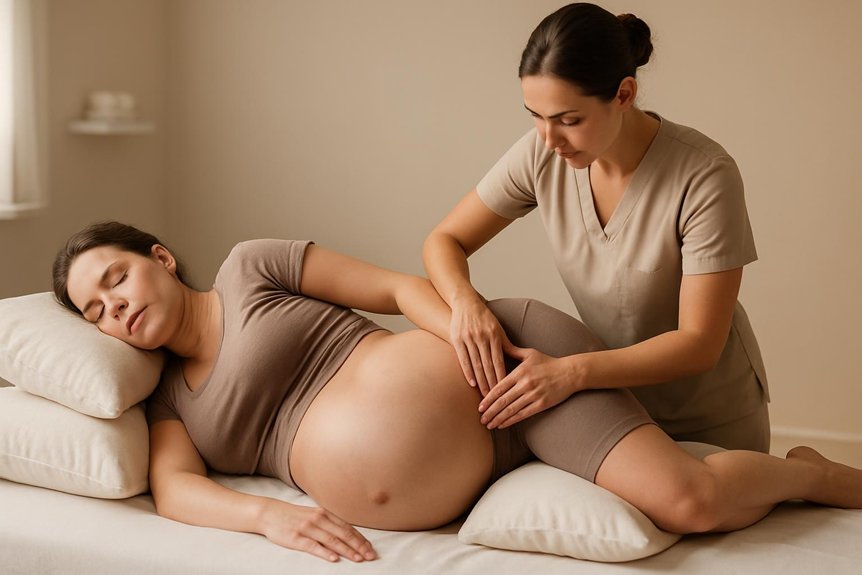
As pregnancy progresses, hormonal changes, shifting posture, and increased load on the pelvis can strain the lumbar muscles and surrounding connective tissue, making lower back pain more likely.
Prenatal massage may ease this discomfort by improving local circulation, reducing muscle guarding, and calming the nervous system, which can lower pain sensitivity.
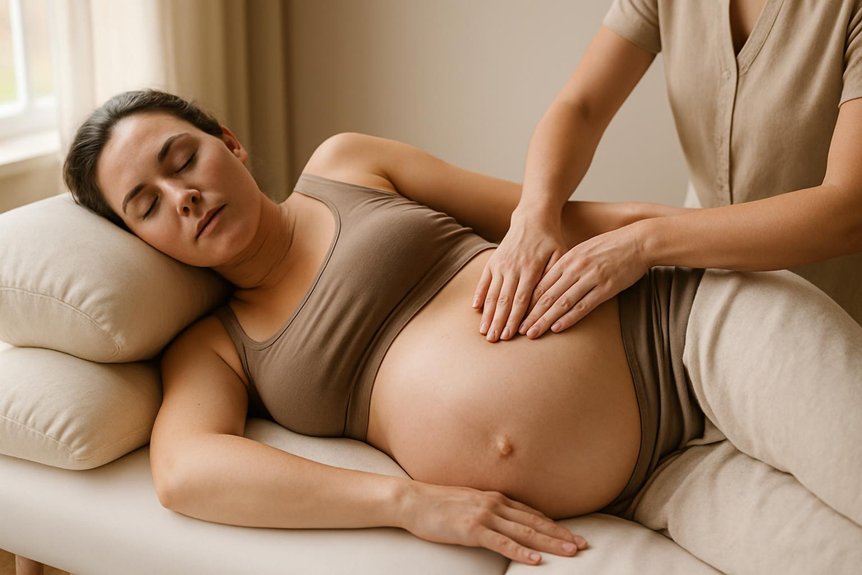
At Spa & Massage clinics across London, therapists adapt positioning to avoid abdominal pressure and support the side-lying body with bolsters, keeping breathing easy and the spine neutral.
Sessions focus on areas that commonly refer pain to the low back, including glutes, hips, and thoracolumbar fascia, while avoiding contraindicated points when advised.
Care begins with a brief health check and evolves with client feedback, prioritising comfort, consent, and shared reassurance throughout.
What Prenatal Massage Should Feel Like (Pressure & Comfort)
A prenatal massage for lower back pain should feel comfortably firm yet never painful, with pressure adapted to the client’s stage of pregnancy, symptoms, and day-to-day sensitivity.
At Spa & Massage, therapists use evidence-informed, conservative pressure and clear check-ins, avoiding intense or deep work over the abdomen and areas that feel sharp, hot, or tender.
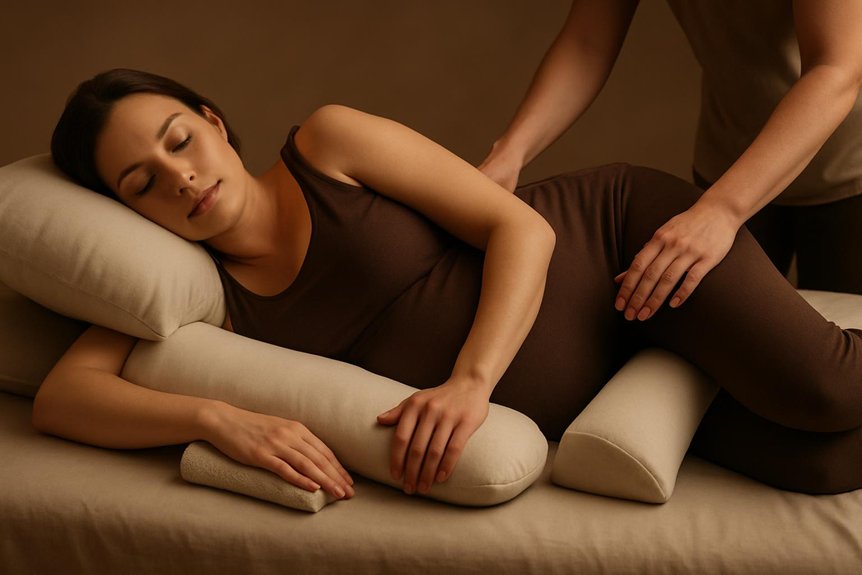
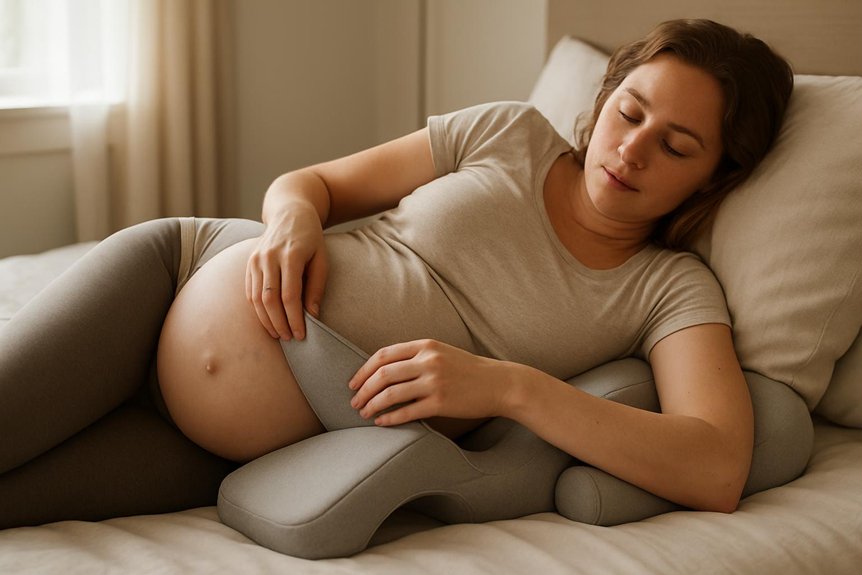
Comfort and safety are supported through appropriate side-lying positioning and bolsters under the head, bump, and between the knees to keep the spine neutral and reduce strain.
Safe Pressure Levels
During prenatal massage, pressure should typically feel consistently soothing and supportive rather than deep, sharp, or “worked through,” especially around the lower back and pelvis where tissues can be more sensitive.
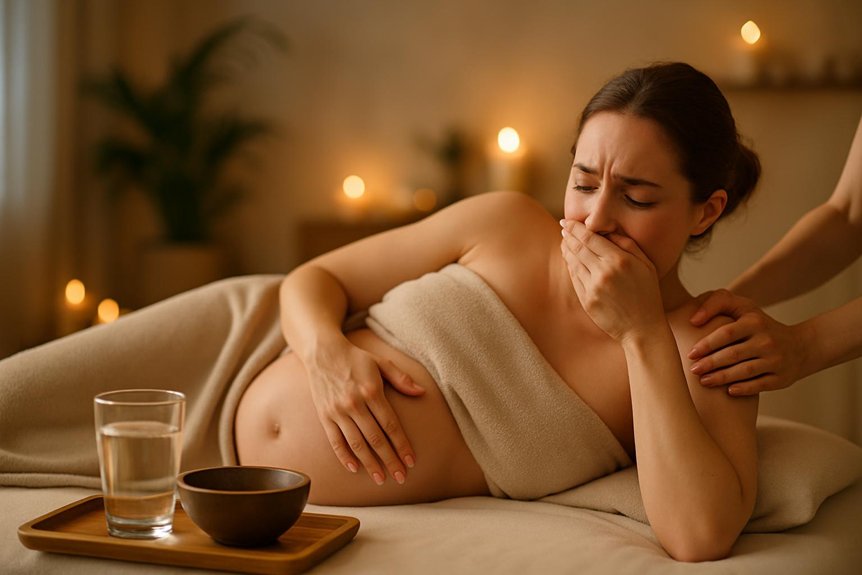
Safe pressure stays within a comfort-first range: warmth, ease, and gentle release, not lingering soreness or breath-holding. Therapists should check in often and adjust immediately if there is pinching, nausea, dizziness, cramping, or any sense of “too much.”
At Spa & Massage clinics across London, prenatal work is kept slow and attentive, using broader contact and gradual compression rather than intense elbows or aggressive stripping. Clients are encouraged to speak up early, as comfort can change day to day.
If bruising appears, pressure was excessive.
Positioning And Support
For most pregnant clients, effective positioning and supportive bolstering determine whether a prenatal massage feels easing and secure or awkward and strain-inducing.
Evidence-informed practice favours side-lying with pillows supporting head, bump, knees, and ankles, keeping the pelvis neutral and reducing lumbar compression. A semi-reclined position may suit those with reflux, breathlessness, or later-term discomfort.
At Spa & Massage clinics across London, therapists check for numbness, pulling, or pressure points within minutes, then adjust bolsters so the belly is cradled and the lower back can soften.
The touch should feel unhurried and close, with steady pressure that never forces joints or stretches ligaments. Clear consent and frequent comfort check-ins help clients relax without bracing.
Best Prenatal Massage Positions for Back Pain
With lower back discomfort common in pregnancy, choosing the right massage position becomes a core safety and comfort decision, not just a preference. Evidence-informed practice favours side-lying, supported with cushions under the head, bump, and between the knees to reduce pelvic strain and allow the lumbar tissues to soften.
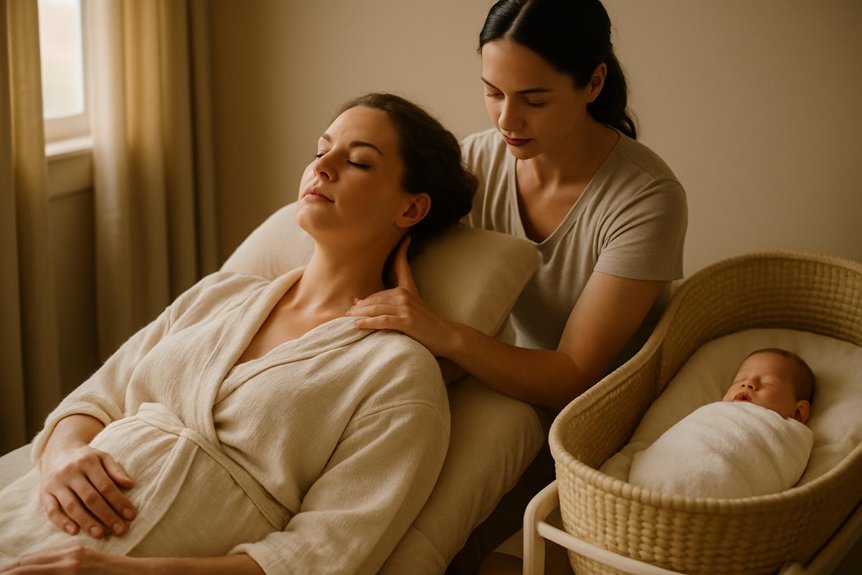
At Spa & Massage clinics across London, many clients find a semi-reclined position equally soothing, especially in later trimesters, as it eases breathlessness while keeping the spine aligned.
A forward-leaning seated posture—supported on pillows or a massage chair—can also feel intimate and secure, opening the lower back without abdominal pressure.
Prone lying is generally avoided; if used at all, it should be only with specialist pregnancy bolsters and continuous comfort checks.
Pregnancy-Safe Massage Techniques for Lower Back Pain
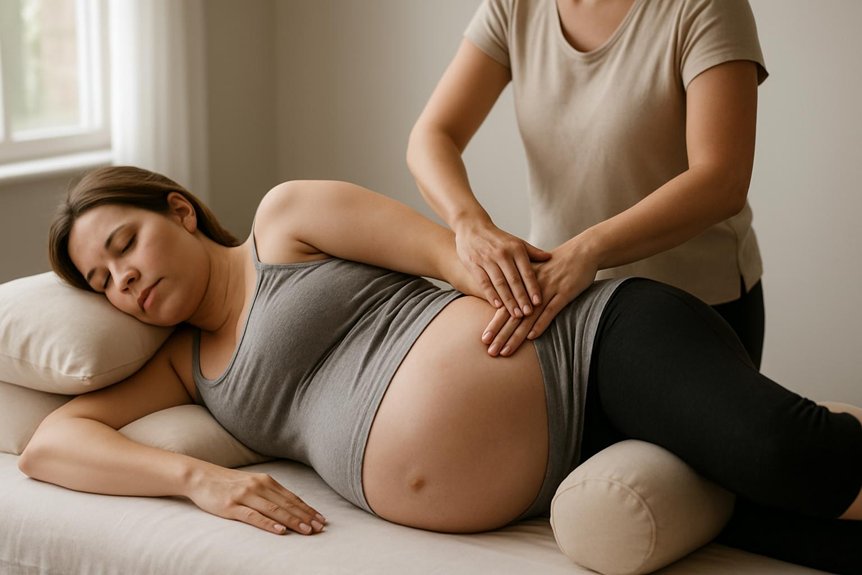
Prioritise gentle, pregnancy-adapted techniques that calm protective muscle tension without stressing joints made more lax by hormonal change.
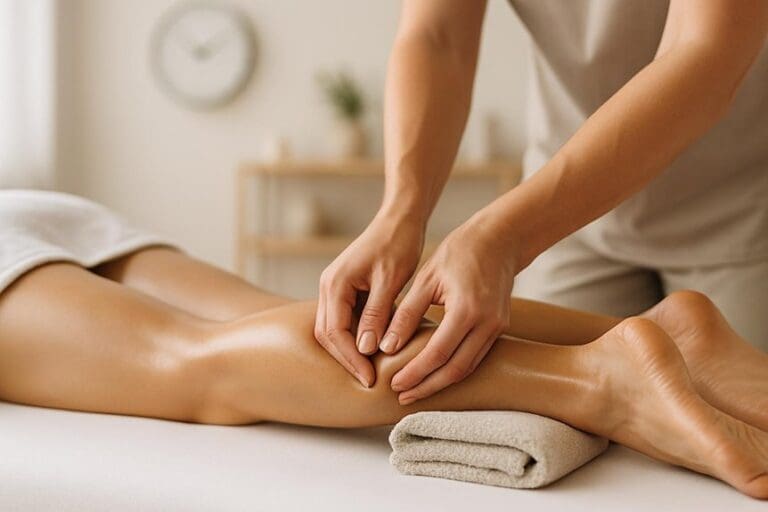
For lower back pain, therapists typically use slow effleurage and broad, warming strokes over the lumbar erectors, glutes, and hips to reduce guarding and improve circulation. Sustained, light-to-moderate pressure with forearm or palm contact supports a feeling of held safety while avoiding deep, pinpoint work near the sacrum.
Myofascial release around the thoracolumbar fascia and gentle compression of the gluteus medius can ease referral into the back.
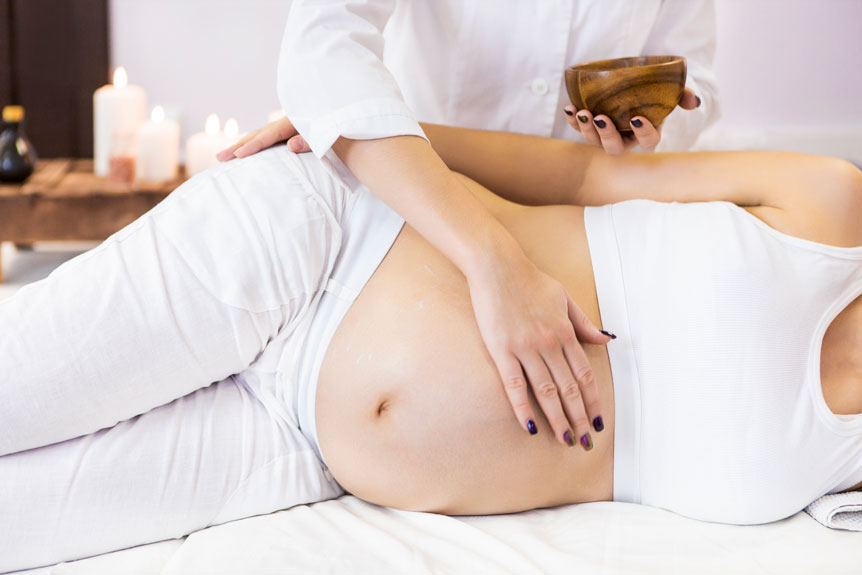
In Spa & Massage clinics, therapists often add supported pelvic rocking, hip-opening strokes, and breath-paced holds to settle the nervous system. Unscented or pregnancy-appropriate oils are used, and pressure is adjusted continuously to comfort.
How Often Should You Book Prenatal Massage for Relief?
Often, the most reliable relief from pregnancy-related lower back pain comes from booking prenatal massage at a consistent, symptom-led cadence rather than as a one-off treat.
In Spa & Massage clinics across London, many clients feel best with weekly sessions during flare-ups, then tapering to fortnightly as discomfort settles and sleep improves. For milder, occasional aching, a monthly appointment can maintain ease and keep tension from building. Frequency should reflect trimester changes, activity levels, and how long relief lasts after each session.
Safety remains central: a midwife or GP should be consulted for new, severe, or radiating pain, reduced foetal movement, bleeding, or swelling. Therapists adjust pressure, positioning, and session length to comfort and clinical suitability.
Aftercare Tips to Keep Pregnancy Back Pain Down
After a prenatal massage session, simple, safety-led aftercare can help extend pain relief and reduce the likelihood of lower back symptoms returning between appointments.
Spa & Massage therapists advise slow, supported movement off the couch, then gentle walking to keep circulation steady and avoid stiffness.
Hydration supports tissue recovery; warm water and light meals can ease post-treatment fatigue.
At home, side-lying rest with a pillow between the knees helps keep the pelvis neutral, reducing strain on lumbar joints.
Heat can be soothing, but hot baths and overheating should be avoided; a warm compress for 10–15 minutes is usually safer.
Daily pelvic tilts, glute activation, and breathing drills may stabilise the core.
Any new numbness, bleeding, or cramps warrants clinical advice.
Conclusion
Prenatal massage may help reduce pregnancy-related lower back pain by easing muscle tension, supporting circulation, and improving comfort when delivered by a trained therapist using pregnancy-safe positioning and pressure. It is not suitable for everyone, particularly where medical complications, unexplained symptoms, or high-risk conditions are present, so clinical guidance should lead decision-making. When combined with movement, posture support, and home care, treatment can be part of a balanced plan—but isn’t informed consent the most effective safeguard?