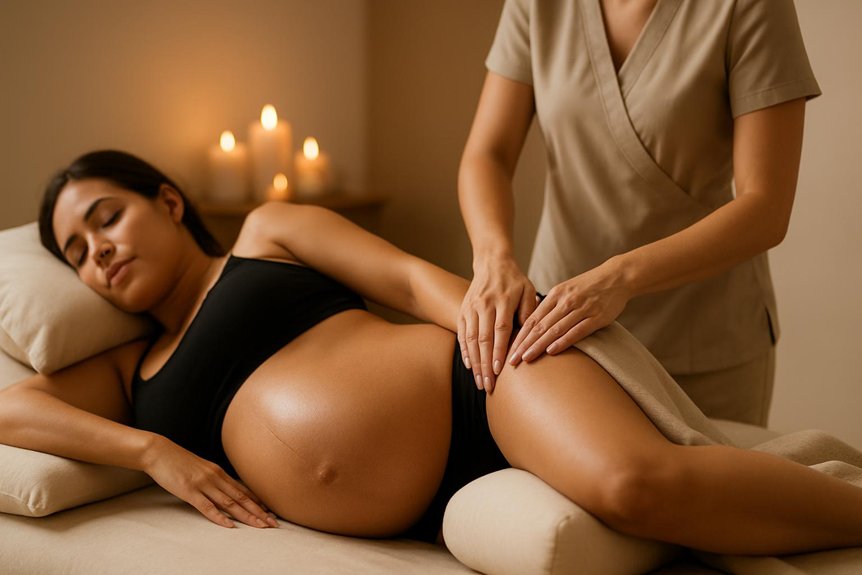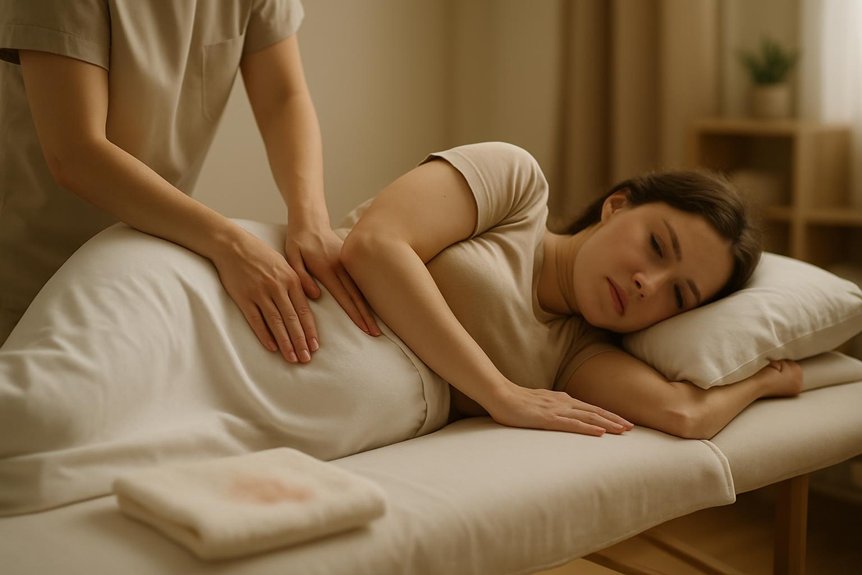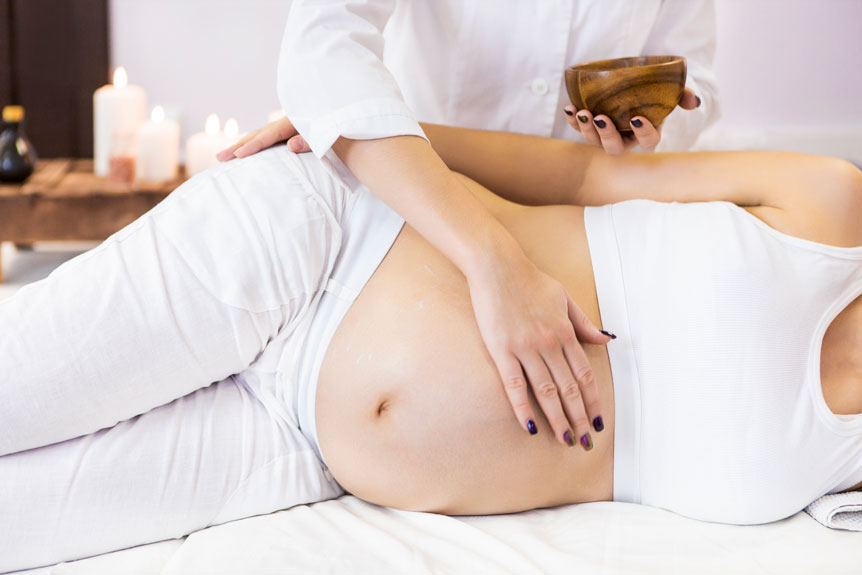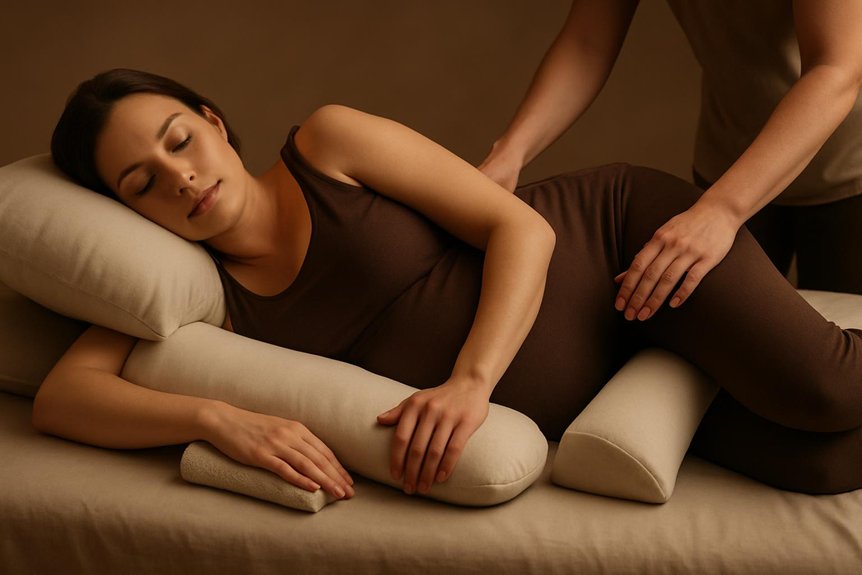
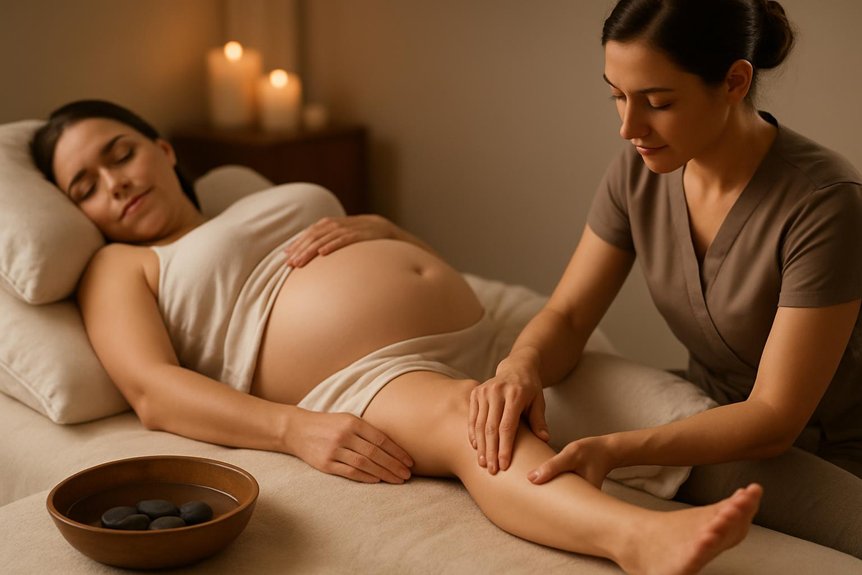
Prenatal massage can help reduce the frequency and intensity of pregnancy leg cramps by gently easing calf and foot tension and supporting venous and lymphatic flow. A trained prenatal therapist uses side-lying positioning, slow upward strokes, and light-to-moderate pressure to improve comfort and night-time mobility. It is generally safe after the first trimester with proper screening. New one-sided swelling, warmth, redness, or breathlessness needs urgent medical review. Further details cover techniques, timing, and aftercare.
Can Prenatal Massage Help Pregnancy Leg Cramps?
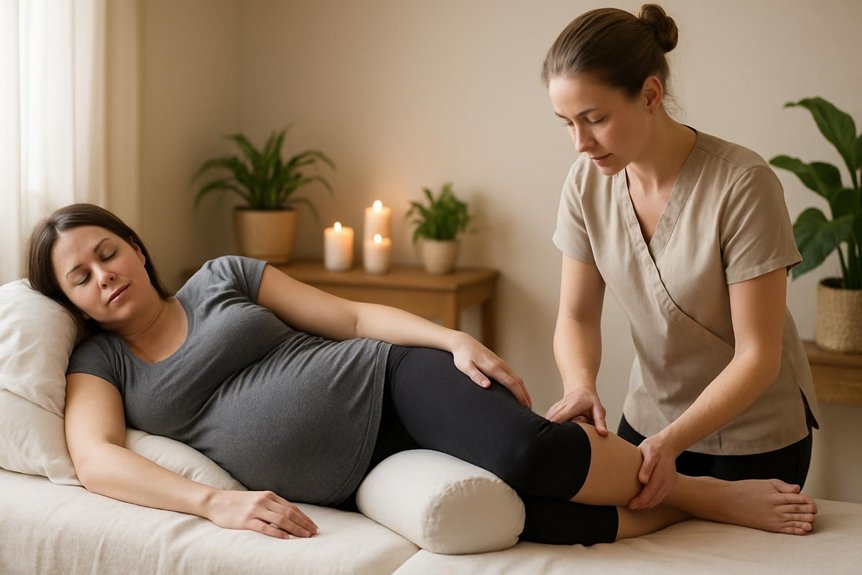
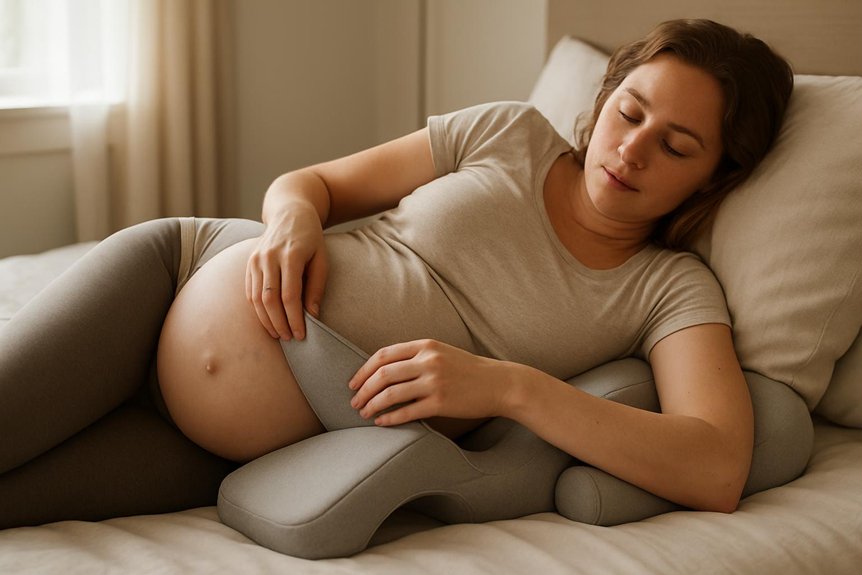
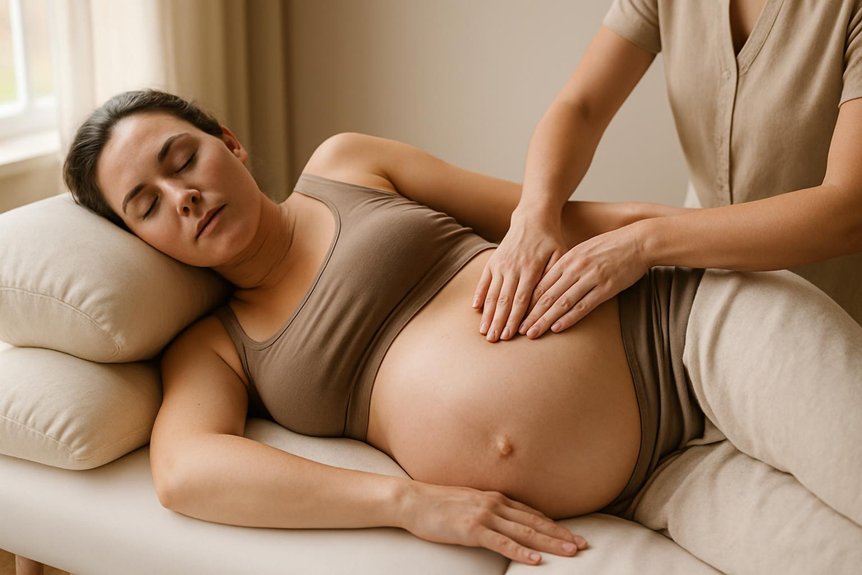
Although pregnancy leg cramps are often linked to circulation changes, muscle fatigue, and shifting biomechanics, prenatal massage can help reduce their frequency and intensity by easing calf and foot tension, supporting venous and lymphatic flow, and improving overall comfort. As part of the broader benefits of pregnancy massage, this approach can also help expecting mothers feel more relaxed and supported as their bodies change.
At Spa & Massage clinics across London, therapists use gentle, pregnancy-safe pressure, slow strokes, and careful positioning to soothe the lower legs without provoking soreness. Many clients find that focused work to the calves, arches, and ankles, plus soothing hip and low-back release, improves night-time comfort and ease of movement.
Safety remains central: therapists screen for swelling, pain, or clot-risk symptoms and adjust or refer when needed. Aftercare typically includes hydration, light stretching, and elevation.
Why Do Pregnancy Leg Cramps Happen?
Pregnancy leg cramps are often linked to normal physiological changes, including altered circulation and fluid shifts that can increase pressure in the legs and contribute to muscle tightening, especially at night.
They may also be influenced by mineral imbalances and overall fatigue as the body’s nutritional demands and activity load change across pregnancy.
At Spa & Massage, therapists consider these factors alongside each client’s symptoms and pregnancy stage to support safe, tailored comfort strategies.
Circulation And Fluid Shifts
During pregnancy, normal cardiovascular adaptations and shifting fluid balance can set the stage for leg cramps. Blood volume rises and veins become more compressible; as the uterus grows, it can slow venous return from the legs, especially when lying on the back. The result may be pooling, heaviness, and tissue pressure that irritates nerves and muscle fibres, making sudden tightening more likely at night.
At Spa & Massage clinics, therapists see how swelling and circulation changes can leave calves feeling tender and overworked. Client-centred care focuses on comfort and safety: side-lying positioning, gentle rhythmic strokes that support venous and lymphatic flow, and light compression only when appropriate. Clients are advised to seek medical review for one-sided swelling, redness, warmth, or sudden pain.
Mineral Imbalances And Fatigue
In many cases, leg cramps in the prenatal period are linked to a combination of mineral shifts and simple muscular fatigue. Pregnancy can change magnesium, calcium, potassium, and sodium balance, and research associates low magnesium intake with more frequent cramps in some people.
Tired calf muscles also cramp more easily after carrying extra weight, longer standing, or disrupted sleep. Hydration and electrolytes work together, so drinking water without adequate minerals may not fully support muscle function.
Spa & Massage encourages clients to discuss supplements with a midwife or GP, as needs vary and excess can be unsafe. In clinic, therapists may use gentle prenatal massage and supported stretching to ease tenderness, while recommending restful calf stretches, warm compresses, and balanced, nutrient-rich meals.
Is Prenatal Massage Safe for Leg Cramps (and When)?
When is prenatal massage safe for leg cramps, and what conditions make it a better—or worse—choice? For most low-risk pregnancies, it is typically considered safe after the first trimester when delivered by a trained prenatal therapist using side-lying support and gentle, comfortable pressure. At Spa & Massage clinics across London, therapists screen for red flags and adapt positioning, pacing, and depth to protect circulation and ease tenderness.
Massage should be postponed and medical advice sought for calf swelling, warmth, redness, sudden one-sided pain, shortness of breath, severe varicose veins, preeclampsia, bleeding, fever, or high-risk complications. Clear consent, continual check-ins, and a slower, nurturing rhythm help clients feel held, not overwhelmed. When uncertainty exists, written GP or midwife guidance is requested.
How Prenatal Massage Relieves Calf and Foot Cramps
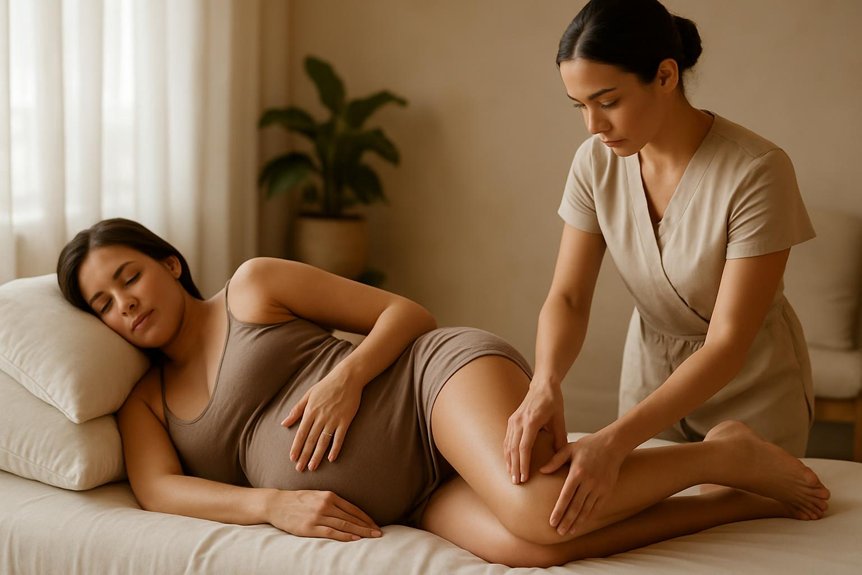
For many pregnant clients, calf and foot cramps ease when prenatal massage targets the main drivers of discomfort: local muscle guarding, reduced ankle–calf circulation, and heightened sensitivity in the lower legs. Gentle, pregnancy-appropriate touch can downshift the nervous system, helping tight calf fibres soften and reducing the sudden “grip” that triggers night cramps.
By supporting venous and lymphatic return, massage may lessen heaviness and swelling that amplify cramp frequency. At Spa & Massage clinics across London, therapists also screen for red flags—one-sided swelling, heat, redness, or severe pain—and adjust positioning and pressure to protect comfort and circulation.
Many clients report better sleep and a warmer, more connected feeling in their legs when sessions are paired with simple hydration and stretching guidance.
Prenatal Massage Techniques We Use for Leg Cramps
At Spa & Massage clinics across London, therapists use pregnancy-appropriate methods to help ease leg cramps while prioritising comfort, positioning, and clinical contraindications.
Techniques commonly include gentle calf muscle release, foot and ankle reflexology adjusted for pregnancy, and light circulation strokes to support venous return without excessive pressure.
Each approach is tailored to the client’s trimester, symptoms, and medical history, with modifications or referral advised when red flags such as swelling, heat, or sudden pain are present.
Gentle Calf Muscle Release
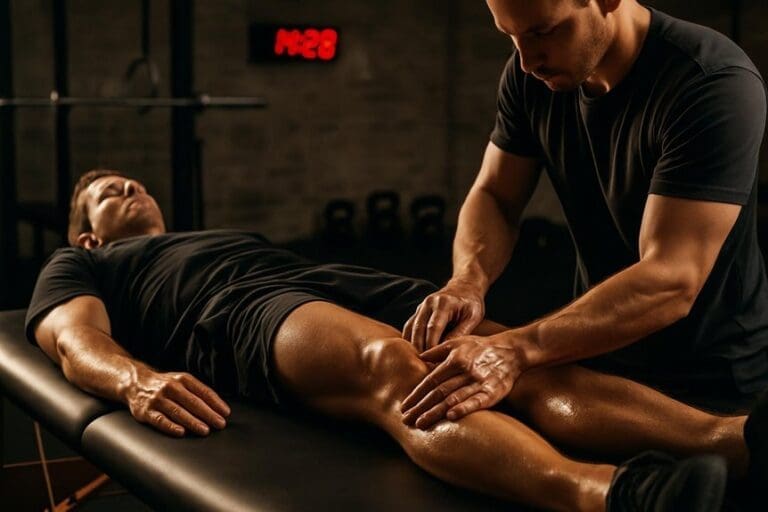
With pregnancy-related fluid shifts, altered gait, and increased load through the lower limbs, the calf muscles can become overactive and prone to cramping; a gentle calf muscle release is consequently used in prenatal massage to reduce excessive tone without provoking discomfort.
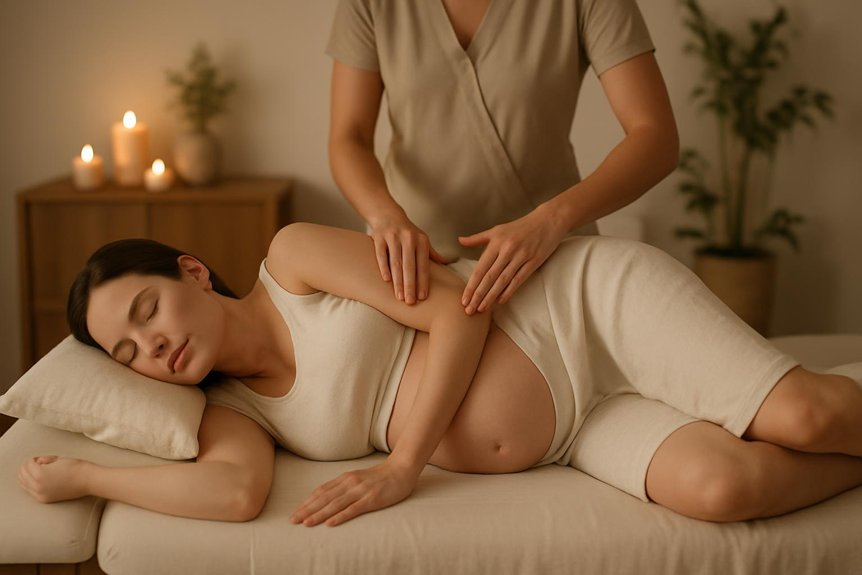
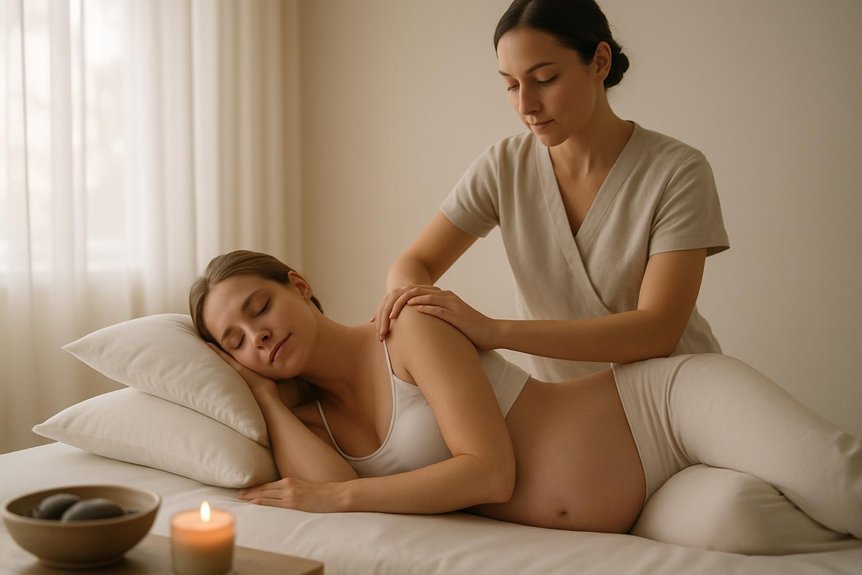
At Spa & Massage, therapists position the client side-lying with cushions, then apply slow, warming effleurage along gastrocnemius and soleus, followed by sustained, light-to-moderate pressure into tender bands, always staying within a comfortable “good pressure” range. This pacing supports relaxation and may reduce neuromuscular guarding, a contributor to cramps.
Safety is prioritised: no deep stripping, no aggressive stretching, and any calf redness, heat, sudden swelling, or sharp pain prompts immediate cessation and medical referral.
Aftercare includes gentle hydration and calf pumps before standing.
Foot And Ankle Reflexology
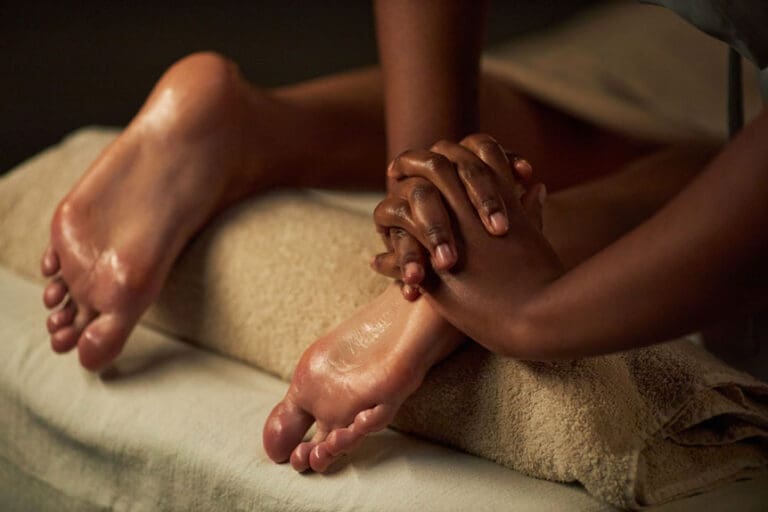
Alongside calf work, foot and ankle reflexology is often incorporated into prenatal massage for leg cramps to support relaxation and ease perceived lower-limb tension through gentle, non-invasive stimulation. At Spa & Massage clinics in London, therapists use slow, reassuring thumb and finger pressure around the soles, arches, heels, and ankle contours, adjusting depth to comfort and gestational stage.
Evidence suggests reflexology may reduce stress and perceived pain for some people; however, it is not positioned as a cure or a substitute for medical care. Sessions begin with a brief check-in, and any history of clot risk, significant swelling, neuropathy, or pregnancy complications prompts modification or referral. Clients are encouraged to communicate sensations continuously, keeping the experience calm, close, and secure.
Pregnancy-Safe Circulation Strokes
In prenatal massage for leg cramps, pregnancy-safe circulation strokes focus on encouraging comfortable venous and lymphatic return from the feet and calves while avoiding deep, sustained pressure that could irritate sensitive tissues.
At Spa & Massage clinics across London, therapists use slow effleurage and feather-light “pumping” strokes, always directed upward toward the knees, to ease heaviness and support fluid movement. Pressure is kept gentle, with frequent check-ins, because pregnancy can increase sensitivity, swelling, and bruising risk.
Work stays on the muscle belly rather than deep into the inner calf, and any tender, hot, or reddened area is avoided. Many clients find these rhythmic strokes soothing, especially when paired with supportive side-lying positioning and warm towels.
Aftercare may include ankle circles, hydration, and brief walking.
Gentle Calf & Foot Acupressure We Use (Pregnancy-Safe)
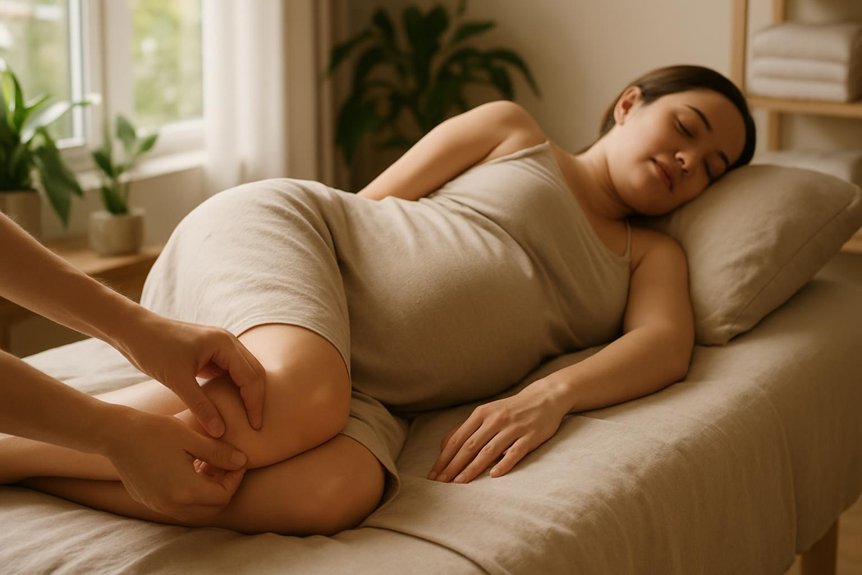
During pregnancy, gentle calf and foot acupressure can help ease leg cramps by reducing local muscle tension and supporting circulation without deep, forceful work.
At Spa & Massage clinics, therapists use slow, cushioned thumb or knuckle holds along the calf belly, avoiding sharp pressure behind the knee and any painful “digging.”
On the foot, pressure is applied in small circles through the arch and heel, then softened with gliding strokes to encourage relaxation.
If a point feels tender, the intensity stays at a “comfortable good pain,” never exceeding the client’s breath and consent.
Therapists also support the ankle with pillows to prevent strain, and stop immediately if there is swelling, heat, redness, or sudden unilateral pain.
When to Book Prenatal Massage for Leg Cramps
As soon as leg cramps become frequent, sleep-disrupting, or slow to settle after stretching and hydration, booking a prenatal massage can be a sensible next step to reduce calf tension and support comfort.
Many people notice cramping from mid-pregnancy onward as circulation, fluid balance, and activity patterns shift. At Spa & Massage, therapists suggest scheduling when cramps recur several nights a week, feel linked to tight calves or sore feet, or when daytime walking triggers lingering heaviness.
Booking is also appropriate after a clinician has cleared any new swelling, redness, or one-sided pain.
Sessions are timed around the client’s energy and symptoms—often every 1–2 weeks during flare-ups—using pregnancy-safe positioning and pressure so the body can soften without strain.
Prenatal Massage Aftercare to Prevent Leg Cramps
After a prenatal massage, simple, consistent aftercare can help maintain calf softness and reduce the likelihood of night-time leg cramps.
At Spa & Massage, therapists encourage gentle hydration through the day, as fluid balance supports muscle function.
A short evening routine—slow ankle circles, calf stretches against a wall, and light foot pumping—keeps circulation moving without strain.
Many clients find warmth soothing: a brief warm shower or heat pack on the calves (not hot) can calm lingering tightness.
When resting, a pillow under the lower legs can ease calf load; side-lying comfort is prioritised.
If oil was used in clinic, therapists suggest a light, fragrance-safe moisturiser and soft self-strokes toward the heart, staying gentle and unhurried.
When Leg Cramps Need a GP or Midwife, Not Massage
When do pregnancy leg cramps signal something that needs medical review rather than massage? Red flags include one-sided calf swelling, warmth, redness, tenderness, or sudden pain, which can suggest a clot and needs urgent assessment.
Seek a GP or midwife if cramps come with breathlessness, chest pain, fainting, fever, severe headache, vision changes, or reduced fetal movements.
Persistent cramps that disrupt sleep, are worsening, follow injury, or occur with numbness or weakness also warrant review, as do symptoms of dehydration or vomiting.
At Spa & Massage, therapists screen for these signs and pause treatment when safety is uncertain.
Gentle prenatal massage can feel deeply soothing, but it should never replace medical care when warning signs appear.
Always follow local maternity advice promptly.
Conclusion
Prenatal massage may help ease pregnancy leg cramps by reducing muscle tension and supporting circulation, especially when techniques are gentle and adapted to trimester and symptoms. Like gradually loosening a tight knot in rope, targeted work can improve comfort and sleep for many clients. However, it is not a substitute for medical assessment. Persistent, one-sided swelling, redness, heat, severe pain, or sudden breathlessness require urgent GP or midwife review to rule out complications.