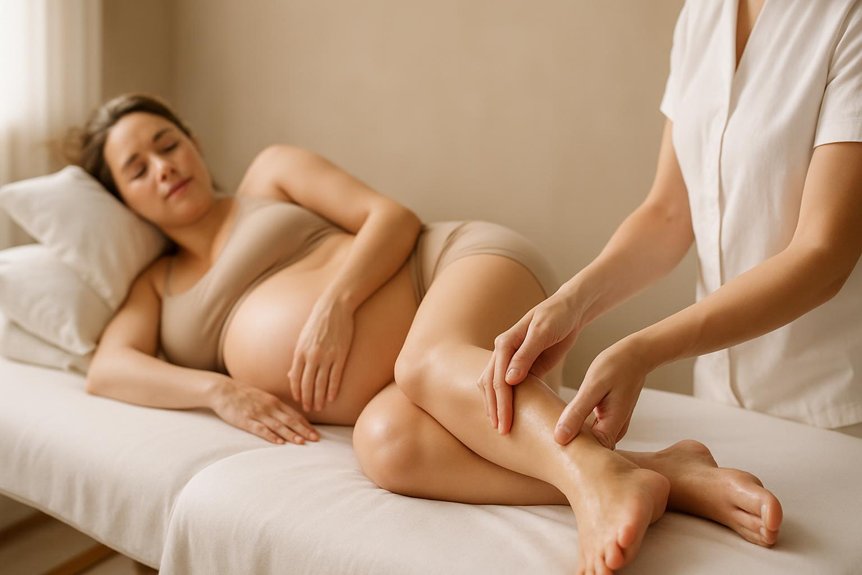
Prenatal massage can help ease mild, typical pregnancy-related ankle swelling by supporting venous and lymphatic flow with gentle, upward, rhythmic strokes. It is most suitable when swelling is even in both ankles and improves with rest or overnight. Massage should be avoided until a midwife or GP has assessed any sudden or rapidly worsening swelling, one-sided swelling, calf pain, redness, warmth, severe headache, visual changes, facial/hand swelling, chest pain, or breathlessness. More guidance and practical tips follow.
Can Prenatal Massage Reduce Swollen Ankles in Pregnancy?
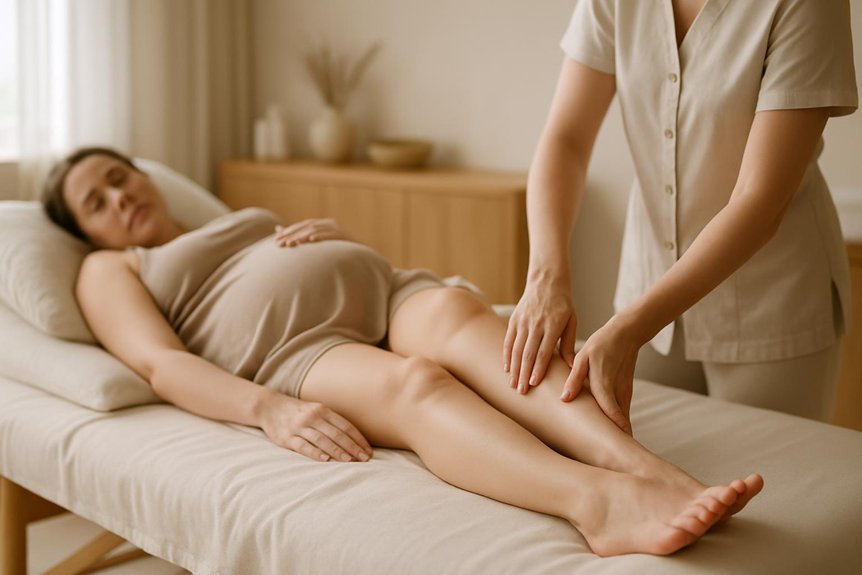
In many pregnancies, swollen ankles (oedema) develop as fluid shifts and circulation changes, and prenatal massage can help reduce this swelling for some people by supporting venous and lymphatic return. Evidence suggests gentle, targeted work can encourage fluid movement, ease heaviness, and improve comfort, especially in the lower legs and feet.
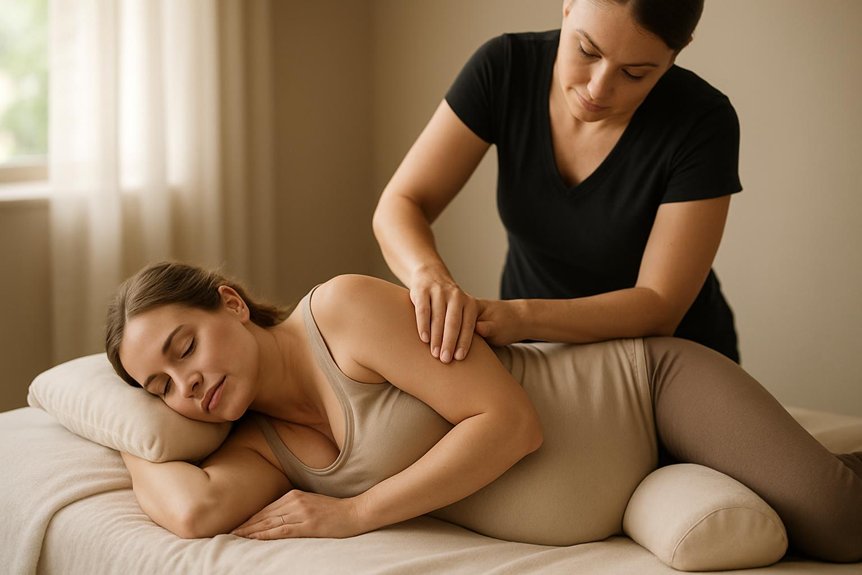
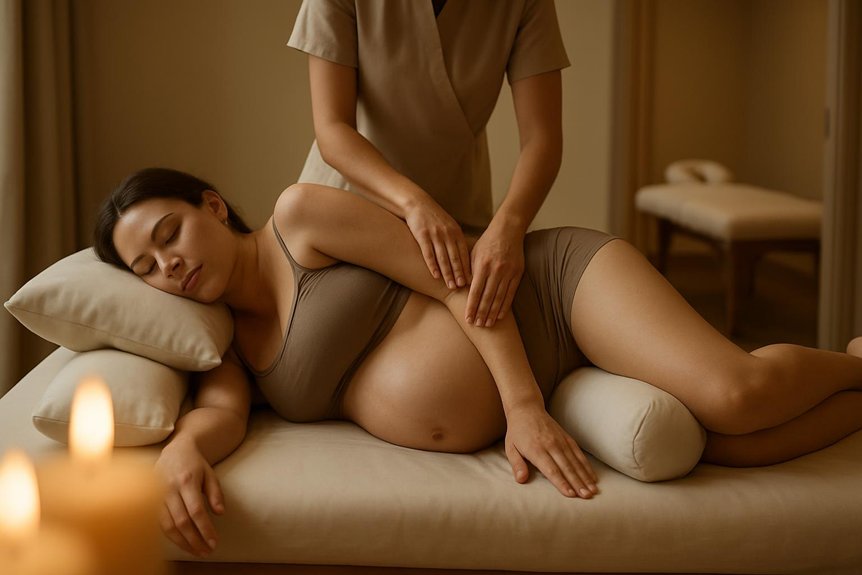
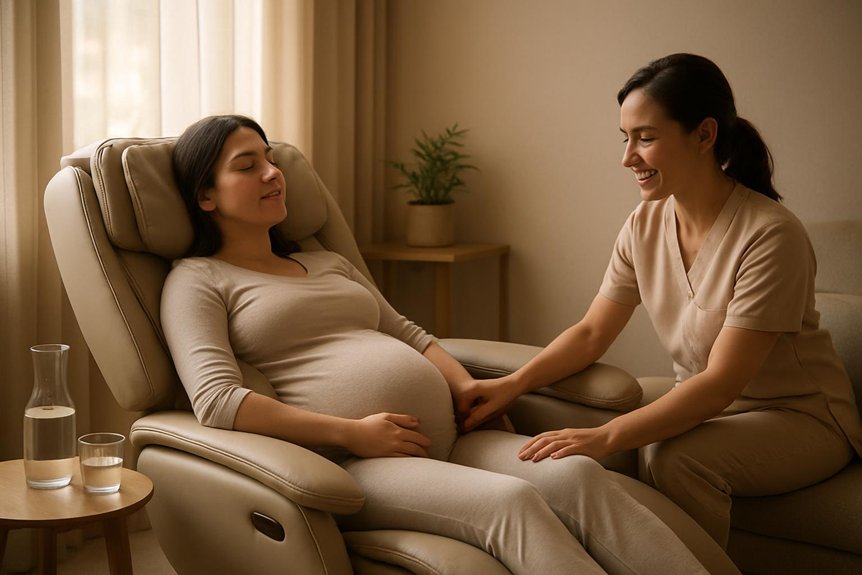
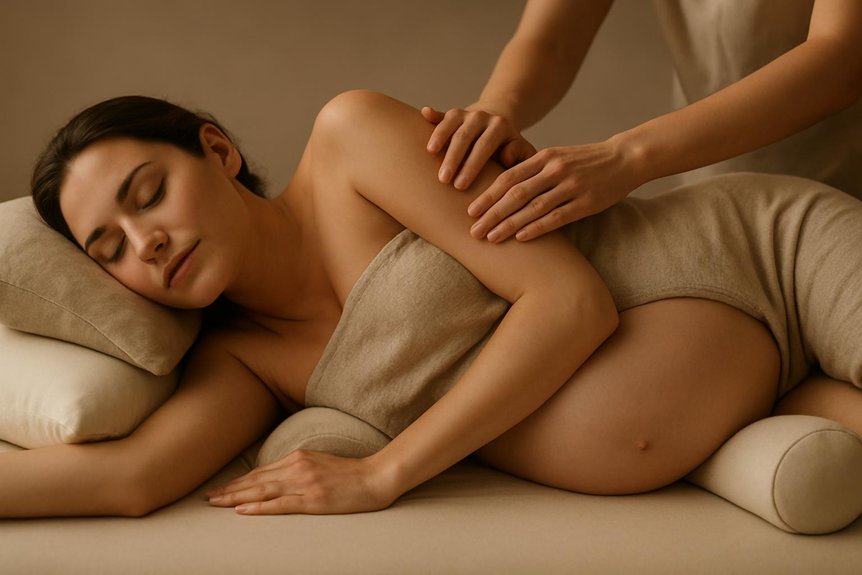
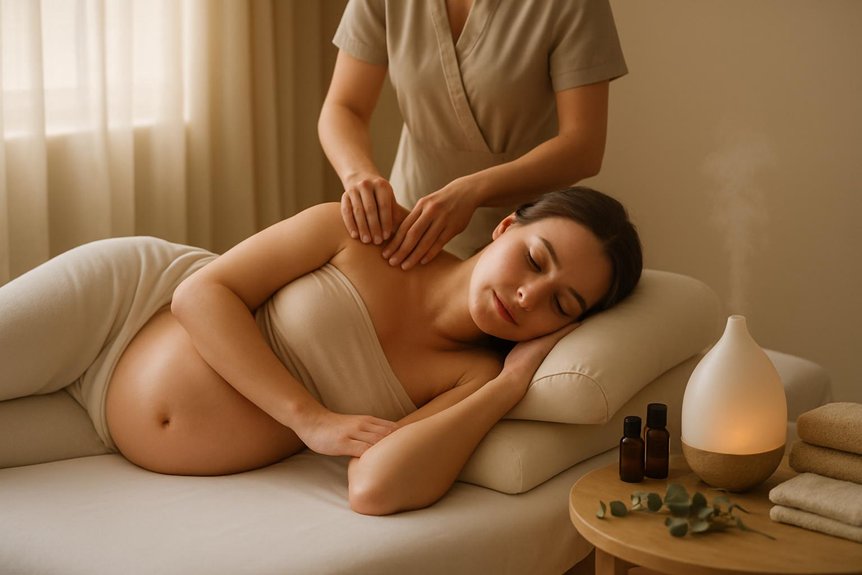
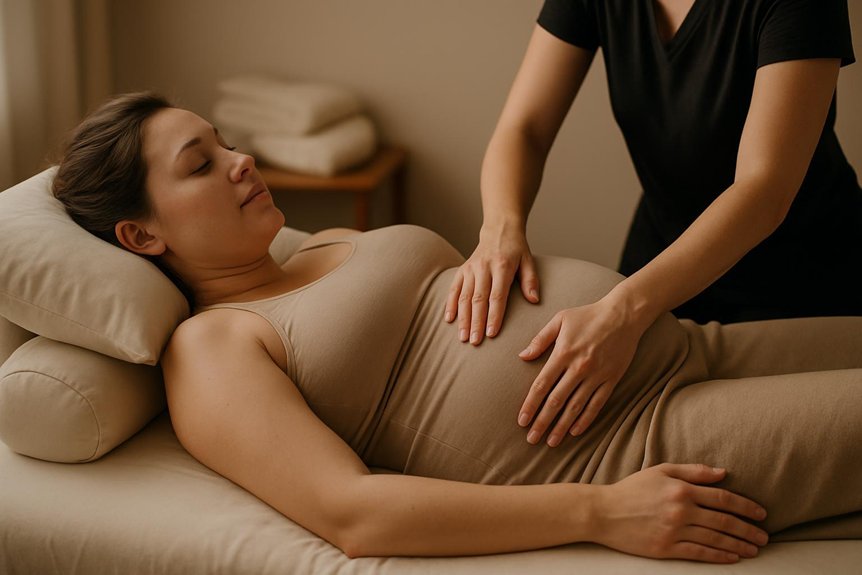
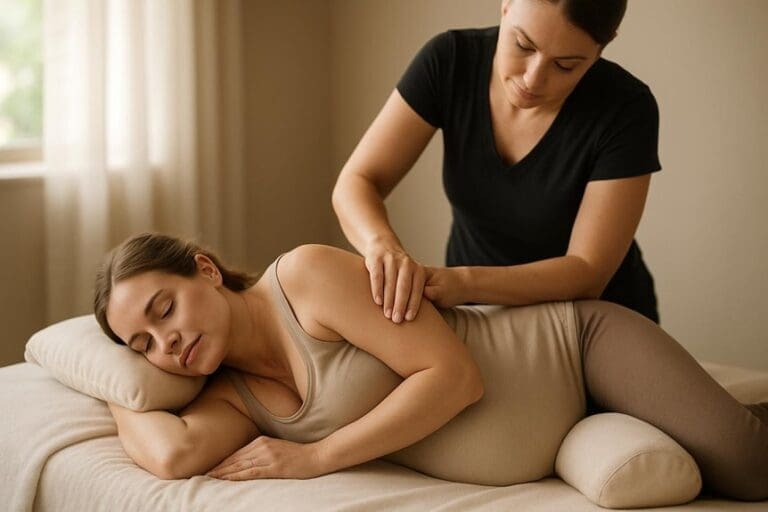
At Spa & Massage clinics across London, therapists use side-lying positioning, light-to-moderate pressure, and slow, upward strokes rather than deep, compressive techniques. Many clients find this calming, grounding, and pleasantly soothing, with a sense of “lighter” ankles after treatment.
As part of the broader benefits of pregnancy massage, this approach can also promote relaxation and wellbeing for expecting mothers. Fragrance-free or pregnancy-appropriate oils are typically used, and pressure is always adjusted to sensitivity. Aftercare usually includes hydration, brief walking, and leg elevation to maintain results longer.
When Swollen Ankles Need a GP or Midwife Check
Swollen ankles can be a normal part of pregnancy, but certain red flags—such as sudden or one-sided swelling, severe headache, visual changes, chest pain, shortness of breath, or calf pain—warrant a prompt GP or midwife check.
If these symptoms are present, seeking clinical assessment takes priority over self-care, as some causes require urgent treatment. At Spa & Massage, therapists work within clear pregnancy-safety limits and will pause or adapt massage and recommend medical review when swelling patterns or symptoms suggest it is not routine.
Red Flags To Watch
When should ankle puffiness in pregnancy prompt a clinical check rather than home care? Red flags include sudden or rapidly worsening swelling, swelling that is noticeably one-sided, or swelling with calf pain, warmth, redness, or tenderness—features that can signal a clot.
Swelling alongside headaches, visual changes, upper abdominal pain, nausea, or facial/hand swelling may indicate blood-pressure complications that need prompt assessment.
Breathlessness, chest pain, or a racing heartbeat should never be self-managed.
Fever, chills, or skin that looks infected also warrants review.
At Spa & Massage, therapists screen for these signs before any prenatal massage; if present, they pause treatment and advise contacting a midwife or GP for guidance.
When To Seek Care
How can a pregnant person tell the difference between normal end‑of‑day puffiness and swelling that needs medical review? Typical swelling improves overnight, is equal in both ankles, and follows heat, long sitting, or travel.
A GP or midwife check is sensible if swelling is sudden, worsening, one‑sided, painful, or accompanied by headache, visual changes, upper‑abdominal pain, breathlessness, chest pain, calf tenderness, fever, or reduced baby movements.
It is also worth seeking advice if the face or hands swell, rings feel tight, or blood pressure has been high.
In London, Spa & Massage encourages clients to prioritise this reassurance first; a brief call to the maternity unit can clarify urgency and keep both parent and baby safe.
Massage Safety Limits
In most pregnancies, ankle puffiness is harmless, but a clear safety boundary applies: massage should be postponed until a GP or midwife has assessed any swelling that is sudden or rapidly worsening, one‑sided, painful, or linked with red‑flag symptoms such as headache, visual disturbance, upper‑abdominal pain, breathlessness, chest pain, calf tenderness, fever, reduced baby movements, or swelling of the face and hands.
Spa & Massage therapists also delay treatment when there is suspected infection, new varicose‑vein pain, or a history of clotting disorders unless care teams approve.
If swelling is mild, symmetrical, and slowly developing, prenatal massage can be considered, using gentle pressure, side‑lying positioning, and careful avoidance of deep work into calves.
Clients are encouraged to share any medical updates and to stop immediately if discomfort, dizziness, nausea, or tightening occurs.
Why Do Ankles Swell During Pregnancy?
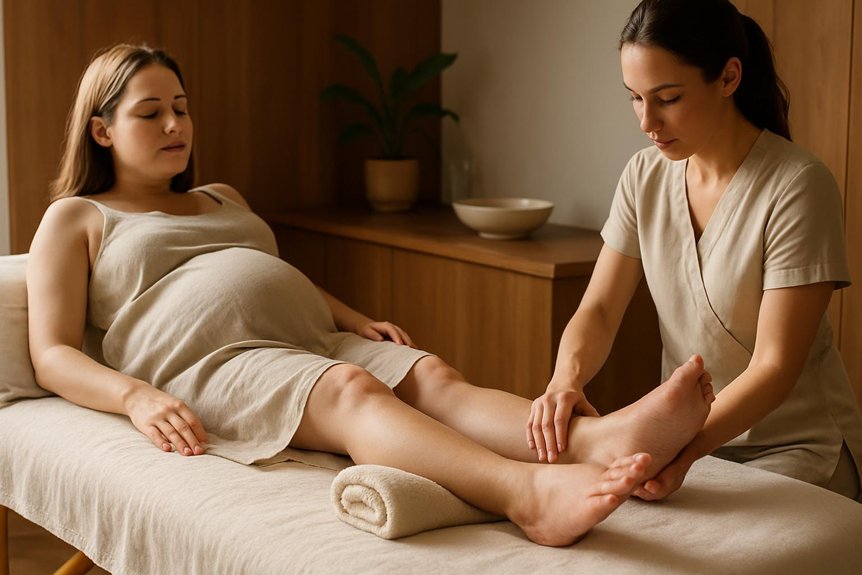
Although it can feel alarming, ankle swelling in pregnancy is usually a common, non-dangerous result of normal physiological changes. Blood volume rises and hormones relax blood vessel walls, so more fluid shifts into surrounding tissues.
As the uterus grows, it can compress pelvic veins and the vena cava, slowing the return of blood from the legs and allowing fluid to pool around ankles, especially late in the day. Warm weather, long periods of standing or sitting, and higher salt intake can worsen this. Swelling is often even, mild, and improves with rest.
However, sudden, one-sided swelling, severe pain, redness, headache, visual changes, or high blood pressure warrants urgent medical assessment. Spa & Massage therapists encourage clients to mention symptoms early.
How Prenatal Massage Helps Fluid Drain (Circulation + Lymph)
Prenatal massage can support fluid drainage by encouraging venous return and assisting the lymphatic system in moving excess fluid away from the ankles, which may ease the heavy, tight feeling many people notice late in pregnancy.
At Spa & Massage, therapists use gentle, pregnancy-safe strokes that reduce lower-leg stagnation without deep pressure, with positioning and comfort checks to prioritise safety. This approach is intended to support circulation and lymph flow while respecting common pregnancy precautions and individual medical guidance.
Boosting Venous Return
For many expectant clients, swollen ankles are closely linked to reduced venous return—when blood and lymphatic fluid struggle to travel back up from the lower legs against gravity.
Gentle, upward massage strokes can support this return by encouraging superficial circulation and reducing local pooling, which may ease the heavy, tight feeling around the ankles.
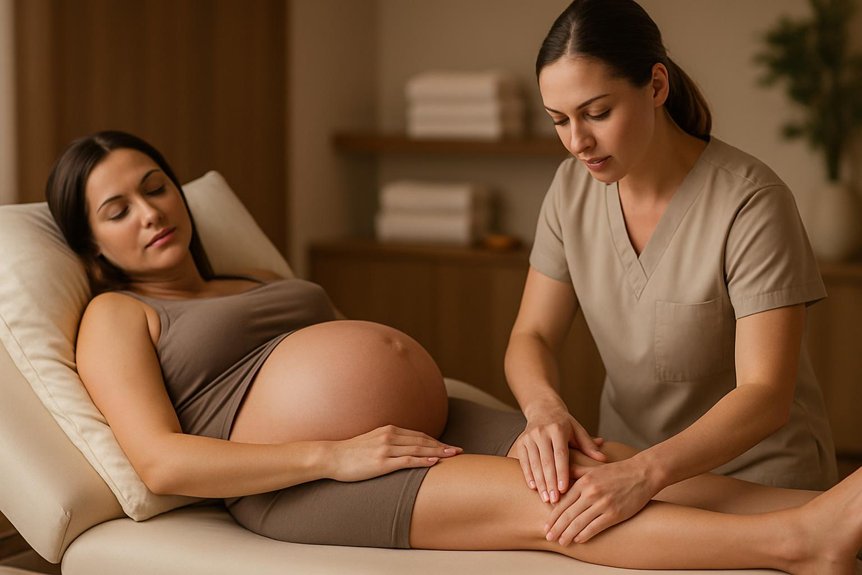
At Spa & Massage clinics across London, prenatal massage is performed side-lying, with pillows supporting bump, hips, and knees to keep pressure off major vessels.
Therapists use light-to-moderate pressure, avoiding deep work on calves and any painful, hot, or reddened areas.
Sessions are paced slowly, helping the nervous system settle, which can further assist vascular tone.
Clients are advised to seek urgent medical review for one-sided swelling, sudden onset, or breathlessness.
Supporting Lymphatic Flow
Encouraging gentle lymphatic drainage can be especially helpful when ankle swelling reflects fluid collecting in the tissues rather than just blood pooling. In prenatal massage, light, rhythmic strokes can support lymph movement toward central lymph nodes, complementing circulation and easing that heavy, tight feeling around the ankles. Evidence suggests manual lymphatic techniques may reduce oedema when applied appropriately, and they are typically performed with minimal pressure to respect sensitive tissues.
At Spa & Massage clinics across London, therapists adapt positioning, pace, and touch for comfort, keeping work soothing and never painful. Fragrance-free or pregnancy-safe oils are used when needed, and sessions avoid overheating. Clients are advised to seek medical review for sudden, one-sided, or severe swelling, headache, or visual changes, before booking any treatment.
Reducing Lower-Leg Stagnation
Alongside gentle lymphatic techniques, prenatal massage can also help address lower-leg stagnation by supporting both venous return and lymph flow from the feet and ankles back toward the body. When swelling is driven by fluid pooling, light, rhythmical strokes and proximal-to-distal then distal-to-proximal sequences may encourage drainage without stressing tissues.
At Spa & Massage clinics across London, therapists use side-lying positioning, soft bolstering, and pressure that remains comfortably light, avoiding deep work over veins and any painful heat or redness. Many clients find the slow pace soothing, helping the legs feel lighter and more connected to the rest of the body.
Massage is not a treatment for clot risk; sudden, one-sided swelling or calf pain needs urgent medical review.
What We Do at Spa & Massage for Swollen Ankles
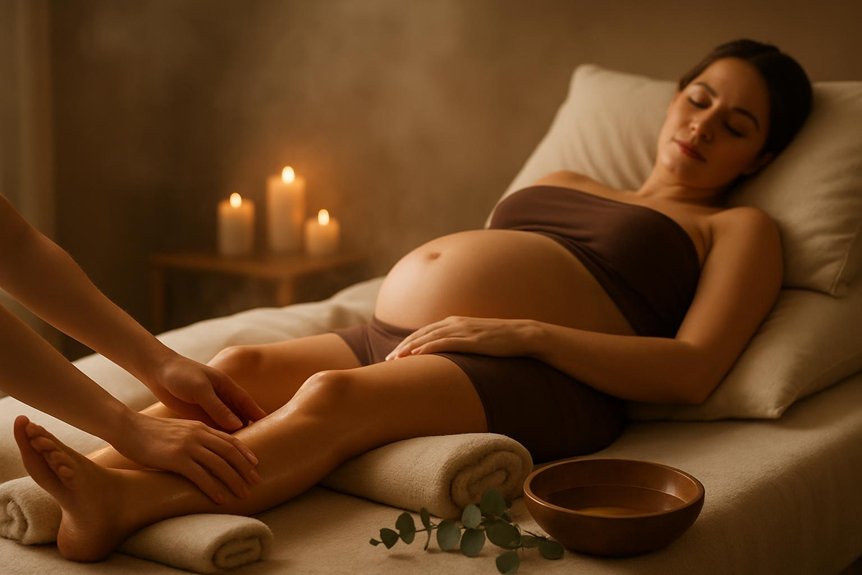
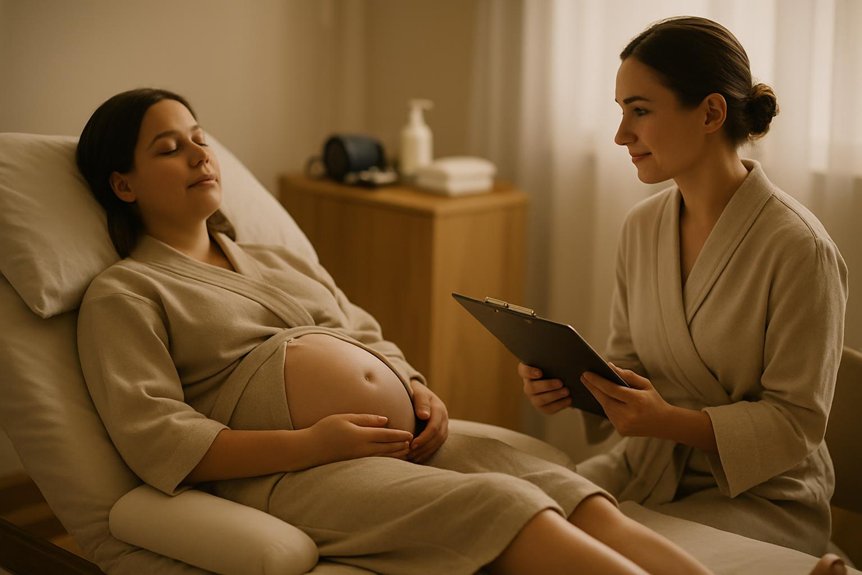
With pregnancy-related ankle swelling often driven by fluid retention and pressure on venous return, Spa & Massage therapists begin by carrying out a brief, safety-led consultation to understand gestational stage, medical history (including blood pressure concerns, pre-eclampsia symptoms, or DVT risk), and day-to-day triggers.
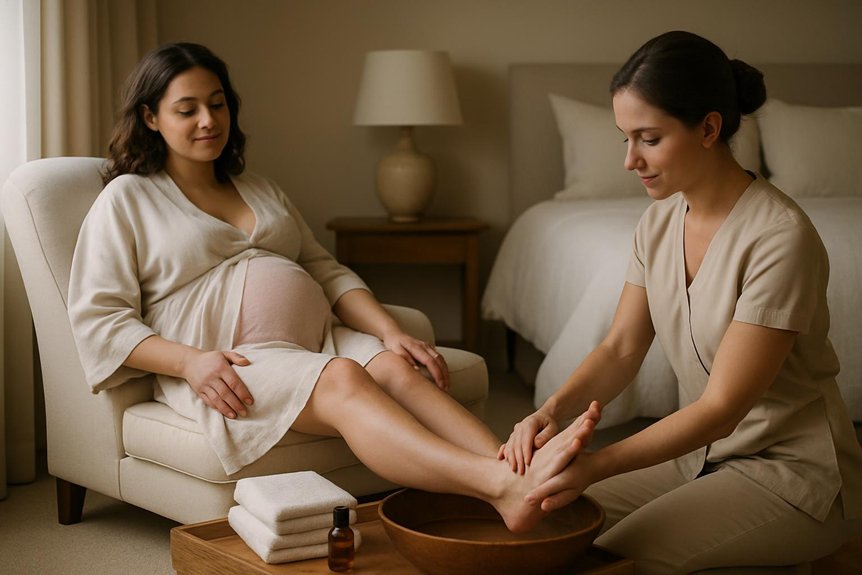
Treatment is then tailored with gentle, rhythmic strokes that encourage comfortable circulation from feet toward knees, avoiding deep pressure around the ankle bones.
Supportive side-lying positioning and bolstering help reduce strain and invite calm.
Many sessions combine light lymphatic-style drainage, soothing calf work, and relaxing foot massage to ease heaviness and tightness.
In Spa & Massage clinics, unscented or pregnancy-appropriate oils are used, and pressure is continually checked for comfort.
Aftercare typically includes hydration, brief movement breaks, and simple ankle pumps at home.
Is Prenatal Massage Safe With Swelling: and When Not?
In most uncomplicated pregnancies, prenatal massage is considered safe for managing mild-to-moderate ankle swelling when it is delivered by a trained therapist using gentle, circulation-supporting techniques and appropriate positioning. At Spa & Massage, therapists use side-lying support and light-to-moderate pressure to encourage comfort and calm, avoiding deep work over veins.
Massage is not appropriate when swelling is sudden, one-sided, painful, hot, or accompanied by redness, breathlessness, chest pain, headache, visual changes, or high blood pressure—signs that require urgent medical assessment. It should also be deferred with suspected deep vein thrombosis, pre-eclampsia, fever, infection, active bleeding, severe varicose veins, or when a midwife or consultant advises against it. When in doubt, Spa & Massage requests clinical clearance before booking.
How Often Should You Book Prenatal Massage for Swelling?
Often, the most effective frequency for prenatal massage to ease ankle swelling depends on how quickly fluid builds up, the stage of pregnancy, daily activity levels, and any medical guidance.
For many, booking every 2–4 weeks supports comfort and circulation without overloading sensitive tissues. When swelling is persistent or late pregnancy brings heavier legs, weekly sessions may feel more stabilising, provided a midwife or GP has no concerns.
At Spa & Massage clinics across London, therapists typically reassess each visit, adjusting pressure, side-lying positioning, and stroke direction to encourage gentle drainage.
If swelling appears suddenly, is one-sided, painful, or accompanied by headache or visual changes, massage should pause and medical advice should come first.
What to Do at Home Between Sessions to Reduce Swelling
Regular prenatal massage can support circulation and comfort, but day-to-day habits between appointments make a meaningful difference to ankle swelling.
At home, gentle elevation—ankles above heart level for 15–20 minutes—can help fluid return. Regular walking, ankle circles, and calf pumps encourage venous flow; long periods sitting or standing should be broken up. Hydration and balanced meals support fluid regulation, while reducing very salty, highly processed foods may limit water retention.
Side-lying rest, especially on the left, can ease pressure on major vessels. Many clients also find cool compresses soothing.
In Spa & Massage clinics, therapists recommend avoiding deep self-massage over the inner leg and consulting a midwife urgently if swelling is sudden, one-sided, painful, or paired with headaches or vision changes.
Conclusion
Prenatal massage may ease mild, pregnancy-related ankle swelling by supporting comfort, circulation and lymphatic flow, but it is not a cure and results vary. Importantly, up to 80% of pregnant people experience some ankle or foot swelling, especially later in pregnancy. Safety remains central: sudden, one-sided, painful or rapidly worsening swelling needs prompt assessment by a GP or midwife, and massage should be delivered by a trained prenatal therapist with appropriate positioning and pressure.