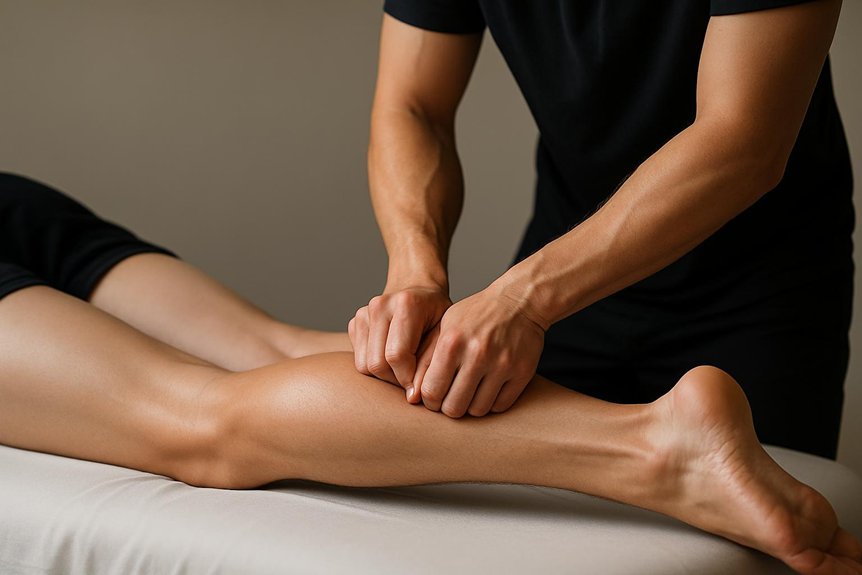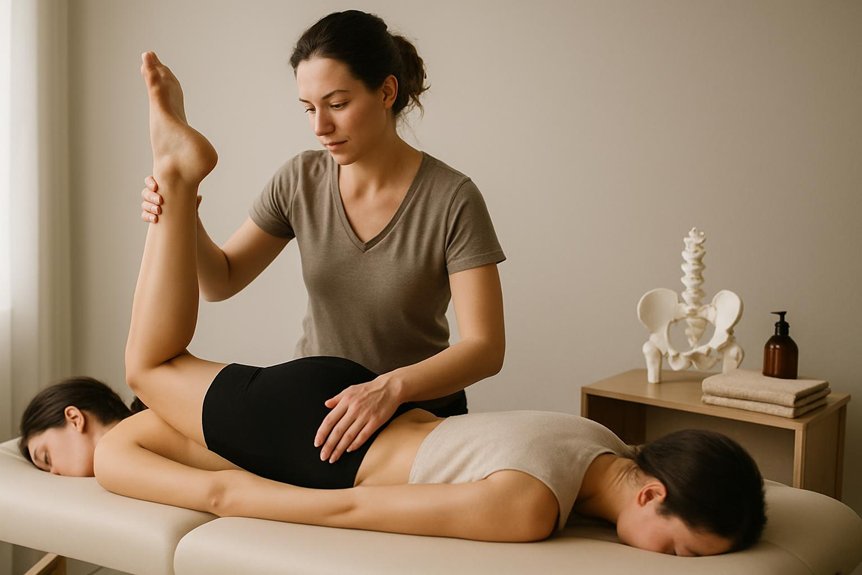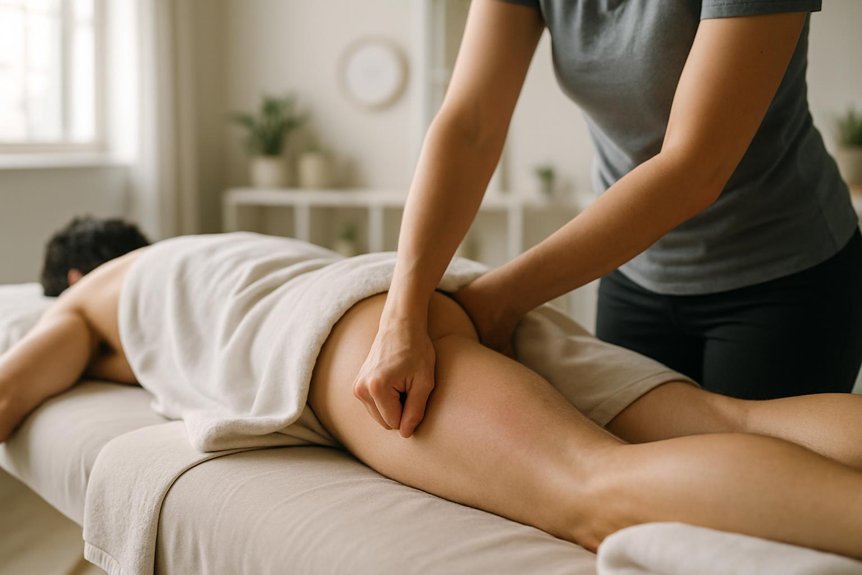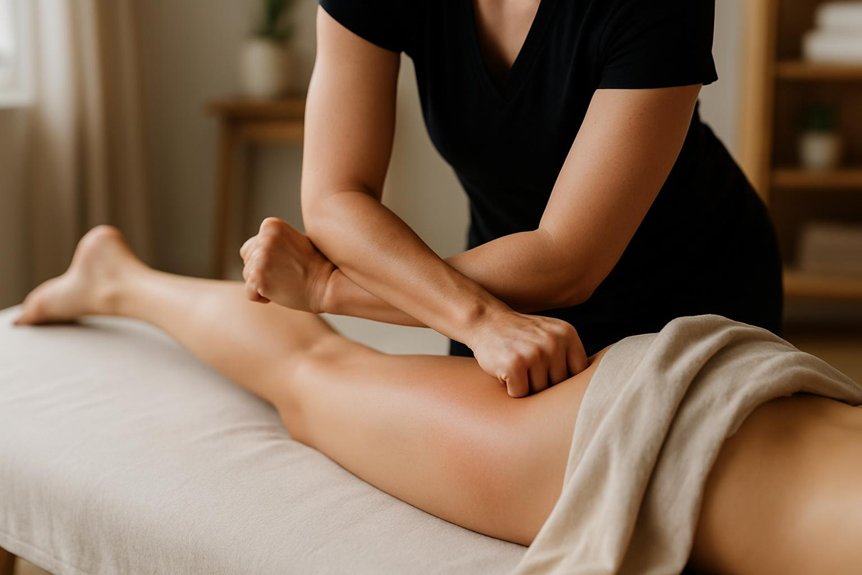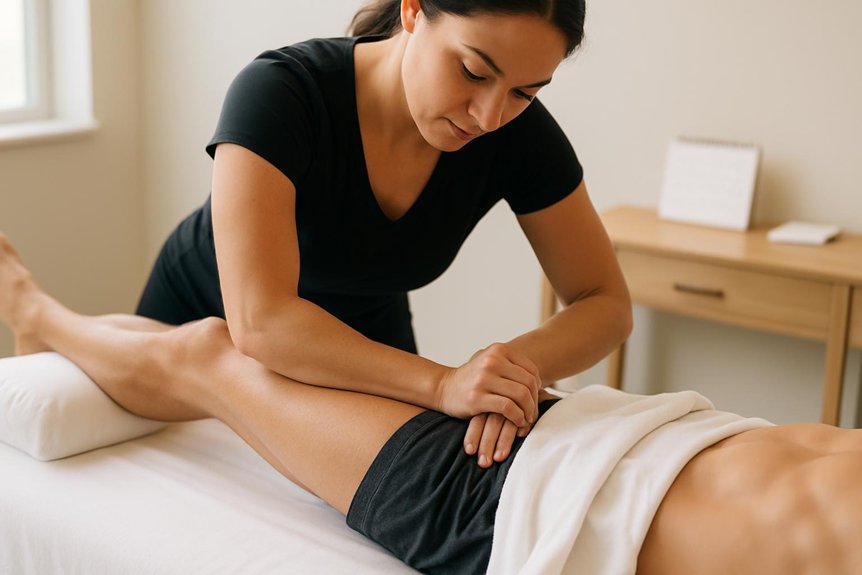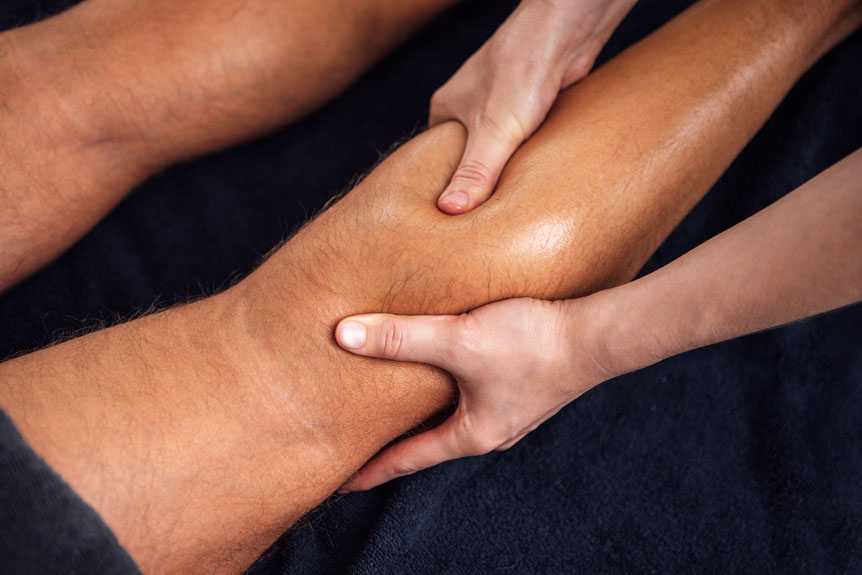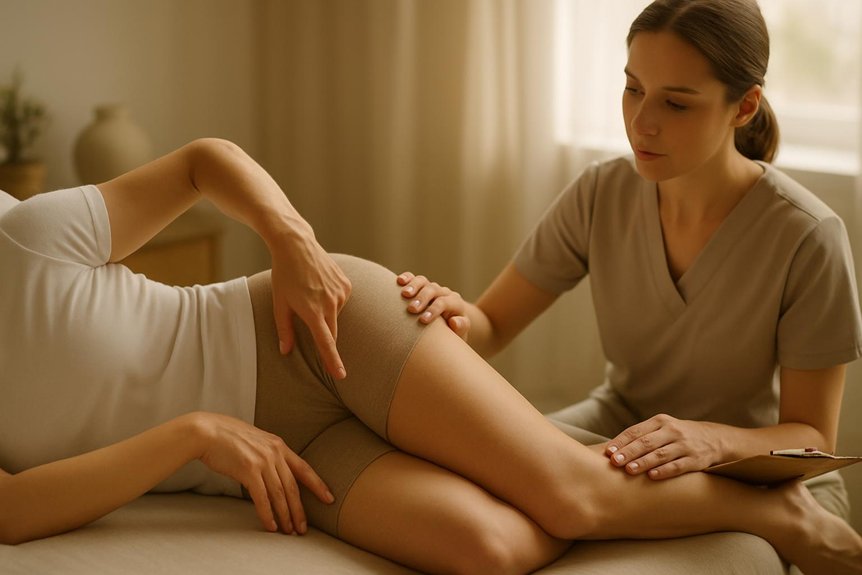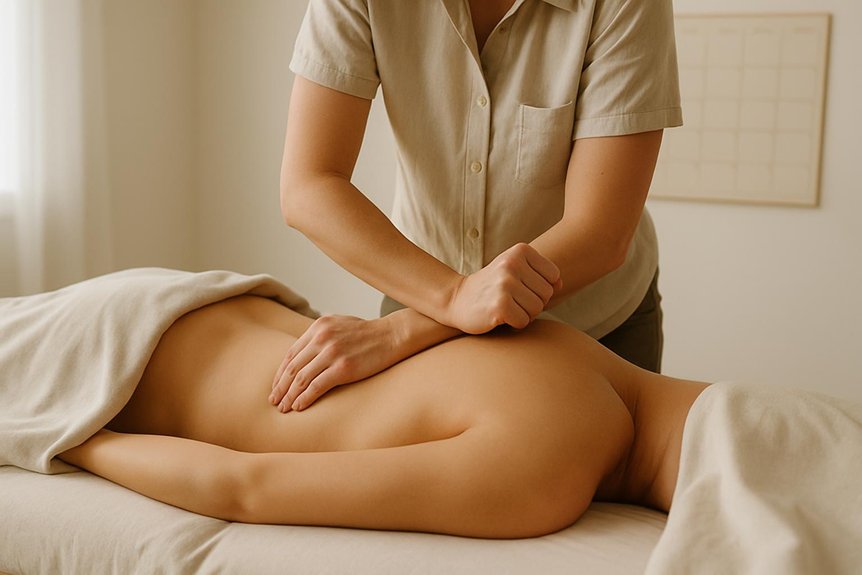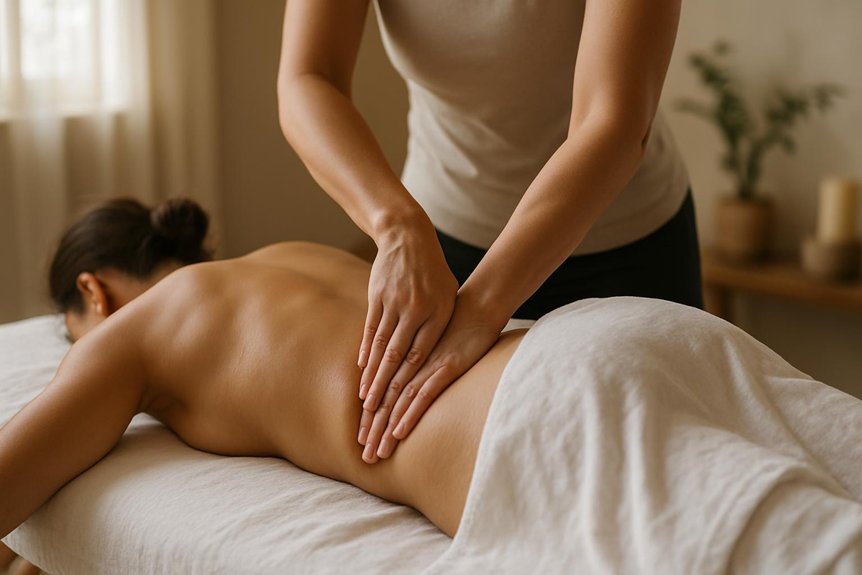
Intensive tissue massage can benefit office workers by easing persistent muscle tightness linked to prolonged sitting and repetitive computer use, especially when stretching alone is not enough. It targets deeper layers, myofascial restrictions, and trigger points to improve circulation, mobility, and range of motion in common problem areas like the neck, shoulders, forearms, hips, and low back. Pressure should feel strong but safe, not sharp or nerve-like. Further details clarify suitability, frequency, and aftercare.
Is Intensive Tissue Massage Right for Office Workers?
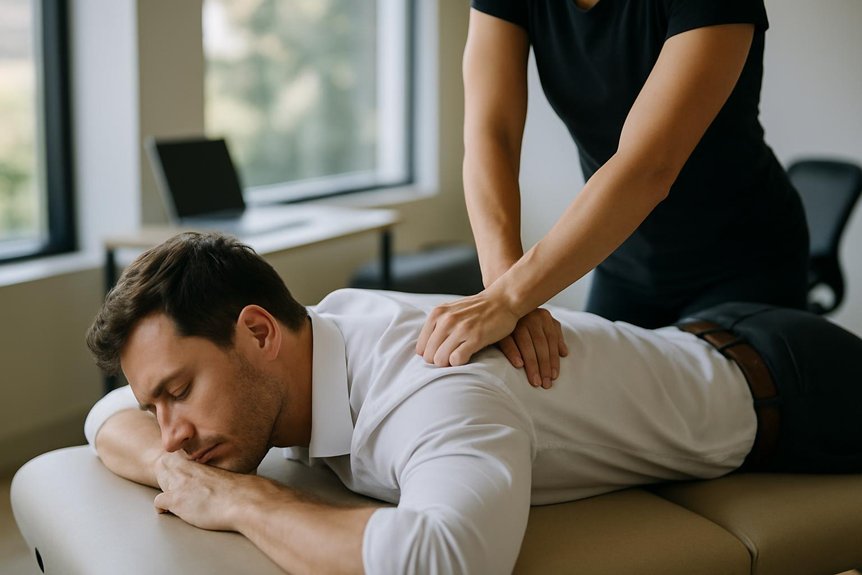
For many desk-based professionals, deep tissue massage can be an appropriate option when persistent muscle tightness from prolonged sitting and repetitive computer use begins to affect comfort and mobility. It is often suited to those noticing neck and shoulder tension, forearm overload, low-back stiffness, or restricted hip movement that does not settle with stretching alone.
At Spa & Massage clinics across London, therapists assess posture, pain patterns, and day-to-day demands, then apply slow, targeted pressure to address deeper layers while respecting comfort and boundaries. This approach uses slow, targeted pressure to work into deeper muscle layers and release long-held tension. Many clients report improved range of motion, easier breathing through the upper chest, and better tolerance of long workdays. Results are typically best when sessions are paired with simple desk micro-breaks, hydration, and tailored aftercare advice. Regular scheduling supports sustained relief and resilience.
When Is It Too Intense for You?
It should feel like strong, targeted pressure, not sharp pain, numbness, or lingering soreness that persists beyond 24–48 hours.
At Spa & Massage clinics across London, therapists monitor feedback and tissue response, as excessive guarding, bruising, headache, or symptom flare-ups are practical signs the work is too intense. In these cases, a gentler approach—such as lighter pressure, slower pacing, or switching to aromatherapy or sports massage techniques—may be the safer, more effective choice.
Signs It’s Too Intense
When does deep tissue work cross the line from therapeutic to counterproductive? It is too intense when discomfort stops feeling “productive” and becomes sharp, burning, or causes breath-holding, guarding, or a sense of panic. Evidence-informed practice suggests pain should stay within a tolerable range and ease as tissue adapts, not escalate.
Other warning signs include numbness, tingling, radiating pain, sudden weakness, or headaches during or after treatment. Excessive bruising, worsening inflammation, or soreness that peaks beyond 48 hours can indicate overload rather than recovery.
At Spa & Massage clinics across London, therapists check in frequently, watch for flinching and muscle splinting, and adjust pressure, pace, and angle so clients feel safe, closely supported, and able to soften into touch.
When To Choose Gentler Work
Even with careful pressure management, some clients are better served by gentler bodywork rather than pushing through intensity. Deep tissue may be too intense when pain feels sharp, burning, or nerve-like, when muscles guard or spasm, or when soreness lasts beyond 48 hours—signs the nervous system is not settling. Gentler work is also preferred during high stress, poor sleep, migraines, acute inflammation, recent injury, or when office-related tension is widespread rather than localised.
In Spa & Massage clinics across London, therapists often switch to Swedish-style strokes, myofascial release, aromatherapy massage, or focused trigger-point work at lower pressure, prioritising slow breathing and steady contact. The aim is comfort with therapeutic change, leaving the body calm, warm, and receptive.
Which Desk-Job Aches Can It Help?
For many office workers, the most persistent complaints are neck and shoulder tension from prolonged screen posture and lower back and hip tightness from extended sitting.
It is commonly used to address these patterns by targeting shortened, overworked soft tissues and supporting improved comfort and mobility.
At Spa & Massage clinics across London, therapists assess these areas and tailor pressure and techniques to the client’s symptoms and tolerance.
Neck And Shoulder Tension
In office-based roles, sustained screen use and forward-head posture commonly overload the upper trapezius, levator scapulae, and cervical stabilisers, leading to persistent neck and shoulder tension.
It can help by easing myofascial restriction, improving local circulation, and reducing protective muscle guarding that often drives headaches, jaw tightness, and a “heavy shoulders” feeling. Evidence supports massage for short-term pain relief and improved range of motion when paired with simple movement habits.
At Spa & Massage clinics across London, therapists assess tenderness, trigger points, and breathing mechanics, then apply slow, specific pressure along the neck, shoulders, and upper back, adapting depth to comfort.
Clients are encouraged to hydrate, take gentle stretches, and book regular sessions when workload peaks.
Lower Back And Hip Tightness
After hours of sitting, the lumbar spine and hips commonly stiffen as hip flexors shorten and gluteal and deep core support underperform, increasing load through the lower back and sacroiliac region.
It can help by reducing myofascial restriction in iliopsoas, quadratus lumborum, gluteals, piriformis, and TFL, which are frequently implicated in desk-related discomfort.
At Spa & Massage clinics across London, therapists assess posture, breathing, and movement, then apply slow, targeted pressure and sustained holds to ease protective guarding and improve hip rotation and extension.
Many clients notice easier standing, smoother walking, and less end-of-day ache.
Aftercare typically includes gentle hip-flexor stretching, glute activation, hydration, and short hourly standing breaks to sustain relief.
Can It Relieve Neck and Shoulder Tension?
Release neck and shoulder tension by targeting the deeper muscle layers that commonly become overworked during desk-based routines. It can ease the “armour” that builds in the upper trapezius, levator scapulae, and suboccipital muscles when the head and shoulders hover forward at a screen.
At Spa & Massage clinics across London, therapists use slow, sustained pressure, myofascial release, and focused trigger-point work to reduce tenderness and restore comfortable movement, while keeping pressure within the client’s consent and breath. Many clients report lighter shoulders, easier neck rotation, and a calmer nervous system after treatment.
For lasting relief, therapists often recommend warmth, hydration, and gentle shoulder rolls between meetings, plus booking regular sessions during peak workload weeks.
Can It Improve Posture and Headaches?
How often do desk-based habits quietly reshape posture and trigger headaches? It may help by easing overworked muscles that pull the head forward and round the shoulders, patterns linked with tension-type headaches. Evidence suggests massage can reduce pain and improve pressure pain thresholds, and some studies report fewer headache days when muscle tenderness is addressed.
At Spa & Massage clinics across London, therapists assess posture, then work through the upper back, chest, neck, and scalp attachments with slow, specific pressure to soften trigger points and restore comfortable movement. Clients often describe a steadier head position, freer breathing, and fewer “band-like” headaches.
For lasting change, therapists also recommend micro-breaks, screen-height adjustments, and gentle stretches between appointments.
Can It Help Low Back Pain and Sciatica?
For many office workers, persistent low back pain—or leg symptoms often labelled “sciatica”—can stem from a mix of prolonged sitting, reduced hip mobility, and overload in the lumbar and gluteal tissues.
Evidence suggests intensive tissue massage may ease pain by reducing muscle guarding, improving local circulation, and calming sensitised nerves via the parasympathetic response.
At Spa & Massage, therapists often focus on the gluteals, piriformis, hip rotators, and lower back, adapting pressure so it feels “strong but safe” rather than sharp.
Many clients report easier standing, less pulling into the leg, and better sleep after sessions, especially when paired with gentle hip stretches and regular movement breaks.
Persistent numbness, weakness, or bowel/bladder changes warrant urgent medical assessment.
Deep Tissue or Sports Massage for Desk Pain: What’s Best?
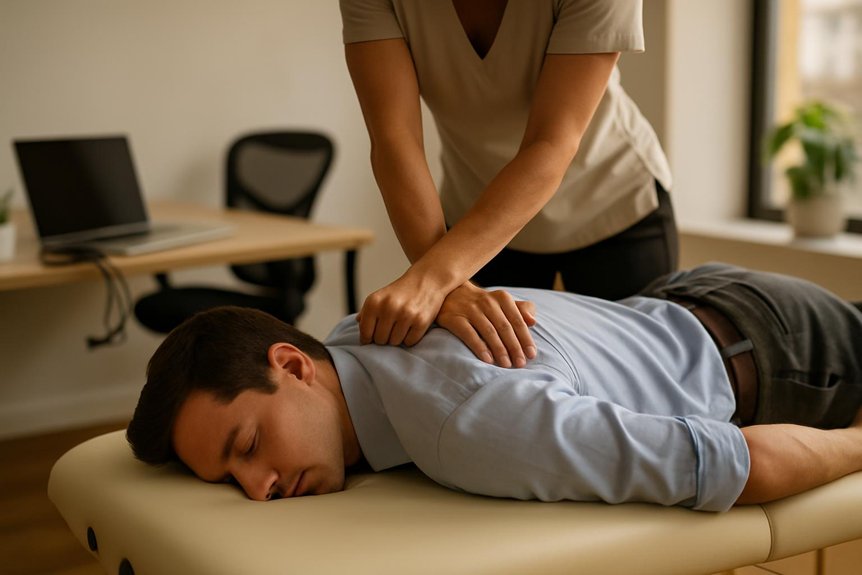
Low back and leg symptoms linked to prolonged sitting often sit alongside a broader pattern of “desk pain” affecting the neck, shoulders, mid-back, and hips, which raises a practical question: should an office worker choose deep tissue or sports massage?
Evidence suggests both can reduce muscle tension and improve comfort, but the best fit depends on goals and sensitivity.
It is typically chosen when persistent tightness and “knotted” areas in the upper traps, glutes, or hip flexors need slow, targeted pressure.
Sports massage may suit clients who feel restricted and want a more dynamic blend of deep work, stretching, and mobility-focused techniques.
At Spa & Massage clinics across London, therapists assess posture, breathing, and tenderness, then tailor pressure so treatment feels safely intense, never overwhelming.
How Often Should Office Workers Book Deep Tissue Massage?
Often, the most effective intensive tissue massage schedule for office workers depends on symptom intensity, workload, stress levels, and how quickly tight areas return after treatment.
For persistent neck, shoulder, or low-back tightness, many benefit from weekly sessions for 3–6 weeks to settle irritability and restore comfortable movement.
For moderate, recurring desk tension, a fortnightly rhythm often maintains progress without overloading sensitive tissues.
For prevention and ongoing wellbeing, a monthly treatment can support posture habits and stress management.
Spa & Massage therapists typically reassess at each visit, adjusting frequency based on tenderness, range of motion, and how long relief lasts between sessions.
When deadlines and screen time spike, booking one additional session that month can help keep the body feeling safe, grounded, and at ease.
What to Expect and Aftercare for Desk Workers
In a typical massage session designed for desk workers, the therapist begins with a brief consultation to pinpoint symptoms (such as neck and shoulder tightness, headaches, or low-back stiffness), assess posture habits, and agree on comfortable pressure.
At Spa & Massage clinics across London, slow, targeted strokes and sustained pressure are then used to address common hotspots in the upper trapezius, pecs, hip flexors, and forearms, while keeping breathing calm and communication close. It may feel intense, but should not feel sharp or alarming.
Aftercare matters: clients are advised to drink water, take a gentle walk, and avoid heavy lifting for 24 hours. Mild soreness can occur; warm showers, light stretching, and mindful posture breaks usually settle it quickly.
Conclusion
For many office workers, it can be a practical option for persistent neck, shoulder, and lower back tightness when delivered within comfort and medical guidance. One London clinic audit found most desk-based clients reported meaningful symptom relief after a short course, especially when paired with stretching and workstation changes. Like loosening a long-overwound watch spring, targeted pressure can reduce strain and restore smoother movement—yet too much force can flare sensitivity. Individual assessment and aftercare remain essential.