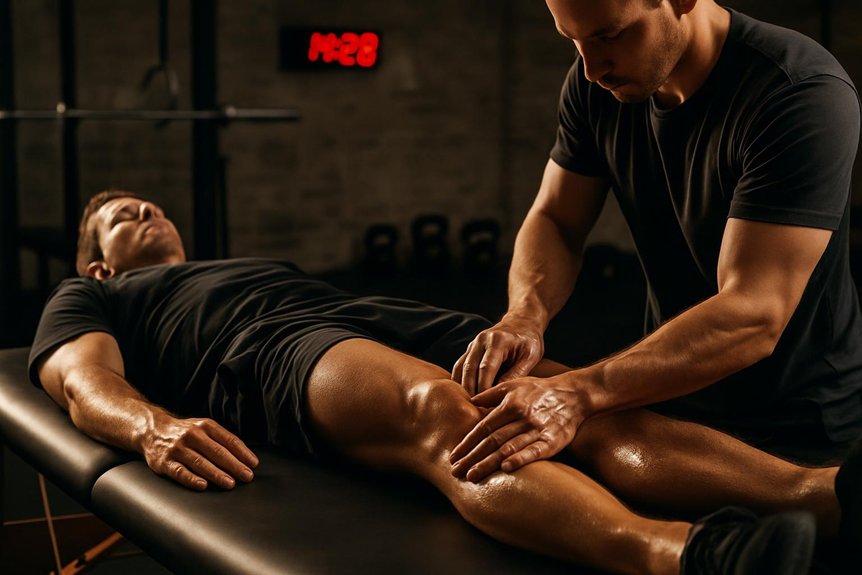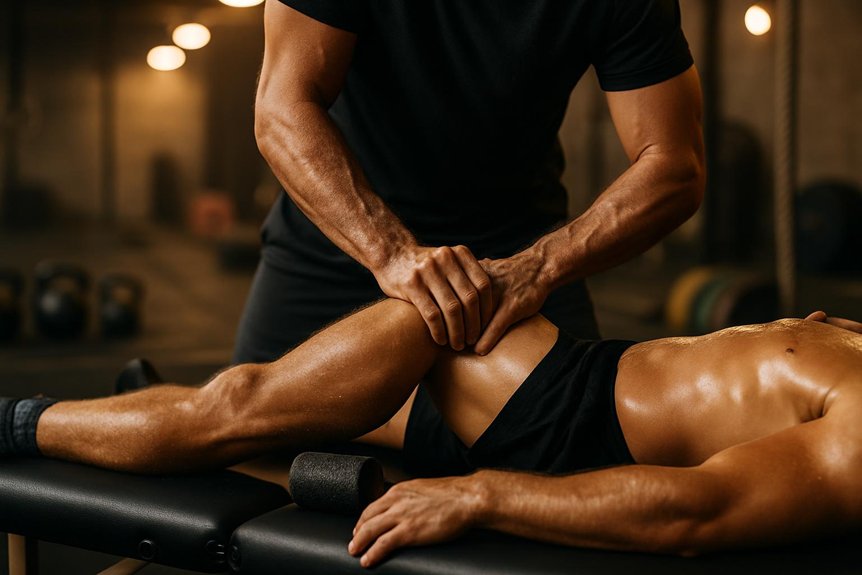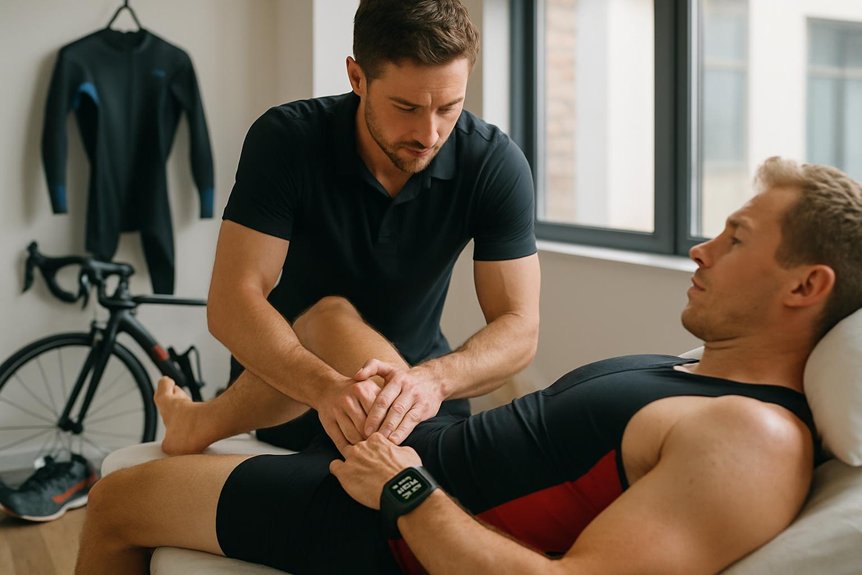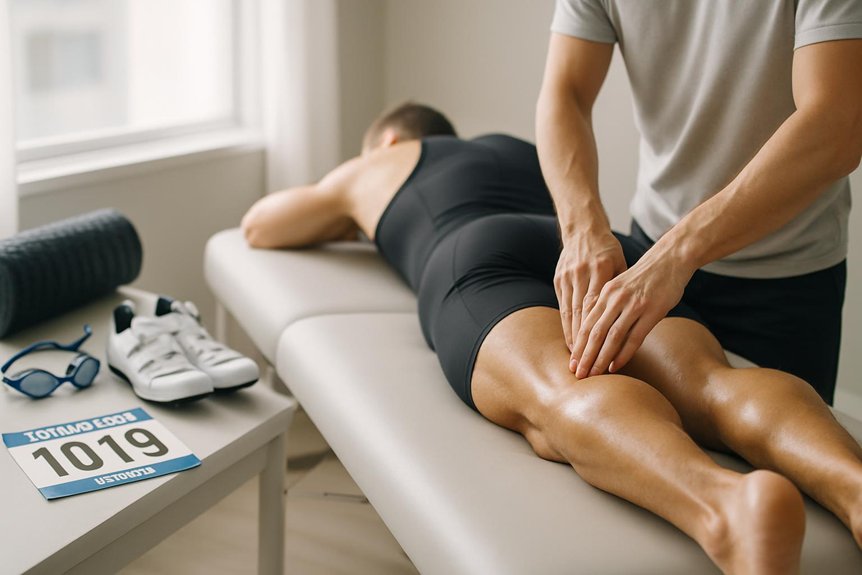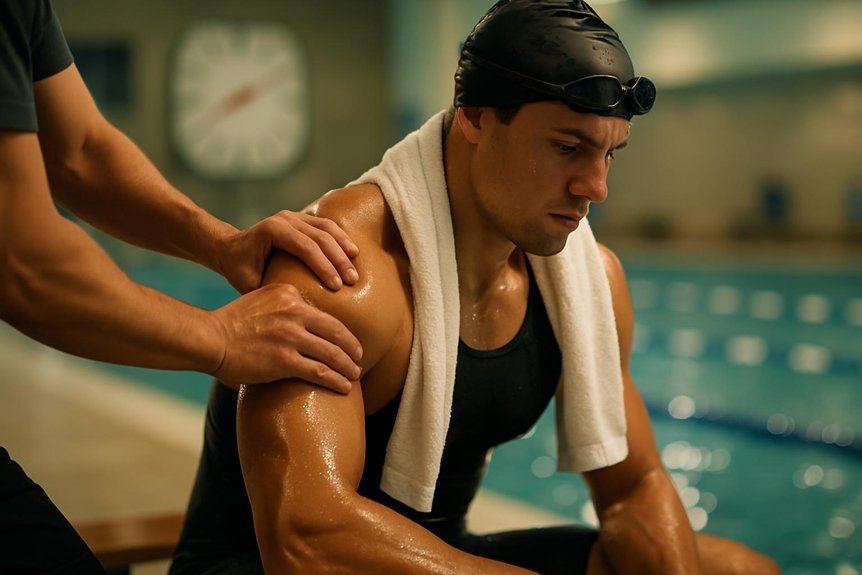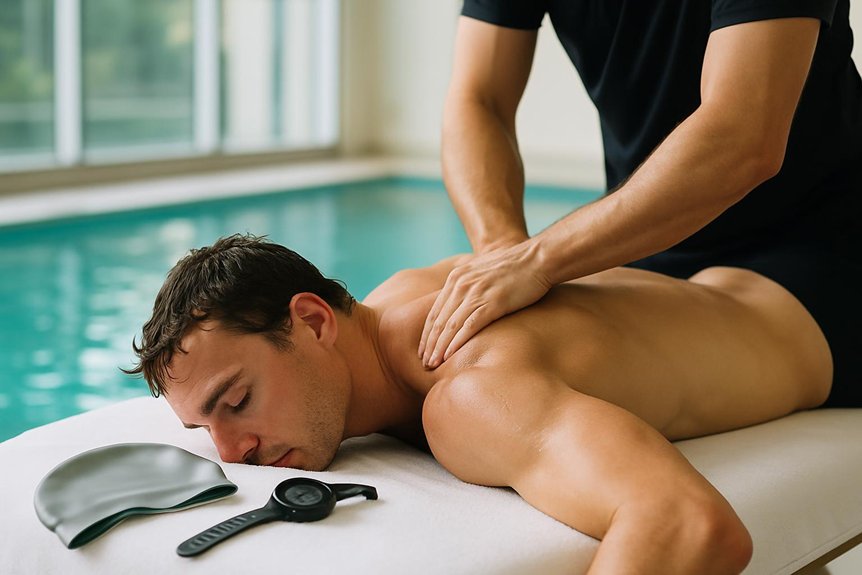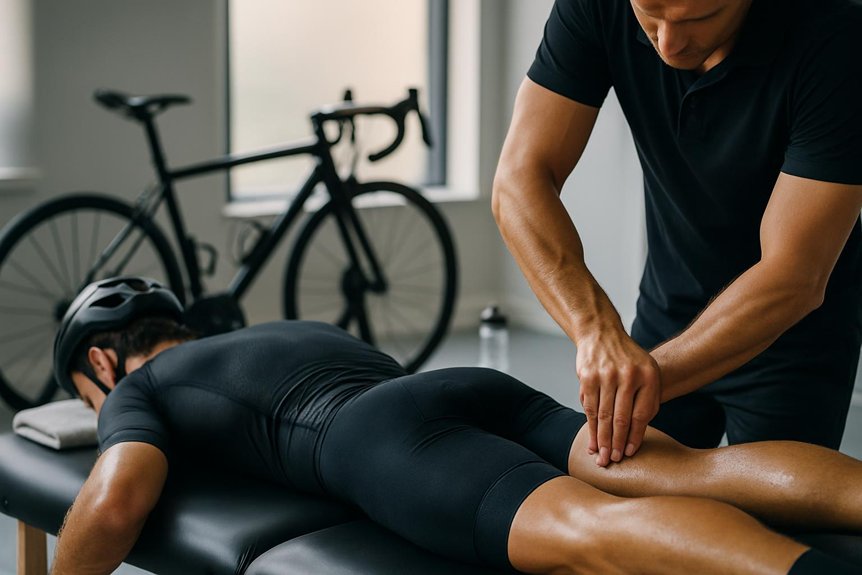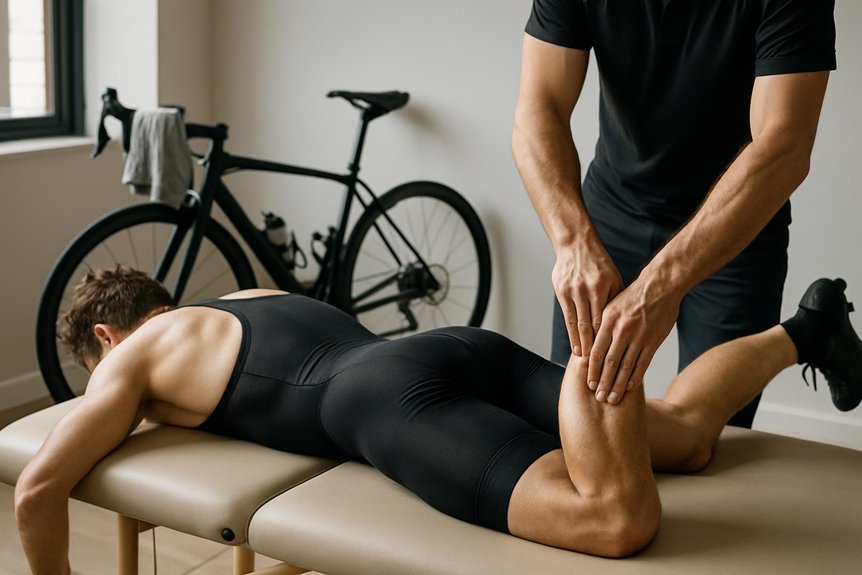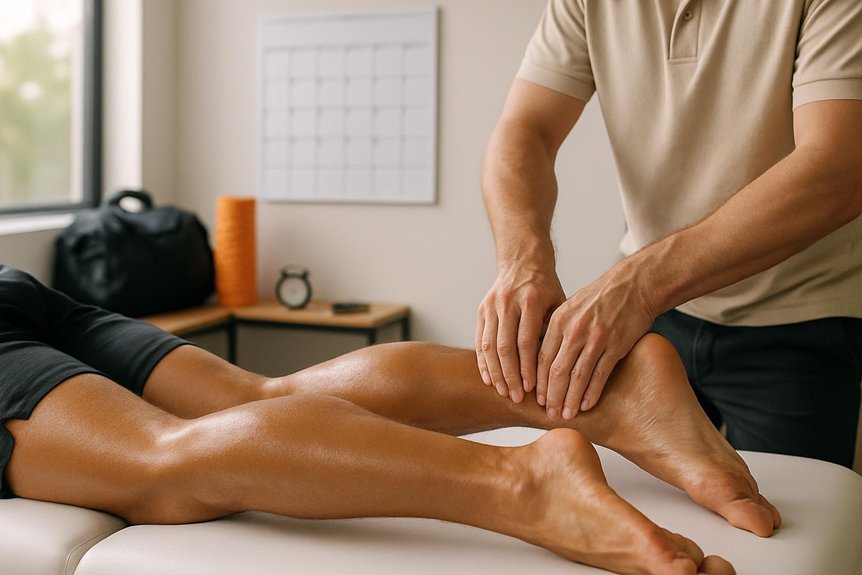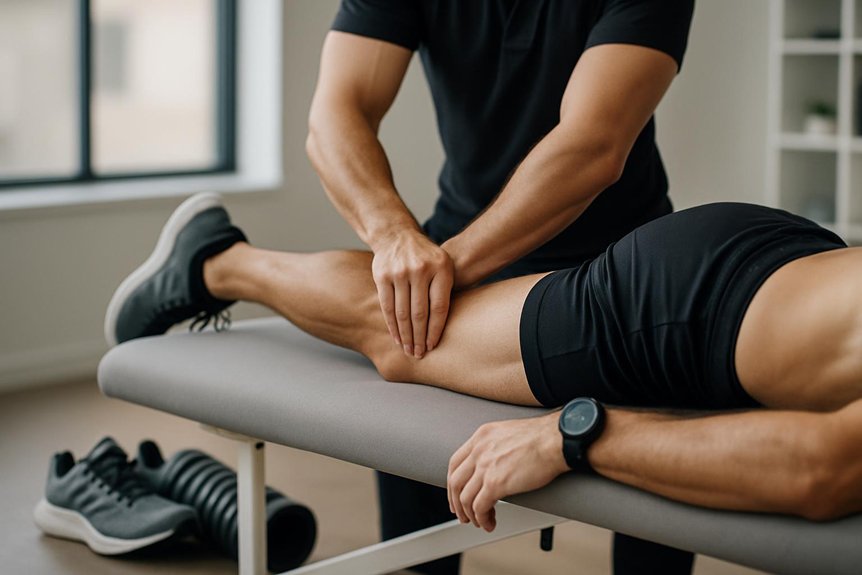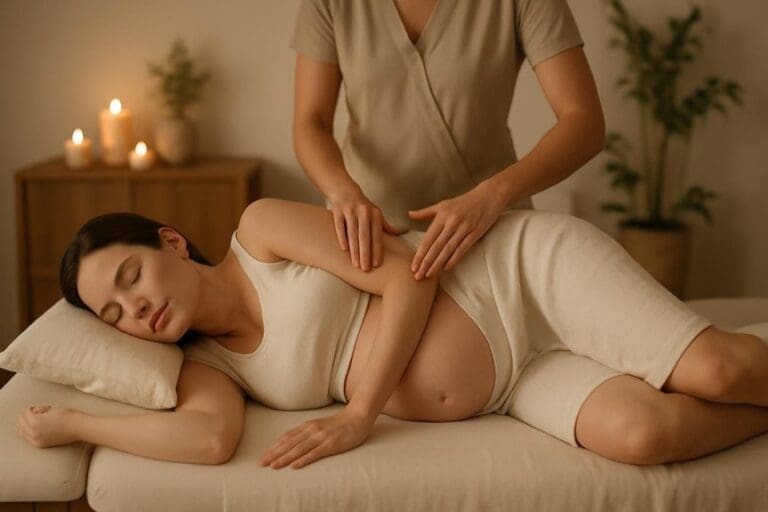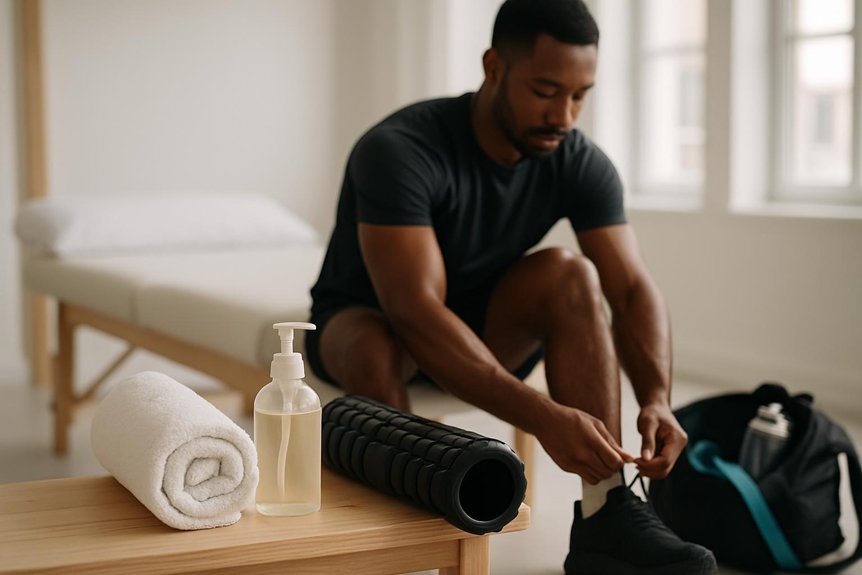
Preparation starts by choosing a goal: recovery, pain management, or performance support, so pressure and pacing match the outcome. The athlete should share sport, recent training load, upcoming key sessions, symptom onset, aggravating movements, and relevant medical history. A light familiar meal 2–3 hours prior and steady hydration help comfort; alcohol and heavy foods are best avoided. Loose clothing supports ease, with clear draping and consent on the table. Further practical timing and aftercare guidance follows.
Choose Your Athletic Massage Goal (Recovery, Pain, Performance)
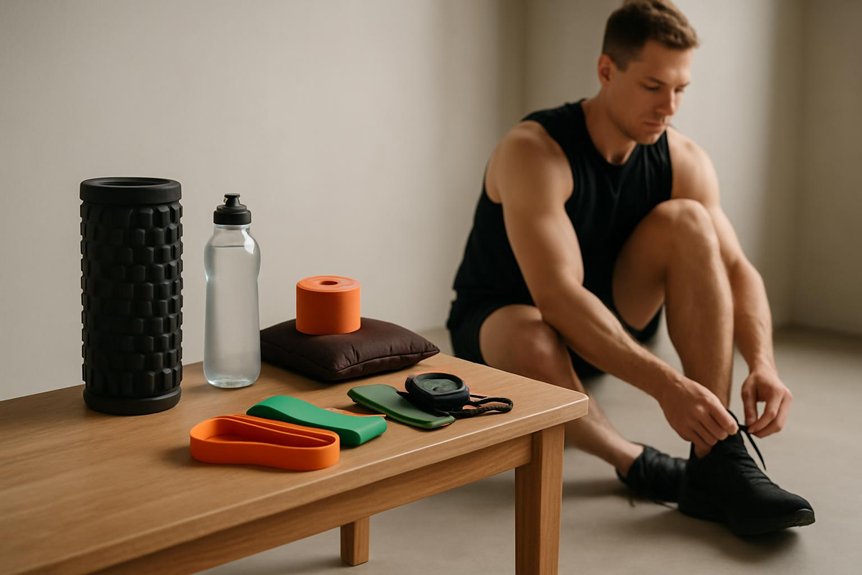
Most athletes get the best results from athletic massage when the goal is defined upfront—recovery, pain management, or performance support—because each objective calls for a different clinical focus.
For recovery, the emphasis is on flushing fatigue, easing post‑training tightness, and restoring comfortable range of motion without overloading sensitive tissue. For pain management, the focus shifts to calming irritability, reducing guarding, and improving tolerance to touch through measured pressure and pacing.
For performance support, treatment is more targeted and specific, addressing key muscle groups, movement restrictions, and neuromuscular readiness while keeping the body feeling supple and confident. Across Spa & Massage London clinics, therapists tailor depth, tempo, and time on each area so athletes leave grounded, safe, and physically connected to their goals. For athletes, sports massage benefits can include improved recovery, pain control, and performance readiness when the approach matches the goal.
Tell Your Athletic Massage Therapist What Matters
With a clear recovery, pain, or performance goal in mind, the next step is to share the details that shape a safe and effective session. An athletic massage therapist should be told the sport, recent training load, and any upcoming key sessions, plus specific areas that feel tight, weak, or “grippy.”
Clear descriptions help: when symptoms started, what movements aggravate them, and whether pain is sharp, dull, or radiating. Past injuries, surgeries, joint hypermobility, and current medical conditions matter, as do medications, bruising tendency, and skin sensitivities.
Preferences around pressure, draping, and modesty should be stated so the work feels both effective and comfortable. At Spa & Massage clinics, therapists also welcome boundaries and feedback throughout the session.
When to Book an Athletic Massage (Training vs Event Day)
For best results, athletic massage is typically most effective when scheduled strategically within a training block to support recovery, manage tissue load, and maintain range of motion as volume and intensity change.
Closer to competition, athletes generally benefit from a lighter, circulation-focused session, with the pre-event massage window planned to minimise post-treatment soreness while preserving neuromuscular readiness.
At Spa & Massage clinics across London, therapists help align booking timing with the athlete’s training plan and event schedule to optimise performance and comfort.
Training Block Timing
During a training block, athletic massage is typically most effective when scheduled to support recovery and tissue quality between key sessions rather than saved for event day.
Athletes often benefit most 24–72 hours after a hard workout, when delayed soreness and stiffness peak, and 24–48 hours before the next demanding session, to restore comfortable range without blunting training intent.
In progressive blocks, booking every 1–3 weeks can help manage cumulative load, with frequency adjusted for mileage, lifting volume, sleep, and stress.
At Spa & Massage clinics across London, therapists tailor pressure and tempo—deeper work when adequate recovery time remains, and gentler, circulation-focused strokes when training is dense.
Clear communication about microcycle goals keeps the work supportive, close, and performance-led.
Pre-Event Massage Window
Event week planning shifts the focus from tissue change to readiness, so the pre-event massage window should prioritise maintaining comfortable range of motion and a settled nervous system rather than chasing post-training tightness.
For most athletes, Spa & Massage recommends booking 3–5 days before competition, when light-to-moderate work can reduce perceived soreness without provoking next-day tenderness.
Within 24–48 hours, techniques should be calming and specific: brief compressions, gentle flushing, and targeted mobility work, avoiding deep stripping or aggressive trigger point pressure.
Same-day massage, if chosen, is best kept short (10–20 minutes), warm, and reassuring—aimed at circulation, breath, and body awareness rather than “fixing” anything.
This timing supports confidence, comfort, and responsive movement on the start line.
What to Eat and Drink Before Your Athletic Massage
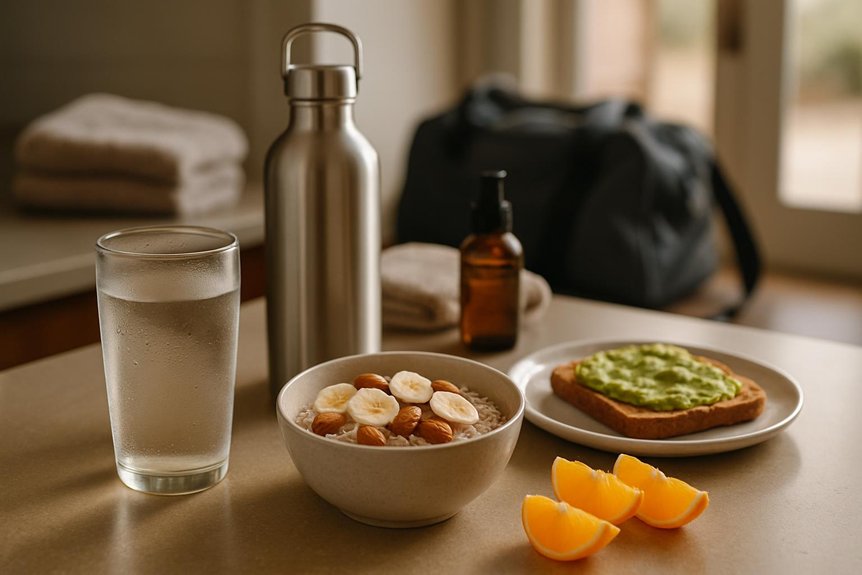
Ahead of an athletic massage, smart nutrition and hydration choices can improve comfort on the table and support the body’s response to deep, targeted work.
Spa & Massage advises athletes to eat a light, familiar meal 2–3 hours beforehand—lean protein, complex carbohydrate, and a little healthy fat—to steady blood sugar and reduce nausea.
If time is short, a small snack 30–60 minutes prior, such as yoghurt, a banana, or toast, is usually sufficient.
Hydration should be steady rather than rushed: sip water through the day and take a few mouthfuls in the hour before.
Alcohol is best avoided, and high-caffeine or fizzy drinks may increase dehydration or bloating.
In Spa & Massage clinics, therapists often recommend limiting very spicy, greasy, or high-fibre foods beforehand.
What to Wear (and What Happens on the Table)
What should a client wear to an athletic massage, and what can they expect once they lie on the table? At Spa & Massage, clients are advised to arrive in loose, breathable clothing and bring gym kit if coming from training.
On the table, most undress to comfort level; underwear may be kept on, and secure draping preserves warmth and modesty while allowing precise access.
The therapist begins with a brief check-in, then uses evidence-based sports techniques—firm, targeted pressure, slow strokes, and specific friction—to address restricted tissue and tired muscle groups.
Only the area being treated is uncovered, with clear consent before changing regions. Many clients choose unscented oil for smooth glide and minimal skin traction.
Communication about pressure, sensitivity, and boundaries is encouraged throughout.
Can You Train After an Athletic Massage? Plan the Next 48 Hours
Once the client is comfortable on the table and the targeted work is complete, the next decision is how to train around the treatment. Training is often possible, but intensity should match the goal: recovery, performance, or addressing a stubborn tight area.
In the first 0–12 hours, Spa & Massage therapists typically advise a gentle session or full rest, especially after deep tissue or heavy trigger-point work. From 12–24 hours, a low-load aerobic session, technique drills, or mobility-focused strength can maintain rhythm without re-irritating tissue.
Between 24–48 hours, most athletes can return to progressive loading, keeping volume moderate and monitoring tenderness, coordination, and range. If sharp pain, bruised sensation, or reduced power appears, training should be scaled back and reassessed with the therapist.
Athletic Massage Aftercare: Soreness, Hydration, and Mobility Tips
After the session, the next 24–48 hours largely determine whether an athletic massage supports recovery and performance or leaves tissue feeling unnecessarily reactive.
Mild tenderness is common; sharp pain, swelling, or nerve-like symptoms warrant reassessment. At Spa & Massage clinics, therapists advise treating soreness like post-training DOMS: prioritise sleep, keep activity light, and avoid maximal lifting or hard intervals.
Hydration supports circulation and tissue resilience; clients are encouraged to sip water steadily and include electrolytes after heavy sweat sessions.
For mobility, gentle, slow range-of-motion work—hips, T-spine, calves—helps the nervous system accept new length without guarding. Heat can feel comforting; ice is reserved for acute flare-ups. A short walk and breath-led stretching keep movement intimate, calm, and controlled.
Conclusion
Preparing well for an athletic massage improves comfort, treatment precision, and recovery. By arriving hydrated, having eaten appropriately, sharing training load and pain patterns, and planning the next 48 hours, clients help the therapist target what matters most. Some athletes avoid booking because they fear post-treatment soreness will disrupt training; however, when timed around key sessions and followed with sensible mobility and hydration, soreness is usually brief and manageable—often leaving movement feeling freer and performance-ready.