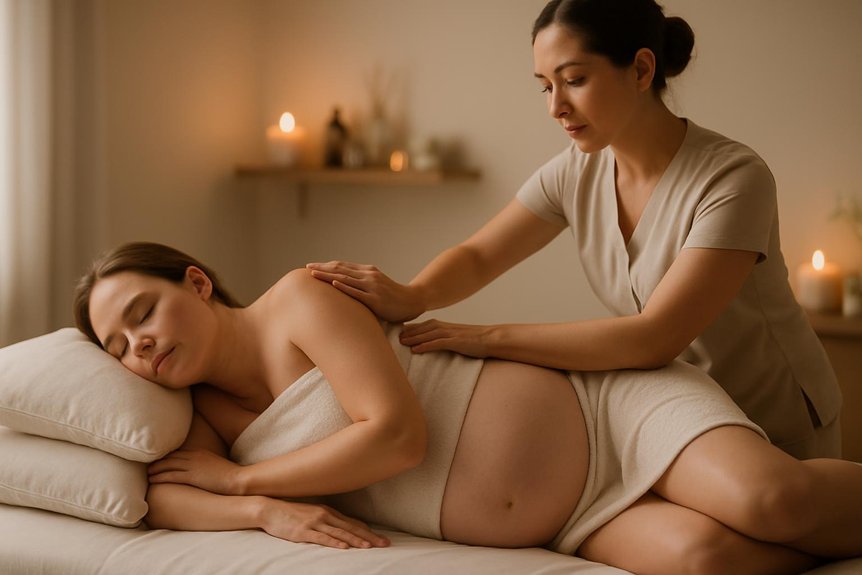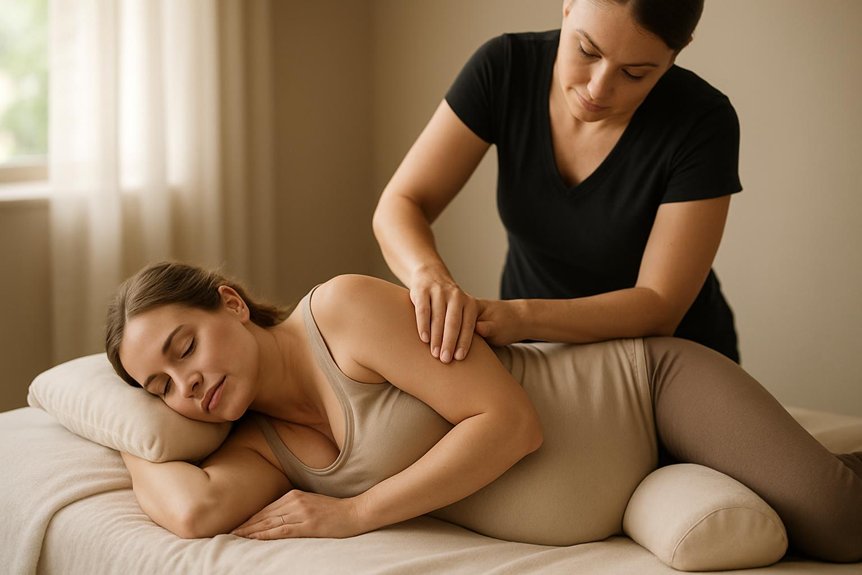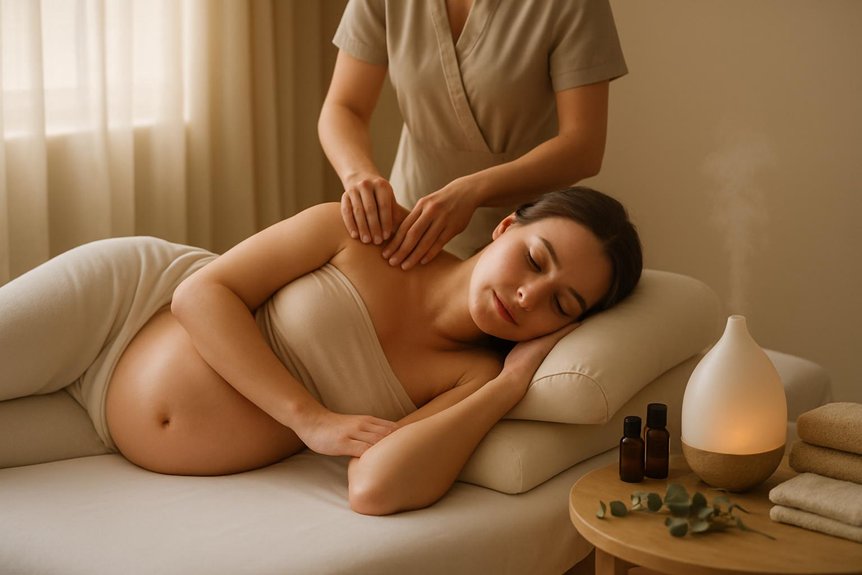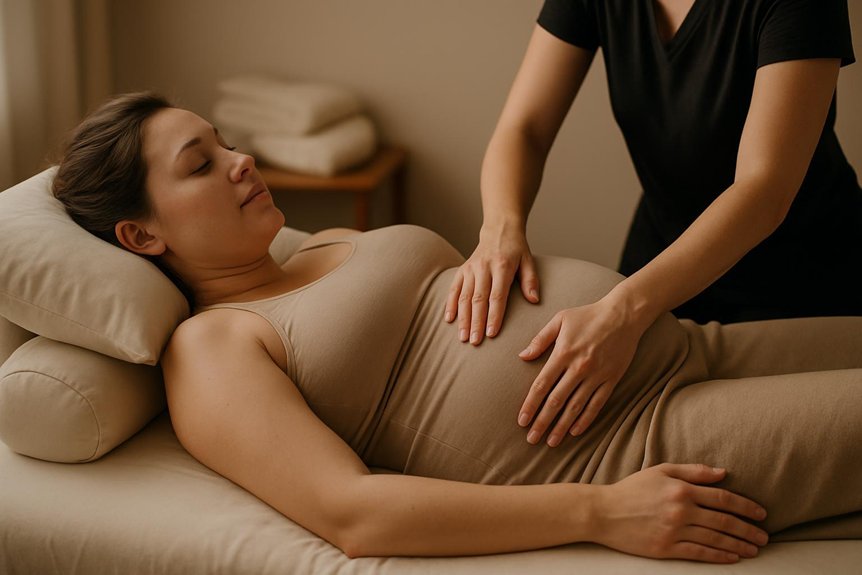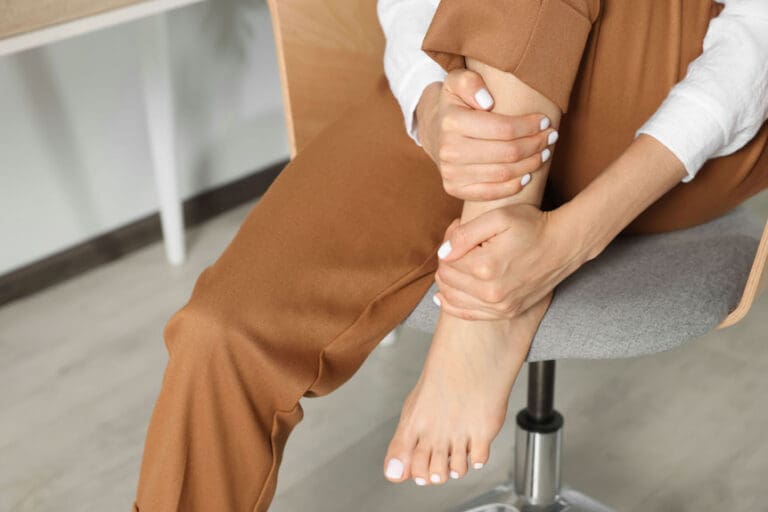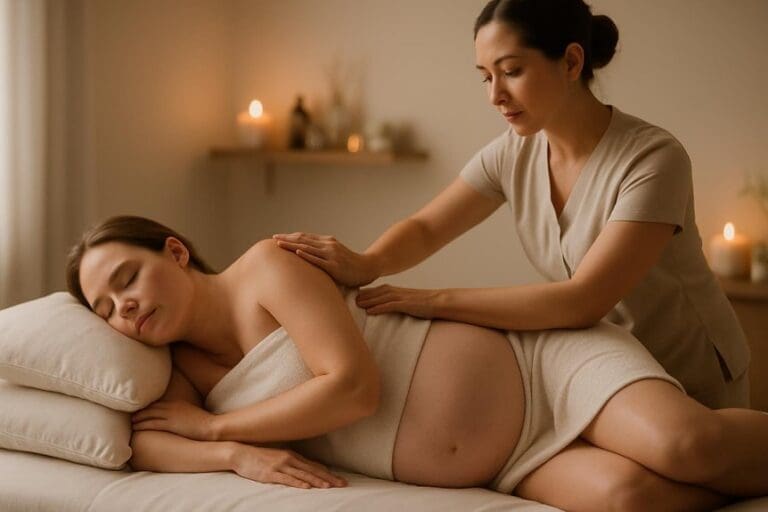
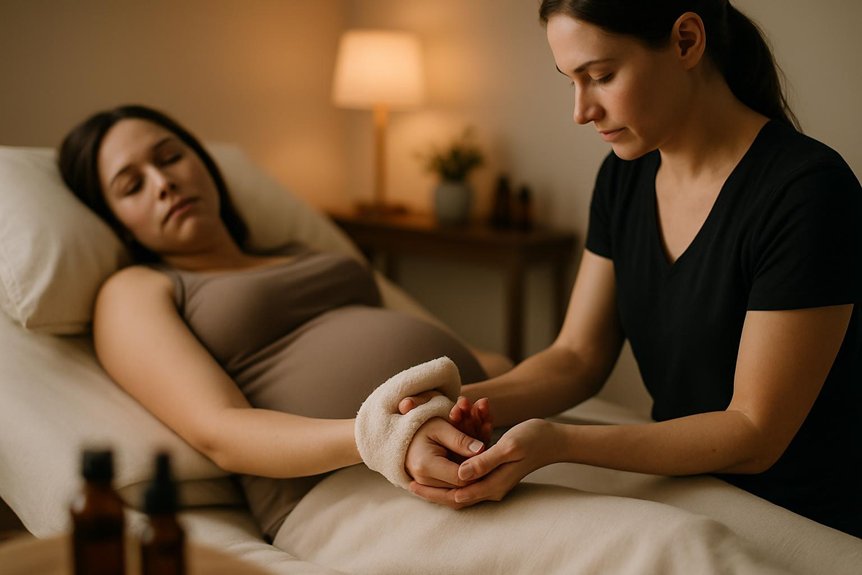
Prenatal massage may help ease pregnancy-related carpal tunnel by gently reducing hand swelling and forearm tension that can increase pressure on the median nerve. Pregnancy hormones and increased blood volume often cause fluid retention, so symptoms like tingling, numbness, and night discomfort are common, especially in the third trimester. Care should be delivered by a pregnancy-trained therapist using light techniques and avoiding deep wrist compression. Next come safety notes, session expectations, and supportive self-care.
Can Prenatal Massage Help Pregnancy Carpal Tunnel?
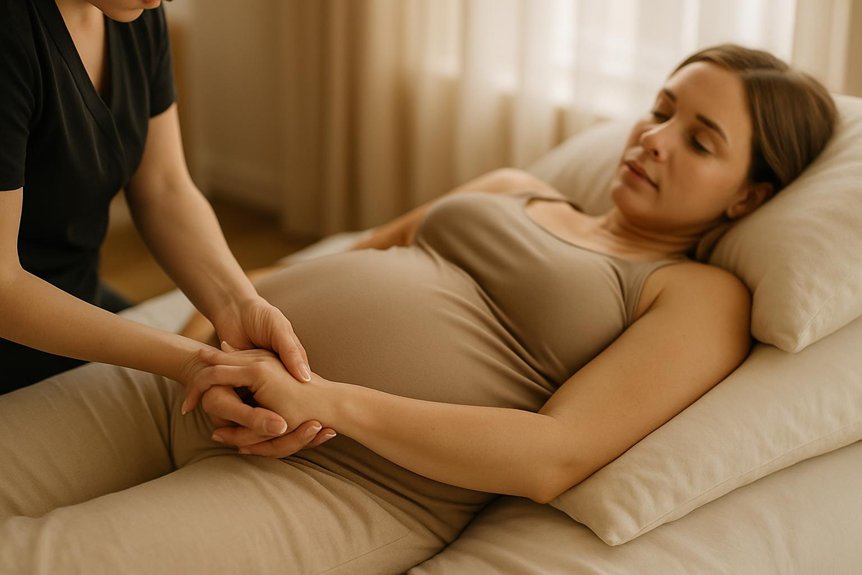
How might prenatal massage ease carpal tunnel symptoms during pregnancy? Evidence suggests gentle, pregnancy-adapted massage may reduce hand swelling and muscle tension, which can lessen pressure and discomfort around the wrist and forearm.
At Spa & Massage clinics across London, therapists use supportive positioning and light-to-moderate techniques, avoiding deep compression at the inner wrist and prioritising comfort, warmth, and steady breath.
Many clients report easier sleep, softer tingling, and better hand mobility after focused work on the neck, shoulders, forearms, and hands, paired with soothing aromatherapy oils selected for pregnancy.
Safety is central: symptoms that are severe, worsening, or accompanied by weakness warrant GP or midwife guidance, with massage used as a complementary, nurturing option.
As part of the broader benefits of pregnancy massage, prenatal sessions may also support relaxation and overall wellbeing for expecting mothers.
Why Does Carpal Tunnel Happen in Pregnancy?
Prenatal massage may offer comfort for pregnancy-related carpal tunnel, yet understanding why symptoms arise helps set realistic expectations and guide safe care.
In pregnancy, rising blood volume and hormonal shifts can increase fluid retention, swelling soft tissues in the wrist’s carpal tunnel. That narrow passage houses the median nerve; when pressure rises, tingling, numbness, burning, or aching can appear in the thumb, index, and middle fingers, often worse at night or after repetitive hand use. Postural changes and sleeping positions may further strain the forearm and wrist.
Symptoms commonly peak in the third trimester and ease after birth as swelling resolves.
At Spa & Massage clinics in London, therapists often see how stress and fatigue heighten sensitivity, so calm, supportive touch feels especially reassuring.
Is Prenatal Massage Safe for Carpal Tunnel?
When is massage a safe option for pregnancy-related carpal tunnel symptoms? For most people with uncomplicated pregnancies, prenatal massage is considered low risk when delivered by a pregnancy-trained therapist and aligned with clinical guidance on positioning, pressure, and contraindications.
At Spa & Massage clinics across London, therapists begin with a brief health screen, adapt side-lying support, and use gentle-to-moderate pressure to avoid aggravating swelling or nerve irritation.
Extra caution is advised with preeclampsia, clotting disorders, uncontrolled high blood pressure, placenta complications, fever, or unexplained bleeding; medical clearance is recommended in these cases.
Clients are encouraged to share evolving symptoms, comfort cues, and any clinician advice so care remains soothing, respectful, and safe.
How Massage Can Reduce Numbness and Tingling
With safety considerations addressed, massage can be used to target the mechanisms that often drive pregnancy-related carpal tunnel symptoms—fluid retention, soft-tissue tension, and sensitised nerves—helping reduce numbness and tingling in the hand and fingers.
Gentle, rhythmic work through the forearm, wrist, and hand may encourage lymphatic and venous return, easing pressure within the carpal tunnel.
Releasing overworked flexor muscles and fascia can reduce strain on the median nerve and calm protective guarding.
Light nerve-gliding–informed approaches may help desensitise irritated tissues without provoking symptoms.
At Spa & Massage clinics across London, therapists prioritise slow, supportive pressure and careful positioning to maintain comfort and circulation.
Many clients describe a warmer, softer hand and clearer sensation after sessions, though results vary and can be short-lived.
What to Expect From a Carpal Tunnel Prenatal Session
At Spa & Massage, a prenatal carpal tunnel session typically begins with a brief intake and safety check to confirm gestational stage, symptoms, relevant medical history, and any guidance from a midwife or GP.
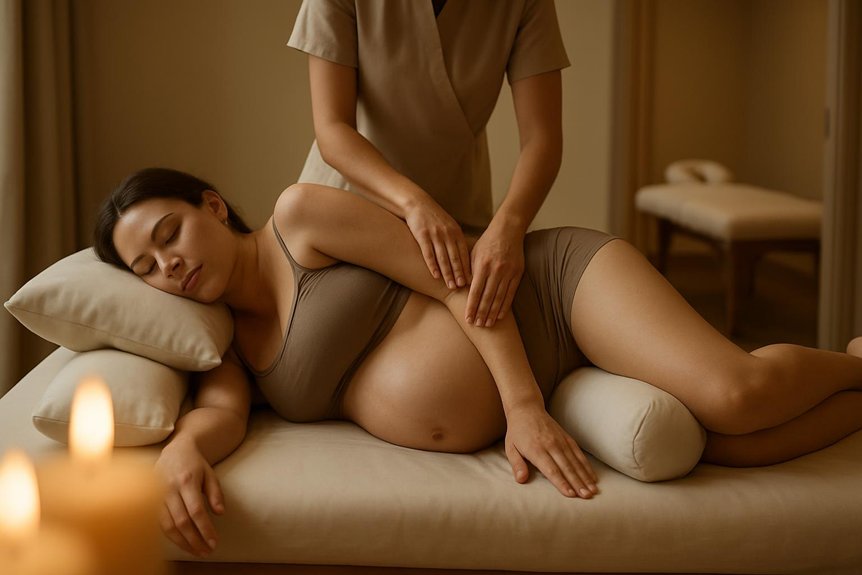
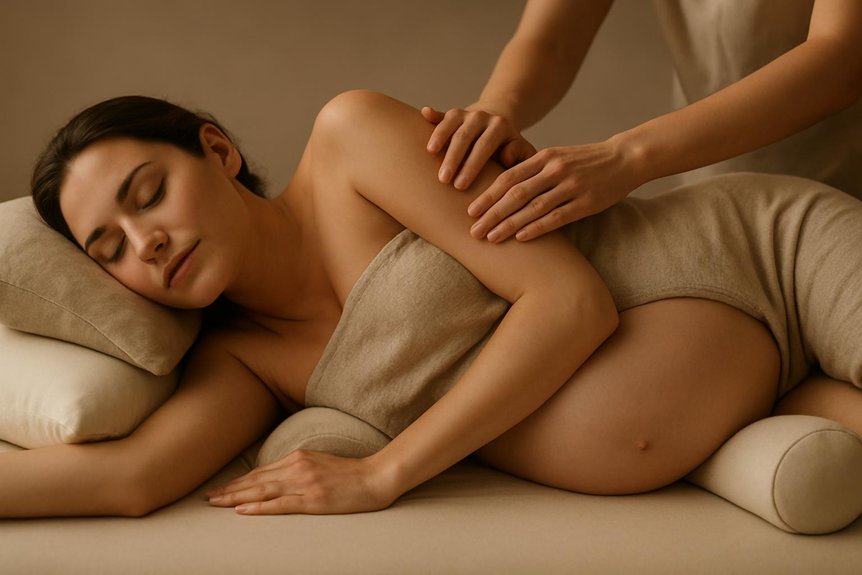
The therapist then uses side-lying positioning with supportive bolsters to protect comfort and circulation while keeping the wrist and shoulder relaxed.
Treatment usually focuses on gentle, evidence-informed work through the forearm flexors and wrist tissues to reduce tension around the median nerve, with pressure and techniques adapted to pregnancy and client feedback throughout.
Intake And Safety Checks
Often, the most important part of a carpal tunnel–focused prenatal massage session happens before any hands-on work begins: a structured intake and safety screen to guarantee the treatment is appropriate for the stage of pregnancy and the client’s symptoms.
At Spa & Massage clinics across London, therapists confirm gestational age, any complications (bleeding, pre-eclampsia, thrombosis risk), swelling patterns, and whether numbness, tingling, or weakness is worsening or one-sided.
They ask about prior carpal tunnel diagnosis, thyroid or diabetes history, and current supports such as splints. Red-flag symptoms prompt referral to a midwife or GP.
Consent is revisited, boundaries clarified, and comfort preferences noted. Product checks include avoiding sensitising essential oils and confirming allergies, keeping the experience close, calm, and reassuring.
Positioning And Support
Once the intake confirms prenatal massage is appropriate, the next priority is safe, comfortable positioning to minimise pressure on the abdomen, support circulation, and reduce strain through the neck, shoulders, and wrists.
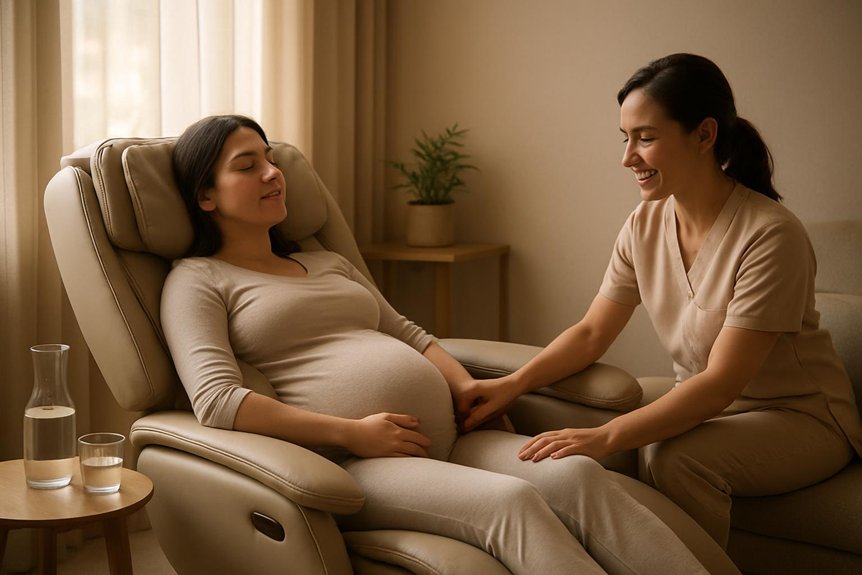
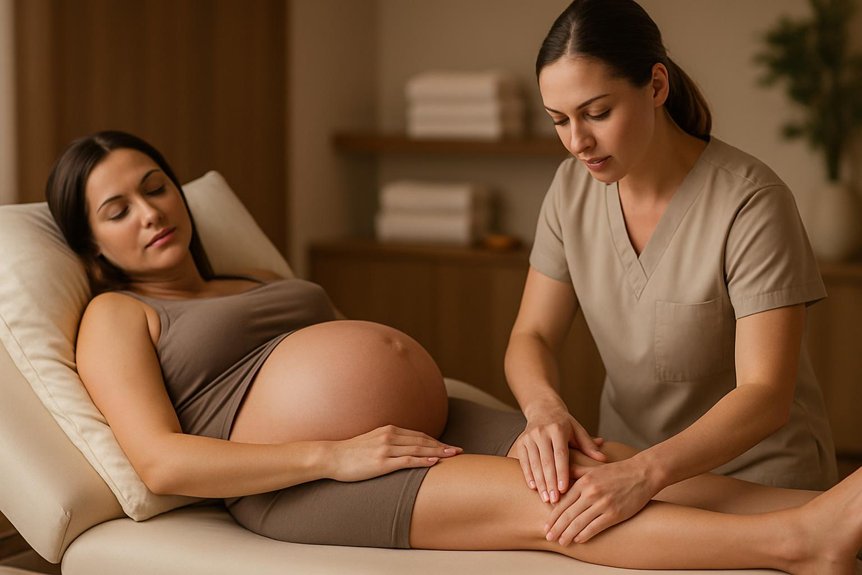
At Spa & Massage clinics, side‑lying is commonly used after the first trimester, with bolsters supporting the belly, back, knees, and ankles to keep the spine neutral and breathing unimpeded. A semi‑reclined option may be chosen when reflux, breathlessness, or pelvic discomfort makes side‑lying less restful.
For carpal tunnel symptoms, careful arm support is added: pillows under forearms and hands, with wrists kept in a neutral line to avoid sustained flexion or extension. The room is kept warm, movements are slow, and comfort is checked regularly to protect circulation and ease anxiety.
Wrist And Forearm Techniques
With a focus on relieving pressure around the median nerve without aggravating swelling, a prenatal carpal tunnel session typically begins with gentle, supportive work through the forearm flexors and the tissues surrounding the wrist. At Spa & Massage clinics, therapists favour slow effleurage, light myofascial release, and careful compressions along the inner forearm, staying comfortable and away from sharp tingling.
Then, soft mobilisation is introduced: small, pain-free wrist circles, palm and thumb stretches, and soothing work between the metacarpals to ease hand tension. Pressure remains moderate, as evidence suggests deep friction over irritated tendons can worsen symptoms. If appropriate, therapists may add lymphatic-style strokes toward the elbow to encourage fluid return. Clients are guided to breathe steadily and report any numbness immediately.
Self-Care Between Sessions for Pregnancy Wrists and Hands
Between prenatal sessions, simple self-care can help manage pregnancy-related wrist and hand discomfort by supporting circulation and reducing fluid build-up.
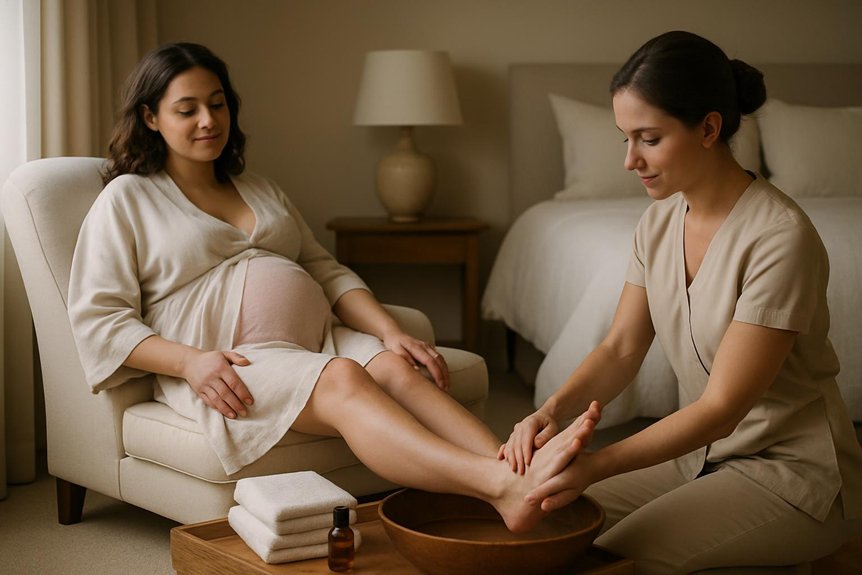
At Spa & Massage clinics, therapists typically recommend gentle, pain-free wrist mobility and brief posture breaks, paired with swelling-reducing daily habits such as hand elevation, avoiding prolonged gripping, and using cold compresses when appropriate.
Any worsening numbness, persistent night pain, or loss of grip strength should prompt a discussion with a midwife or GP to make certain safe, timely care.
Gentle Wrist Mobility
During pregnancy, gentle wrist mobility can help ease stiffness and support circulation in the hands without adding strain to already sensitive tissues.
Slow, pain-free movements are generally preferred: small wrist circles, soft flex-and-extend, and a light “prayer” stretch held for 10–15 seconds, repeated 2–3 times.
Movements should stay below tingling or numbness; symptoms are a cue to reduce range or stop.
In Spa & Massage clinics, therapists often suggest pairing mobility with mindful breathing and relaxed shoulders to minimise nerve compression through the neck and upper limb.
A neutral wrist position between exercises can feel soothing.
Any sudden weakness, persistent numbness, or worsening night symptoms warrants GP or midwife advice.
Swelling-Reducing Daily Habits
Often, the biggest day-to-day driver of pregnancy-related wrist and hand discomfort is fluid retention, so simple habits that reduce swelling can meaningfully ease pressure through the carpal tunnel.
Gentle elevation above heart level for 10–15 minutes, a cool compress, and frequent hand-opening breaks can help shift fluid safely. A neutral-position wrist splint at night is often recommended by clinicians to limit bending that increases nerve pressure.
Staying well hydrated, keeping salt moderate, and adding short walks support circulation without strain. When resting, avoiding sleeping on the hands and keeping rings loose can prevent extra constriction.
At Spa & Massage, therapists also encourage mindful, slow breathing and relaxed shoulders, because overall tension can amplify tenderness and tingling. If swelling is sudden or severe, medical review is advised.
Conclusion
Prenatal massage may help ease pregnancy-related carpal tunnel symptoms by reducing swelling, improving circulation, and relaxing overworked forearm and shoulder muscles—when delivered by a qualified therapist using pregnancy-appropriate positioning and pressure. Importantly, research suggests up to 62% of pregnant people experience pregnancy-related carpal tunnel symptoms, highlighting how common (and disruptive) it can be. Massage is not a cure and should complement medical guidance, especially if weakness, severe pain, or persistent numbness develops.