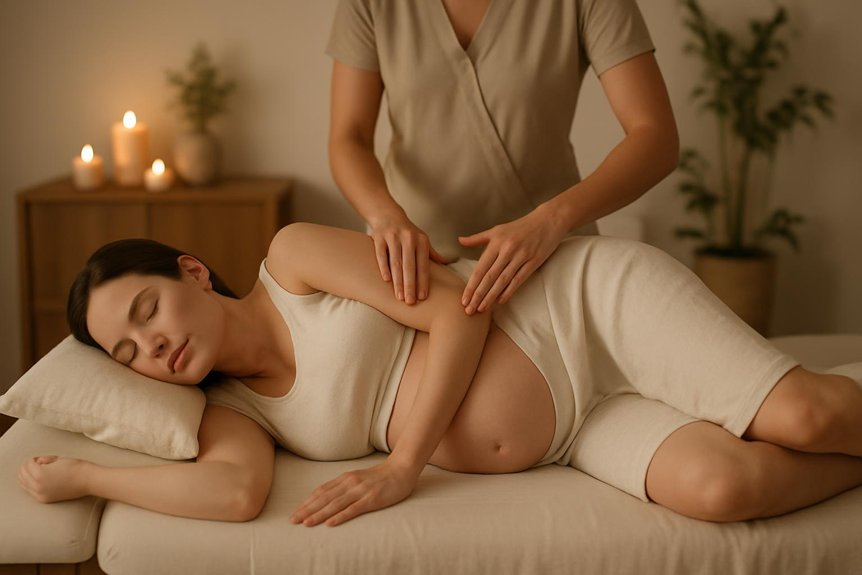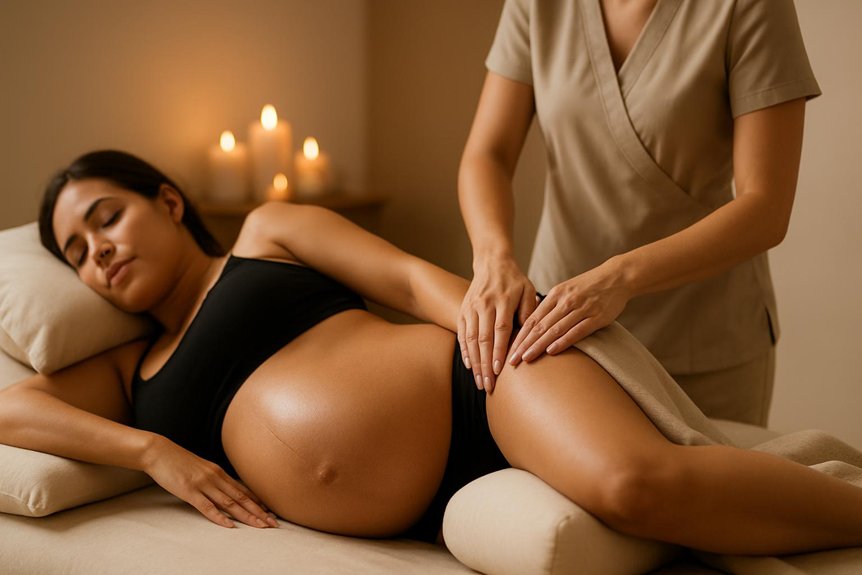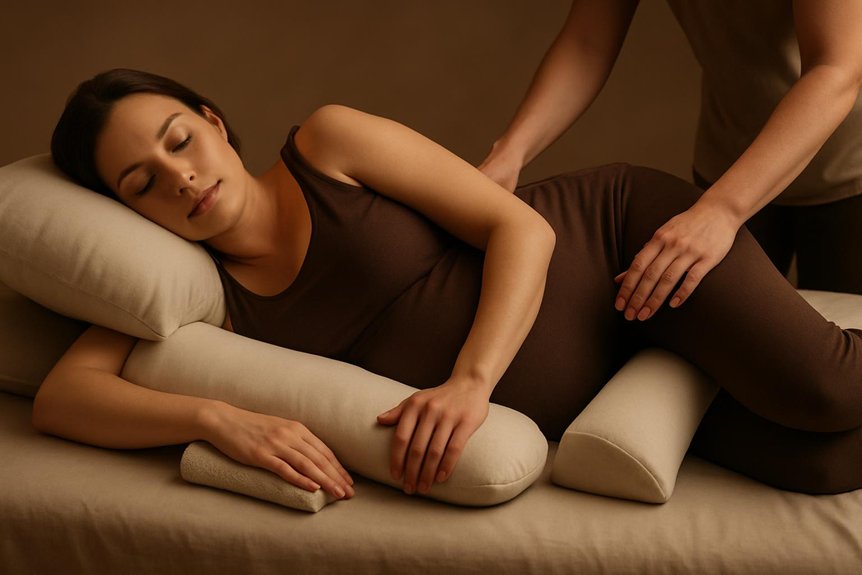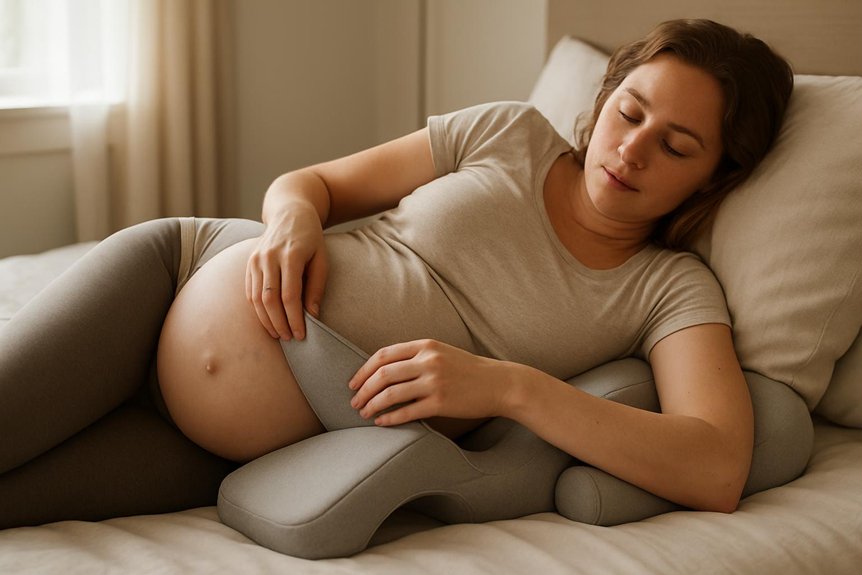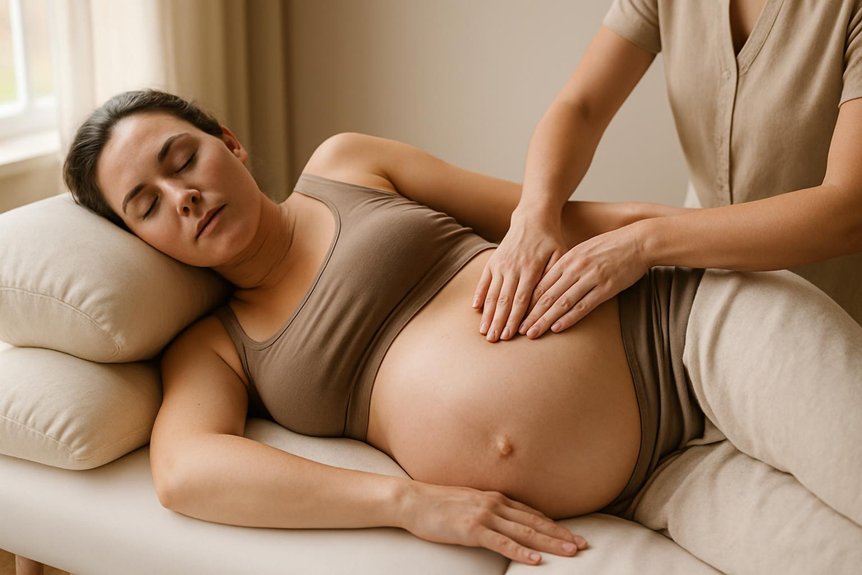
Prenatal massage may ease nausea for some pregnant people by calming the nervous system, lowering stress hormones, and encouraging parasympathetic “rest-and-digest” activity that can settle gut sensitivity. Gentle, rhythmic techniques can also reduce upper‑back, rib, and diaphragmatic tension that may worsen queasiness. It is supportive care rather than a cure for severe nausea or hyperemesis. Safety matters: sessions should be adapted for early pregnancy, avoid deep abdominal work, and use side‑lying positioning. More practical guidance and red flags follow.
Can Prenatal Massage Help Pregnancy Nausea?

How might prenatal massage influence pregnancy nausea? Evidence suggests that calming touch can reduce stress hormones, ease muscle tension, and support sleep—factors linked with nausea intensity for some pregnant people.
Gentle, rhythmic massage may also encourage parasympathetic “rest-and-digest” activity, which can settle a sensitive stomach and soften the edge of queasiness.
The benefits of pregnancy massage can include overall relaxation and emotional support for expecting mothers, which may indirectly help some people feel more comfortable during bouts of nausea.
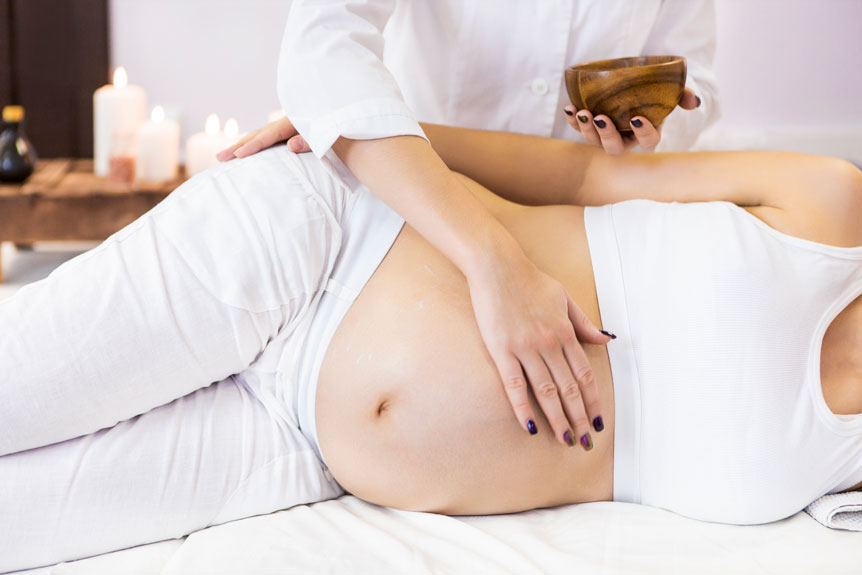
At Spa & Massage clinics across London, therapists tailor prenatal massage with slow pressure, supported positioning, and optional aromatherapy oils selected for comfort and tolerance.
Many clients describe relief as a warm, private exhale: less tightness through the neck, shoulders, and diaphragm, and a steadier sense of appetite. Massage is not a cure for hyperemesis, but it can be a supportive part of symptom care.
Is Prenatal Massage Safe in Early Pregnancy?
In early pregnancy, prenatal massage is generally considered safe for most people when it is provided by a properly trained therapist and adapted for first‑trimester needs. Safety relies on gentle pressure, comfortable positioning, and avoiding prolonged time lying flat; many therapists use side‑lying support and shorter sessions.
Evidence and clinical guidance emphasise screening first: anyone with bleeding, severe abdominal pain, fever, uncontrolled vomiting, dizziness, a history of recurrent miscarriage, or pregnancy complications should seek medical advice before booking.
At Spa & Massage clinics in London, therapists take a thorough intake, tailor techniques to reduce tension without deep work on the abdomen, and use pregnancy‑appropriate, lightly scented or unscented oils.
Clients are encouraged to hydrate, rest, and share any tenderness immediately. This keeps care soothing and reassuring.
Why Early Pregnancy Nausea Happens
Early pregnancy nausea is widely linked to rapid hormonal shifts—particularly rising hCG and oestrogen—which can affect the stomach and the brain’s nausea pathways.
Many pregnant people also experience a heightened sense of smell, making everyday odours stronger and more likely to trigger queasiness.
Fluctuating blood sugar alongside slower digestion can compound symptoms, so Spa & Massage therapists encourage clients to discuss their pattern of nausea and any medical concerns with a midwife or GP before choosing supportive prenatal massage care.
Hormonal Shifts And Nausea
Rising pregnancy hormones can quickly unsettle the stomach, particularly in the first trimester. Rapid increases in hCG and oestrogen are strongly associated with nausea, while progesterone relaxes smooth muscle and can slow digestion, contributing to queasiness and reflux. These shifts are normal and often peak around weeks 9–12, then ease as hormone levels stabilise.
At Spa & Massage clinics, therapists often see that nausea feels more intense when the body is tired, dehydrated, or stressed, because stress hormones can amplify gut sensitivity. Gentle, side-lying prenatal massage may support comfort by easing tension, promoting calm breathing, and improving overall relaxation—without promising a cure.
Any persistent vomiting, weight loss, or inability to keep fluids down warrants prompt medical advice.
Heightened Sense Of Smell
Although it can feel sudden and overwhelming, a heightened sense of smell (hyperosmia) is a well-recognised contributor to early pregnancy nausea, as the brain’s smell-processing pathways appear more sensitive under hormonal change.
Everyday odours—cooking, perfume, traffic, even a partner’s aftershave—may trigger a strong nausea response before other symptoms settle. Evidence suggests that avoiding intense scents and improving ventilation can reduce exposure and ease symptoms.
At Spa & Massage London clinics, prenatal massage is kept scent-light and carefully tailored; many clients prefer unscented oils, and therapists avoid strong aromatherapy unless explicitly requested and considered appropriate.
Gentle, supportive touch may also help calm the nervous system, making smell-triggered waves feel less consuming. Any severe vomiting warrants prompt medical advice.
Blood Sugar And Digestion
Alongside hormonal shifts, fluctuations in blood sugar and slower digestion are common physiological drivers of pregnancy nausea. In early pregnancy, going too long without food can drop glucose, triggering lightheadedness and queasiness.
At the same time, progesterone relaxes smooth muscle, slowing stomach emptying and increasing bloating, reflux, and that “full” feeling that can worsen nausea. Evidence-based self-care often includes small, frequent meals, pairing carbohydrates with protein, and sipping fluids between meals.
At Spa & Massage, therapists also encourage gentle post-meal walks and mindful breathing to settle the nervous system. Prenatal massage cannot “fix” digestion, but relaxation may reduce stress-related nausea.
Any persistent vomiting, weight loss, or dehydration warrants prompt midwife or GP review.
How Prenatal Massage Can Ease Nausea Signals
Evidence suggests that gentle prenatal massage may help ease nausea by calming the nervous system and shifting the body toward a “rest-and-digest” state.
At Spa & Massage clinics across London, therapists use pregnancy-safe positioning and light-to-moderate techniques that can support digestive comfort while closely adapting to each client’s symptoms and trimester. This approach may also help lower stress hormone activity, which is often linked to heightened nausea sensitivity, while prioritising maternal and baby safety throughout.
Calming The Nervous System
In early pregnancy, nausea can be amplified when the nervous system stays in a heightened “fight-or-flight” state, which increases sensitivity to normal digestive and hormonal changes.
Gentle, structured touch can help shift the body toward “rest-and-digest,” lowering perceived threat and reducing nausea signalling.
At Spa & Massage clinics across London, prenatal massage is designed to be slow, grounding, and reassuring, using supportive side-lying positioning and light-to-moderate pressure.
This approach can encourage parasympathetic activity, ease muscle guarding, and soften stress-related nausea triggers.
Therapists also prioritise calm pacing, steady holds, and comfortable warmth, helping clients feel held and safe.
Sessions are adapted to trimester, symptoms, and medical guidance; any dizziness, bleeding, or severe vomiting warrants prompt clinical advice before booking.
Supporting Digestive Function
For many pregnant clients, nausea worsens when digestion slows and the gut becomes more reactive to normal hormonal shifts. Prenatal massage may support digestive comfort by easing abdominal and diaphragmatic tension, improving postural strain around the ribcage, and promoting gentle circulation—factors associated with smoother gastric emptying and reduced reflux sensations.
At Spa & Massage clinics across London, therapists use side-lying positioning and light-to-moderate, pregnancy-safe pressure to soften the lower back, hips, and upper abdomen-adjacent tissues without direct deep work on the belly. Many clients also find that slow, rhythmic strokes along the mid-back and rib margins help them breathe more fully, reducing the “queasy, tight” feedback signals the body can misread as nausea. Sessions are adapted for comfort.
Reducing Stress Hormones
Digestive comfort is only part of the picture, because nausea in pregnancy is also closely linked to the body’s stress response. When cortisol and adrenaline rise, the brain-gut connection can amplify queasiness, food aversions, and sensitivity to smells. Evidence suggests soothing touch can lower perceived stress and support parasympathetic “rest-and-digest” activity, which may soften nausea signals for some people.
At Spa & Massage clinics across London, prenatal massage is delivered with side-lying positioning, gentle-to-moderate pressure, and careful bolstering to protect comfort and circulation. Therapists avoid deep abdominal work and adapt pace and scent; many clients prefer unscented oil or very light aromatherapy only when approved by their midwife. This calm, held experience can help the body feel safer, steadier, and less reactive.
Which Prenatal Massage Techniques Help Nausea?
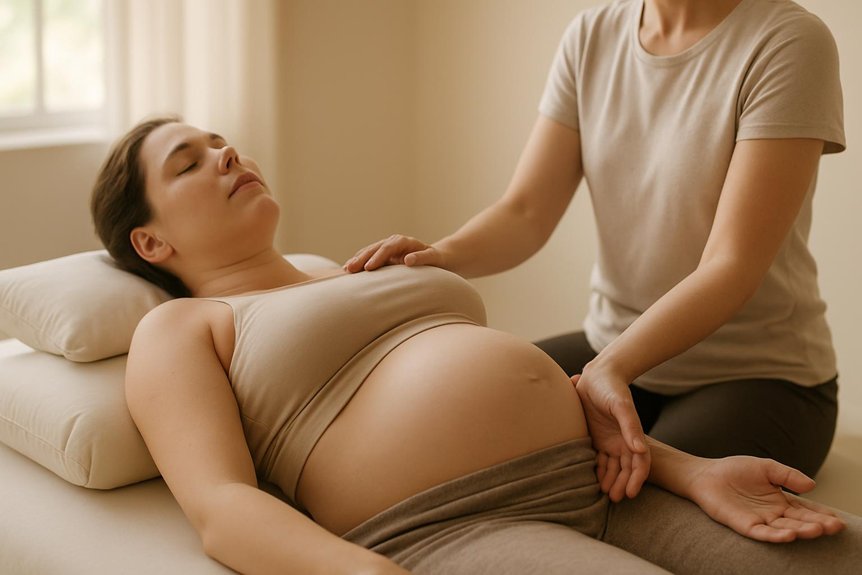
During early pregnancy, nausea is often driven by hormonal shifts and heightened nervous-system sensitivity, and certain prenatal massage techniques can help by calming the stress response and easing muscular tension without stimulating the abdomen.
At Spa & Massage London clinics, therapists typically use side-lying positioning with supportive bolsters, then apply slow effleurage and gentle petrissage across the upper back, shoulders, neck, and scalp to reduce sympathetic arousal linked with queasiness.
Light myofascial release around the diaphragm, ribs, and upper thorax may ease breathing patterns that aggravate nausea.
Many clients also benefit from reflexology-style pressure to the wrists (P6 point) and feet, delivered with careful, comfortable intensity.
All techniques avoid deep abdominal work and are adapted to trimester and symptoms.
Prenatal Massage Aftercare for Nausea Relief
Gentle techniques such as slow effleurage, supportive side-lying positioning, and careful wrist/foot pressure can leave many pregnant clients feeling calmer and less queasy, but the hours after a prenatal massage also influence how long that relief lasts.
At Spa & Massage, therapists advise unhurried rehydration and a light snack to steady blood sugar, as both can reduce nausea triggers. Resting on the left side for 20–30 minutes supports circulation and comfort. Clients are encouraged to rise slowly, avoid hot baths or vigorous exercise that day, and choose small, frequent meals rather than a heavy dinner.
If aromatherapy was used, only pregnancy-safe dilutions are recommended, and any scent that feels overwhelming should be avoided. Persistent vomiting, dizziness, or dehydration warrants prompt medical advice.
Conclusion
Evidence suggests prenatal massage may support nausea management by lowering stress and promoting parasympathetic “rest-and-digest” activity, though it is not a standalone treatment. Importantly, up to 80% of pregnant people experience nausea and vomiting, highlighting the need for safe, comforting options. When delivered by a trained prenatal therapist with appropriate positioning and pressure, massage can be a gentle adjunct to hydration, nutrition, and medical care. Persistent or severe symptoms should prompt clinical review.