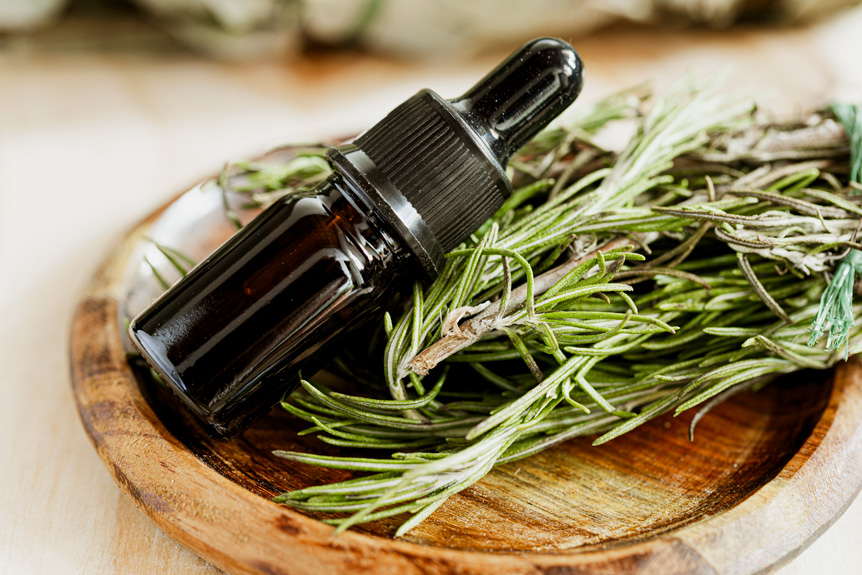
Rosemary essential oil is generally safe for aromatic massage when it is properly diluted (typically 1–2% in a carrier oil) and applied only to intact skin after a brief health screening. Caution is advised for clients with sensitive skin, asthma, migraines, epilepsy, pregnancy, or uncontrolled high blood pressure, and it should be avoided on broken, sunburned, or inflamed skin. Patch testing and conservative dosing reduce irritation and scent-triggered symptoms. Further guidance covers dilution, aftercare, and warning signs.
Is Rosemary Oil Safe for Aromatic Massage?
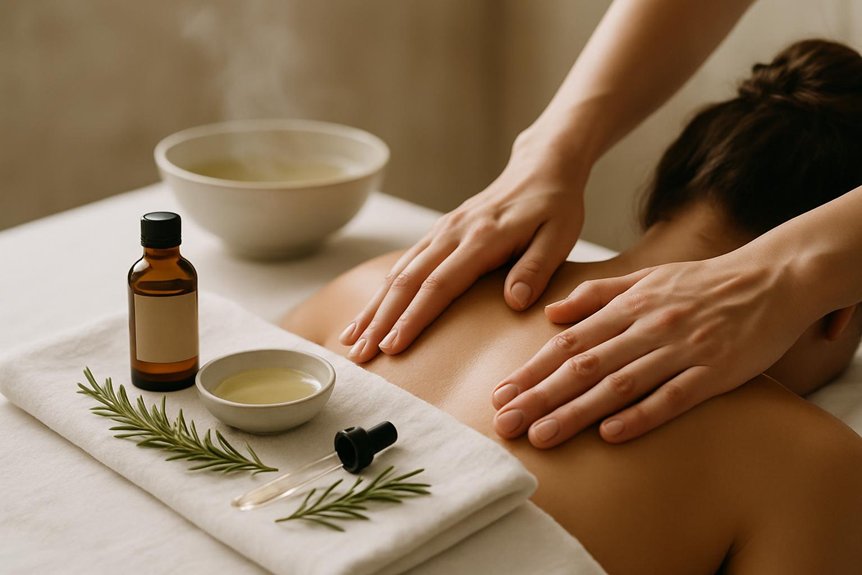
When used correctly, rosemary essential oil is generally considered safe for aromatic massage, but its suitability depends on the client’s health history, skin sensitivity, and proper dilution.
At Spa & Massage clinics across London, therapists begin with a brief consultation and patch-check where appropriate, then blend rosemary into a carrier oil at a conservative concentration to minimise irritation.
Evidence-informed practice favours low dilution, short exposure, and avoiding use on broken or freshly shaved skin. The therapist monitors warmth, tingling, or redness and adjusts pressure or oil choice immediately, keeping the experience comfortable and close.
This approach supports a calm, restorative session and aligns with aromatherapy massage aims to relax and heal.
Aftercare focuses on hydration, avoiding hot baths for a few hours, and reporting any delayed sensitivity. High-quality, properly stored oils are used to reduce oxidation-related reactions.
Who Should Avoid a Rosemary Oil Massage?
Safety in rosemary oil massage depends not only on dilution and skin response, but also on the client’s medical history and current symptoms.
Clients who are pregnant, trying to conceive, or breastfeeding are usually advised to avoid rosemary essential oil, due to limited safety data and its stimulating profile. Those with epilepsy or a history of seizures, uncontrolled high blood pressure, significant heart rhythm disorders, or severe asthma should also avoid it, as strong aromas may provoke symptoms.
Anyone taking anticoagulants, antihypertensives, or multiple medications should seek medical advice first.
Rosemary oil is not appropriate over broken skin, active eczema, recent waxing, or sunburn, or when infection, fever, or migraine is present.
At Spa & Massage, therapists screen discreetly and select gentler alternatives.
How to Dilute Rosemary Oil for Massage Safely
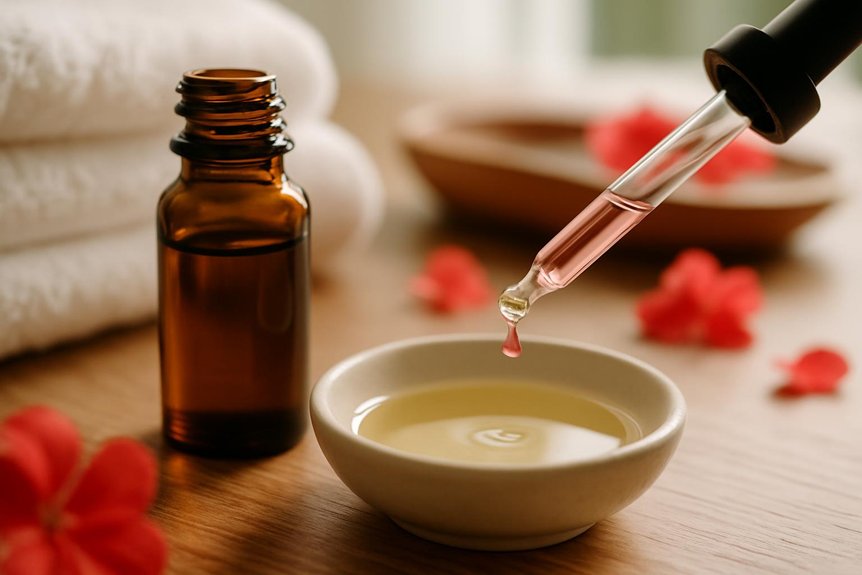
At Spa & Massage clinics across London, therapists dilute rosemary essential oil in a skin-friendly carrier oil to reduce irritation risk and improve glide during treatment.
Safe use relies on evidence-based dilution ratios (kept low for leave-on massage), followed by a patch test when sensitivity is possible and clear aftercare guidance.
This approach supports client comfort and helps guarantee aromatic massage remains both effective and well tolerated.
Choose A Safe Carrier
For massage use, rosemary essential oil should be diluted into a skin-friendly carrier oil rather than applied neat, as undiluted essential oils can irritate the skin and increase sensitisation risk. A safe carrier helps the oil spread evenly, reduces friction, and supports a comfortable, close-touch experience.
At Spa & Massage clinics across London, therapists select carriers based on skin type, allergy history, and the feel a client wants on the body. Sweet almond and grapeseed suit many people seeking a light, silky glide, while jojoba and fractionated coconut are often preferred for sensitive or acne-prone skin because they tend to feel less occlusive. For very dry skin, apricot kernel or avocado can feel more nourishing. Unscented, fresh, cold-pressed oils are favoured, with patch testing when needed.
Use Proper Dilution Ratios
In clinical aromatic massage practice, rosemary essential oil is typically diluted to 1–2% in a suitable carrier to balance therapeutic aroma with skin tolerance (about 1–2 drops per 5 ml, or 5–10 drops per 25 ml).
At Spa & Massage clinics, therapists keep to these ratios to support close, unhurried touch without overwhelming the senses or the skin.
For facial or very sensitive areas, a lower dilution (around 0.5–1%) is often preferred, while larger muscle groups may suit 2% when appropriate.
Blends should be measured, not guessed: drops vary by bottle and temperature, so clients are advised to mix in small batches and label the date.
If multiple essential oils are used, their total concentration should still remain within the chosen percentage.
Patch Test And Aftercare
Often, a simple patch test is the most reliable way to check rosemary oil dilution before it is used in a full aromatic massage, especially for people with sensitive skin, eczema, asthma, or a history of fragrance reactions.
A small amount of the diluted blend is applied to the inner forearm, covered, then checked after 24 hours for redness, itching, swelling, or tightness; any reaction means it should not be used.
At Spa & Massage clinics across London, therapists also screen for pregnancy, epilepsy, and respiratory sensitivity, and keep concentrations low for close, full-body work.
Aftercare supports comfort: drink water, avoid hot baths and saunas for 12 hours, and keep the skin fragrance-free.
If irritation develops later, wash with mild soap and stop use immediately.
How to Patch Test Before a Rosemary Oil Massage
Before a rosemary oil aromatic massage, a patch test helps identify potential skin sensitivity and supports safer treatment choices.
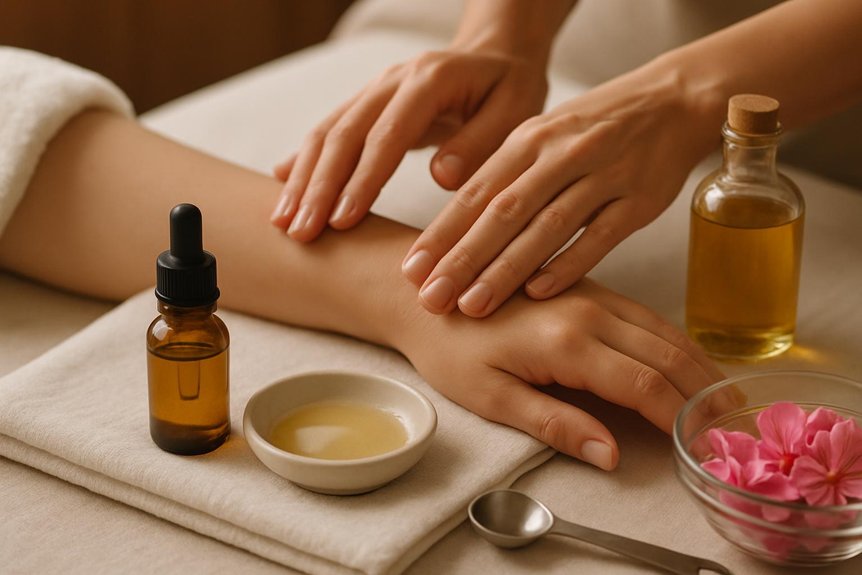
A small area such as the inner forearm should be selected, then a properly diluted rosemary blend (as used in Spa & Massage clinics) applied sparingly and left undisturbed.
The site should be monitored for redness, itching, burning, swelling, or rash over the next 24 hours, and any reaction should mean the oil is avoided and the therapist informed.
Choose A Test Site
For a safe rosemary oil aromatic massage, a small patch test should be carried out on an area of skin that is discreet, easy to monitor, and unlikely to be irritated by daily friction. Common choices include the inner forearm, the side of the torso near the waist, or behind the ear, provided the skin is intact and free from active eczema, cuts, shaving irritation, or sunburn.
At Spa & Massage clinics, therapists encourage choosing a site that will not be rubbed by tight clothing, watch straps, gym wear, or bedding, as friction can confuse results. The area should be clean and dry, with no recent exfoliation, retinoids, or fragrance applied.
Selecting a private, comfortable spot supports calm observation and protects sensitive skin during intimacy-focused self-care routines.
Dilute And Apply Properly
In practical terms, patch testing for a rosemary oil massage starts with correct dilution and controlled application to minimise the risk of irritation or allergic contact dermatitis.
In Spa & Massage clinics, therapists typically dilute rosemary essential oil to 1% for body use (about 1 drop per 5 ml carrier oil), or 0.5% for sensitive skin and intimate areas.
A clean carrier such as fractionated coconut, grapeseed, or sweet almond is used to reduce volatility and improve glide.
Using clean hands, they apply a pea-sized amount to the chosen site in a thin film, avoiding broken skin, freshly shaved areas, and mucous membranes.
The area is left uncovered and fragrance-free products are avoided there that day.
Watch For Reactions
Once the diluted rosemary oil blend has been applied in a thin film to the test area, the next step is monitoring the skin for early and delayed reactions.
The area should be left uncovered and observed for 15–30 minutes for stinging, itching, warmth, swelling, or hives. If any symptoms appear, the oil should be washed off with mild cleanser and cool water, and massage should be avoided.
Because contact dermatitis can be delayed, the patch site should be rechecked at 24 and 48 hours for redness, dryness, blistering, or tenderness.
In Spa & Massage clinics, therapists also ask about asthma, migraine, pregnancy, and skin conditions, as scent sensitivity may show without visible rash. If uncertainty remains, a fragrance-free massage is recommended.
Rosemary Oil Massage Side Effects (And What to Do)
Occasionally, rosemary oil used in massage can cause unwanted reactions—most commonly skin irritation, headache from strong aroma exposure, or a flare-up of asthma-type symptoms in sensitive individuals.
If discomfort appears, best practice is to stop the massage, remove excess oil with a gentle cleanser, and switch to an unscented carrier oil. In Spa & Massage clinics, therapists ventilate the room, reduce aromatic intensity, and check in quietly to keep the experience close and reassuring.
Mild symptoms often settle with fresh air and hydration; persistent redness, wheeze, dizziness, or swelling warrants medical advice.
Clients with asthma, migraines, pregnancy, or epilepsy should disclose this beforehand so dilution, timing, and oil choice can be adjusted, or rosemary avoided. Patch testing is advised for newcomers.
Rosemary Oil on Skin: Benefits and Irritation Risks
A well-formulated rosemary oil blend can support the skin during aromatic massage by providing antioxidant and antimicrobial compounds that may help maintain a fresh, balanced complexion and a comfortable massage glide. Used at low, properly diluted concentrations, it may suit clients who want a clean, uplifting scent and a warming, close-contact treatment experience.
Irritation risk remains the key limitation. Rosemary essential oil can trigger stinging, redness, or itch in sensitive, reactive, or broken skin, and may worsen eczema or dermatitis. Patch testing and conservative dilution reduce risk, as does avoiding eyes, mucous membranes, and freshly shaved areas. At Spa & Massage, therapists screen for allergies, medications, and skin conditions, and will switch to a gentler carrier blend if any discomfort appears during the session.
Why Our Therapists Use Rosemary Oil In-Clinic
In Spa & Massage clinics, rosemary essential oil is selected only when a client’s consultation indicates it is appropriate for their skin sensitivity, preferences, and treatment goals, given its higher irritation potential in reactive or compromised skin. When chosen, therapists use conservative dilution and blend it into a skin-nourishing carrier, prioritising comfort, slip, and a calm, secure feel on the body.
It is used for clients seeking an energising, clarifying aroma alongside massage work that targets muscular tension, heaviness, or post-exercise fatigue. Many clients describe the scent as clean and grounding, supporting a sense of focused relaxation without sedation. Therapists may favour rosemary in deep tissue or sports-focused sessions where a brisk aromatic profile suits the client’s mood. Patch testing and clear consent guide every use.
Aftercare Tips After a Rosemary Oil Massage
After a rosemary oil aromatic massage, clients typically benefit most from simple aftercare that supports hydration, skin comfort, and the nervous system’s return to baseline.
At Spa & Massage clinics across London, therapists advise drinking water, avoiding alcohol, and keeping plans gentle for several hours, as massage can temporarily alter circulation and relaxation levels.
Skin should be treated tenderly: leave the oil on for at least 2–4 hours, then rinse with lukewarm water; avoid hot baths, saunas, or exfoliation that may increase irritation.
If redness, itching, or headache occurs, wash the area promptly and discontinue rosemary exposure.
Light movement and slow breathing can sustain the calm, while a warm meal supports grounding.
Clients with asthma, epilepsy, pregnancy, or sensitive skin should seek personalised guidance.
Conclusion
Rosemary oil can be safe in aromatic massage when it is appropriately diluted, patch tested, and selected for the right client—but it is not universally suitable. A common theory claims “natural oils can’t harm skin”; evidence from contact dermatitis and sensitisation shows otherwise, especially with undiluted use. In clinic, therapists treat rosemary as an active ingredient, weighing pregnancy, asthma, epilepsy risk, and medication interactions. Safe practice prioritises informed consent, symptom monitoring, and aftercare.