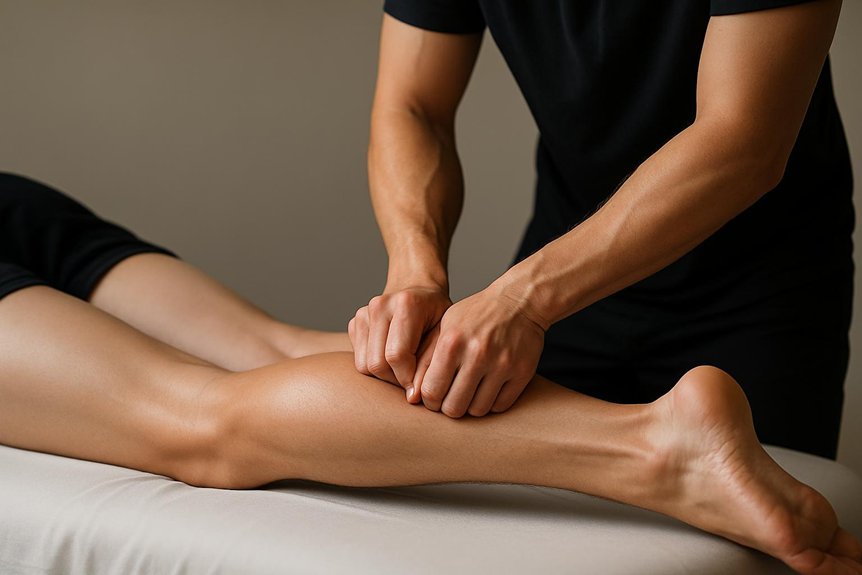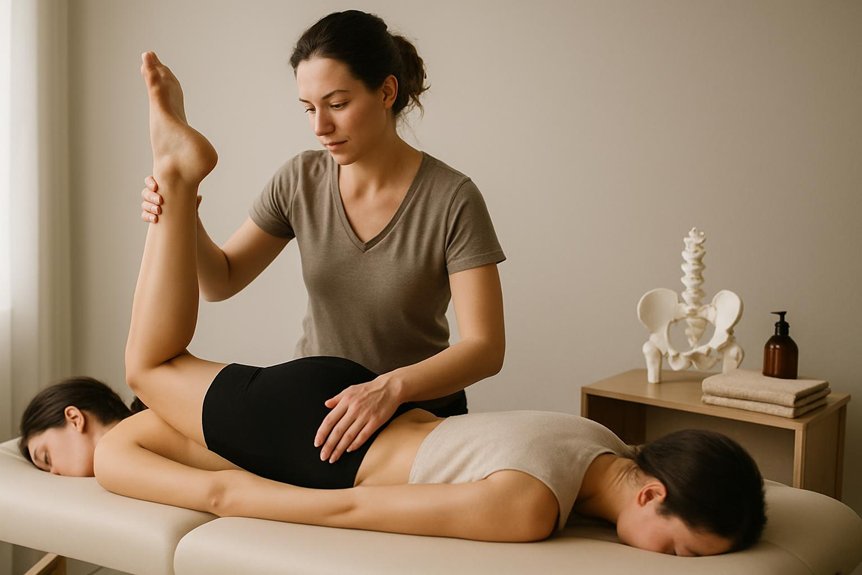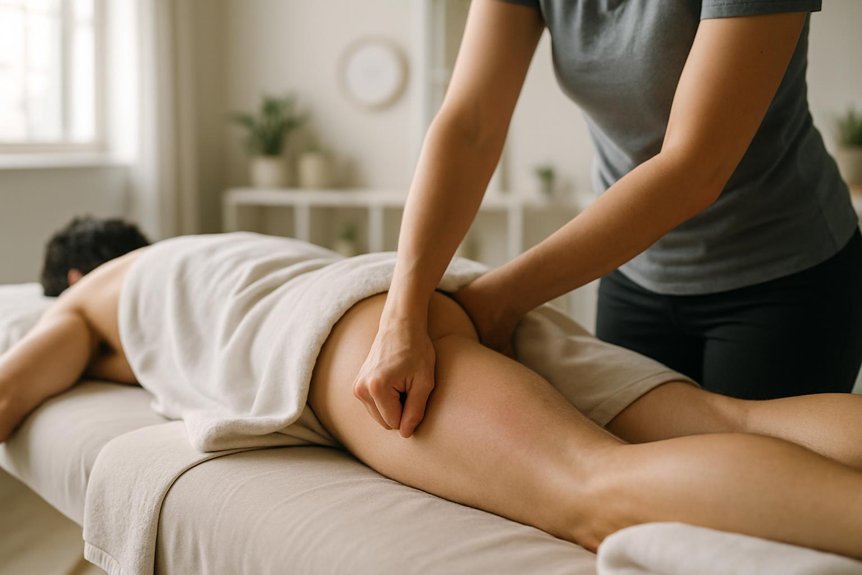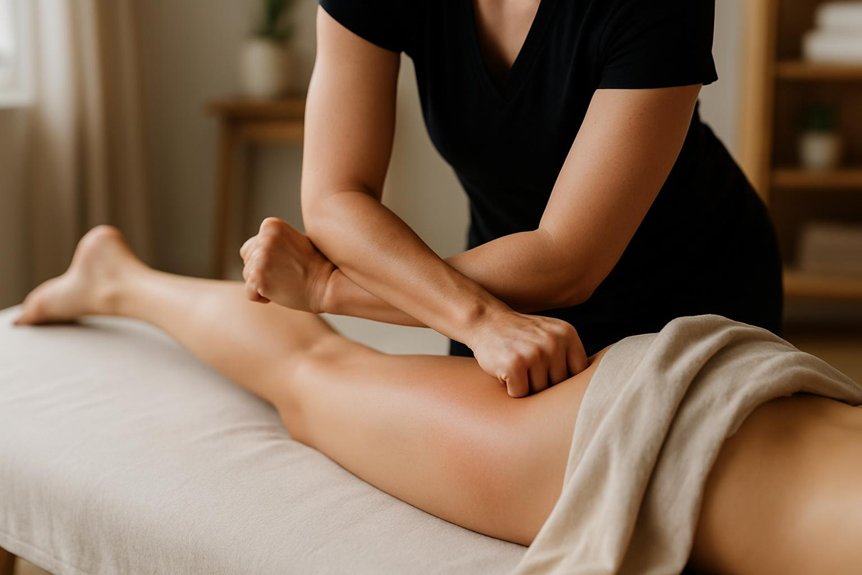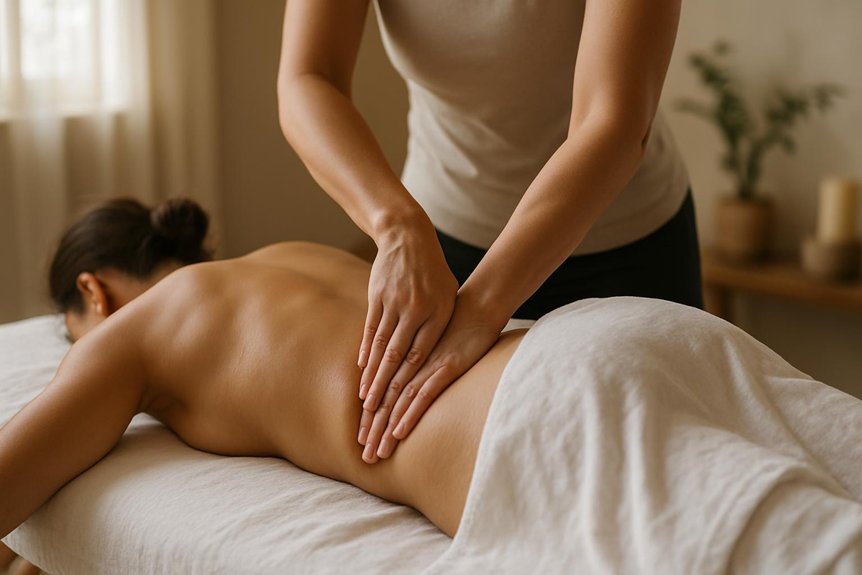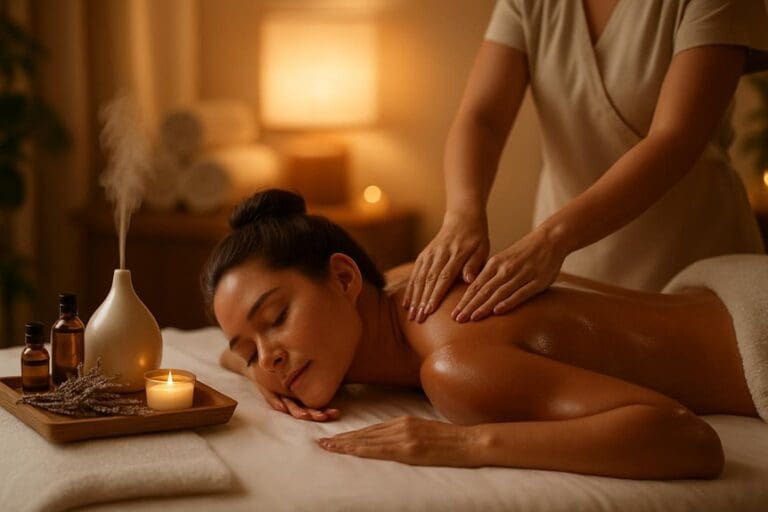
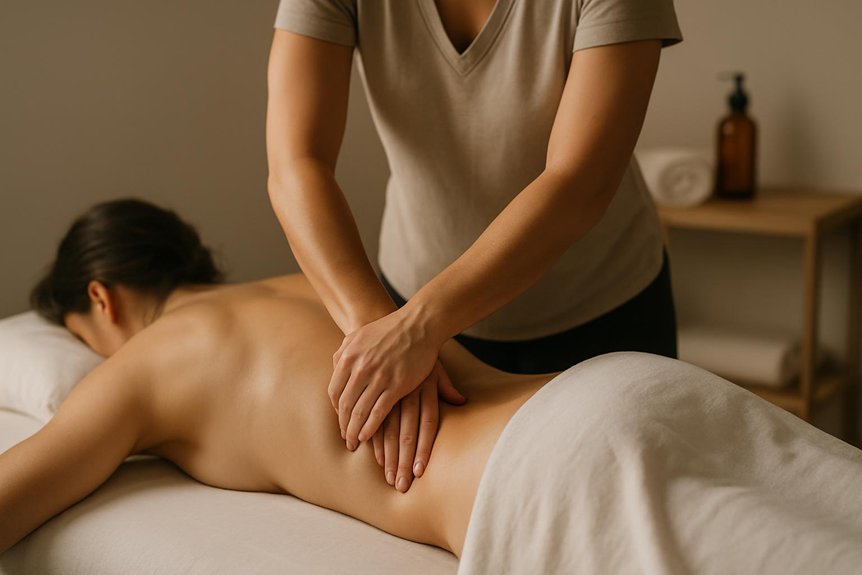
It can provide short-term relief for lower back pain that is primarily muscular, such as stiffness, myofascial tightness, and trigger points in the lumbar paraspinals, glutes, or hip rotators. Benefits are most consistent when sessions use slow, sustained pressure within a tolerable range, include screening for contraindications, and are paired with gentle movement and strengthening. It is not appropriate with red flags such as radiating numbness, weakness, fever, or bowel/bladder changes. The sections below outline best candidates, safety, and aftercare.
Is It Good for Lower Back Pain?
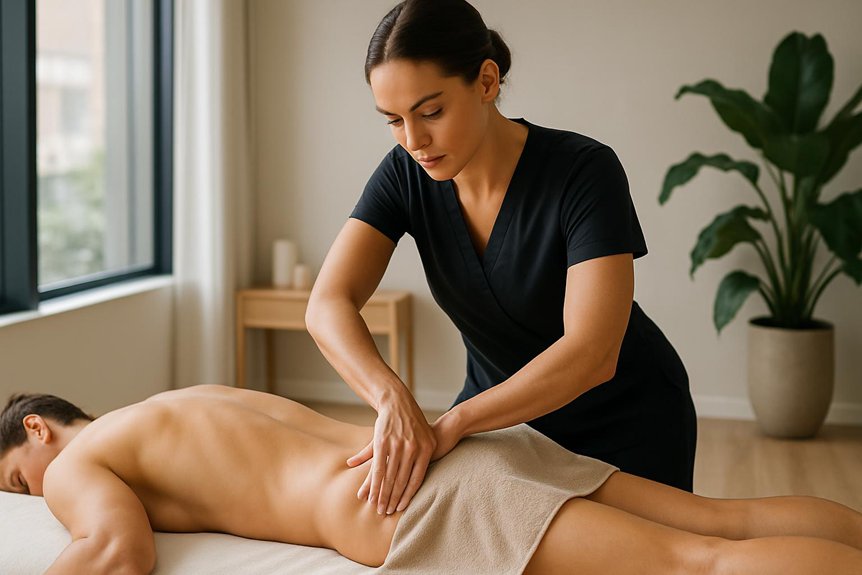
It can often be beneficial for lower back pain when symptoms are primarily musculoskeletal, such as muscle tension, trigger points, and myofascial restriction. Clinical evidence supports short-term improvements in pain and function, especially when combined with movement, strengthening, and posture guidance. Deep tissue massage is known for using slow sustained pressure to address deeper layers of muscle and connective tissue.
At Spa & Massage clinics across London, therapists use slow, sustained pressure and targeted techniques to release guarded tissues while protecting sensitive structures. Sessions are tailored to comfort, with consent-based touch and ongoing feedback to maintain a safe, intimate therapeutic experience. Deep pressure should never feel sharp, electric, or radiating; such symptoms warrant medical assessment before treatment.
Aftercare typically includes hydration, gentle heat, and light mobility work. Many clients schedule a short course of treatments, then reduce frequency as symptoms stabilise.
What Kind of Lower Back Pain Does Deep Tissue Help Most?
It tends to help most when lower back pain is primarily driven by muscle tension and protective spasm, where reducing hypertonicity may improve comfort and movement.
It is also commonly suited to postural and overuse strain—such as prolonged sitting or repetitive loading—where targeted work to the lumbar and hip musculature can address contributing soft‑tissue restrictions.
At Spa & Massage clinics across London, therapists screen for red flags and tailor pressure and technique to tolerance, as massage is not a substitute for medical assessment when pain is severe, progressive, or accompanied by neurological symptoms.
Muscle Tension And Spasm
Relieving lower back muscle tension and protective spasm is where therapeutic massage tends to be most clinically useful, particularly when pain is chiefly muscular rather than nerve-driven. This pattern often presents as local aching, stiffness, and tender “knots” in the paraspinals, glutes, or hip rotators, with limited referral below the knee.
At Spa & Massage, therapists typically work slowly into deeper layers, using sustained pressure and careful, consent-led communication to help reduce guarding and improve tissue glide. Evidence supports massage for short-term pain relief and functional gains in nonspecific low back pain, especially when paired with gentle movement.
Safety remains central: pressure is modified for acute flare-ups, bruising risk, or anticoagulant use, and red-flag symptoms prompt medical referral. Aftercare includes warmth, hydration, and light walking.
Postural And Overuse Strain
In many Londoners with desk-based routines or repetitive workloads, lower back pain is often driven less by acute injury and more by cumulative postural and overuse strain. This pattern commonly involves shortened hip flexors, overloaded lumbar erectors, and gluteal inhibition, with stiffness that builds through the day and eases with movement or heat.
Therapeutic massage can help most when symptoms are muscular and myofascial rather than nerve-related. At Spa & Massage clinics, therapists use slow, specific pressure to reduce protective tone, improve local circulation, and restore slide between tissue layers, often combining hip, glute, and thoracolumbar work.
Safety matters: radiating pain, numbness, weakness, fever, or new bladder/bowel changes warrant medical assessment before treatment.
When Therapeutic Massage Isn’t Safe for Back Pain
When is therapeutic massage the wrong choice for lower back pain? It is contraindicated with suspected fracture, acute disc herniation with progressive weakness, saddle numbness, or bowel/bladder changes; fever, unexplained weight loss, or night pain; active infection, open wounds, severe bruising, or skin rash; and confirmed deep vein thrombosis.
Caution is required with osteoporosis, bleeding disorders, anticoagulant use, cancer, recent surgery, pregnancy-related complications, or uncontrolled hypertension. Deep pressure can worsen inflammation during the first 48–72 hours after an acute strain.
At Spa & Massage, therapists screen for red flags, adapt pressure, and may recommend gentler modalities or medical review first. Intimate care means consent-led touch, clear boundaries, and stopping immediately if pain, tingling, or dizziness occurs.
Deep Tissue vs Sports Massage for Lower Back Pain
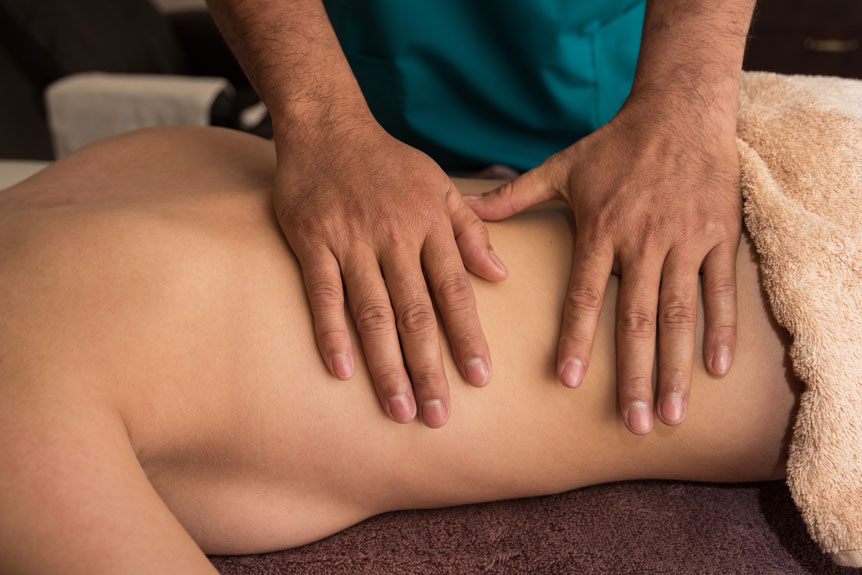
Lower back pain can sometimes respond differently to deep tissue and sports massage because each approach targets distinct tissues and clinical goals. Deep tissue tends to use slow, sustained pressure to address myofascial tightness and persistent tone, while sports massage more often blends compressions, stretching, and faster strokes to support movement patterns and training-related soreness.
Evidence suggests both may reduce pain and improve function short term, but selection should follow assessment, symptom behavior, and activity demands. For intimate comfort, pressure should remain within a tolerable “good pain” range, with clear consent and ongoing check-ins.
At Spa & Massage clinics across London, therapists screen for red flags and modify positions, bolstering with cushions, to protect sensitive lumbar structures and avoid symptom flare-ups.
How Does Deep Tissue Help Lower Back Pain?
It is typically chosen where persistent muscle tone and myofascial restriction appear to be contributing to non-specific low back pain, rather than movement-pattern soreness that may suit a sports approach.
By applying slow, sustained pressure, therapists aim to reduce protective guarding, improve tissue glide, and downshift sensitised pain pathways that can amplify discomfort. Evidence suggests massage may support short-term pain relief and functional improvement, especially when paired with gentle activity and stress management.
In Spa & Massage clinics, treatment is tailored to comfort, helping the nervous system feel safe enough to release without forcing through pain. Improved local circulation and reduced trigger-point irritability may ease aching and allow fuller breathing, posture, and sleep.
Deep tissue is avoided where red flags, infection, fracture, or acute nerve symptoms are suspected.
What to Expect in a Lower Back Deep Tissue Session
In a lower back deep tissue session at Spa & Massage, the therapist begins with a structured intake and pain mapping to identify symptoms, relevant history, and any contraindications.
Techniques are then selected based on findings, with pressure levels applied progressively and adjusted in real time to maintain safety and therapeutic tolerance.
The appointment concludes with evidence-informed aftercare and clear next steps, such as hydration, activity guidance, and a plan for follow-up sessions if indicated.
Intake And Pain Mapping
Before any hands-on work begins, the therapist at Spa & Massage conducts a structured intake and pain-mapping assessment to identify likely pain drivers and rule out red flags.
A brief health history reviews recent injury, neurological symptoms, fever, unexplained weight loss, anticoagulant use, pregnancy, and previous spinal surgery, with referral advised when indicated.
The client is invited to describe pain quality, irritability, and 24-hour pattern, then to point to exact areas of tenderness or referral.
Posture and movement screens may be used to note protective guarding and functional limits without provoking symptoms.
Together, client and therapist agree clear comfort boundaries, preferred draping, and communication cues so the session feels secure, respectful, and personally attuned throughout.
Techniques And Pressure Levels
Expect a structured, graded approach to pressure and technique rather than sustained “hard” work.
At Spa & Massage, therapists begin with warming strokes to increase circulation, then layer deeper, slower passes along the lumbar extensors, gluteals, and hip rotators to reduce protective guarding.
Pressure is titrated to a “strong but safe” sensation, staying below sharp pain, radiating symptoms, or breath-holding.
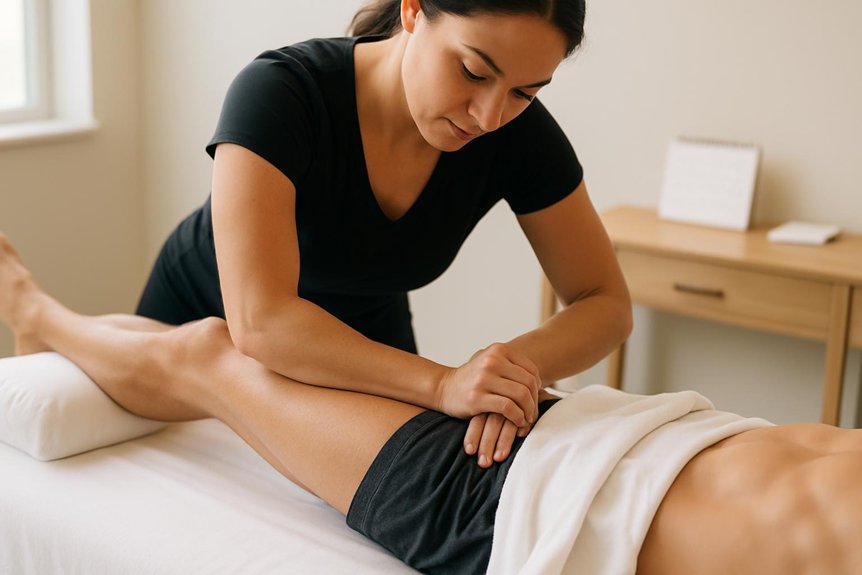
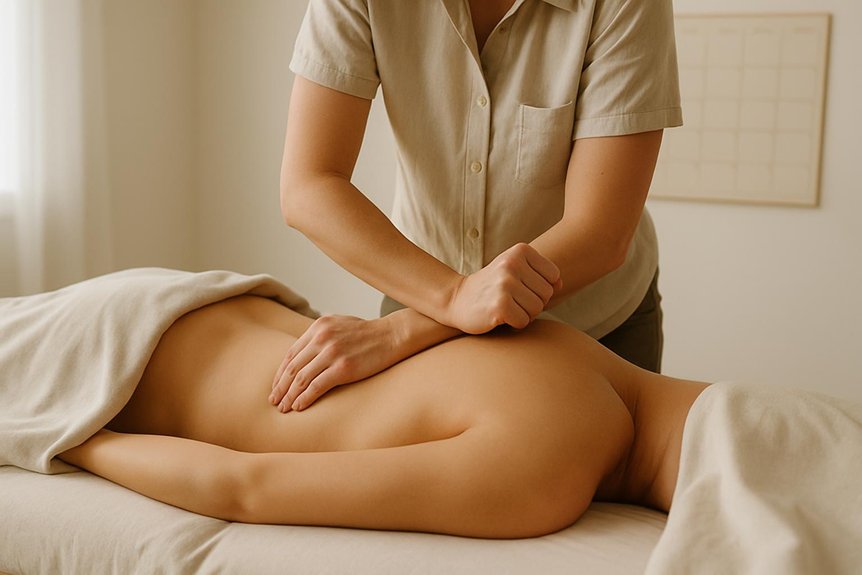
Techniques may include forearm glides, knuckle stripping, and targeted trigger-point compression, with brief pauses to allow tissue adaptation.
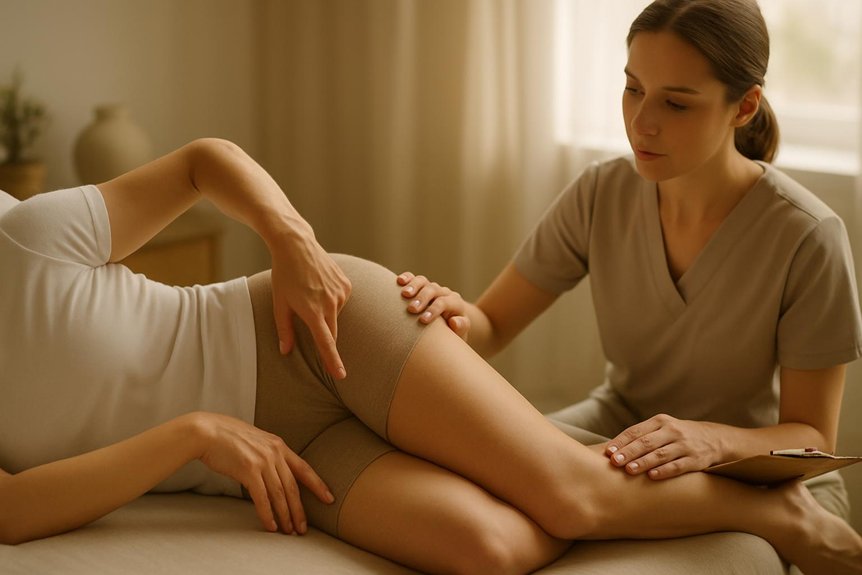
Positioning, bolstering, and draping protect vulnerable structures and maintain privacy, supporting a calm, close-to-the-body experience.
Communication remains continuous; clients can request less intensity at any moment without disrupting flow.
Sensitive areas are approached indirectly first, then reassessed.
Aftercare And Next Steps
After a lower-back deep tissue session, post-treatment responses are monitored and the care plan is adjusted to support recovery and reduce symptom recurrence.
Mild tenderness, warmth, or temporary soreness may occur for 24–48 hours; sharp, escalating pain, numbness, or radiating symptoms warrant prompt clinical review.
At Spa & Massage clinics, therapists advise steady hydration, gentle walking, and heat or cool application according to comfort, while avoiding heavy lifting and high-intensity exercise that day.
Sleep positioning with a pillow under knees (supine) or between knees (side-lying) can reduce strain.
Some clients prefer a short, quiet rest to maintain calm connection with the body.
Follow-up typically includes targeted stretches, desk and driving posture cues, and a spaced course of deep tissue or sports massage based on response.
How Many Sessions for Lower Back Pain Relief?
For most people with non-specific lower back pain, meaningful relief typically requires a short course of therapeutic massage rather than a single session. In clinical practice, an initial plan of 3–6 sessions over 2–4 weeks is commonly used to reduce muscle guarding and improve tolerance to movement, with a review after the third visit.
If symptoms are long-standing, more sessions may be needed; if pain is mild and recent, fewer may suffice. At Spa & Massage clinics across London, therapists individualise frequency based on pain intensity, tissue sensitivity, and day-to-day function, while keeping pressure within a safe, connected, comfortable range.
Lack of improvement after 4–6 sessions, worsening neurological signs, or systemic red flags warrants medical assessment.
Aftercare After Deep Tissue to Prevent Flare-Ups
Following a therapeutic massage for lower back pain, structured aftercare can reduce post-treatment soreness and help prevent symptom flare-ups by supporting circulation, moderating inflammatory response, and avoiding sudden spikes in mechanical load.
At Spa & Massage clinics across London, therapists advise steady hydration, a warm shower, and 10–20 minutes of gentle walking to keep tissues supple.
Light stretching is acceptable if it feels soothing; pain-sharpening ranges should be avoided.
For 24–48 hours, clients should limit heavy lifting, long static sitting, and high-intensity exercise, as micro-irritation can amplify stiffness.
A cool pack for 10 minutes may ease tenderness; heat may suit guarded muscles.
Adequate sleep, slow breathing, and calm intimacy can support parasympathetic recovery.
Seek medical advice for new weakness, numbness, fever, or bowel/bladder changes.
Conclusion
It may help certain mechanical lower back pain by reducing muscle guarding and improving short‑term function; it is not a cure, nor a substitute for diagnosis. Used appropriately, it complements exercise and load management. Used indiscriminately, it becomes a well‑meaning bruising ritual with a wellness receipt. Caution is warranted with suspected fracture, infection, inflammatory disease, neurological deficits, anticoagulant use, or progressive symptoms. Outcomes improve when treatment is individualised, tolerable, and paired with sensible aftercare.