Deep tissue and Swedish massage can both help pain, but they suit different patterns. Deep tissue uses slow strokes, sustained pressure, and trigger-point or fascial work to ease stubborn, localized knots, improve tissue glide, and support mobility, with possible mild soreness for 24–48 hours. Swedish uses lighter-to-moderate, flowing strokes and kneading to boost circulation and downshift stress-related tension, and should feel soothing. Choosing depends on pain location, sensitivity, and goals, with more guidance ahead.
Deep Tissue Vs Swedish Massage: Which Helps Pain?
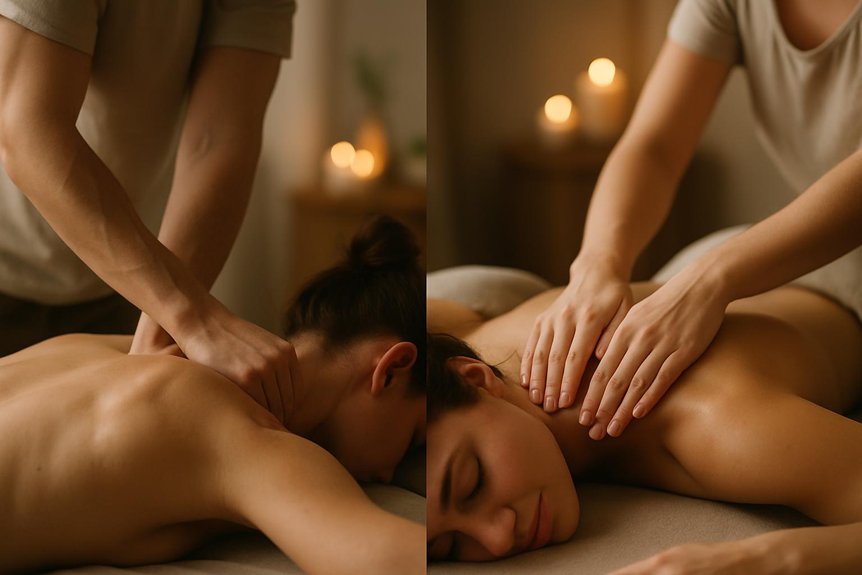
Target pain relief starts with matching the massage technique to the type of discomfort and the tissues involved.
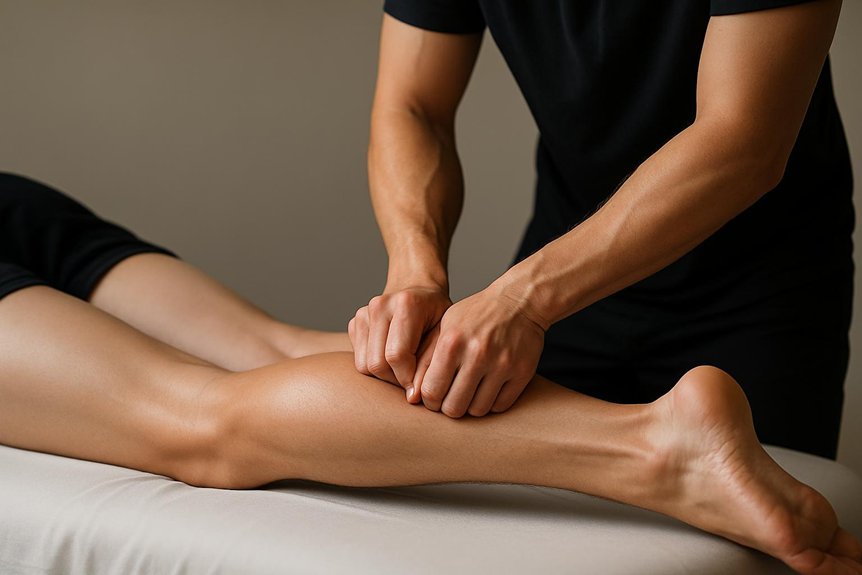
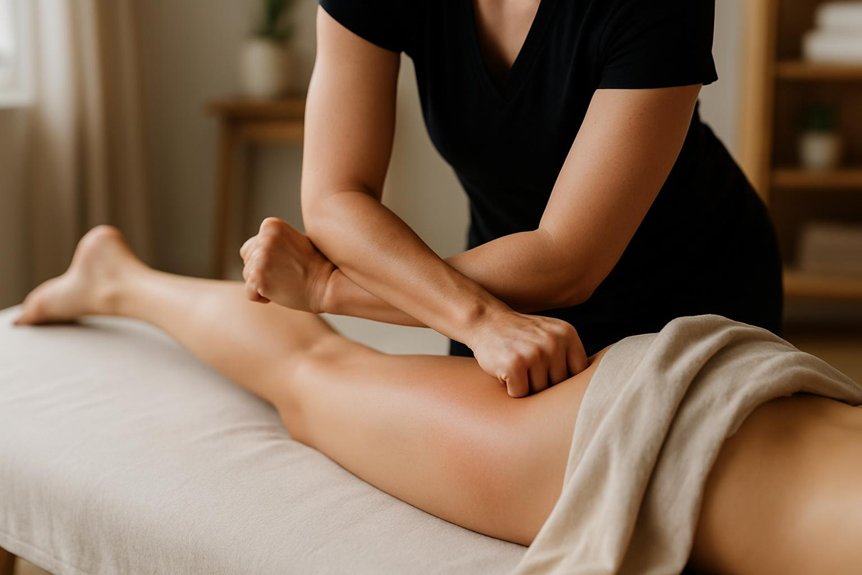
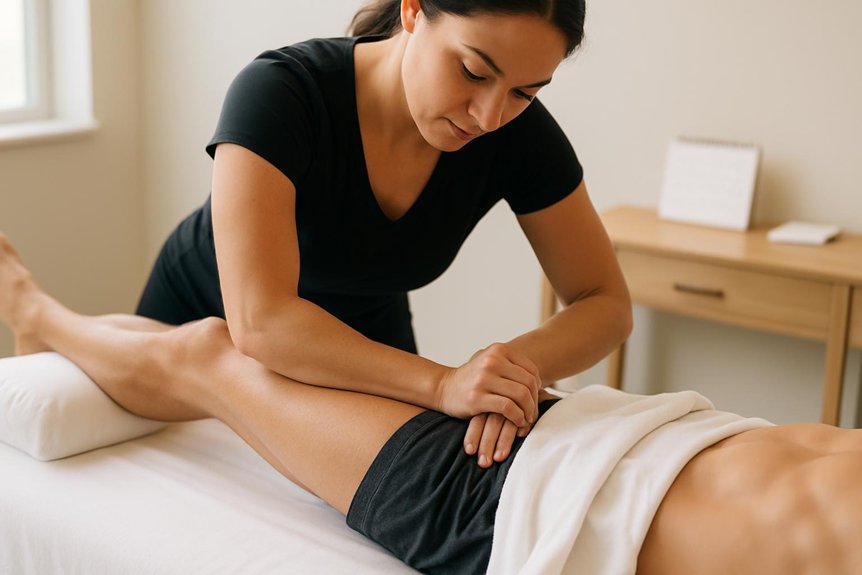
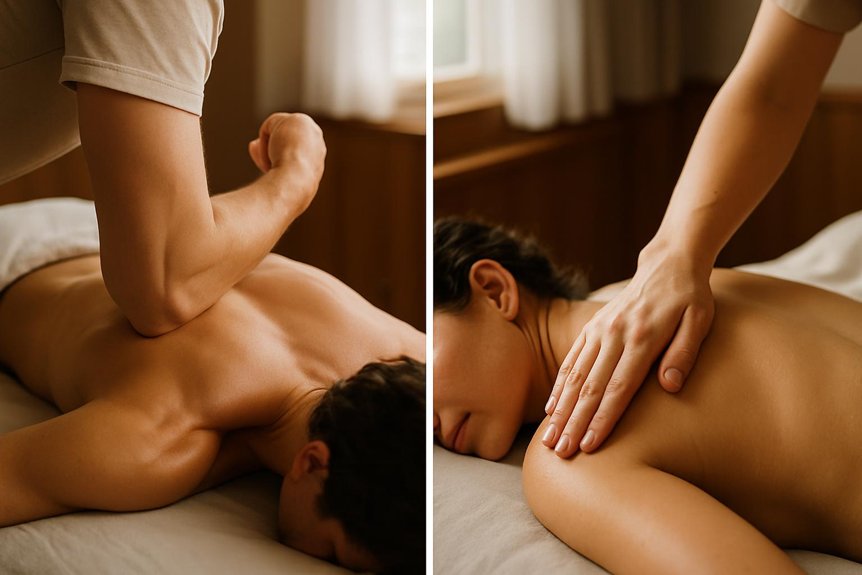
It uses slower strokes, sustained pressure, and targeted work on deeper muscle and fascia to reduce protective tension, improve mobility, and ease persistent aches. At Spa & Massage clinics, therapists often combine forearm pressure, trigger-point techniques, and careful pacing to keep intensity therapeutic, not overwhelming. This approach is often chosen for chronic muscle tension and aims to address the deeper layers linked to lingering discomfort.
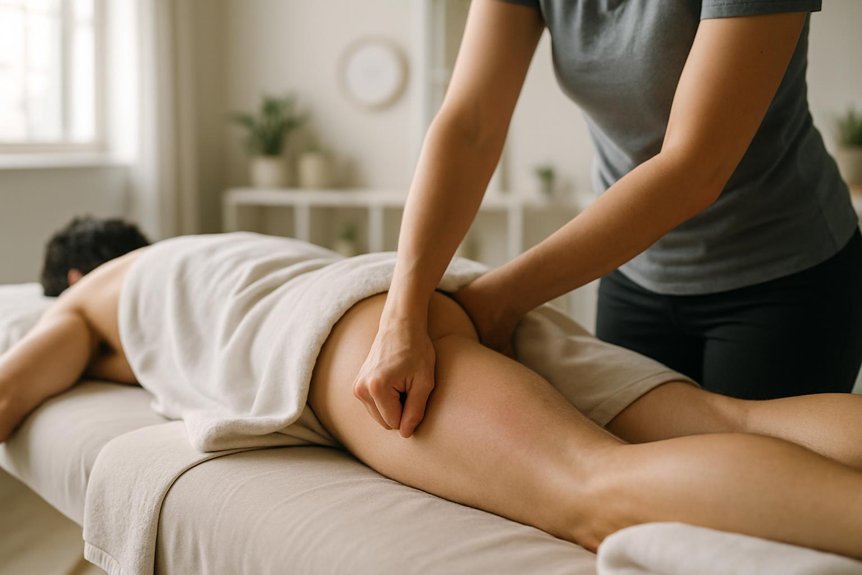
Swedish massage prioritises lighter to moderate pressure, long gliding strokes, and rhythmic kneading that supports circulation, downshifts the nervous system, and softens tenderness linked to stress.
Evidence suggests both can reduce pain perception, with deep tissue tending to suit stubborn, localized tightness and Swedish supporting broad, sensitive, or fatigue-related discomfort.
Many clients feel closer to their bodies after either approach.
How To Choose: Your Pain Type, Sensitivity, And Goals
Three factors usually guide the choice between deep tissue and Swedish massage: the dominant pain pattern (localised, persistent tightness versus diffuse, stress-linked soreness), the person’s sensitivity to pressure (including bruising tendency and post-treatment flare-ups), and the goal for the session (mobility change, recovery support, or nervous-system downshifting).
At Spa & Massage clinics across London, therapists start with a brief assessment and agree a pressure scale, then adapt techniques in real time.
Swedish massage uses slower, flowing effleurage and gentle petrissage to soothe broad soreness, improve circulation, and invite calm breathing.
Deep tissue uses more targeted, sustained pressure and specific strokes to change guarded areas, but can be moderated with shorter holds, lighter depth, and more integration strokes.
For tender clients, warming oil, paced exhalations, and aftercare hydration help sustain comfort.
Deep Tissue Massage For Chronic Knots And Injury-Related Pain
Unwinding longstanding “knots” and injury-related soreness often requires a more specific mechanical approach than a relaxation-focused massage can provide. Deep tissue work targets deeper muscle and fascial layers to reduce protective tension, improve local circulation, and restore glide between tissues—factors linked with pain modulation and better movement.
At Spa & Massage clinics across London, therapists assess the area, then use slow, focused pressure, forearm and elbow techniques, and sustained compressions, often combined with stretching and trigger-point release. Communication stays constant so intensity remains “strong but safe,” supporting nervous-system downshift rather than bracing. For post-injury patterns, treatment may focus on surrounding compensations as much as the sore spot itself.
Aftercare typically includes hydration, gentle mobility, and heat or cold guidance to support recovery.
Swedish Massage For Stress Tension And Mild Aches
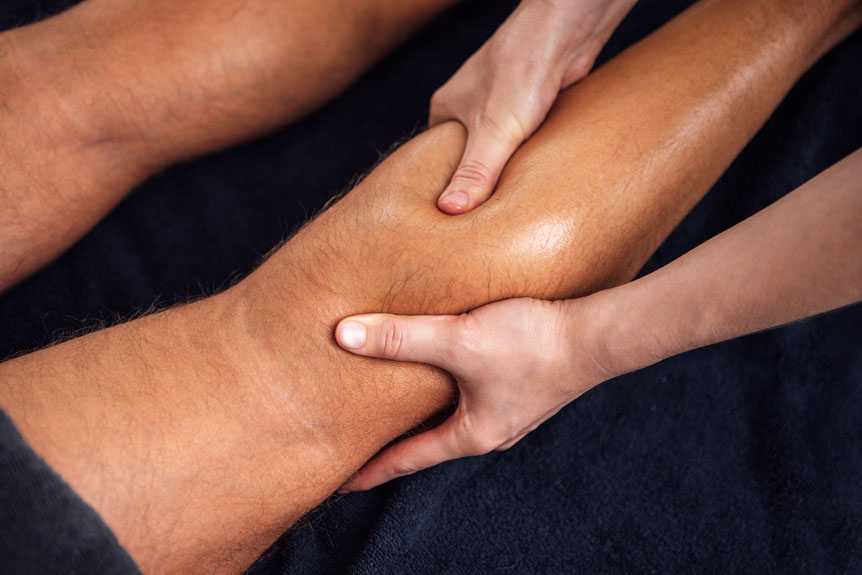
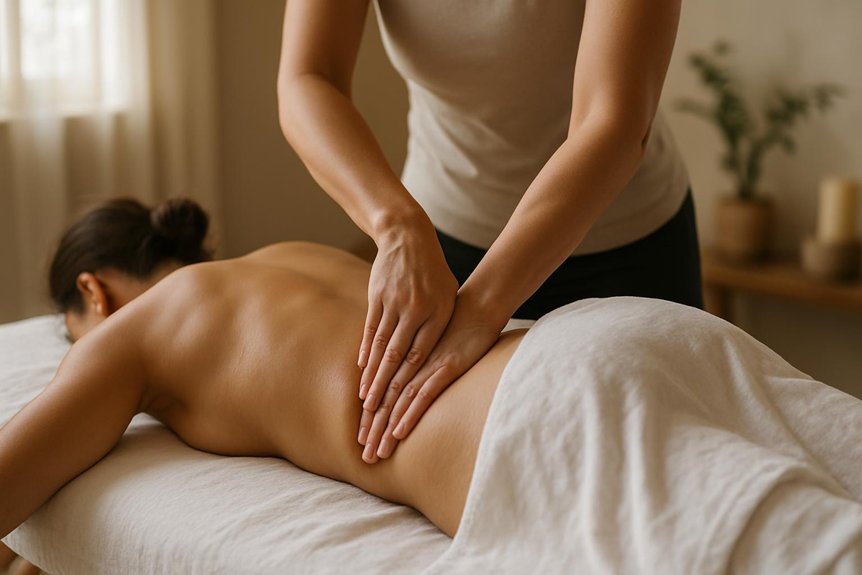
Swedish massage uses lighter-to-moderate pressure with long gliding strokes, kneading, and rhythmic movements to support circulation and ease superficial muscle tension.
In Spa & Massage clinics across London, therapists often use this approach to promote stress relief and a calmer nervous system response, adjusting pace and pressure to client feedback.
It is also commonly chosen for mild aches and post-activity recovery, where gentle work can reduce stiffness and improve comfort without the intensity associated with deep tissue techniques.
How Swedish Massage Works
How does a Swedish massage ease stress, tension, and mild aches without feeling overly intense? It typically uses light-to-moderate pressure with long gliding effleurage, gentle kneading (petrissage), rhythmic tapping, and subtle joint movements to warm tissues, improve circulation, and soften guarded muscles.
Evidence suggests this style can reduce perceived pain and increase relaxation by downshifting the nervous system and improving local blood flow. At Spa & Massage clinics across London, therapists begin with a brief consultation, then tailor strokes to areas holding tension—neck, shoulders, lower back—staying within the client’s comfort and boundaries.
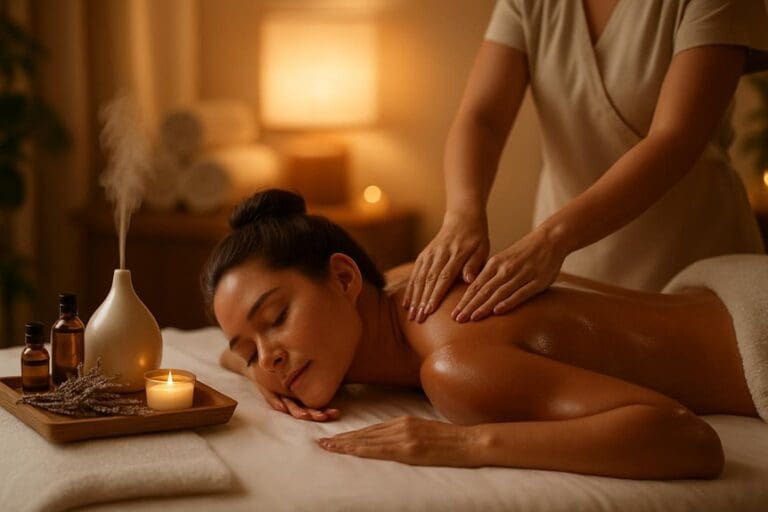
Slow pacing, consistent contact, and optional aromatherapy oils support a close, reassuring sense of care while easing everyday stiffness.
Stress Relief And Calm
In day-to-day London life, stress often shows up as guarded shoulders, jaw tension, shallow breathing, and mild muscular aches, and Swedish massage is commonly selected to address these symptoms without provoking soreness.
At Spa & Massage, therapists use slow effleurage and rhythmic petrissage to cue a parasympathetic “rest-and-digest” response, while maintaining pressure that feels safe and nurturing.
Evidence suggests massage can reduce perceived stress and support relaxation by lowering muscle tone and calming the nervous system; sessions are paced to the client’s breath and comfort cues.
Gentle work around the neck, scalp, and pectorals helps soften protective holding, and warm oil supports glide and skin-to-skin comfort.
Many clients leave feeling grounded, quieter, and more emotionally settled.
Mild Aches And Recovery
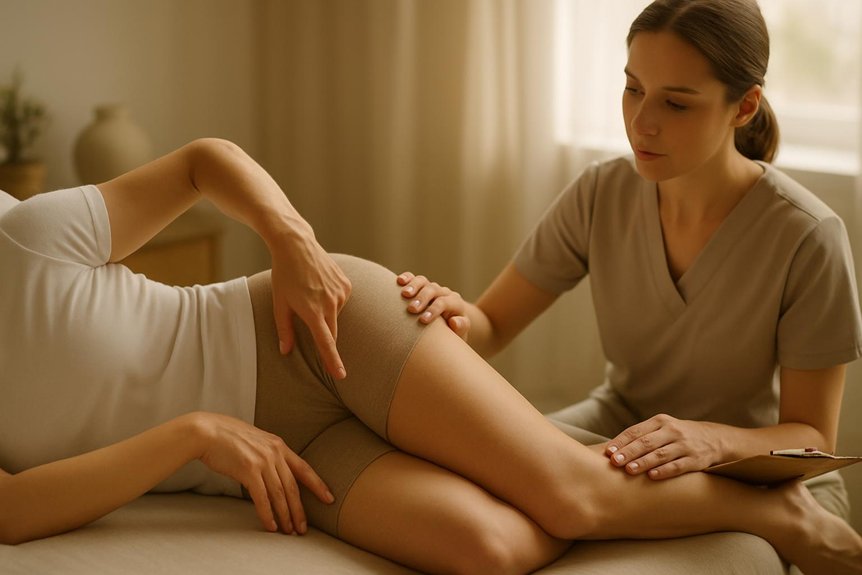
Often, the “everyday ache” seen in busy London routines—stiff upper backs from deskwork, tight calves after commuting, or low-grade neck tension—responds well to Swedish massage because it supports recovery without the intensity that can trigger next-day soreness.
At Spa & Massage clinics across London, therapists use moderate-pressure effleurage to warm tissues, then petrissage and gentle friction to ease adhesions and improve local circulation, helping muscles feel softer and more pliable.
This approach suits clients who want relief with a sense of safety and closeness, where breathing can slow and guarding can drop.
Evidence suggests massage can reduce perceived pain and increase relaxation; Swedish techniques are often chosen when soreness is mild or fatigue-based.
Aftercare typically includes hydration, light stretching, and a calm evening.
Pain Types Best Suited To Intensive Tissue Massage
It is often most appropriate when pain is linked to chronic muscle knots, sports or overuse irritation, and persistent postural tension patterns rather than general stress-related soreness.
In Spa & Massage clinics across London, therapists use slow, targeted pressure and specific myofascial and trigger-point techniques to address dense adhesions, restore tissue glide, and reduce load on sensitised areas while staying within the client’s tolerance.
The following sections outline how these pain types typically present and how deep tissue approaches are adapted to support safer movement and longer-lasting relief.
Chronic Muscle Knots
Persistent “muscle‑knot” pain—technically linked to myofascial trigger points and taut bands of tissue—tends to respond well to intensive tissue massage when the goal is to reduce local tenderness, restore glide in the fascia, and improve comfortable range of motion.
At Spa & Massage, therapists first assess pressure tolerance and referral patterns, then use slow, specific strokes (forearm glides, knuckle tracing, and sustained compression) to desensitise the point without provoking guarding. Work is paced with the client’s breath and feedback, keeping the sensation “intense but safe,” and followed by gentle flushing to encourage circulation.
Many clients notice easing within 24–48 hours, with fewer “grabs” during daily movement.
Aftercare typically includes warm hydration, light stretching, and heat if soothing.
Sports And Overuse Pain
Sports-and-overuse pain—such as post-training soreness, tendon irritation, and repetitive-strain tightness—can respond well to intensive tissue massage when symptoms are driven by local muscle overload, reduced tissue glide, and protective tension that limits comfortable movement.
In Spa & Massage clinics across London, therapists assess load history and tenderness, then apply slow, specific strokes, sustained pressure, and cross-fibre work to soothe hypertonic bands and improve sliding between layers. Intensity is calibrated to a “strong but safe” sensation, with steady breath and clear consent throughout.
Many clients notice easier range, less guarding, and calmer ache within 24–48 hours. Aftercare focuses on gentle movement, hydration, and spacing hard sessions, supporting recovery without provoking further irritation or flare-ups.
Postural Tension Patterns
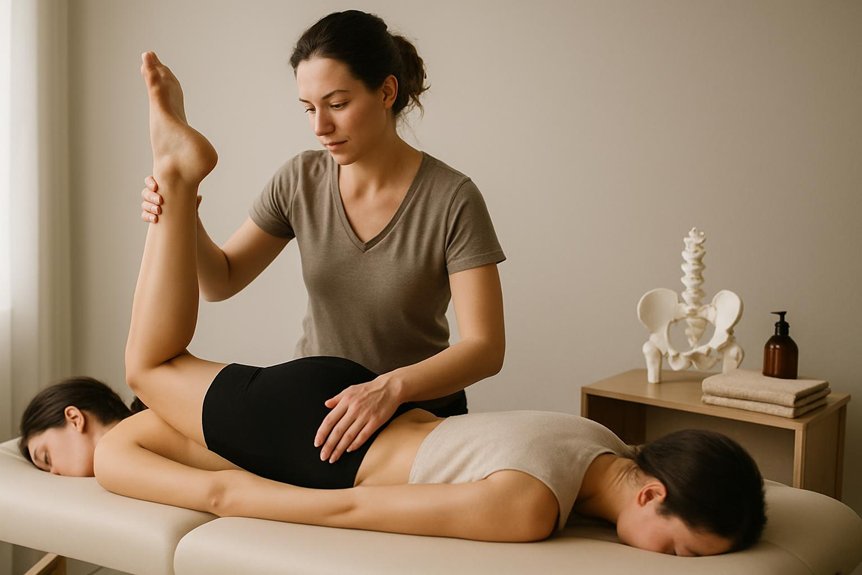
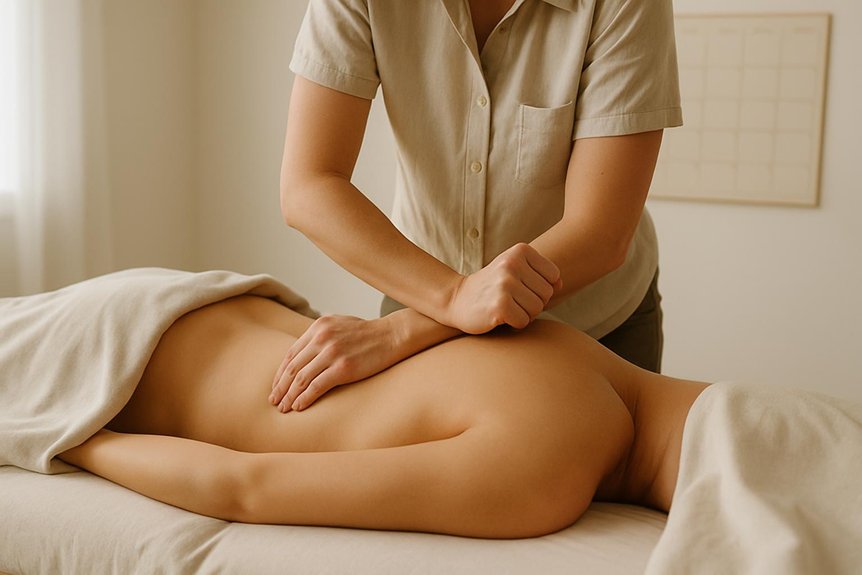
In day-to-day desk work and commuting, common postural tension patterns—such as forward-head strain, rounded shoulders, and an anterior pelvic tilt—often present as a dull, localised ache with trigger points and restricted movement rather than sharp, inflammatory pain.
It is well suited here because it targets shortened, overworked layers (for example upper trapezius, levator scapulae, pec minor, hip flexors, and lumbar extensors) while supporting underactive tissues through slower, specific pressure. At Spa & Massage clinics across London, therapists typically combine sustained myofascial release, trigger-point compression, and measured cross-fibre work, checking in regularly so intensity stays both effective and safe. Many clients notice easier breathing, freer neck rotation, and a more grounded pelvis.
Aftercare often includes gentle mobility drills, hydration, and brief desk-break resets to maintain change.
Pain Types Best Suited To Swedish Massage
Often chosen for comfort-focused relief, Swedish massage is best suited to mild-to-moderate, diffuse pain driven by muscle tension and stress rather than acute injury—such as general neck and shoulder tightness, tension-type headache patterns linked to upper-back strain, and low-grade back soreness from prolonged sitting.
It also suits “heavy,” restless legs from everyday fatigue, gentle abdominal tension linked to stress, and widespread ache where the nervous system feels over-alert.
At Spa & Massage clinics across London, therapists use long gliding strokes, kneading, and rhythmic compression to warm tissue, encourage circulation, and soften guarded muscles while supporting downregulation of stress responses.
Many clients with office-related stiffness, sleep-disrupted soreness, or post-travel tightness prefer Swedish to restore ease and intimacy with their body without provoking reactive guarding.
Will It Hurt? Pressure, Soreness, And Recovery Tips
Swedish massage is typically selected for gentler, whole-body relief—so the next practical question is how each style should feel during and after the session.
Swedish work should feel soothing, with light-to-firm gliding and kneading; discomfort suggests pressure is too high.
Deep tissue aims for specific tenderness as slower strokes and sustained pressure address tight layers, but pain should never feel sharp, burning, or breath-holding.
In Spa & Massage clinics across London, therapists use consent-based check-ins and adjust depth, pace, and angle to keep sensations “intense yet safe.”
Mild post-session soreness (24–48 hours) can occur, especially after deep tissue.
Recovery tips: hydrate, keep warm, take a gentle walk, avoid heavy training that day, and use a warm shower or compress.
Conclusion
Deep tissue and Swedish massage can both support pain relief, but outcomes depend on matching technique to symptoms and tolerance. Deep tissue uses slower, sustained pressure for deeper restrictions linked to chronic knots, postural load, or injury-related tightness. Swedish massage prioritises lighter, rhythmic strokes to reduce stress-driven tension, improve circulation, and ease mild aches. As the saying goes, “the right tool for the right job.” Spa & Massage therapists tailor pressure, pacing, and aftercare to minimise soreness and optimise recovery.