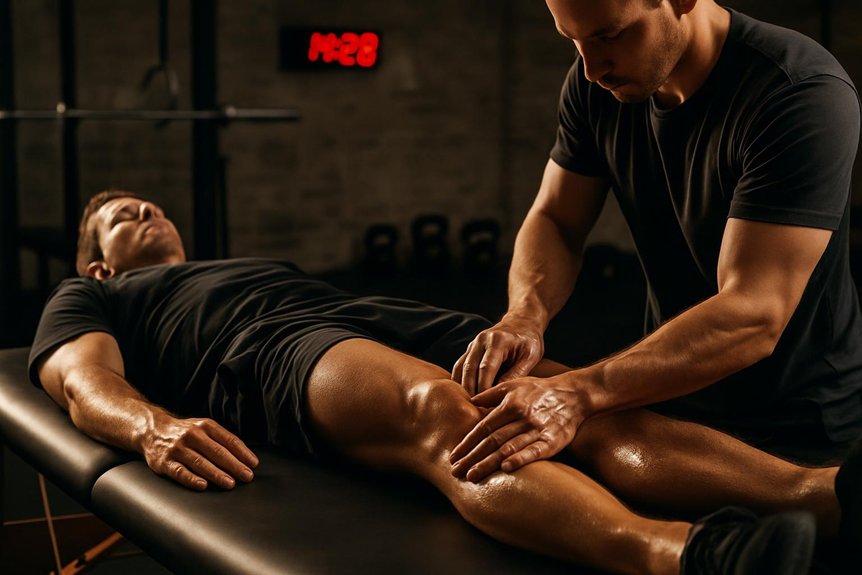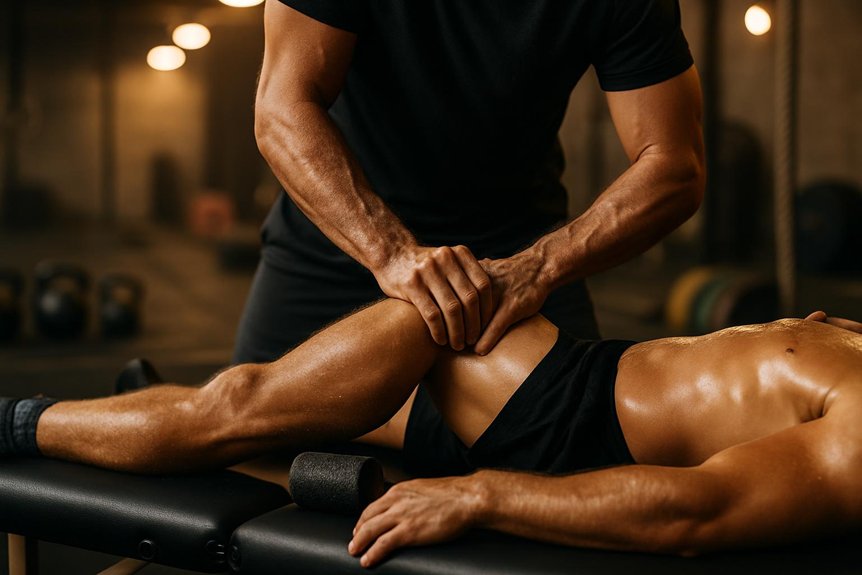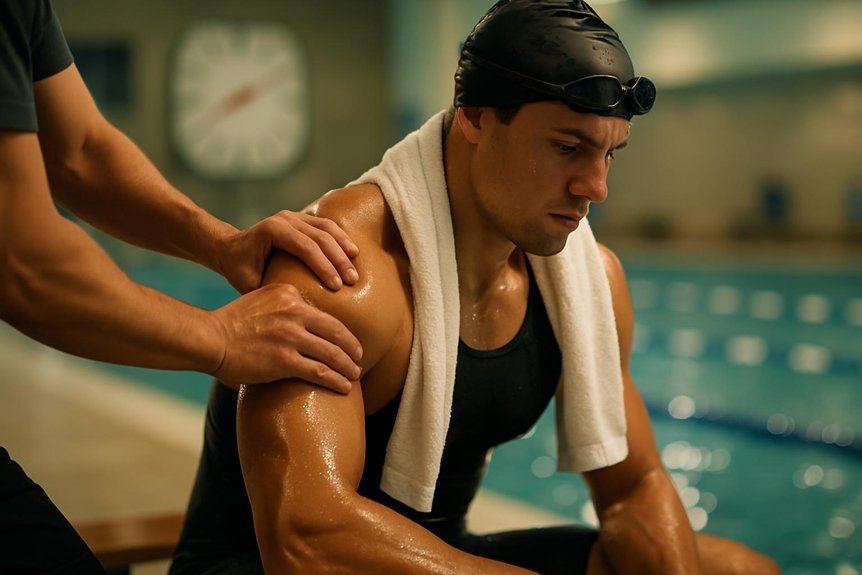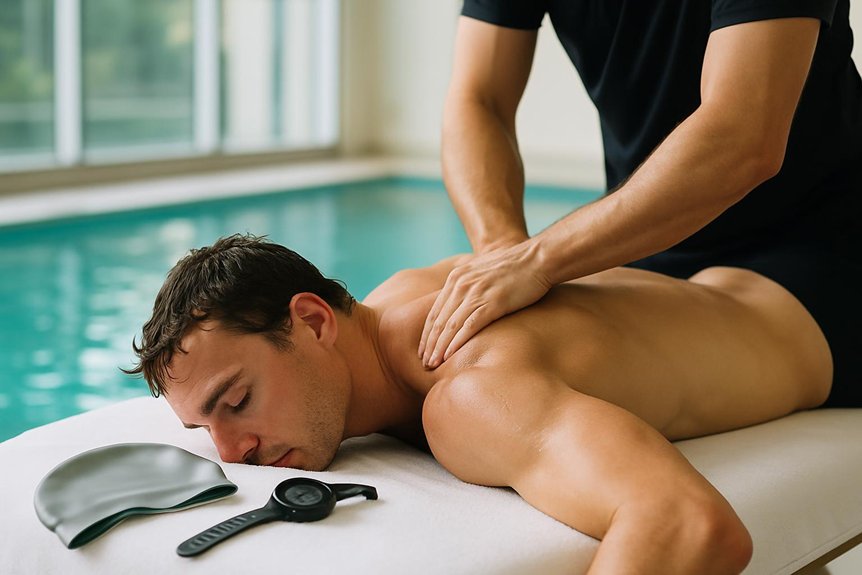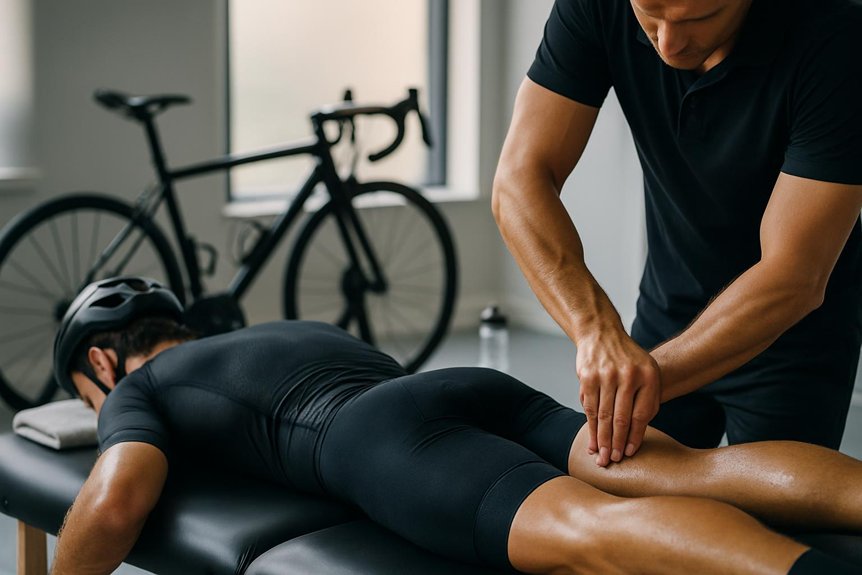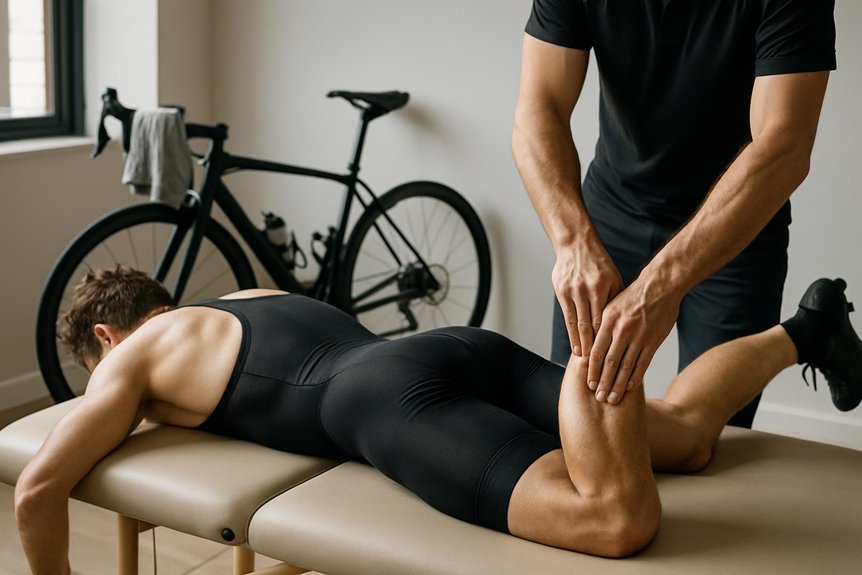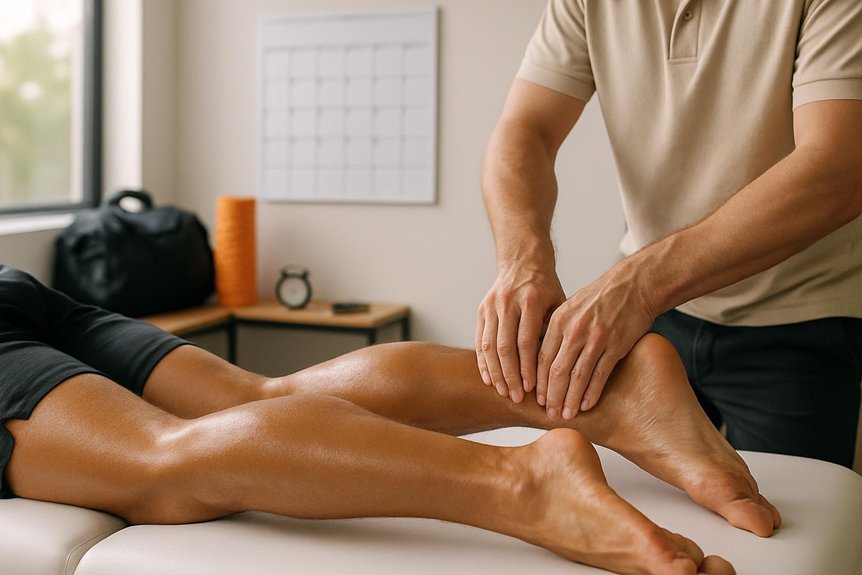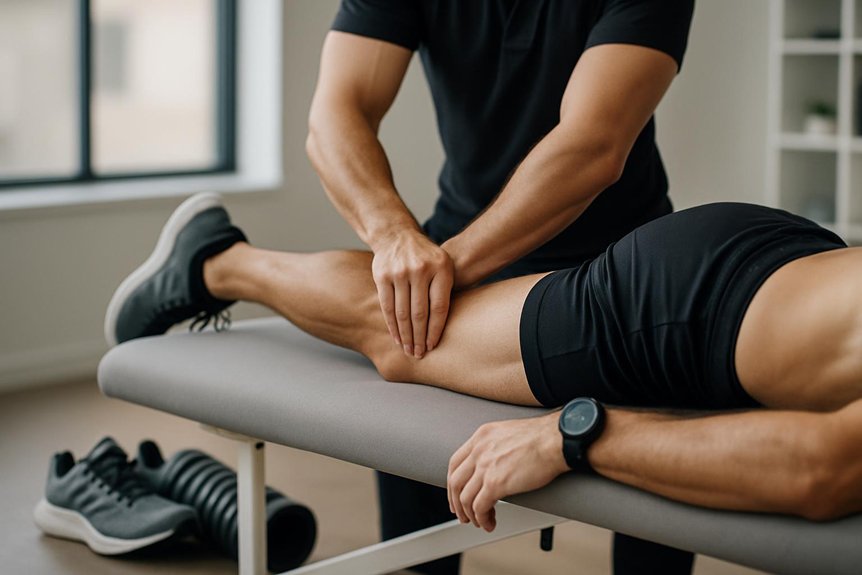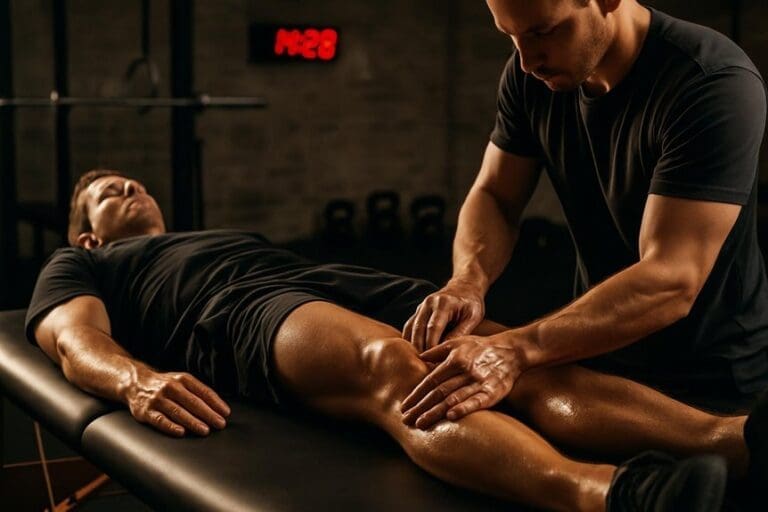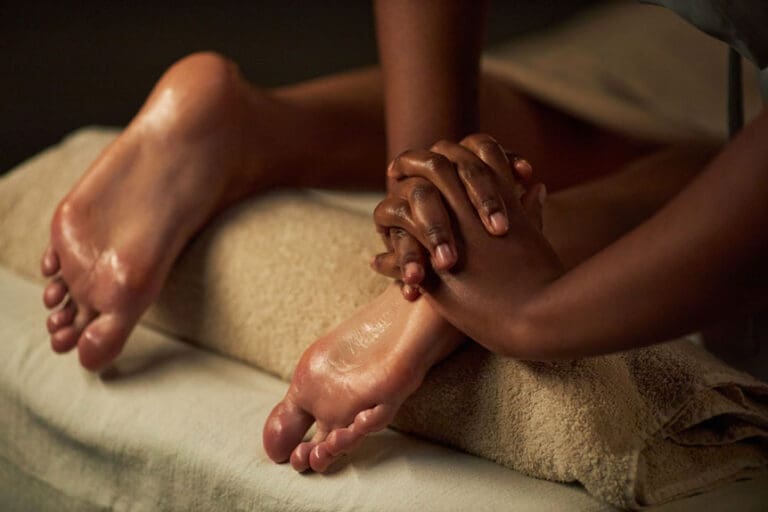
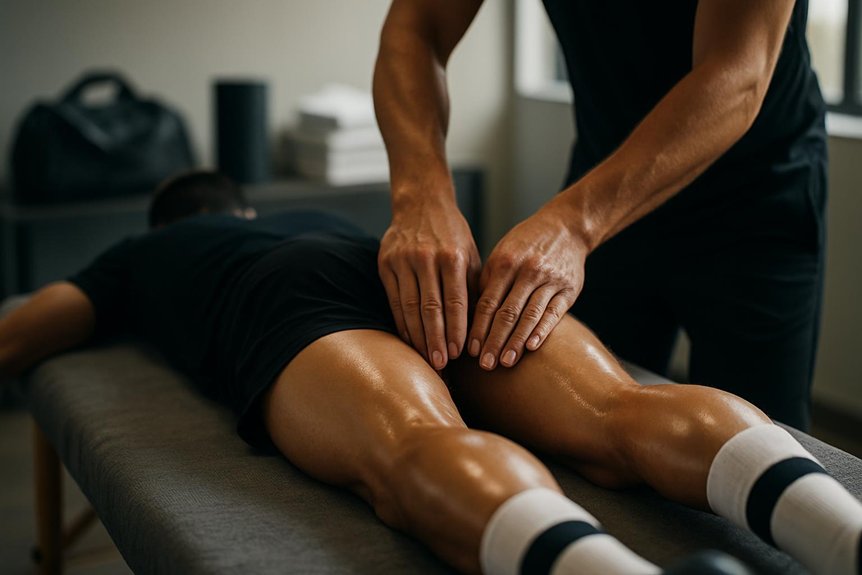
It can be a good option for soccer players because it targets the demands of sprinting, cutting, repeated kicking, and contact. It supports recovery and tissue quality in key areas such as calves, hamstrings, hip flexors, glutes, adductors, and the lower back. Evidence suggests it can reduce perceived soreness and improve short-term range of motion, helping players feel more mobile and match-ready. The sections below explain timing, frequency, and best techniques.
Is It Worth It for Soccer Players?
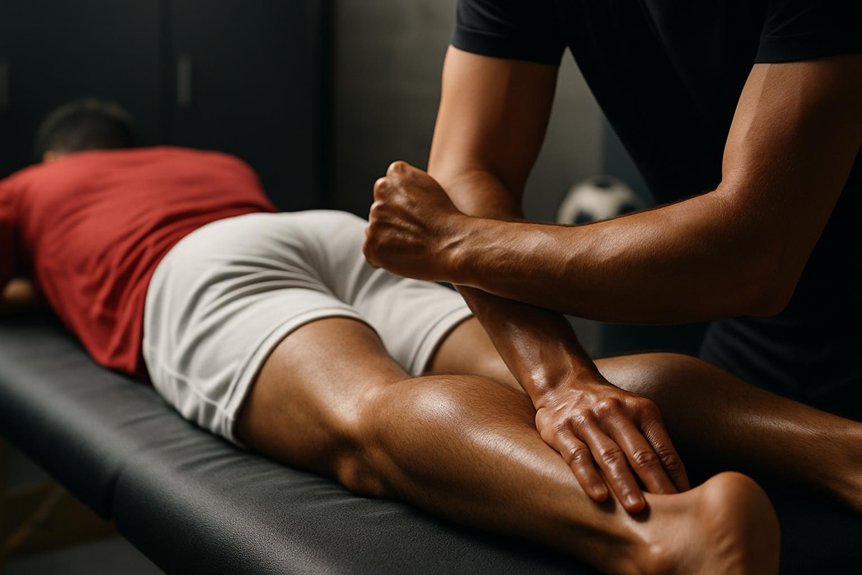
For many soccer players, it is worth it because it targets the sport’s most common demands—high-speed sprinting, rapid changes of direction, repeated kicking, and frequent contact—by supporting recovery and maintaining tissue quality in key areas such as the calves, hamstrings, hip flexors, glutes, and lower back.
Evidence suggests massage can reduce perceived muscle soreness, improve short-term range of motion, and help athletes feel more “switched on,” which may support training consistency across a season. It is not a substitute for strength work or load management, but it can complement both by easing protective tightness and improving body awareness.
It also aligns with the broader benefits of sports massage for athletes by supporting recovery and helping maintain performance readiness over time.
At Spa & Massage clinics in London, therapists use sports-specific deep tissue and myofascial techniques, tailored pressure, and clear communication, helping players feel cared for, grounded, and confident in their bodies.
When Should Soccer Players Book an Athletic Massage?
In an ideal training week, soccer players should book an athletic massage according to match load, symptom severity, and the goal of the session—recovery, maintenance, or preparation.
For recovery, evidence-informed scheduling places treatment 24–72 hours post‑match, when soreness and neuromuscular fatigue often peak; lighter pressure helps circulation and comfort without overloading tender tissue.
For maintenance, a weekly or fortnightly session during congested fixtures can address accumulating stiffness and keep range of motion consistent.
For preparation, a brief, brisk session 24–48 hours pre‑match can support readiness, avoiding deep work that may provoke soreness.
At Spa & Massage clinics across London, therapists tailor duration and pressure, then advise hydration, gentle mobility, and sleep to consolidate results.
What Soccer Problems Does It Help?
In soccer, it is commonly used to address post‑match muscle tightness and soreness—especially in the calves, hamstrings, hip flexors, and adductors—supporting recovery between training sessions.
It can also help manage overuse strains and tendon-related symptoms that build with repeated sprinting, cutting, and kicking loads.
Additionally, targeted soft-tissue work may reduce mobility and range restrictions that affect stride length, hip rotation, and ankle dorsiflexion, factors linked to performance and injury risk.
Muscle Tightness And Soreness
Across training sessions and match congestion, soccer players commonly develop muscle tightness and delayed-onset soreness in high-load areas such as the calves, hamstrings, hip flexors, adductors, and lower back. It can help by reducing perceived soreness, easing protective muscle tone, and restoring comfortable range of motion, supporting cleaner sprint mechanics and smoother changes of direction.
At Spa & Massage clinics in London, therapists typically combine targeted deep-tissue work with slower, calming strokes to settle the nervous system while addressing dense, tender bands. Pressure is scaled to the player’s tolerance, keeping treatment effective without leaving them “flattened” for the next session.
Many clients are advised to hydrate, walk lightly, and use gentle mobility later the same day.
Overuse Strains And Tendonitis
With repeated accelerations, decelerations, and high-volume kicking, soccer players commonly develop overuse strains and tendinopathies—often in the Achilles tendon, patellar tendon, adductors, hip flexors, and hamstring attachments—where cumulative load outpaces tissue recovery.
It can support these issues by reducing excessive tone in overloaded muscle-tendon units, improving local circulation, and easing protective guarding that perpetuates pain with sprinting, cutting, and striking the ball.
Evidence suggests manual therapy may help pain and function when paired with progressive loading and sensible training adjustments.
At Spa & Massage clinics across London, therapists use targeted deep tissue and sports techniques around, not aggressively on, irritable tendons, and guide aftercare: hydration, gentle self-massage, and spacing intense sessions to protect recovery.
Mobility And Range Restrictions
After weeks of sprinting, cutting, and repetitive kicking, soccer players often develop mobility and range-of-motion restrictions—most commonly at the hips (limited internal rotation), ankles (reduced dorsiflexion), and posterior chain (hamstrings and calves)—that can subtly alter mechanics and increase load on the knee, groin, and lower back.
It can help by reducing tone and adhesions in overworked tissues, improving tissue glide, and supporting short-term ROM gains when paired with targeted mobility work.
In Spa & Massage clinics, therapists assess movement cues, then use deep, slow strokes, myofascial release, and specific work to hip rotators, calves, and adductors to restore easier stride and cleaner change-of-direction.
Many clients are guided through gentle post-session stretches to “lock in” the new range.
How It Speeds Recovery and Reduces Soreness
In the days following a match or high-intensity training session, it can shorten perceived recovery time for soccer players by easing delayed-onset muscle soreness (DOMS) and restoring comfortable range of motion in heavily loaded areas such as the calves, hamstrings, hip flexors, and adductors.
Evidence suggests hands-on work may reduce pain sensitivity, improve local circulation, and downshift the nervous system, helping players feel looser and more confident when accelerating, cutting, and striking the ball.
At Spa & Massage clinics across London, therapists combine slow, deep strokes with targeted friction and gentle stretching to address tender trigger points without overwhelming fatigued tissue.
Many clients describe a warm “reset” sensation and less stiffness the next day. Hydration, light walking, and sleep are commonly recommended to support results.
Pre-Match vs Post-Match Athletic Massage: What to Do
For soccer players, pre-match athletic massage is typically scheduled within a few hours of kick-off to promote circulation and neuromuscular readiness without reducing power output.
Post-match, the priority shifts to recovery—downregulating tone, supporting tissue rehydration, and easing soreness in high-load areas such as calves, hamstrings, hip flexors, and adductors.
At Spa & Massage clinics across London, therapists tailor intensity accordingly: lighter, faster work before play and slower, deeper techniques after the final whistle based on symptoms and match demands.
Pre-Match Massage Timing
Before kick-off, the key decision is whether an athletic massage should be used to prime performance or reserved for recovery once the final whistle has gone.
For soccer, evidence favours short, brisk work close to match time: typically 10–20 minutes, finishing 30–60 minutes before warm-up, so players feel loose yet sharp.
In Spa & Massage clinics, therapists use light-to-moderate pressure, faster strokes, and targeted mobilisations for calves, hamstrings, hip flexors, and adductors—areas repeatedly loaded by sprints, cuts, and shooting.
Deep, slow work is avoided pre-match because it can leave legs heavy or sore.
Timing should also respect nerves and routine; many players respond best to quiet, focused touch that supports confidence and breathing.
Post-Match Recovery Focus
After the final whistle, athletic massage shifts from activation to recovery—aiming to downregulate the nervous system, reduce post‑match muscle tone, and support efficient tissue repair following repeated sprints, decelerations, tackles, and kicking.
Evidence suggests post‑match massage can ease perceived soreness, restore relaxation, and improve wellbeing, which helps players return to training with a clearer body signal.
At Spa & Massage, therapists commonly focus on calves, hamstrings, hip flexors, adductors, glutes, and the low back—areas heavily loaded by cutting, shooting, and contact.
Gentle flushing strokes, slow compressions, and targeted release around tender spots can encourage circulation and lymphatic flow without re‑irritating fatigued tissue.
Many clients are guided to pair the session with hydration, a warm shower, and unhurried breathing to feel safely settled again.
Choosing Right Intensity
Post‑match work typically favours calming, recovery‑led pressure, whereas the same intensity is rarely appropriate close to kick‑off.
After a match, soccer players often present with protective tone in calves, hamstrings, hip flexors, and adductors; slower, deeper strokes can ease soreness, support circulation, and downshift the nervous system.
At Spa & Massage, therapists keep pressure strong but respectful—working within a “good pain” range and avoiding bruising that could prolong fatigue.
Pre‑match massage is brief and lighter, aiming for warmth and readiness rather than tissue change.
Faster, rhythmic techniques and gentle compressions can increase local blood flow and perceived mobility without leaving the legs heavy.
If tenderness lingers, intensity is reduced; readiness beats intensity.
Which Athletic Massage Techniques Suit Soccer Legs Best?
In high‑intensity soccer, the legs absorb repeated eccentric loads from sprinting, cutting, tackling, and decelerating, so the most suitable athletic massage techniques prioritise the muscle groups and tissues that take the greatest mechanical stress—calves, hamstrings, quadriceps, hip flexors, adductors, glutes, and the iliotibial region.
Evidence‑informed choices include warming effleurage to increase local circulation, then slow stripping strokes and deep petrissage along fibres to reduce tone and improve glide.
Cross‑fibre friction is used sparingly around tendinous junctions to calm stubborn adhesions without provoking soreness.
Trigger‑point compression and gentle pin‑and‑stretch help restore comfortable range for stride and change‑of‑direction.
At Spa & Massage clinics, pressure is matched to training load, keeping the work close, reassuring, and purposeful.
Athletic Massage for Tight Calves, Hamstrings, and Hip Flexors
Tight calves, hamstrings, and hip flexors are among the most common limiting factors for soccer players because sprinting, repeated accelerations, and long periods of high‑knee running bias these tissues towards protective tone and reduced glide.
In athletic massage, targeted work can improve perceived looseness and short‑term range of motion, supporting cleaner strides and less “pulling” during cutting and shooting.
At Spa & Massage clinics in London, therapists typically combine slow deep‑tissue strokes, myofascial release, and precise trigger‑point pressure along the gastrocnemius–soleus complex, hamstring tendons, and iliopsoas/TFL region, staying within comfortable intensity.
Treatment often follows the muscle’s line of pull, then finishes with gentle mobilisation to encourage glide.
Many clients report warmer legs, freer hip extension, and smoother push‑off in the next session.
How Often Should a Soccer Player Get Athletic Massage?
Often, the ideal sports‑massage frequency for a soccer player depends on training load, match congestion, injury history, and current symptoms rather than a fixed schedule.
In heavy weeks (two matches or intense gym blocks), many benefit from 1 short, targeted session to reduce soreness and maintain tissue quality without leaving legs feeling “worked.” During steady training, 1 session every 2–4 weeks commonly supports mobility in calves, hamstrings, adductors, and hip flexors—areas stressed by sprinting, cutting, and kicking.
When returning from a strain or persistent tightness, weekly care for 2–4 weeks may help restore comfortable range and confidence.
At Spa & Massage, therapists adjust pressure and timing around sessions, aiming for recovery, readiness, and a calm, connected body.
What to Expect at Spa & Massage in London
From first appointment to post‑treatment guidance, an athletic massage at Spa & Massage in London is structured around the demands of soccer—match congestion, sprint exposure, kicking volume, and any current pain or restriction.
Intake covers training load, recent knocks, sleep, and DOMS, then a brief movement screen checks hip rotation, adductor sensitivity, hamstring tone, and ankle mobility common in footballers. Pressure is agreed explicitly, with therapists using deep tissue and targeted sports techniques to reduce perceived tightness and support range of motion without leaving a player overly sore before fixtures.
Work typically focuses on calves, quads, glutes, hip flexors, adductors, and lower back, with optional aromatherapy for calm.
Aftercare includes hydration, light mobility, and symptom monitoring; clinics span Crouch End, Bayswater, Chiswick, Earl’s Court, Belsize Park, and Richmond.
Conclusion
It can be a steady compass in soccer’s storm of sprints, cuts, and collisions. Evidence suggests it may reduce perceived soreness, improve short‑term flexibility, and support recovery when paired with sleep, nutrition, and load management. Used pre‑match, it should be brief and stimulating; post‑match, slower and restorative. It targets the calves, hamstrings, hip flexors, and glutes—the game’s overworked ropes. In London clinics, tailored plans help keep movement efficient and predictable.