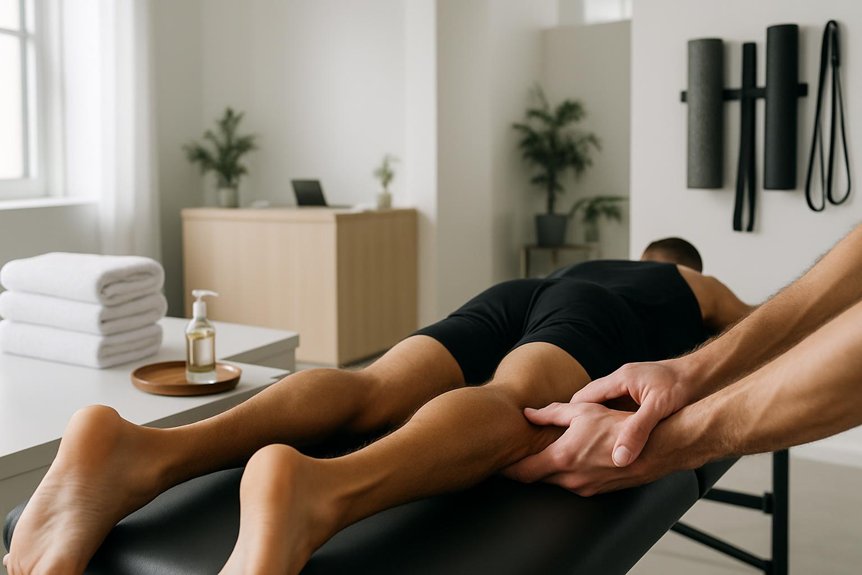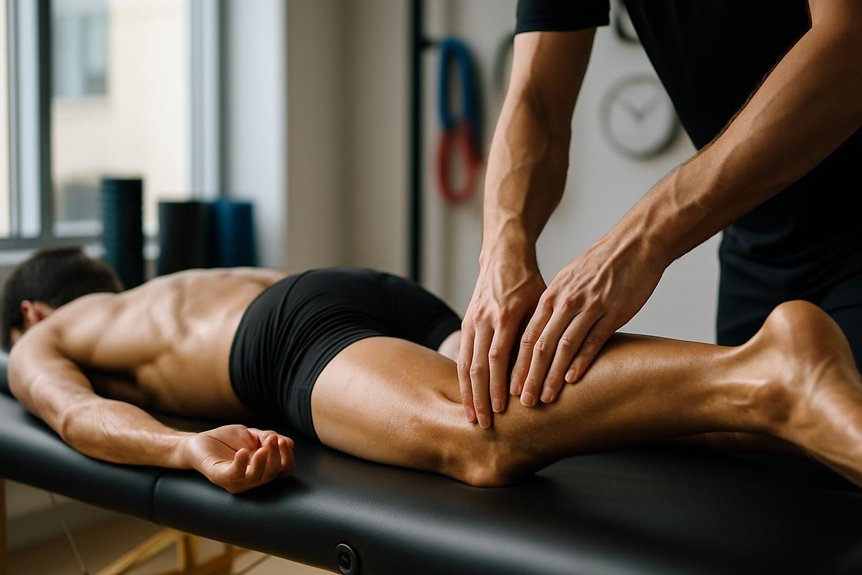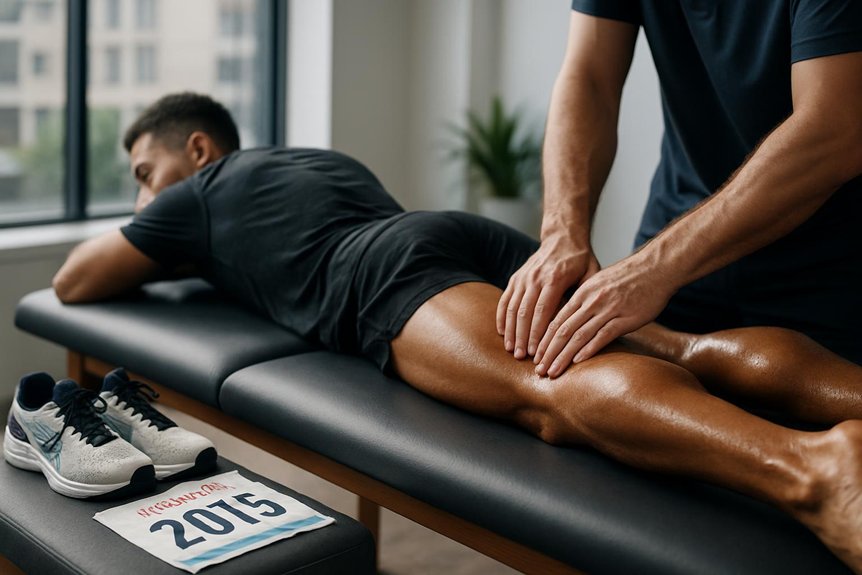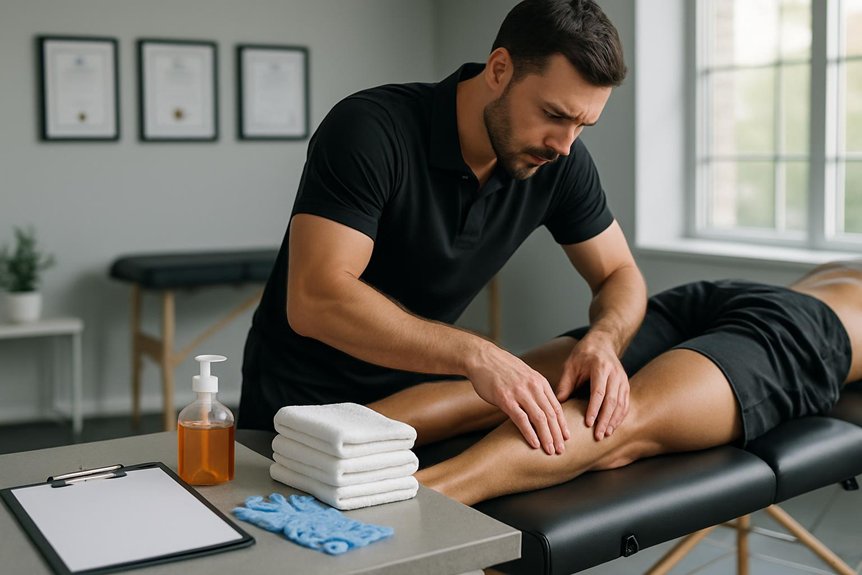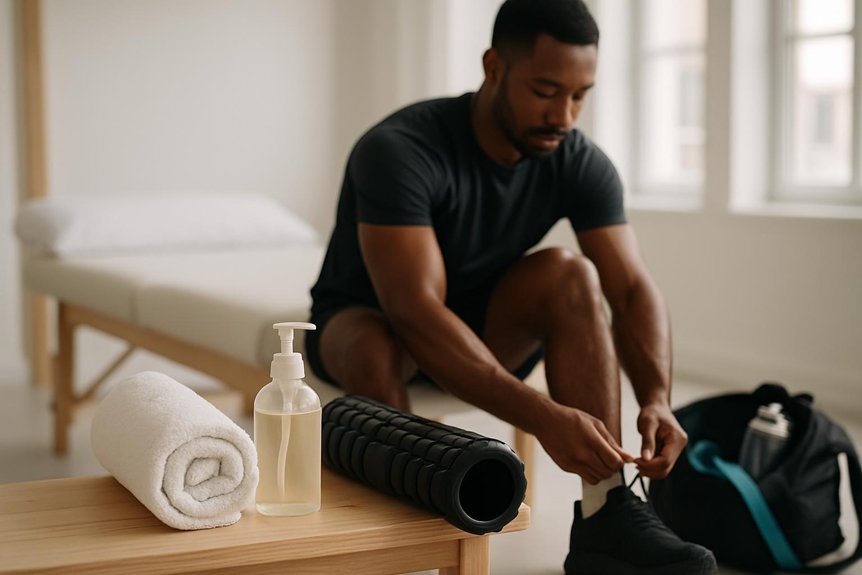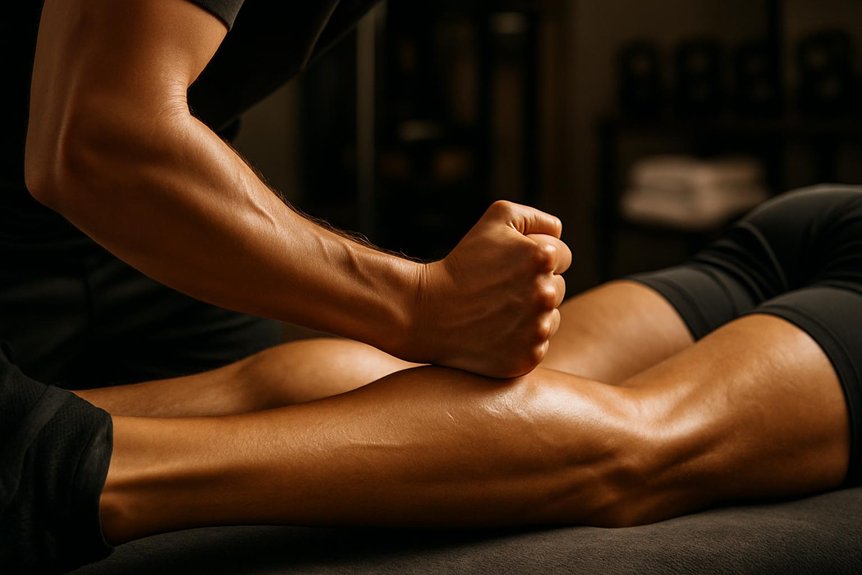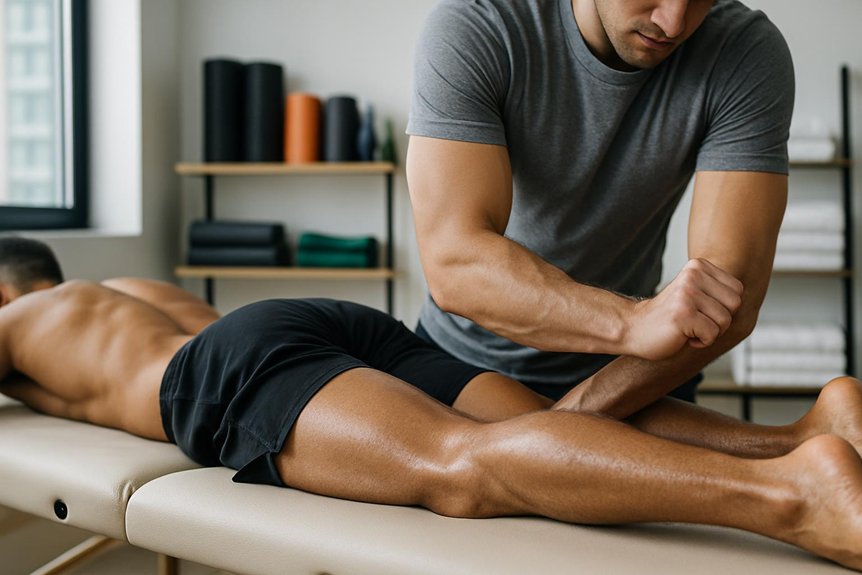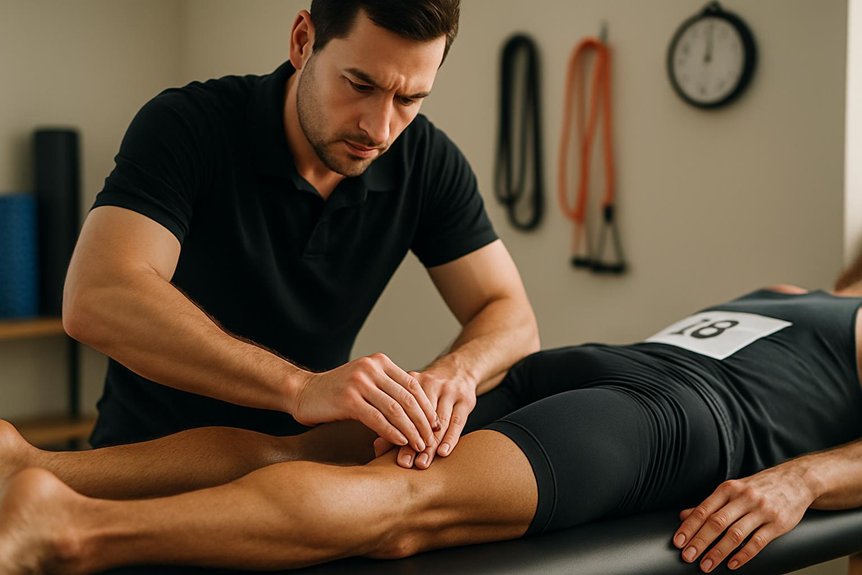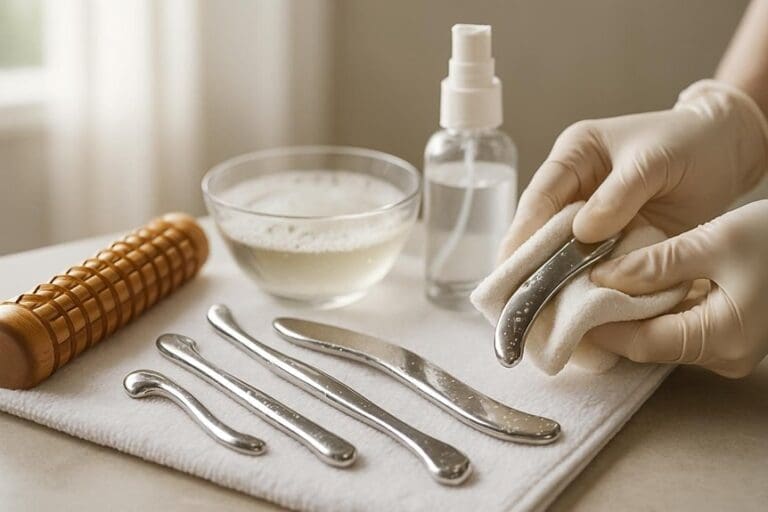
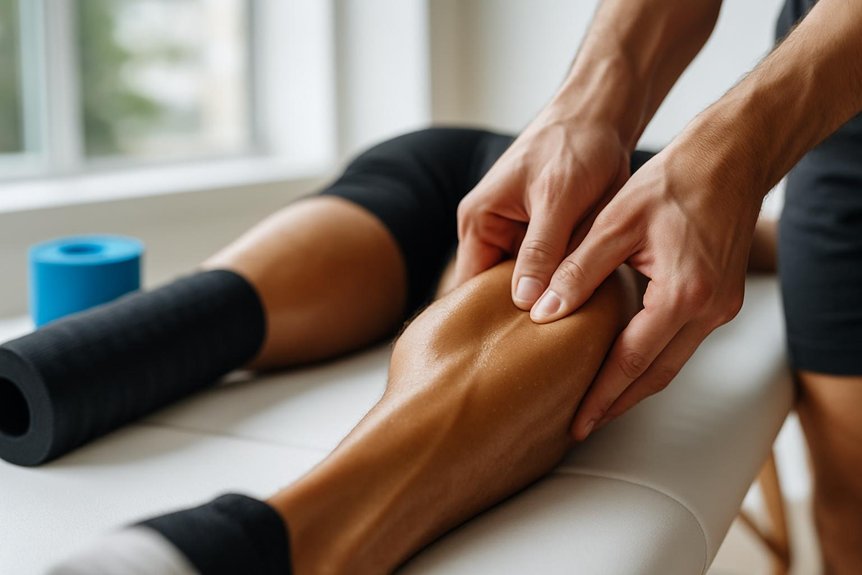
It can help muscle cramps, mainly by reducing residual muscle guarding after the spasm, easing trigger-point tenderness, and supporting recovery in fatigued tissue. It is most useful when cramping leaves ongoing tightness, restricted range of motion, or repeated “grabbing” with movement, and is best scheduled 24–72 hours after hard sessions when pressure is tolerable. It does not replace immediate stretching, rest, and hydration, and frequent or severe cramps warrant medical review. More context clarifies timing, techniques, and red flags.
Can It Help Muscle Cramps?
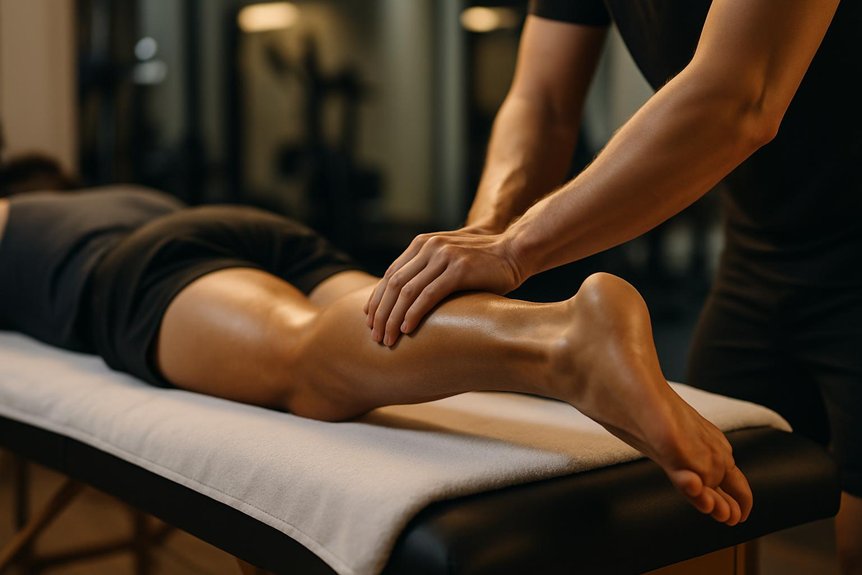
How effective is it for muscle cramps? Evidence suggests it may ease cramp discomfort and reduce post-exercise soreness, mainly by improving local circulation, lowering muscle tone, and modulating pain via the nervous system.
It is not a guaranteed “stop” for an acute cramp, yet many people feel faster settling and easier movement when hands-on work follows the episode.
As part of the broader benefits of sports massage, athletes often use it to support recovery and maintain training consistency.
At Spa & Massage clinics across London, therapists typically use firm, slow strokes, targeted compression, and gentle stretching around the affected muscle, keeping pressure within a client’s comfortable threshold.
Aftercare often includes hydration, light walking, and warmth to maintain relaxation.
Clients seeking close, reassuring care can expect clear consent, steady pacing, and responsive touch throughout.
What Causes Muscle Cramps During Exercise?
Exercise-related muscle cramps most often arise when a working muscle becomes temporarily overexcitable, tipping into involuntary contraction under load.
The leading explanation is neuromuscular fatigue: as intensity rises, spinal reflexes can shift toward excitation while inhibitory feedback drops, especially with unfamiliar pace, hills, or long efforts.
Dehydration and electrolyte losses may contribute for some people, but evidence suggests they are not the sole cause; cramps can occur even with normal fluids and sodium.
Heat stress, poor conditioning, and insufficient recovery increase risk by accelerating fatigue.
Local muscle factors—reduced flexibility, prior injury, and altered biomechanics—can heighten strain on specific fibres.
At Spa & Massage, therapists often note cramp-prone clients also report tight calves, hamstrings, or hip flexors, and high training loads.
What to Do When a Cramp Hits (and What to Avoid)
Neuromuscular fatigue and local muscle strain help explain why cramps can strike suddenly, but the immediate priority is to reduce the reflex-driven contraction safely.
The person should stop the activity, breathe slowly, and gently move the joint to lengthen the cramped muscle, holding a comfortable stretch for 20–30 seconds and repeating. Light walking or easy range-of-motion can restore normal firing patterns.
If heat is available, brief warmth may help; if soreness follows, short icing can calm irritation. Hydration and electrolytes can be topped up, especially after heavy sweating, but they are not an instant fix.
What to avoid: forceful stretching, bouncing, “pushing through,” aggressive self-kneading, and sharp pain triggers. Persistent or recurrent cramps warrant clinical review.
How It Helps Relieve Cramping Muscles
In the aftermath of a cramp, it can help restore comfortable movement by reducing residual muscle guarding and improving local tissue tolerance. By modulating pain and tone through touch, it can downshift protective neural drive, allowing the muscle to lengthen and load more normally. Increased local circulation and fluid exchange may support recovery of fatigued tissue, while gentle pressure can ease tender trigger points that perpetuate tightness.
At Spa & Massage clinics across London, therapists assess the cramping area and related kinetic chain to reduce compensatory strain, then tailor pressure to keep the work soothing rather than provocative. Many clients report quicker return to comfortable walking, training, and sleep, alongside reduced post-cramp soreness over the next 24–48 hours.
Which Athletic Massage Techniques Work Best for Cramps?
For cramp-prone muscles, clinically applied trigger point release can reduce local hyperirritability and pain sensitivity, supporting a faster return to normal contraction.
Assisted stretching techniques then help restore range of motion and recalibrate neuromuscular control, which may lower recurrence risk when used appropriately.
At Spa & Massage clinics across London, therapists typically combine these methods based on assessment findings, targeting the specific muscle groups most implicated in the client’s cramp pattern.
Trigger Point Release
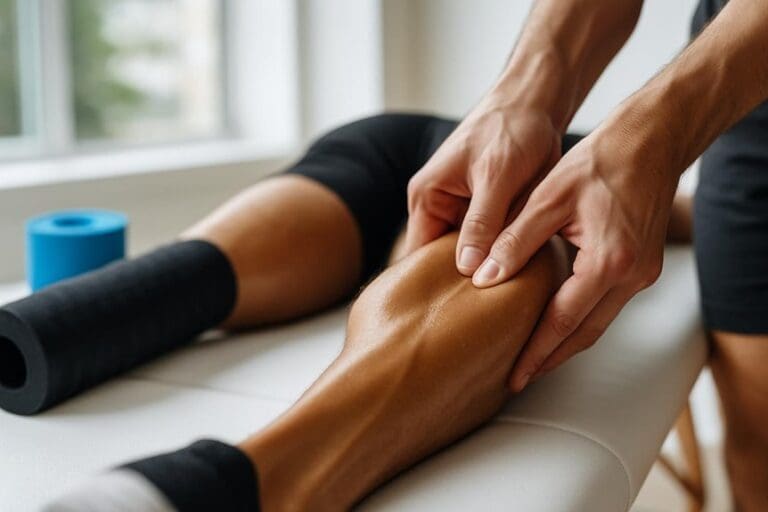
Targeting hyperirritable “knots” within a cramped muscle, trigger point release uses sustained, specific pressure to reduce local tenderness and referred pain while restoring more normal tone.
Clinically, it aims to downregulate protective spasm and improve local circulation, which may help shorten cramp duration and ease post-cramp soreness.
At Spa & Massage clinics across London, therapists locate sensitive taut bands by palpation, then apply graded, tolerable compression for 20–60 seconds, often paired with slow breathing cues to soften guarding.
Evidence suggests trigger point work can reduce pain sensitivity and improve range of motion in myofascial pain states, though cramp causes (fatigue, dehydration, electrolytes) still matter.
Pressure should feel intense yet safe, never sharp or numbing.
Assisted Stretching Techniques
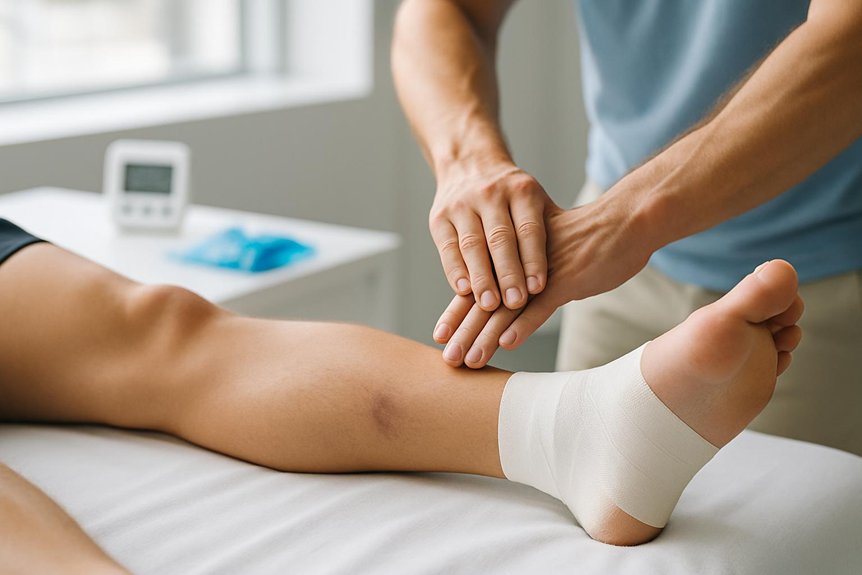
After the acute spasm settles, assisted stretching is often one of the most practical performance massage tools for reducing residual tightness and lowering the likelihood of immediate recurrence. At Spa & Massage, therapists typically use gentle contract–relax (PNF) and slow, supported static holds, staying below pain and avoiding fast bouncing that can re-trigger guarding.
For calves and hamstrings, the limb is positioned to a mild stretch, followed by a brief, low-effort isometric contraction (about 5–10 seconds), then a longer exhale-led lengthening (20–30 seconds). This sequence can improve short-term range, reduce perceived cramp intensity, and normalise tone by engaging neuromuscular inhibition.
Communication is close and reassuring, with hand placement that stabilises joints and protects tendons. Sessions end with easy home stretches and hydration reminders.
When to Book a Performance Massage for Muscle Cramps
Booking a performance massage is typically most appropriate when muscle cramps are recurrent, follow strenuous training, or begin to restrict normal movement and training load.
In these situations, clinicians commonly prioritise assessment of muscle tone, trigger points, and contributing overload patterns to help reduce irritability and support recovery.
At Spa & Massage clinics across London, therapists time treatment around symptoms and training demands to address cramps while minimising aggravation.
During Recurring Cramp Episodes
Recurring muscle cramps—particularly when they reappear during training blocks, long commutes, or disrupted sleep—often indicate an underlying mismatch between muscle load, recovery, and tissue capacity, rather than a one-off episode.
Booking a performance massage during this pattern can help identify contributing triggers such as persistent calf or hamstring tightness, altered gait, or protective guarding after a prior strain.
At Spa & Massage clinics across London, therapists assess tenderness, tone, and range, then apply targeted deep tissue and myofascial techniques to reduce local sensitivity and improve glide between muscle layers.
Clients are guided through gentle, partner‑free stretches and paced self‑massage for evenings when cramps threaten sleep.
If cramps are frequent, severe, or accompanied by swelling, numbness, or new weakness, medical review is advised promptly.
After Strenuous Training
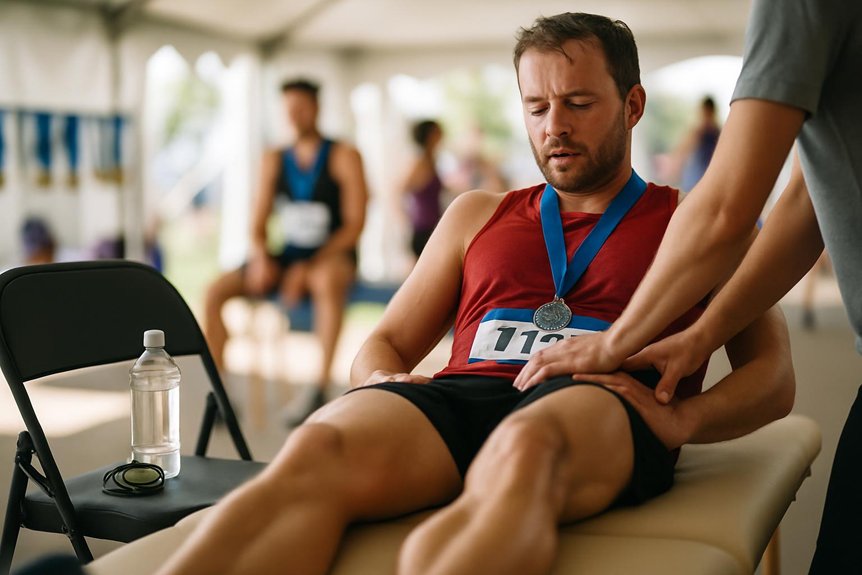
Within the first 24–72 hours following a hard training session, a performance massage can be most useful when cramping is paired with persistent muscle tightness, focal tenderness, or a noticeable reduction in range of motion—signs that local tissue load has exceeded current recovery capacity rather than representing a brief, isolated spasm.
At Spa & Massage clinics across London, therapists typically book these sessions once acute soreness has settled enough for comfortable pressure, then apply graded deep-tissue and sports techniques to decrease tone, improve local circulation, and restore glide between layers. Many clients also benefit from gentle stretching, diaphragmatic breathing, and slow tempo work that calms protective guarding.
Aftercare usually includes hydration, light movement, and heat as tolerated, with a return-to-training plan based on symptoms.
When Cramps Limit Movement
When a muscle cramp meaningfully restricts walking, running mechanics, or joint range—especially if it persists beyond the immediate spasm or repeatedly “grabs” with movement—it signals sustained neuromuscular guarding and local tissue overload that often responds well to a clinically applied performance massage.
Booking is appropriate when compensations appear (limping, altered stride, reduced calf/hamstring length), when pain lingers 24–48 hours, or when cramps recur in the same spot.
At Spa & Massage, therapists assess tone, trigger points, and tenderness, then use graded pressure, slow myofascial work, and gentle stretching to restore glide and reduce protective spasm without provoking flare-ups.
Aftercare typically includes hydration guidance, heat or contrast as tolerated, and simple mobility drills.
Seek medical review if swelling, numbness, or sudden weakness occurs.
Performance Massage for Recurring Cramps (Especially Runners)
For runners prone to repeated calf or hamstring cramps, performance massage is often used as a targeted adjunct to training load management, hydration/electrolyte strategy, and strength work.
Clinically, it may help by reducing resting muscle tone, improving local circulation, and restoring comfortable range of motion—factors linked with cramp susceptibility during hard sessions.
At Spa & Massage clinics across London, therapists commonly combine slow deep-tissue strokes with trigger-point compression and gentle assisted stretching, focusing on gastrocnemius/soleus, hamstrings, and hip flexors.
Sessions are typically timed 24–72 hours after demanding runs, or in a lighter training week, to avoid adding fatigue.
Many clients report fewer “late-run” cramps and better leg confidence when massage is paired with consistent calf strengthening and graded mileage increases.
When Muscle Cramps Need Medical Advice
How can a person tell a routine “exercise cramp” from a symptom that warrants medical input? Most exercise cramps resolve within minutes, improve with gentle stretching, hydration, and rest, and do not recur at night. Medical advice is prudent when cramps are severe, frequent, persist beyond 10–15 minutes, disrupt sleep, or occur without exertion.
Red flags include swelling, redness, warmth, one-sided calf pain, breathlessness, chest pain, numbness, weakness, fever, dark urine, or new medication use (for example diuretics or statins). People with diabetes, kidney disease, pregnancy, or vascular problems should be assessed sooner.
At Spa & Massage clinics, therapists can ease tightness with performance massage, but they will advise pausing treatment and seeking GP or urgent care when warning signs appear.
Conclusion
It can help manage exercise-related muscle cramps by reducing excessive tone, improving local circulation, and restoring range of motion, particularly when fatigue and overload are key drivers. Used alongside hydration, progressive training, and correction of strength or flexibility deficits, it may reduce recurrence. Like a pressure valve releasing built-up strain, targeted techniques can calm irritable tissue and support recovery. Persistent, severe, or unexplained cramps warrant medical assessment to exclude systemic or neurological causes.