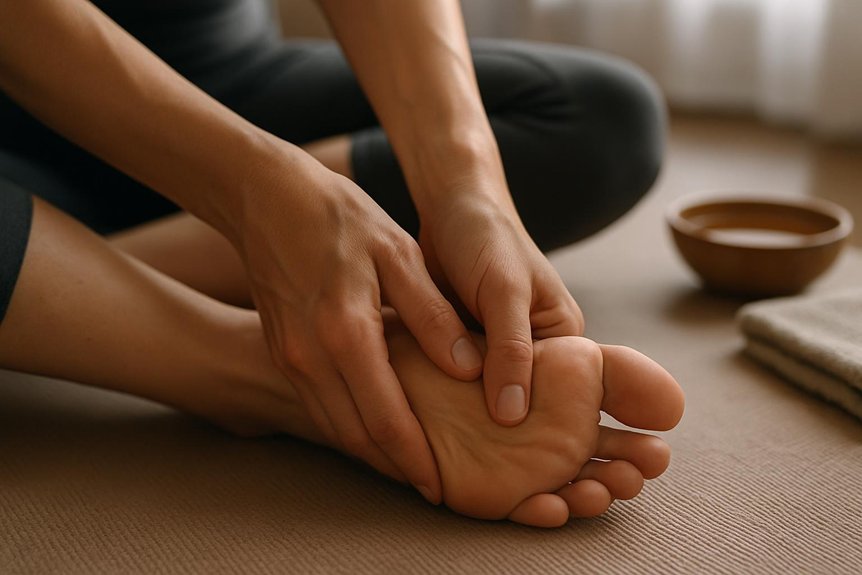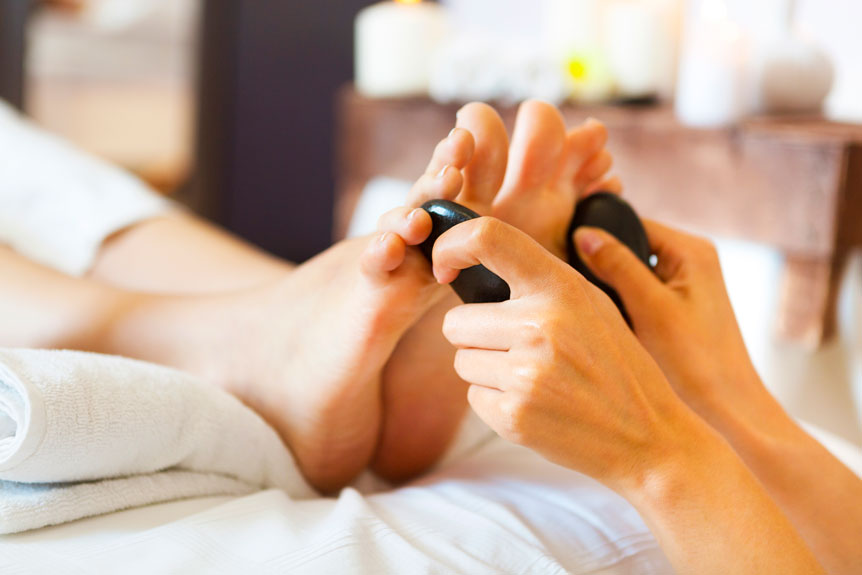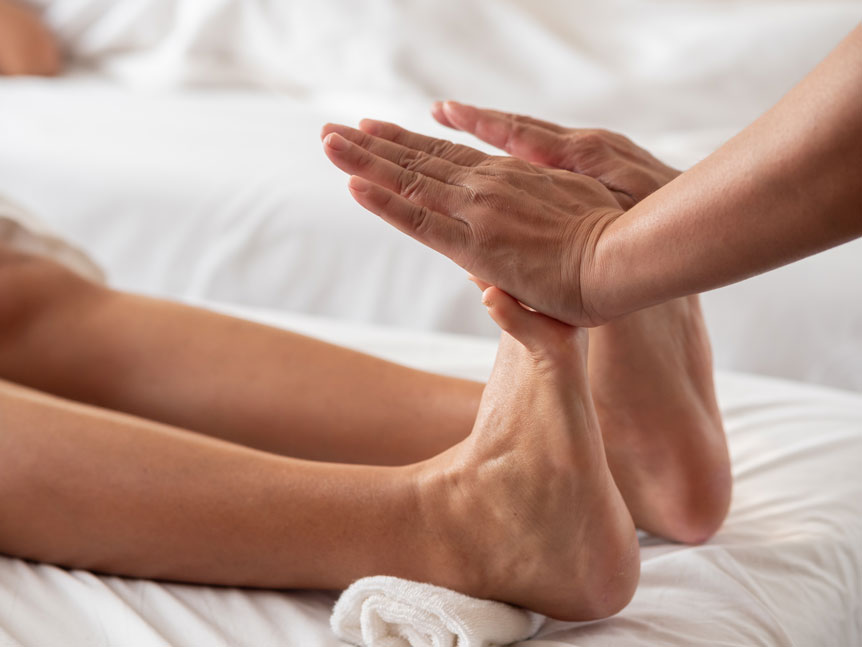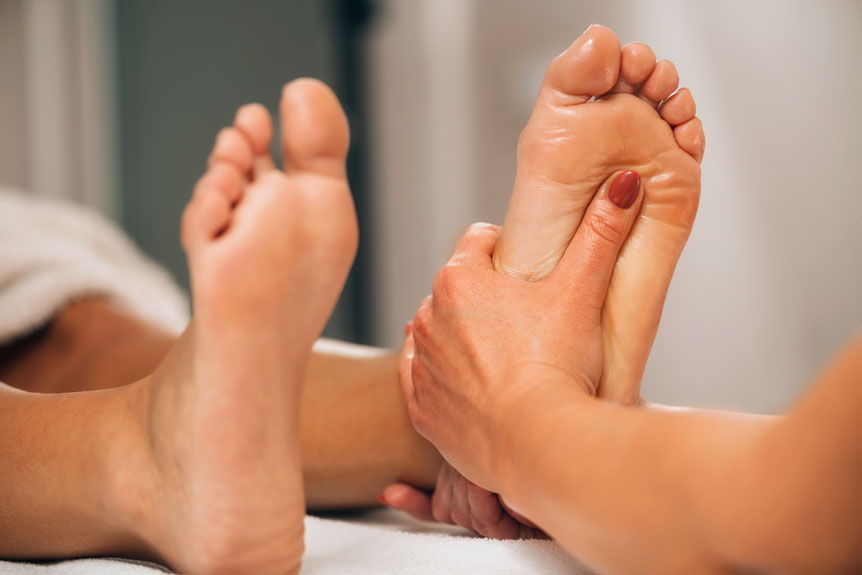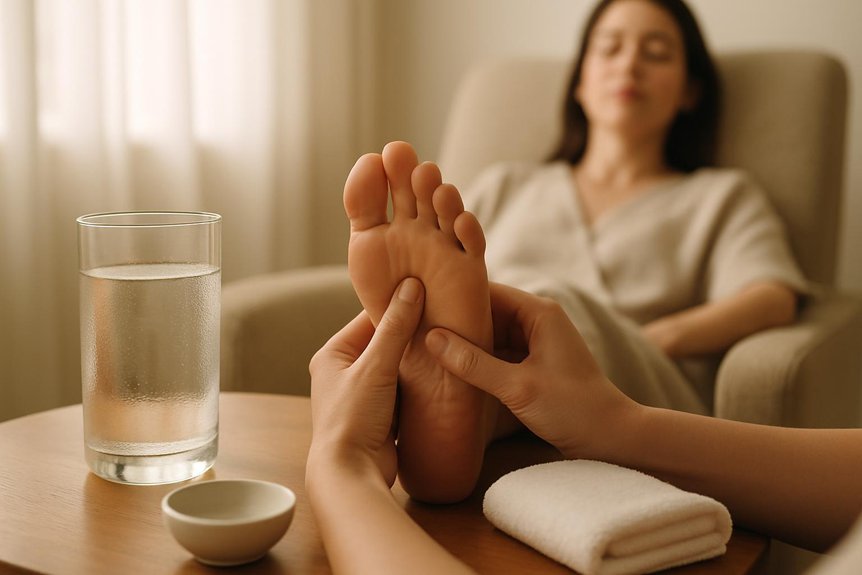
To do zone therapy for sleep before bed, start in a warm, dim room with clean hands, supported ankles, and a pea-sized amount of unscented oil. Cradle one foot and slow the breath (about 4 seconds in, 6–8 out), then glide heel to toes for 30–60 seconds. Thumb-walk the sole with gentle 3/10 pressure, pausing on tender spots, and hold the mid-foot solar plexus point for 5–8 slow breaths. Circle the ankle, stretch toes, repeat on the other foot, and finish with calm hand points in bed. The sections below add a simple map, pressure cues, and common mistakes to avoid.
Zone Therapy for Sleep: A 10-Minute Routine
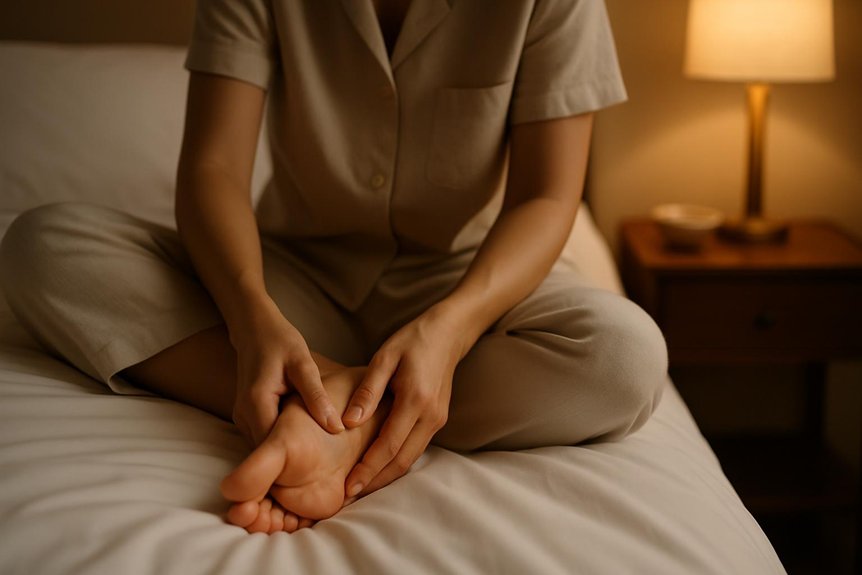
A simple 10‑minute zone therapy routine can help prepare the nervous system for sleep by easing foot tension and encouraging a shift into a calmer, parasympathetic state.
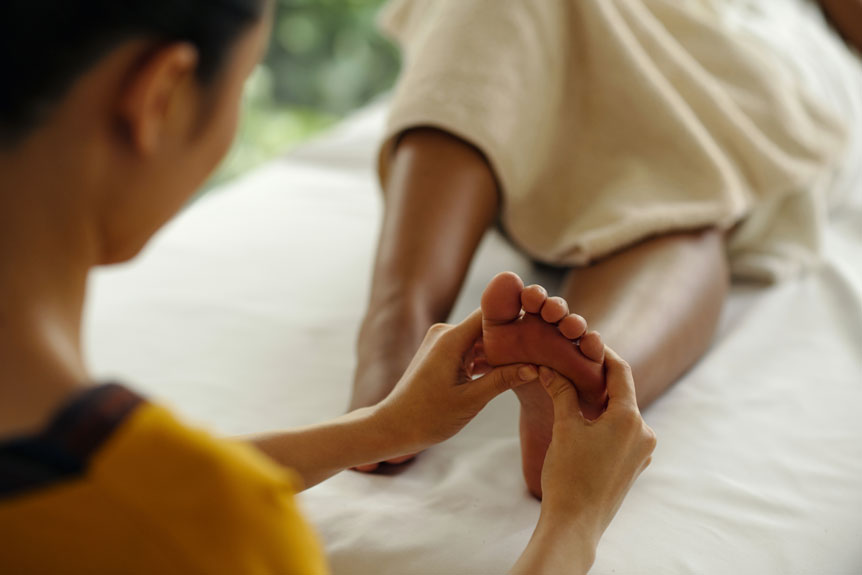
At Spa & Massage clinics, therapists begin with slow, warm contact to invite safety and softness.
It is often described as tapping into the body’s own capacity for relaxation and repair through the healing power of intentional touch.
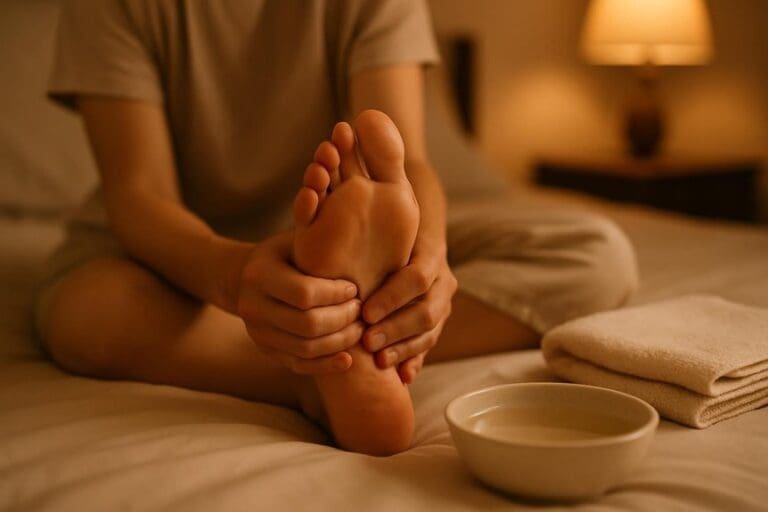
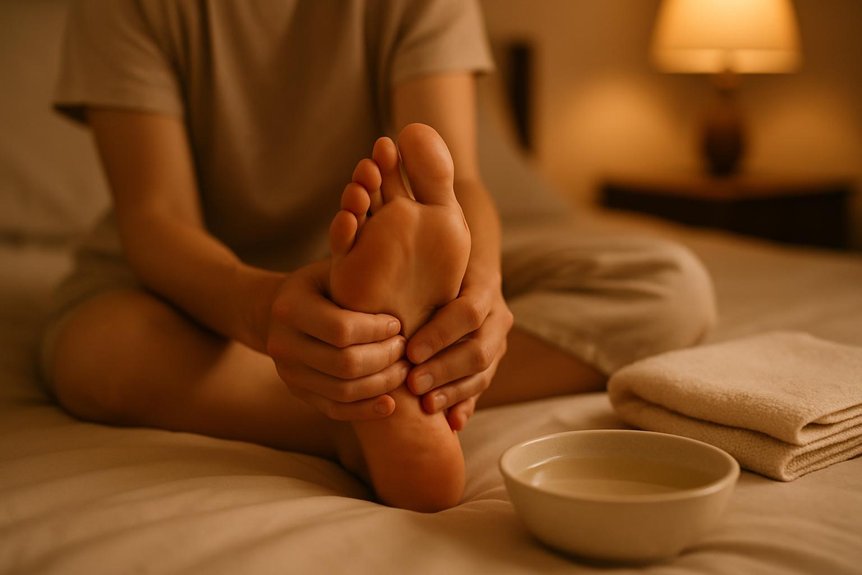
Step 1 (1 minute): Wash hands, sit comfortably, and cradle one foot; breathe out longer than in.
Step 2 (2 minutes): Apply a small amount of unscented oil or a gentle balm; glide from heel to toes.
Step 3 (3 minutes): Use thumb-walking across the sole with light-to-moderate pressure, pausing on tender areas until they soften.
Step 4 (2 minutes): Circle the ankle and stretch toes slowly.
Step 5 (2 minutes): Repeat on the other foot, then rest both feet and notice warmth spreading.
Reflexology for Sleep Points: A Simple Feet Map
At Spa & Massage, therapists begin with a simple feet map to locate key reflex points commonly used for sleep support, including the solar plexus (mid-foot), diaphragm line (below the ball), and the big toe area (often linked with head and neck tension).
Next, the foot is treated by zones—heel to toes and inner to outer edge—so pressure can be applied consistently and tracked for sensitivity.
Before bed, light-to-moderate, steady pressure for 30–60 seconds per point (with slow breathing and no sharp pain) is typically recommended to encourage relaxation and readiness for sleep.
Key Sleep Reflex Points
Most sleep-focused zone therapy routines begin with a simple feet map that highlights pressure points linked to relaxation, breath regulation, and nervous-system downshifting.
Key sleep reflex points typically include the solar plexus point (mid-foot), diaphragm line (upper arch), heart reflex (left forefoot), and the head/brain area (toe pads).
Step-by-step: first, warm both feet with slow stroking from heel to toes for 30–60 seconds.
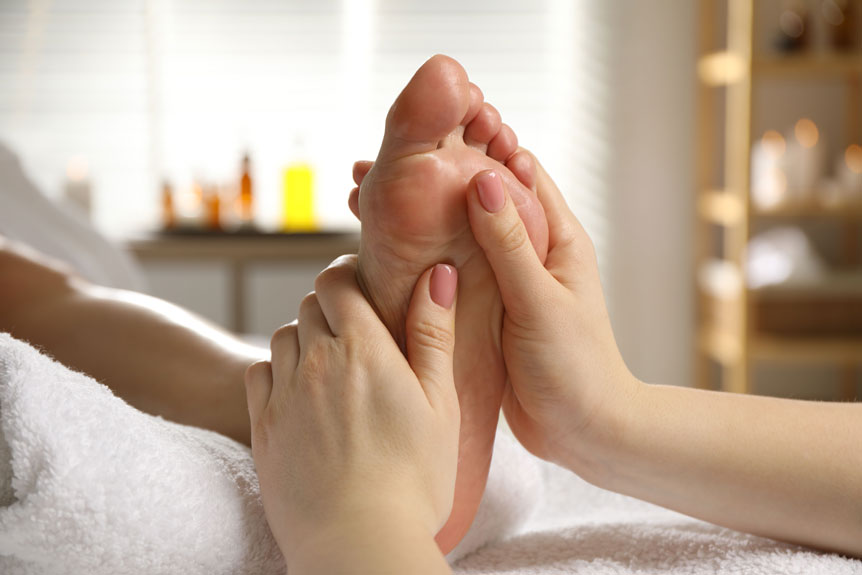
Next, use a thumb-walk to press the solar plexus point, holding 5–8 slow breaths; aim for “good pressure,” never sharp pain.
Then trace the diaphragm line with gentle, sweeping thumb pressure to soften chest tightness.
Finish by circling the toe pads to calm racing thoughts.
In Spa & Massage clinics, therapists keep touch unhurried and close, inviting safety and ease.
Simple Feet Zone Map
For an easy, sleep-focused starting point, a simple feet zone map divides each foot into broad “zones” that mirror the body from head to pelvis.
In Spa & Massage clinics, therapists begin by orienting the foot: toes relate to head and sinuses; the ball of the foot reflects chest and lungs; the arch corresponds to digestion; the heel maps to pelvic area.
Next, the inner edge tracks the spine, while the outer edge reflects shoulder, arm, and hip lines.
For bedtime use, the map helps locate calming targets without overthinking: choose one zone, trace it slowly, then move to the next. Keeping attention on breath and warmth supports relaxation, which evidence suggests can aid sleep readiness.
Pressure Tips Before Bed
Before turning the lights out, gentle, consistent pressure on a few key foot zones can help shift the nervous system toward a calmer state. In Spa & Massage clinics, therapists begin with slow breaths and warm hands to cue relaxation.
Step 1: Apply a small amount of oil or balm, then glide from heel to toes for 30 seconds.
Step 2: Using the thumb, press the centre of the big toe pad (head zone) for 5–8 seconds, release, and repeat three times.
Step 3: Walk the thumb across the ball of the foot (chest/diaphragm) with steady, comfortable pressure for 60 seconds.
Step 4: Hold the inner arch (spine line) and make slow circles for 1 minute.
Finish with light strokes and quiet touch.
How Much Pressure to Use for Sleep Zone Therapy
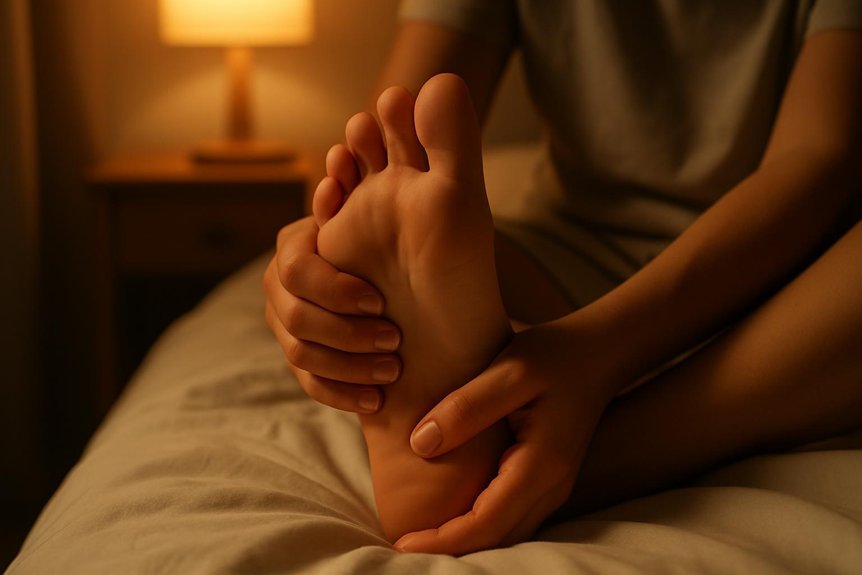
In sleep-focused zone therapy, pressure is best kept in the light-to-moderate range—firm enough to feel a clear, steady contact, yet gentle enough that the body stays relaxed rather than guarding. At Spa & Massage, therapists aim for a “pleasant pressure” level: noticeable, warming, and never sharp or breath-stealing.
To gauge it, the receiver should be able to inhale smoothly, soften the jaw, and keep the toes unclenched; if tension rises, the pressure is too deep. Pressure is increased slowly over 2–3 seconds, held briefly, then eased off, mirroring the nervous system’s preference for gradual input.
Sensitive areas (arches, edges, tender spots) call for lighter touch and smaller movements. Bruising, numbness, or lingering soreness indicates excess force.
Step-by-Step Zone Therapy for Sleep on Your Feet
With a calm setting and light-to-moderate “pleasant pressure” as used at Spa & Massage clinics, a simple foot sequence can be followed to cue downregulation and prepare the body for sleep: start by warming both feet with slow palm strokes from heel to toes for 30–60 seconds each, then use the thumb to make small, steady presses along the centre of the arch (working from heel toward the ball) for 1–2 minutes per foot, pause on any tender spots for 3–5 seconds while keeping the breath smooth, and finish by gently squeezing and rolling each toe from base to tip to release residual tension.
Next, sweep knuckles across the ball in slow arcs for 30 seconds, then circle the heel with the thumb for 30 seconds per foot. End by holding each foot between both hands for 20 seconds, inviting warmth and heaviness.
Hand Zone Therapy for Sleep You Can Do in Bed
In Spa & Massage clinics, therapists often start hand zone therapy for sleep with the “solar plexus” point (centre of the palm), the “head/brain” area (thumb pad), and the “heart” area (upper palm), using gentle, sustained pressure.
In bed, a simple routine is to support one hand on the duvet, press each point for 20–30 seconds at a comfortable intensity, then repeat on the other hand for 2–3 rounds.
A slow pace paired with calm nasal breathing—around a 4-second inhale and 6-second exhale—helps keep pressure consistent and encourages relaxation.
Best Hand Points For Sleep
Often, a few minutes of gentle hand zone therapy can help signal the nervous system to downshift before sleep, especially when it targets points linked with relaxation and breath.
At Spa & Massage, therapists often begin with three calming hand areas. First, the “solar plexus” point: the centre of the palm; pressing here while exhaling slowly may reduce perceived stress.
Second, the “head/brain” zone: the thumb pad; small circles can ease mental chatter.
Third, the “heart” area: across the upper palm under the fingers; light, steady holds may support emotional settling.
For each point, the guidance is simple: keep pressure comfortable, breathe in through the nose, and let the shoulders soften. Stop if tingling, sharp pain, or irritation appears.
In-Bed Pressure Routine
Sometimes, a simple in-bed hand zone therapy routine can help cue the parasympathetic “rest-and-digest” response and make it easier to drift off. At Spa & Massage, therapists suggest keeping it slow and comfortable, using the thumb pad rather than the nail.
1) Rest one hand on the duvet, palm up. With the other thumb, press the centre of the palm for 10–15 seconds, then release; repeat 3 times.
2) Glide to the webbing between thumb and index finger; apply steady pressure for 10 seconds, 3 repeats.
3) Work along each finger from base to tip with small, firm circles, 5 seconds per segment.
4) Finish by softly squeezing the fleshy heel of the palm for 15 seconds. Switch hands.
Calming Breath And Pace
Before any pressure is applied, the pace should be set by breathing: a slow inhale through the nose for about 4 seconds, then a longer, relaxed exhale for 6–8 seconds, repeated for 5–10 cycles. The shoulders should soften and the jaw unclench, signalling safety to the nervous system.
Next, one hand should be cradled in the other, skin-to-skin, with gentle warmth. At Spa & Massage clinics, therapists often match thumb pressure to the exhale; the same rhythm can be used in bed. Pressure should begin at 3/10 intensity, rising only if the body stays calm. Each point should be held for one full breath, then released slowly on the exhale. If thoughts race, the count should resume, not the pressure.
Set Up for Bedtime Zone Therapy (Warmth, Support, Oil)
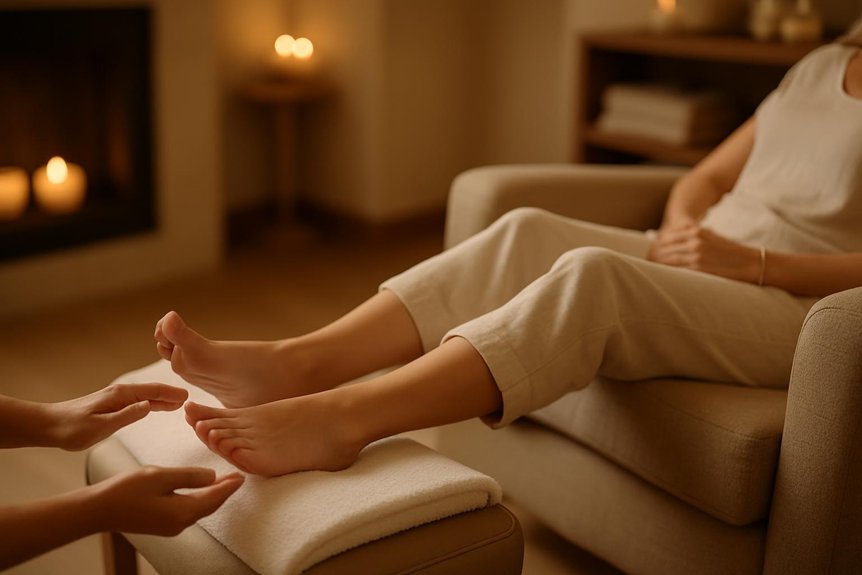
For a calmer shift into sleep, bedtime zone therapy begins with a simple, consistent set-up: keep the room comfortably warm, place a cushion or folded towel under the ankles to support the lower legs, and have a small amount of massage oil ready to reduce friction and allow slower, more controlled pressure.
At Spa & Massage clinics, therapists start by warming the feet between the palms for 10–20 seconds, which can encourage circulation and relaxation.
Next, a pea-sized amount of oil is spread from heel to toes, keeping the skin supple so pressure stays steady rather than scratchy.
The ankles remain softly elevated to ease calf tension and protect the knees.
Lighting is kept low, and a blanket is added so body temperature stays stable as touch becomes slower.
Zone Therapy for Sleep: Mistakes That Keep You Awake
Although zone therapy is often used to support relaxation at bedtime, a few common missteps can keep the nervous system alert rather than settling.
First, pressing too hard can trigger protective tension; Spa & Massage therapists advise aiming for “comfortably firm,” never sharp pain.
Second, moving too fast or skipping breath cues can prevent a parasympathetic shift; slow strokes matched to long exhales help.
Third, using cold hands, cool oil, or an uncovered foot can reduce warmth and safety; gently warm palms and oil before contact.
Fourth, overstimulating many points in one session can feel like a workout; choose 2–3 calming zones and repeat.
Finally, continuing while mentally multitasking keeps cortisol up; soften gaze, reduce light, and keep touch consistent.
When to Book Zone Therapy for Sleep at Spa & Massage
Common bedtime zone therapy mistakes often come down to timing and nervous-system readiness, which is why booking the right slot matters as much as the technique.
At Spa & Massage, the most sleep-supportive appointment is typically 60–120 minutes before bedtime, allowing digestion, body temperature, and arousal to settle.
Step 1: choose an evening slot after the last caffeinated drink and heavy meal (ideally 3 hours after dinner).
Step 2: allow 20–30 minutes post-treatment for a warm shower, low light, and quiet touch at home.
Step 3: for persistent insomnia, book weekly for 4–6 sessions, then taper.
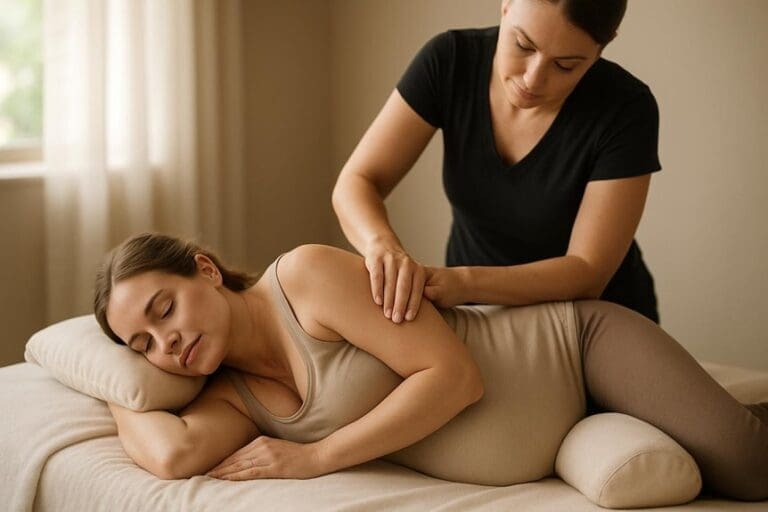
Step 4: pregnancy or high stress may benefit from earlier, gentler appointments; therapists tailor pressure across London clinics.
Conclusion
By coincidence, the same small points that are easiest to reach at night are also the ones most often used to cue calm: slow presses along the diaphragm line, gentle circles on the solar plexus point, then a light sweep at the base of the big toe. Kept to 10 minutes, with comfortable pressure and steady breathing, the routine supports downshifting. Warm feet, simple aftercare, and avoiding overworking tender spots help protect sleep. If insomnia persists, professional zone therapy may be booked.