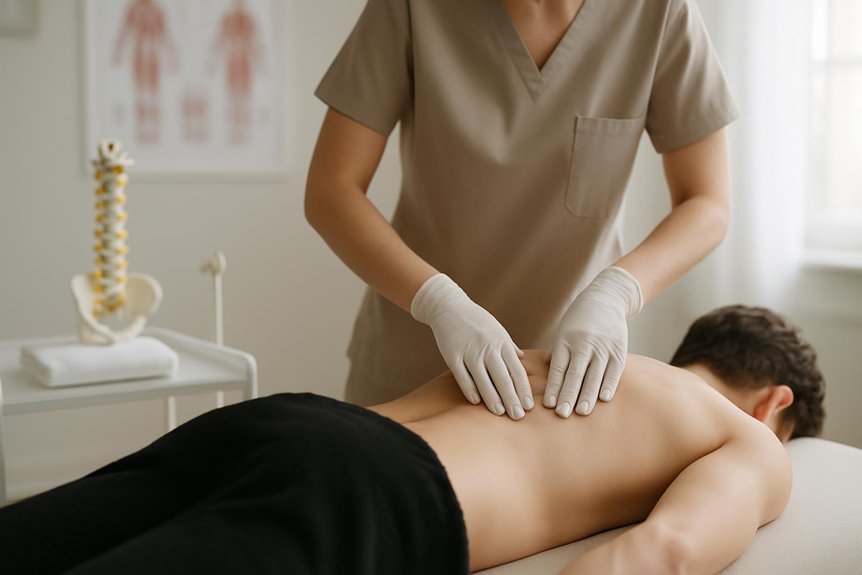
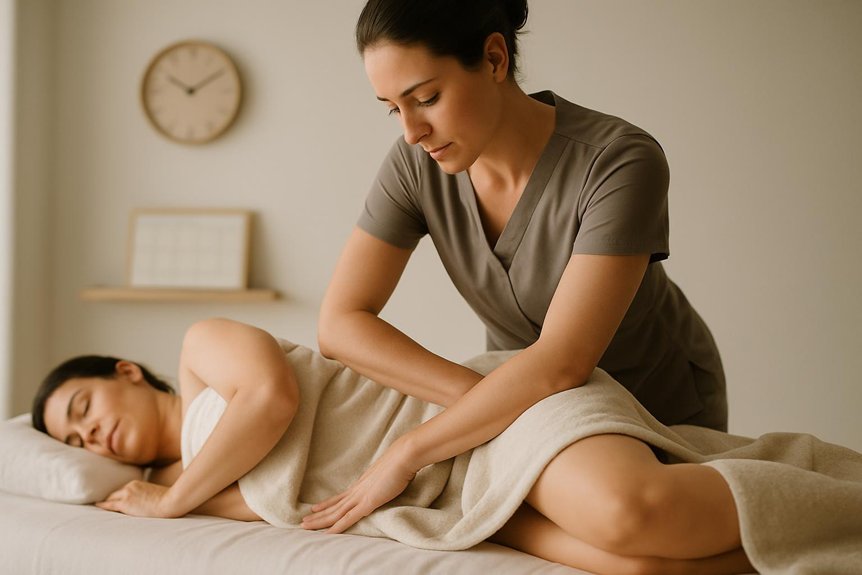
For most non‑urgent hip pain, it is often scheduled weekly for 2–4 sessions to address soft‑tissue restriction, then reassessed and tapered to every 2–4 weeks as movement improves and tenderness settles within 24–48 hours. Milder post‑exercise stiffness may respond to visits every 3–6 weeks with home mobility. If relief fades within 1–2 days or range stays limited, shorter intervals may help. New, worsening, or nerve‑type symptoms warrant medical screening. More guidance follows.
How Often Should You Get Intensive Tissue Massage for Hip Pain?
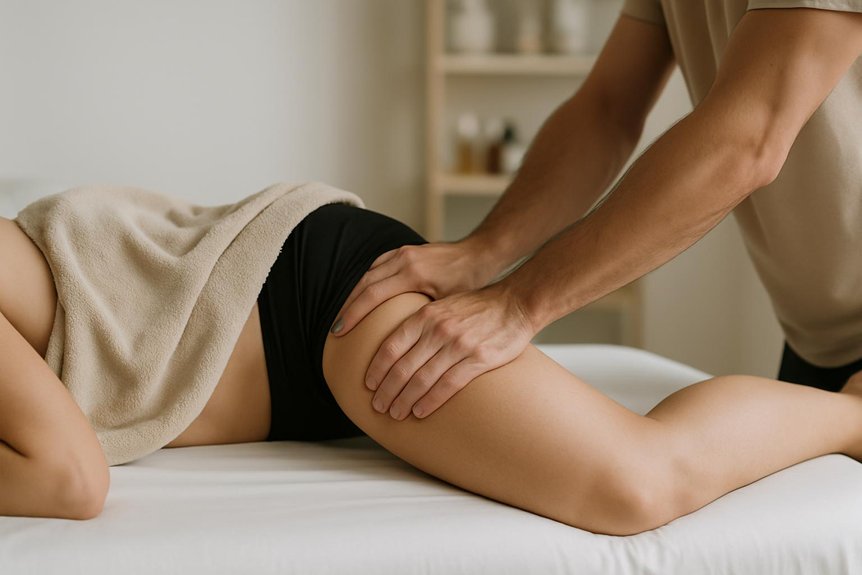
Often, the most effective deep tissue massage schedule for hip pain depends on the person’s symptoms, underlying cause, and how the body responds to treatment.
At Spa & Massage, therapists typically begin with 1 session per week for 2–4 weeks to address soft-tissue restriction, then reassess and taper to every 2–4 weeks for maintenance when movement feels easier and tenderness settles.
For milder, activity-related tightness, many clients choose an appointment every 3–6 weeks alongside targeted home mobility.
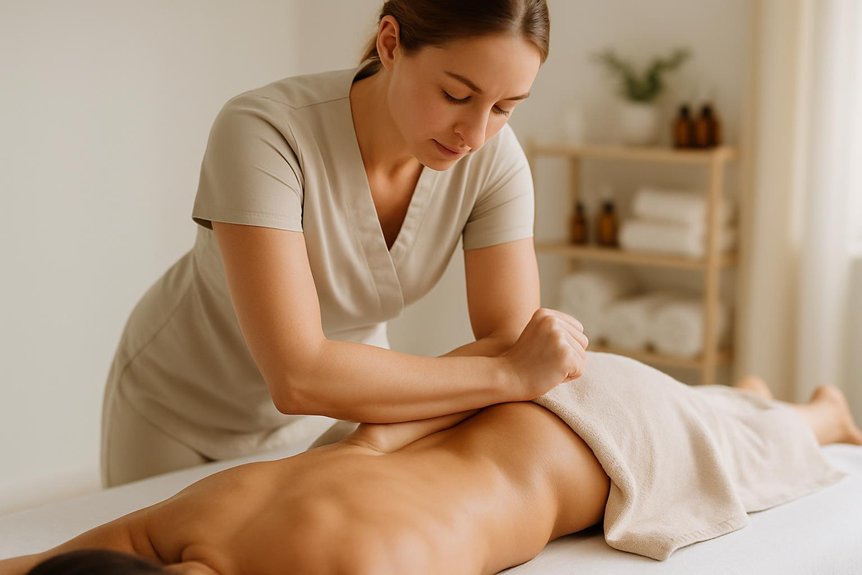
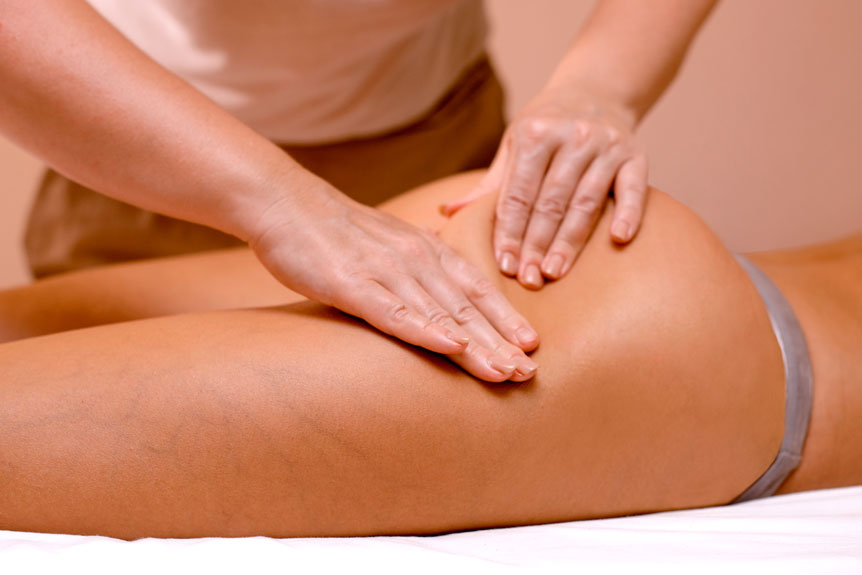
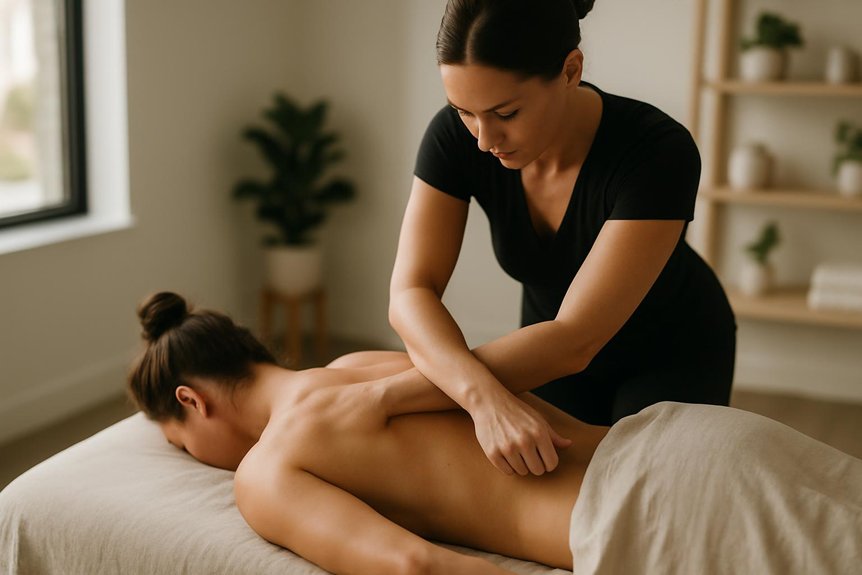
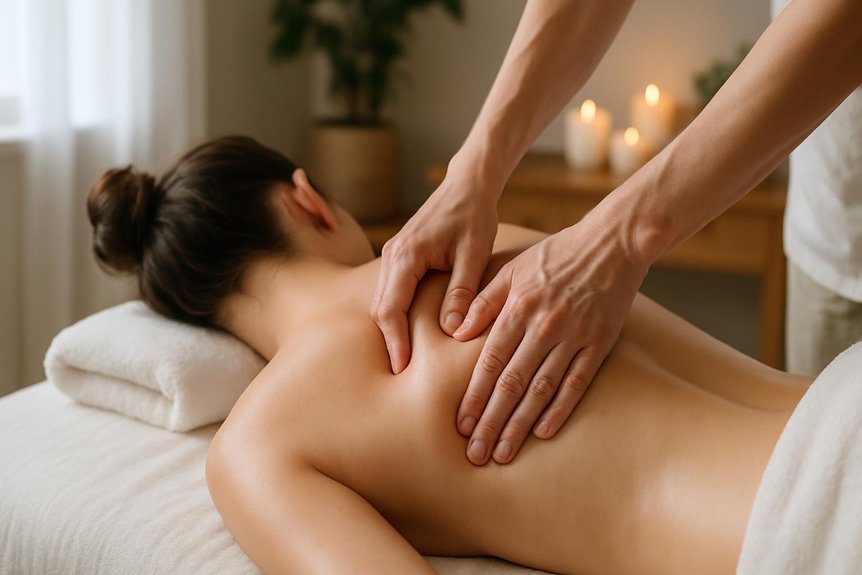
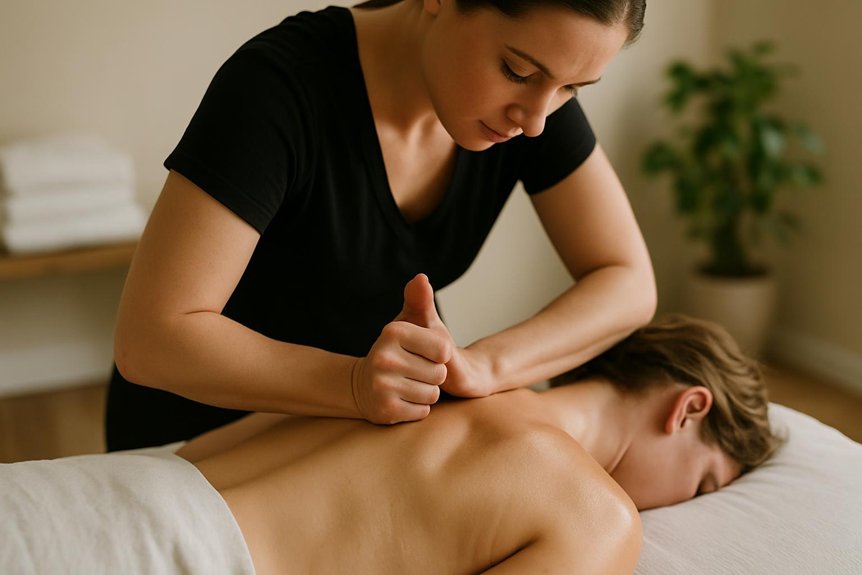
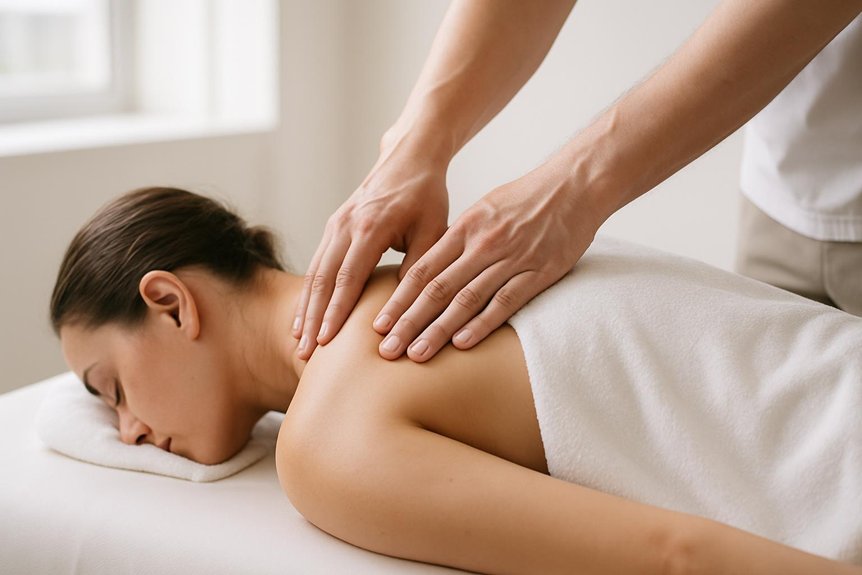
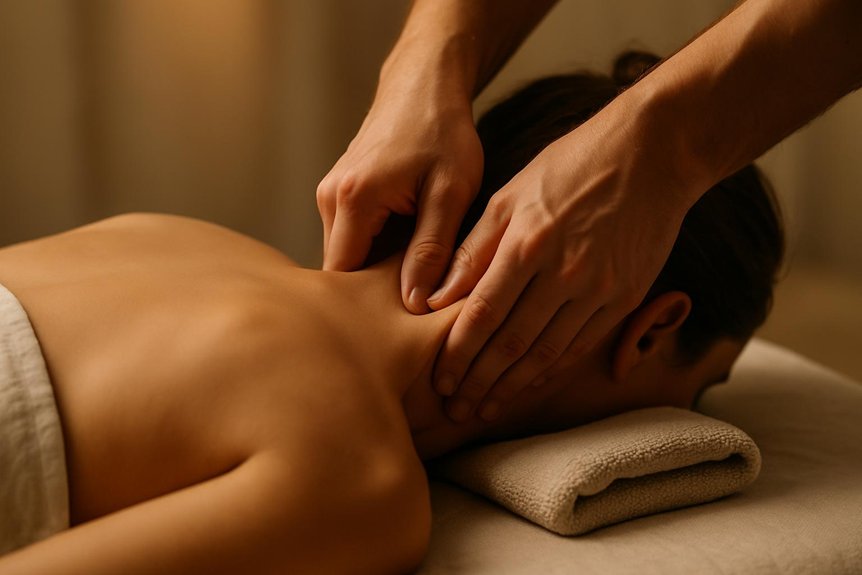
Because deep tissue work uses slow, firm strokes to reach deeper muscle layers, it’s commonly used to help release chronic muscle tension that can contribute to hip discomfort.
If pain is new, worsening, accompanied by numbness, fever, unexplained weight loss, or night pain, massage should pause and medical assessment is advised.
Sessions remain within comfort: pressure is negotiated, breathing is guided, and aftercare includes hydration, gentle walking, and heat or cold advice.
How Does Hip Pain Severity Change Massage Frequency?
Hip pain severity is one of the clearest guides for how frequently intensive tissue massage should be booked, building on the general schedules outlined above.
When discomfort is mild and mainly post‑exercise stiffness, sessions can be spaced to support tissue recovery and movement confidence.
With moderate pain—sleep disruption, persistent tightness, or reduced range—shorter intervals may help calm protective muscle guarding and improve tolerance to everyday loading.
When pain is high, sharp, or escalating, frequency should not simply increase; it should prompt clinical screening, and massage should stay within comfortable pressure, avoiding flare-ups.
At Spa & Massage clinics across London, therapists reassess pain scores, sleep, gait, and tenderness each visit, adjusting pace, depth, and aftercare (heat, hydration, gentle mobility) to protect sensitive hips.
When Is Weekly Intensive Tissue Massage Best for Hip Pain?
Weekly intensive tissue massage is typically most appropriate when symptoms are moderate and persistent—such as ongoing tightness around the glutes, hip flexors, or ITB, reduced range of motion, or post‑activity soreness that reliably returns within several days.
In these cases, weekly sessions can help calm protective muscle guarding, improve tissue glide, and support comfortable movement between workouts and daily demands.
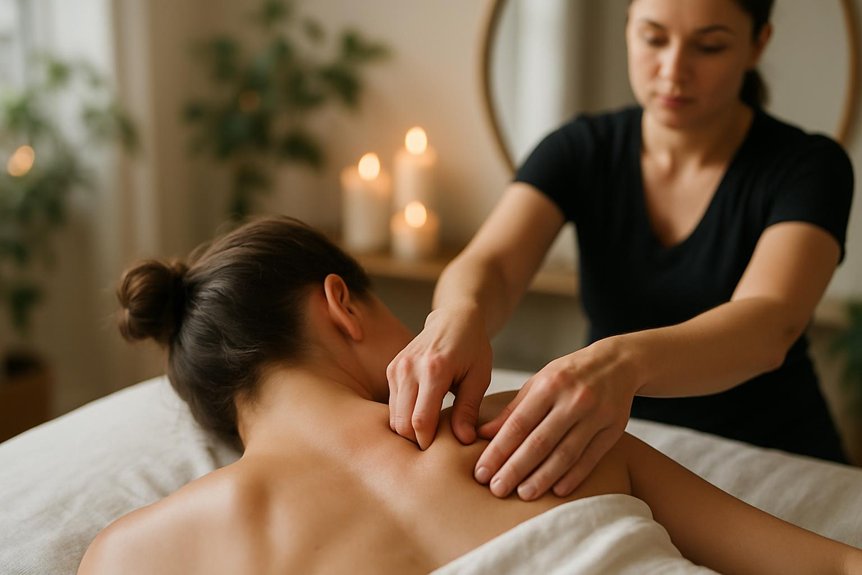
At Spa & Massage clinics across London, therapists often combine slow, specific pressure with breath-led pacing and clear consent, so the work feels safely intense rather than overwhelming.
Weekly care may suit clients whose hip discomfort disrupts sleep, sitting, or training, provided red flags are absent and medical advice is sought when needed.
Between visits, gentle mobility, heat, hydration, and mindful walking usually reinforce results.
When Should You Taper Sessions as Hip Pain Improves?
Typically, sessions can be tapered once pain intensity is consistently lower, day‑to‑day function and range of motion are improving, and relief lasts for longer between appointments (for example, several days to a full week without a notable flare).
At Spa & Massage, therapists often shift from weekly work to every 10–14 days, then to 3–4 weekly maintenance, adjusting to training load, work posture, and stress. Evidence suggests spaced sessions can support tissue adaptation while reducing soreness risk and allowing home exercises to “hold” gains.
Tapering is also appropriate when tenderness after treatment settles within 24–48 hours and walking, stairs, and sleep feel more comfortable.
Any plan should stay within massage scope and be coordinated with medical care if symptoms are complex or post‑injury.
What Signs Mean You Need More or Fewer Sessions?
In practice, the need for more or fewer deep tissue sessions is signalled by how long relief lasts, how quickly symptoms return after normal activities, and how the body responds in the 24–48 hours following treatment. If comfort carries through the week, sleep improves, and walking or sitting feels easier, sessions can usually be spaced out.
More frequent care may be appropriate when pain rebounds within 1–2 days, hip tightness limits range of motion, or tenderness lingers beyond 48 hours. In Spa & Massage clinics, therapists also watch for protective guarding, compensatory low-back strain, and flares after commuting or exercise. Fewer sessions are often indicated when post-treatment soreness is mild and brief, and self-care (gentle mobility, heat, hydration) holds gains. New numbness, night pain, or weakness warrants medical review.
Conclusion
Like tending a stiff garden gate, intensive tissue massage works best when pressure and patience are balanced. More frequent sessions may suit acute, high-impact hip pain, while milder or longer-standing patterns often respond to spaced visits that allow tissue recovery. As symptoms ease, tapering helps maintain gains without provoking sensitivity. The most reliable guide is the body’s feedback—post-treatment soreness, function, and movement range—reviewed with a qualified therapist and, when needed, a healthcare professional.