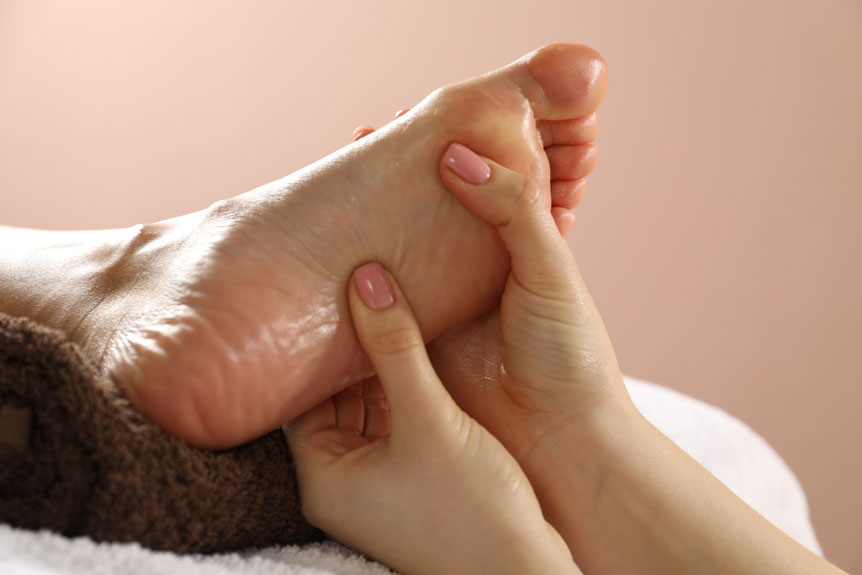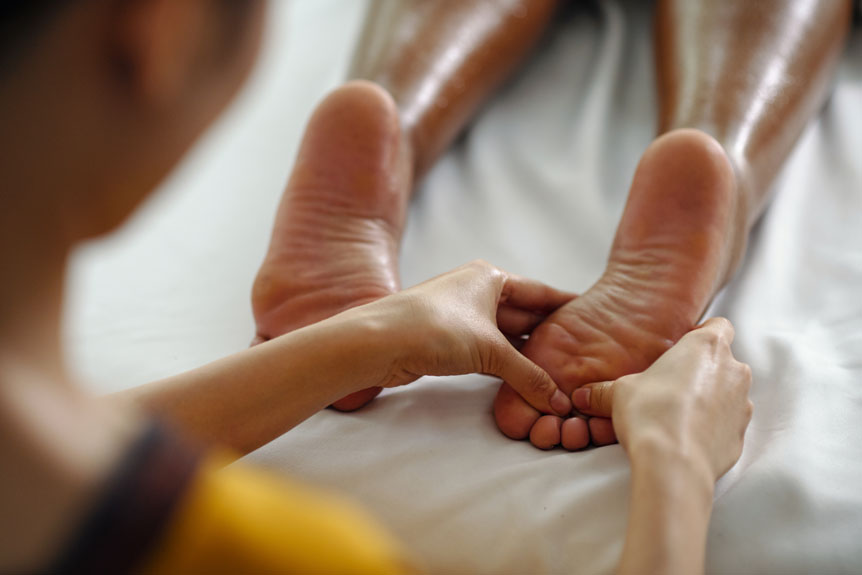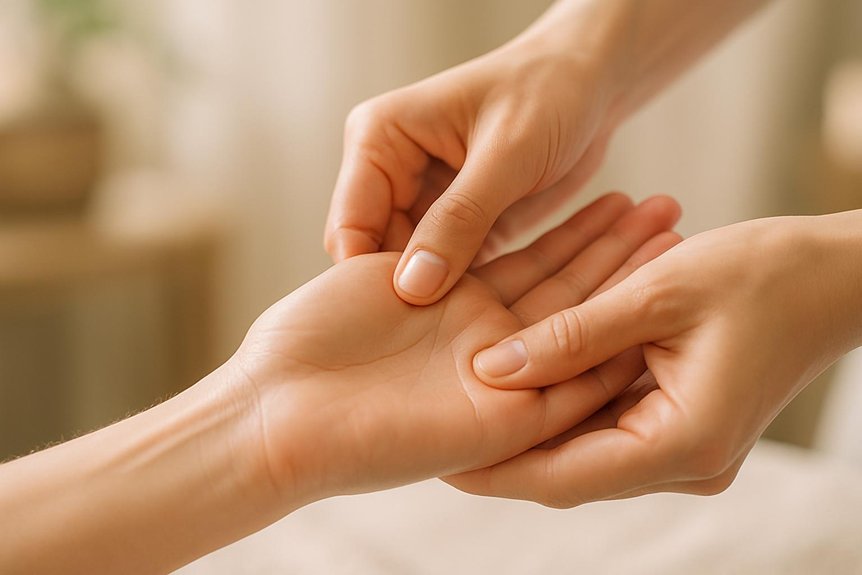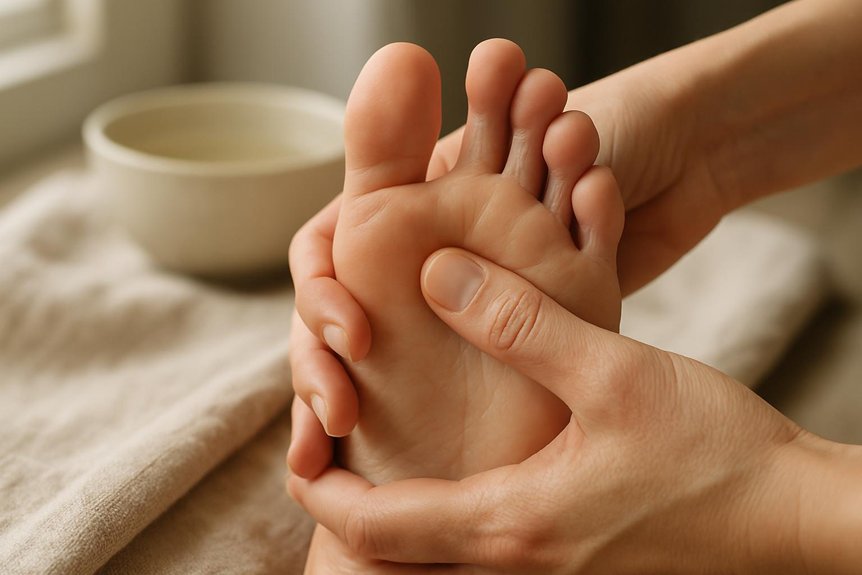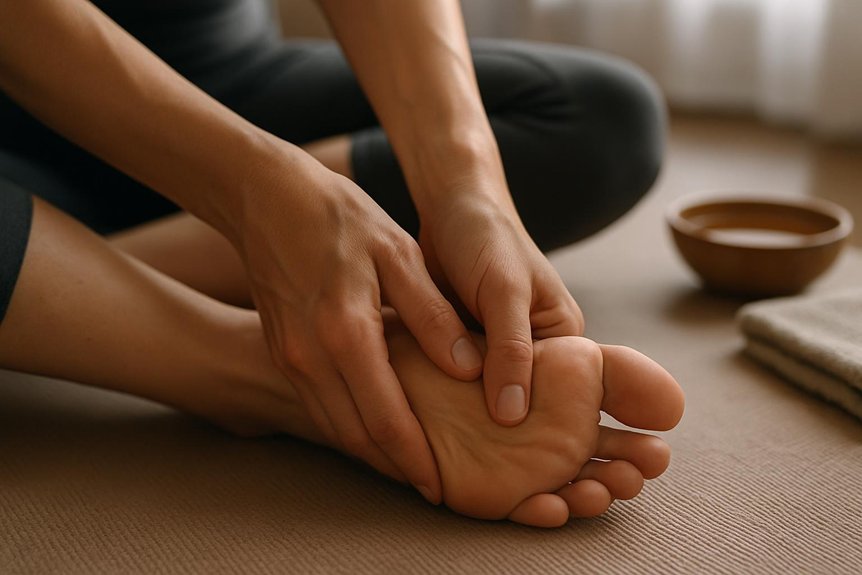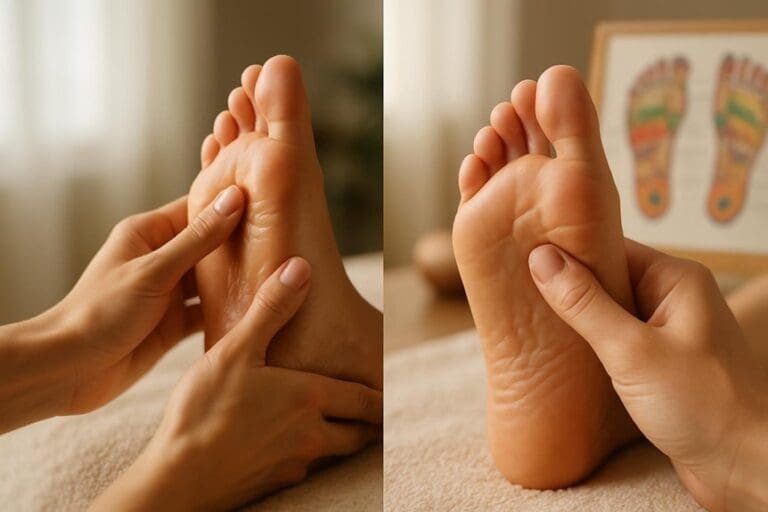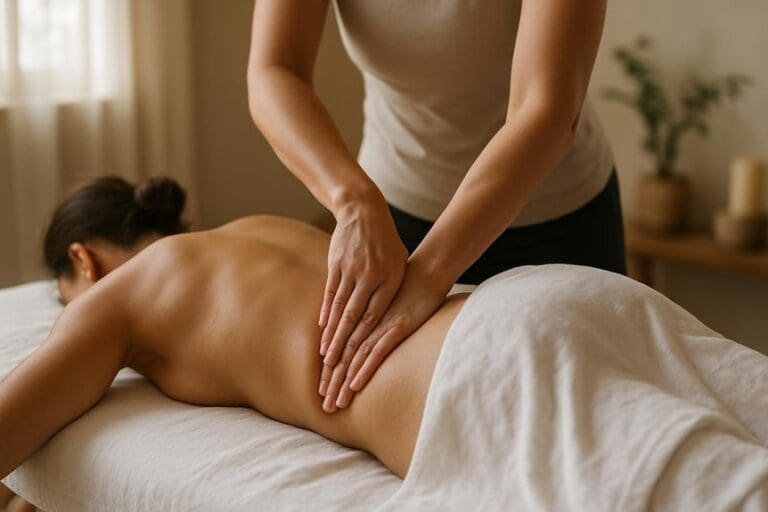
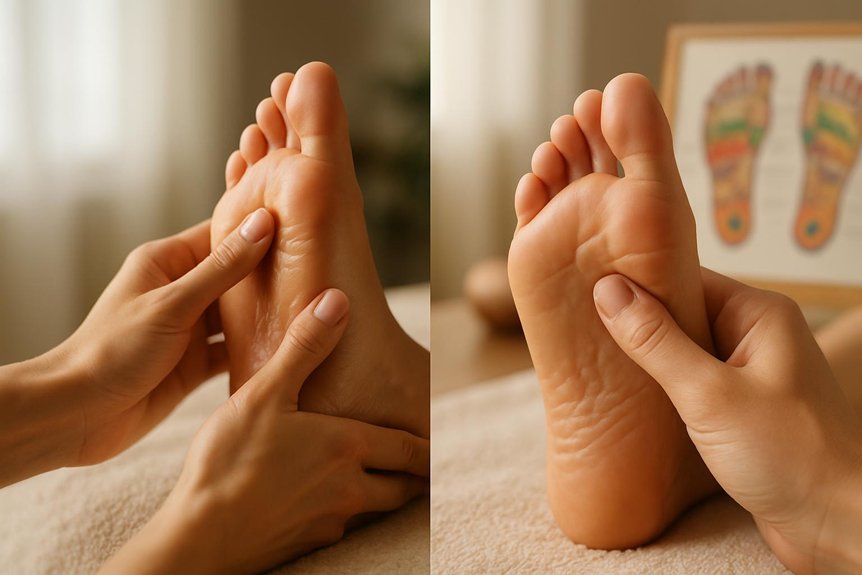
It is a structured, map-based therapy delivered by qualified reflexologists using precise thumb-walking and sustained point pressure on specific foot reflex zones linked to body systems, typically with minimal lubricant for accurate contact. Foot massage is a soft-tissue treatment delivered by massage therapists to ease local muscular tightness and fatigue using broader strokes such as effleurage, kneading, compression, and mobilisation, often with warmed oils for glide. Further sections outline benefits, contraindications, and booking considerations.
Reflexology vs Foot Massage: Which Should You Book?
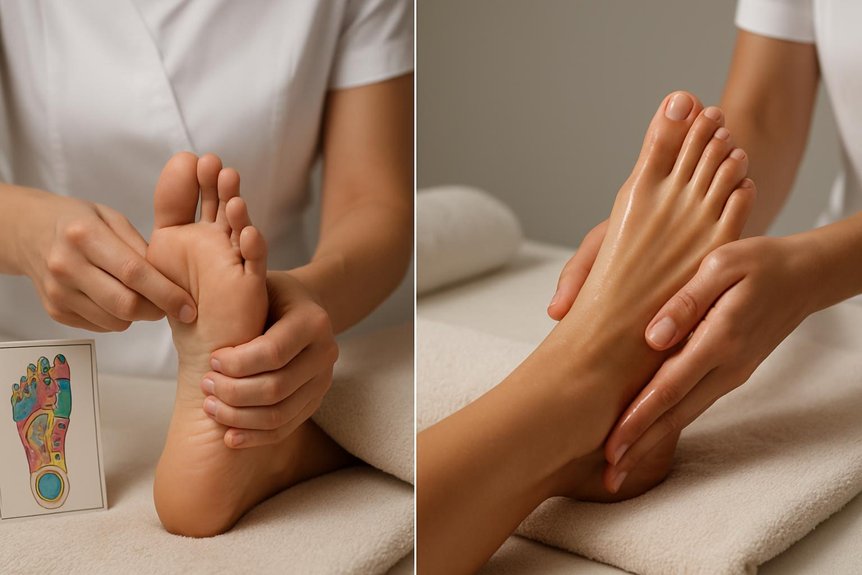
In clinical terms, zone therapy and a standard foot massage differ primarily in treatment intent and technique.
For booking, the decision is based on desired outcome, contraindications, and comfort with targeted pressure. At Spa & Massage clinics across London, certified reflexologists are selected when a client wants structured zone-based work, sustained point pressure, and a calmer, inward-focused session. A foot massage is typically booked when the client prefers broad relaxation, circulation support, and soothing kneading after long commutes or sport.
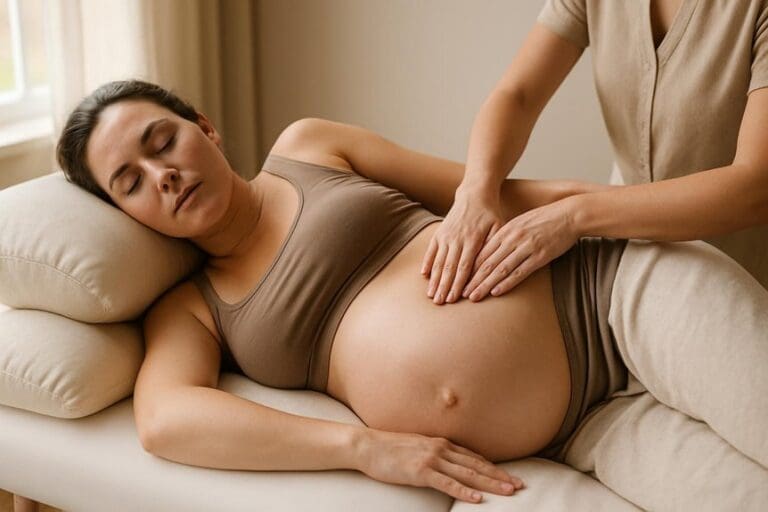
Intake includes pregnancy status, neuropathy, varicose veins, recent injury, and skin integrity.
Many clients seeking intimacy choose zone therapy for its deliberate, attentive touch; others choose foot massage for nurturing glide with warming oils and lighter pressure.
Many people are drawn to zone therapy to explore the healing power of this approach.
Zone Therapy vs Foot Massage: The Key Differences
Several clinically relevant variables distinguish zone therapy from a standard foot massage: therapeutic aim, mapping framework, pressure application, and practitioner training.
It targets defined reflex points linked to body systems, using a structured map and sequenced protocols; foot massage prioritises local tissue comfort, circulation, and relaxation without diagnostic-style mapping.
Pressure in zone therapy is typically specific, sustained, and thumb- or finger-walk based, calibrated to client sensitivity; foot massage more often uses gliding, kneading, and mobilisations across muscles, fascia, and joints.
Training also differs: zone therapy practitioners commonly hold dedicated zone therapy qualifications and maintain modality-specific supervision and CPD, while massage therapists train primarily in massage anatomy, contraindications, and technique.
At Spa & Massage London clinics, both are delivered discreetly, with consent-led touch, draping, and clear boundaries.
What It Is and How It Works
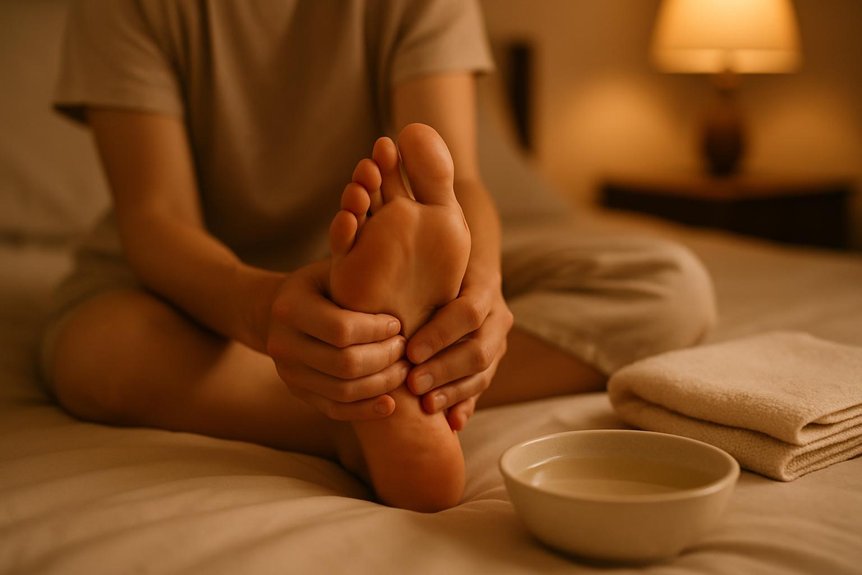
At its core, zone therapy is a structured manual therapy in which a qualified practitioner applies targeted pressure to mapped points on the feet (and sometimes hands) that correspond, within the modality’s framework, to specific organs, glands, and body systems.
Treatment follows defined charting, using thumb-walking, finger pressure, and pivoting holds to stimulate reflex points while monitoring tissue tone and client feedback.
In Spa & Massage clinics across London, certified reflexologists begin with a brief intake and consent, then work methodically across zones, balancing left and right sides to support regulation of the nervous system and deep relaxation.
Pressure is deliberate, intimate, and respectful, adjusted for sensitivity, pregnancy, or medical considerations.
Clients commonly describe warmth, tingling, and a grounded calm as the session progresses.
What a Foot Massage Focuses On (and Why)
Foot massage differs from zone therapy in that it prioritises local musculoskeletal comfort and circulation rather than working through mapped reflex points. The focus is the soft tissues of the feet and lower legs: plantar fascia, intrinsic foot muscles, Achilles tendon, and the ankle’s stabilisers.
Pressure is adjusted to client sensitivity and goals, often blending effleurage, kneading, friction, and gentle mobilisation to ease tightness, reduce perceived soreness, and support range of motion.
At Spa & Massage clinics in London, certified therapists assess posture, footwear habits, and activity level to target overuse patterns from commuting, sport, or standing work. Oils or balms are selected for glide and skin tolerance, maintaining close, reassuring contact while respecting boundaries and informed consent.
Aftercare typically includes hydration, light stretching, and rest.
Zone Therapy Points vs Foot Massage Techniques
In certified zone therapy practice at Spa & Massage, therapists work from a reflex map, applying pressure-point precision to defined zones rather than primarily treating local foot muscles.
By contrast, foot massage is typically structured around techniques such as strokes, kneading, and glide to address soft-tissue tension and circulation in the feet and lower legs.
This distinction in target (reflex points vs musculature) and method (mapped pressure vs manual strokes) guides assessment, pressure selection, and treatment planning.
Reflex Map Vs Muscles
From a clinical standpoint, the key distinction is that zone therapy follows a structured reflex map—applying targeted, sustained pressure to defined points believed to correspond with body systems—whereas a foot massage works directly on local soft tissue, using techniques such as effleurage, petrissage, friction, and compression to address muscular tension, circulation, and mobility.
In Spa & Massage clinics, certified therapists assess whether the primary aim is systemic support via mapped zones or local relief in arches, plantar fascia, and intrinsic foot muscles. It prioritises point-based contact, typically without lubricant, so fingers and thumbs can “anchor” and maintain close, intimate contact.
Foot massage is tissue-led and often uses warmed oils for glide, blending strokes with slower holds to soften tightness and encourage ease. Both can feel nurturing, but the treatment logic differs.
Pressure Point Precision
Within hands-on practice, pressure-point precision separates zone therapy point-specific protocols from foot massage’s technique-led soft-tissue work.
It applies sustained, calibrated pressure to defined reflex points, often using thumb-walking and finger pressure to target mapped zones rather than broadly addressing muscle comfort. A certified reflexologist follows assessment, contraindication screening, and an ordered sequence, documenting sensitivity and adapting depth to the client’s tolerance for close, focused contact.
Foot massage is typically organised around general relaxation or local relief, selecting pressure based on tissue response across the sole, arch, and heel without adherence to a reflex map.
At Spa & Massage London clinics, therapists explain which points are being contacted, obtain consent, and adjust compression to keep sensation intimate, safe, and precise.
Strokes, Kneading, And Glide
At the level of manual mechanics, zone therapy relies on point-specific contact methods—most notably thumb-walking, fingertip pressure, and small, controlled pivots—designed to engage mapped reflex zones with minimal glide.
Strokes are short and deliberate; kneading is limited, prioritising sustained compression, micro-circles, and precise releases along the arch, heel, and toe beds.
Certified reflexologists typically avoid broad effleurage so tactile feedback remains clear and client sensation stays focused, intimate, and contained.
Zone Therapy Benefits vs Foot Massage Benefits
In clinical terms, zone therapy and foot massage deliver overlapping yet distinct benefits based on technique and treatment intent. It uses mapped pressure on specific plantar and dorsal zones, applied by trained practitioners, to support autonomic down‑regulation, perceived stress relief, and whole‑body comfort through a structured protocol. Many clients report deeper relaxation that feels intimate and internally settling, even with minimal lotion.
Foot massage prioritises local tissue effects: improved warmth, temporary reduction in muscular guarding, mobility for the ankle and toes, and a soothing sensory experience through effleurage, kneading, and glide. In Spa & Massage clinics, therapists often combine light oil with slow pacing to enhance skin-to-skin comfort and circulation. Zone therapy outcomes are typically systemic; foot massage outcomes are primarily regional, though both can promote sleep quality and mood.
Who Should Choose Foot Massage (and Who Shouldn’t)
For clients seeking targeted, local relief rather than a structured reflex-point protocol, foot massage is typically the more appropriate choice: it suits those with plantar tightness, general foot fatigue from standing or walking, mild ankle/toe stiffness, or a preference for soothing glide and kneading with light oil, as commonly delivered by Spa & Massage therapists.
It is also a good fit for clients wanting a comforting, body-based treatment that prioritises tissue pliability and circulation, without claims of systemic mapping; at Spa & Massage, therapists adapt pressure, pace, and mobilisation within their scope and training.
It may be less suitable for clients seeking a reflex-point framework or those with acute inflammation, suspected fracture, active infection, or poorly controlled neuropathy. Extra caution is advised with anticoagulants, severe varicosities, recent surgery, or high-risk pregnancy; clinical clearance is recommended.
What to Expect at Spa & Massage (Zone Therapy or Foot Massage)
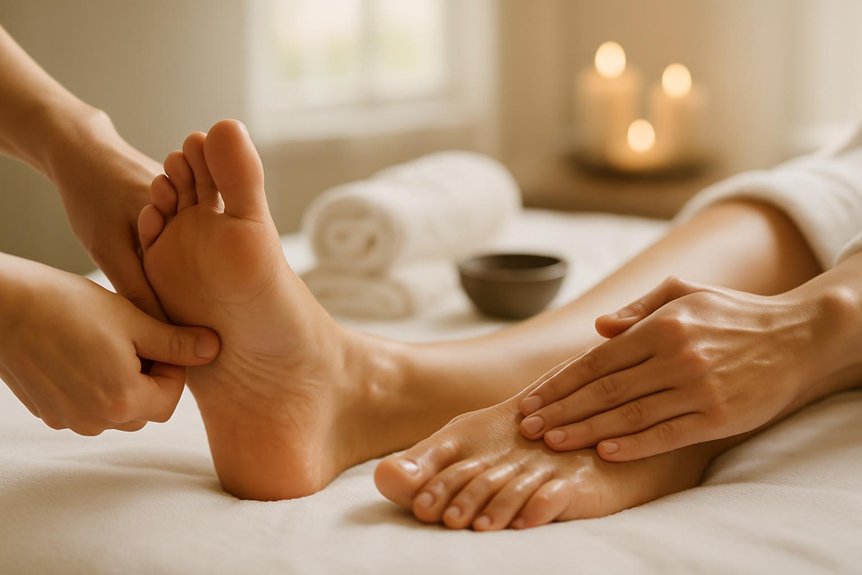
Whether zone therapy or foot massage is selected, the appointment at Spa & Massage follows a structured clinical flow: brief intake and contraindication screening (including pregnancy status, anticoagulant use, neuropathy, recent injury or surgery), therapist-led goal setting, and consent around pressure and any areas to avoid.
The client is then positioned for warmth and privacy, with draping that preserves modesty while allowing precise ankle-to-toe access.
For reflexology, a certified therapist applies systematic thumb-walking and point-specific compression to mapped zones, pacing pressure to breath and feedback.
For foot massage, techniques emphasise effleurage, petrissage, friction, and mobilisations to fascia and intrinsic muscles.
In Spa & Massage clinics across London, unscented or aromatherapy oils are used on request.
Aftercare includes hydration, gentle walking, and noting tenderness.
Conclusion
Zone therapy and foot massage may share a treatment area, but their clinical intent diverges. Foot massage targets soft tissue—kneading, effleurage, and compressions—primarily for local comfort and circulation. Zone therapy applies mapped, point-specific pressure sequences to influence systemic relaxation and perceived homeostasis. Similar in setting, different in scope; similar in touch, different in method. When delivered by appropriately trained, certified practitioners, the choice becomes protocol-driven: symptom relief for feet, or structured, whole-body support.