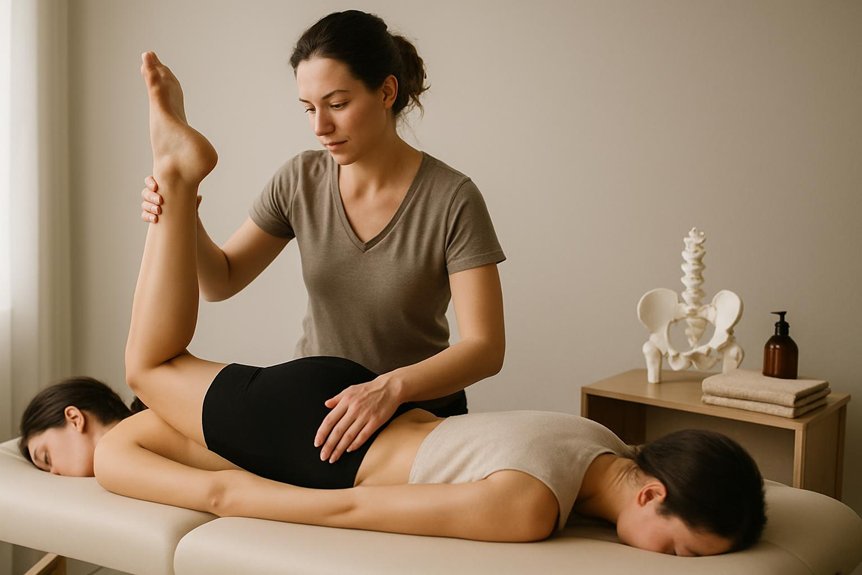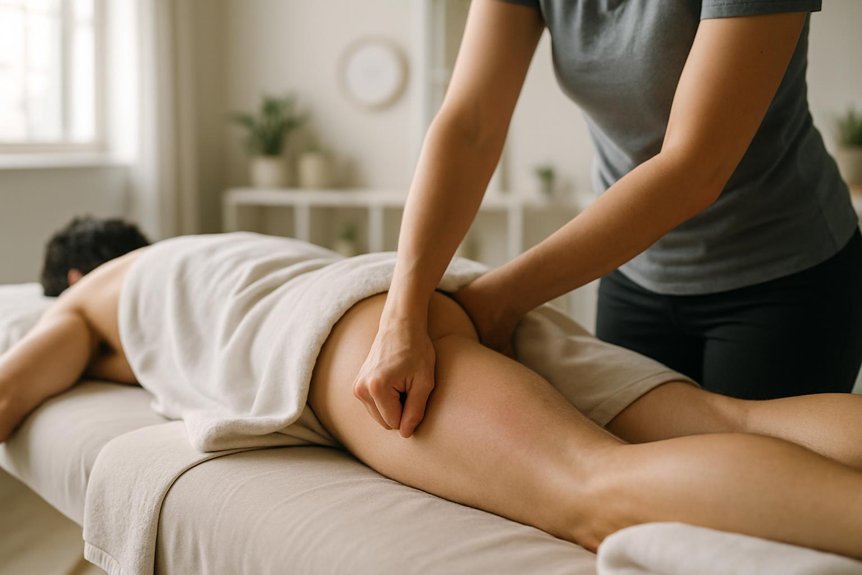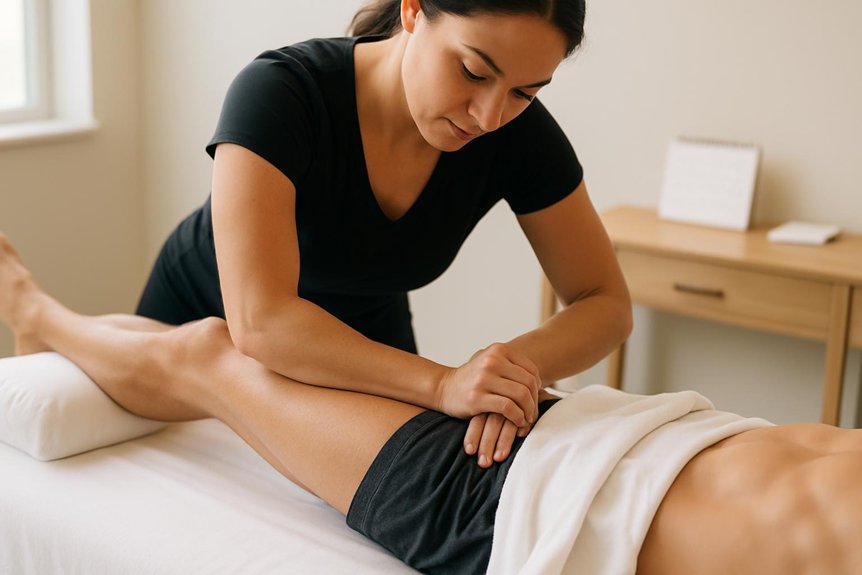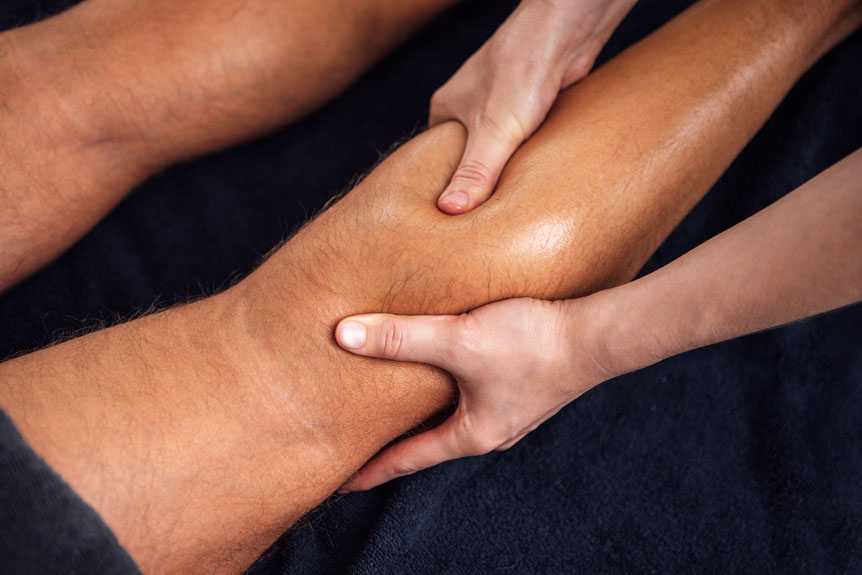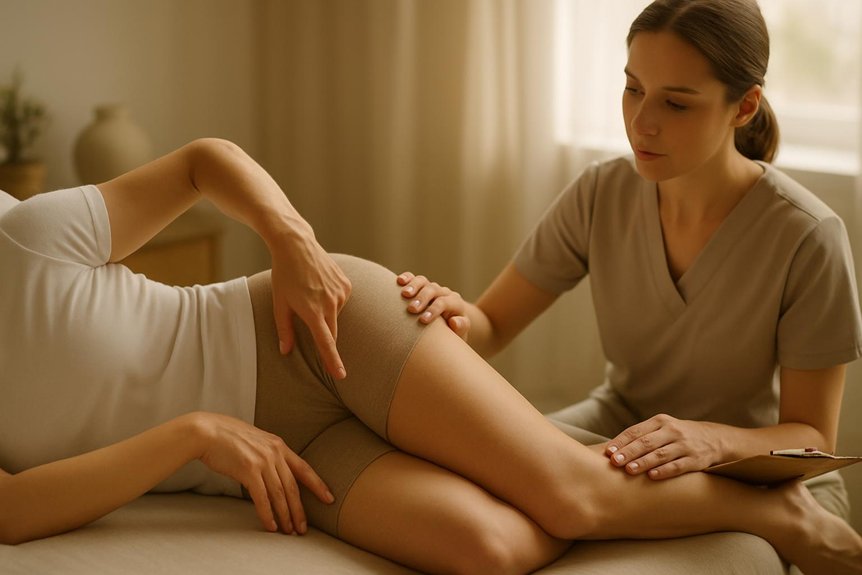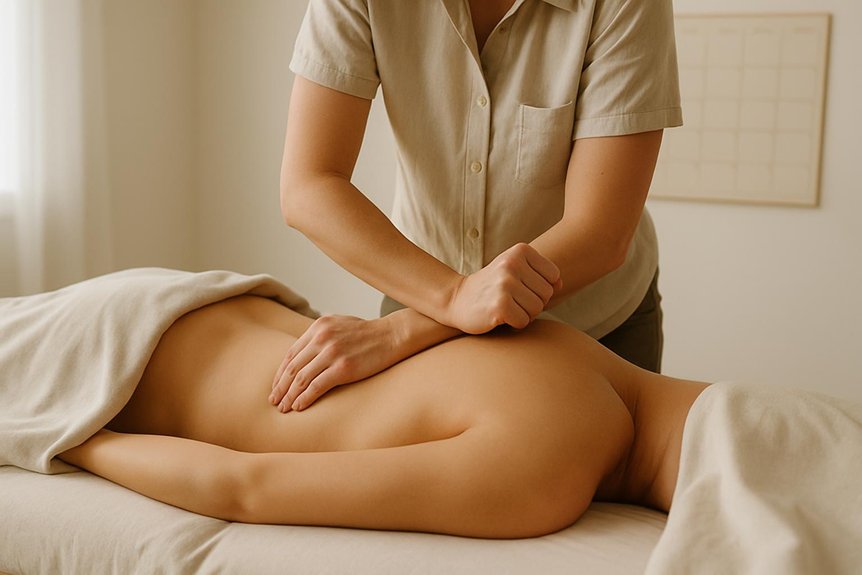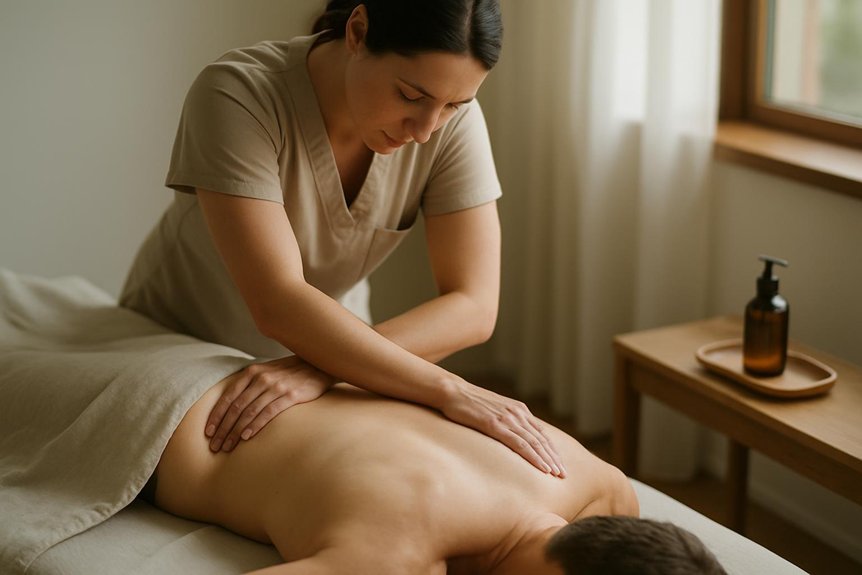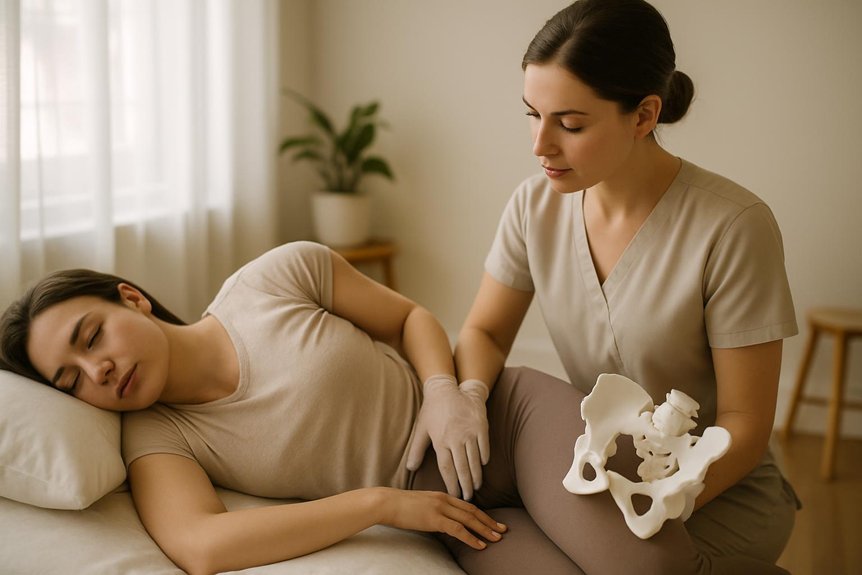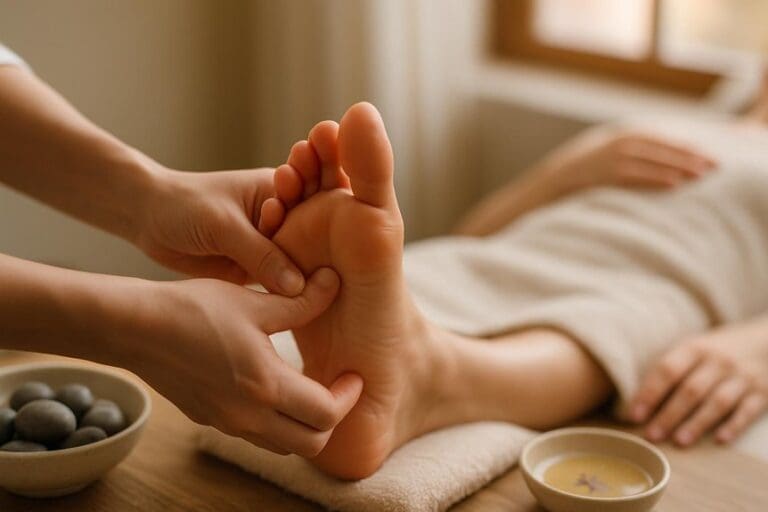
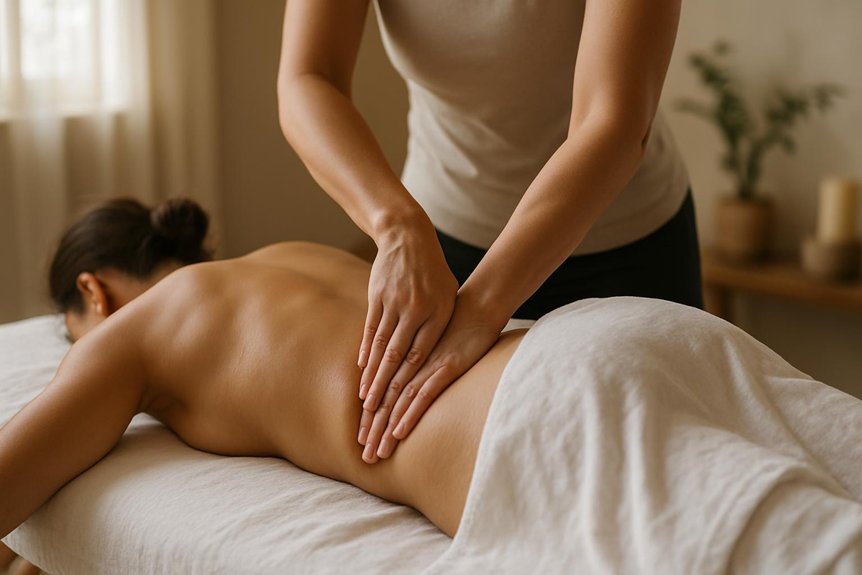
It can help some sciatica symptoms when pain is driven by muscular tension or myofascial restriction around the gluteals, piriformis, hamstrings, or lumbar extensors. Slow, specific, tolerable pressure may reduce guarding, improve local circulation, and ease mechanical irritation near sensitised neural structures. It is less suitable for sharp, electric, or rapidly worsening pain, and can flare symptoms if heavy pressure is applied along an irritated nerve pathway. Guidance on selection, safety, and aftercare follows.
Is It Good for Sciatica Pain?
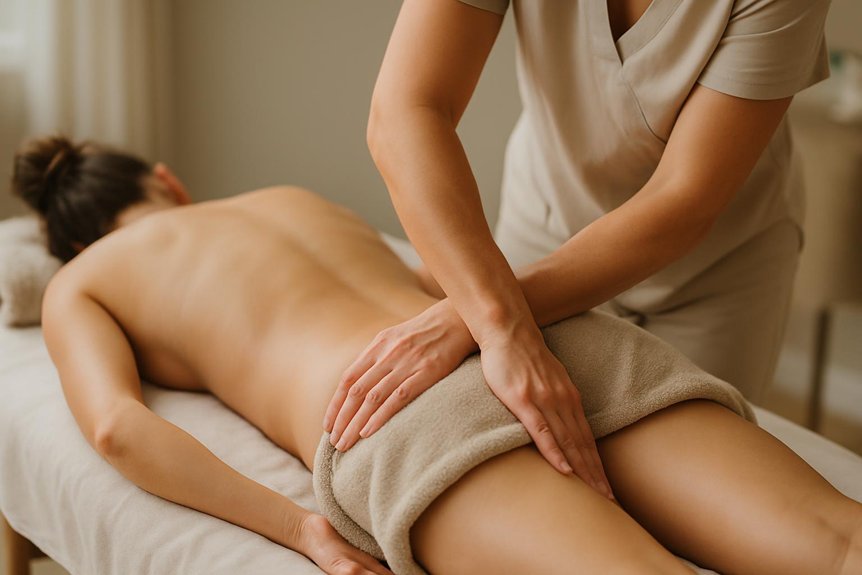
In many cases, it can be a helpful adjunct for sciatica-related pain, particularly when symptoms are driven by muscular tension, myofascial restriction, or mechanical irritation around the lower back, glutes, and hip rotators rather than progressive neurological compromise.
By reducing tone in tissues such as the piriformis, gluteals, and lumbar extensors, pressure on sensitised neural structures may lessen, improving comfort and movement.
At Spa & Massage clinics across London, therapists use slow, specific, tolerable pressure and targeted release, adjusting depth to protect irritated nerves.
This approach draws on established deep tissue massage techniques that use slow, sustained pressure to address deeper layers of muscle and fascia.
Many clients report short-term pain reduction, easier walking, and better sleep when treatment is paired with gentle mobility and hydration.
Soreness can occur; calm breathing and heat may support recovery.
When Should You See a Clinician for Sciatica First?
When, then, is it more appropriate to consult a clinician before booking intensive tissue massage for sciatica? A same-day clinical review is advised for new bowel or bladder changes, saddle numbness, progressive leg weakness, fever, unexplained weight loss, recent significant trauma, cancer history, or constant night pain.
Urgent assessment is also prudent if pain is severe, rapidly worsening, or follows an injection or infection.
For most people, clinician input is sensible when symptoms persist beyond 4–6 weeks, recur frequently, or limit walking, sleep, or work despite self-care.
At Spa & Massage, therapists complete a thorough intake and will refer onward if red flags appear, ensuring touch remains safe, soothing, and genuinely supportive.
Sciatica vs Piriformis Syndrome: How Can You Tell?
After urgent warning signs are ruled out, a common source of confusion is whether leg pain is due to true lumbar sciatica (nerve-root irritation in the lower back) or piriformis syndrome (compression or irritation of the sciatic nerve by the piriformis muscle in the buttock).
Lumbar sciatica often follows a dermatomal line from back to calf or foot, with numbness, tingling, or weakness; coughing, sneezing, or bending may aggravate it.
Piriformis syndrome more often centres in the deep buttock, can worsen with prolonged sitting, climbing stairs, or hip rotation, and may ease when lying down.
A clinician may test straight-leg raise, neurological reflexes, and hip manoeuvres.
At Spa & Massage, therapists encourage a GP or physio assessment when symptoms persist.
How Can It Help Sciatica Symptoms?
Reducing soft‑tissue tension around the pelvis and lower back is one of the main ways intensive tissue massage may ease sciatica-type symptoms. By releasing trigger points in gluteals, piriformis, and hip rotators, it may lessen mechanical irritation and referred pain that can track down the leg. Focused work can also improve local circulation and reduce protective muscle guarding, helping movement feel safer and more comfortable.
At Spa & Massage clinics across London, therapists use slow, specific pressure and careful pacing, checking in often so intensity stays therapeutic and reassuring. Many clients report short‑term reductions in pain, stiffness, and sleep disruption, especially when treatment targets the tissues that compress or sensitise the nerve pathway. Massage may also support body awareness and calmer breathing, which can dial down pain sensitivity and help intimacy feel possible again.
When Can It Worsen Sciatica?
In what situations can intensive tissue massage aggravate sciatica-type pain? It can worsen symptoms when pressure is applied directly over an inflamed nerve pathway, when acute disc irritation is present, or when protective muscle spasm is forced to release too quickly. Excessive depth can increase local inflammation, provoke radiating pain, or trigger next-day flare-ups.
Deep tissue work may also be poorly tolerated with high pain sensitivity, recent injury, anticoagulant use, or unexplained progressive numbness or weakness, which warrant medical review first. At Spa & Massage clinics across London, therapists watch for sharp, electric, or spreading sensations and stop immediately, keeping touch slow, grounded, and consent-led. If pain escalates during or after, deep pressure is usually inappropriate for now.
What Should You Ask for in a Sciatica Massage?
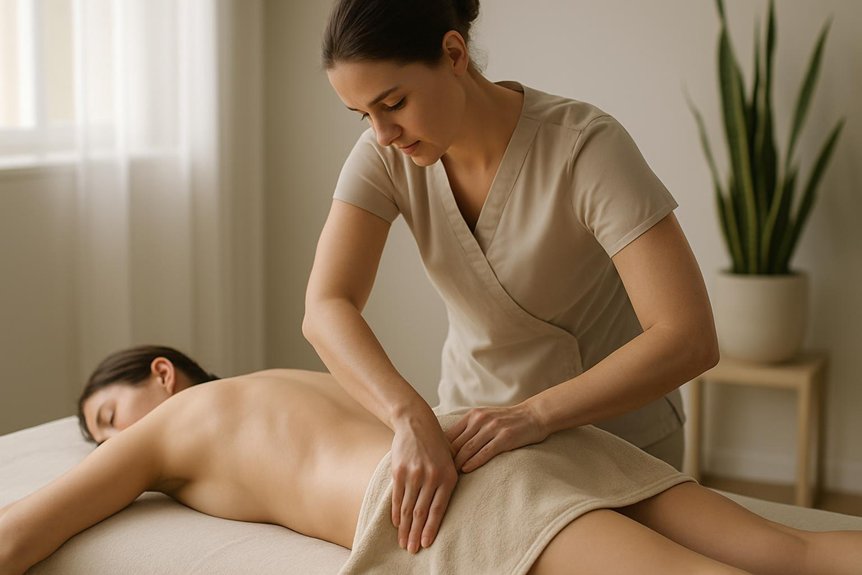
For a sciatica-focused massage to be both safe and effective, the client should ask for an assessment-led treatment that targets contributing muscles (typically the gluteals, deep hip rotators, hamstrings, and lower back) while avoiding direct, sustained pressure along the irritated nerve pathway.
They should request a brief history and movement screen, pain mapping, and a clear plan for pressure levels, positions, and stop-signals.
At Spa & Massage clinics, therapists may use slow myofascial work, trigger point release to the piriformis and gluteus medius, and gentle lumbar soft-tissue techniques, checking comfort and nerve symptoms throughout.
Clients should ask for symptom-modifying options (side-lying, pillow support, heat) and simple aftercare: hydration, short walks, and avoiding provocative stretching for 24 hours.
Deep Tissue vs Sports Massage for Sciatica: Which Suits You?
For sciatica, intensive tissue massage is typically selected to reduce pain by addressing sustained myofascial tightness in the lower back, glutes, and hip rotators, while sports massage more often targets load-related muscle dysfunction linked to activity and recovery.
The approaches also differ in technique and pressure: deep tissue emphasises slower, sustained compression and specific trigger-point work, whereas sports massage commonly uses broader mobilisation, assisted stretching, and variable pressure matched to movement goals.
At Spa & Massage clinics across London, therapists help clients choose the best fit based on symptom irritability, functional limitations, and tolerance to pressure, with treatment adjusted session by session.
Pain Relief And Targets
Where each massage style “targets” pain differs, and that distinction matters when sciatica symptoms are driven by a mix of irritated nerve tissue and overloaded muscles.
It is typically selected to relieve persistent, deep myofascial tension in the glutes, hip rotators, hamstrings, and low back—structures that can heighten nerve sensitivity through sustained compression and guarding.
Sports massage more often targets load-related sources, such as overworked muscle groups and movement patterns that perpetuate flare-ups after training or long sitting.
In Spa & Massage clinics across London, therapists map symptoms, palpate referral patterns, and test comfort-guided ranges of motion to decide which tissues to prioritise.
Many clients find relief when the primary driver—chronic tightness versus activity-linked strain—is matched to the treatment focus.
Technique And Pressure Differences
Once the likely pain drivers have been identified—persistent myofascial guarding versus load-related strain—the next determinant is how each approach applies pressure and technique around sensitised tissues.
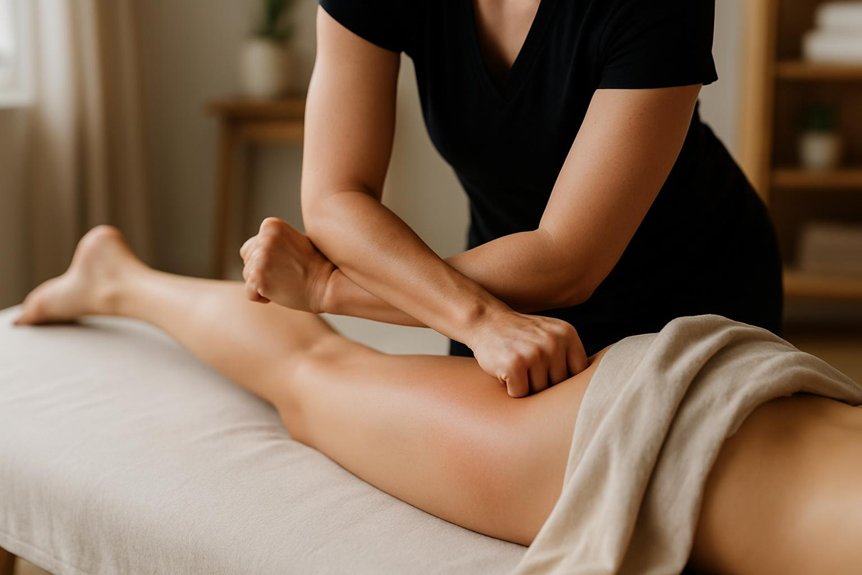
Deep tissue work typically uses slow, sustained strokes and forearm or elbow pressure to reduce tone in deep hip rotators, gluteals, and thoracolumbar fascia, with frequent check-ins to keep sensation “strong but safe” and avoid protective spasm.
Sports massage more often blends moderate-to-firm pressure with brisker compression, friction, and assisted stretching, targeting fatigued or overloaded muscles and tendon interfaces, and may include pre- and post-activity techniques.
At Spa & Massage clinics, therapists modulate depth by tissue response, not pain tolerance, and may use warm oil for glide while maintaining precise contact near the sciatic pathway.
Choosing The Right Fit
In practice, the right choice between deep tissue and sports massage for sciatica depends on the person’s symptom pattern, irritability, activity demands, and how the tissues respond to graded pressure. Deep tissue may suit steady, non-sharp symptoms linked to gluteal, piriformis, or lumbar myofascial tension, where slow, sustained work helps soften protective guarding.
Sports massage may suit active clients with training-related overload, aiming to restore range, reduce post-exercise tone, and support return to activity with mobilisation and targeted release. In Spa & Massage clinics across London, therapists start with a brief assessment, then titrate pressure to a “good pain” threshold, prioritising comfort and safety.
If symptoms intensify, numbness spreads, or pain shoots below the knee, gentler work and medical review are advised.
What to Do After Intensive Tissue Massage for Sciatica
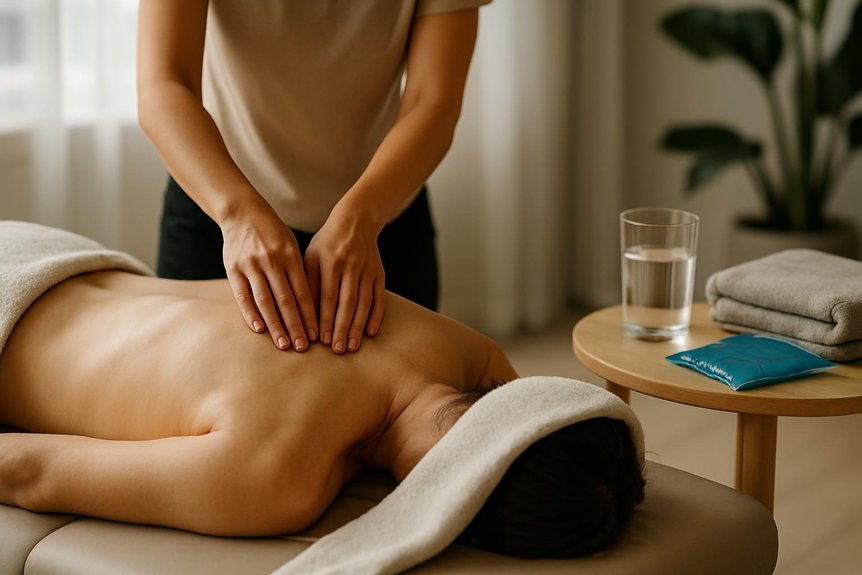
After an intensive tissue massage for sciatica, clients are typically advised to prioritise hydration and relative rest to support circulation and reduce post-treatment soreness.
Spa & Massage therapists often recommend gentle, pain-free mobility exercises to maintain range of motion without aggravating neural symptoms.
Heat or ice may be suggested based on presentation—ice for acute flare-ups and inflammation, heat for muscle guarding and stiffness—with individual guidance provided after each session.
Hydrate And Rest
To support post-treatment recovery, adequate hydration and planned rest are recommended following an intensive tissue massage for sciatica. Deep work can temporarily increase local soreness and shift fluid balance; water supports circulation and may reduce post-session headache or fatigue. In Spa & Massage clinics across London, therapists advise sipping water regularly for the next 6–12 hours, limiting alcohol, and choosing nourishing meals to stabilise energy.
Rest should be intentional: a quiet evening, lighter plans, and comfortable positioning that keeps the low back and hips supported. Many clients find warmth, calm breathing, and early sleep help the nervous system settle, which can soften protective muscle guarding around the sciatic pathway. If marked pain, numbness, or weakness persists, clinical review is advised.
Gentle Mobility Exercises
Alongside hydration and rest, gentle mobility work can help maintain the gains from a deep tissue session for sciatica by keeping the hips and lumbar spine moving without re-irritating the nerve. At Spa & Massage, therapists often suggest brief, pain-free movements within 24 hours to reduce stiffness and support circulation.
Examples include slow pelvic tilts, knee-to-chest (one leg at a time), a gentle figure‑4 hip stretch, and cat–cow in a small range. Each should be held or repeated for 20–30 seconds, 2–3 rounds, while breathing steadily and keeping the jaw and shoulders soft. Symptoms should not travel further down the leg; if they do, the movement is scaled back or stopped. Consistency matters more than intensity, especially after deeper work.
Heat Or Ice Guidance
When should heat or ice be used following intensive tissue massage for sciatica? Ice is typically preferred in the first 12–24 hours if there is post‑treatment soreness, tenderness, or a “hot,” inflamed feel. A thin cloth barrier and 10–15 minutes per application helps reduce reactive swelling and calm irritated nerve tissues.
Heat is usually better later, or when stiffness and guarded muscles dominate: 15–20 minutes of gentle warmth can improve circulation and ease protective spasm around the glutes and low back.
At Spa & Massage clinics, therapists advise avoiding intense heat if pain is sharp, radiating, or worsening. Comfort should guide intensity; sensations should feel soothing, never burning, numb, or provocative.
Seek medical review if weakness or bladder/bowel symptoms occur.
Conclusion
It may ease sciatica-like pain when symptoms are driven by soft-tissue tightness around the lumbar spine, glutes, or hips, but it is not appropriate for every presentation and should follow a targeted assessment. Importantly, up to 40% of people experience sciatica at least once in their lifetime, underscoring the need for safe, individualised care. If pain is severe, progressive, or accompanied by neurological changes, clinical review should precede deep pressure and guide aftercare.