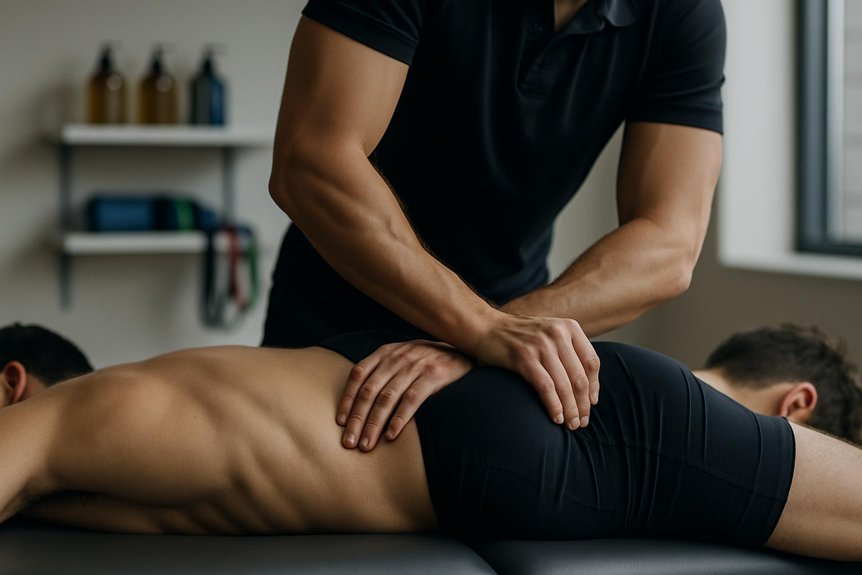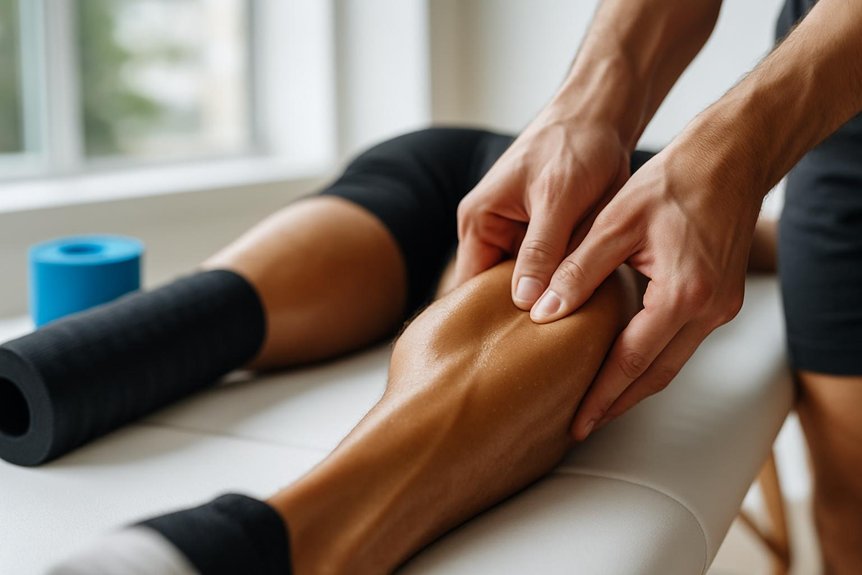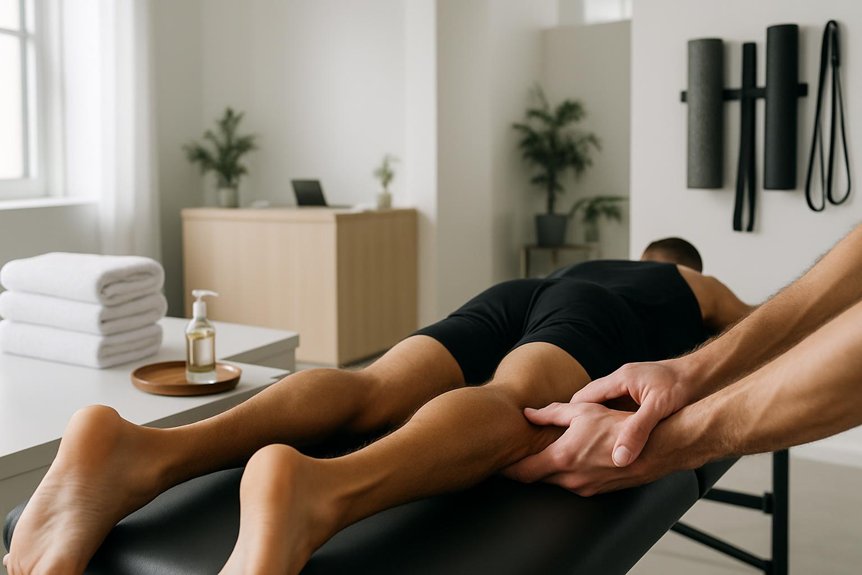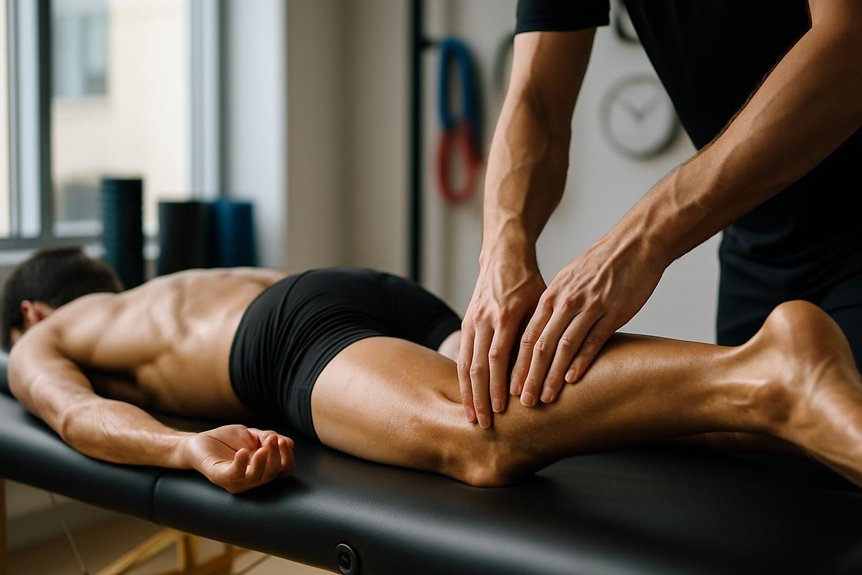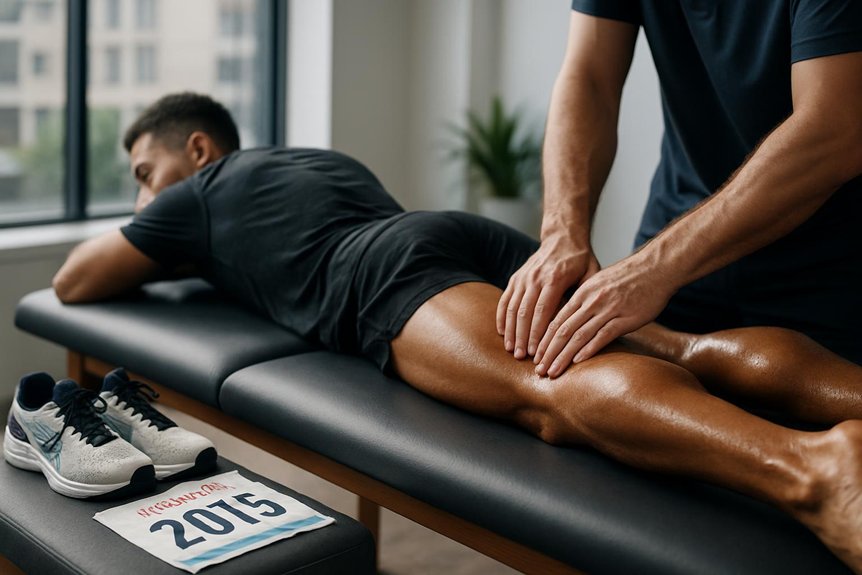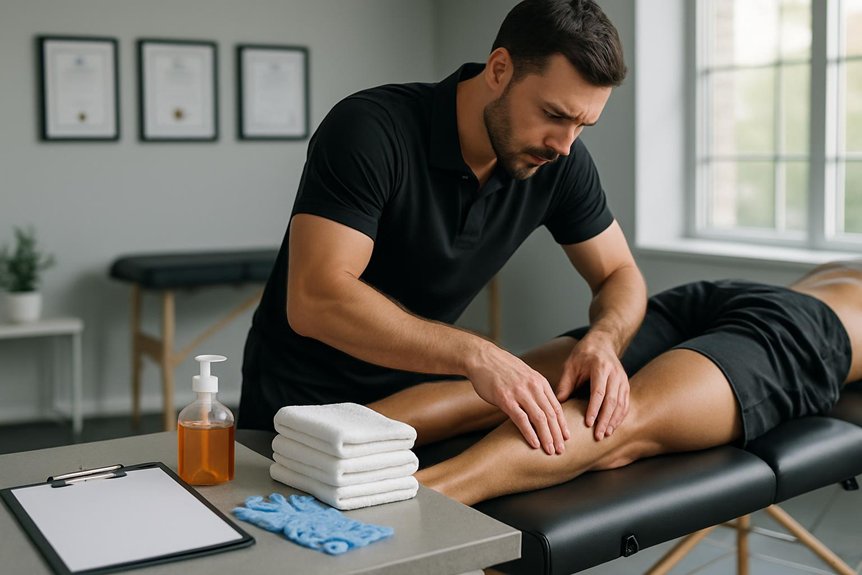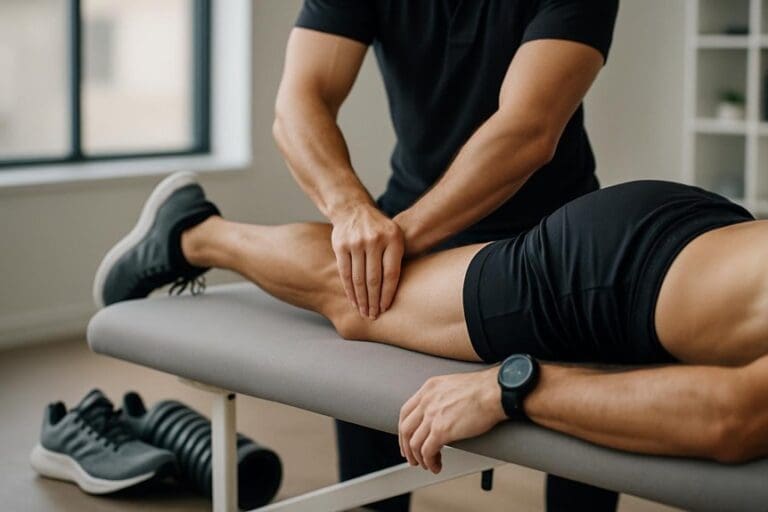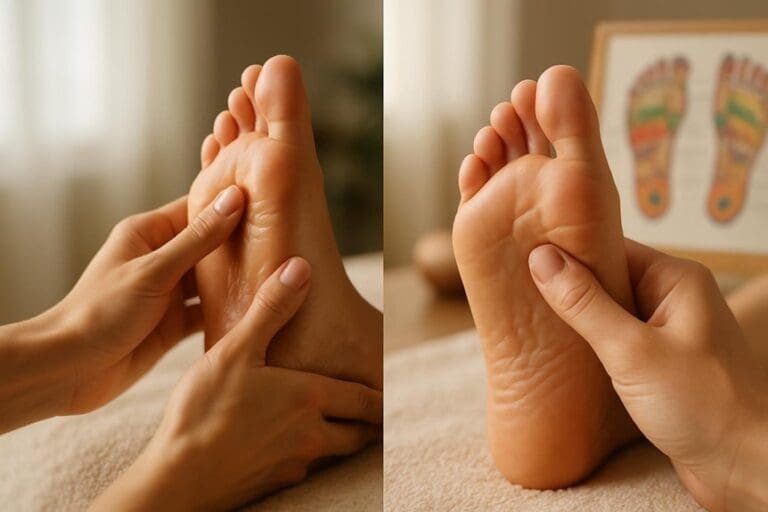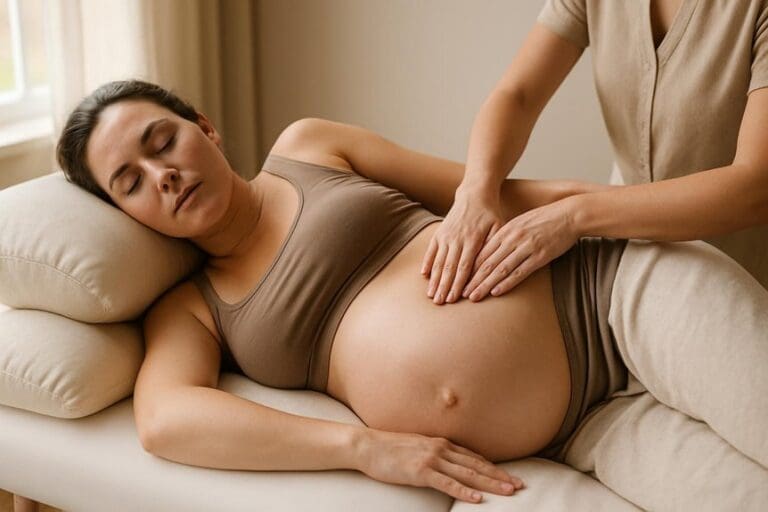
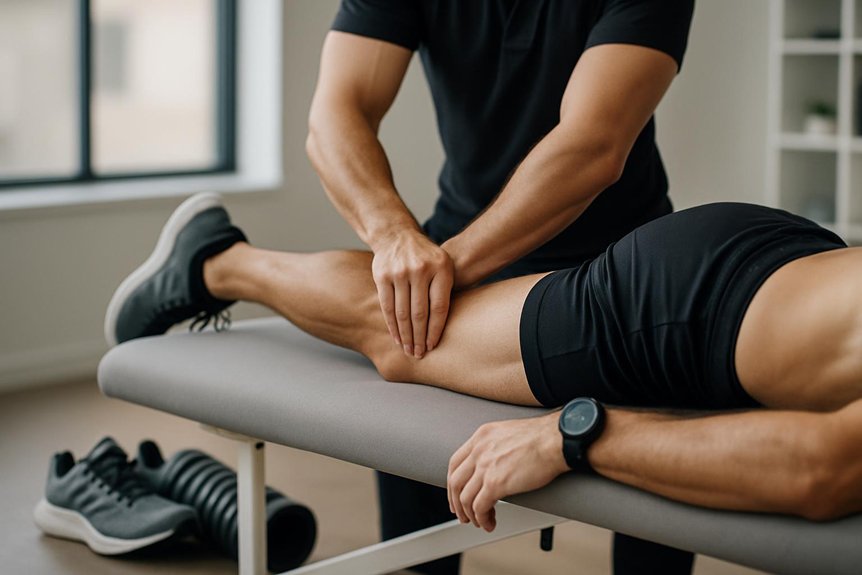
Most runners benefit from a performance massage every 2–4 weeks, adjusting based on training load, recovery capacity, and early niggles rather than mileage alone. During peak blocks with intervals, hills, strength work, or back-to-back long runs, sessions often shift to every 1–2 weeks, using lighter recovery-focused techniques. Booking 24–72 hours after harder efforts can feel restorative, while deep tissue is best avoided within 72 hours of racing. Further guidance explains how to individualise timing.
How Often Should Runners Get a Performance Massage?
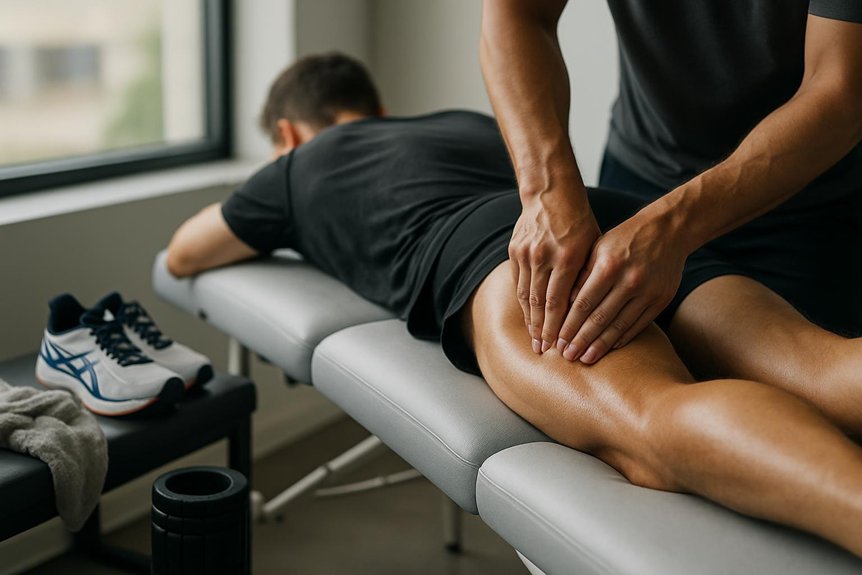
Often, the right performance massage frequency for runners depends on training load, recovery capacity, and any emerging niggles rather than a fixed timetable. Evidence suggests massage may reduce perceived soreness and support relaxation, which can improve sleep and readiness between sessions. Many runners do well with a regular rhythm of every 2–4 weeks, then adjusting sooner if tightness, heavy legs, or altered stride appears.
It is also associated with improved circulation and may support flexibility, helping athletes maintain smoother movement patterns during demanding training blocks. At Spa & Massage clinics across London, therapists commonly recommend a lighter maintenance performance massage when training feels stable, and a more targeted deep tissue approach when calves, glutes, or hip flexors start to guard. A session within 24–72 hours after harder efforts can feel especially restorative.
If pain is sharp, swelling is present, or symptoms persist, assessment should be prioritised.
Sports Massage Frequency by Training Load (Not Just Mileage)
While a 2–4 week rhythm suits many runners, mileage alone rarely predicts recovery needs; training load—how hard, how often, and how varied the work is—typically provides a better guide for performance massage frequency.
Higher load weeks with intervals, hills, strength work, or back-to-back long runs tend to justify more frequent sessions, as tissue stress and nervous-system fatigue rise even if total miles stay modest. Conversely, steady, low-intensity running may need less hands-on support.
A practical rule is to increase massage frequency when soreness lingers beyond 48 hours, sleep feels light, or stride tightness returns early in a run.
At Spa & Massage clinics across London, therapists tailor pressure and technique to the runner’s current workload, prioritising recovery, circulation, and calm, intimate comfort.
Performance Massage Timing in a Training Block
Within a training block, evidence-informed performance massage timing is typically matched to adaptation and recovery needs, with a lower, maintenance-style frequency often suiting the base phase while training volume and intensity build.
As peak weeks approach, sessions are commonly scheduled to manage rising tissue load and perceived soreness, then adjusted in the taper to prioritise freshness—an approach Spa & Massage therapists use by tailoring pressure and techniques to the runner’s current workload.
In race week, many runners book a lighter, circulation-focused session several days before the event and avoid heavy deep work in the final 24–48 hours to minimise residual soreness.
Base Phase Frequency
During a running base phase, performance massage is typically scheduled every 2–4 weeks to support tissue adaptation, maintain mobility, and address early signs of overload before they develop into injury. This cadence suits steady mileage and strength work, when tendons and fascia are adjusting to consistent load. Sessions usually prioritise calves, hamstrings, glutes, hip flexors, and the plantar fascia, combining firm, slow strokes with targeted release to improve comfort and running mechanics.
At Spa & Massage clinics across London, therapists reassess soreness patterns, range of motion, and training volume, then tailor pressure and technique so recovery feels safe and personal rather than punishing. Runners may book closer to every two weeks if increasing mileage, feeling niggles, or sitting long hours; otherwise, four-week intervals often suffice.
Peak And Taper Timing
As peak weeks approach and intensity rises, performance massage is typically scheduled every 1–2 weeks to manage accumulating muscle tone and maintain running efficiency, then eased back in the taper to avoid provoking post-treatment soreness.
In this phase, evidence-informed practice prioritises targeted work over “full reset” pressure: calves, hamstrings, hips, and feet often hold protective tension that can subtly shorten stride and disrupt sleep.
At Spa & Massage clinics across London, therapists commonly use deep tissue and sports techniques paced to the runner’s sensitivity, aiming for a calm, pliable feel rather than bruised ache.
During taper, sessions may shift to lighter flushing, breath-led relaxation, and gentle mobility to keep the nervous system settled and legs feeling close, warm, and responsive. Timing stays aligned with key workouts, preserving freshness.
Race Week Scheduling
In race week, performance massage is best treated as a freshness tool rather than a fitness intervention, with scheduling geared to minimise delayed-onset soreness and protect key sessions. Evidence suggests lighter, shorter work supports relaxation and perceived recovery without provoking tenderness that could blunt race feel.
Spa & Massage typically advises a gentle 30–45 minute session 4–6 days before the event, focusing on calves, quads, glutes, and feet, using moderate pressure and slow flushing strokes rather than heavy stripping. If a runner prefers a second touch, a brief 15–20 minute tune-up 1–2 days out can settle tone and calm nerves. Avoid deep tissue within 72 hours.
Aftercare: hydrate, keep legs warm, and prioritise sleep.
How Soon After Hard Runs or Races Should You Book?
After a hard run or race, most runners benefit from waiting roughly 24–72 hours before booking a performance massage, allowing acute inflammation and delayed-onset muscle soreness to settle so treatment can support recovery rather than aggravate tender tissue.
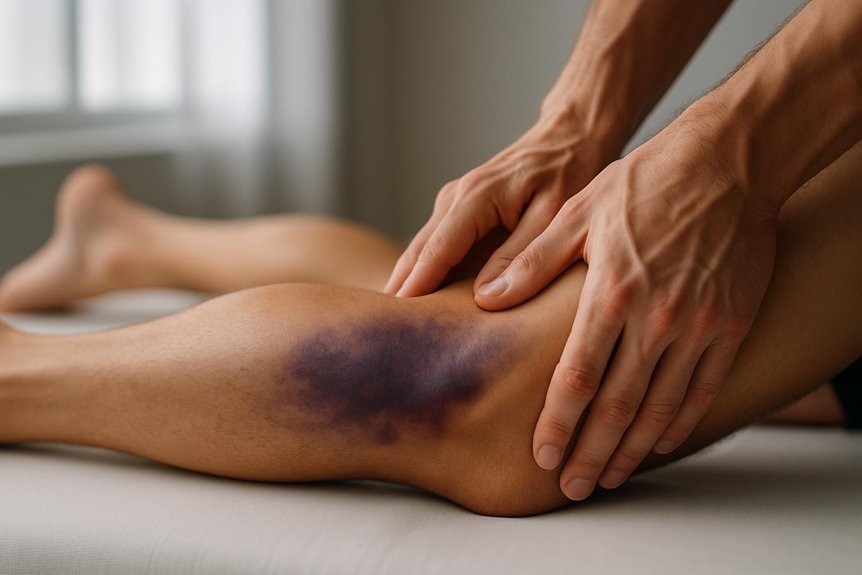
Within that window, lighter, circulation-focused work can ease tight calves, quads, and hips while respecting microtrauma. If soreness is mild and mobility is limited, a same-day session may suit, but it should be gentle and comfort-led rather than deep. If swelling, bruising, or sharp pain is present, waiting longer is prudent.
At Spa & Massage clinics across London, therapists typically begin with slow compressions, broad strokes, and targeted release, then progress pressure only as tissues soften. Hydration, warmth, and easy walking afterward support a calmer nervous system.
Signs You Need Performance Massage More Often
Runners often realise they need performance massage more frequently when recovery stops keeping pace with training load—tightness returns quickly between sessions, soreness lingers beyond 48–72 hours, and stride mechanics start to feel “off” even on easy runs.
Other cues include persistent “hot spots” in calves, hamstrings, or hips; reduced ankle or hip range of motion; and recurring niggles that flare at the same mileage. Sleep may feel less restorative, and legs can seem heavy despite sensible pacing and nutrition.
A sudden drop in cadence, new asymmetry, or discomfort during warm-ups suggests tissue tolerance is being exceeded. At Spa & Massage, therapists often note protective guarding and trigger points that reproduce running pain—signs the body may benefit from more regular, targeted soft-tissue work and recovery support.
How Spa & Massage Builds Your Performance Massage Plan
At Spa & Massage, a performance massage plan for runners begins with an assessment of training load, injury history, movement restrictions, and short- and long-term race goals, so treatment targets the tissues most linked to performance and overuse risk.
From there, therapists set an evidence-informed frequency that matches the phase of training—typically closer together during high mileage or pain flare-ups, then spaced out as symptoms settle and mobility and strength tolerance improve.
Each session’s findings are used to progress the plan, adjusting techniques and intervals to support recovery while keeping the runner training consistently.
Runner Assessment And Goals
Building an effective performance massage plan for running starts with a structured assessment of training load, injury history, and short- to long-term goals. At Spa & Massage clinics across London, therapists ask about weekly mileage, intensity, surfaces, footwear changes, and recent races, alongside sleep, stress, and DOMS patterns that influence recovery.
A brief movement screen and targeted palpation identify tissue tone, trigger points, and mobility restrictions common in runners (calves, hamstrings, hip flexors, glutes, plantar fascia). The runner’s goals then shape priorities: easing niggles, improving stride comfort, supporting return-to-run, or maintaining resilience through heavy blocks. Pressure and techniques are matched to preference and sensitivity, keeping work therapeutic yet nurturing. Clear check-ins on pain scale and post-session feelings guide how the plan is personalised without overreaching.
Treatment Frequency And Progression
Once training load, injury history, and goals are mapped, massage frequency can be set to match the runner’s recovery capacity and the phase of the training cycle. At Spa & Massage clinics, many runners begin with weekly sessions for 2–4 weeks to calm tightness, reduce soreness, and restore range after mileage increases or niggles.
As tissues settle and training stabilises, appointments often progress to every 2–3 weeks for maintenance, then every 4–6 weeks in steady base phases. During peak blocks or marathon builds, frequency may tighten again, with lighter, recovery-led work 48–72 hours after hard sessions; pre-race treatment is typically gentler, avoiding deep soreness.
Post-race, one session within 3–7 days supports circulation, comfort, and a confident return to training.
Conclusion
Like steady rain restoring a dry trail, well-timed performance massage can help runners absorb training stress and stay durable. Evidence-informed practice suggests frequency should track load, intensity, and injury history: lighter weeks may need occasional tune-ups, while heavy blocks often benefit from regular maintenance. Scheduled after key sessions and before races—not immediately before maximal efforts—it can support circulation, tissue tolerance, and relaxed movement. The body’s signals ultimately set the cadence.