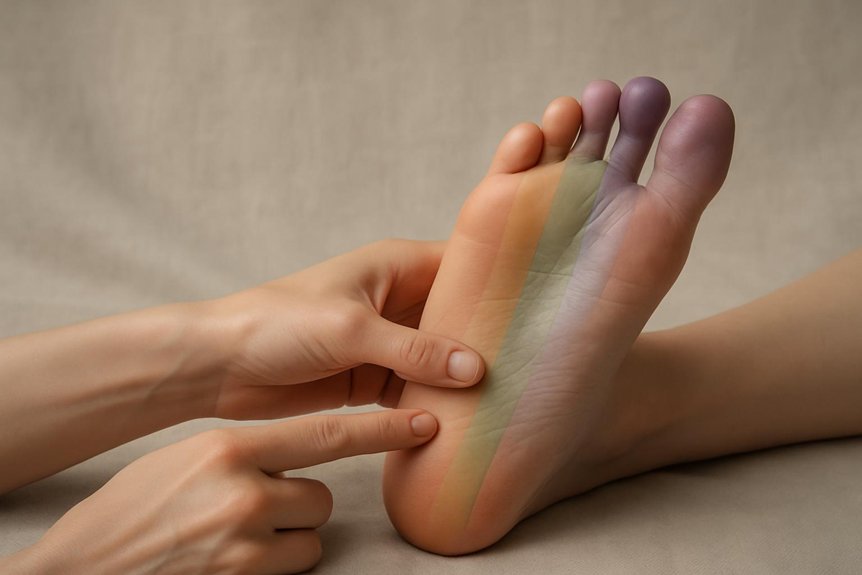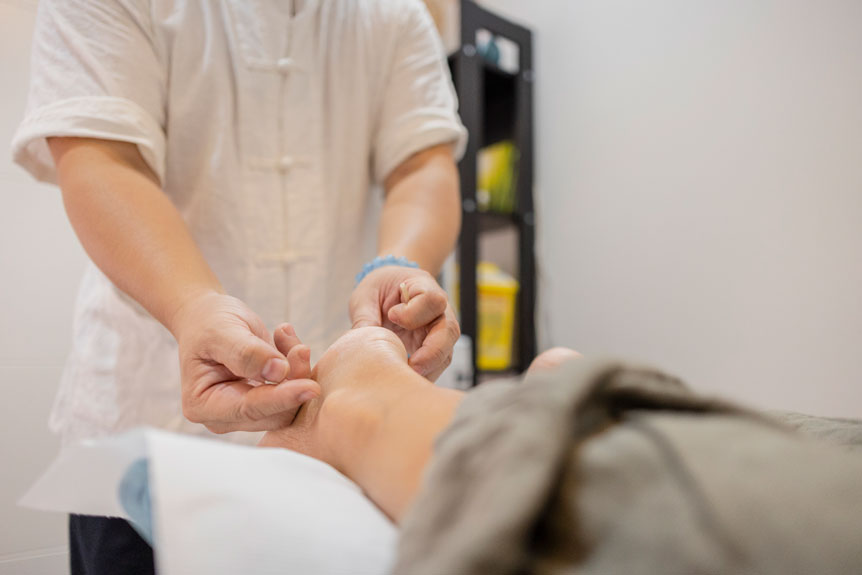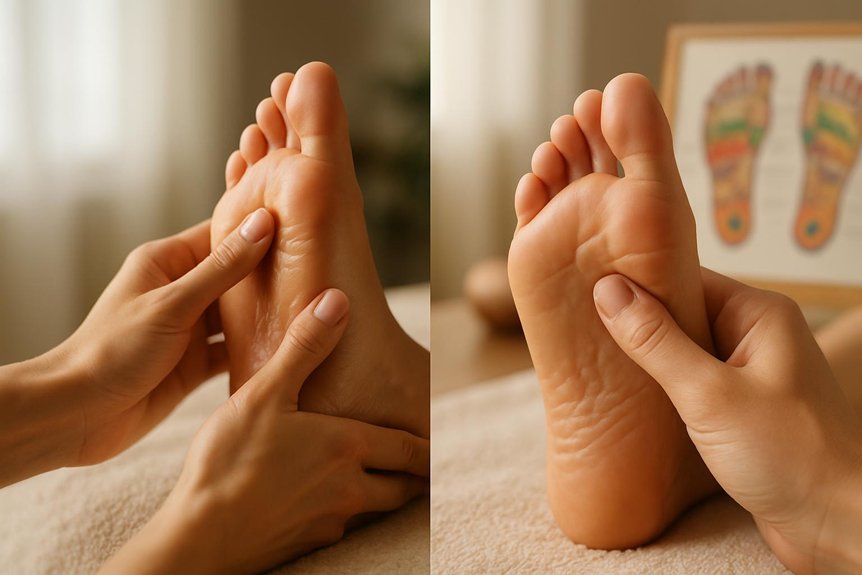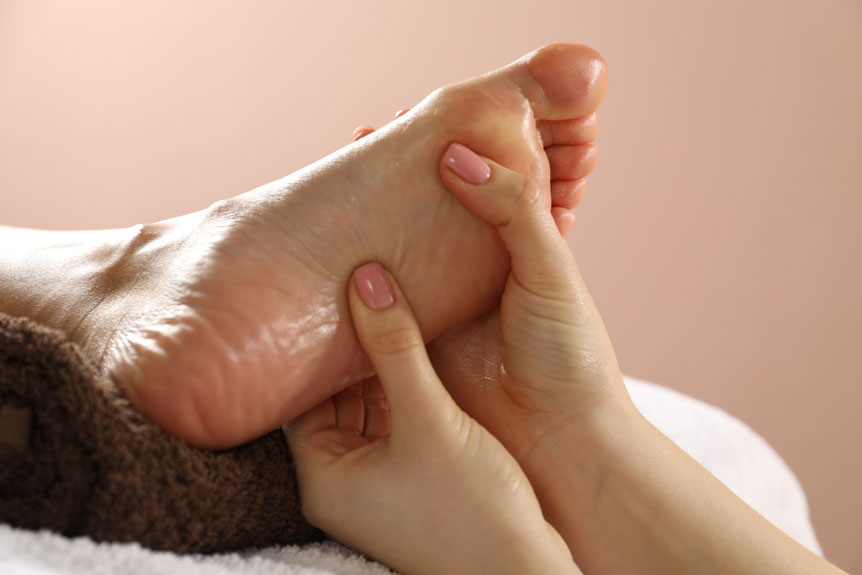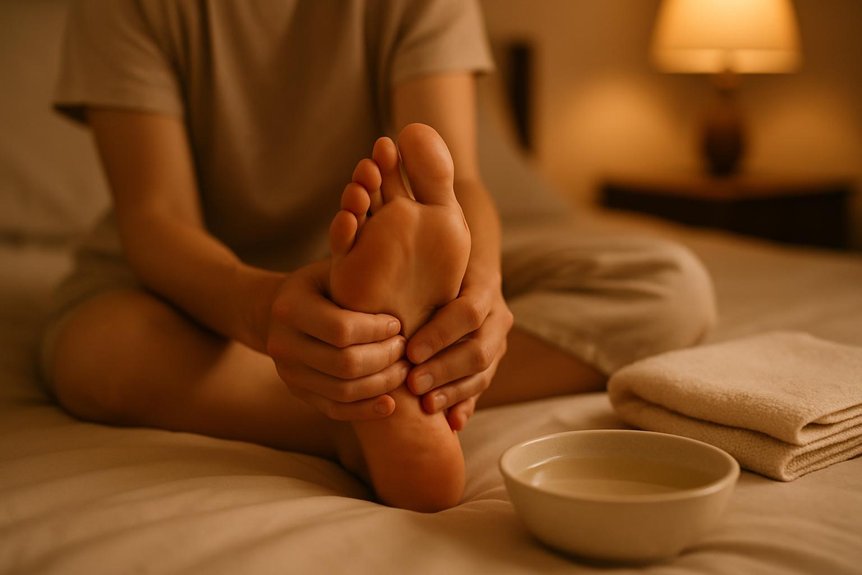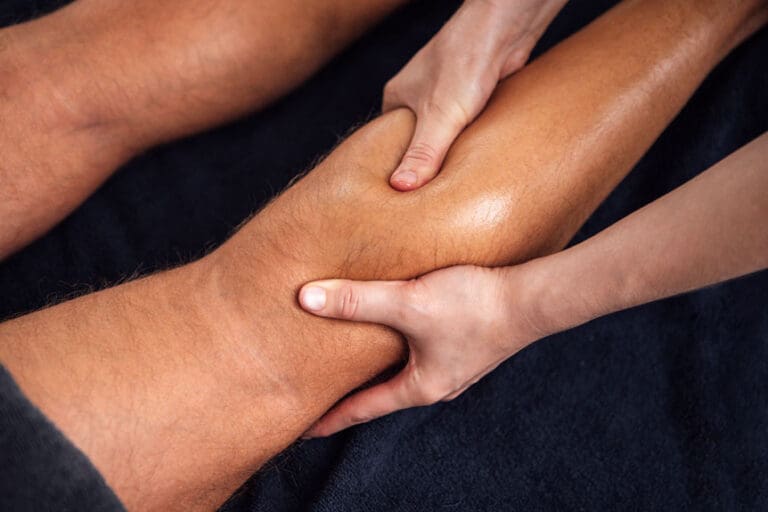
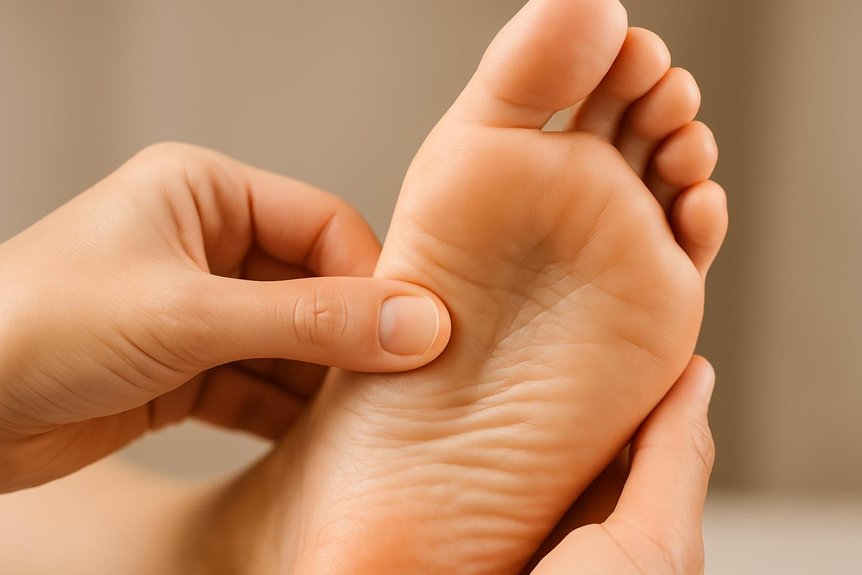
Zone therapy thumb walking is a core pressure method where the practitioner uses the thumb pad to apply rhythmic, measured press-and-release “steps” along the sole to stimulate mapped reflex points without sliding. The foot is anchored with the supporting hand while the thumb advances millimetre by millimetre from the heel toward the toes, tracking longitudinal zones and pausing on sensitive areas. Sensation is firm and targeted, not stinging. Further guidance covers pressure choices and safe home use.
What Is Zone Therapy Thumb Walking Technique?
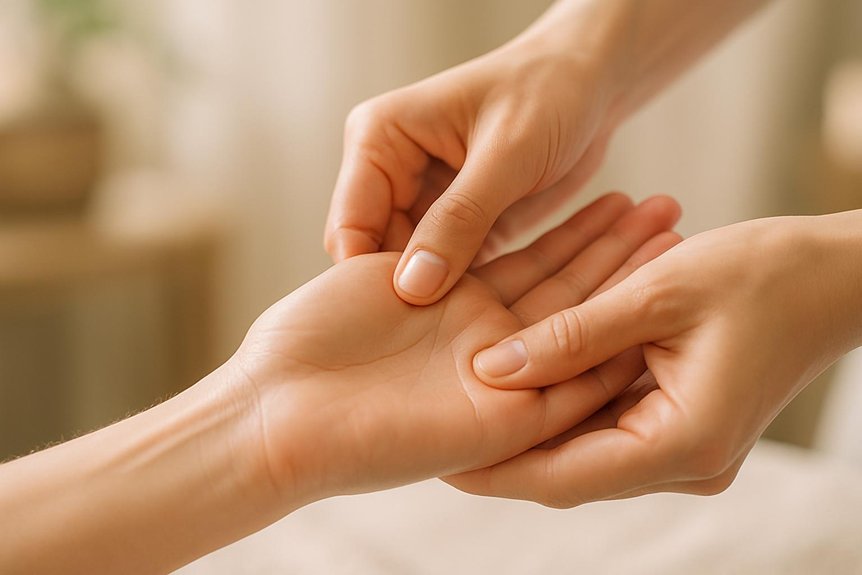
Zone therapy thumb walking technique is a foundational pressure method used to deliver controlled, incremental stimulation to specific reflex points on the feet (and sometimes the hands).
It uses the thumb pad to apply rhythmic, measured compression and release, allowing the therapist to “map” tissue texture, sensitivity, and client tolerance with accuracy.
The intention is to create consistent contact without sliding, maintaining secure positioning and a steady pace for comfort and privacy.
This approach supports the broader aim of discovering the healing power of zone therapy through careful, progressive stimulation.
At Spa & Massage clinics in London, therapists use thumb walking to work systematically across zones, supporting relaxation while addressing areas the client wishes to prioritise.
Pressure is calibrated continuously—firm yet respectful—so the client feels held, not overwhelmed.
Clear communication and consent guide intensity throughout each treatment.
How Do Reflexologists Do Thumb Walking on the Feet?
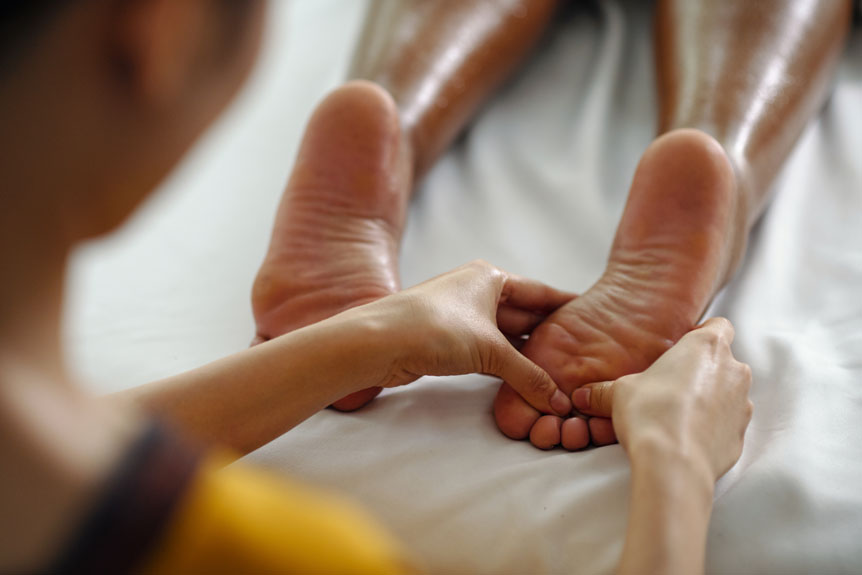
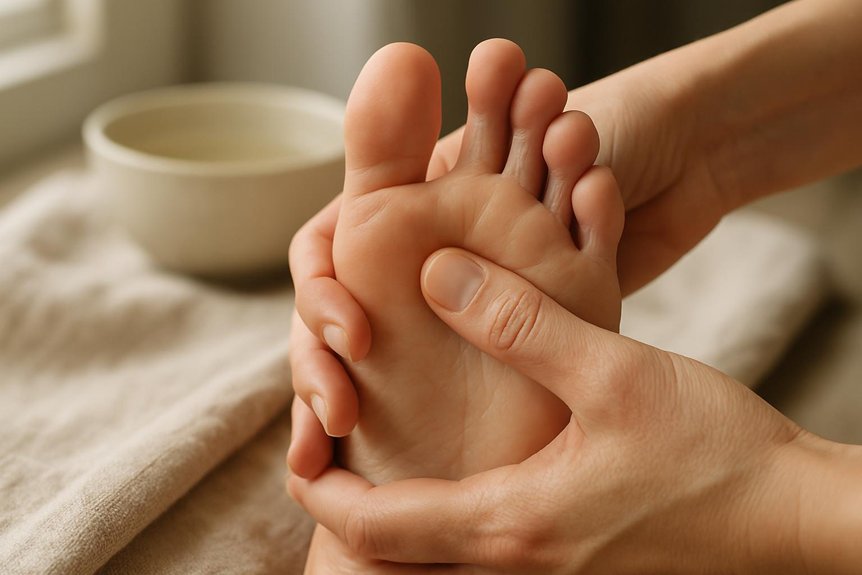
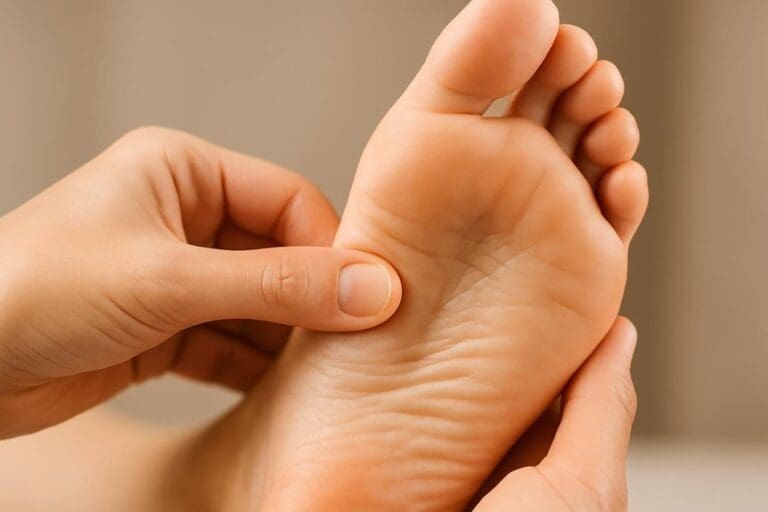
Begin at the heel and “walk” forward in small increments: the practitioner anchors the foot with the supporting hand, places the thumb pad on the skin, then applies a controlled press-and-release to advance millimetre by millimetre without sliding. The thumb is kept flexed, driven from the metacarpophalangeal joint, while the wrist stays neutral to maintain consistent vector and depth.
On the sole, they track along longitudinal zones, pausing over mapped reflex areas, then re-walking adjacent lines to cover the full surface. On the arch and ball, pressure is moderated by tissue response; on the toes, smaller steps are used.
At Spa & Massage clinics, therapists coordinate thumb walking with steady breathing and gentle contact cues, preserving a private, attentive rhythm throughout the sequence.
What Should Zone Therapy Thumb Walking Feel Like?
Once the practitioner has established a consistent thumb-walking rhythm across the sole, the client should experience a firm, measured “press-and-release” that feels like small, distinct steps rather than rubbing or dragging.
Sensation is typically described as deep, targeted pressure that stays within comfortable intensity and remains evenly paced. Tender points may feel sharp or bruised at first touch, then soften as the tissue yields; the client should still be able to breathe calmly and relax the toes. The skin should not sting or burn, and there should be no slipping across the surface.
At Spa & Massage, therapists monitor facial tension, breath, and micro-withdrawal, adjusting angle and depth so the contact feels secure, intimate, and reassuring throughout, leaving a warmed, spacious after-feel in the foot.
Thumb Walking vs Holding Pressure: Which Is Better?
Comparing thumb walking with sustained holding pressure highlights two complementary tools rather than a single “better” option. Thumb walking uses small, rhythmic pivots of the distal thumb joint to travel along a reflex zone, mapping texture changes and easing congestion with consistent, moving contact—often ideal for warming tissue and creating a flowing, reassuring tempo.
Holding pressure is a steady, still compression into a specific point, allowing the nervous system to settle and the client to breathe into a tender area with safety and trust.
At Spa & Massage clinics, therapists choose based on sensitivity, goal, and feedback: thumb walking to survey and spread sensation; holding pressure to deepen focus and release. Many sessions blend both for intimate, attentive care.
Can You Do Zone Therapy Thumb Walking at Home Safely?
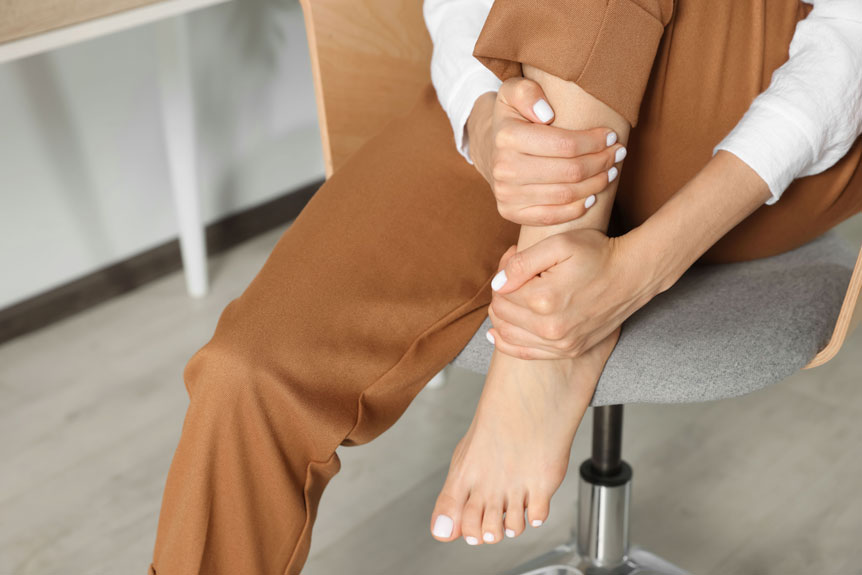
Using thumb walking for broad, moving contact and holding pressure for targeted stillness often raises a practical question: can thumb walking be practised safely at home.
It can, when treated as gentle self-care rather than clinical correction.
Spa & Massage therapists advise working on clean, warm feet, using slow “inchworm” thumb flexion, keeping pressure at 3–4/10, and maintaining continuous contact to avoid pinching skin.
Limit passes to 30–60 seconds per area, pause if tenderness sharpens, and finish with calming holds and hydration.
Avoid thumb walking over broken skin, acute inflammation, new swelling, numbness, varicose veins, or suspected fracture.
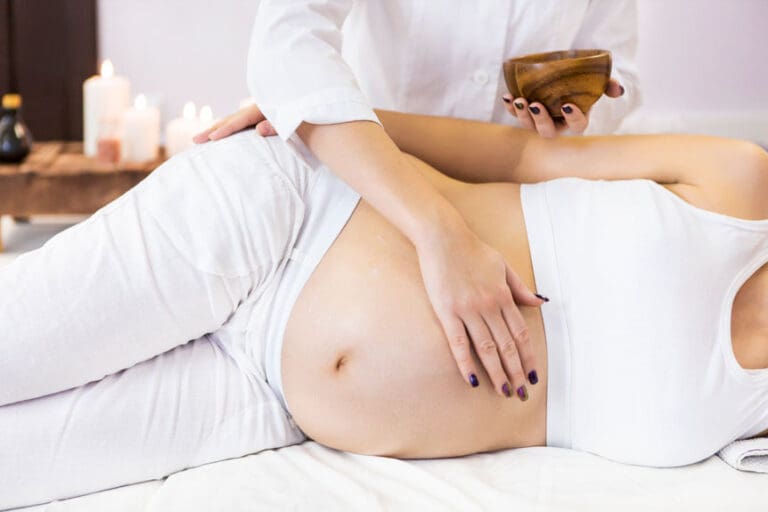
Pregnancy, diabetes, anticoagulants, and neuropathy warrant professional guidance.
If symptoms persist, book zone therapy at one of our London clinics.
Conclusion
Aone therapy thumb walking offers a measured way to “trace the body’s map” through small, deliberate increments of pressure. Performed on the feet, it allows the practitioner to read subtle changes—tightness, heat, tenderness—and adjust contact in real time, like dimming a lamp rather than switching it off. Clients should expect a grounded warmth or a courteous, constructive ache, never sharp discomfort. Compared with static holds, thumb walking supports even coverage. At home, proceed gently and stop if pain persists.