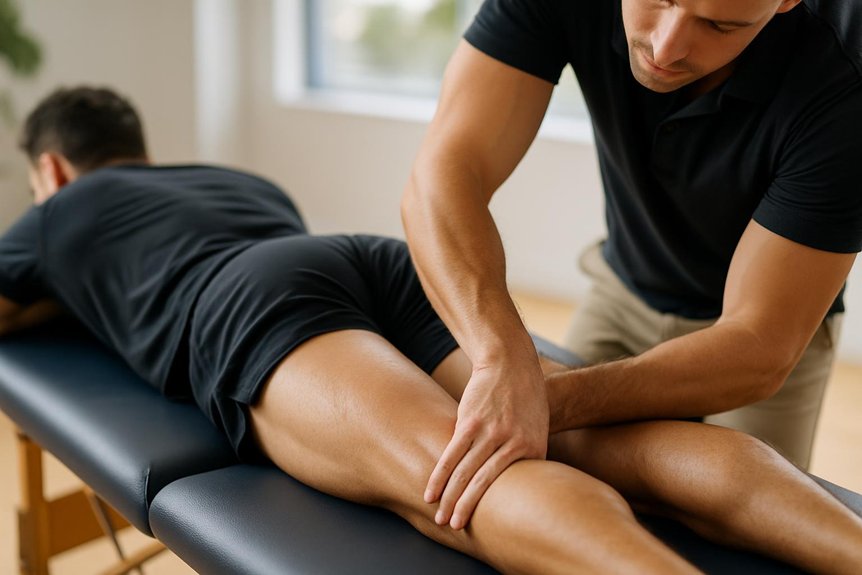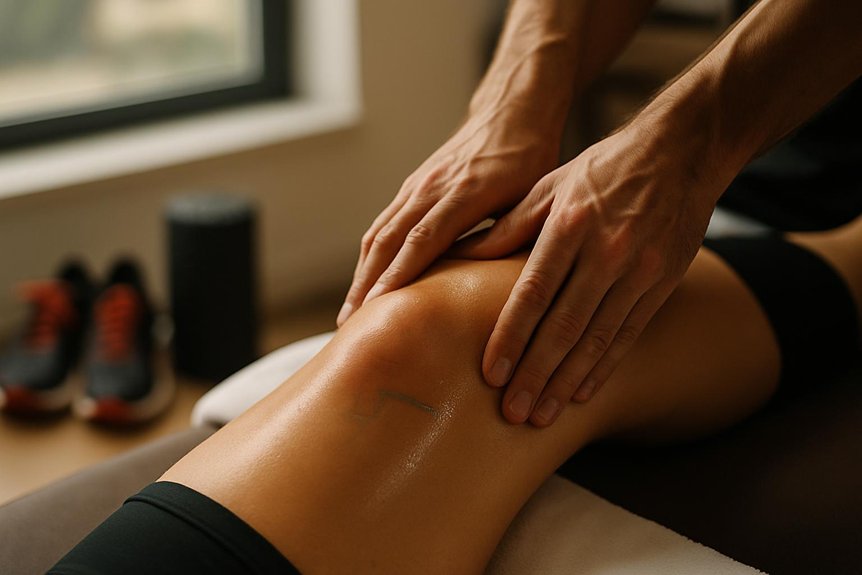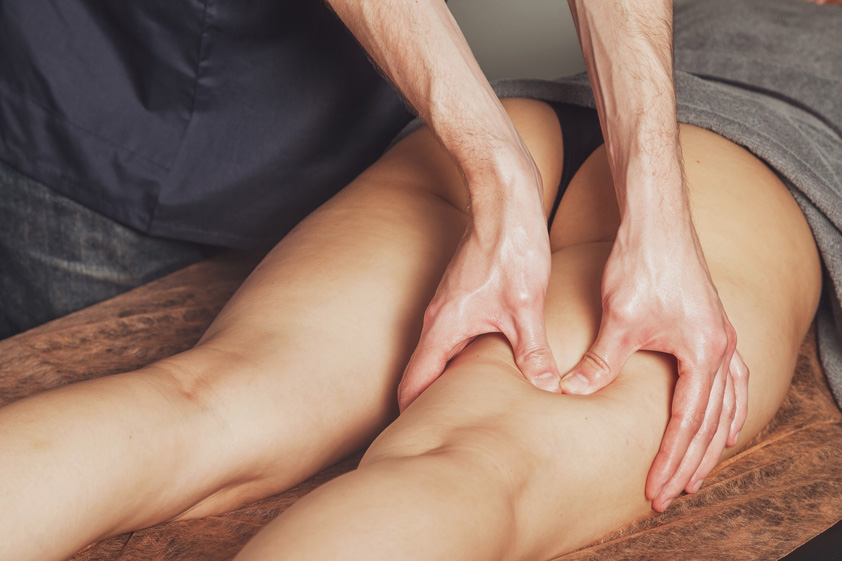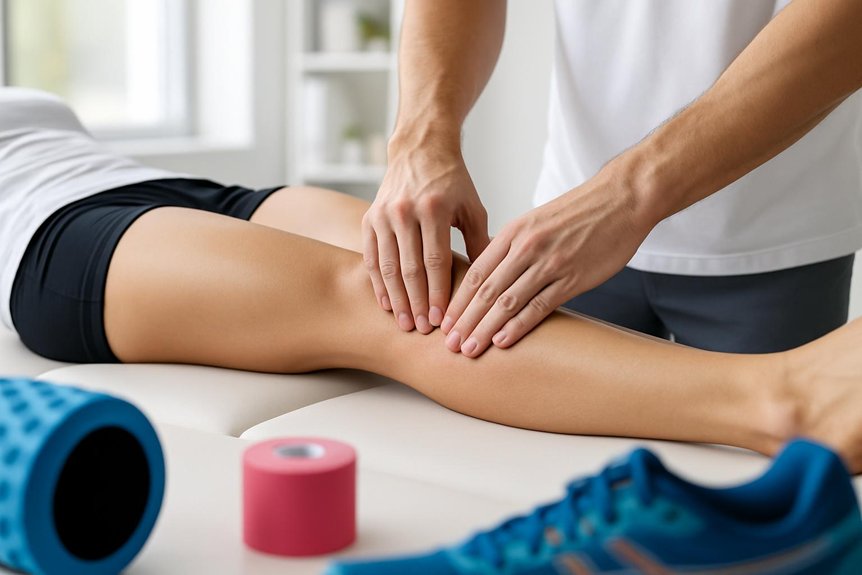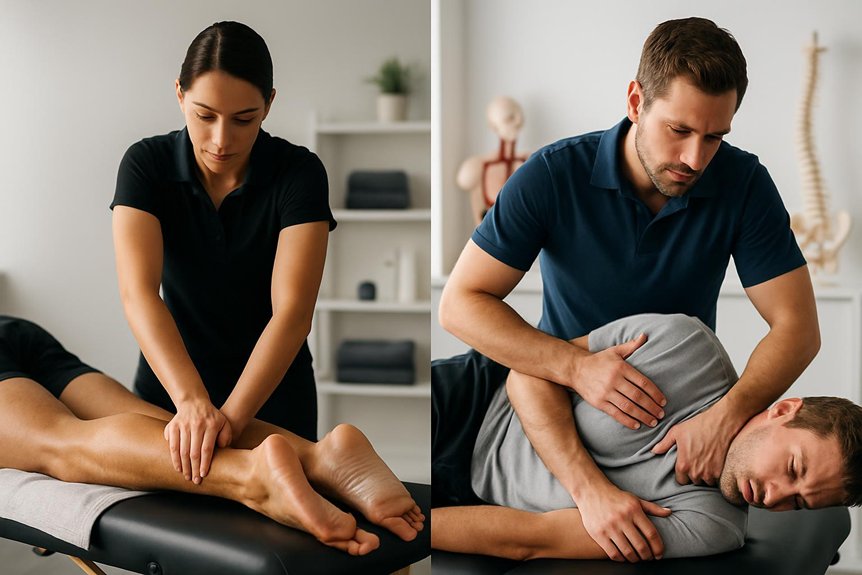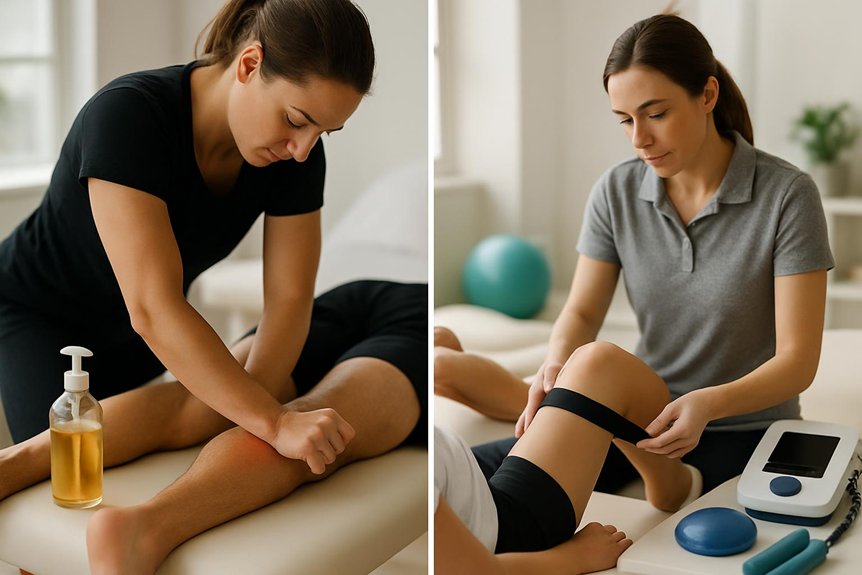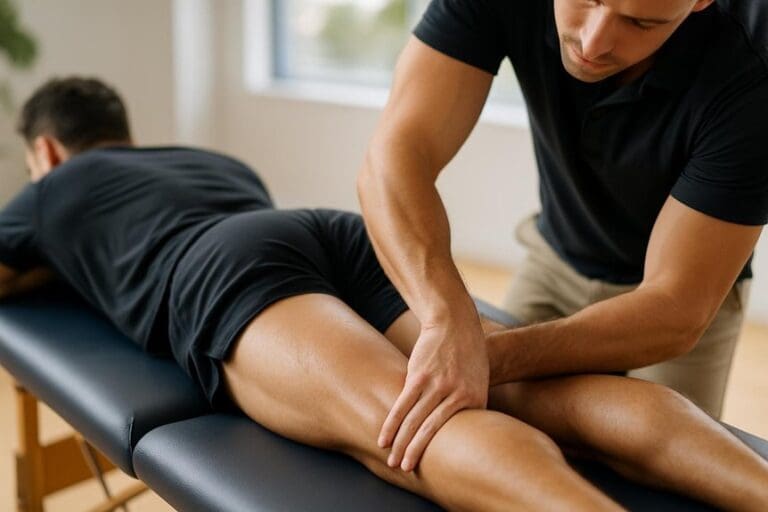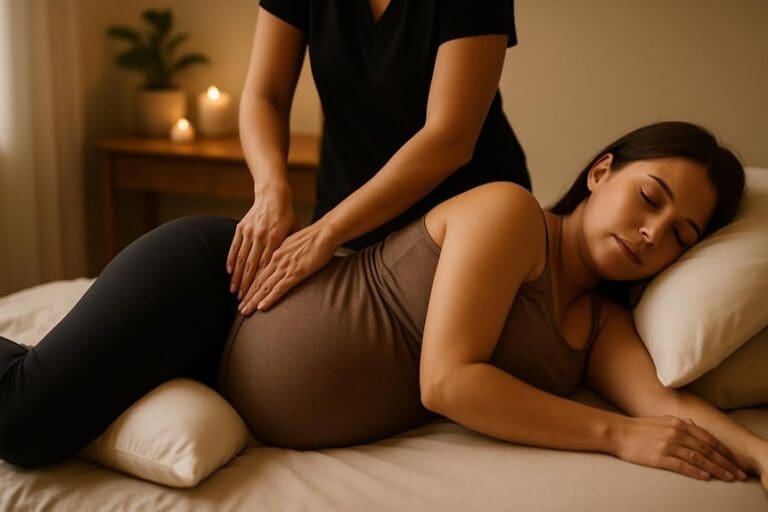
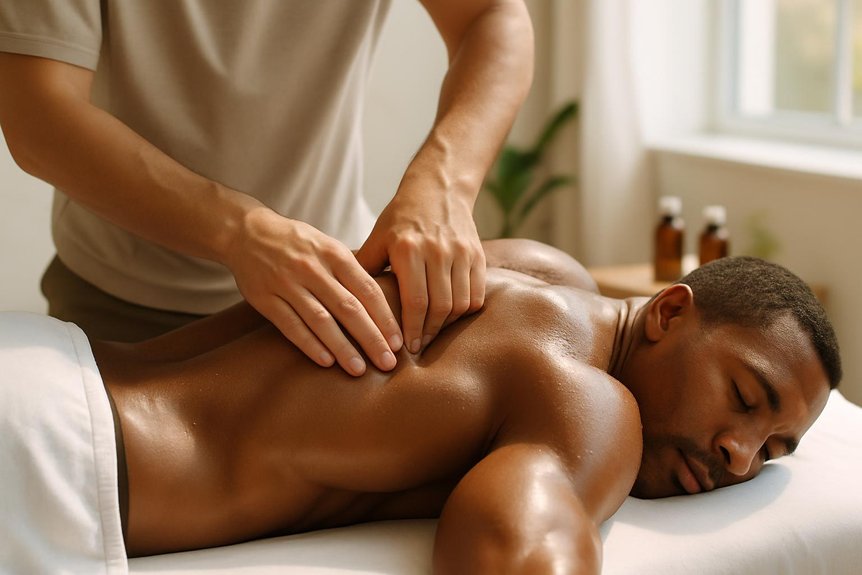
It offers evidence-based benefits such as enhanced muscle flexibility, improved joint mobility, and accelerated recovery from exercise. It helps reduce muscle tension, decreases the risk of injury, and supports effective metabolic waste removal. Regular sessions promote ideal circulatory health, alleviate chronic discomfort, and foster psychological resilience and stress relief. Personalized assessment and targeted techniques ensure client-specific results, supporting long-term musculoskeletal health and athletic performance. Further exploration reveals the full scope of its impact on holistic wellbeing.
Enhancing Athletic Performance
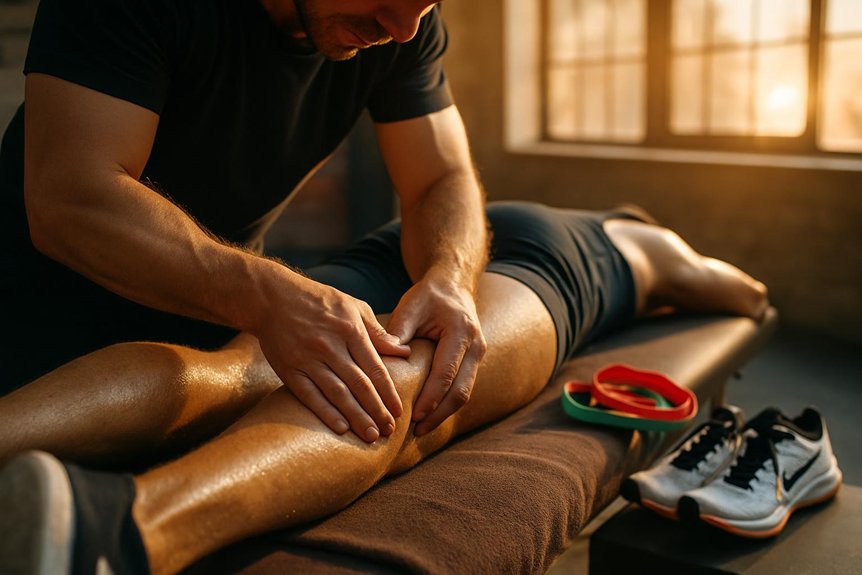
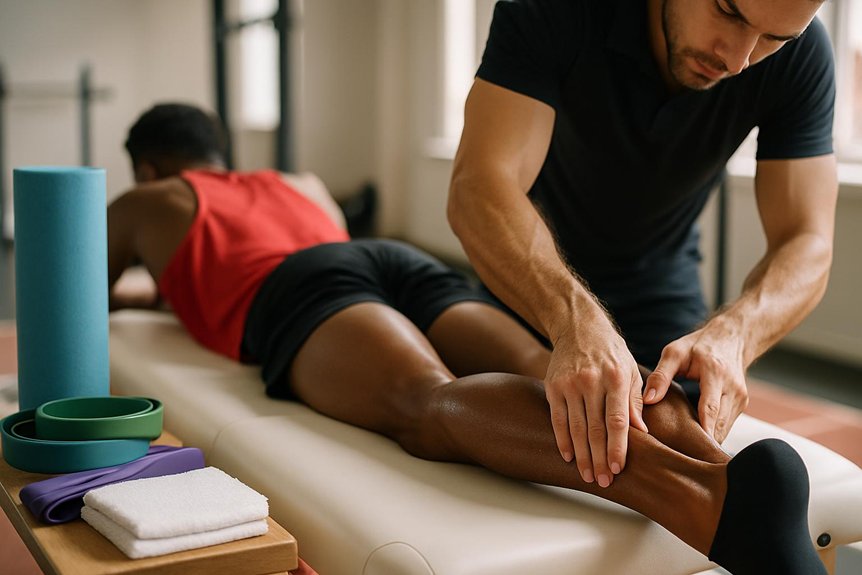
How does sports massage contribute to improved athletic performance? Through targeted manipulation of soft tissues, athletic massage enhances muscle flexibility, optimises joint mobility, and supports neuromuscular function.
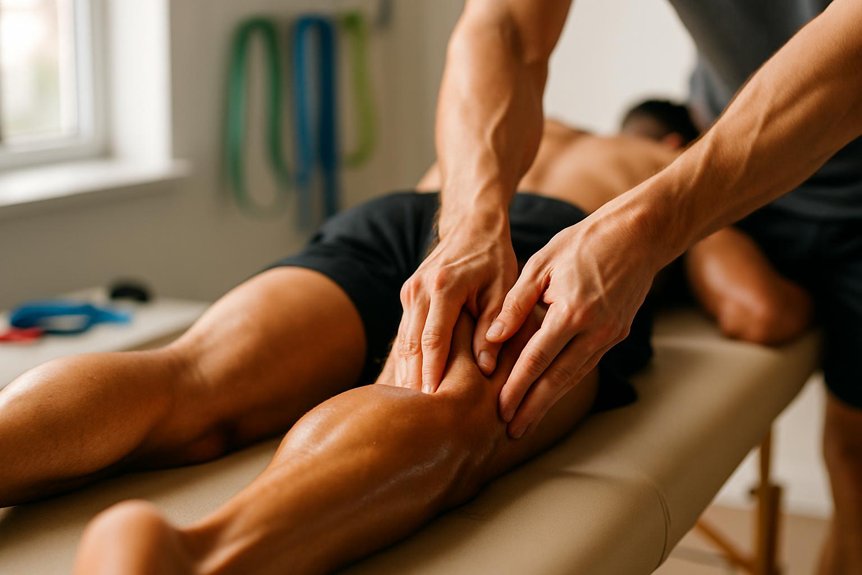
Techniques such as effleurage, petrissage, and friction, utilised by Spa & Massage therapists, increase local circulation, facilitating oxygen delivery and nutrient exchange at the cellular level. This process helps maintain tissue integrity and reduces the risk of microtrauma.
Precision in muscle preparation allows athletes to achieve greater power output and refined coordination, especially where repetitive motion or high intensity is involved.
At Spa & Massage, treatments are tailored to each client’s anatomical needs and performance goals, fostering a sense of confidence and readiness.
Consistency in athletic massage supports an athlete’s pursuit of excellence with a grounded, personalised approach.
One of the significant benefits of athletic massage is its ability to aid in both prevention and faster recovery from sports-related injuries, supporting athletes’ long-term health and performance.
Accelerating Recovery After Exercise
While enhancing performance remains a primary objective for many athletes, efficient recovery following exertion is equally fundamental to sustained progress and injury prevention.
Athletic massage, as practiced at Spa & Massage, strategically addresses post-exercise physiological demands by promoting circulatory efficiency and encouraging metabolic waste removal. Increased blood flow aids in delivering essential nutrients and oxygen to fatigued tissues, which expedites repair processes and can reduce delayed onset muscle soreness.
In clinical experience, clients frequently report feeling physically restored and mentally rebalanced after sessions. Therapists often incorporate a blend of dynamic strokes and targeted pressure, tailored to each individual’s needs, to optimize recovery timelines.
Reducing Muscle Tension and Stiffness
Athletic massage plays a critical role in reducing muscle tension and stiffness by targeting specific muscle groups affected by physical activity.
Evidence indicates that these techniques can ease post-workout soreness, improve flexibility range, and enhance circulation flow for ideal muscular function.
At Spa & Massage, therapists apply tailored approaches to address each client’s needs, supporting efficient recovery and long-term mobility.
Easing Post-Workout Soreness
Following intense physical activity, the accumulation of metabolic by-products and microtrauma within muscle fibers commonly leads to post-workout soreness, characterised by increased tension and stiffness.
Athletic massage, as practiced at Spa & Massage clinics, directly addresses these physiological responses through targeted manual techniques.
Evidence indicates that athletic massage enhances local circulation, facilitating the removal of lactic acid and other metabolic waste.
This process supports tissue recovery while reducing delayed onset muscle soreness (DOMS).
Therapists at Spa & Massage employ deliberate pressure and rhythmic strokes, tailored to each client’s needs, to alleviate discomfort and restore muscular balance.
Clients frequently report a noticeable reduction in post-exercise pain and heaviness, supporting their ongoing training.
This approach helps foster physiological recovery and encourages a sense of ease after demanding activity.
Improving Flexibility Range
Addressing post-exercise discomfort is only one aspect of thorough muscle care; optimising flexibility and reducing persistent tension are equally important for overall musculoskeletal health.
Athletic massage directly targets muscle fibres and connective tissue to alleviate stiffness and restore functional elasticity. Through specific techniques such as myofascial release and deep tissue manipulation, therapists at Spa & Massage facilitate an increase in tissue pliability, allowing for greater joint range of motion.
This process not only supports injury prevention but also empowers clients to move with freedom and confidence in daily activities. Regular sessions can break cycles of habitual tightness, especially in areas prone to chronic tension.
As flexibility improves, clients often report enhanced comfort, a sense of lightness, and improved physical expression, deepening both relaxation and bodily awareness.
Enhancing Circulation Flow
By stimulating vascular and lymphatic activity within muscle tissue, targeted massage techniques promote enhanced circulation, which is essential to reducing muscle tension and stiffness.
Improved blood flow delivers oxygen and nutrients to fatigued muscles, supporting cellular repair and flushing metabolic waste.
At Spa & Massage, therapists employ precise strokes and pressure sequences tailored to each client’s needs, encouraging ideal perfusion and lymphatic drainage.
This process aids in alleviating the heaviness and rigidity often experienced after exercise, fostering a sensation of lightness and suppleness.
Clinical research supports that enhanced circulation not only expedites recovery but also minimizes the risk of injury recurrence.
Clients seeking both physical restoration and a deeper sense of bodily well-being consistently benefit from the circulation-enhancing focus integral to athletic massage at Spa & Massage.
Preventing Sports-Related Injuries
Athletic massage plays a critical role in injury prevention by promoting muscle flexibility and allowing for early identification of soft tissue imbalances.
At Spa & Massage, therapists use targeted techniques to increase range of motion and detect minor areas of tension that could lead to more serious injuries if left unaddressed.
This proactive approach supports clients in maintaining ideal physical function and reducing the risk of sports-related setbacks.
Muscle Flexibility Enhancement
When muscles lack adequate flexibility, the risk of strains, tears, and joint injuries increases markedly, particularly in athletic and active populations.
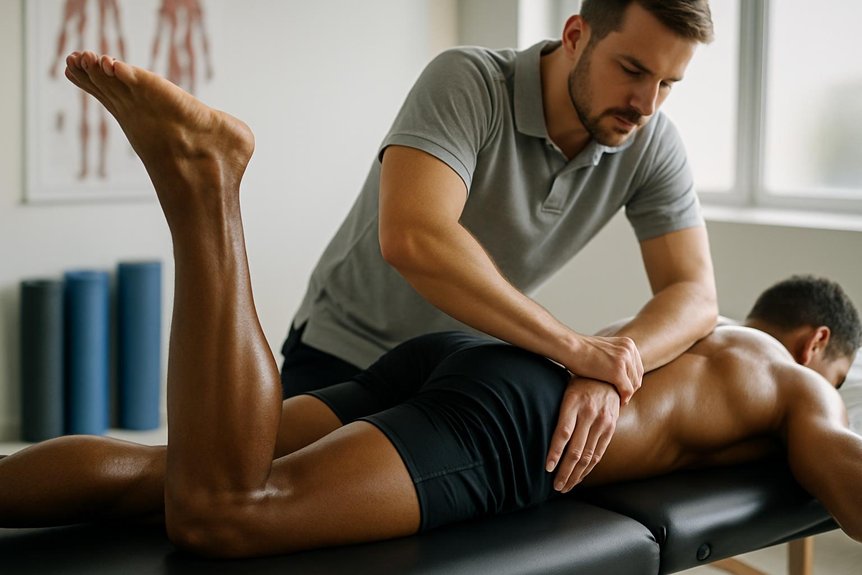
Athletic massage, as practiced at Spa & Massage clinics, utilizes targeted techniques such as myofascial release and dynamic stretching to promote enhanced muscle pliability.
By systematically increasing tissue temperature and reducing fascial restrictions, therapists enable fibres to elongate more efficiently during movement.
This facilitates a greater range of motion and resilience under physical stress.
Evidence supports that consistent athletic massage can decrease passive muscle stiffness and enhance muscle compliance—outcomes directly linked to reduced injury risk.
Clients at Spa & Massage frequently report feeling both lighter and more agile, reflecting improved flexibility.
This focused approach assists individuals in maintaining peak physical condition and confidence in their daily or athletic pursuits.
Early Injury Detection
Greater muscle flexibility not only supports optimum performance but also plays a pivotal role in identifying early signs of potential injury.
During athletic massage sessions at Spa & Massage, therapists use palpation and targeted techniques to detect subtle variations in tissue texture, temperature, and sensitivity. These indicators often precede more pronounced symptoms of strain or overuse.
By recognising these changes early, it becomes possible to intervene before minor discomfort escalates into a significant injury. Regular monitoring allows for tailored recommendations regarding activity modification, stretching routines, or further treatment.
This proactive approach not only safeguards athletic longevity but also fosters trust and communication between client and therapist.
Early injury detection is a cornerstone of athletic massage, ensuring each client’s well-being and sustained engagement in their chosen activities.
Improving Flexibility and Range of Motion
As a targeted therapeutic intervention, athletic massage plays a significant role in enhancing flexibility and range of motion by addressing soft tissue restrictions and muscle imbalances.
Through precise manual techniques—such as myofascial release, deep tissue manipulation, and targeted stretching—therapists at Spa & Massage systematically reduce muscular tension and promote tissue extensibility.
Research demonstrates that these interventions can decrease adhesions and improve joint mobility, facilitating smoother, more efficient movement patterns for clients.
Athletic massage also stimulates local circulation, which supports tissue oxygenation and the removal of metabolic waste, further contributing to increased pliability.
Supporting Mental Wellbeing and Focus
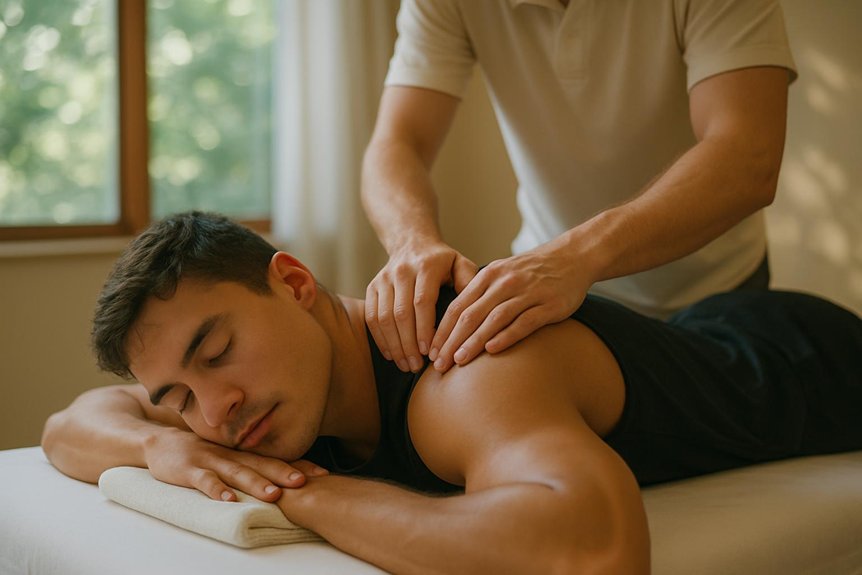
While physical benefits of athletic massage are well documented, its impact on mental wellbeing and cognitive focus is equally significant. Targeted manual therapy, as provided at Spa & Massage clinics, has demonstrated efficacy in reducing cortisol levels and promoting the release of endorphins and serotonin, which support improved mood and stress resilience.
Clients frequently report enhanced mental clarity and a sense of calm following sessions, correlating with the reduction in muscular tension and activation of the parasympathetic nervous system. This relaxation response is instrumental for individuals managing high-pressure environments, whether in athletic, professional, or personal contexts.
Spa & Massage therapists tailor each treatment to individual needs, fostering an environment where clients can disconnect, restore psychological balance, and leave feeling mentally refreshed and more focused on their goals.
Boosting Circulation and Oxygen Flow
How does targeted manual therapy enhance the body’s internal transport systems?
Athletic massage, as practised at Spa & Massage, employs precise techniques such as effleurage, petrissage, and friction, which have been shown to stimulate peripheral blood flow and lymphatic drainage. This increase in circulation facilitates the delivery of oxygen and nutrients to muscle tissues while supporting efficient removal of metabolic waste products.
Improved vascular and lymphatic function can accelerate post-exercise recovery, reduce swelling, and promote tissue regeneration. In each treatment, Spa & Massage therapists adapt their approach to the client’s immediate physiological needs, ensuring ideal pressure and technique.
Clients often report a palpable sense of rejuvenation and warmth, reflecting the enhanced oxygenation and circulation achieved through expertly delivered athletic massage interventions.
Alleviating Chronic Pain and Discomfort
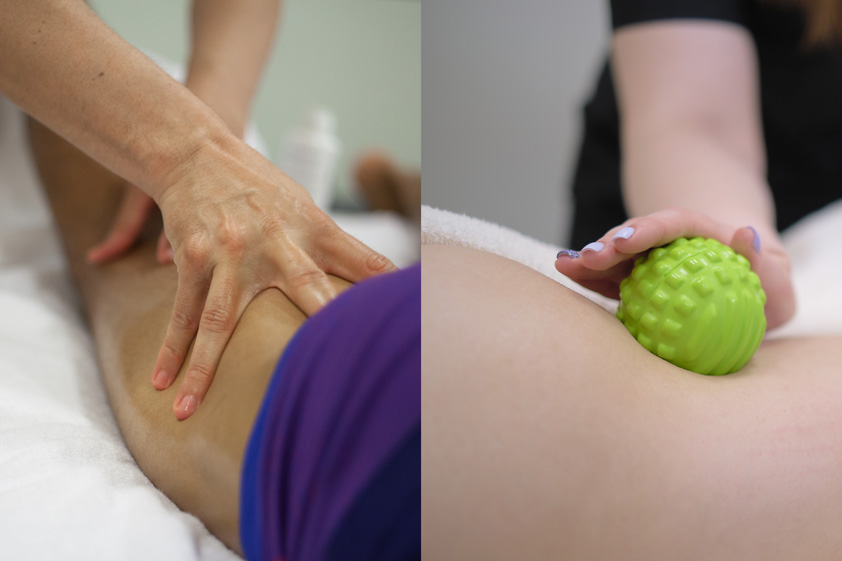
Persistent musculoskeletal pain and discomfort can remarkably affect mobility, performance, and overall quality of life. Athletic massage, as practised by Spa & Massage therapists, employs targeted techniques designed to reduce hypertonicity, release myofascial restrictions, and diminish nociceptive input within affected tissues.
Evidence suggests that these interventions enhance endorphin release and modulate pain perception, fostering natural analgesia. By addressing adhesions and facilitating tissue pliability, athletic massage interrupts chronic pain cycles, supporting sustained relief for clients managing long-standing discomfort.
Therapists at Spa & Massage integrate deep tissue manipulation and neuromuscular techniques, always adapting pressure and approach to the client’s tolerance and needs. This careful, evidence-based application of athletic massage allows individuals to experience improved flexibility, decreased tenderness, and restored confidence in everyday movement and athletic pursuits.
Personalised Treatment for Individual Needs
Recognising the unique biomechanical demands and health profiles of each individual, Spa & Massage therapists conduct thorough assessments to inform a tailored athletic massage approach. This personalised methodology considers factors such as activity level, injury history, muscle imbalances, and current goals.
By integrating this information, therapists can apply targeted techniques—ranging from myofascial release to deep tissue manipulation—that address specific muscular tension and functional limitations.
Clinical evidence underscores that custom-designed athletic massage protocols enhance recovery, reduce discomfort, and promote ideal physical function.
In Spa & Massage clinics, clients receive recommendations for ongoing care, including stretching and strengthening routines suited to their lifestyles.
This attentive, individualised approach fosters trust and supports a holistic sense of well-being, ensuring that each session delivers meaningful results aligned with personal needs.
Conclusion
In conclusion, athletic massage delivers significant benefits for a wide spectrum of clients, from athletes to those with sedentary lifestyles. For example, a professional runner at Spa & Massage reported reduced muscle soreness and faster recovery times after regular sessions, enabling consistent training. Evidence supports that tailored athletic massage not only alleviates discomfort but also enhances flexibility, circulation, and mental focus. By incorporating personalised treatments, clients can optimise their physical performance and overall wellbeing in a safe, effective manner.