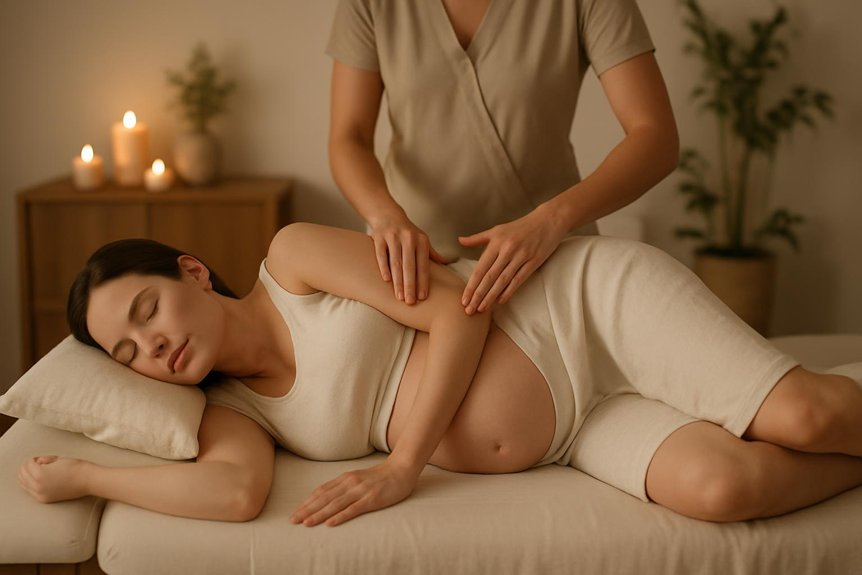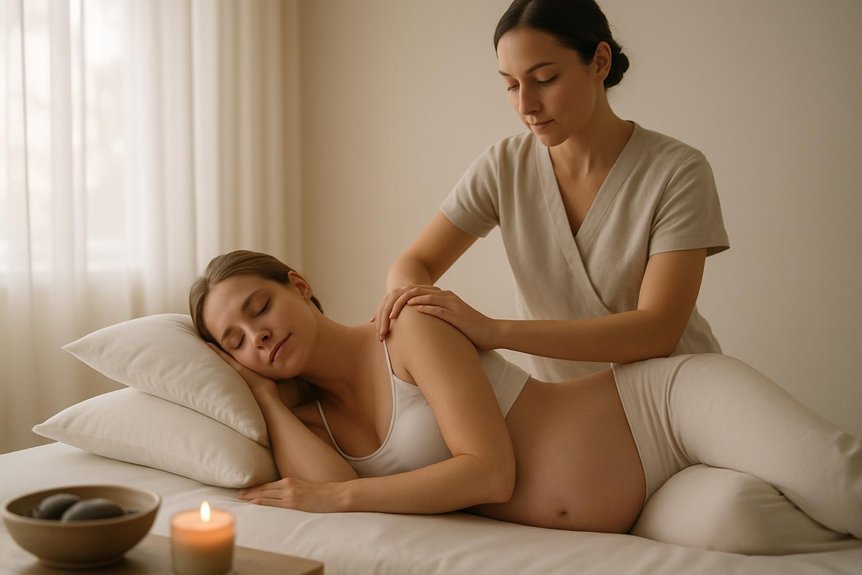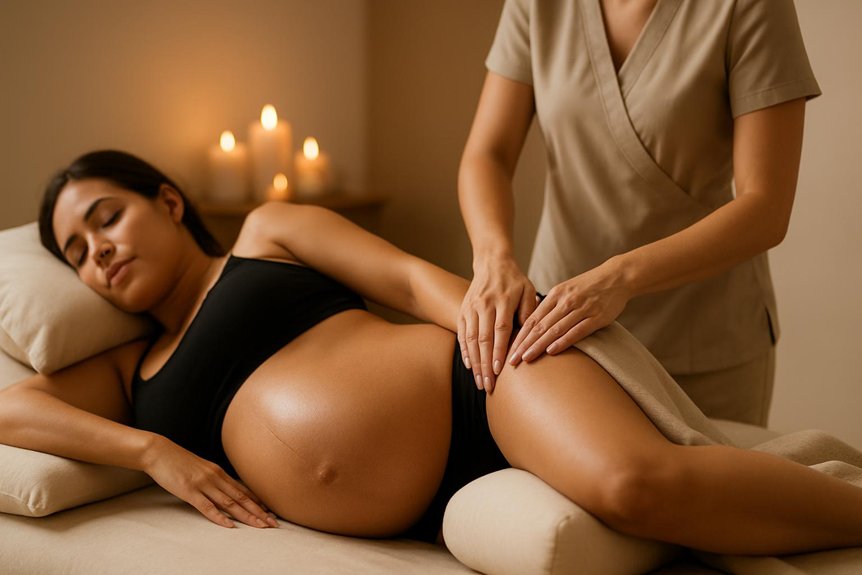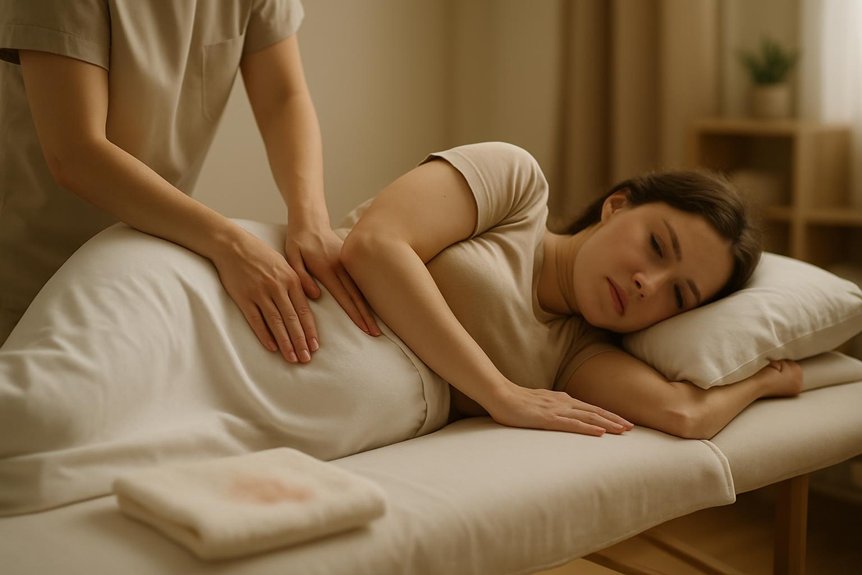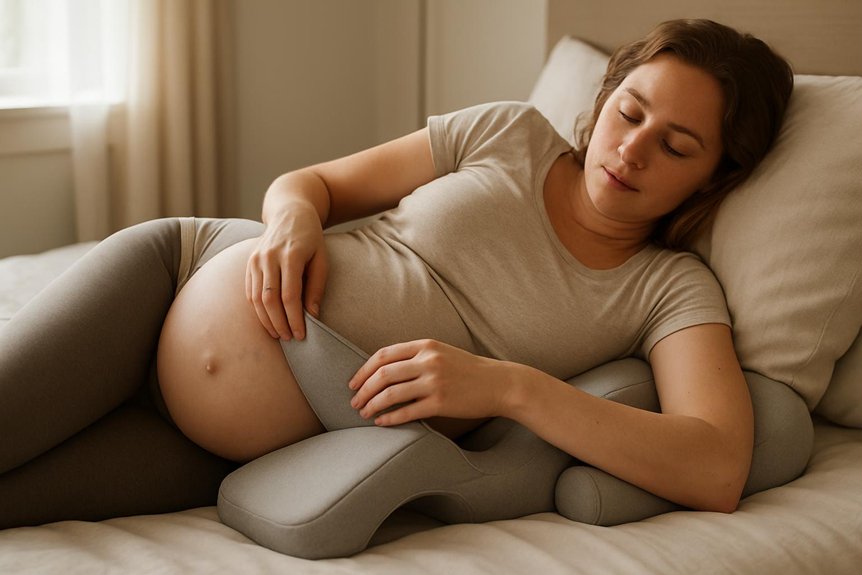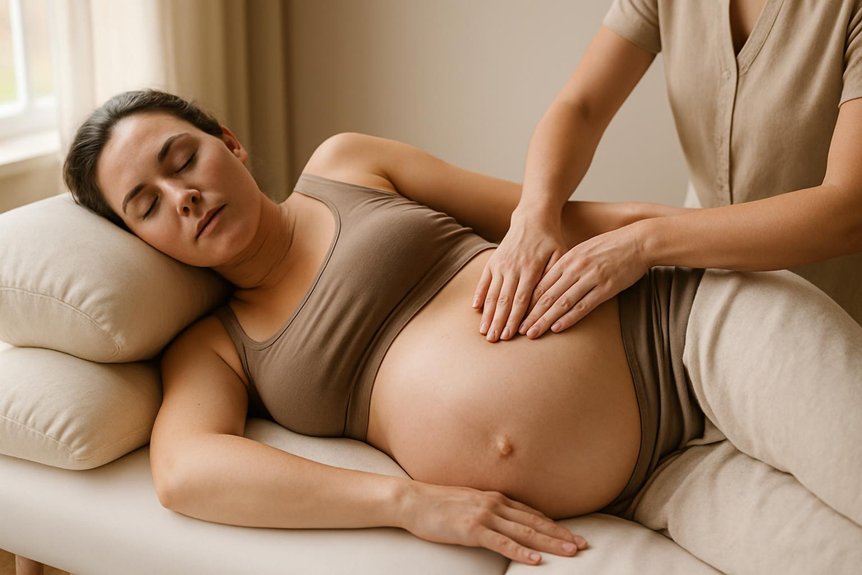

Prenatal massage may help some people reduce pregnancy headaches by easing neck, jaw, and upper-back tension, calming stress reactivity, and supporting circulation, which can lessen “heavy” head sensations from fluid retention. It is commonly offered from the second trimester, using side-lying positioning, conservative pressure, and pregnancy-appropriate oils. GP or midwife approval is advised with bleeding, high blood pressure, clotting risks, or placenta concerns. Ongoing safety checks and red-flag symptoms are covered next.
Can Prenatal Massage Help Pregnancy Headaches?
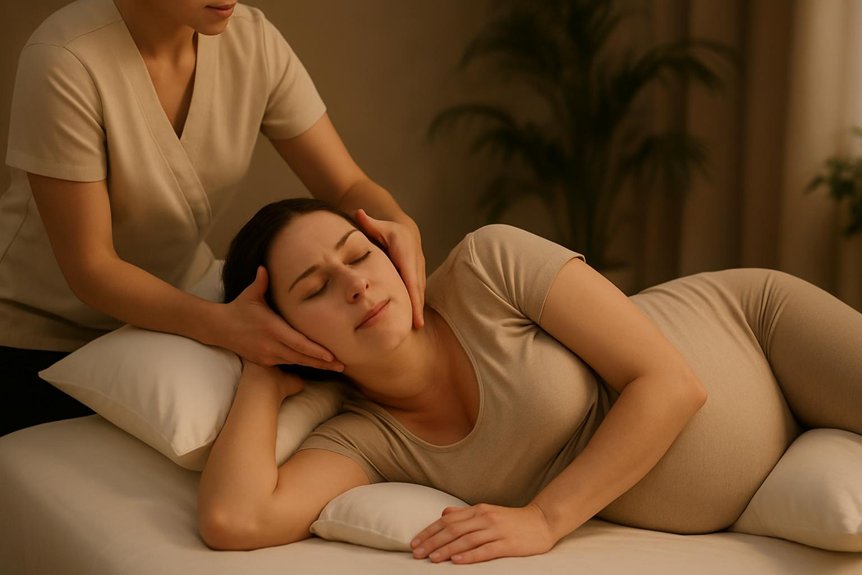
How might prenatal massage ease pregnancy headaches? It may help by reducing muscle tension in the neck, jaw, and upper back, supporting calmer breathing, and encouraging circulation—factors linked with common tension-type headaches in pregnancy.
Evidence suggests massage can lower stress and perceived pain, which may lessen headache frequency or intensity for some people.
At Spa & Massage clinics across London, therapists tailor pregnancy massage with supportive positioning, gentle pressure, and focused work around shoulders and scalp, always following a client’s comfort cues.
Some clients also relax more deeply when gentle aromatherapy massage is incorporated appropriately, supporting a calmer, more restful experience.
Many clients also find that soothing aromatherapy options, when appropriate, deepen relaxation. Massage is not positioned as a cure, but as a nurturing tool within a headache care plan.
Hydration and rest are encouraged after sessions.
When Is Prenatal Massage Safe During Pregnancy?
Prenatal massage may be a helpful part of a pregnancy headache plan, but its timing should be guided by safety considerations and individual risk factors.
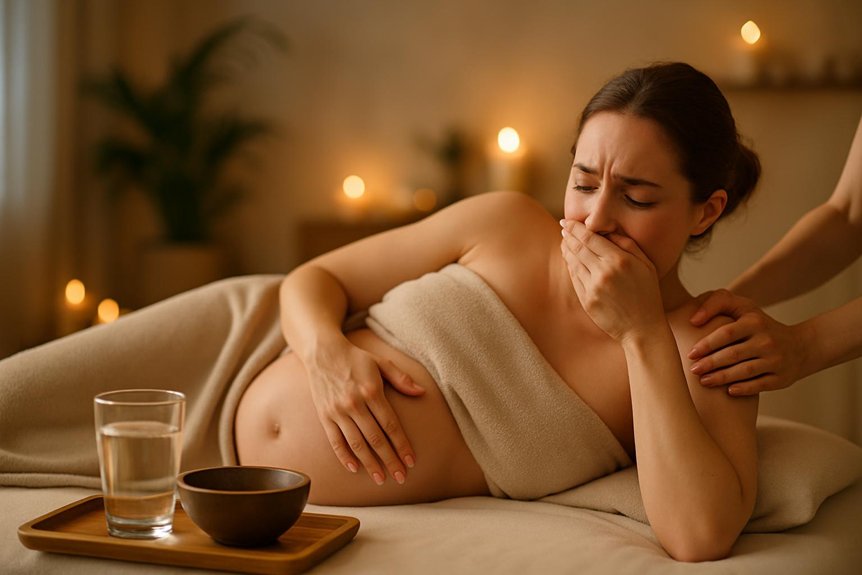
In general, prenatal massage is commonly offered from the second trimester onward, once early pregnancy symptoms settle and care plans are clearer. A GP or midwife’s approval is advised for anyone with bleeding, severe nausea, dizziness, high blood pressure, preeclampsia risk, clotting disorders, placenta concerns, or a history of preterm labour.
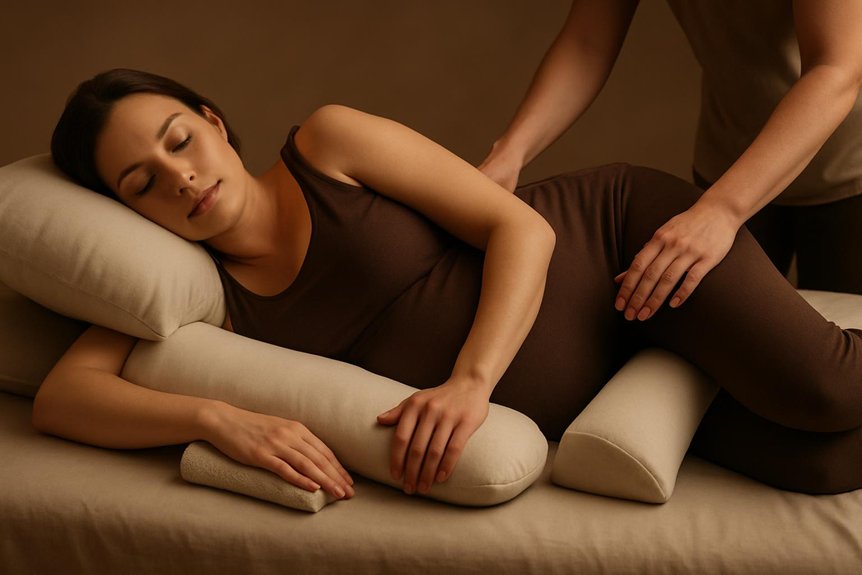
At Spa & Massage clinics across London, therapists complete a thorough intake each visit, adapt positioning with supportive bolsters, and use gentle, pregnancy-appropriate pressure—focusing on comfort, circulation, and relaxation rather than deep corrective work.
Sessions should stop if pain, contractions, or lightheadedness occur.
What Causes Pregnancy Headaches in Each Trimester?
Across pregnancy’s three trimesters, headaches tend to reflect shifting physiology—hormonal fluctuations, changes in blood volume and circulation, musculoskeletal strain, sleep disruption, and blood-sugar variability—alongside familiar triggers such as dehydration, caffeine withdrawal, sinus congestion, and stress.
In the first trimester, rapid oestrogen and progesterone shifts, nausea-related under-eating, and early fatigue commonly amplify tension-type headaches or migraine patterns.
In the second trimester, headaches may ease for many, yet ongoing posture changes, jaw or neck tightness, and allergies can still contribute.
In the third trimester, added abdominal weight, fluid retention, reduced sleep, and elevated blood pressure risk can increase headache frequency; any severe, sudden, or vision-associated headache warrants urgent medical assessment.
Spa & Massage encourages tailored, midwife-informed wellbeing planning.
How Does Prenatal Massage Relieve Common Headache Triggers?
Many pregnancy headaches stem from a predictable mix of musculoskeletal tension, stress-related nervous system arousal, sleep disruption, and circulation or fluid shifts.
Prenatal massage can ease several of these drivers by reducing neck, jaw, shoulder, and upper-back tightness that often refers pain to the head. Gentle, pregnancy-appropriate pressure supports tissue hydration and mobility, helping posture-related strain from a changing centre of gravity.
Massage also promotes parasympathetic calming, which may lower stress reactivity and improve perceived pain, especially when sessions are paced with slow breathing and clear consent.
Improved local circulation and lymphatic return may reduce “heavy” head sensations linked to fluid retention.
At Spa & Massage clinics across London, therapists tailor sessions to symptoms, comfort, and medical guidance, supporting relief without over-stimulation.
Pregnancy-Safe Massage Techniques We Use in Our Clinics
In Spa & Massage clinics, pregnancy-safe headache-focused massage is delivered with conservative pressure, careful positioning, and continuous comfort checks to protect maternal circulation and reduce symptom flare-ups.
Therapists begin with a brief intake, then use side-lying bolsters to support bump, hips, and shoulders, keeping breathing easy and the neck neutral.
Techniques prioritise slow effleurage and gentle petrissage across upper back, shoulders, and scalp, plus targeted work to jaw and suboccipitals where tension commonly refers pain.
Trigger points are approached cautiously, avoiding sustained deep compression and any discomfort.
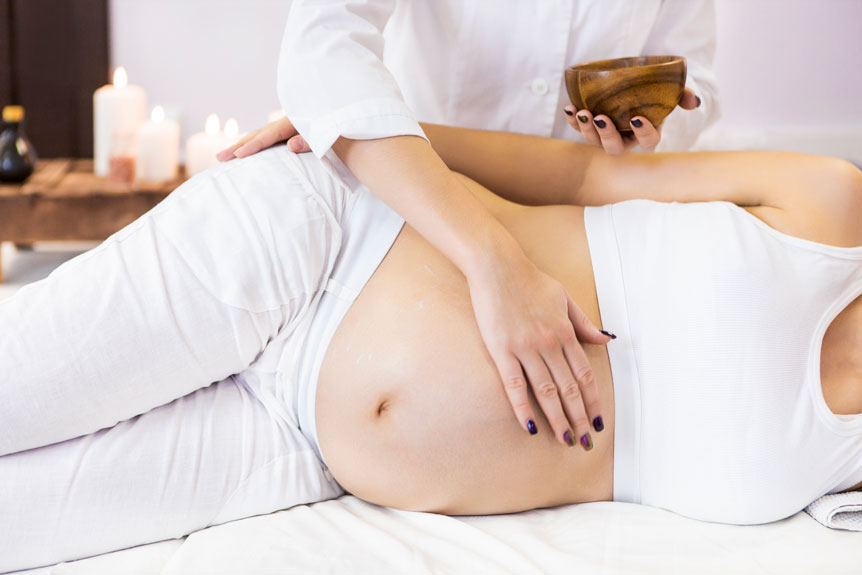
Fragrance-free or pregnancy-appropriate oils are selected, and hydration and grounding breaths are encouraged throughout.
Sessions end with soothing facial and temporal holds, leaving clients feeling held, calm, and clear.
When to Call Your GP or Midwife About Headaches
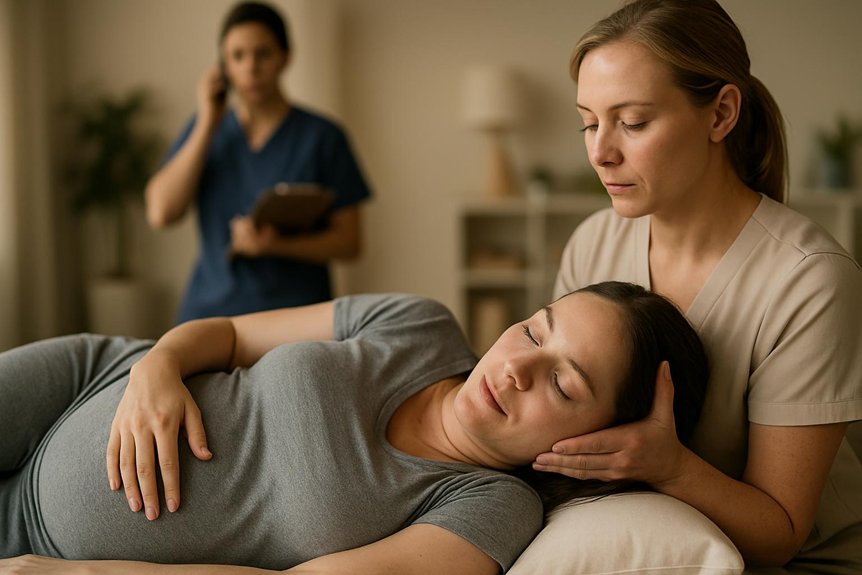
Although pregnancy headaches are often benign, certain features warrant prompt medical review by a GP or midwife.
Red flags include a sudden severe (“thunderclap”) headache, visual changes, new swelling, high blood pressure, fever, neurological symptoms, head injury, or a headache that is new, worsening, or not relieved by usual measures.
At Spa & Massage, therapists advise clients to pause massage and seek clinical assessment when these symptoms appear, so any underlying pregnancy-related complications can be ruled out safely.
Red-Flag Headache Symptoms
Occasionally, a headache in pregnancy can signal something more serious than dehydration, tension, or fatigue, so clear red flags should prompt medical advice rather than self-management. Contact a GP or midwife urgently if headache is sudden and severe, new or worsening, or persists despite rest and fluids.
Seek help if it comes with visual changes, faintness, confusion, weakness, facial droop, or difficulty speaking; with fever, stiff neck, or rash; or with shortness of breath, chest pain, or seizures.
Also call if there is high blood pressure, swelling of face or hands, right‑upper abdominal pain, or reduced baby movements later in pregnancy. Spa & Massage therapists encourage clients to pause treatment and prioritise medical review for these signs.
When Headaches Need Review
Headache “red flags” warrant urgent assessment, but many pregnancy headaches still benefit from timely review when they are persistent, changing in pattern, or not responding to simple measures.
A GP or midwife should be contacted if headaches last beyond 24–48 hours despite rest, hydration, regular meals, and paracetamol taken as advised, or if they start after 20 weeks with rising swelling or sudden weight gain (possible pre-eclampsia).
Review is also sensible if headaches become more frequent, wake someone at night, follow a fall, or are accompanied by fever, neck stiffness, sinus pain, or vomiting.
At Spa & Massage, therapists welcome a brief check-in about symptoms and will pause treatment until medical guidance is clear.
At-Home Pregnancy Headache Relief Between Prenatal Massages
Between prenatal massage sessions, many clients find that gentle, low-pressure self-massage to the temples, jaw, neck, and shoulders can ease tension while avoiding any painful or “deep” work.
Spa & Massage therapists typically advise pairing this with safe lifestyle strategies such as regular hydration, balanced meals, good sleep positioning, and brief movement or stretching breaks to reduce common headache triggers in pregnancy.
Any at-home approach should prioritise comfort and stop if symptoms worsen, with ongoing or unusual headaches escalated to a GP or midwife.
Gentle Self-Massage Techniques
In the quiet moments at home, gentle self-massage can provide safe, practical headache relief during pregnancy when applied with light pressure and careful attention to comfort. Spa & Massage therapists suggest sitting supported, jaw unclenched, and breathing slowly before beginning.
Using clean fingertips, small circles at the temples and along the hairline may ease tension; pressure should stay light and never painful. A second option is smoothing from the centre of the forehead outward, then tracing down to the cheekbones to soften facial holding.
For neck-related headaches, a warm palm can glide from the base of the skull toward the shoulder tops, avoiding deep kneading and any dizziness. If symptoms worsen, persist, or include visual changes, medical advice is essential promptly.
Safe Lifestyle Relief Strategies
Gentle self-massage can ease immediate tension, yet many pregnancy headaches respond best when everyday triggers are reduced through safe, consistent routines.
Spa & Massage advises steady hydration, regular protein-rich snacks, and gentle blood-sugar support to prevent dips that can spark pain. A short walk, fresh air, and posture breaks—especially from screens—may reduce neck load and eye strain. Rest in a side-lying position with a supportive pillow, keeping the room cool and dim.
Warm showers or a cool compress on the forehead can be soothing; heat should stay moderate and brief. Many clients benefit from sleep rhythm, magnesium-rich foods, and avoiding strong scents.
Persistent, sudden, or severe headaches require prompt midwife or GP review.
Conclusion
Prenatal massage may reduce pregnancy headaches by easing neck and shoulder tension, improving relaxation, and supporting sleep and hydration habits. When provided by a suitably trained therapist and cleared for individual risk factors, it is generally considered a safe, drug-free option in uncomplicated pregnancies. Results vary by headache type and underlying triggers, and it should never replace medical assessment for red flags (severe, sudden, persistent, or visual symptoms). Used appropriately, it can feel like a lifesaver.