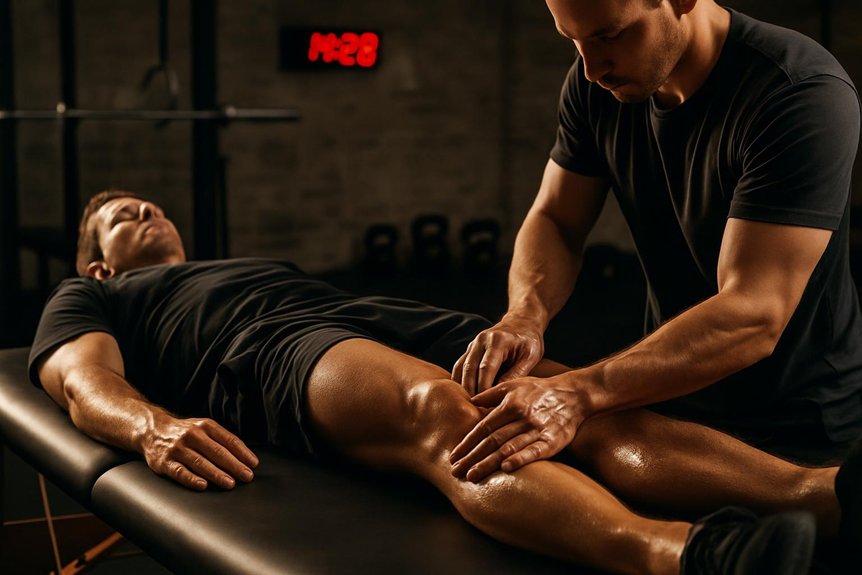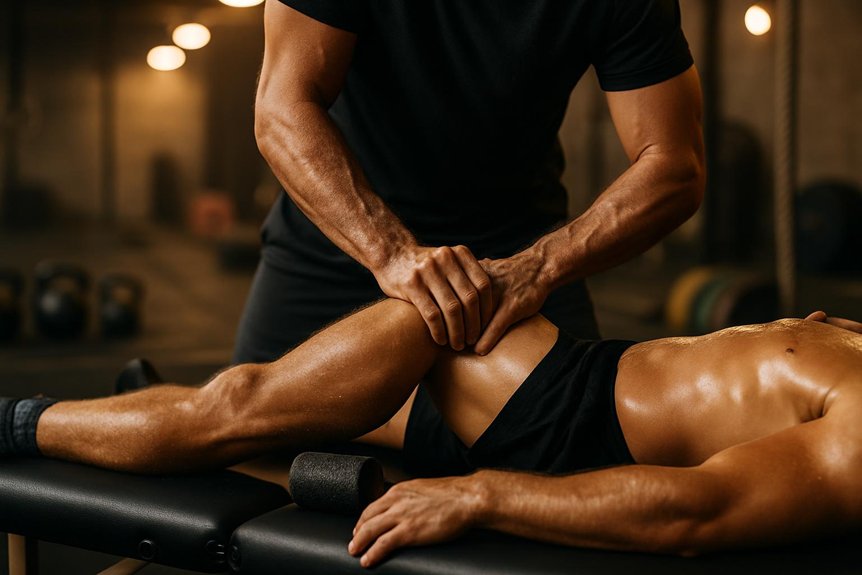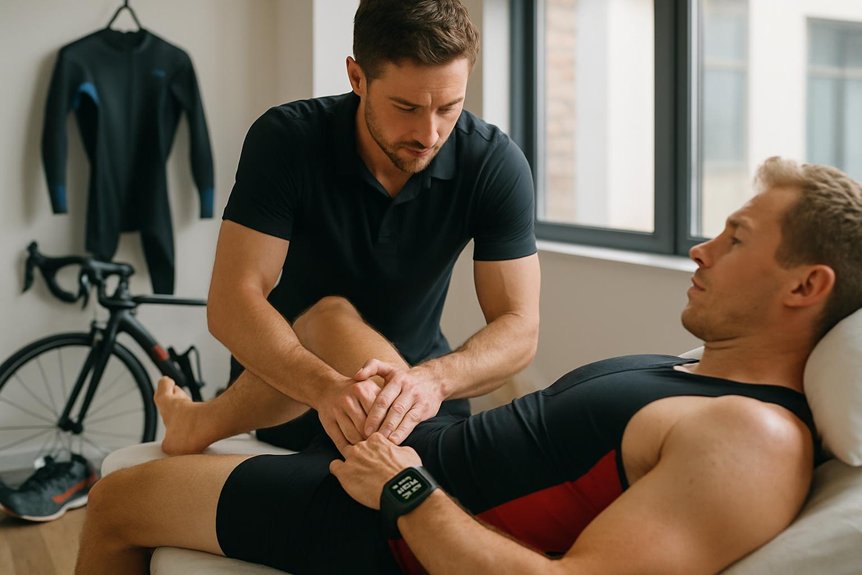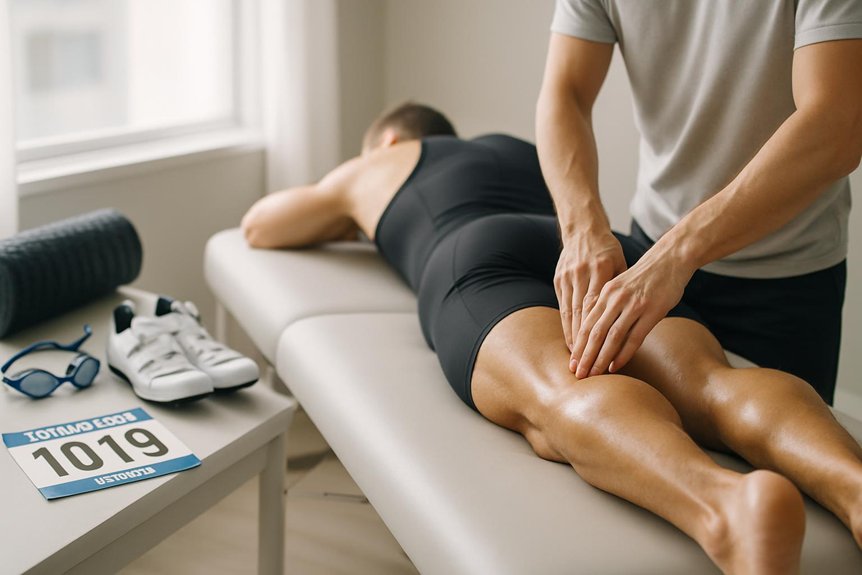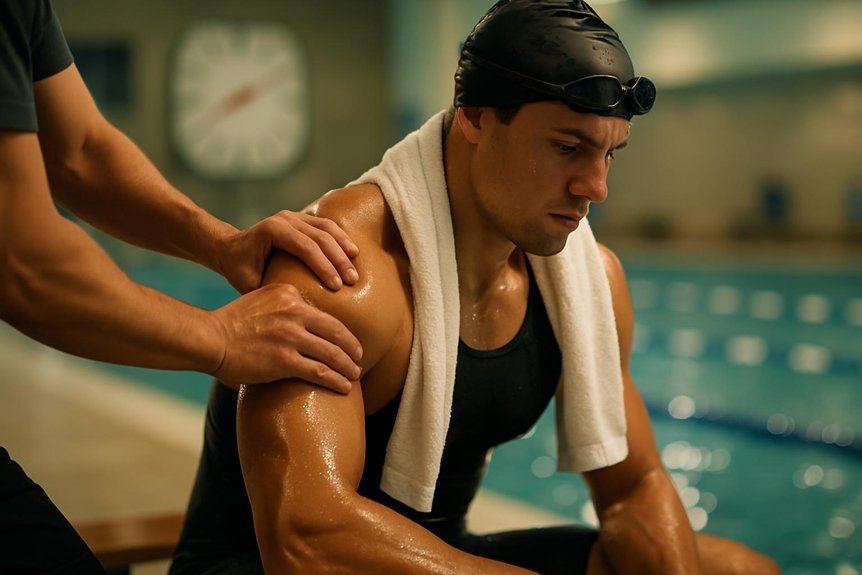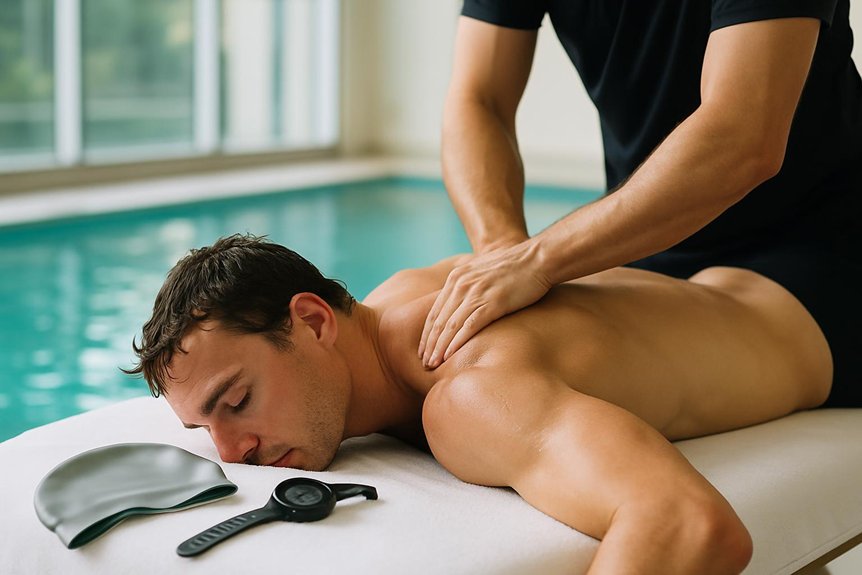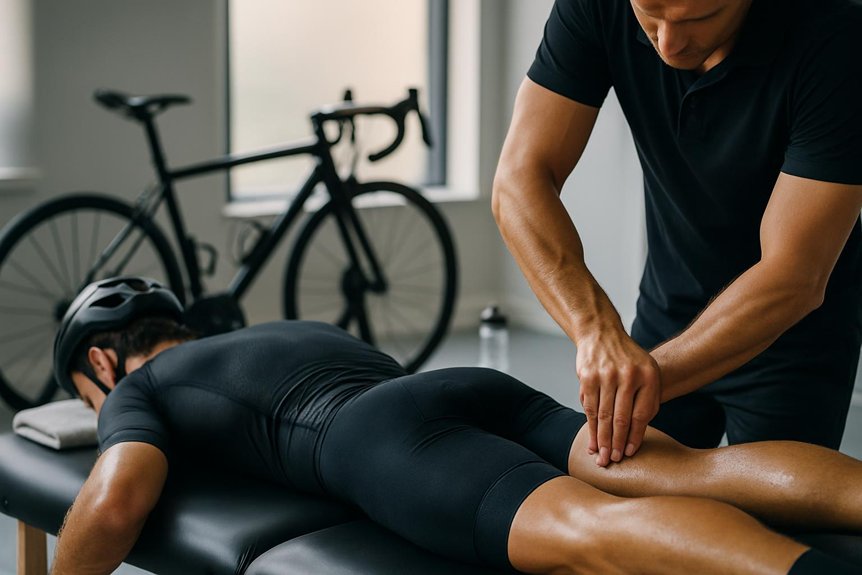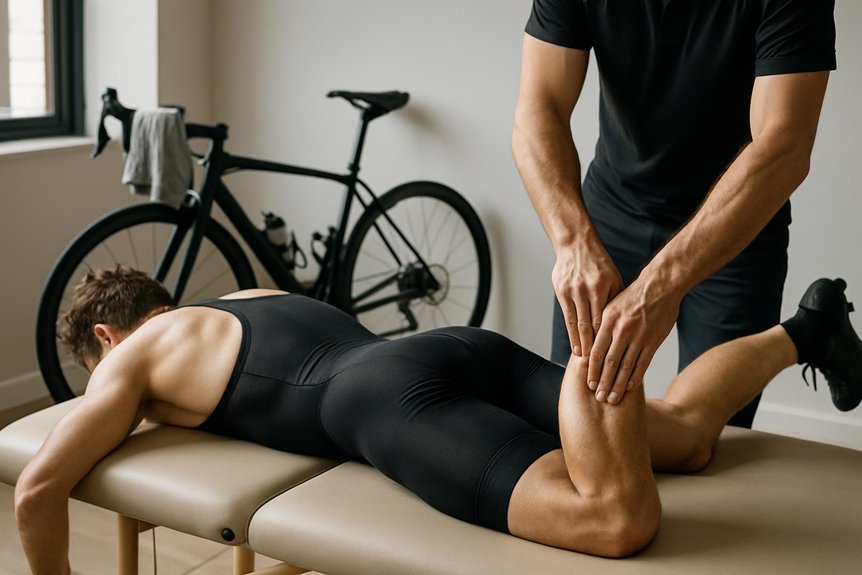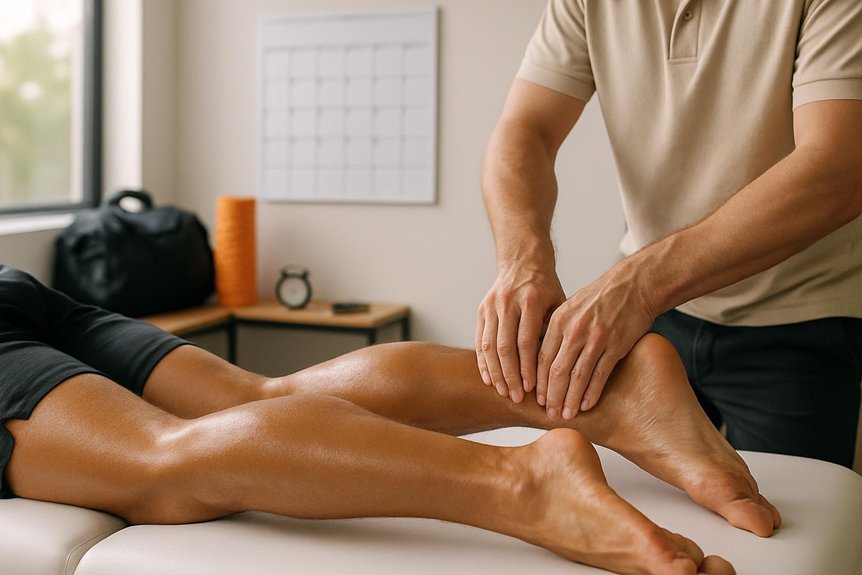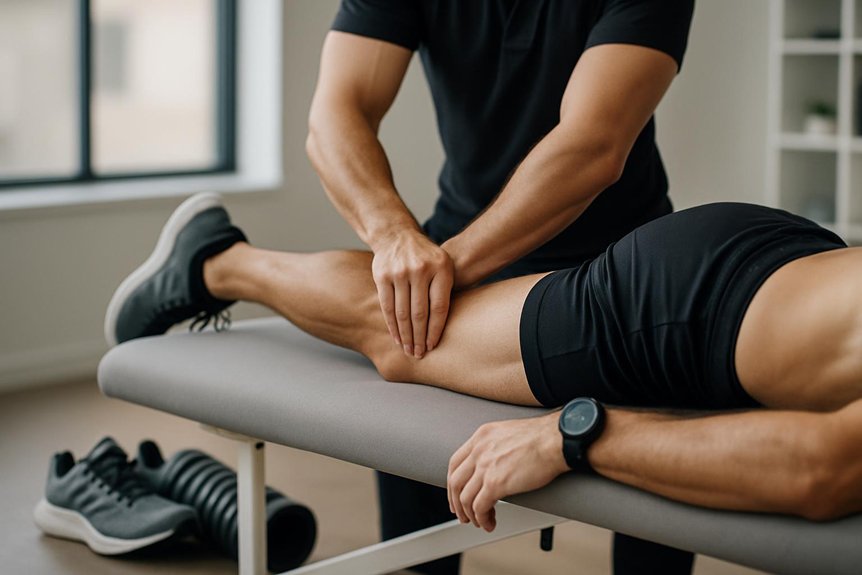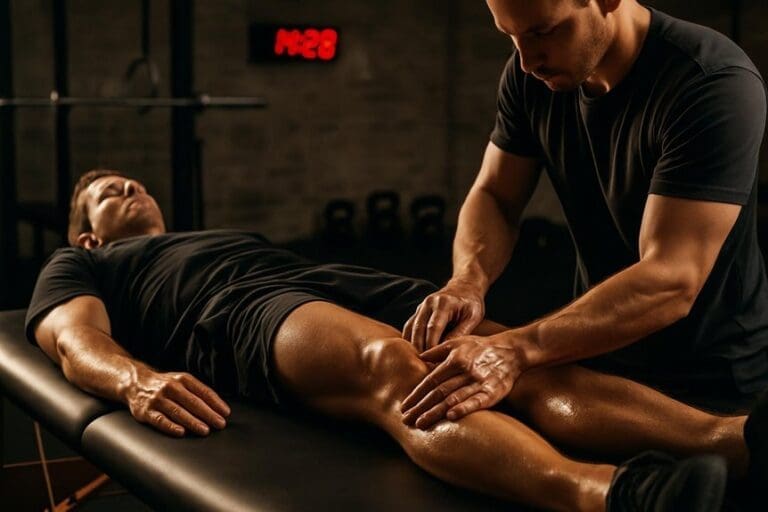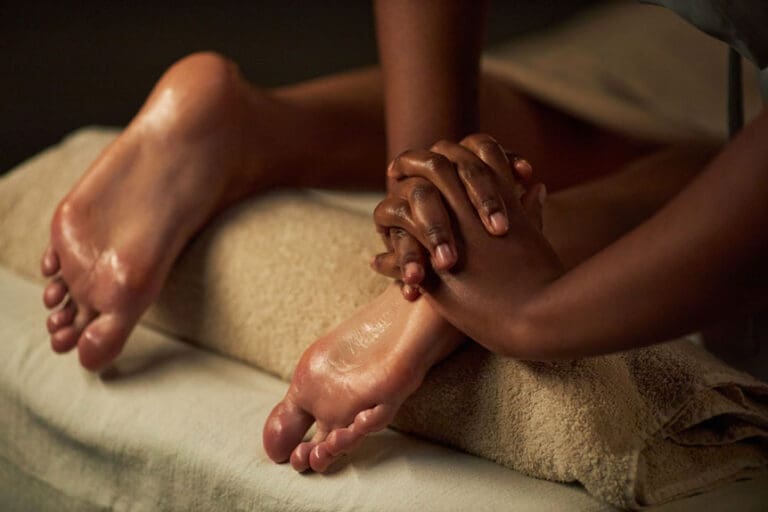
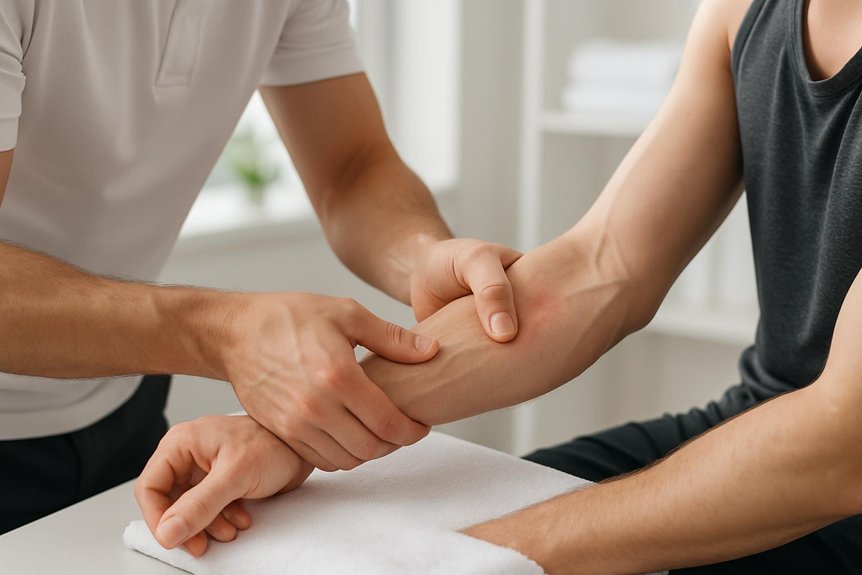
It can help golfer’s elbow by reducing pain and improving load tolerance at the inner elbow through targeted work on the forearm flexor‑pronator muscles and graded input around the irritated tendon. Slow deep‑tissue strokes, trigger point compression, and careful cross‑fibre work can lower protective tone, support circulation, and ease morning stiffness while grip and swing loads are managed. It is not appropriate for swelling, night pain, numbness, or worsening symptoms. More details follow on techniques, red flags, and timing.
Can It Help Golfer’s Elbow?
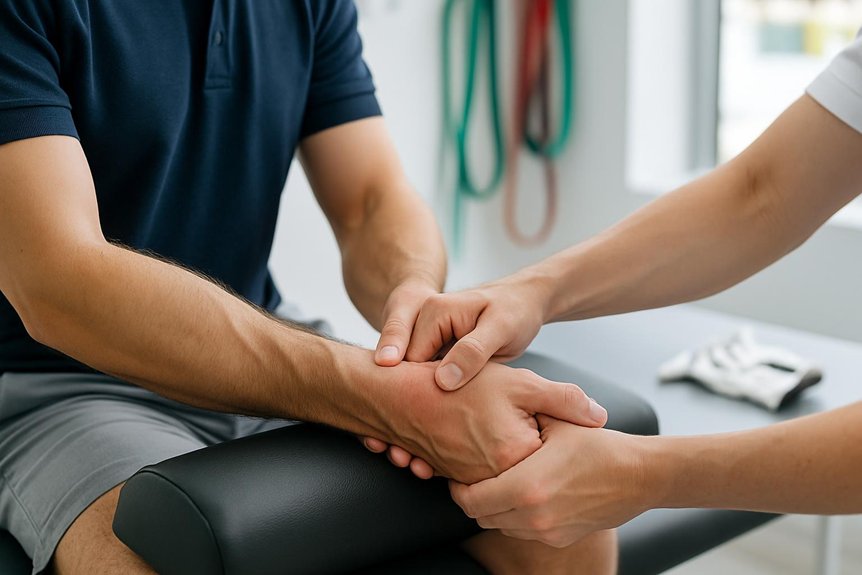
Reducing pain and restoring load tolerance in the inner elbow often requires addressing both irritated tendon tissue and the forearm mechanics that drive it. It can help by improving local circulation, reducing protective muscle tone in the flexor-pronator group, and supporting graded return to grip and swing work when paired with progressive strengthening.
At Spa & Massage, therapists use slow, specific deep-tissue strokes along the forearm, gentle cross-fibre work near the tendon (within comfort), and myofascial release to restore glide and reduce strain at the medial elbow. Treatment is athlete-centered: pressure is negotiated moment to moment, so the client feels held rather than forced.
Because this is a form of sports massage, it’s also commonly used to support athletes by improving recovery and readiness between training sessions.
Aftercare typically includes heat, light self-massage, and brief load-management guidance between sessions.
What Does Golfer’s Elbow Feel Like (And Is It That)?
Often, the first clue is a pinpoint ache or tenderness on the inside of the elbow (the medial epicondyle) that flares with gripping, wrist flexion, or forearm pronation—classic patterns of medial elbow tendinopathy commonly called golfer’s elbow.
The sensation can spread into the forearm flexors, feeling tight, “ropey,” or bruised, and may sharpen with a handshake, lifting a kettle, typing, or squeezing a club. Morning stiffness and reduced grip strength are common; the area can feel warm or reactive after training.
It is less typical for pain to sit on the outer elbow, radiate with tingling into fingers, or worsen with neck movement. In Spa & Massage clinics, therapists often use simple resisted-wrist tests and palpation mapping to distinguish patterns and guide care sensitively.
When Golfer’s Elbow Needs More Than Sports Massage
Those familiar inside-elbow symptoms (tenderness at the medial epicondyle, grip weakness, pain with wrist flexion or pronation) can respond well to appropriately dosed athletic massage, but some presentations indicate the problem is not simply an overloaded tendon.
Red flags include sudden swelling, bruising, deformity, a “pop,” rapidly escalating pain, fever, or marked night pain—these warrant urgent medical review.
Persistent numbness or tingling into the ring and little fingers, or pain reproduced by prolonged elbow flexion, can suggest ulnar nerve irritation and needs assessment.
If symptoms fail to improve after 2–3 weeks of reduced load and targeted care, imaging or physiotherapy-led rehab may be required.
At Spa & Massage, therapists pause treatment and refer when screening suggests non-tendinous causes.
How Does It Reduce Golfer’s Elbow Pain?
In practical terms, athletic massage can reduce golfer’s elbow pain by decreasing excessive tone in the forearm flexor–pronator muscles, improving local circulation, and modulating pain via the nervous system, which together lowers traction and compressive load at the medial epicondyle during gripping and wrist flexion tasks.
By calming guarded tissue and supporting fluid exchange, massage can ease morning stiffness and post-training ache, helping athletes tolerate daily loads while the tendon settles.
At Spa & Massage, therapists assess irritability and then scale pressure, pace, and duration to avoid flare-ups, aiming for a “comfortably intense” sensation rather than sharp pain.
This graded input can improve proprioception and restore confidence in the arm, so training feels safer, more connected, and less protective.
Which Massage Techniques Help Golfer’s Elbow?
For golfer’s elbow, it is commonly targets the forearm flexor–pronator tissues with deep tissue forearm work to reduce myofascial restriction and manage load-related pain around the medial epicondyle.
Trigger point release is then applied to key forearm muscles to downregulate local hypertonicity and improve grip and wrist control during sport.
At Spa & Massage clinics across London, therapists select pressure and technique based on the athlete’s symptoms and training demands, with a focus on restoring function without aggravating the tendon.
Deep Tissue Forearm Work
Deep tissue forearm work targets the overloaded wrist‑flexor and pronator muscle group that commonly drives golfer’s elbow by increasing tensile load at the medial epicondyle.
At Spa & Massage, therapists sink slowly with knuckles or reinforced thumbs, then glide longitudinally from mid‑forearm toward the elbow, staying just off the tendon to reduce irritation.
Pressure is graded to a “good discomfort,” coordinated with exhalation, and repeated in short passes to influence tissue stiffness and pain sensitivity.
Cross‑fibre stripping may be added along flexor carpi radialis, pronator teres, and palmaris longus to restore glide between layers.
Athletes are advised to keep the wrist relaxed, let the hand be held, and report sharp or tingling sensations immediately.
Sessions finish with gentle effleurage and heat advice.
Trigger Point Release
Releasing myofascial trigger points in the wrist‑flexor and pronator chain can reduce referred pain and guarding that perpetuate golfer’s elbow.
In athletic massage, therapists typically locate taut bands in pronator teres, flexor carpi radialis/ulnaris, and flexor digitorum, then apply sustained ischemic compression for 20–60 seconds to a tolerable “good pain,” followed by slow stripping strokes to re‑lengthen tissue.
Evidence supports trigger point therapy for short‑term pain modulation and improved pressure‑pain thresholds, helping athletes resume gripping drills with less protective tension.
At Spa & Massage clinics across London, treatment is paired with calm diaphragmatic breathing and gentle wrist‑flexor stretches, and aftercare includes heat, hydration, and avoiding provocative swings for 24 hours.
Intensity is always consent‑led.
How Many Massage Sessions for Golfer’s Elbow?
For golfer’s elbow, an evidence-informed starting point is typically 1 massage session per week for 2–4 weeks, then tapering as pain and grip strength improve and training load stabilises.
In Spa & Massage clinics, therapists adjust frequency based on objective signs such as tenderness over the medial elbow, pain with resisted wrist flexion/pronation, reduced forearm capacity, and whether symptoms flare after practice.
If pain persists beyond 24–48 hours after activity, range of motion remains limited, or load tolerance is not improving between sessions, more frequent or extended treatment may be indicated alongside a structured rehab plan.
Typical Session Frequency
In clinical practice, session frequency for golfer’s elbow is typically staged around symptom irritability, training load, and tissue tolerance rather than a fixed number. Early on, many athletes do best with 1–2 massage sessions weekly for 2–3 weeks, keeping pressure moderate and focused on forearm flexors, pronator teres, and surrounding myofascial lines, while avoiding excessive tenderness at the medial epicondyle.
As pain settles, frequency often reduces to weekly or fortnightly, paired with progressive loading work. At Spa & Massage London clinics, therapists commonly blend deep tissue strokes, friction to tolerated areas, and gentle mobilisations, then reassess range, grip comfort, and post-session soreness.
The goal is consistent, reassuring input that supports training, recovery, and confident return to play.
Signs You Need More
Often, the clearest indicator that additional athletic massage sessions are needed for golfer’s elbow is a pattern of stalled progress—persistent morning stiffness at the medial elbow, recurring pain with gripping or wrist flexion despite load reduction, or symptom flare-ups lasting longer than 24–48 hours after practice.
Other cues include tenderness that spreads into the flexor-pronator mass, reduced forearm endurance, or compensatory shoulder and neck tension. At Spa & Massage, therapists reassess irritability and response to previous work: if symptoms settle only briefly, more frequent sessions may be warranted to progress soft-tissue loading.
Techniques may shift toward slower deep tissue strokes, cross-fibre friction at the common flexor tendon, and gentle myofascial release, paired with home self-massage and graded eccentric wrist-flexor work. Night pain or numbness prompts referral.
What to Do After Athletic Massage for Golfer’s Elbow
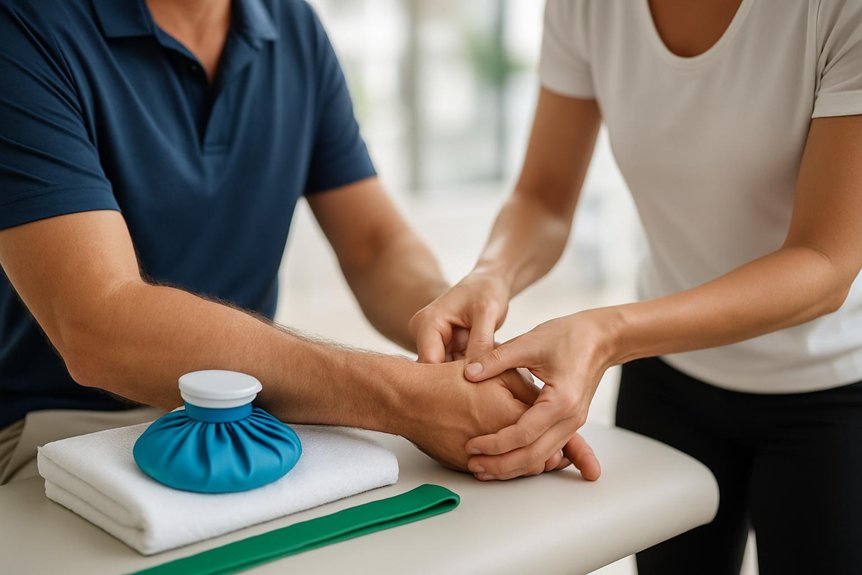
After an athletic massage for golfer’s elbow, the priority is to preserve the treatment effect while keeping tendon load controlled. For 24–48 hours, reduce gripping, heavy pulls, and repetitive wrist flexion; choose light cardio and gentle range-of-motion instead. Many athletes feel tender; this is normal, but sharp pain means backing off.
At Spa & Massage clinics, therapists advise hydration, warm layers, and brief heat to settle guarding, with ice only if there is reactive soreness.
Self-care includes forearm extensor stretching, nerve-friendly shoulder mobility, and slow eccentric wrist-flexor loading when symptoms stay ≤3/10. Sleep with the elbow supported; avoid leaning on it. Rebook if morning stiffness or grip pain returns within a week.
Conclusion
It can be a useful bridge—like re-tensioning the strings that steer the club—reducing forearm flexor load, calming pain sensitivity, and restoring smoother elbow motion when paired with graded strengthening and technique changes. It targets the tissues that pull on the medial epicondyle, improving tolerance to grip and wrist flexion. Yet persistent night pain, swelling, numbness, or weakness are red flags that require clinical assessment. Aftercare—rest, progressive loading, and form—anchors lasting recovery.