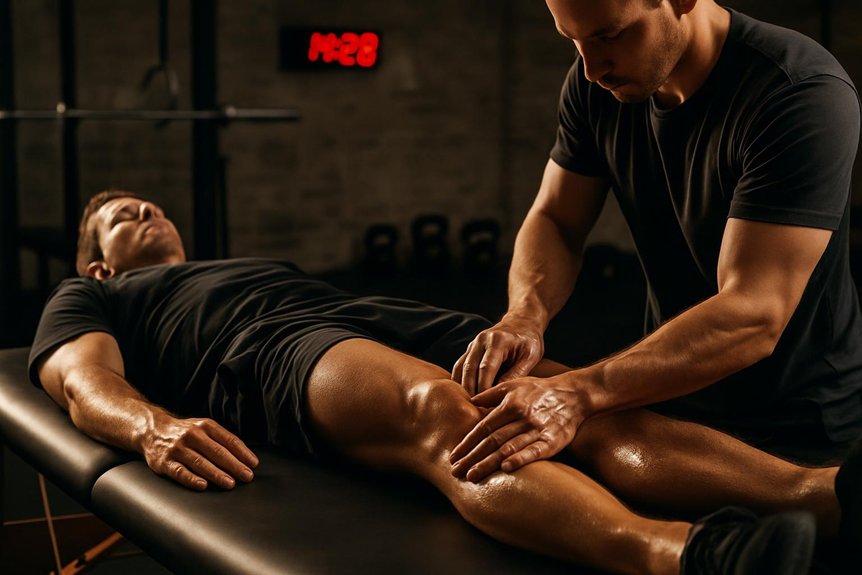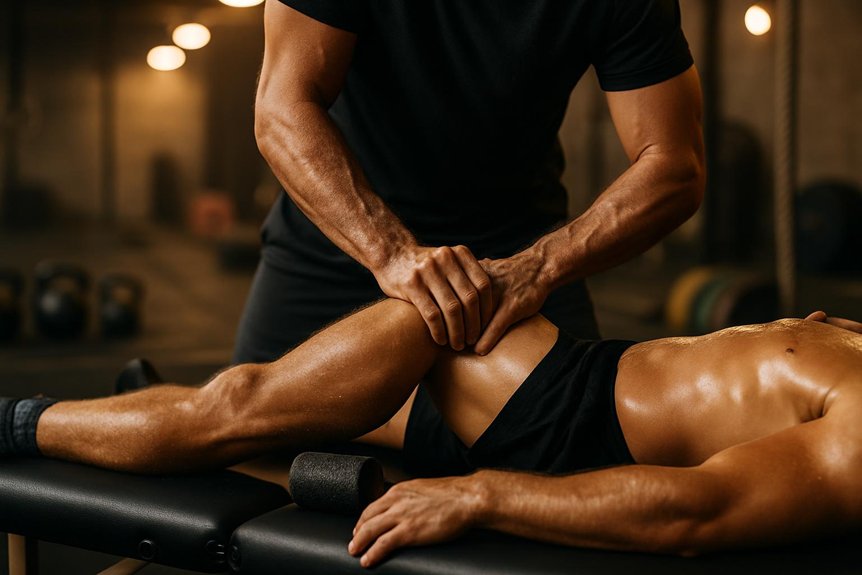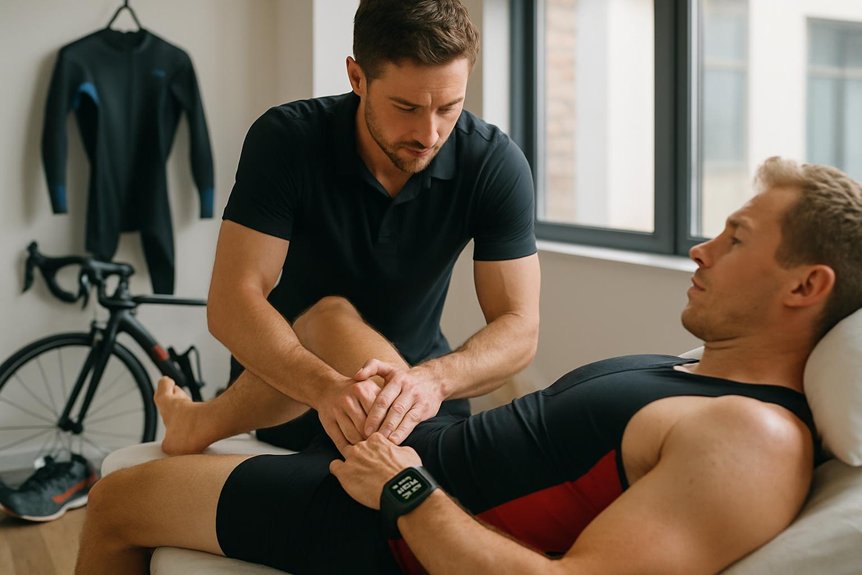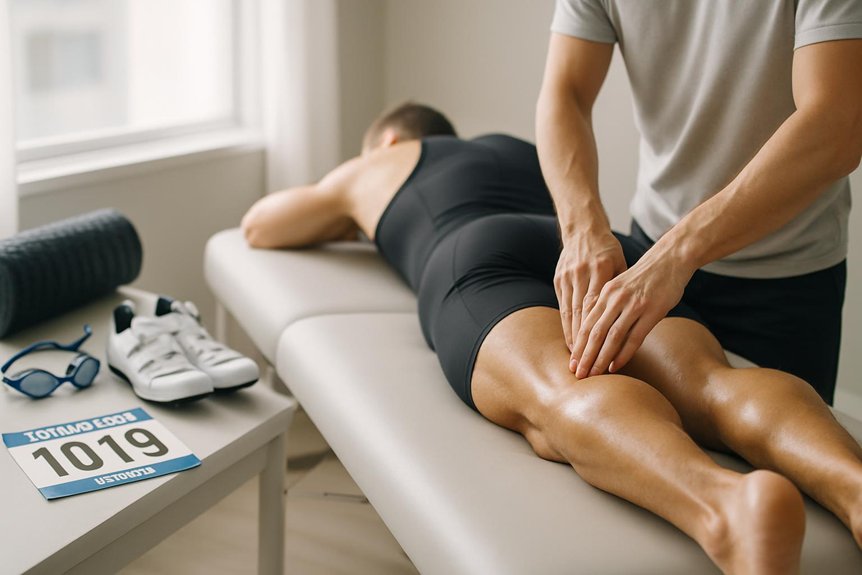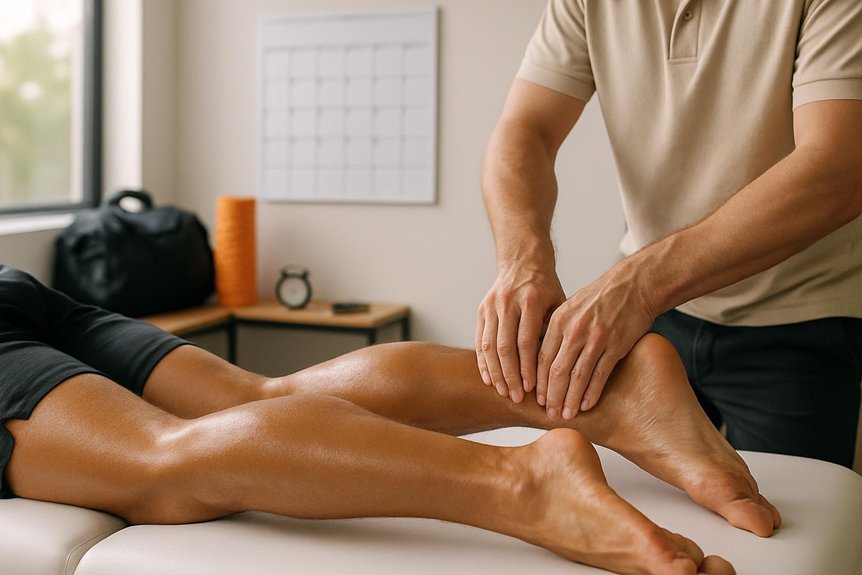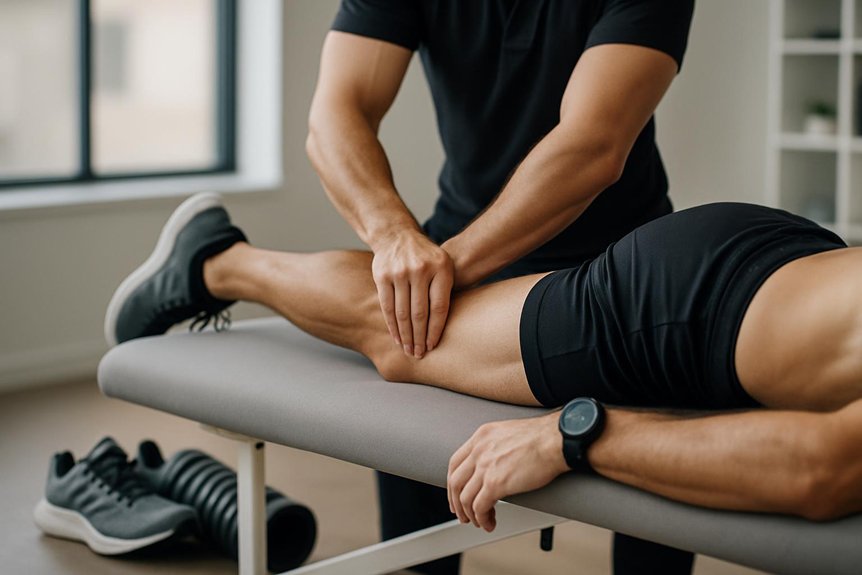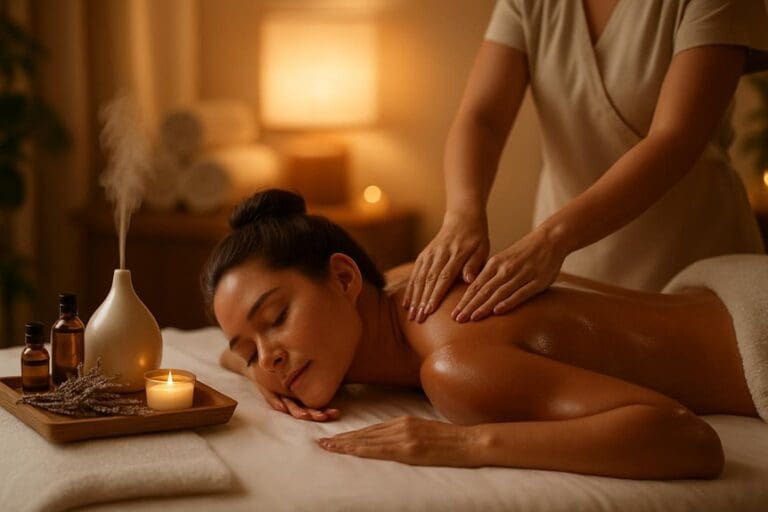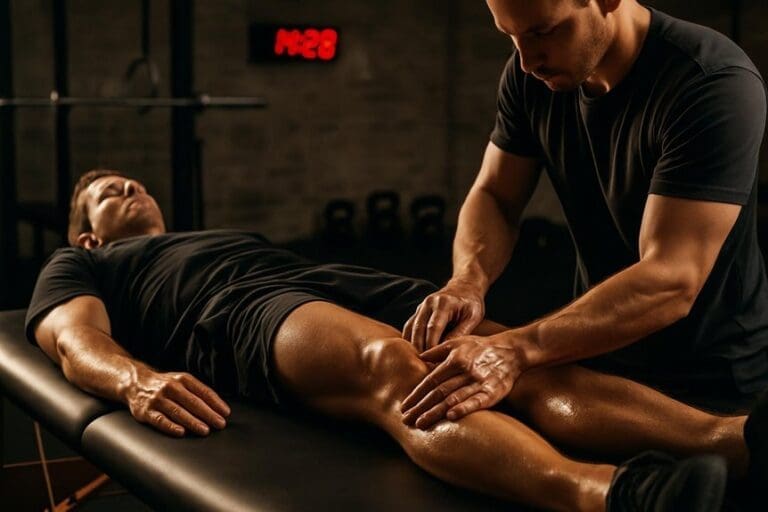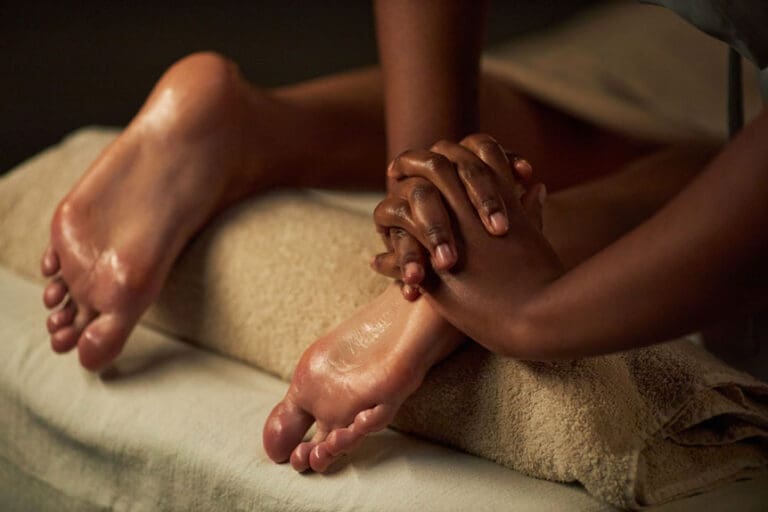
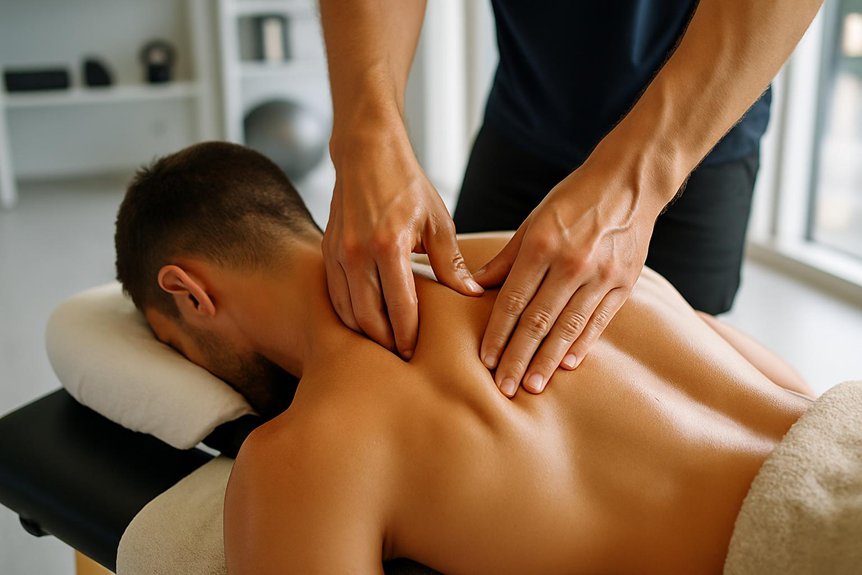
It can help neck pain when symptoms stem from muscular tension, overuse, or postural strain. It targets tight upper trapezius, levator scapulae, and deep neck muscles to reduce protective guarding, improve circulation, and restore tissue glide, often easing pain and improving short-term range of motion. Benefits are stronger when combined with load management, ergonomic changes, and mobility or strengthening. Massage is less appropriate with constant unexplained pain, fever, or neurological symptoms, where medical assessment is needed. Further guidance covers suitability and expectations.
Can It Help Neck Pain?
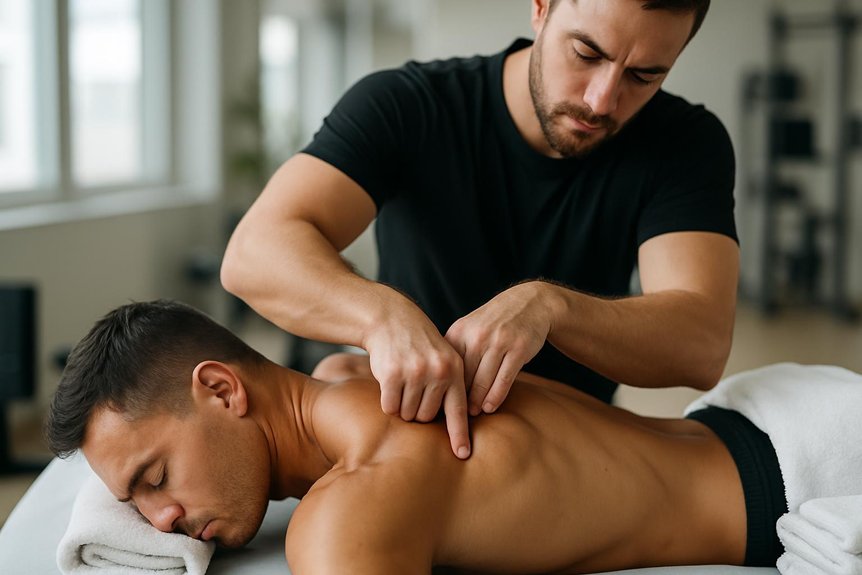
Target tight, overworked neck muscles with the right manual approach, and symptoms often ease measurably. It can reduce pain linked to muscular tension, postural overload, and training fatigue by improving local circulation, lowering protective guarding, and restoring glide between tissues. Evidence supports manual therapy for short-term pain relief and range-of-motion gains, especially when paired with simple movement retraining.
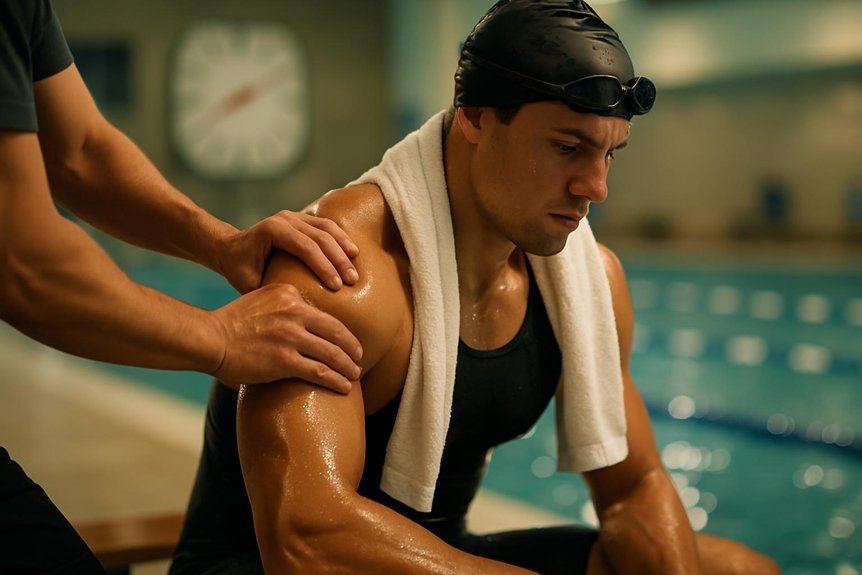
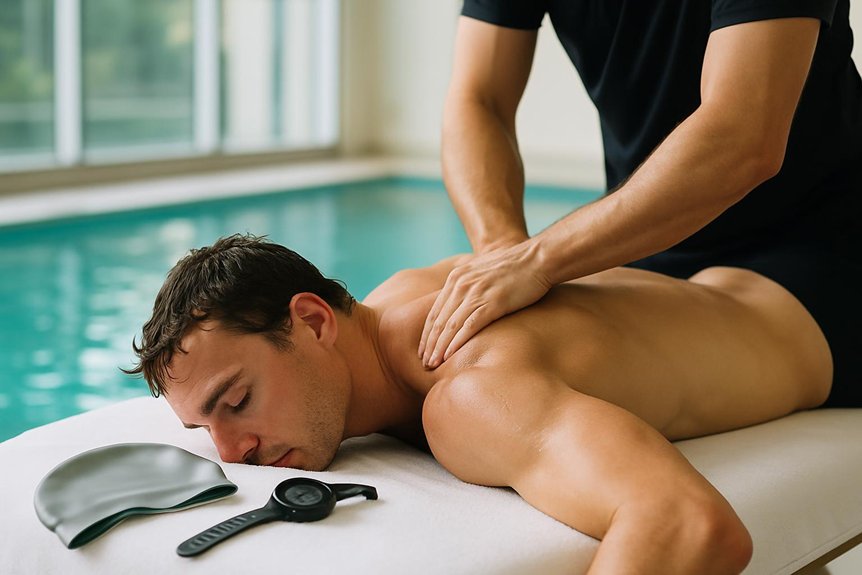
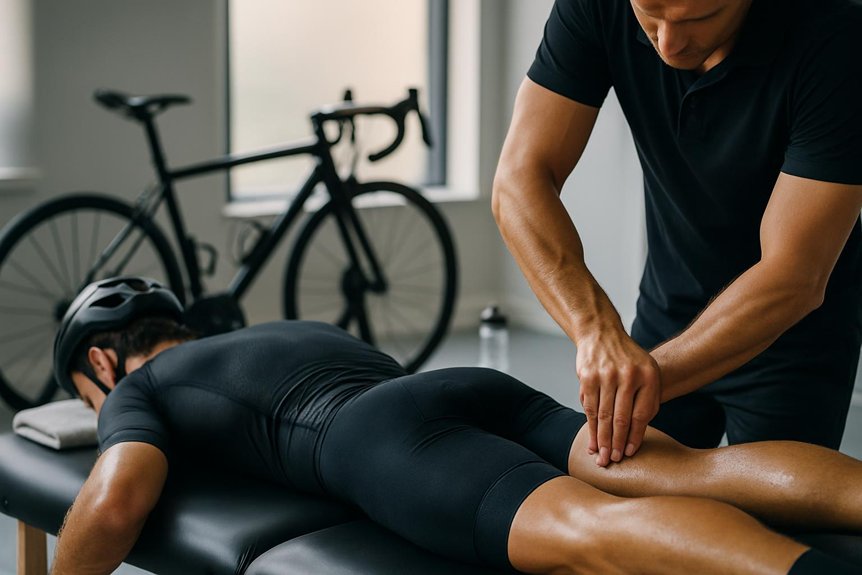
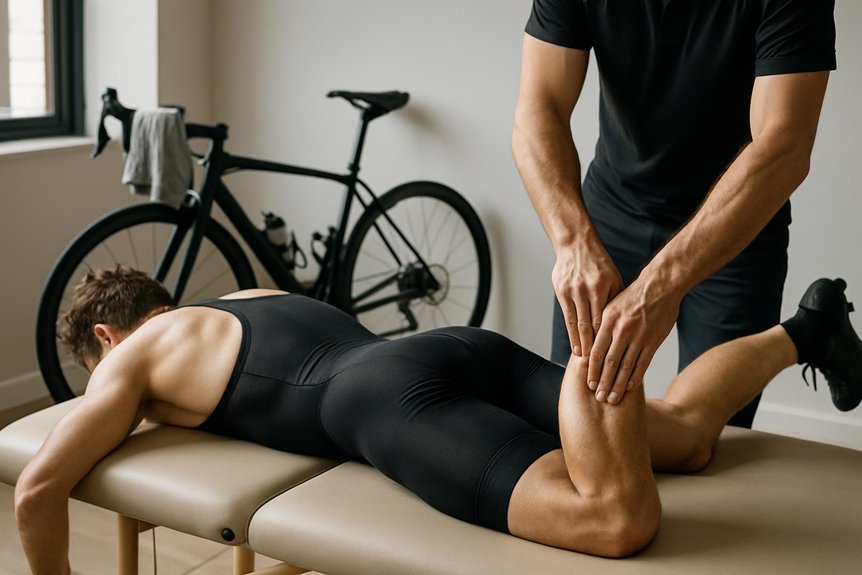
Because it’s designed around the demands of training, sports massage is widely used by athletes to support recovery and help maintain performance.
At Spa & Massage clinics across London, therapists assess neck, shoulders, and upper back, then use focused deep-tissue and sports techniques—trigger-point work, myofascial release, and controlled stretching—within a client’s comfort. Many clients notice easier turning, softer headaches, and calmer sleep when sessions are combined with breath-led relaxation and home advice on desk setup, heat, and gentle mobility.
When Neck Pain Is Not for Massage (See a GP)
It is not appropriate when neck pain is accompanied by red-flag symptoms that may indicate serious medical causes and require urgent assessment.
These include severe or escalating pain after trauma, fever or unexplained weight loss, new weakness or numbness, dizziness, severe headache, or loss of bladder/bowel control.
In such cases, massage should wait and a GP or urgent care should be consulted before any hands-on treatment at Spa & Massage.
Seek Urgent Medical Care
When should neck pain be treated as a medical issue rather than something for massage? If pain follows a significant fall, collision, or suspected whiplash, urgent assessment is advised before any hands-on work.
Rapidly escalating pain, a rigid neck with fever, or sudden severe headache warrants same-day medical care.
New weakness, numbness, clumsiness, facial droop, slurred speech, or changes in vision should be treated as emergency symptoms.
Pain with chest tightness, breathlessness, or unexplained sweating also needs urgent evaluation.
If swallowing becomes difficult or a lump is felt, prompt review is appropriate.
At Spa & Massage, therapists pause treatment and help clients arrange GP, 111, or A&E support, prioritising safety and reassurance.
Red-Flag Neck Symptoms
Red-flag neck symptoms require a medical-first approach rather than massage, as they may indicate infection, neurological compromise, vascular events, fracture, or other serious pathology. A GP review is advised when neck pain follows significant trauma, when there is fever, chills, unexplained weight loss, night sweats, or a history of cancer or immunosuppression.
Concerning neurological signs include arm or hand weakness, numbness, pins and needles, clumsiness, altered gait, new bowel or bladder change, or severe headache. Urgent assessment is also appropriate for sudden “worst-ever” pain, dizziness, fainting, visual disturbance, facial droop, or difficulty speaking or swallowing.
Spa & Massage therapists screen for these features and will signpost clients to medical care.
When Massage Should Wait
Before booking any hands-on treatment, neck pain should be assessed for situations in which massage is inappropriate or should be delayed in favour of a GP review. Massage should wait after significant trauma (fall, collision, whiplash), when pain is severe, escalating, or constant at rest, or when there is fever, unexplained weight loss, night sweats, or a history of cancer, infection, or inflammatory disease.
New neurological symptoms—numbness, tingling, arm weakness, clumsiness, gait changes, or bowel/bladder disturbance—also warrant urgent medical assessment. Dizziness, fainting, or a sudden “worst-ever” headache with neck pain should not be massaged.
At Spa & Massage, therapists screen thoroughly and may pause treatment, offering gentle, reassuring support while signposting timely GP or A&E care.
Why Active People Get Neck Pain
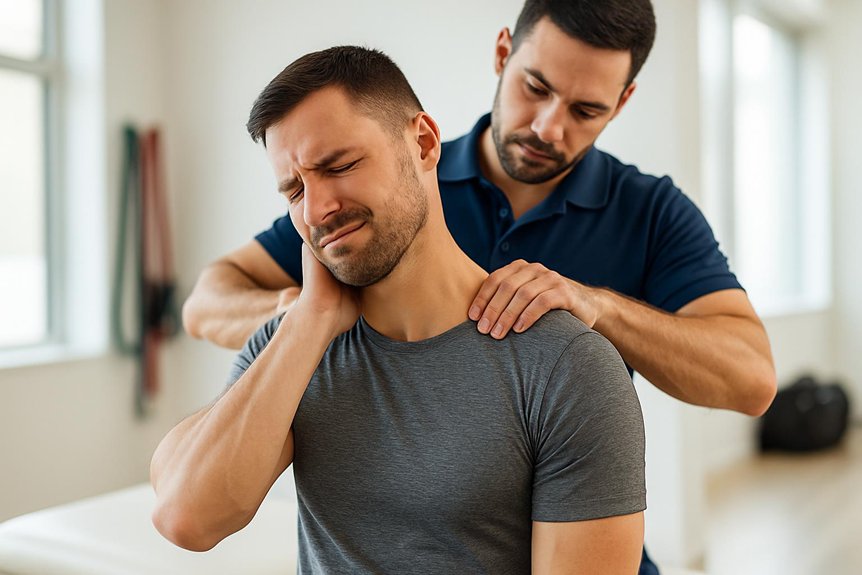
Across training sessions and daily commutes, active people commonly develop neck pain because the cervical spine is repeatedly loaded by a combination of mechanical stress and sustained posture. Running, cycling, rowing, and gym work can reinforce forward-head positioning, while desk work and phone use prolong low-grade muscle guarding.
Research links these exposures to increased strain on cervical joints, discs, and the upper trapezius and levator scapulae, often felt as tightness, headaches, or sharp catches with rotation. Breathing mechanics also matter: when ribcage mobility is limited, accessory neck muscles overwork to meet ventilatory demand.
Poor sleep, high training volume, and psychosocial stress can heighten pain sensitivity, so discomfort may persist even after the session ends. At Spa & Massage clinics, therapists often see patterns combining training load and everyday posture.
What an Athletic Massage Does for Neck Pain
It can help reduce neck pain by releasing excessive tone and trigger points in the upper trapezius, levator scapulae, and suboccipital muscles, which commonly restrict movement.
By improving local tissue extensibility and supporting better cervical and thoracic mobility, it may also contribute to more efficient posture during training and desk-based work.
At Spa & Massage clinics across London, therapists tailor pressure and technique to the client’s presentation to improve comfort, range of motion, and functional alignment.
Releases Neck Muscle Tension
For many people with neck pain, the primary driver is sustained muscular guarding in the upper trapezius, levator scapulae, suboccipitals, and surrounding fascia.
A targeted athletic massage aims to downshift this protective tone, improving local circulation, easing trigger-point sensitivity, and reducing pain-related muscle spasm.
In Spa & Massage clinics, therapists combine slow, sinking pressure with myofascial release and precise friction to soften adhesions while staying within a client’s comfort and consent.
This can help the nervous system feel safe enough to let go, creating a sense of warmth and steadiness through the neck and shoulders.
Many clients notice lighter breathing and fewer “locked” sensations afterward.
Hydration, gentle heat, and calm evenings are commonly recommended to sustain the effect.
Improves Mobility And Posture
In clinical terms, neck pain often coincides with reduced cervical range of motion and compensatory posture—such as forward head carriage and elevated shoulders—driven by tight anterior chest tissues, overactive upper trapezius/levator scapulae, and under-recruited deep neck flexors and scapular stabilisers.
It can support mobility by reducing myofascial tone, improving tissue glide, and easing protective guarding around the cervical spine and shoulder girdle.
At Spa & Massage, therapists blend slow deep-tissue work with targeted release to pectorals, scalenes, and suboccipitals, then reassess rotation, side-bend, and shoulder position.
Postural benefit is reinforced with gentle cueing: diaphragmatic breathing, chin-nod activation, and scapular setting, helping the client feel a quieter neck and longer, easier alignment between sessions.
Athletic Massage vs Deep Tissue for Neck Pain: Which to Choose?
When neck pain flares, how does one decide between an athletic massage and a deep tissue approach? Clinically, the distinction is intent: athletic massage targets movement patterns and load-related strain, while deep tissue prioritises sustained pressure to reduce dense myofascial restriction.
Evidence supports both for short-term pain relief and range-of-motion gains; choice hinges on irritability, tolerance, and goals. If the neck feels “grabby” with activity, sports techniques may integrate stretching, trigger-point work, and corrective focus through shoulders and upper back.
If pain feels constant, heavy, and bound down, deep tissue may be preferred, paced slowly to avoid flare-ups. At Spa & Massage clinics across London, therapists assess posture, breathing, and tenderness, then tailor pressure and aftercare for safer, closer comfort.
When Athletic Massage for Neck Pain Works Best
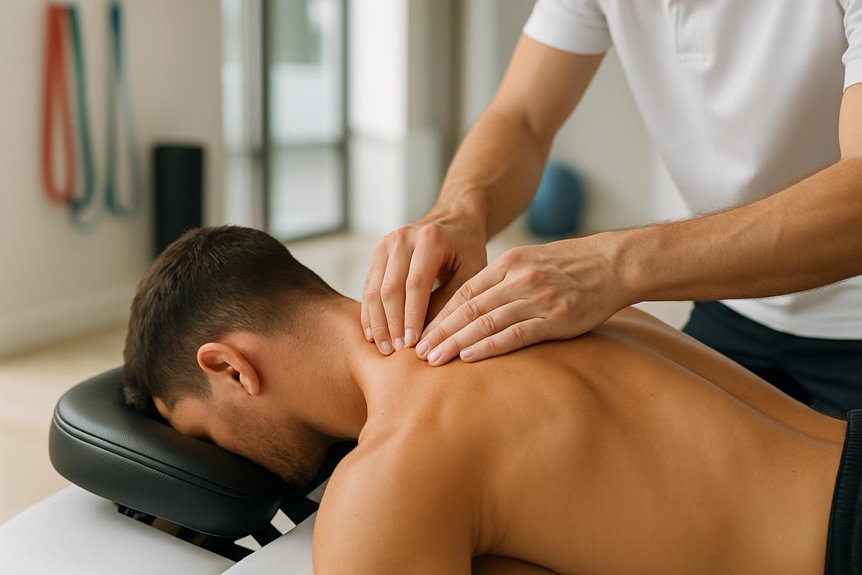
Under the right clinical conditions, athletic massage tends to work best for neck pain linked to activity, posture under load, or repetitive strain—especially when symptoms fluctuate with movement rather than remaining constant at rest.
It is most helpful when there is clear muscle overactivity or trigger points in the upper trapezius, levator scapulae, or deep neck extensors, and when range of motion is limited yet improvable.
Outcomes improve when massage is paired with sensible training load changes, desk ergonomics, sleep positioning, hydration, and gentle mobility or strengthening.
At Spa & Massage clinics across London, therapists assess how pain behaves during movement and palpation, then tailor pressure and pacing to calm the nervous system while restoring tissue glide.
It may be less suitable for unexplained constant pain, fever, or neurological symptoms.
What to Expect in a Neck Athletic Massage Session
Athletic massage is most effective for neck pain when muscle tone, trigger points, and movement sensitivity are clearly involved, and those same factors guide what a client can expect during a neck-focused session at Spa & Massage. The therapist begins with a brief health intake and hands-on assessment of posture, breathing, and neck/shoulder range, then agrees pressure and boundaries to keep the work safe and personal.
Treatment typically targets upper trapezius, levator scapulae, scalenes, and pectoral muscles using slow deep-tissue strokes, trigger-point release, and gentle mobilisations. In Spa & Massage clinics, a neutral oil is used to support glide while preserving precise contact. Clients may feel “good pain” that stays tolerable, with regular check-ins.
Aftercare usually includes hydration, warmth, and simple stretches tailored to the day.
How Many Athletic Massage Sessions for Neck Pain?
Most clients with uncomplicated neck pain linked to muscle tension, trigger points, or movement sensitivity tend to benefit from a short course of athletic massage rather than a single session. In Spa & Massage clinics, therapists commonly suggest 3–6 sessions to create durable change, often spaced weekly at first, then tapered as comfort and range improve.
Noticeable easing can occur after 1–2 visits, yet clinical experience and research on soft‑tissue therapy indicate repeated inputs better reduce protective guarding and restore normal movement patterns. For longstanding or recurrent symptoms, 6–10 sessions may be appropriate, combined with assessment of posture, workload, stress, sleep, and breathing.
Progress is reviewed each visit: pain sensitivity, rotation, headaches, and tenderness guide whether to continue, adjust depth, or refer onward.
Aftercare to Prevent Neck Pain Coming Back
After an athletic massage session for neck pain, targeted aftercare is often the deciding factor in whether symptoms settle long term or recur with the same postural, workload, and stress triggers.
At Spa & Massage clinics, therapists advise 24–48 hours of relative load management: avoid heavy lifting, long static screens, and sudden training spikes while tissues adapt. Hydration, sleep, and warmth can support comfort, while brief cold packs may help if soreness feels sharp or inflammatory.
Daily micro-breaks (60–90 seconds hourly), diaphragmatic breathing, and gentle range-of-motion work reduce guarding and improve circulation.
A simple home plan—scapular retraction, chin tucks, and thoracic extension—targets common drivers.
If headaches, arm symptoms, or persistent pain recur, reassessment is recommended.
Conclusion
It can help neck pain when the driver is muscular tension, movement restriction, or training and desk-load strain. Coincidentally, these are the same patterns many notice after a long week—tight upper trapezius, guarded levator scapulae, reduced rotation—often eased when soft tissue is assessed and treated, then followed by targeted mobility and strength. It is not a substitute for medical review when red flags exist. Best results typically come from tailored sessions plus aftercare.