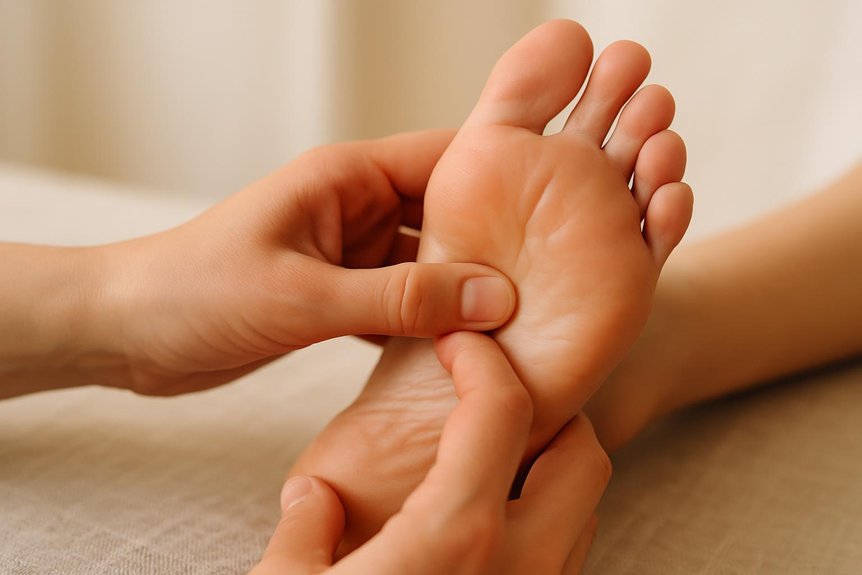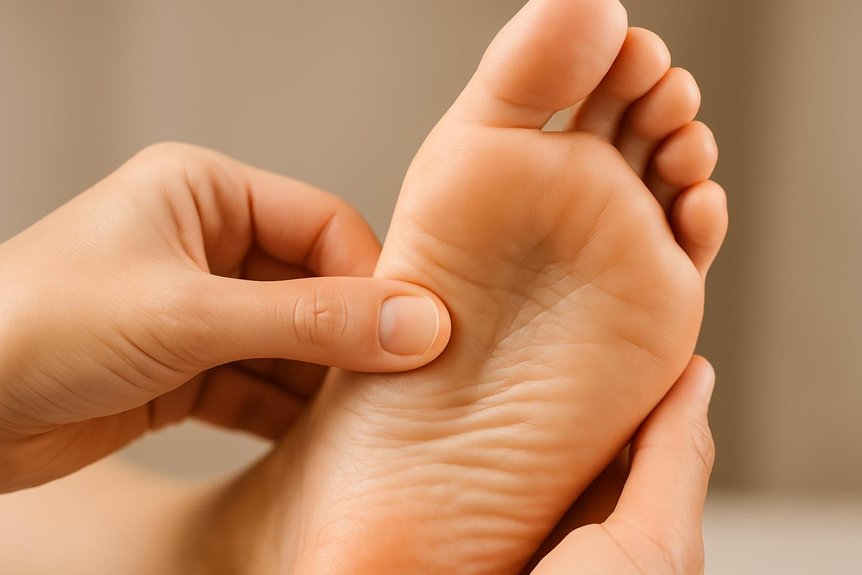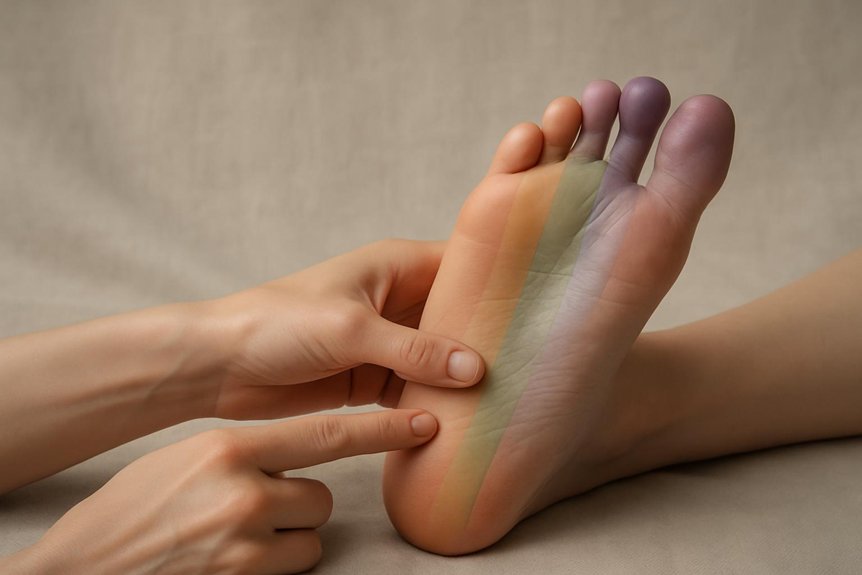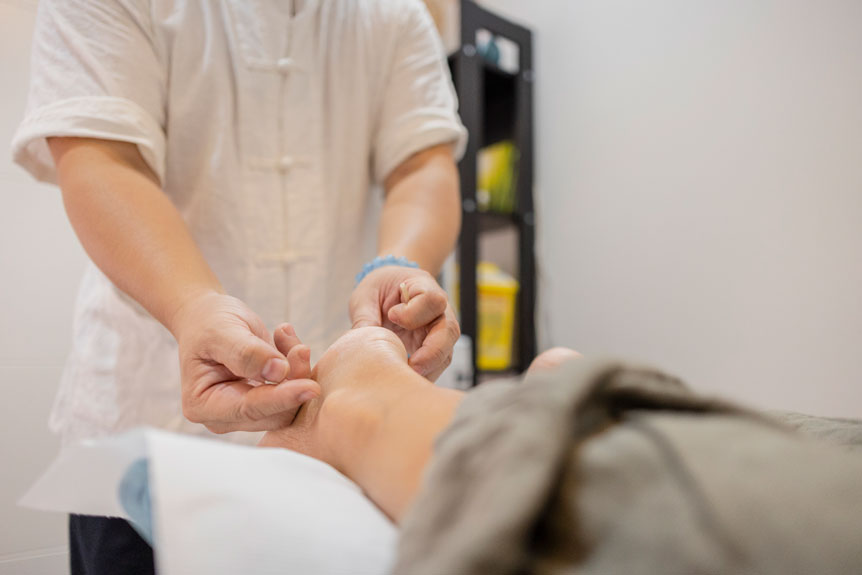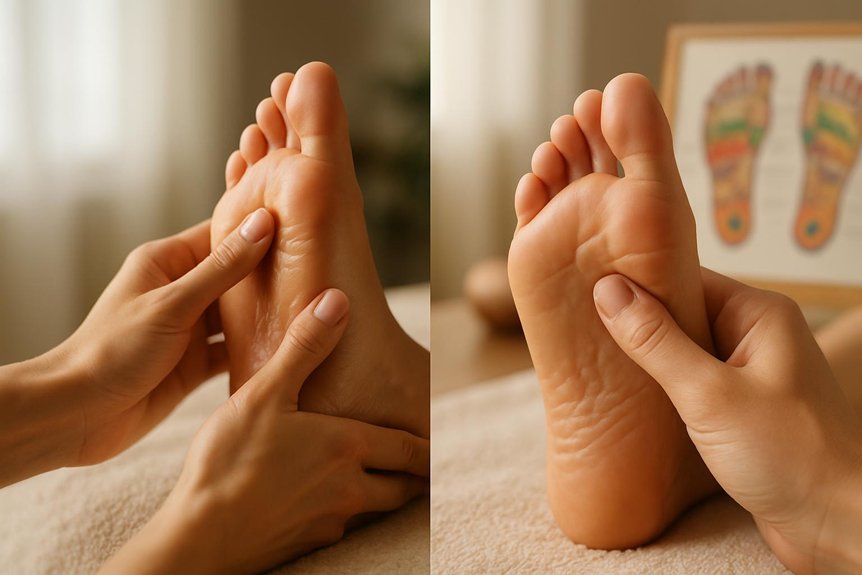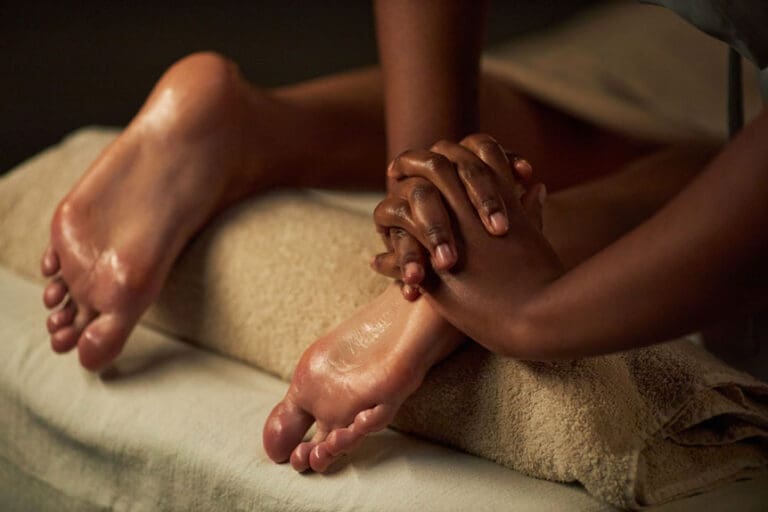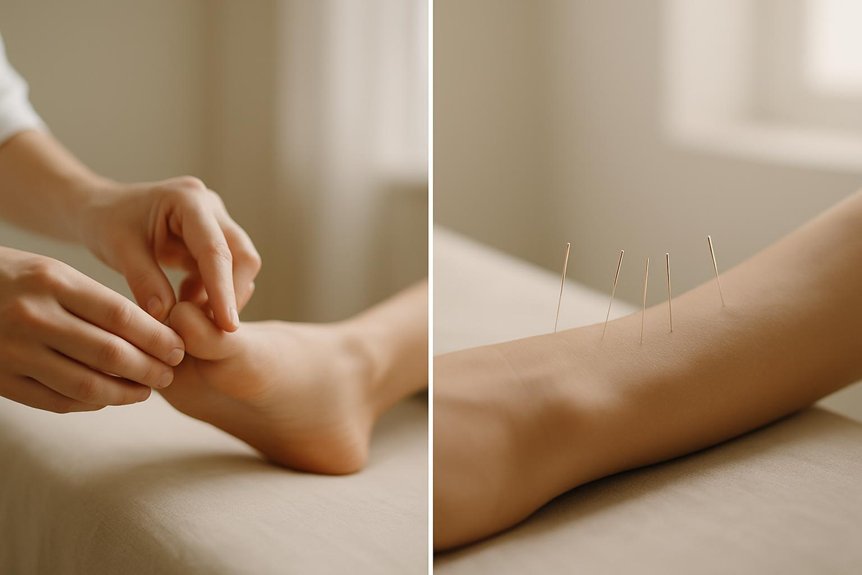
Zone Therapy and acupuncture differ mainly in delivery and risk profile. It is a non-invasive manual therapy using calibrated pressure on mapped foot (sometimes hand) zones to promote relaxation and parasympathetic activation for symptomatic support (e.g., stress, sleep). Acupuncture is invasive, inserting sterile single-use needles at defined points to modulate symptoms, with evidence for pain and some nausea syndromes. Both may benefit from contextual effects and require screening; further comparison covers sensations, contraindications, and aftercare.
Zone Therapy vs Acupuncture: The Quick Answer
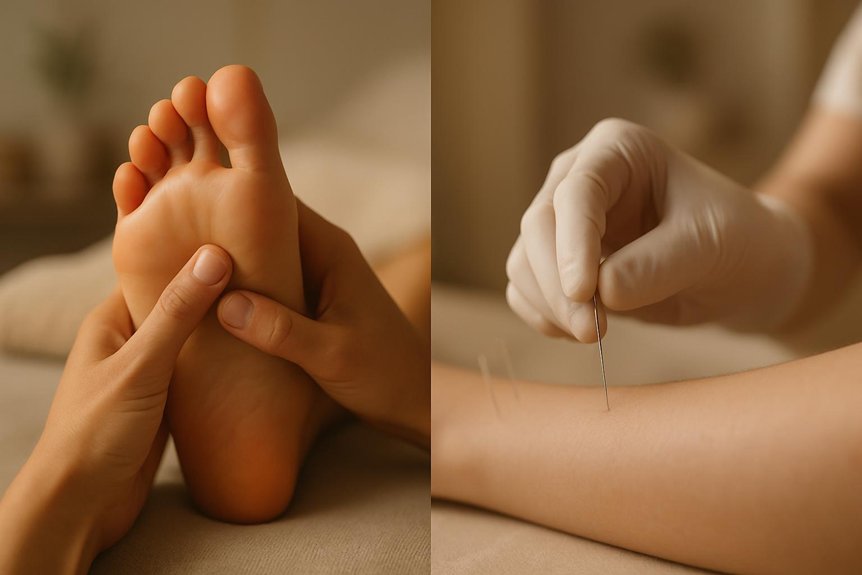
At a glance, it is a non-invasive manual therapy that applies controlled pressure to specific areas of the feet (and sometimes hands) with the aim of modulating stress, circulation, and perceived pain, whereas acupuncture is an invasive technique that inserts sterile, single-use needles at defined points to influence neurophysiological pathways and pain processing.
In clinical terms, it typically suits clients seeking gentle, clothed contact and a deeply calming, private reset. Acupuncture may be preferred when needle-based interventions are acceptable and care is delivered by appropriately regulated practitioners.
Many people explore this therapy because it highlights the potential healing power of hands-on foot-based therapy within a deeply relaxing treatment setting.
Safety screening is essential for both: it should be modified in acute foot injuries, severe neuropathy, or high-risk pregnancy; acupuncture requires additional precautions for anticoagulation, bleeding disorders, infection risk, and needle anxiety.
At Spa & Massage London clinics, therapists individualise zone therapy pressure and aftercare for comfort and consent.
Reflexology vs Acupuncture: How Each Works
Although both are often grouped under “complementary therapies,” zone therapy and acupuncture are theorised to work via different primary mechanisms: zone therapy applies graded manual pressure to mapped regions of the feet (and sometimes hands) to elicit neuromodulatory and autonomic effects—typically associated with downregulating stress arousal and altering pain perception—whereas acupuncture delivers a controlled mechanical stimulus through insertion of sterile, single‑use needles at defined points to influence peripheral afferent signalling, spinal gating, and central pain-processing networks; in both modalities, treatment effect is plausibly mediated by context (therapeutic touch, expectation, and relaxation), making informed consent, contraindication screening, and symptom monitoring essential.
At Spa & Massage clinics, therapists aim to create a calm, private therapeutic environment, adapting pacing and pressure to comfort and clinical presentation.
Many clients report improved sleep and reduced tension when care is integrated with hydration, gentle movement, and follow‑up.
Pressure Points vs Needles: What’s Different
Contrast begins with the mode of stimulation: zone therapy uses sustained, graded manual pressure on defined “reflex” areas—most commonly on the feet and sometimes the hands—whereas acupuncture uses sterile, single‑use needles inserted to a controlled depth at specific points to deliver a mechanical and neurophysiological stimulus.
It stays superficial, modulating afferent input via touch and pressure without skin penetration; acupuncture intentionally breaches the epidermis to engage connective tissue, segmental pathways, and local biochemical mediators.
Safety profiles differ accordingly: zone therapy risks are typically limited to transient tenderness or bruising, while acupuncture requires infection‑control standards, anatomical precision, and screening for bleeding risk.
At Spa & Massage clinics, it is delivered within scope by trained therapists; acupuncture should be performed by appropriately regulated clinicians, particularly for pregnancy, anticoagulants, or immunosuppression.
What Zone Therapy Feels Like (and Aftercare)
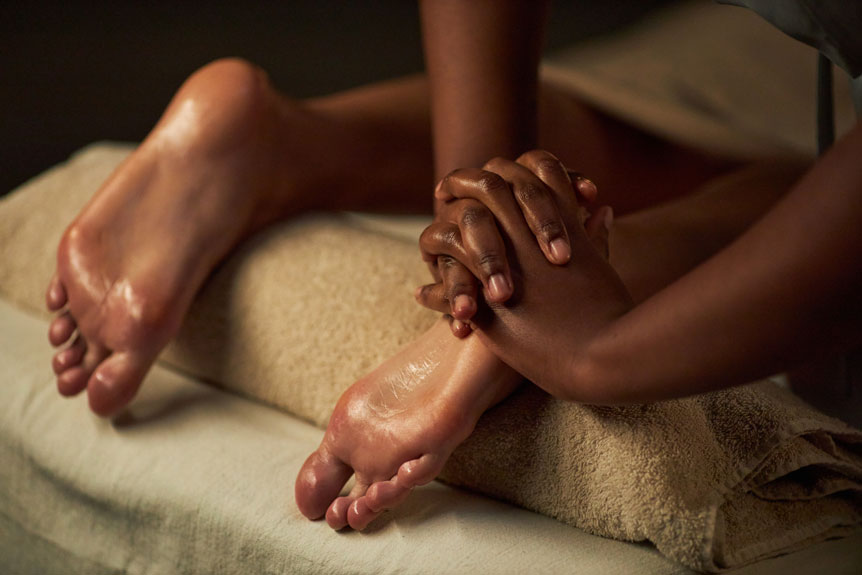
During zone therapy, clients typically report graded pressure, local tenderness at specific foot or hand zones, and intermittent warmth or relaxation responses, with intensity adjusted to tolerance by Spa & Massage therapists.
Post-session aftercare commonly includes hydration, light activity, and monitoring for transient effects such as mild soreness or fatigue, which usually resolve within 24–48 hours.
Individuals who are pregnant, anticoagulated, or managing diabetes, neuropathy, or active skin/vascular conditions are advised to seek clinical guidance and inform the therapist to optimise safety and treatment parameters.
Sensations During Zone Therapy
In clinical practice, zone therapy is typically experienced as graded pressure and targeted tenderness in specific areas of the feet (and, less commonly, the hands), with sensations ranging from soothing warmth and deep relaxation to brief, localised discomfort when congested or hypersensitive points are addressed.
At Spa & Massage clinics across London, therapists monitor pressure continuously, aiming for “therapeutic discomfort” that remains tolerable and never sharp, burning, or radiating.
Common responses include softened breathing, heaviness through the limbs, gentle pulsing, and transient sensitivity that settles as tissue tone reduces.
Some clients notice referred sensations (e.g., a mild ache or warmth elsewhere), which can occur with nervous-system modulation and improved local circulation.
It should not cause bruising, numbness, or prolonged pain; any such sensations warrant immediate adjustment.
Aftercare Tips After Zone Therapy
Following the graded pressure and occasional localised tenderness some clients experience during zone therapy, appropriate aftercare supports autonomic down-regulation and helps minimise transient post-treatment effects such as lightheadedness, fatigue, or mild soreness.
Spa & Massage therapists advise slow positional changes, hydration, and a light meal if hunger arises; alcohol and vigorous exercise are best deferred for 12–24 hours.
Gentle calf and foot mobility, warmth, and comfortable footwear may reduce residual sensitivity.
Clients are encouraged to note sleep, mood, and pain changes for 48 hours, as short-lived shifts can occur.
Any bruising, escalating pain, numbness, or fainting warrants medical review.
Pregnancy, anticoagulant use, neuropathy, or vascular disease should be disclosed so pressure can be titrated and aftercare individualised safely.
What Acupuncture Feels Like (Typical Sensations)
Acupuncture most often produces mild, short-lived sensations rather than overt pain. On insertion, a brief prick or pressure may be felt, followed by warmth, heaviness, tingling, or a dull ache consistent with “deqi.” Sensations can radiate along an arm or leg, or feel like a gentle current; intensity typically settles within seconds.
Some people notice deep relaxation, slower breathing, or a soft emotional release, which is considered a normal parasympathetic response.
Safety-focused practice matters: sterile, single-use needles and appropriate depth reduce discomfort and bruising risk. Mild redness or transient soreness can occur.
Sharp, persistent pain, numbness, dizziness, or bleeding warrants immediate communication and stopping. In Spa & Massage clinics, clients are encouraged to speak up early so positioning, pace, and pressure can be adjusted.
Zone Therapy vs Acupuncture: What Each Helps With
At a clinical level, zone therapy and acupuncture are used to address overlapping symptom clusters—particularly stress-related autonomic dysregulation and pain—yet they differ in primary indications and the strength of available evidence.
It is most often chosen for stress reduction, sleep disturbance, tension-type headaches, and non-specific musculoskeletal discomfort, with modest evidence for anxiety and perceived pain intensity. In Spa & Massage clinics across London, many clients select zone therapy when they want calming, grounding touch and a whole-body “downshift” without needles.
Acupuncture is more commonly indicated for chronic pain conditions (eg, low back pain, osteoarthritis, neck pain) and certain nausea syndromes, supported by larger trial bodies.
It may also be used adjunctively for migraine prophylaxis and dysmenorrhoea, where evidence suggests symptom frequency and intensity can improve.
Safety and Side Effects: Zone Therapy vs Acupuncture
Choice of modality is typically guided not only by symptom profile and evidence base, but also by relative risk and contraindications.
It is generally low risk when delivered by trained therapists, with transient tenderness, light-headedness, or fatigue most reported. Caution is advised with acute lower-limb thrombosis, unstable cardiovascular status, active infection, open wounds, or severe neuropathy; pressure should be modified in pregnancy and in frail clients.
Acupuncture carries a higher procedural risk because needles breach skin: minor bleeding, bruising, vasovagal episodes, and local infection are recognised; rare serious events include pneumothorax or organ injury, emphasising sterile technique and anatomical competency.
At Spa & Massage clinics, careful intake, consent, and aftercare guidance help clients feel safe, held, and supported throughout.
Which Should You Choose: Zone Therapy or Acupuncture?
How should an individual decide between zone therapy and acupuncture in a way that is clinically appropriate and risk-aware? Selection should be guided by symptom profile, contraindications, patient preference, and access to regulated care.
Zone therapy may suit those seeking non-invasive, touch-based relaxation support for stress, sleep disturbance, and tension, particularly when needle aversion, anticoagulation, bleeding disorders, or needle-related anxiety are present.
Acupuncture may be considered when evidence is stronger for pain modulation (e.g., musculoskeletal pain, headache), provided it is delivered by a suitably trained practitioner using sterile technique and appropriate screening.
In Spa & Massage clinics across London, zone therapy is tailored after brief health history and consent, with ongoing feedback to preserve comfort and emotional safety.
Medical red flags warrant GP review.
Zone Therapy at Spa & Massage: What to Expect
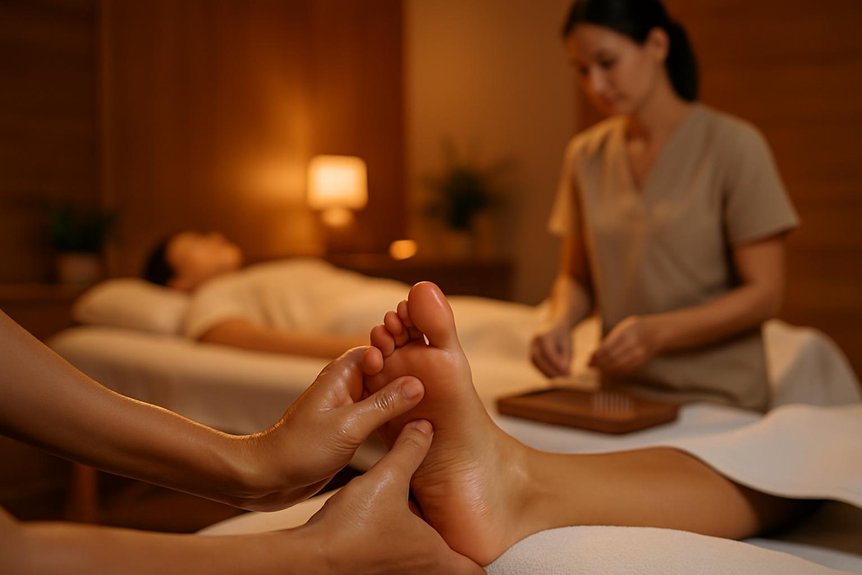
At Spa & Massage, a zone therapy appointment typically begins with a brief health screening and consent to identify contraindications (e.g., acute infection, recent thrombosis, or high‑risk pregnancy) and to agree treatment goals.
The session then applies calibrated pressure to mapped reflex areas of the feet (and, where indicated, hands) with ongoing symptom monitoring, followed by documentation and evidence-informed guidance on expected responses such as transient tenderness or relaxation.
Aftercare and recommendations usually include hydration, light activity, and prompt reporting of atypical or worsening symptoms, with referral to appropriate medical care when red flags are present.
Your Zone Therapy Session
During a zone therapy session at Spa & Massage, the client typically undergoes a brief clinical-style intake to screen for contraindications (e.g., acute infection, unmanaged circulatory disorders, recent foot/ankle injury, high-risk pregnancy) and to establish goals such as stress reduction, sleep support, or symptom management.
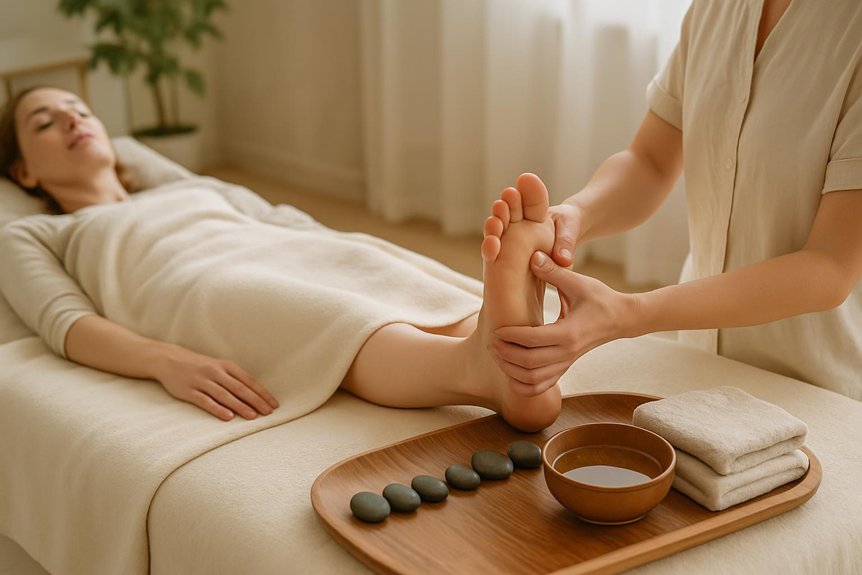
The therapist then positions the client comfortably and maintains privacy, using professional draping and clear consent-based communication.
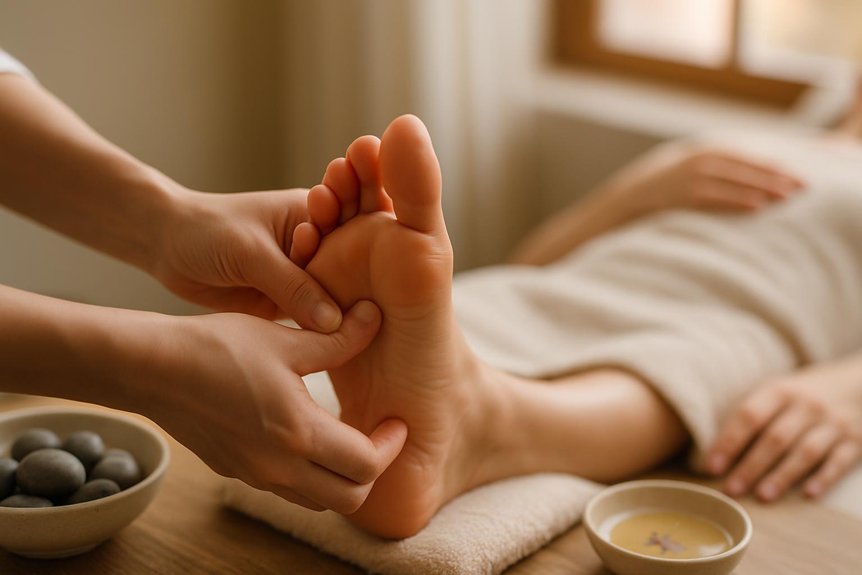
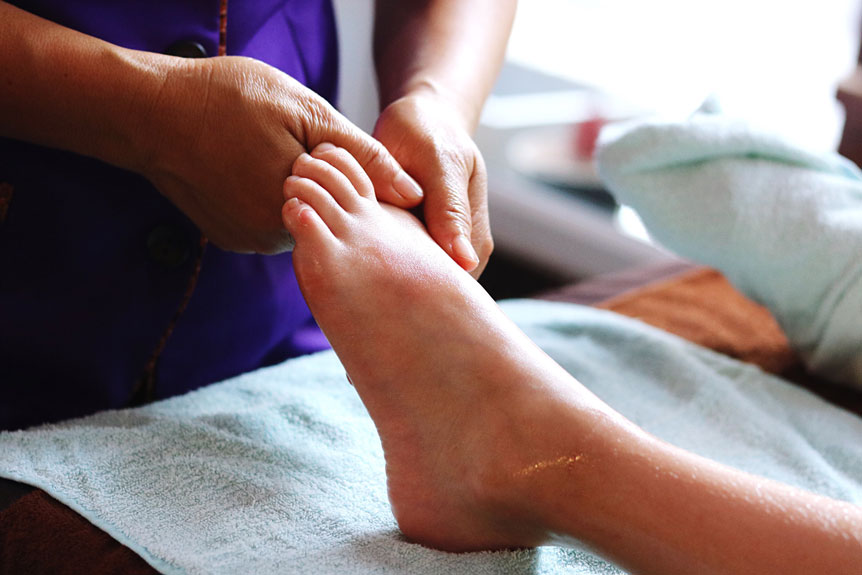
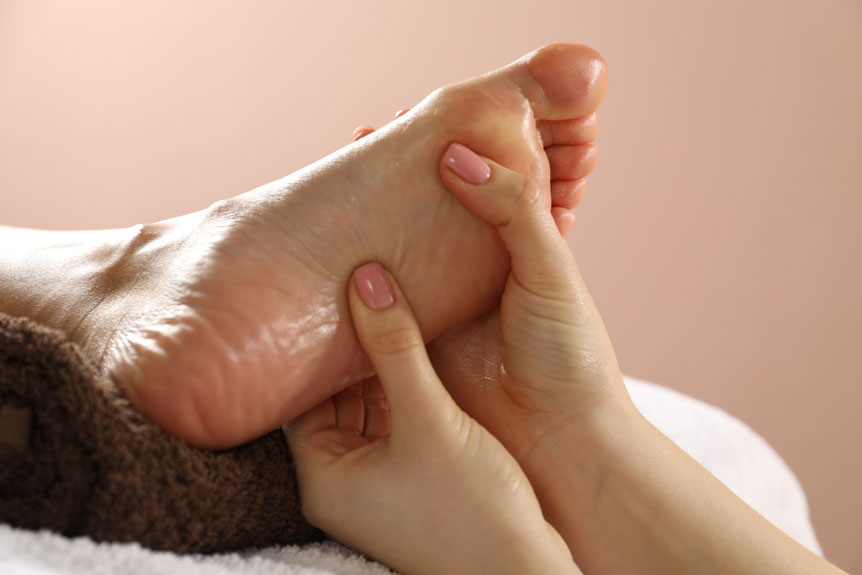
Treatment is delivered primarily to the feet (and, when indicated, hands), applying graded pressure with thumbs and fingers to mapped zones, titrated to tolerance and tissue response.
In-clinic practice emphasises hygiene, non-slip positioning, and monitoring for vasovagal symptoms or pain escalation.
Findings and comfort levels are checked discreetly throughout to support relaxation and a sense of safe, respectful closeness.
Aftercare And Recommendations
Following completion of the foot (and, where indicated, hand) work, aftercare is used to support autonomic settling, minimise post-treatment discomfort, and reinforce the client’s stated goals.
At Spa & Massage clinics across London, therapists advise hydration, a light meal, and gentle ambulation to reduce transient headache, fatigue, or tenderness that can occur after deep parasympathetic activation.
Heat, alcohol, and vigorous exercise are typically avoided for 12–24 hours if the client reports dizziness, hypotension, or increased sensitivity.
Simple home measures include warm compresses, paced breathing, and early sleep to consolidate relaxation and support recovery.
Clients are invited to note symptom patterns over 48 hours to guide treatment planning.
Medical review is recommended for persistent pain, marked swelling, fever, or neurological symptoms.
Conclusion
Zone therapy and acupuncture differ in mechanism, delivery, and evidence base: one applies manual pressure to mapped distal points, one inserts sterile needles to modulate neurophysiological pathways. Both may support analgesia, stress reduction, and functional wellbeing, yet both require appropriate screening, informed consent, and contraindication checks. Choose zone therapy for needle-free, touch-based care; choose acupuncture for point-specific needling effects. In either case, prioritise qualified practitioners, hygiene standards, and clear aftercare guidance to minimise adverse events.