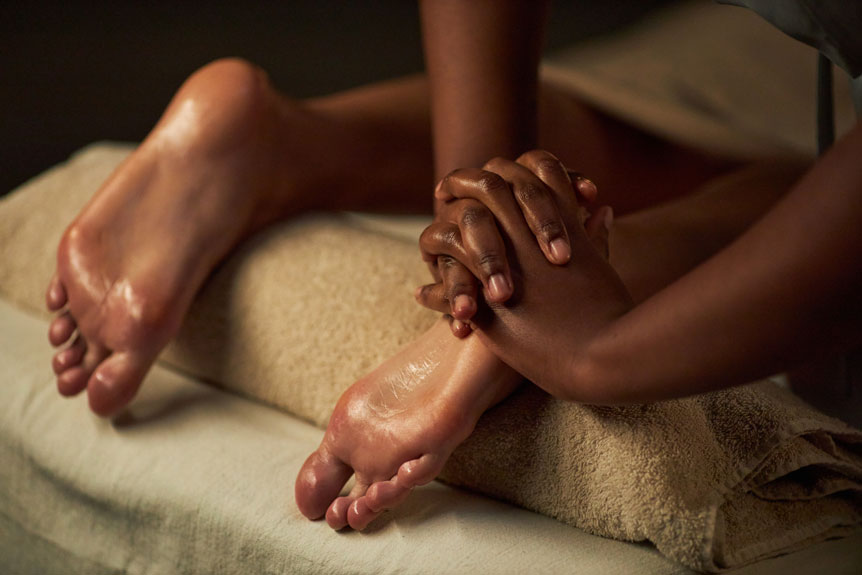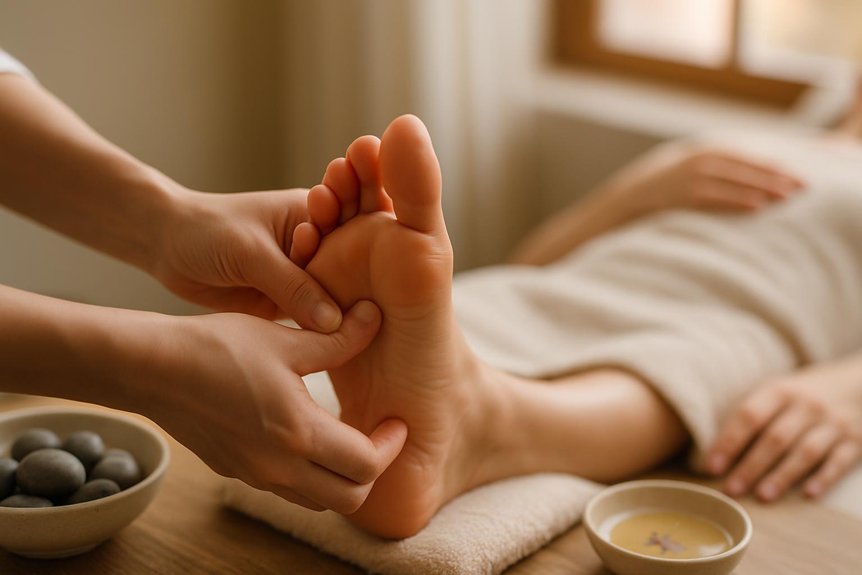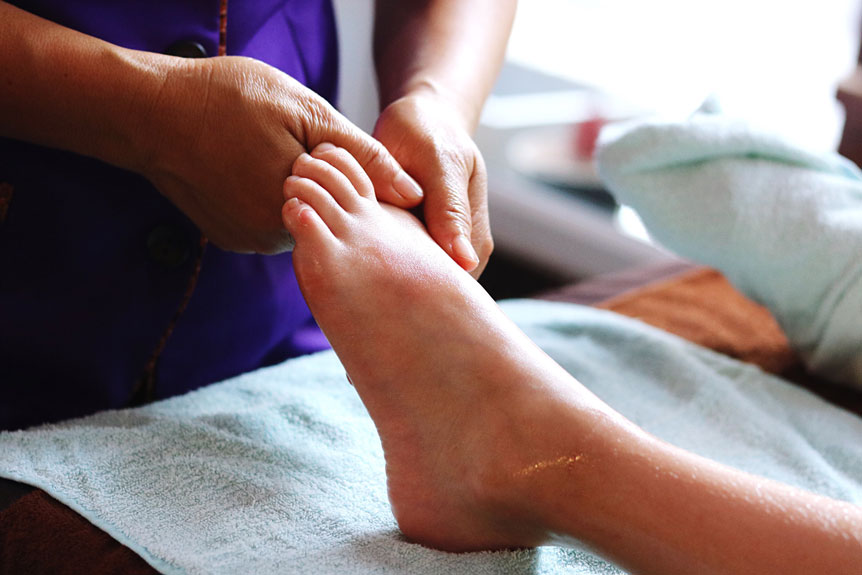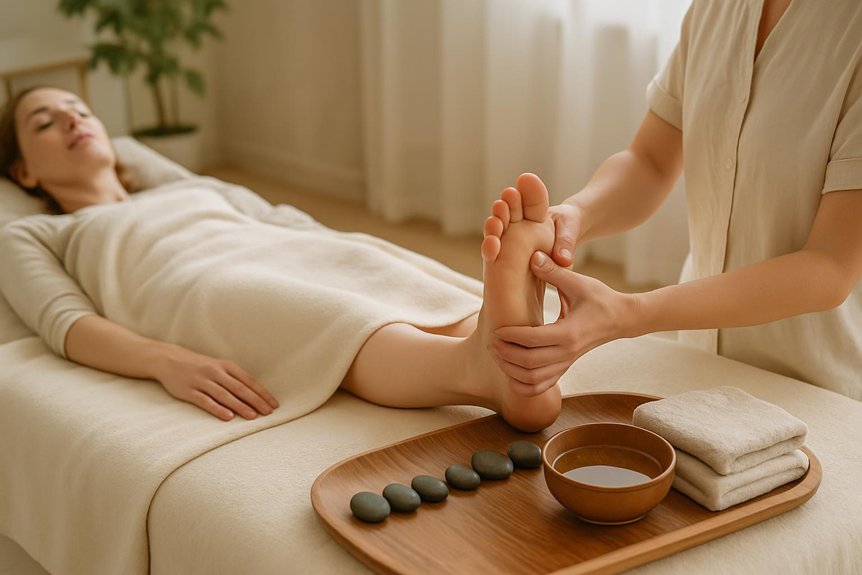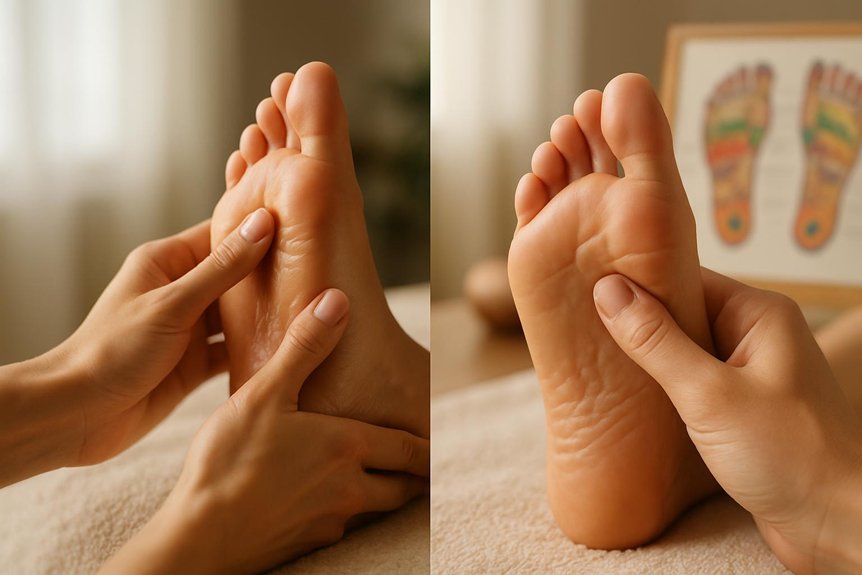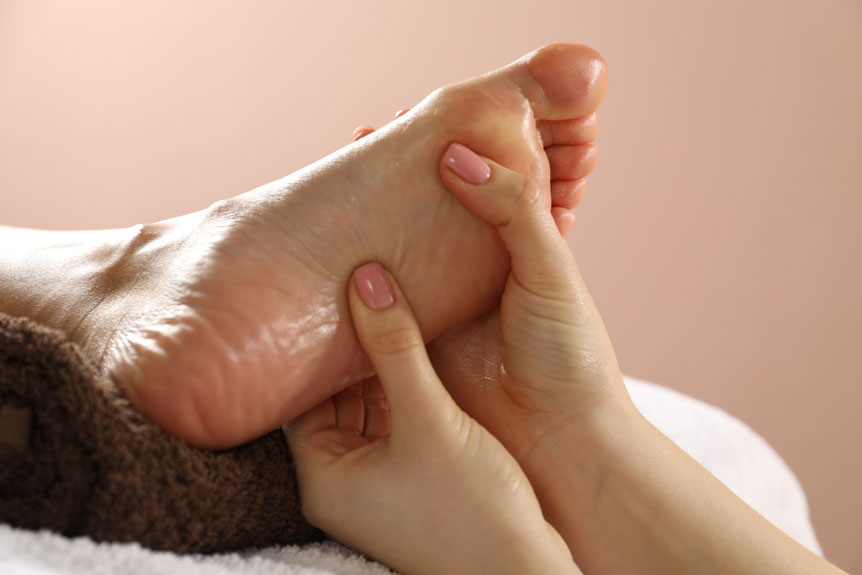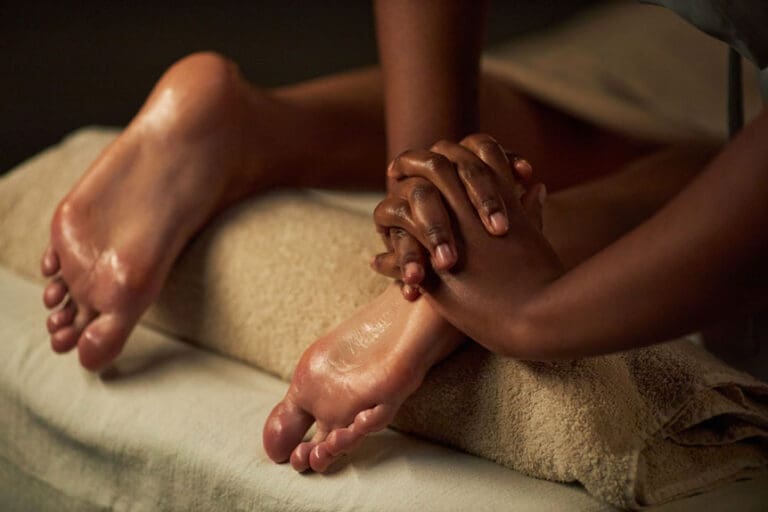
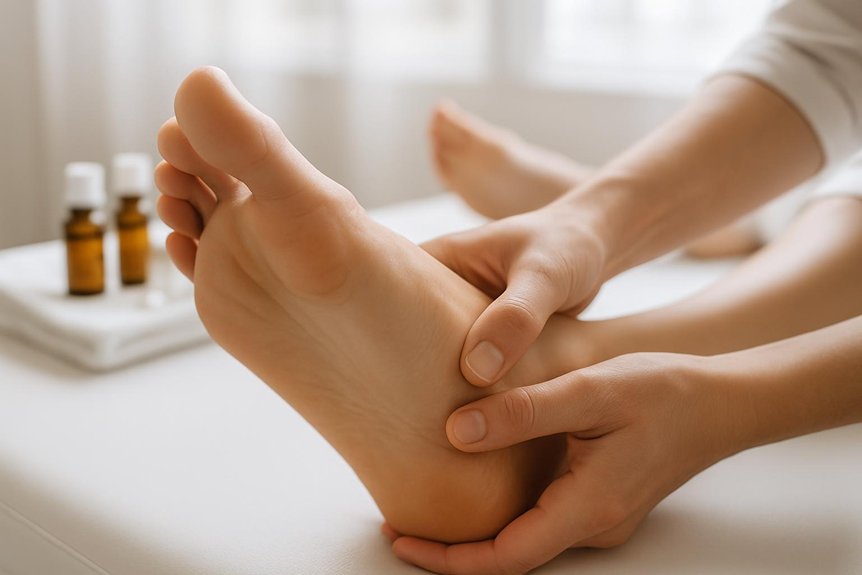
Zone therapy charts can work as practical guides for applying consistent pressure to foot, hand, or ear zones, supporting relaxation and perceived symptom comfort. However, they are not medically validated maps and should not be used to diagnose conditions or claim direct organ treatment. Evidence suggests zone therapy may help with stress, sleep, and pain perception, but responses vary by individual sensitivity and baseline health. Next, the differences between chart styles and safer home use become clearer.
What Is a Reflexology Chart (and What It Isn’t)?
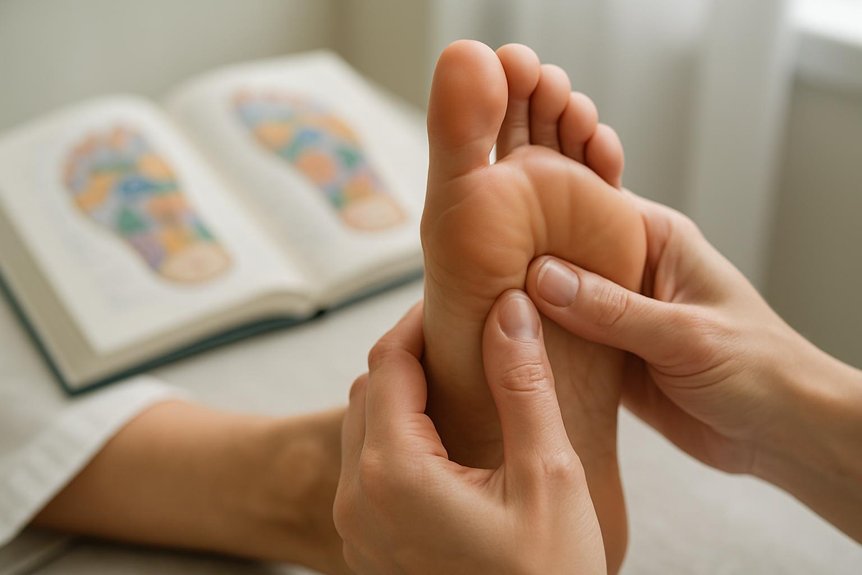
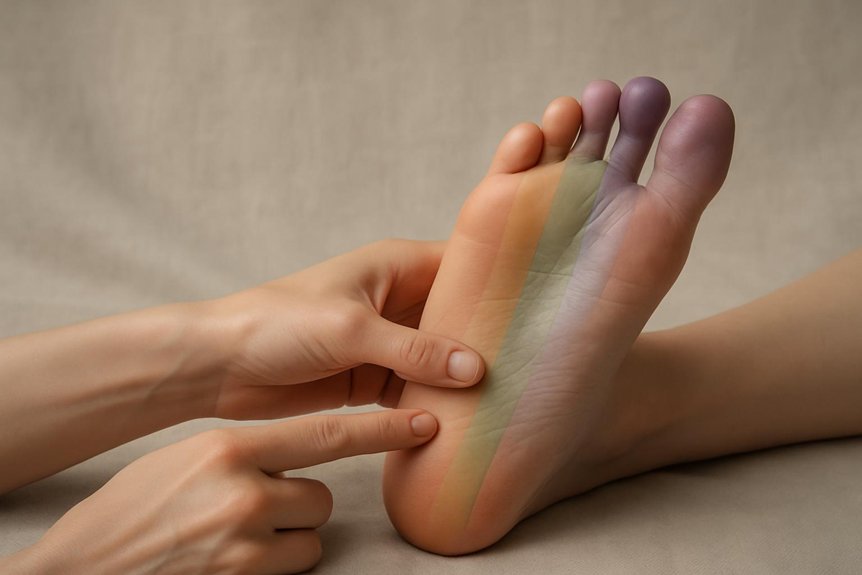
In simple terms, a zone therapy chart is a visual map that links specific areas of the feet (and sometimes the hands or ears) to corresponding body regions, helping practitioners identify where to apply pressure during a session. In Spa & Massage clinics across London, therapists may use charts as a consistent reference point when discussing a client’s goals and comfort, supporting a calm, intimate sense of being cared for. This approach reflects the broader focus on healing power that many people associate with zone therapy.
A chart isn’t a diagnostic tool, a substitute for medical assessment, or proof of a one-to-one anatomical pathway. Current evidence suggests zone therapy can help some people with relaxation, perceived pain, stress, and sleep, but charts themselves do not “treat” organs. Clinically, they function as a structured guide that supports communication, consent, and personalised pressure choices within a professional session.
How Do You Read a Zone Therapy Chart Safely at Home?
Used properly, a zone therapy chart can help a person apply gentle, organised pressure to the feet or hands for relaxation without treating it as a medical map. At home, it should be read as a guide to regions, not precise organs or diagnoses.
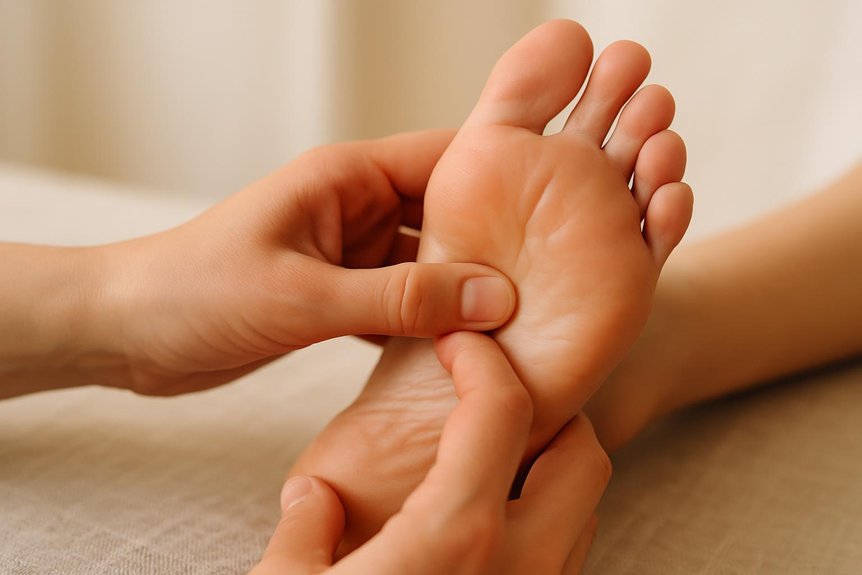
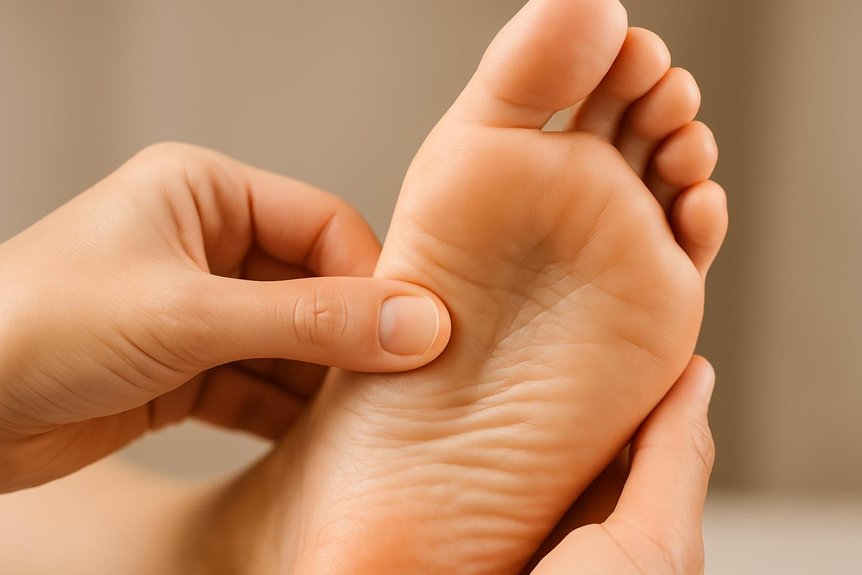
A person can begin with clean hands, short nails, and a comfortable seated position. Pressure should stay light to moderate, slow, and responsive; sharp pain is a stop signal. Work one foot or hand at a time, using the thumb to press and release for 2–3 seconds per point, then glide to the next area. Limit sessions to 10–15 minutes, hydrate, and notice calming effects. Spa & Massage therapists advise avoiding broken skin, recent injury, fever, or unexplained symptoms; seek medical care and book professional zone therapy if unsure.
Why Do Zone Therapy Charts Differ by Style?
Across zone therapy traditions, charts differ by style because they are teaching and treatment frameworks rather than anatomically validated maps. Schools emphasise different theories (zone therapy, nerve reflex pathways, energy meridians), so organ “zones” shift in size, borders, and naming.
Some charts prioritise feet; others integrate hands or ears, changing reference points and proportionality. Visual design also varies: simplified diagrams support learning, while detailed charts guide session notes.
Evidence does not confirm a single correct layout, so practitioners select a consistent model to structure palpation, pressure, and client communication.
At Spa & Massage clinics across London, therapists explain the chart used, invite consent, and track tender areas and comfort cues, keeping treatment focused on relaxation, pain relief goals, and a safe, reassuring sense of closeness.
Do Zone Therapy Charts Work for Everyone?
Why do some people respond strongly to zone therapy mapped by charts while others notice only modest change? Evidence suggests responses vary with baseline stress, sleep debt, pain sensitivity, expectation, and the therapeutic relationship.
Some clients experience measurable shifts in relaxation—slower breathing, warmer feet, reduced muscle guarding—after chart-guided pressure, while others mainly feel comfort without lasting symptom change.
Medical complexity also matters: chronic inflammatory, neurological, or circulatory conditions may limit perceived effects, and chart “precision” cannot replace diagnosis or treatment.
At Spa & Massage clinics across London, zone therapy is framed as supportive care: it may help regulate tension and promote calm, but outcomes are individual. Clients are encouraged to share touch preferences, tenderness, and emotional comfort so care stays safe, intimate, and responsive over time.
How Our Therapists Use Zone Therapy Charts in Sessions
In practice, Spa & Massage therapists use zone therapy charts as a structured reference during assessment and treatment rather than as a rigid “map.” During consultation, the chart helps relate a client’s goals—sleep, stress load, digestion, or musculoskeletal tension—to foot or hand zones, while clinical reasoning guides what is prioritised.
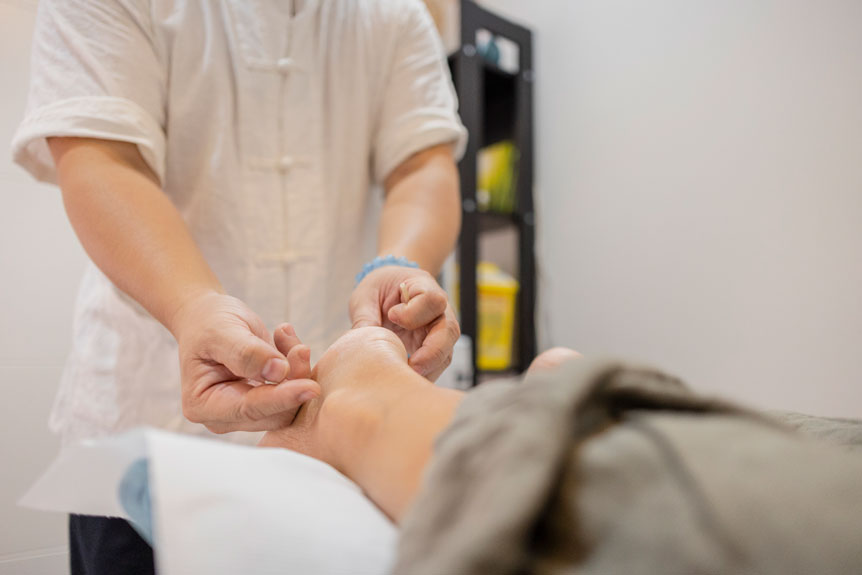
In session, therapists palpate for tenderness, texture change, and temperature differences, then choose pressure and rhythm that feel secure and respectful. Findings are checked against the client’s feedback in real time, keeping consent explicit and adjustments gentle. Charts also support documentation, helping track responses across visits and coordinate aftercare such as hydration, mindful breathing, and pacing activity. At Spa & Massage clinics, the chart remains secondary to the client’s lived experience and comfort throughout.
Conclusion
Zone therapy charts offer a useful orientation tool, not a diagnostic instrument or a guaranteed “organ fix.” Evidence most consistently supports zone therapy for relaxation, perceived stress reduction, and comfort, with outcomes shaped by expectations, touch, and individual variability. Point locations vary across traditions, so therapists treat charts like a compass rather than a GPS. In practice, clinicians integrate the map with client history, sensitivity, and response, tailoring pressure and focus to safe, realistic goals.