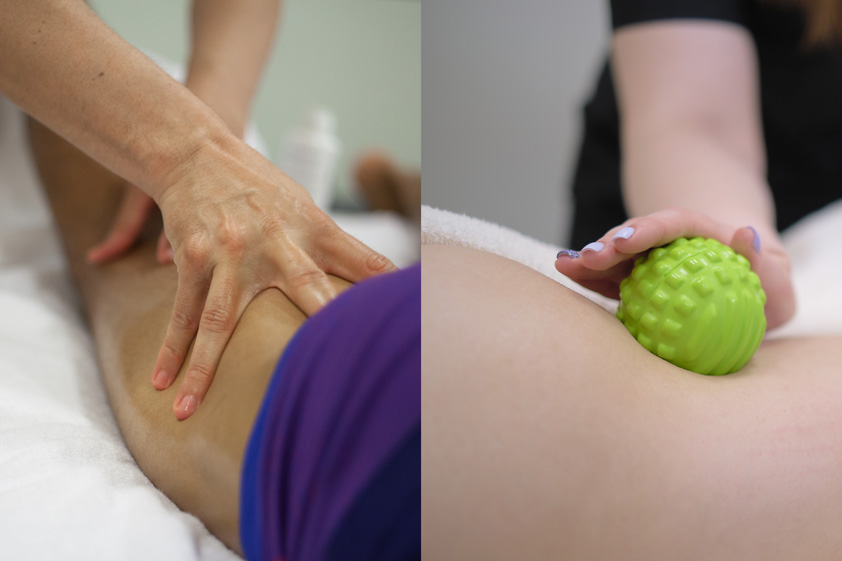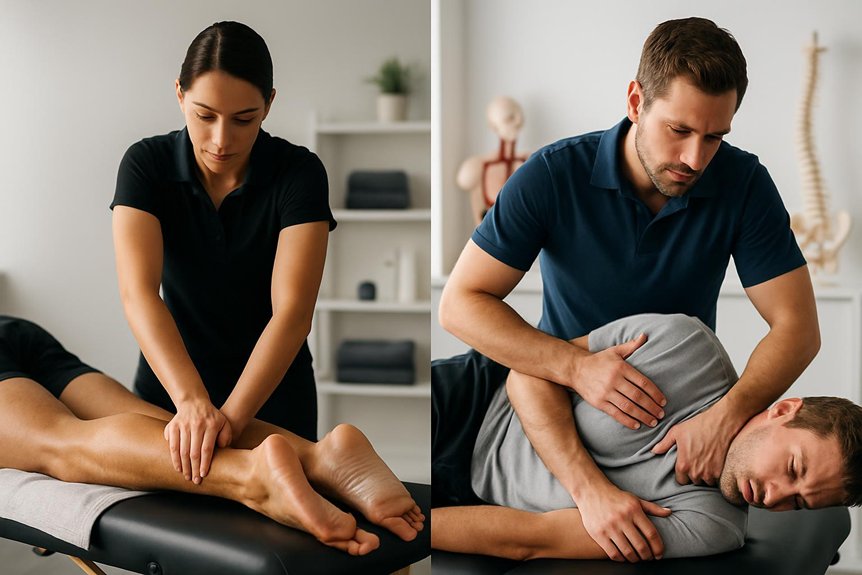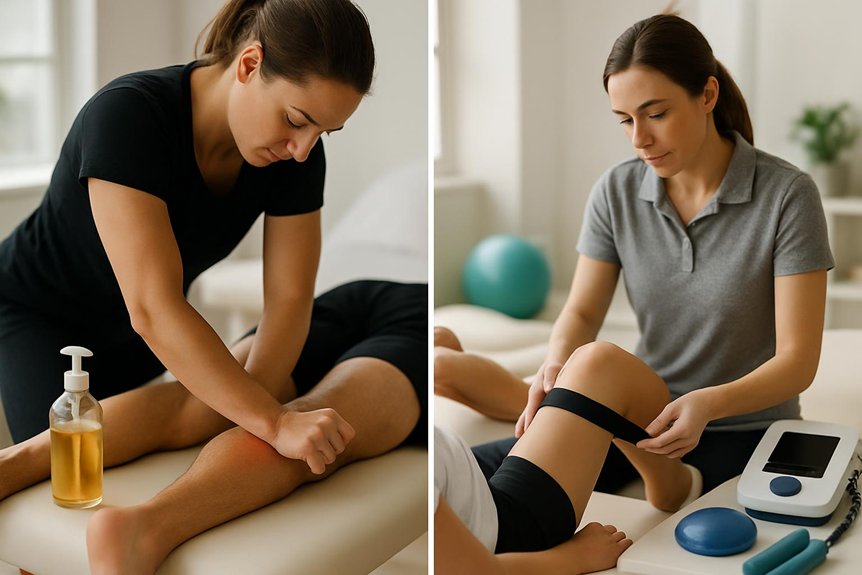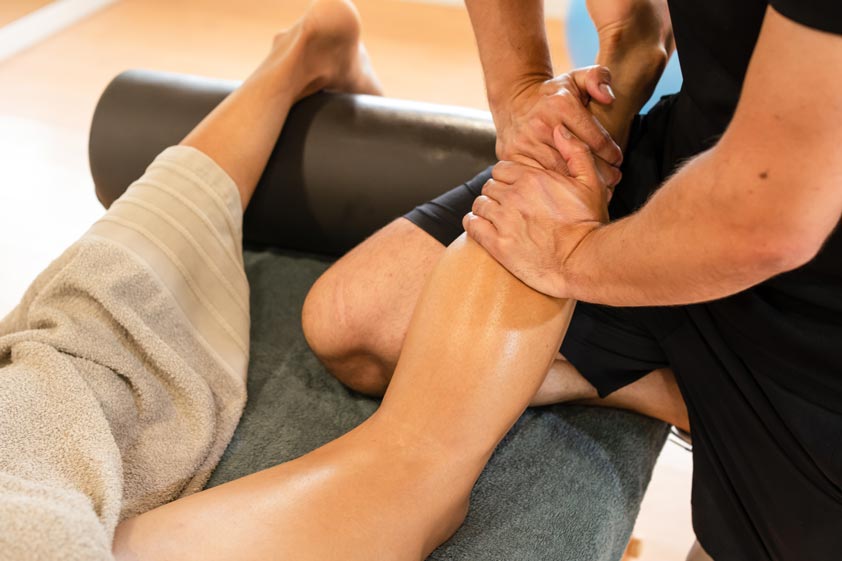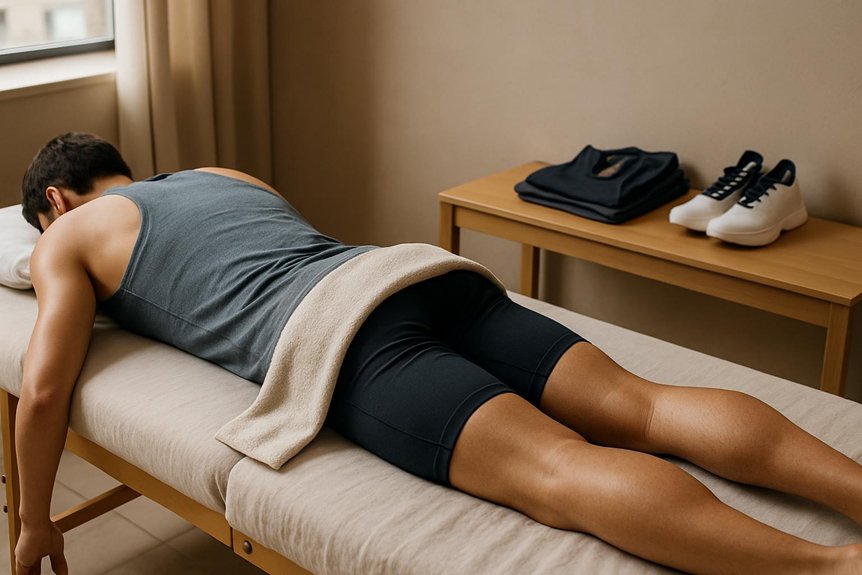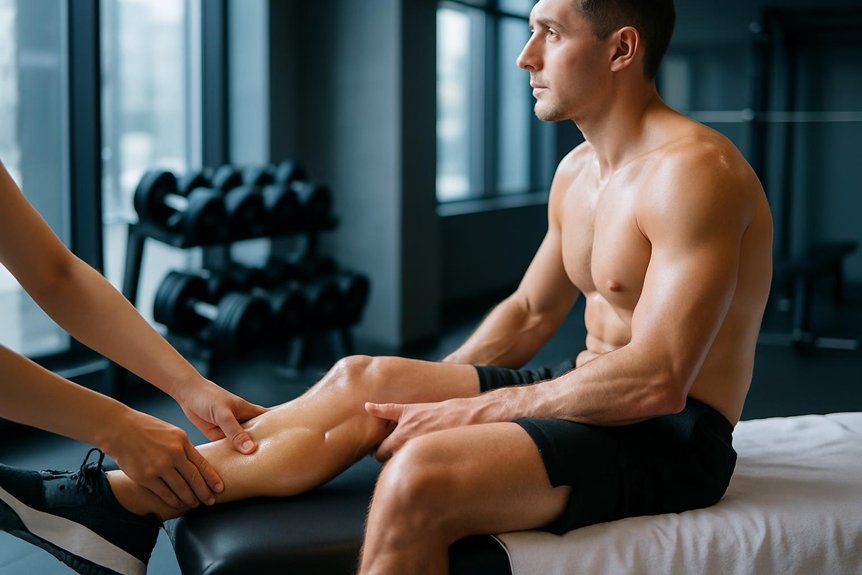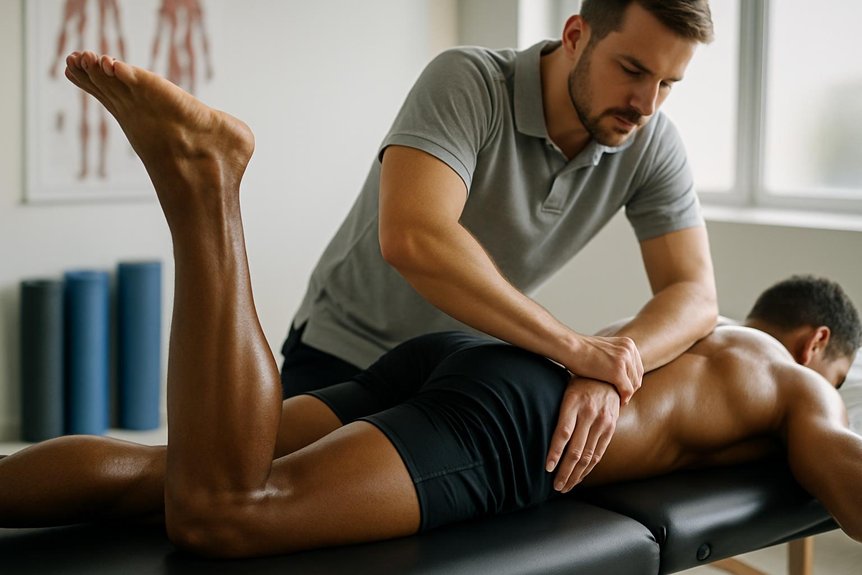
It can help flexibility in the short term by reducing persistently elevated muscle tone and improving soft-tissue glide around key joints. Therapists use targeted pressure, slow deep-tissue strokes, myofascial techniques, and trigger-point holds to desensitise guarded areas and restore smoother movement between tissues. Changes often feel immediate, but lasting gains usually require repeat sessions plus hydration and light active mobility drills to convert looseness into usable range. The sections below explain when it helps most and when it will not.
Can It Improve Flexibility? What to Expect
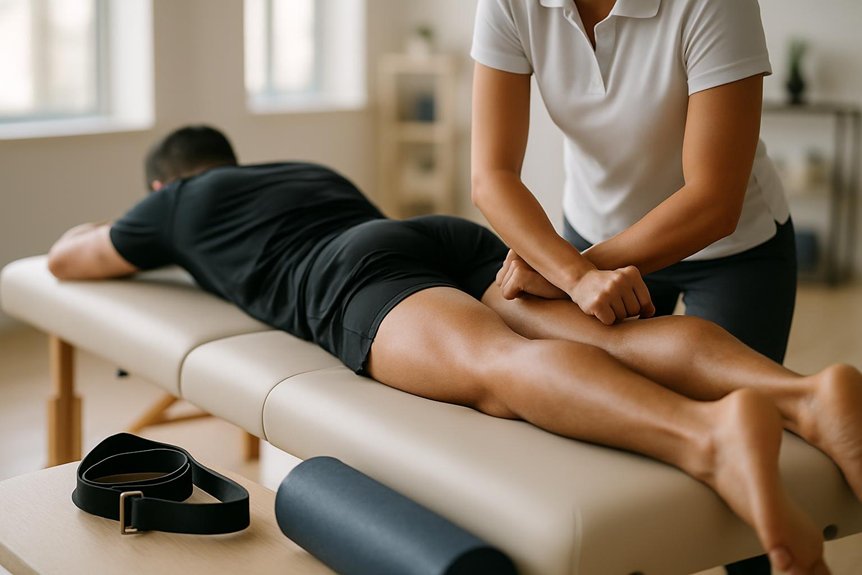
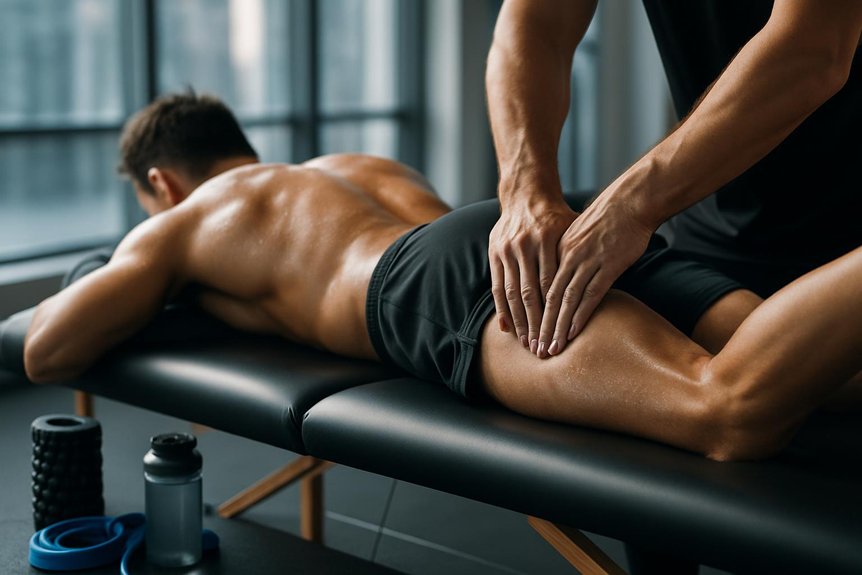
Loosen tight tissues and restore efficient movement patterns: athletic massage can support flexibility by reducing muscle tone where it is persistently elevated and by improving soft-tissue glide around key joints. As part of the broader benefits of athletic massage for athletes, it may also aid recovery and help maintain training consistency, which supports long-term mobility gains. At Spa & Massage clinics across London, therapists assess how a client’s training, posture, and tenderness influence restriction, then select specific methods—slow deep strokes, sustained compressions, and targeted friction around tendons—within comfort.
Clients can expect warmth, deep pressure that stays communicative, and a gradual “melting” sensation as breathing settles. Short-term gains often feel immediate, especially after work on calves, hip flexors, glutes, and thoracic tissues; lasting change typically requires repeat sessions alongside hydration and light active movement.
Aftercare includes gentle walking, warm showers, and avoiding maximal stretching for several hours.
Sports Massage vs Mobility vs ROM (Quick Definitions)
After the immediate “looser” feeling many clients notice post-treatment, it helps to separate what athletic massage can influence from what is measured as movement capacity.
It is a hands-on intervention using targeted pressure, gliding, and sustained holds to reduce perceived tension and sensitivity in specific tissues, often changing how movement feels in the moment.
Mobility refers to controllable, usable movement through a joint’s range, shaped by strength, coordination, and tissue tolerance.
Range of motion (ROM) is the measurable amount a joint can move—active (self-driven) or passive (moved by an external force).
In Spa & Massage clinics across London, therapists may reassess a client’s active ROM before and after treatment and pair findings with simple home mobility drills, so comfort and control improve together.
How It Helps Tight Muscles Loosen
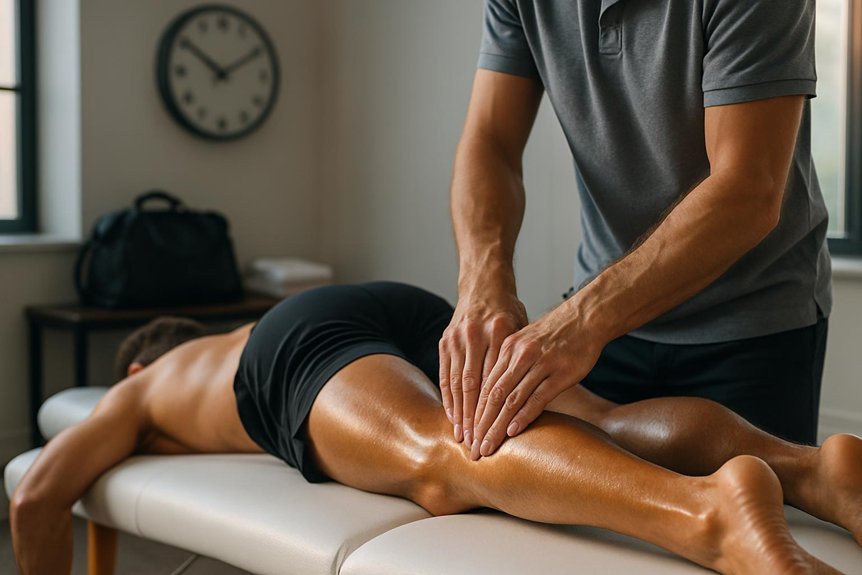
It can help tight muscles loosen by using targeted techniques that reduce muscle adhesions, improve local blood flow, and release trigger points associated with pain and restricted movement.
At Spa & Massage clinics across London, therapists apply evidence-informed deep tissue strokes, friction, and pressure-based trigger point work tailored to the client’s symptoms and tolerance to support safer, more comfortable range of motion.
These mechanisms are often most effective when paired with brief post-treatment mobility guidance, helping clients maintain the changes between sessions.
Reducing Muscle Adhesions
In many active Londoners, persistent tightness is linked less to “short” muscles and more to myofascial adhesions—areas where muscle fibres and surrounding fascia become bound and glide poorly after repeated load, micro‑strain, or prolonged sitting. It targets these restrictions to restore smooth movement between tissue layers, which can reduce the feeling of “stuck” range.
At Spa & Massage clinics, therapists typically combine slow, firm longitudinal strokes with specific cross‑fibre work and myofascial release, staying within a client’s tolerable intensity. This approach aims to desensitise guarded areas, soften densified bands, and re‑educate the tissue to lengthen under controlled pressure.
Clients are often guided to breathe deeply and relax the jaw and hands, helping the nervous system permit safer release. Aftercare may include gentle mobility and hydration to maintain newly improved glide.
Improving Blood Flow
Through targeted mechanical pressure and rhythmic strokes, it can improve local circulation in tight muscles, supporting the delivery of oxygen and nutrients while assisting the clearance of metabolic by‑products that contribute to soreness and protective guarding. At Spa & Massage clinics across London, therapists often combine slow effleurage to warm tissue with deeper, gliding petrissage to encourage venous and lymphatic return, helping congested areas feel lighter and more responsive.
Increased perfusion can reduce perceived stiffness and support smoother sliding between muscle layers, which may allow a greater, more comfortable range of motion during stretching and movement. Sessions are tailored to sensitivity and training load, keeping pressure intentional rather than forceful. Aftercare typically includes hydration, gentle mobility, and brief heat to sustain that relaxed, open feeling.
Releasing Trigger Points
Releasing trigger points can help tight muscles relax and move more freely by reducing the sensitivity and protective “holding” that often develops around overworked tissue.
In it, therapists often locate these tender nodules through slow palpation, then apply sustained pressure, small friction strokes, or gentle stripping along the fibre direction to calm local irritability and restore glide between layers. Evidence suggests this can reduce pain sensitivity and improve short-term range of motion, especially when paired with controlled breathing and gradual stretching.
At Spa & Massage clinics across London, treatment is paced to the client’s comfort, with clear consent and check-ins, so the work feels close, safe, and purposeful.
Aftercare typically includes hydration, light movement, and avoiding heavy loading for 24 hours.
When Athletic Massage Improves Flexibility Most (3 Cases)
For many active Londoners, athletic massage tends to improve flexibility most in three practical scenarios: when soft-tissue restriction is the primary limiter (rather than joint structure), when training load has created short-term tightness that responds to targeted hands-on work, and when massage is paired with a clear mobility plan.
First, when muscles and fascia feel “bound,” therapists at Spa & Massage use slow deep-tissue strokes, myofascial release, and pin-and-stretch to reduce tone and restore glide, making range feel easier and more intimate in the body.
Second, after heavy running, lifting, or cycling, focused work on calves, hip flexors, glutes, and thoracolumbar fascia can rapidly ease protective guarding and let joints move freely.
Third, flexibility gains last longest when clients leave with two or three precise drills—breath-led stretches and controlled end-range lifts—matched to their goals.
When Athletic Massage Won’t Change Flexibility Much
It may have limited impact on flexibility when range is constrained by structural restrictions such as longstanding scar tissue, post-surgical changes, or joint anatomy that manual techniques cannot meaningfully remodel. In Spa & Massage clinics, therapists screen for these factors and focus sessions on symptom relief, tissue tolerance, and movement quality rather than promising large range-of-motion gains.
Flexibility improvements can also plateau if clients do not change daily movement habits, so treatment is typically paired with specific, repeatable mobility work to reinforce any short-term gains.
Structural Restrictions And Scarring
Although manual therapy can improve soft-tissue extensibility, certain limits to flexibility are largely structural—such as post-surgical scarring, long-standing adhesions, joint capsule stiffness, or bony anatomy—and may change only modestly with athletic massage. In these cases, pressure alone cannot “melt” scar tissue; evidence suggests massage may instead improve local circulation, reduce protective tone, and ease discomfort around the restricted area, allowing small, meaningful gains.
At Spa & Massage clinics across London, therapists typically use slower, targeted deep-tissue strokes, myofascial techniques, and gentle scar mobilisation (when appropriate and cleared) to desensitise and soften surrounding tissues while respecting healing timelines. A client-centred approach prioritises comfort, consent, and clear expectations, with adjustments made session by session to support safer movement and confidence.
Limited Movement Habit Change
Changing long-held movement habits is often the main limiter when flexibility fails to improve, even with well-delivered athletic massage. If a client repeatedly guards a hip, breathes shallowly, or avoids end-range positions, the nervous system maintains protective tension and restricts range despite softer tissue. Massage can reduce tone and discomfort, but it rarely rewires daily motor patterns on its own.
At Spa & Massage clinics across London, therapists pair athletic massage with clear, intimate coaching: slow nasal breathing, graded exposure to the “tight” range, and brief mobility drills matched to the client’s sport and schedule. Evidence supports combining manual therapy with active movement practice for lasting change. Without consistent home repetition—two to five minutes, most days—gains often fade between sessions.
Athletic Massage Techniques We Use to Boost Flexibility
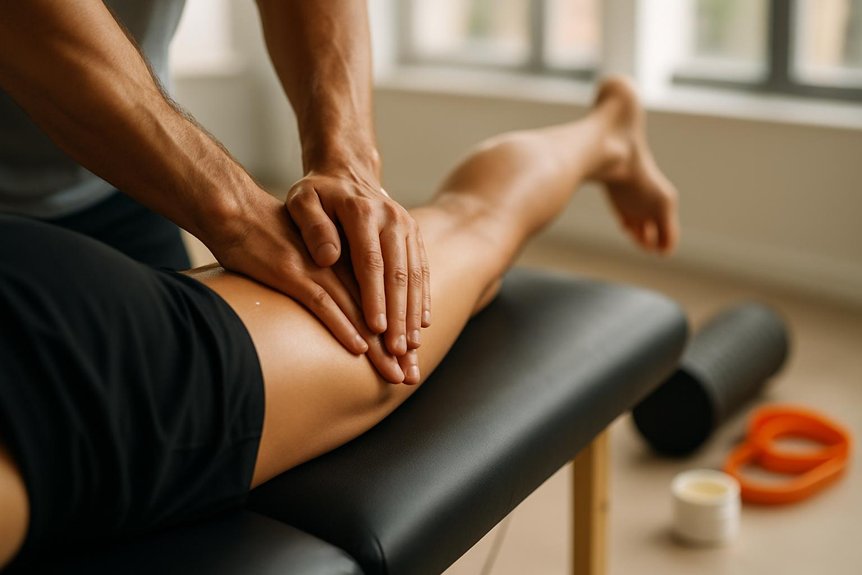
In Spa & Massage clinics across London, flexibility gains are supported through athletic massage techniques that target tissue stiffness, restore normal glide between muscle layers, and reduce protective muscle guarding.
Therapists typically begin with slow effleurage to warm tissue and assess tone, then use targeted myofascial release to soften fascial restriction and improve sliding surfaces.
Deep tissue strokes follow the muscle fibre direction to reduce localized hypertonicity, while cross-fibre friction is applied to stubborn adhesions around tendons.
When trigger points limit range, sustained ischemic compression is used, paired with calm breathing to downshift the nervous system.
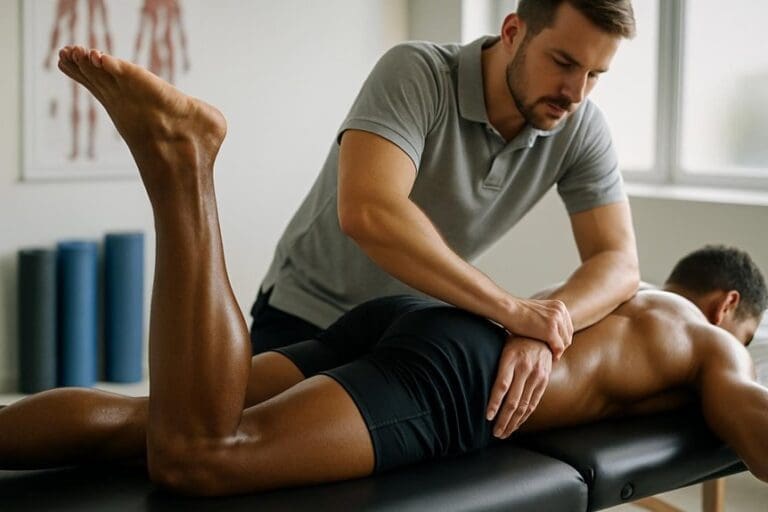
To integrate change, therapists add gentle muscle energy techniques: the client meets light resistance, then relaxes as the limb is guided into a safer, more open range.
How Often to Get Athletic Massage for Flexibility
Often, the most reliable flexibility gains come from scheduling athletic massage at a cadence that matches tissue load, training volume, and how quickly tightness returns between sessions. Evidence suggests short-term range-of-motion improvements are most noticeable when sessions are consistent, then tapered as mobility stabilises.
At Spa & Massage, many active clients start with weekly sessions for 3–4 weeks to calm protective tone and rehydrate stiff fascia, then move to every 2–3 weeks for consolidation. For heavy training blocks or recurrent “grabby” hips, calves, or shoulders, a 7–10 day rhythm can help keep tissues supple without over-irritating them. For maintenance, monthly appointments often suffice.
Therapists adjust frequency using soreness response, movement testing, and the client’s comfort with deep, close work.
Aftercare Stretches After Athletic Massage (5 Minutes)
After an athletic massage, a brief, low-intensity stretching routine can help retain the session’s short-term range-of-motion gains by encouraging relaxed neuromuscular tone and comfortable movement through newly eased tissues.
At Spa & Massage clinics, therapists suggest five minutes of slow, nasal-breathing stretches held 20–30 seconds, staying at 3–4/10 intensity—never sharp pain. Sequence: (1) Supine hamstring strap stretch, knee softly bent; (2) Half-kneeling hip-flexor stretch with gentle posterior pelvic tilt; (3) Wall calf stretch, heel heavy; (4) Doorway chest opener to reduce protective shoulder tension; (5) Child’s pose with side reach for lats.
Between holds, exhale longer than inhale to downshift.
Hydration and a short walk support circulation and comfort.
Conclusion
It can support flexibility by reducing soft‑tissue tension and improving how muscles tolerate stretch, but it works best as part of a broader mobility plan. Like loosening a knot in a rope, targeted pressure, myofascial release, and assisted stretching can help tissues glide and joints access a fuller range. Results are most noticeable when tightness is driven by overuse, stress, or posture, and when sessions are paired with simple, consistent aftercare.