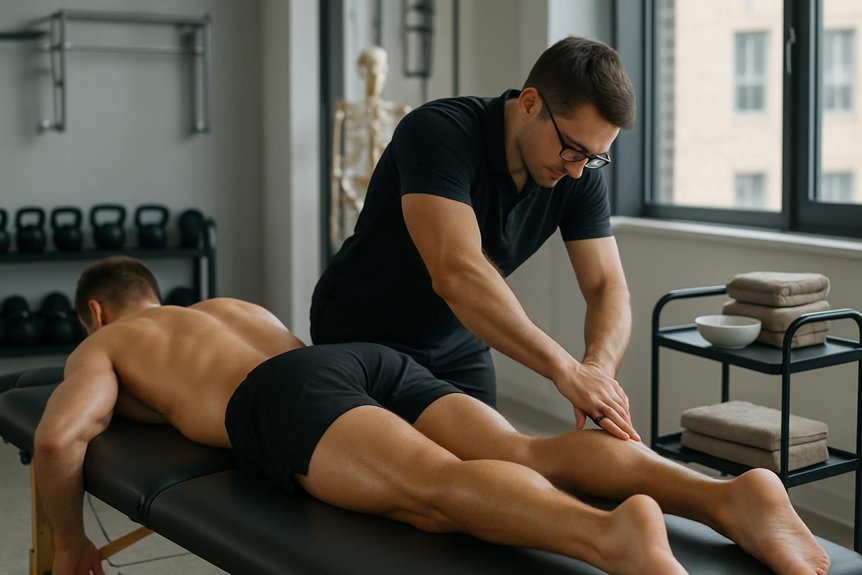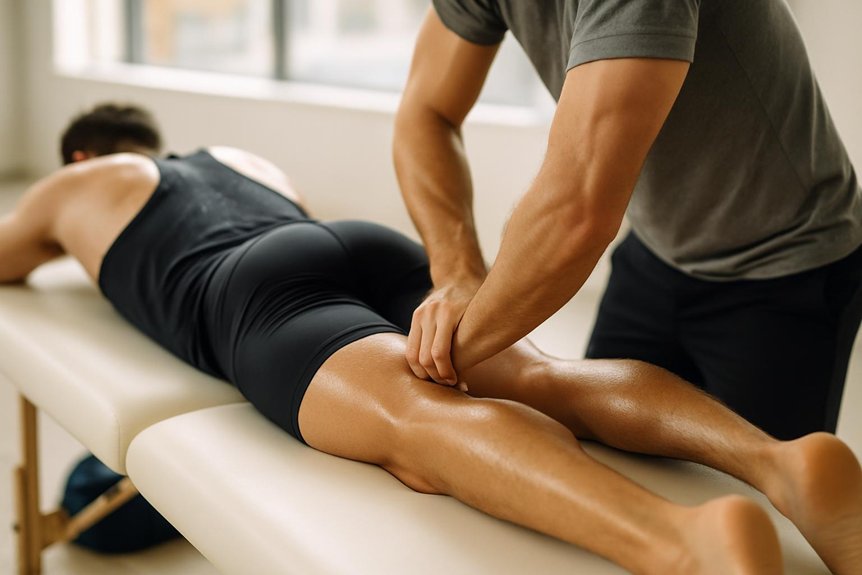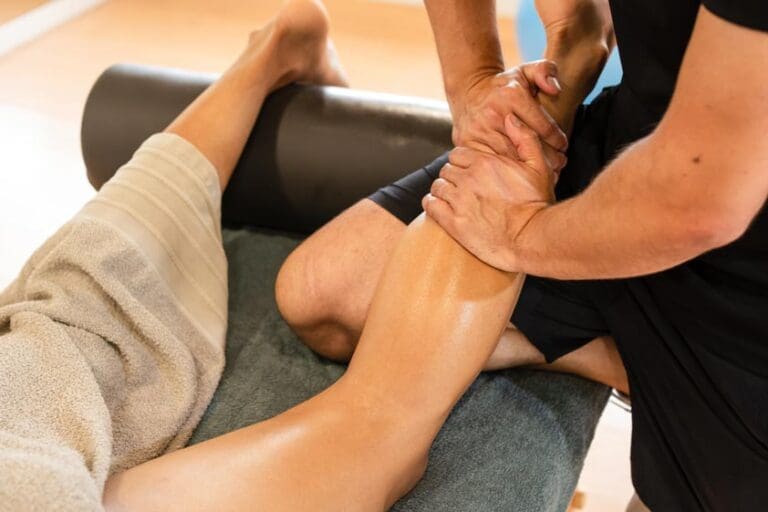
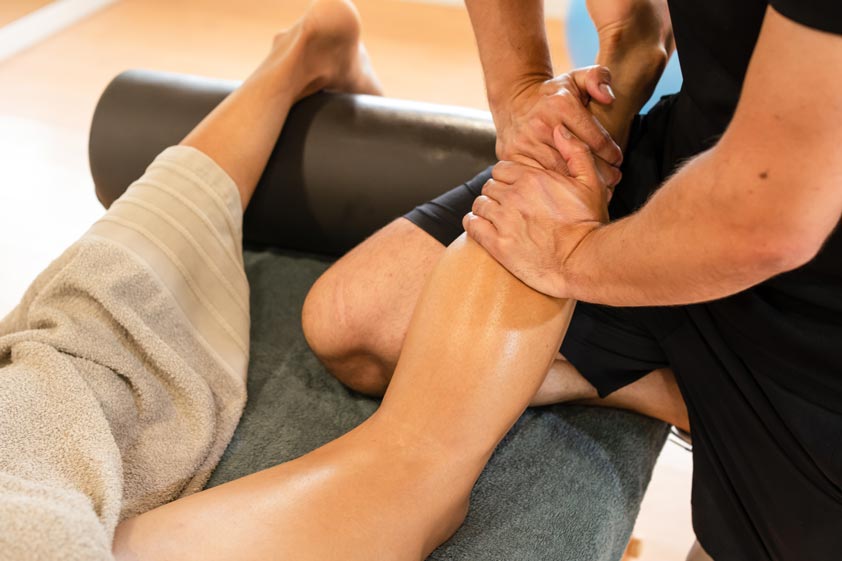
A typical tip for a performance massage is 10–15% of the session price (often £5–£20), given as a voluntary thank-you for excellent care rather than an expectation. Some clients prefer a simple fixed amount such as £5–£15, for example £6–£9 on £60 or £10–£15 on £100. In London clinics, transparent pricing means tipping should never feel pressured or used to influence care. Further guidance can help tailor the amount.
How Much Should You Tip for a Sports Massage?
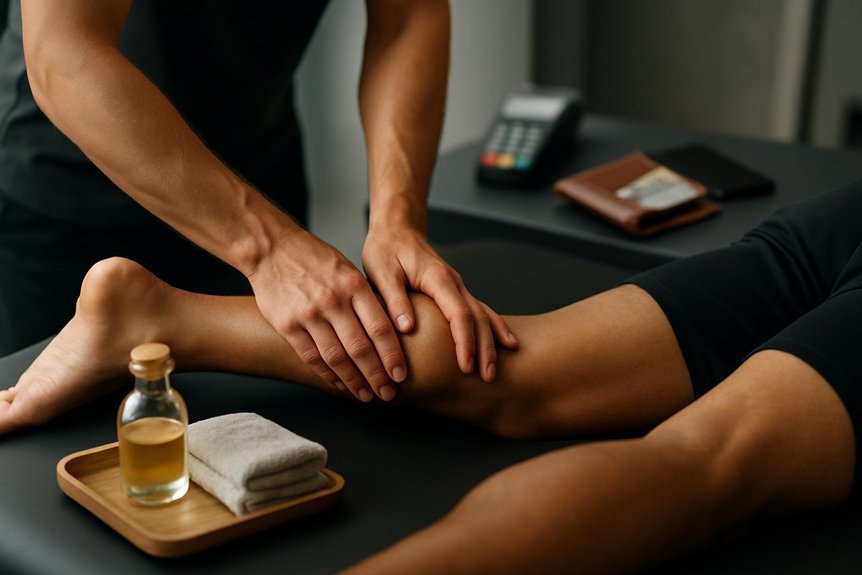
How much should a client tip for a performance massage? In London clinics, many clients choose a gratuity of 10–15% for excellent care, though a fixed £5–£15 can feel simpler and equally thoughtful. Evidence from service research suggests tips are most satisfying when they match perceived value, not pressure.
Because the session is designed with athletic performance and recovery in mind, performance massage benefits can include improved flexibility, reduced muscle tension, and support for post-training soreness.
At Spa & Massage, tipping is optional and never a condition of attentive, respectful treatment. A client may consider the therapist’s skill, communication, and the comfort created—such as careful draping, consent-led pressure changes, and aftercare guidance like hydration and gentle mobility. If budgets are tight, sincere feedback, rebooking, or recommending the clinic can express appreciation without compromising wellbeing. Cash or card are both acceptable.
Is Tipping Expected for Performance Massage in London?
In London, tipping for performance massage is generally appreciated rather than assumed, and expectations can vary by setting and whether a service charge is already included.
At Spa & Massage clinics, clients are guided to base any tip on the quality of care and personal comfort, with no pressure or implied obligation.
For those who prefer not to tip, ethical alternatives include giving clear feedback, rebooking with the same therapist, or recommending the clinic to others.
London Tipping Norms
Across London’s wellness sector, tipping for a performance massage is generally appreciated rather than expected, with most clinics—including Spa & Massage—pricing treatments to reflect therapist expertise and the full service delivered.
In practice, many Londoners prioritise clear communication, respectful boundaries, and consistent clinical standards over extra payments. Where clients do choose to tip, it is typically a personal gesture of gratitude for attentive care—such as thoughtful pressure calibration, discreet draping, and unhurried aftercare guidance—rather than an obligation.
Spa & Massage supports an ethics-led approach: therapists should never solicit tips, and clients should never feel that generosity influences treatment quality.
For clients seeking a more intimate, restorative experience, the most meaningful “tip” is often sharing preferences, comfort levels, and recovery goals, enabling truly tailored work.
When Tipping Is Expected
Tipping is rarely expected for performance massage in London, as reputable clinics typically set transparent treatment prices that already reflect therapist qualifications, session length, and the clinical standard of care.
In most clinic settings, including Spa & Massage locations across London, clients are not obliged to add anything, and therapists are trained to deliver the same attentive, respectful care regardless.
Tipping may feel more expected when a session is arranged privately, delivered in a hotel, or booked as a concierge-style service where gratuities are customary.
It can also arise when a client requests significant out-of-hours flexibility, last-minute changes, or unusually extended hands-on time beyond the booked treatment.
Even then, the most ethical approach is consent-based: clients should tip only if it feels comfortable, unpressured, and aligned with personal boundaries.
Alternatives To Tipping
Rather than offering cash gratuities, many clients choose alternatives that support high clinical standards and respect professional boundaries—such as leaving a specific review, recommending the therapist to friends, or booking follow-up sessions in line with an agreed treatment plan.
In London, performance massage is often positioned as a skilled, outcomes-led service, so appreciation is best expressed through actions that improve continuity of care and informed choice.
At Spa & Massage clinics, clients can share concise feedback on pressure, comfort, and results, which helps therapists refine treatment in a way that feels personal and safe.
Purchasing a gift voucher, committing to a recovery-focused package, or arriving on time for unrushed consultation also supports ethical practice.
Above all, clear communication about preferences is the most intimate form of respect.
Performance Massage Tips in London: Typical Amounts
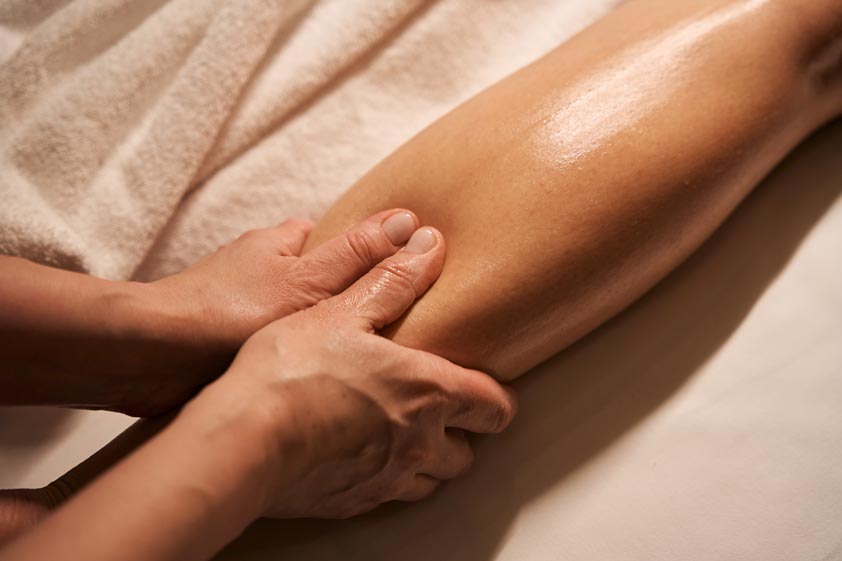
In London, performance massage tips are most often modest—commonly around 10–15% or a rounded £5–£15—reflecting client satisfaction rather than obligation.
Many clients scale the amount to the session price (for example, a small fixed tip for lower-cost treatments and a percentage for longer or higher-priced sessions), keeping the gesture proportionate and transparent.
Where tipping is offered, it is typically given in cash or added by card when the clinic’s payment system allows, with ethical practice ensuring clients feel comfortable choosing either option or none.
Typical London Tip Range
For most performance massage appointments in London, a tip of around 10–15% (or roughly £5–£20, depending on treatment length and price) is a common benchmark when a client chooses to leave gratuity. This aligns with wider London service norms and helps clients express appreciation without pressure.
At Spa & Massage clinics across Crouch End, Bayswater, Chiswick, Earl’s Court, Belsize Park, and Richmond, tipping is always optional and never affects the quality of care. An ethical approach is to tip only when the client feels genuinely supported—through attentive communication, respectful boundaries, and skilful, tailored work.
When a session feels especially grounding or helps a client move with less discomfort, a modest gratuity can mirror that relief. Otherwise, a sincere thank-you is enough.
Tipping By Session Price
Use the session price as a practical anchor when deciding on a performance massage tip in London: many clients who choose to tip default to about 10–15% of the treatment cost, then round to a straightforward amount.
On a £60 session, that often becomes £6–£9, rounded to £5 or £10 depending on budget and satisfaction.
For £80, £8–£12 commonly rounds to £10.
For £100, £10–£15 is typical.
Higher-priced, longer sessions may reflect complex goals—injury support, event prep, or focused recovery—so some clients tip toward the upper end when care feels especially attentive and effective.
In Spa & Massage clinics, therapists prioritise consent, comfort, and clear communication; a tip should feel like warm appreciation, never obligation.
Cash Or Card Options
Across London clinics, performance massage tips are most commonly offered either as cash handed directly to the therapist or as an added amount when paying by card at reception. Cash can feel more personal and immediate, yet clients may prefer the privacy of card payments, especially after an intense session.
At Spa & Massage locations in Crouch End, Bayswater, Chiswick, Earl’s Court, Belsize Park, and Richmond, reception teams can advise discreetly on whether card gratuities are available and how they are processed.
Evidence-informed practice prioritises consent and boundaries: tipping should never be requested, and service quality should remain consistent regardless. If unsure, clients can ask quietly, “Is adding a tip on card possible?” or offer sealed cash with thanks.
How to Choose a Performance Massage Tip (5 Factors)
Choose a performance massage tip by weighing five practical factors that reflect the session’s value and professionalism: the therapist’s clinical skill and time spent, the complexity and intensity of the work (for example, targeted deep tissue techniques and stretching), the length of the appointment, the client’s overall experience (including communication, consent, and comfort), and what the client can realistically afford.
At Spa & Massage, tipping is optional; thoughtful feedback and rebooking also support quality care.
A higher tip may feel appropriate when assessment is thorough, technique is precise, and the therapist adapts pressure respectfully, checks in, and maintains clear boundaries.
Consider whether aftercare guidance is personalised—such as hydration, gentle mobility, and pacing training load—because evidence-informed advice improves outcomes.
The tip should remain voluntary, private, and never used to “buy” extra attention.
Should You Tip More for Longer or Intense Performance Massage?
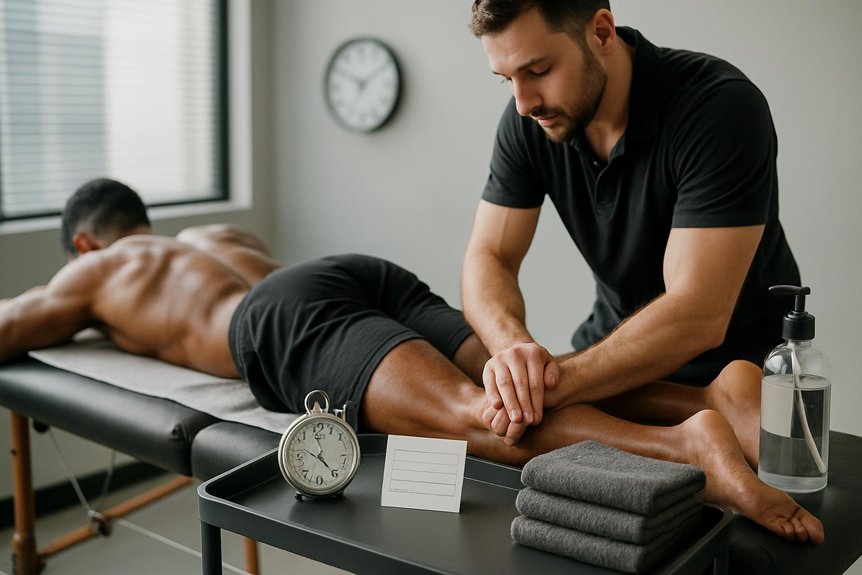
Consider duration and intensity as context—not obligation—when deciding whether to tip for a performance massage.
Longer sessions can involve more assessment, sustained pressure, and careful pacing, which may feel more deserving of gratitude, but tipping should reflect overall experience, not minutes alone.
Intense work is also not automatically “worth more”: skilled therapists modulate depth safely, prioritising consent and tissue response, and clients should never feel pressured to reward discomfort.
At Spa & Massage clinics, therapists focus on results, clear communication, and comfort within intensity, including check-ins on pain scale and aftercare guidance.
If a longer or deeper treatment noticeably improves movement, reduces soreness, and feels respectful, a slightly higher tip can be a warm, personal thank-you.
Tipping on Performance Massage Packages and Memberships
Length and intensity may shape how a client feels about showing appreciation, but packages and memberships introduce a different question: how to tip fairly when several performance massages are prepaid or discounted.
At Spa & Massage, a practical approach is to tip per session based on the value delivered, not the discounted price. Many clients choose 10–15% of the usual single-session rate, adjusting upward when a therapist provides exceptional, attentive work—such as tailored deep-tissue pressure, careful work around an old injury, or thoughtful aftercare guidance.
If tipping each visit feels awkward, clients can set a consistent amount and keep it steady across the package. Ethically, tipping should remain voluntary; it is most meaningful when it reflects genuine gratitude and comfort, never obligation.
Is It Better to Tip Performance Massage in Cash or by Card?
In most London clinics, both cash and card tips are acceptable for performance massage, and the “better” option depends on transparency, convenience, and the client’s intent.
Cash can feel more personal and immediate, especially after close, hands-on care, and it avoids uncertainty about how tips are pooled or processed.
Card tipping is often easier and supports clear record-keeping, which can align with ethical, traceable payment practices.
At Spa & Massage clinics across London, clients are encouraged to choose whichever method feels comfortable and respectful, while confirming how tips are allocated if that matters to them.
For clients who value discretion, cash in an envelope can be simplest.
For clients who prefer seamless checkout, adding a tip by card can preserve the calm aftercare moment.
What to Do if You Don’t Want to Tip After Performance Massage
If a client doesn’t want to tip after a performance massage, the most appropriate approach is simply to complete payment politely and without apology, since tipping in London is customary for some but not a requirement. A quiet “thank you” and direct payment protects dignity on both sides and keeps the interaction warm, unpressured, and clear.
If the massage met clinical goals, the most ethical “gratitude” is honest feedback: noting reduced tightness, easier movement, or calmer breathing. At Spa & Massage clinics, therapists value this information because it guides future treatment plans and aftercare. If something felt uncomfortable or expectations were missed, it is better to say so gently at reception or by email, rather than using tipping to signal dissatisfaction. Clients can also rebook, recommend, or leave a brief review instead.
Conclusion
In London, performance massage tipping is less like a rule and more like adjusting a training plan: guided by context, not guesswork. One Soho clinic’s feedback log found most gratuities clustered around 10% or a £5–£10 note—small, consistent “recovery reps” rather than grand gestures. Where clinical outcomes and ongoing care matter, transparency and consent come first; a tip is optional, never owed. If declining, a clear thank-you and review can carry weight.