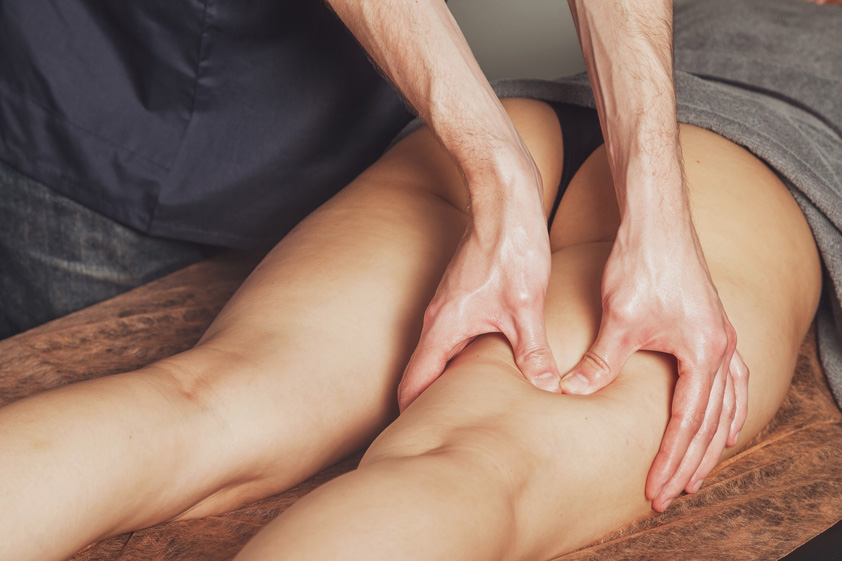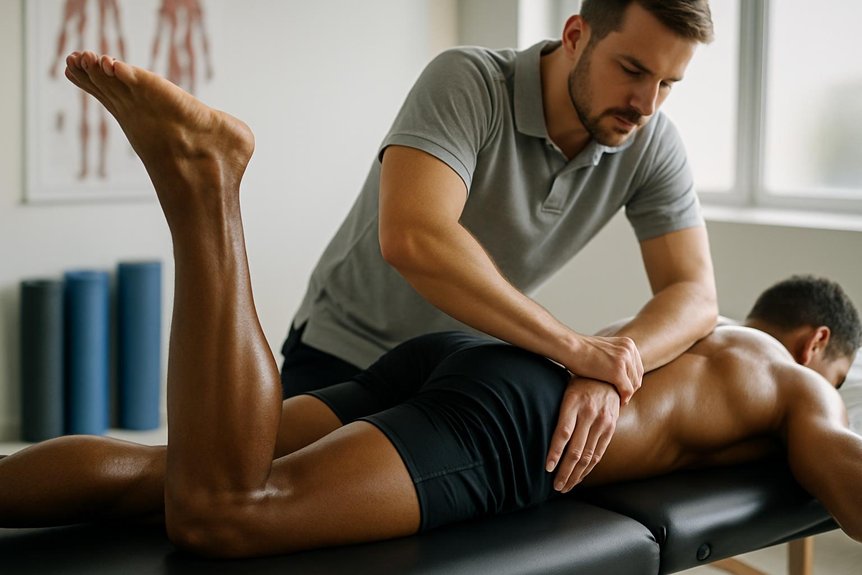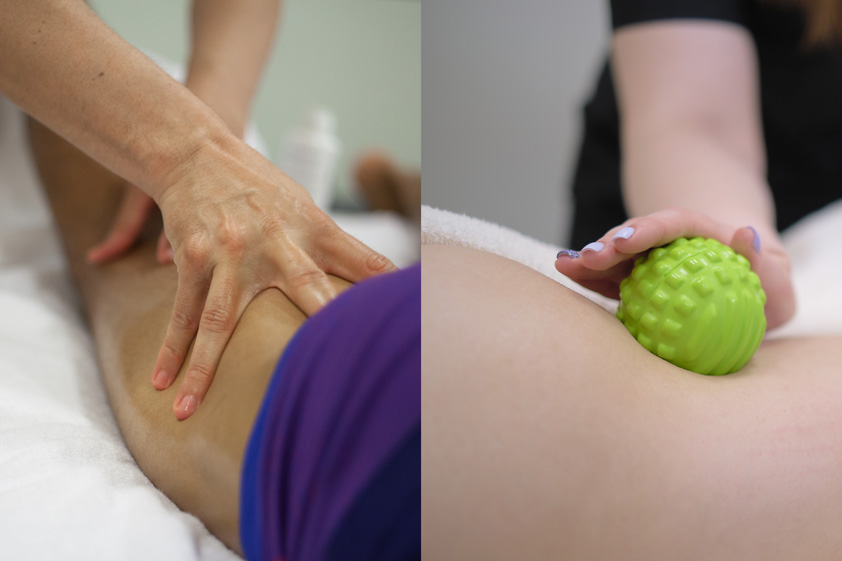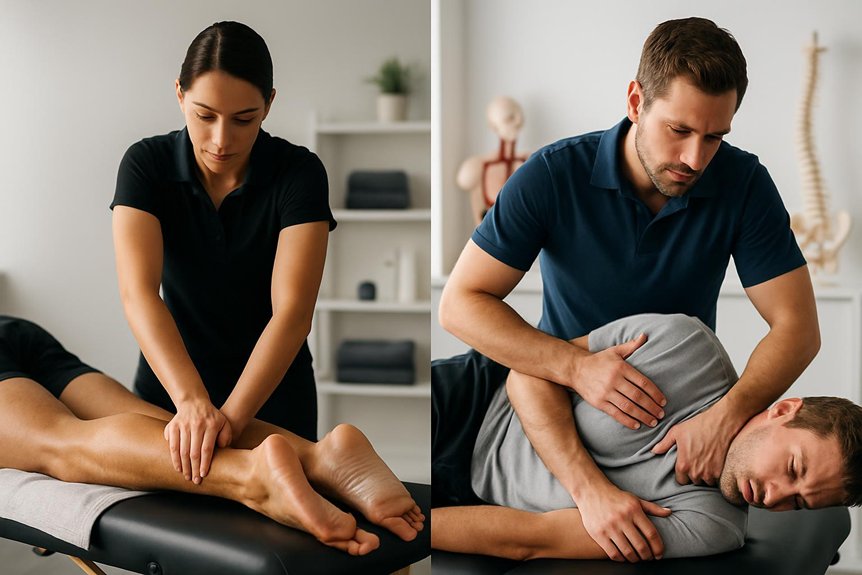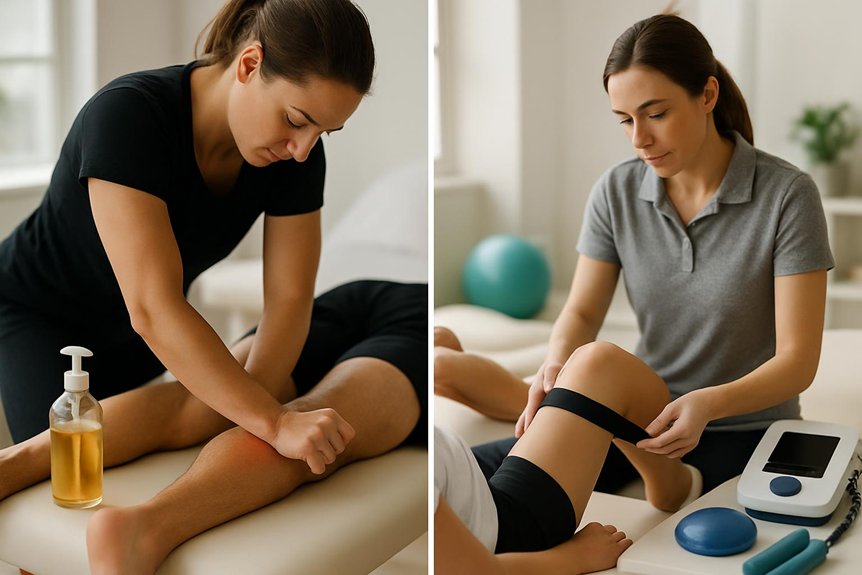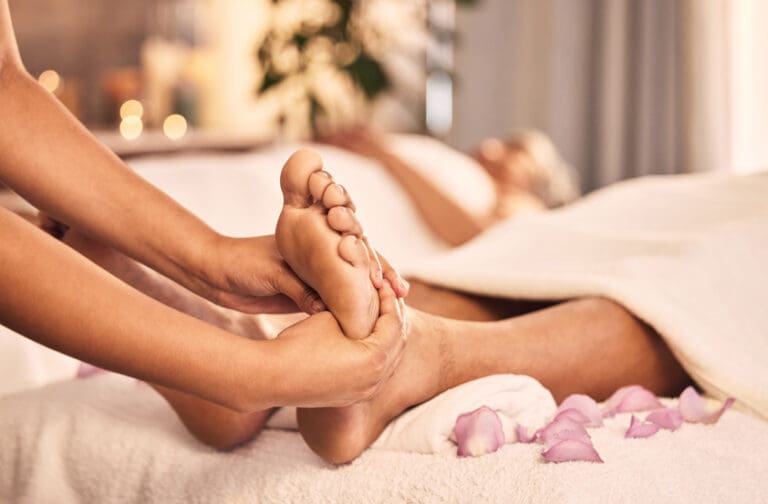
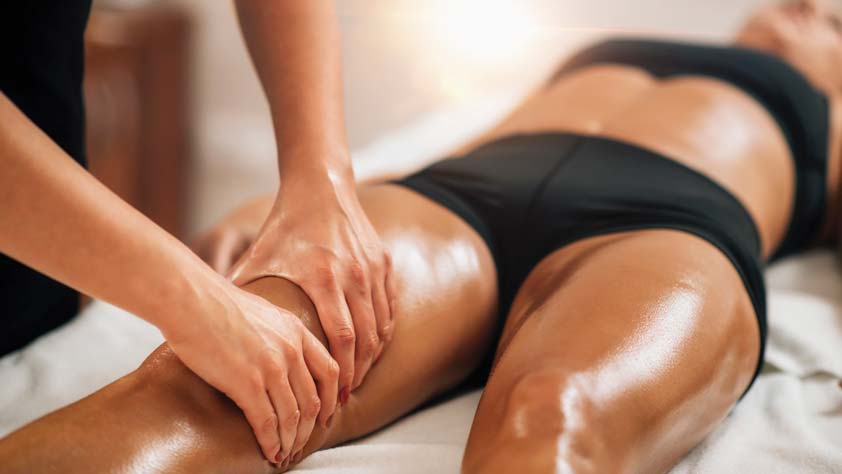
Athletic massage frequency should match training load and technique depth. For light-to-moderate training, many people do well with a maintenance session every 2–4 weeks, while heavy blocks (5+ sessions per week, double days, added strength work) often suit weekly care. Those new to athletic massage commonly start monthly, then move to every 2–3 weeks as volume rises. Lighter flush work can fit 2–24 hours post-session; deeper work is usually best 24–72 hours later. The sections below explain how to tailor this to races, soreness, and injury.
How Often Should You Get an Athletic Massage?
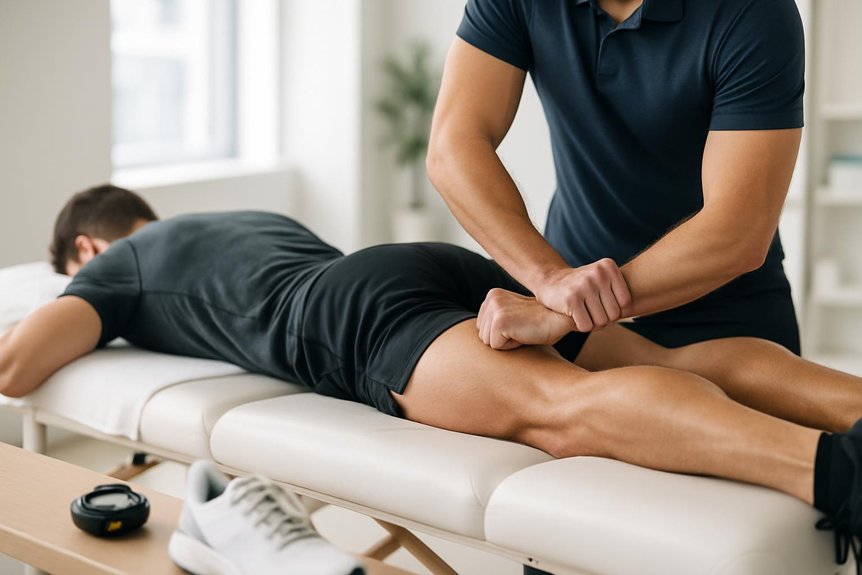
Often, the right athletic massage frequency depends on training load, injury history, and recovery capacity rather than a fixed schedule. At Spa & Massage clinics across London, therapists assess soreness patterns, range of motion, sleep quality, and session timing to decide when hands-on work will most support performance and comfort.
During heavy blocks, more frequent sessions may help manage tightness and maintain tissue glide; during lighter phases, spacing sessions can allow adaptation.
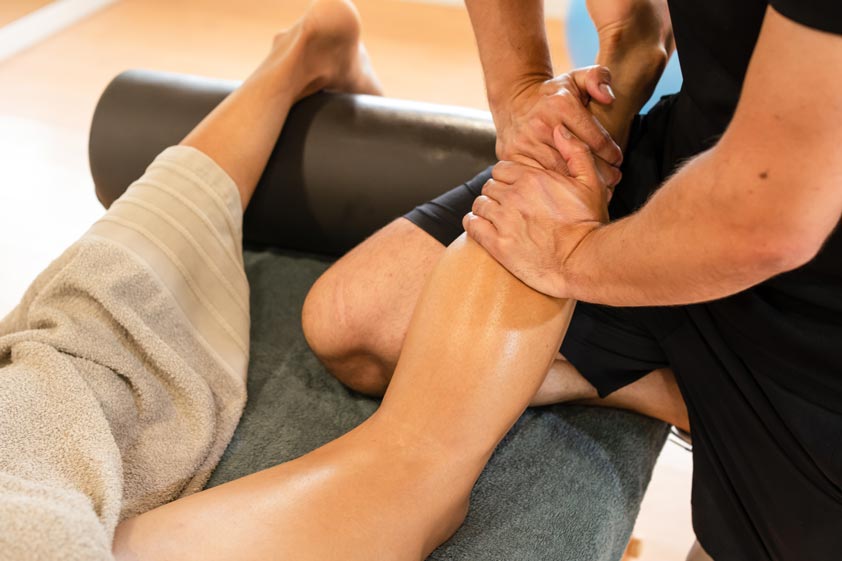
Technique also guides timing. A deep, slow, muscle-stripping approach or sustained trigger point work may require longer recovery than lighter flushing, compression, and active-release sequences.
Regular sessions can support athletic recovery by promoting comfort and readiness between training cycles. Clients are encouraged to notice tenderness, warmth, and ease of movement afterward, then adjust bookings to feel consistently supple, safe, and ready.
Sports Massage Frequency: A Quick Rule-of-Thumb
Rather than relying on a fixed timetable, a practical rule-of-thumb is to match athletic massage frequency to training stress and tissue response: light-to-moderate training typically suits a session every 2–4 weeks, heavy training blocks or rising tightness may warrant weekly or fortnightly work, and acute pain or suspected injury should be assessed before booking.
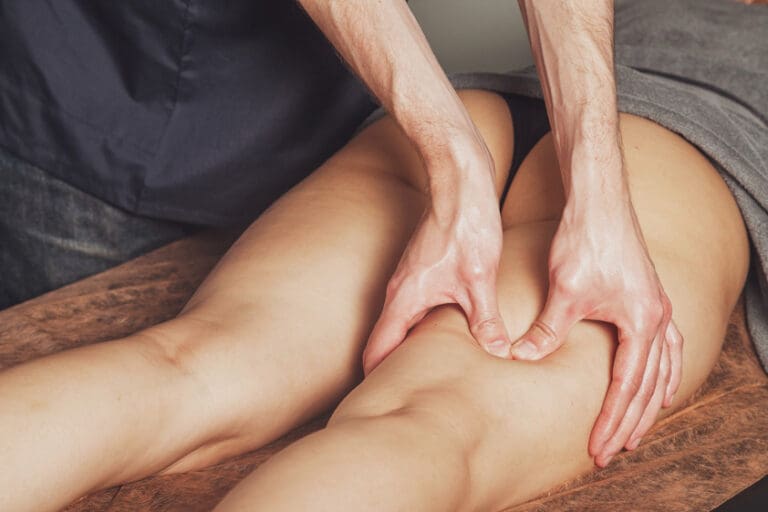
At Spa & Massage clinics across London, therapists confirm this by palpating tone, glide, and tenderness, then choosing technique: slower deep-tissue strokes for dense, guarded areas; compressions and active release to restore length; and gentler flushing to support recovery.
The best guide is the body’s “after”: reduced ache within 24–48 hours, freer range of motion, and easier breathing. If soreness lingers or sleep worsens, pressure and pacing should be softened next time.
How Often Based on Your Training Load?
Typically, athletic massage frequency should scale with training load because higher weekly volume and intensity increase muscle tone, fascial stiffness, and delayed-onset soreness, which in turn can restrict range of motion and alter movement quality.
For light training (1–2 sessions/week), many clients do well with a massage every 3–4 weeks to keep tissues supple. With moderate loads (3–4 sessions/week), fortnightly sessions often support recovery and maintain comfortable mobility. During heavy blocks (5+ sessions/week, double days, or added strength work), weekly massage can help downshift guarding and restore ease.
At Spa & Massage, therapists adjust depth, tempo, and techniques—slow deep-tissue strokes, myofascial release, and targeted trigger-point work—based on tenderness, sleep, and post-session response.
How Often Do Competitive Athletes Get Athletic Massage?
Training load is a useful starting point, but competitive athletes often schedule athletic massage around the demands of their sport calendar—training camps, high-intensity blocks, travel, and competition.
Many book weekly sessions during heavy blocks, then taper to every 2–4 weeks in maintenance phases, increasing again in the 7–10 days pre‑event for tune‑ups. Evidence-informed practice prioritises outcomes: reducing soreness, preserving range, and supporting tissue capacity without blunting training adaptation.
At Spa & Massage clinics in London, therapists often use targeted deep tissue and sports techniques—myofascial release, trigger point work, and flushing strokes—then reassess tone, tenderness, and mobility each visit.
After long travel or multi‑day events, athletes commonly schedule within 24–48 hours for gentle recovery-focused work and soothing oil where suitable.
New to Athletic Massage: What’s a Sensible Schedule?
For those new to athletic massage, a sensible starting point is one session per month to assess tissue response and target common problem areas with evidence-informed techniques used in Spa & Massage clinics.
As training volume or intensity increases, session frequency can be adjusted—often to every 2–3 weeks—to support load management and maintain mobility.
The schedule should ultimately follow recovery signals such as persistent soreness, reduced range of motion, or recurrent tightness, which indicate a need for earlier hands-on work and updated aftercare.
Start With Monthly Sessions
Often, a sensible starting point for someone new to athletic massage is one session every four weeks, giving the body time to adapt while still addressing early signs of tightness, overload, and postural strain.
This interval supports tissue tolerance and reduces the risk of excessive soreness, while still allowing consistent assessment of movement and recovery.
At Spa & Massage London clinics, therapists typically begin with a focused consultation, then use slow, specific deep-tissue strokes, targeted trigger-point release, and controlled stretching around common tension zones (hips, calves, upper back).
A monthly rhythm also helps track changes in range of motion, tenderness, and sleep quality—useful markers of response.
Clients are guided through intimate aftercare: hydration, gentle mobility, and heat or light walking, so the body stays calm and open.
Increase With Training Load
Build frequency around workload: as weekly mileage, gym volume, or sport-specific intensity increases, a shift from monthly to every 2–3 weeks is typically a sensible next step for someone new to athletic massage. Higher load tends to raise muscle tone, local tenderness, and delayed-onset soreness, so tighter scheduling supports tissue quality and consistent training.
At Spa & Massage clinics across London, therapists commonly plan 45–60 minute sessions that blend targeted deep tissue strokes, slower myofascial work, and brief assisted stretching around key patterns (hips, calves, quads, upper back). Pressure is progressed gradually to protect performance while still addressing adhesions and trigger points.
Many clients pair this rhythm with post-session hydration and gentle mobility, keeping the body supple, calm, and ready for the next block of training.
Listen To Recovery Signals
Usually, the most sensible athletic massage schedule for someone new is guided less by a fixed calendar and more by measurable recovery signals—how quickly soreness settles, whether tightness returns between sessions, and if range of motion or sleep quality is being disrupted.
If discomfort lingers beyond 48–72 hours, training feels “stuck,” or a familiar ache resurfaces during warm-ups, a session is often timely; if tissues feel springy, movement stays free, and sleep is deep, spacing visits out is reasonable.
At Spa & Massage clinics across London, therapists reassess tone, tenderness, and joint glide each visit, then choose technique—slow deep-tissue strokes, myofascial release, or trigger-point work—matched to the client’s threshold.
Aftercare supports results: hydration, gentle mobility, and a calm evening pace.
Athletic Massage for Recovery: Timing, Soreness, Results
For recovery, athletic massage is typically scheduled in relation to training load, with many clients benefiting most when a session is timed 24–72 hours post-workout to address tissue irritation without adding stress.
At Spa & Massage, therapists use technique-led approaches (such as targeted deep tissue work and flushing strokes) to help manage post-exercise soreness, while adjusting pressure and pace to the client’s sensitivity and goals.
Results are tracked through practical outcomes—reduced perceived soreness, improved range of motion, and better readiness for the next session—rather than relying on a one-size-fits-all timetable.
Post-Training Massage Timing
Often, the most effective post-training athletic massage timing depends on the session’s intensity and the client’s soreness profile: after a hard workout, therapists typically schedule lighter, circulation-focused work within 2–24 hours to support recovery without aggravating tender tissue, while deeper, technique-driven treatment is generally better placed 24–72 hours later once acute sensitivity settles and muscles can tolerate targeted pressure (a common approach in Spa & Massage clinics when aiming for measurable improvements in range of motion and next-session readiness).
For endurance sessions, same-day work often emphasises effleurage, lymphatic-style strokes, and gentle compressions to ease heaviness.
After strength or sprint work, delayed sessions may incorporate slow stripping, cross-fibre friction, and hip/shoulder mobilisations where restriction is felt.
In Spa & Massage clinics across London, therapists also coordinate timing with sleep, hydration, and the next training block, so touch supports adaptation rather than interrupting it.
Managing Soreness And Results
Once the session is timed appropriately around training load, the next priority is managing post-treatment soreness while still achieving measurable recovery outcomes. Mild tenderness for 24–48 hours can occur, especially after deeper myofascial and trigger-point work; this should feel like a “good ache,” not sharp pain, bruising, or nerve symptoms.
At Spa & Massage clinics, therapists modulate pressure, pace, and angles, blending slow stripping strokes with targeted compressions, then finishing with flushing effleurage to support circulation and calm the nervous system. Results are tracked through range-of-motion checks, pain scores, and next-day training feel.
To reduce soreness, clients are advised to hydrate, take a warm shower, perform gentle mobility, and avoid maximal lifts for 24 hours. Consistency helps recovery feel intimate, reliable, and safe.
Athletic Massage Before a Race: How Often?
Generally, pre-race athletic massage is most effective when scheduled as a brief, performance-focused session 24–72 hours before the event, with a lighter “flush” style closer to race day only if the athlete has previously responded well.
Evidence suggests this timing supports perceived readiness without provoking next-day tenderness that can blunt power and stride.
In Spa & Massage clinics, therapists typically use targeted effleurage, compressions, and short, specific mobilisations around hips, calves, and feet, avoiding deep, lingering pressure that can leave the tissues feeling heavy.
For high-mileage runners, one session in the race week is usually enough; athletes prone to tightness may benefit from an additional short check-in 5–7 days out.
Hydration, gentle movement, and sleep are prioritised.
Athletic Massage After Injury: What’s Safe and When?
In the days following an injury, athletic massage can be safe and useful when it is timed to the tissue-healing stage and guided by clinical signs rather than a fixed schedule. In acute phases, Spa & Massage therapists typically avoid deep, stripping work over the injured site; instead they use gentle lymphatic strokes, positioning, and pain-free work to adjacent tissues to reduce guarding and support circulation.
As swelling settles and movement returns, pressure can progress to slow effleurage, light petrissage, and targeted release around—not into—tender fibres, paired with breath-led pacing for comfort.
In later remodelling, deeper transverse friction, myofascial techniques, and sports-specific flushing may be introduced to improve glide and load tolerance. Sessions are brief at first, then extended as tolerance improves, with aftercare: hydration, heat/ice guidance, and easy mobility.
Signs You Need More (or Less) Athletic Massage
Noticeable changes in training feel, recovery speed, and everyday movement often signal whether athletic massage frequency should increase or ease off.
More sessions are typically helpful when DOMS lingers beyond 48–72 hours, range of motion tightens, sleep is disrupted by muscular ache, or recurring “hot spots” appear in calves, hips, shoulders, or lower back.
At Spa & Massage clinics across London, therapists may increase visits short-term and use deeper, slower strokes, cross-fibre friction, and targeted trigger-point work to soften guarded tissue and restore glide.
Less frequent massage may suit clients whose soreness lasts more than a day after treatment, bruising is common, performance dips, or relaxation feels blunted.
In those cases, pressure is reduced, techniques shift toward flushing, and spacing extends to support comfortable recovery.
Conclusion
Athletic massage frequency is not a fixed prescription but a calibrated response to training load, symptoms, and recovery markers. For light to moderate training, periodic maintenance may be sufficient; for peak blocks, competition, or post-injury return, shorter intervals can support tissue tolerance, mobility, and pain modulation. Like a metronome setting the tempo, massage should align with performance demands, not replace sleep, nutrition, and progressive loading. Outcomes improve when plans are reviewed and adjusted.