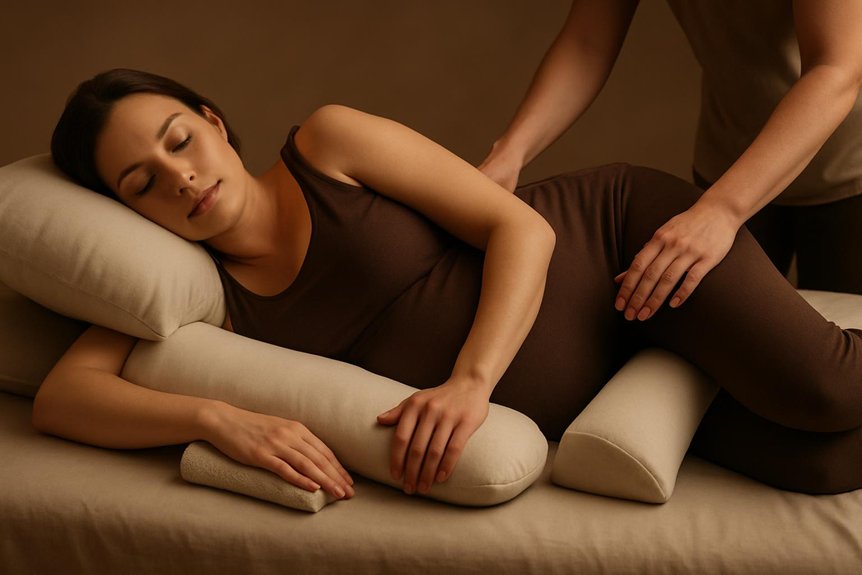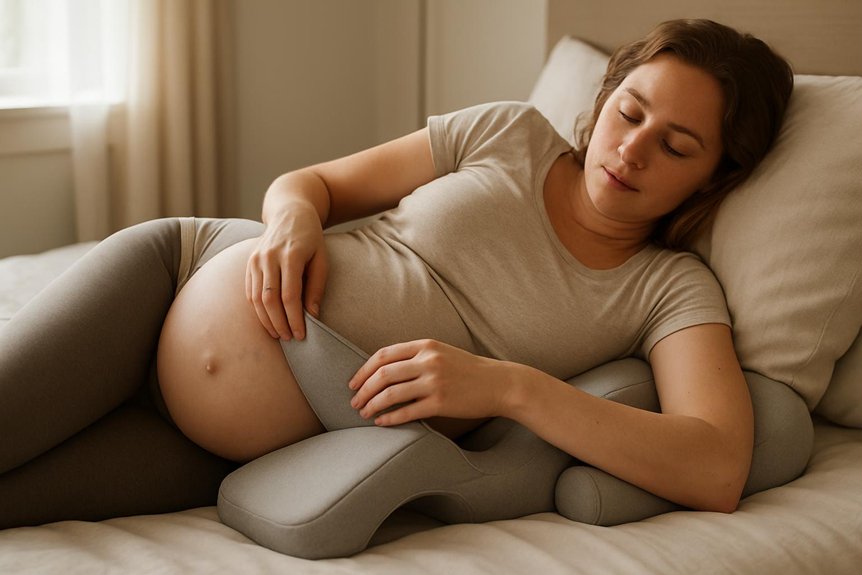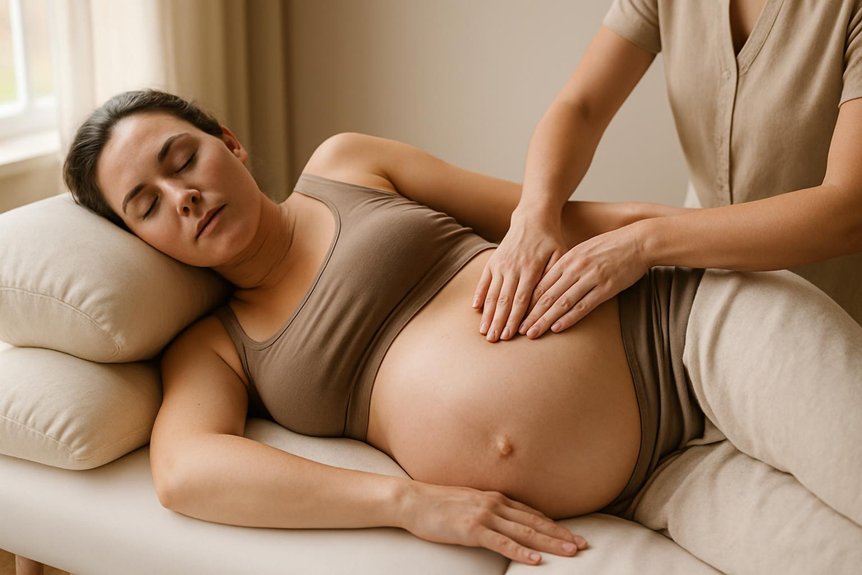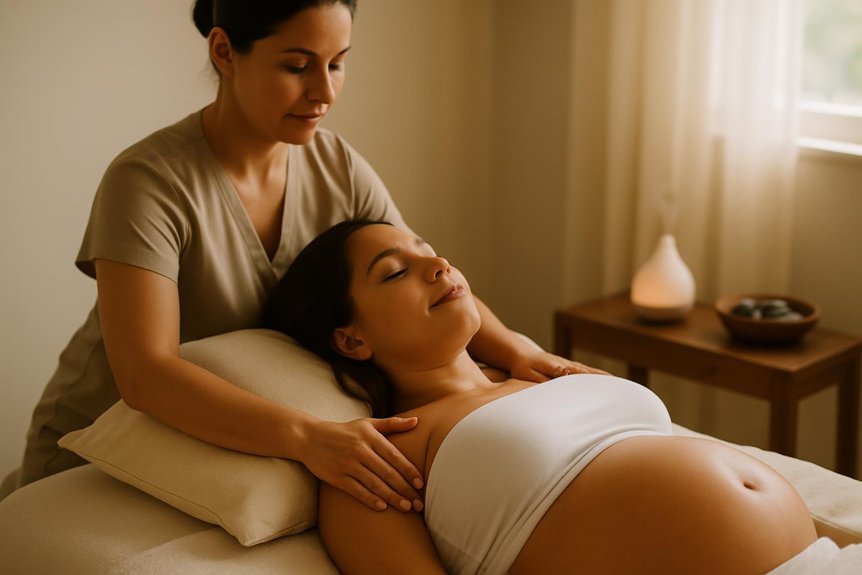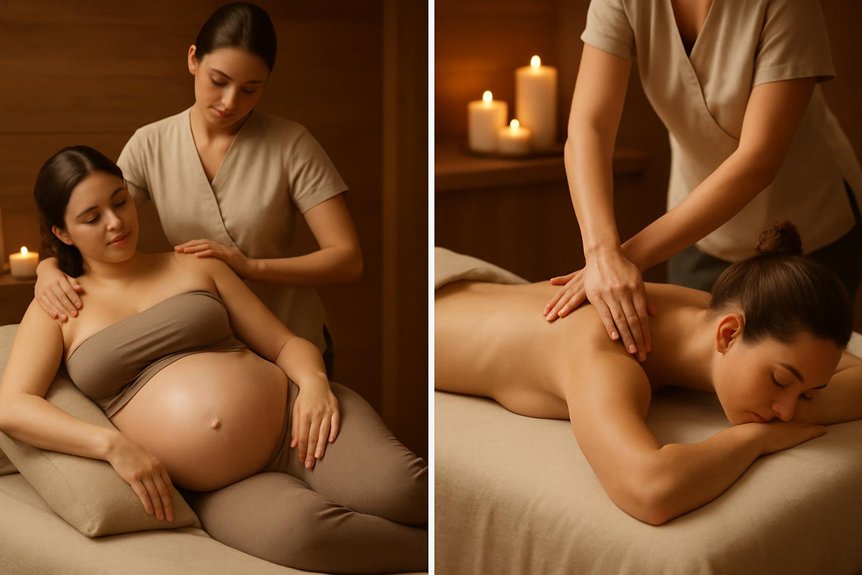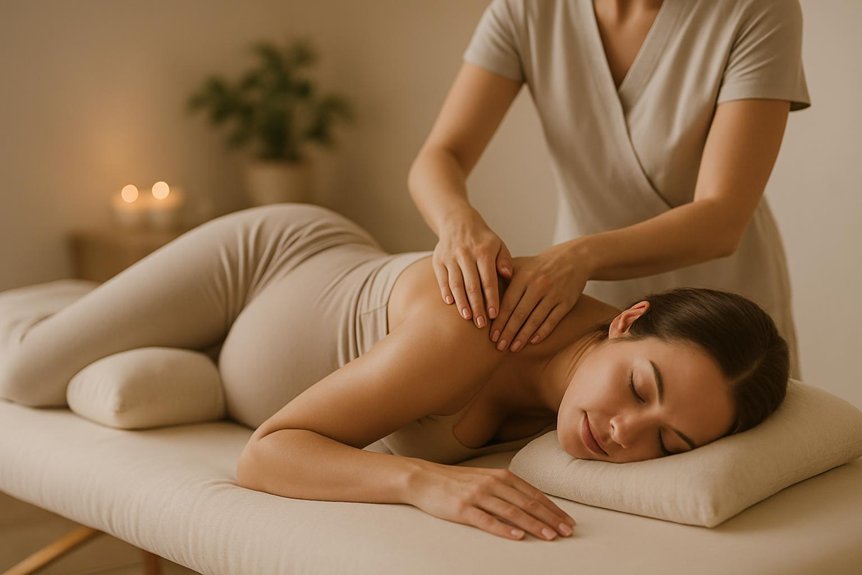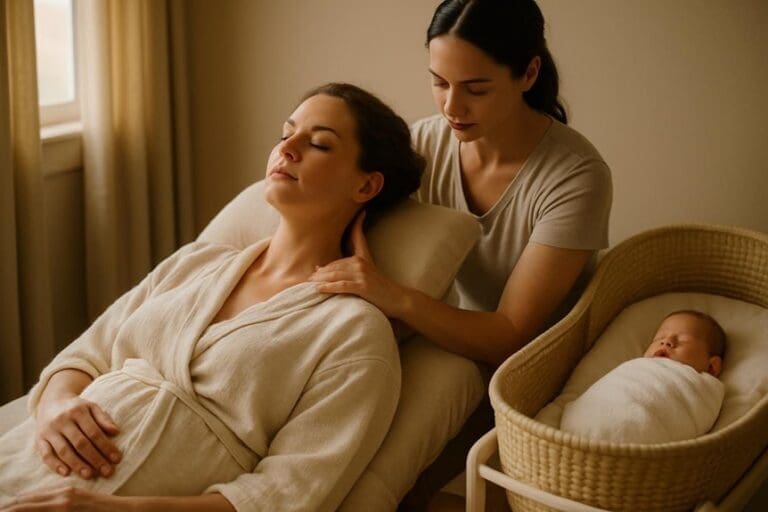
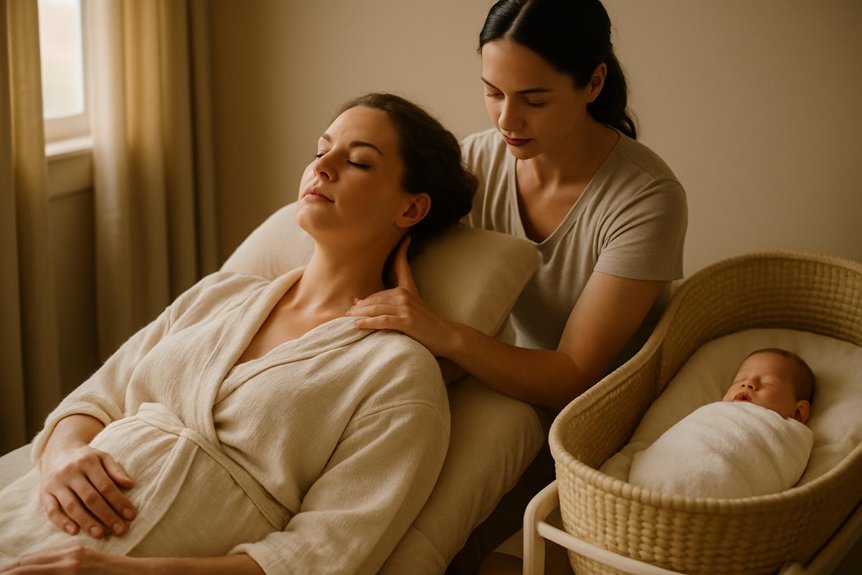
After an uncomplicated vaginal birth, a gentle postpartum massage is often possible within the first few days to two weeks, once comfort allows and a midwife or GP has no concerns. Pressure should stay light, with supportive side-lying or semi-reclined positioning. Massage should be postponed if there is fever, chills, worsening pelvic pain, heavy bleeding, large clots, dizziness, calf swelling, shortness of breath, or severe headache or visual changes. More guidance on timing and safe techniques follows.
How Soon Can You Have a Postpartum Massage?
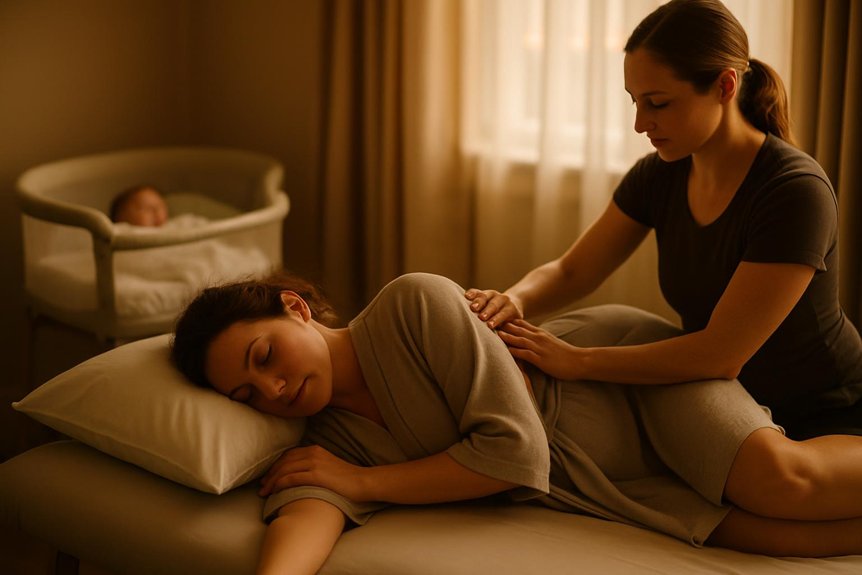
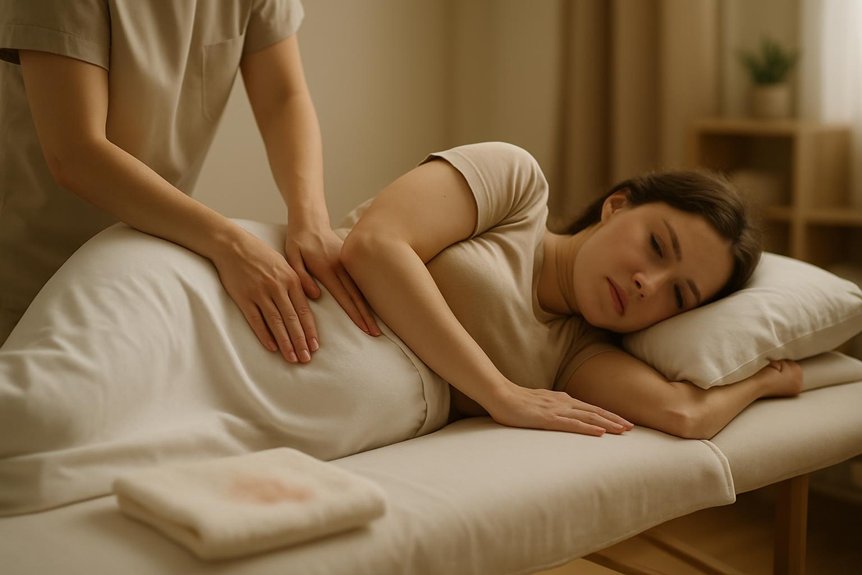
As a general rule, a postpartum massage can be considered as soon as a new mother feels comfortable and her midwife or GP has no concerns—often within the first few days after an uncomplicated vaginal birth, provided pressure is kept light and positioning is well supported.
Early sessions should prioritise relaxation, circulation, and soothing touch rather than deep work, with extra care around the abdomen and lower back.
It can also be helpful to keep in mind the broader benefits of pregnancy massage when discussing safe techniques and comfort needs with your therapist.
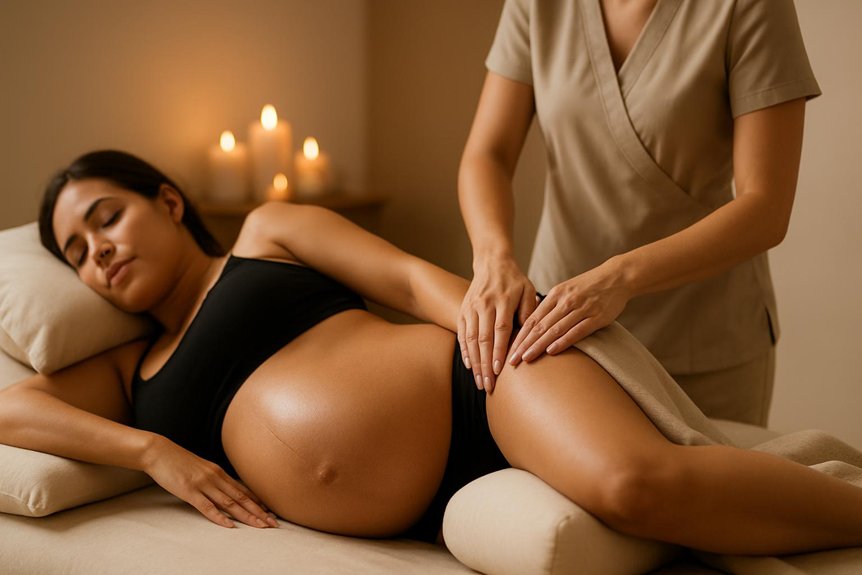
At Spa & Massage clinics across London, therapists begin with a brief intake, then use side-lying bolsters, slow Swedish-style strokes, and optional aromatherapy oils chosen for sensitivity.
Many clients find gentle neck, shoulder, and hip work helps ease feeding posture and sleep strain.
Hydration, unhurried rest, and clear feedback on comfort keep treatment safe and intimate.
When to Wait Longer After Birth (Red Flags)
When is it wiser to delay a postpartum massage?
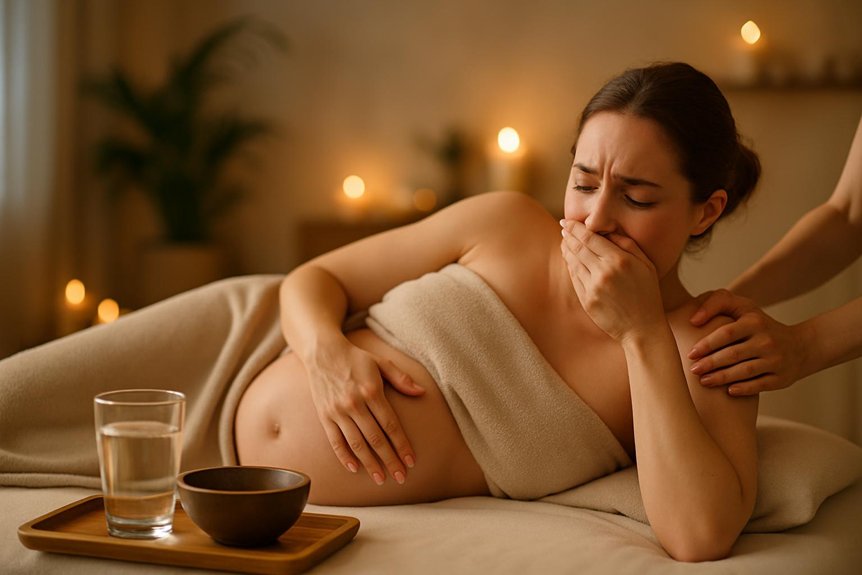
It is prudent to wait longer if there is fever, chills, worsening pelvic or abdominal pain, heavy bleeding, large clots, or dizziness—possible signs of infection or haemorrhage.
Massage should also be postponed with calf swelling, redness, warmth, or sudden shortness of breath, which require urgent assessment for clot risk.
New severe headache, visual changes, or high blood pressure readings warrant medical review.
Any wound that is hot, oozing, opening, or unusually painful should be checked first.
At Spa & Massage clinics in London, therapists ask screening questions and recommend medical clearance when red flags appear, protecting recovery while honouring the need for safe, soothing touch.
Vaginal Birth vs C-Section: Postpartum Massage Timing
In the first days and weeks after birth, safe postpartum massage timing depends largely on whether delivery was vaginal or by caesarean section, because tissue healing, pain levels, and medical risk factors can differ.
After an uncomplicated vaginal birth, many people can consider gentle massage within the first one to two weeks once bleeding is settling and they feel comfortable being touched; those with perineal tearing or stitches often benefit from waiting until soreness eases and a clinician is satisfied healing is on track.
After a C-section, timing is usually later because abdominal layers and the incision need more protection; many are advised to wait about six weeks, or until clearance at the postnatal check.
At Spa & Massage clinics in London, therapists ask about delivery details and liaise with clients’ guidance first.
What Happens in a Safe Postpartum Massage
With medical clearance and comfort as the starting point, a safe postpartum massage typically begins with a brief health screening—covering delivery type, current bleeding, pain, stitches or incision status, breastfeeding considerations, and any red flags such as fever, swelling, or clotting risk—so pressure, positioning, and treatment goals can be set appropriately.
At Spa & Massage, therapists then prioritise supported positioning (side-lying, semi-reclined, or with cushions) to protect the abdomen, pelvis, and breasts.
Touch is slow, reassuring, and consent-led, avoiding deep work over the uterus, varicose veins, or tender scar tissue until healed.
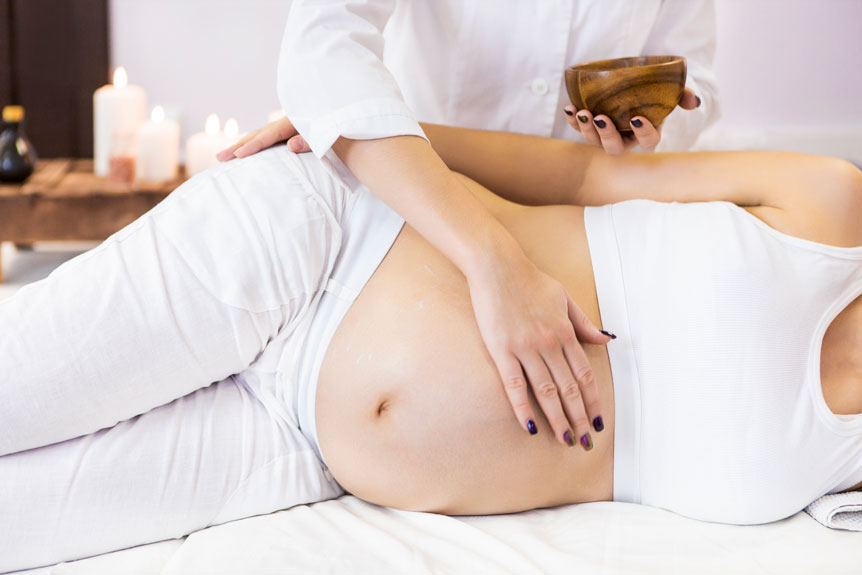
Unscented or gentle aromatherapy oils may be used, chosen with lactation in mind.
The session often focuses on neck, shoulders, back, hips, and calves, finishing with grounding breath and hydration guidance.
Booking Your First Postnatal Massage in London
After a safe postpartum massage plan has been set—covering health screening, positioning, and appropriate pressure—the next step is booking a first postnatal session that matches recovery stage and clinical needs.
In London, Spa & Massage advises choosing a clinic that can document postnatal training, obtain medical clearance when needed (e.g., post‑caesarean, pre‑eclampsia history, DVT risk), and offer calm, private rooms.
When booking, clients should share delivery type, complications, breastfeeding status, and current symptoms such as swelling, headache, or incision tenderness.
Sessions are typically shorter at first, with gentle, nurturing pressure and side‑lying support; deeper work is introduced only as healing allows.
Spa & Massage clinics across Crouch End, Bayswater, Chiswick, Earl’s Court, Belsize Park, and Richmond tailor timing and aftercare to comfort.
Conclusion
Postnatal massage can begin surprisingly soon, but only when healing is progressing well and a midwife or GP has no concerns. For those worried it will “hurt” tender areas, a safe session looks nothing like deep pressure: think supportive bolsters, side‑lying positions, and feather‑light work that lets shoulders drop and breathing slow. When red flags exist—fever, heavy bleeding, severe pain, or wound issues—waiting protects recovery and improves results.