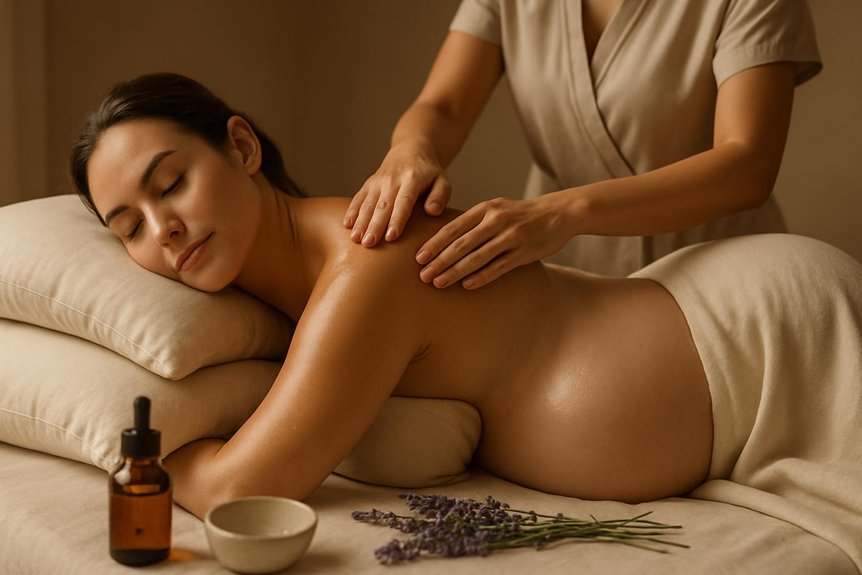
Lavender essential oil is generally considered low risk in uncomplicated prenatal massage when used sparingly at a very low dilution in a carrier oil, with good ventilation and clear consent. Many therapists avoid essential oils in the first trimester and default to fragrance‑free massage because early pregnancy can heighten nausea and skin sensitivity. Lavender is also avoided in high‑risk pregnancies (bleeding, hypertension, preeclampsia, placenta issues, preterm labour risk) and if irritation occurs. Further guidance explains safer timing, dilution, and alternatives.
Is Lavender Oil Safe for Prenatal Massage?
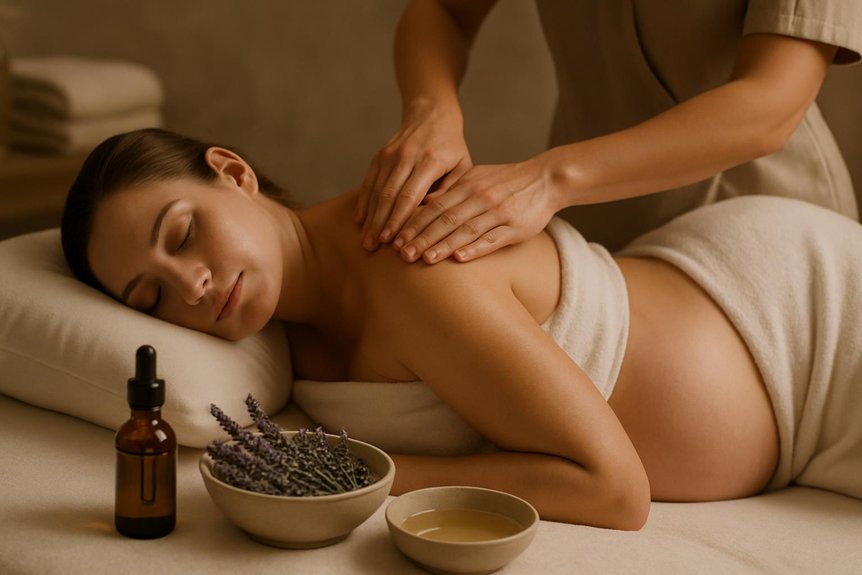
In most uncomplicated pregnancies, lavender essential oil can be used in prenatal massage with appropriate dilution and clinical caution, but it is not universally suitable for every client.
Evidence suggests topical lavender is generally well tolerated; risk rises with high concentrations, prolonged exposure, or if skin is reactive.
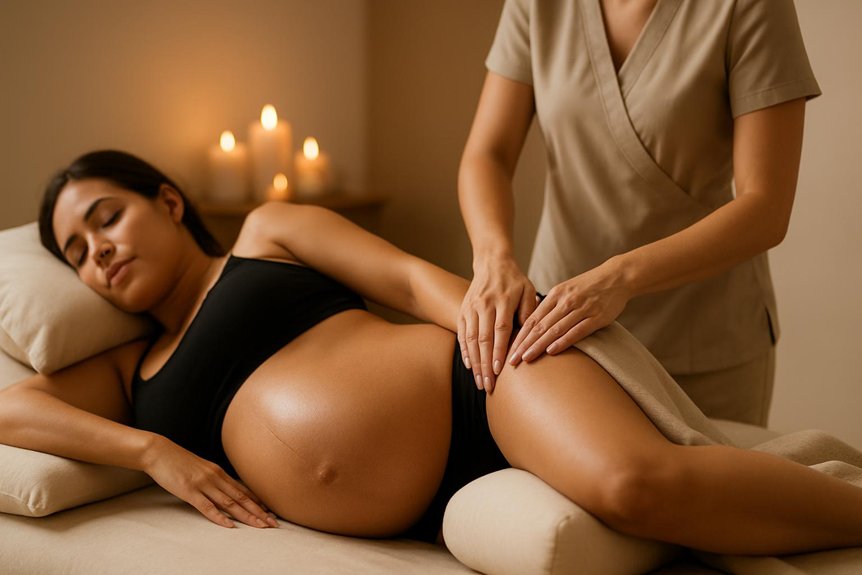
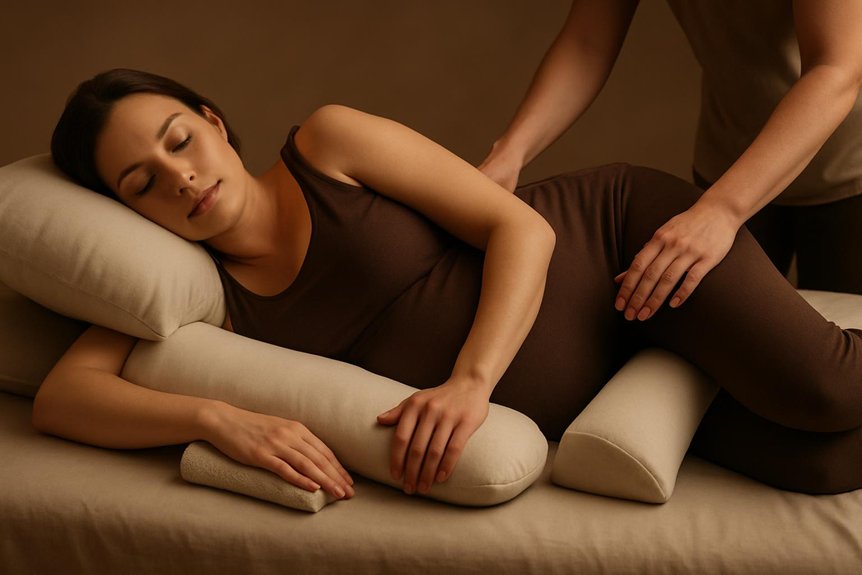
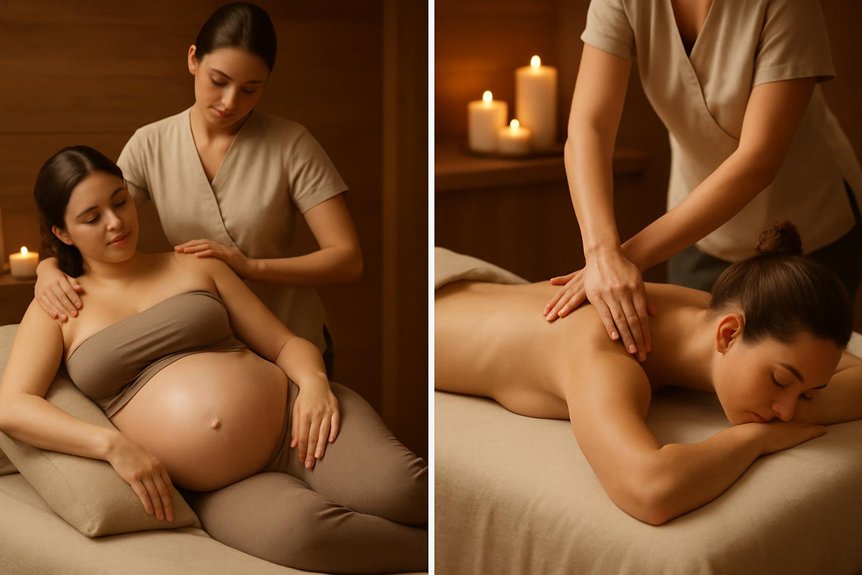
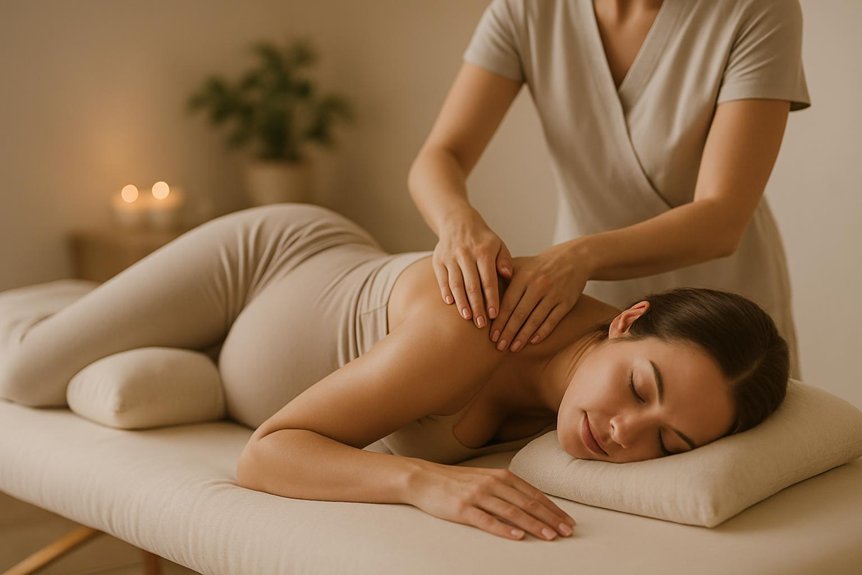
As part of the benefits of pregnancy massage, many clinics also use gentle, pregnancy-appropriate techniques to ease discomfort and support overall wellbeing.
At Spa & Massage clinics across London, therapists prioritise comfort and safety by using low dilutions in a carrier oil, limiting total product, and avoiding application to broken skin.
A brief patch check and careful observation for headache, nausea, dizziness, or irritation keep the experience soothing and intimate rather than overwhelming.
Clients are encouraged to share trimester, medical history, medications, and scent sensitivity, and to seek midwife or GP advice if unsure.
When Lavender Oil Is Avoided During Pregnancy
Lavender oil is typically avoided or used with extra caution in early pregnancy, particularly during the first trimester, because safety data are limited and many clients prefer a more conservative approach.
It may also be inappropriate in high‑risk pregnancy situations (such as bleeding, signs of preterm labour, preeclampsia, or placenta complications), where Spa & Massage therapists prioritise medical guidance and opt for fragrance‑free alternatives.
Even in uncomplicated pregnancies, lavender oil is avoided if skin sensitivity, allergy, or irritation occurs, as pregnancy can increase reactivity and comfort should guide product selection.
First Trimester Precautions
Early pregnancy is often treated as the most precautionary period for essential oils, and many practitioners consequently avoid using lavender oil during the first trimester unless a clinician has advised otherwise. Evidence in pregnancy-specific massage aromatherapy remains limited, so risk management prioritises minimising exposure during organ development and avoiding nausea-triggering scents.
At Spa & Massage clinics across London, therapists typically offer fragrance-free prenatal massage in weeks 1–12, using unscented, hypoallergenic carriers and focusing on comfort, grounding touch, and breathable positioning.
If a client strongly prefers lavender, therapists first explore medical guidance, prior reactions, and current symptoms, then may suggest postponing aromatherapy until later, or using non-aromatic relaxation options such as slower pacing, warm towels, and calming breath cues. Patch testing is recommended when reintroduced.
High-Risk Pregnancy Situations
Fragrance-free approaches remain the default beyond the first trimester when pregnancy risk is elevated or symptoms are unstable, because safety data for aromatherapy in prenatal massage is limited and precautionary practice favours minimising exposure.
At Spa & Massage, lavender oil is avoided when a client reports threatened preterm labour, vaginal bleeding, placenta praevia, preeclampsia or pregnancy-induced hypertension, recurrent miscarriage, significant arrhythmia, severe asthma, or any instruction from a midwife or obstetric team to avoid fragranced products.
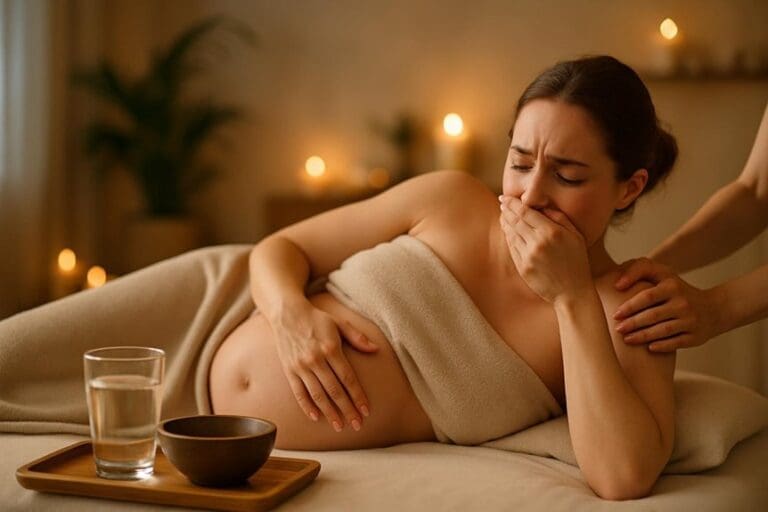
It is also skipped with hyperemesis, migraines, dizziness, or unexplained uterine cramping, where any added sensory stimulus may worsen discomfort.
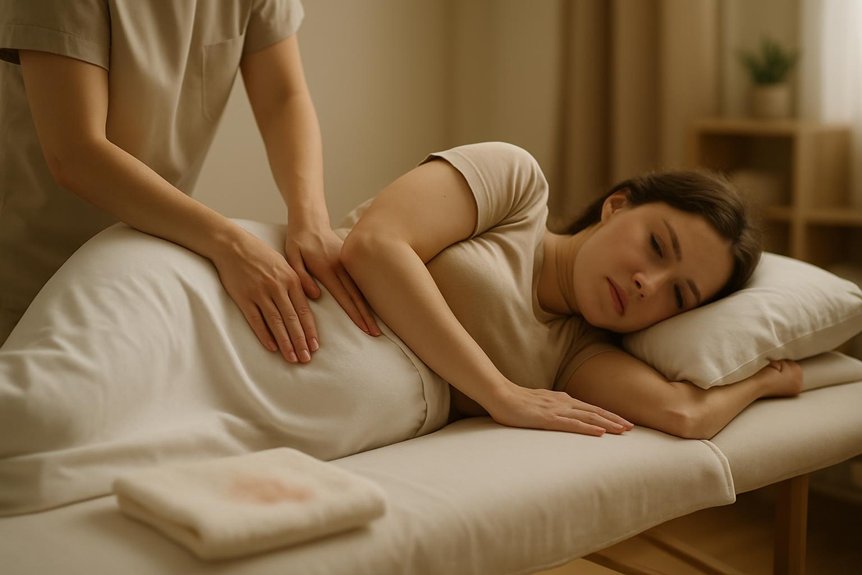
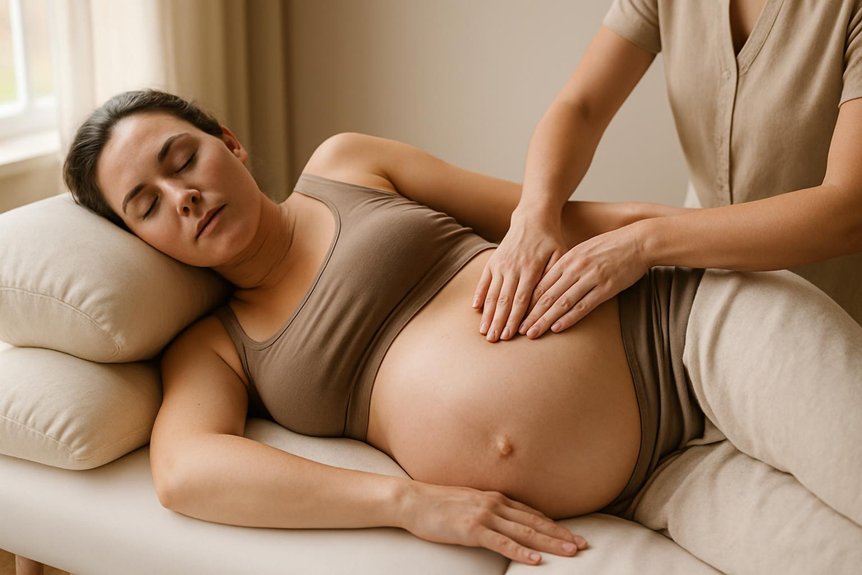
In these situations, therapists prioritise gentle, grounding touch, side-lying positioning, lower-intensity work, and close consent check-ins, inviting medical clearance before reintroducing aroma.
Skin Sensitivity Reactions
Sensitivity to topical products can sometimes increase during pregnancy, and any history or signs of skin reactivity are treated as a clear reason to avoid essential oils in massage.
Lavender oil can trigger irritant or allergic contact dermatitis in susceptible skin, causing redness, itching, stinging, hives, or a burning sensation—reactions that may feel especially unsettling when the body is already changing.
Risk is higher with eczema, fragrance allergy, asthma, or recently sensitised skin.
At Spa & Massage clinics across London, therapists prioritise comfort and safety: if sensitivity is reported or observed, they switch to an unscented, pregnancy-appropriate carrier oil and avoid aromatherapy altogether.
Clients are advised to pause use at home, rinse the area, and seek medical advice if swelling, widespread rash, or breathing symptoms occur.
How We Use Lavender Oil in Prenatal Massage (Dilution & Consent)
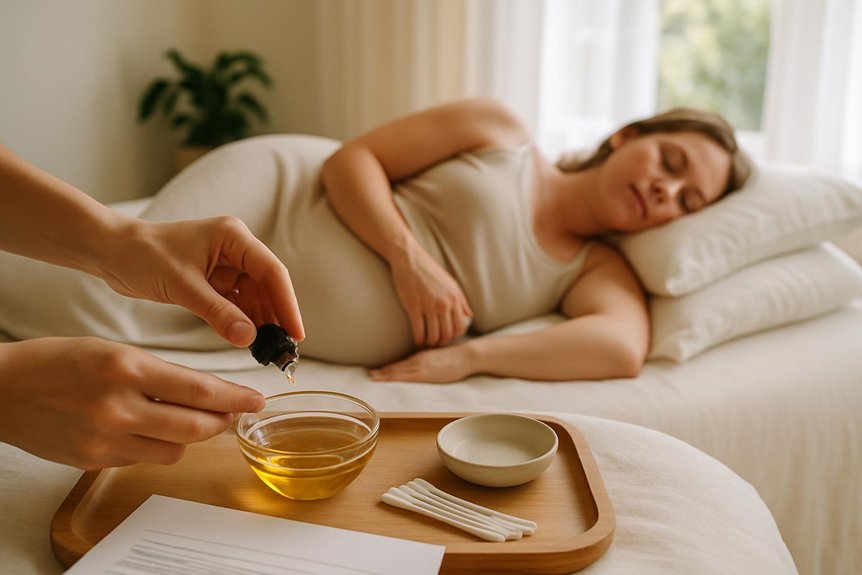
In Spa & Massage pregnancy sessions, lavender oil is used only when it is clinically appropriate and explicitly agreed with the client, with safety guided by conservative dilution and clear consent.
Therapists begin with a brief intake to confirm trimester, health history, current symptoms, and any fragrance sensitivities, then explain why lavender may or may not be suitable.
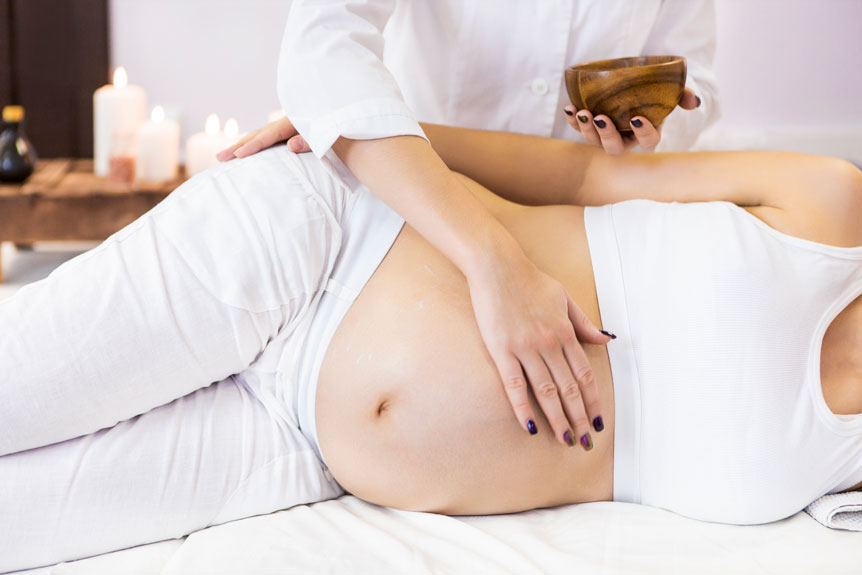
When chosen, it is blended fresh into a neutral carrier at a low, pregnancy-appropriate dilution, and used sparingly to keep aroma gentle and close to the skin.
A small amount may be trialled first, with the client invited to notice comfort, breath, and any irritation.
Consent is ongoing: pressure, placement, and scent are checked throughout, and the oil is removed or swapped immediately if preferences change.
What Are the Risks of Lavender Oil in Prenatal Massage?
Occasionally, lavender essential oil can pose avoidable risks in prenatal massage, particularly when it is over‑concentrated, applied to reactive skin, or used despite a client’s nausea, asthma, migraine tendency, or strong scent aversion.
The main concern is irritation or sensitisation, which can develop even after previous tolerance, and may undermine relaxation and sleep. Inhaled aroma may also trigger queasiness or headache, reducing comfort and increasing stress hormones. Rarely, essential oils can aggravate wheeze in scent‑sensitive asthma.
In a pregnancy context, any discomfort can heighten anxiety, so consent and choice matter. At Spa & Massage, therapists avoid strong blends, keep the room well ventilated, and offer an unscented option so touch remains soothing, close, and reassuring throughout each trimester.
How to Tell If Lavender Oil Irritates Your Skin
Before a massage begins, skin irritation from lavender oil is typically signalled by early, localised changes such as stinging, burning, itching, redness, warmth, or small raised bumps where the oil was applied—sometimes appearing within minutes, and sometimes emerging over the next 12–48 hours as a delayed reaction.
At Spa & Massage clinics across London, therapists watch for spreading redness, swelling, weeping, hives, or escalating discomfort, and ask clients to describe any tight, prickly, or “hot” sensation.
Irritation is more likely on freshly shaved skin, eczema-prone areas, or where friction is higher.
If symptoms intensify, the area should be gently cleansed, cooled with a damp compress, and left uncovered.
Facial swelling, wheeze, dizziness, or widespread rash warrants urgent medical advice immediately.
When to Choose Prenatal Massage With No Essential Oils
A no–essential-oil prenatal massage may be the prudent choice in the first trimester, when many clients prefer to minimise avoidable exposures despite limited safety data.
It is also often better tolerated for those with heightened scent sensitivities or nausea, where even mild lavender aroma can trigger symptoms and reduce comfort during treatment.
In higher-risk pregnancies, Spa & Massage therapists typically default to unscented carrier oils and encourage alignment with the client’s midwife or obstetric team to prioritize safety.
First Trimester Caution
During the first trimester, prenatal massage is typically best kept fragrance-free, choosing a plain carrier oil or dry techniques rather than lavender (or any) essential oil, because early pregnancy is a period when nausea, headaches, and skin sensitivity are common and the evidence base for routine essential-oil use in pregnancy remains limited.
A cautious approach prioritises comfort and avoids avoidable exposures while the pregnancy is establishing.
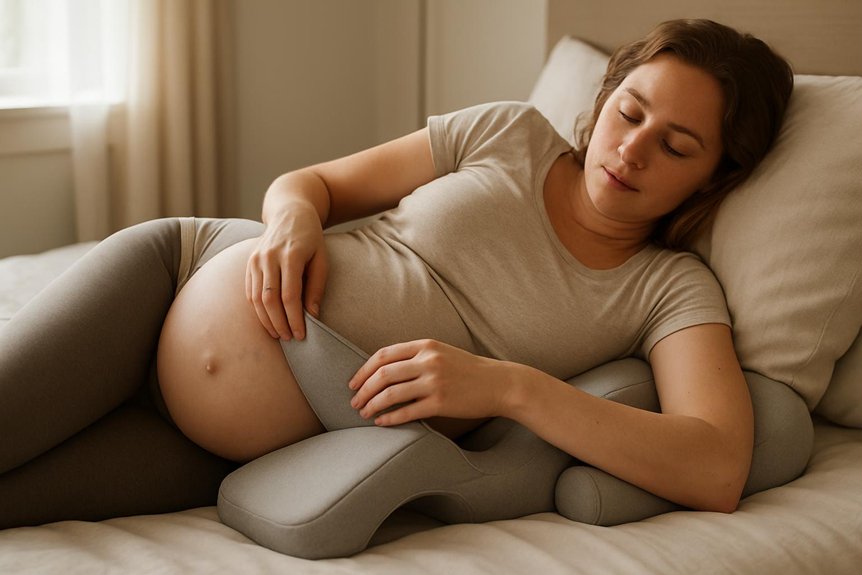
In Spa & Massage clinics, therapists can adapt with gentle, grounding strokes, supportive bolstering, and careful positioning, focusing on relaxation and easing muscular tension without aromatics.
Clients with a history of allergy, asthma, migraines, eczema, or prior miscarriage may prefer this extra margin of safety.
If any topical product is used, patch testing and minimal amounts are advised, and healthcare guidance should be followed.
Scent Sensitivities And Nausea
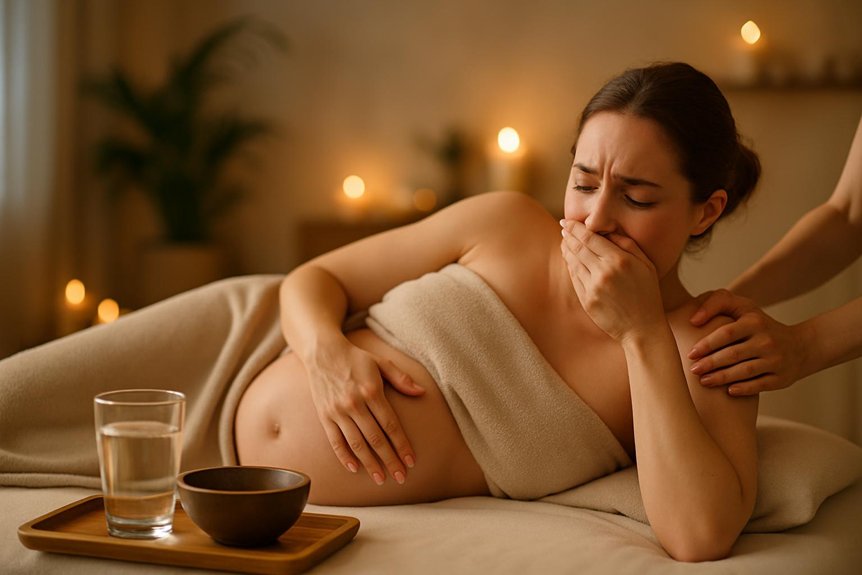
Noticing heightened smell sensitivity or nausea is common in pregnancy, and it is a clear, practical reason to choose a prenatal massage with no essential oils. Strong scents can trigger queasiness, headaches, or aversions, and avoiding fragrance is a simple way to reduce preventable discomfort and keep the session soothing.
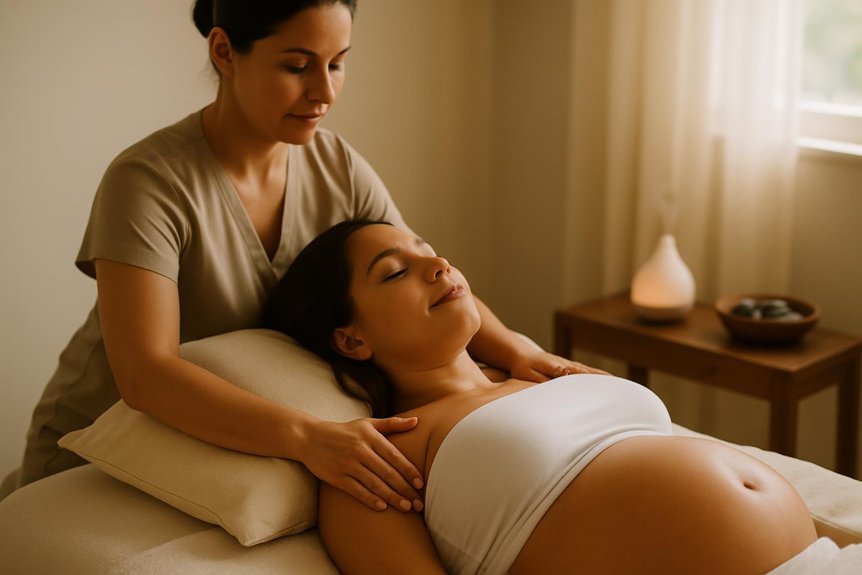
At Spa & Massage, therapists routinely offer an unscented prenatal massage using plain, hypoallergenic carrier oil and gentle, supportive techniques. This approach keeps touch and relaxation central while lowering the risk of sensory overload. Clients are encouraged to mention any nausea patterns, migraine history, or scent triggers on arrival so the room can be kept neutral, with no diffusers or scented linens. If symptoms arise mid-treatment, pressure and positioning can be adjusted and breaks offered.
High-Risk Pregnancy Considerations
In higher‑risk pregnancies—such as those involving a history of preterm labour, hypertension or pre‑eclampsia risk, bleeding, placenta complications, cervical insufficiency, or significant medical comorbidities—the default choice is typically an prenatal massage with no essential oils.
This reduces avoidable variables and supports a calmer, closely monitored experience.
At Spa & Massage, therapists prioritise gentle, side‑lying positioning, light‑to‑moderate pressure, and unscented, hypoallergenic carrier oils, adjusting to swelling, pelvic discomfort, or breathlessness.
Clients are encouraged to obtain maternity‑team approval, especially after any new symptoms, medication changes, or reduced foetal movements.
If there is uncertainty about lavender, scent exposure, or skin reactivity, a fragrance‑free session still offers nurturing touch, improved comfort, and relaxation without added risk.
Conclusion
Lavender oil can be appropriate in prenatal massage when used cautiously, but it is not universally suitable. Best practice prioritises trimester-specific guidance, medical history, and individual sensitivity; it uses low dilution, informed consent, and clear documentation. It is chosen to support rest, to ease tension, to promote calm—yet it is avoided when reactions occur, when contraindications exist, when uncertainty remains. When risk outweighs benefit, fragrance-free prenatal massage offers a safer, patient-centred option.