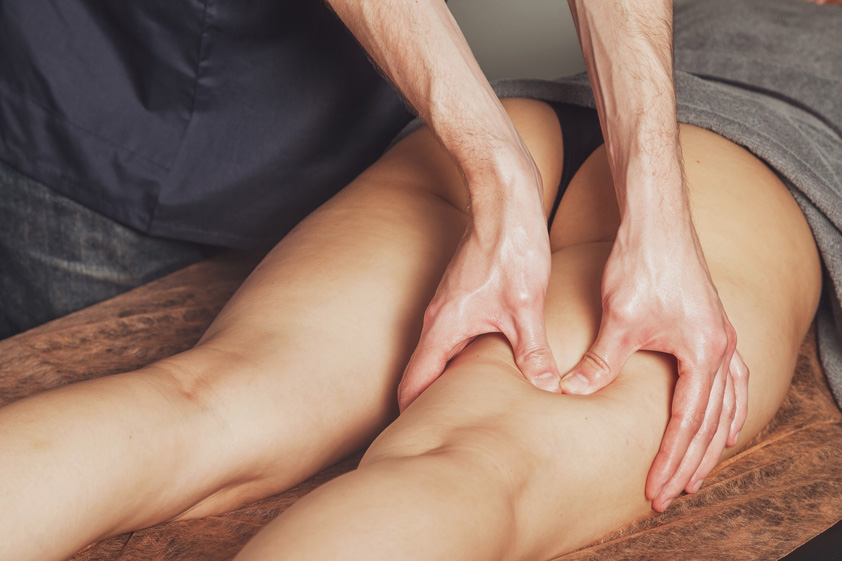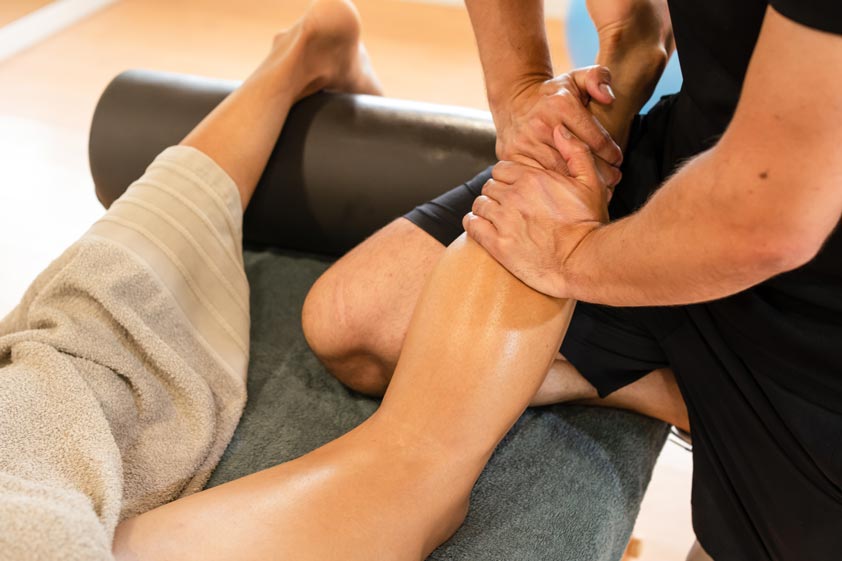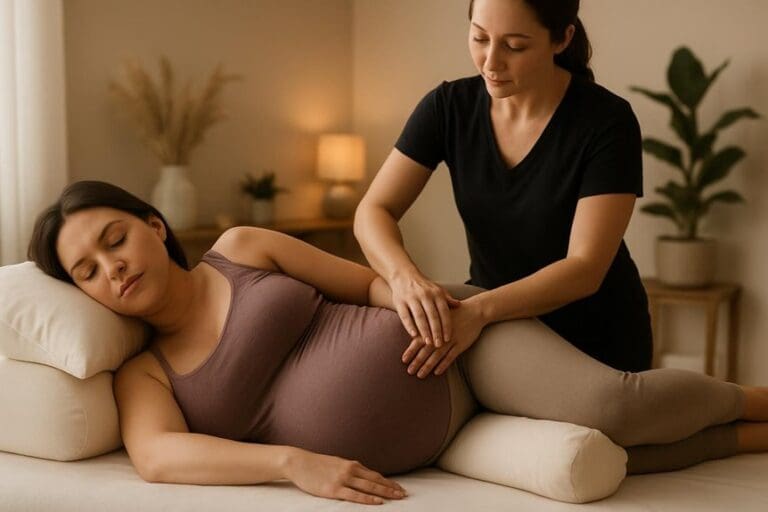
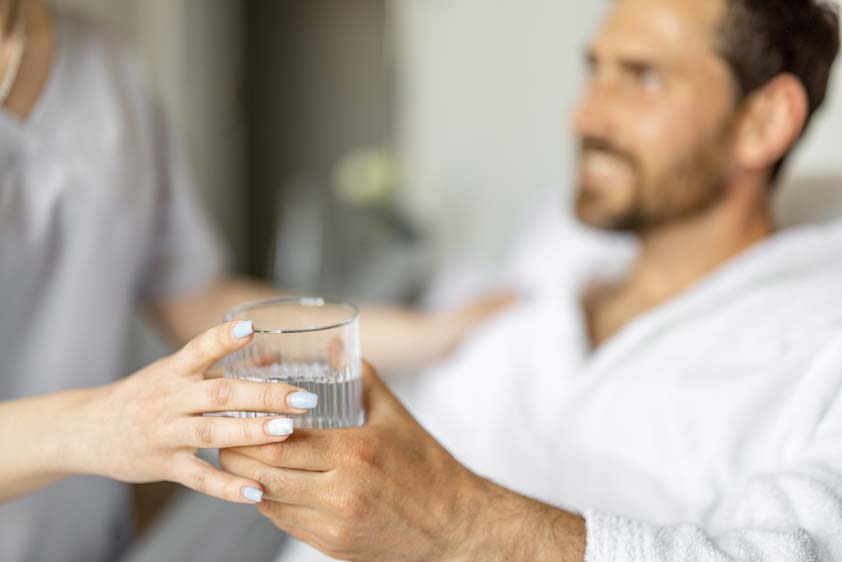
Drinking water after a performance massage is generally recommended to support normal hydration and comfortable recovery, especially after deep tissue or exercise‑paired work. A practical target is 500–750 mL sipped slowly within 1–2 hours, with an extra 250–500 mL if the session was intense, long, or done in heat. Hydration helps circulation but does not “flush toxins” or guarantee less soreness. Urine should trend pale‑straw, and warning signs warrant attention. More guidance follows.
Should You Drink Water After a Performance Massage?
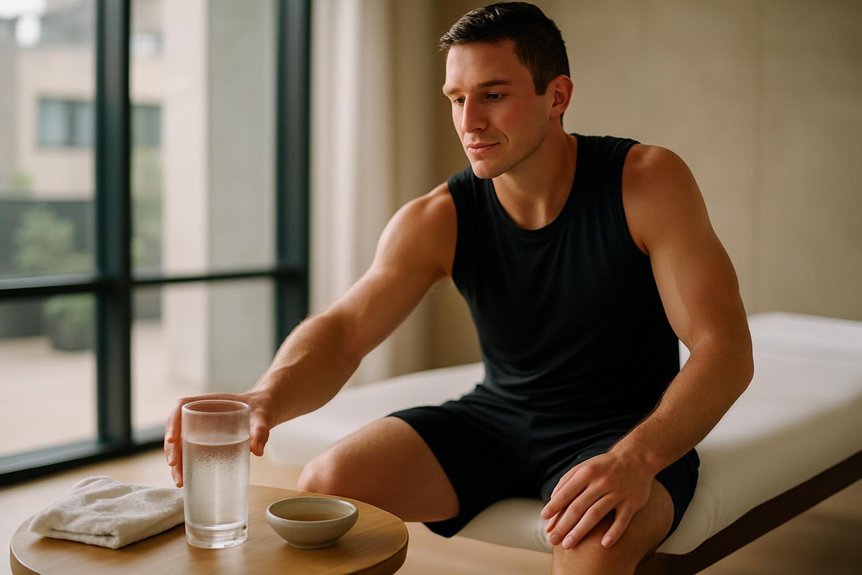
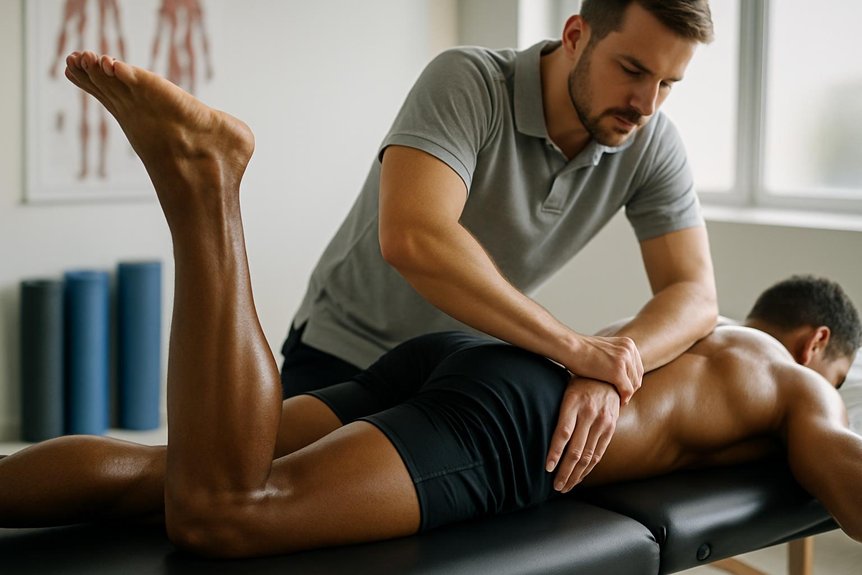
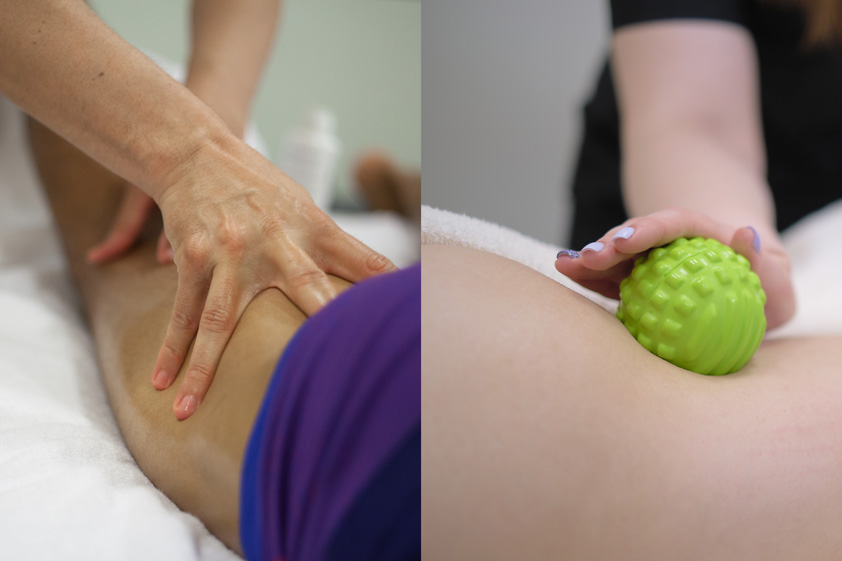
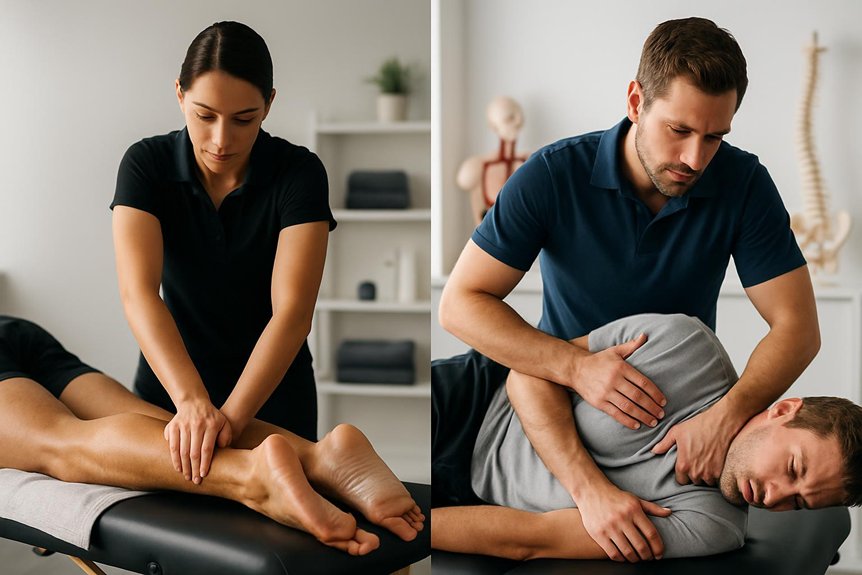
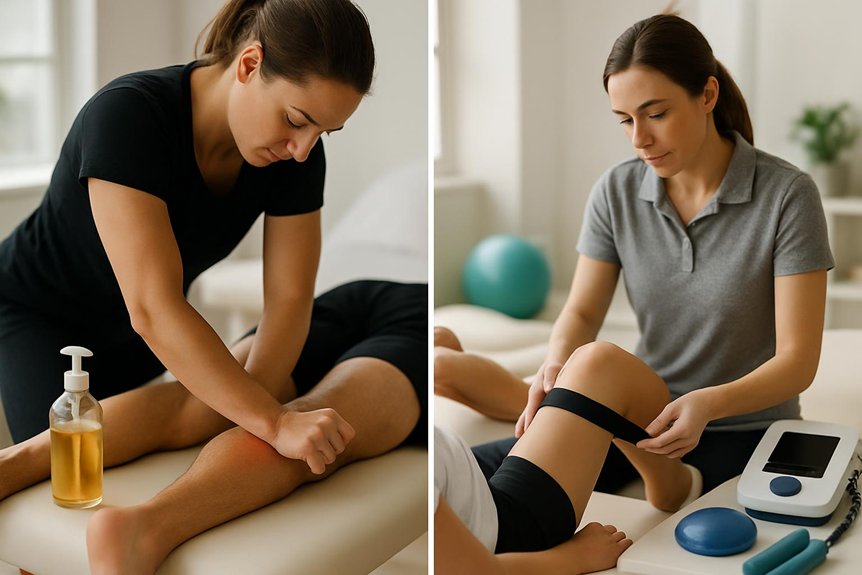
After a sports massage, drinking water is generally recommended to support normal hydration and post-treatment recovery. Performance massage can increase local circulation and prompt mild sweating, so fluid intake helps maintain physiological balance and comfort. Performance massage is widely used by athletes for post-exercise recovery and ongoing performance support. At Spa & Massage clinics across London, therapists routinely advise clients to sip water soon after treatment, especially following deep tissue or sports-focused work.
Water also supports normal tissue function as the body adapts to manual pressure and stretching. For clients seeking a closer, calmer post-session feeling, sipping slowly can ease lightheadedness and support a relaxed, grounded state. Alcohol is best avoided immediately after treatment, and caffeine should be limited if the client is sensitive. If a client has a fluid-restricted medical condition, they should follow their clinician’s guidance.
How Much Water Should You Drink After a Performance Massage?
After a performance massage, an appropriate water intake should be guided by objective hydration targets rather than a fixed volume.
At Spa & Massage clinics, therapists advise using body size as a primary reference point, as larger individuals generally require more fluid to restore baseline hydration.
Practical guidance can start with a measured post-treatment drink and then adjust based on urine colour and thirst over the next several hours.
How Much Is Enough
For most adults, 500–750 ml of water within the first 1–2 hours following a performance massage is a practical baseline, with intake then guided by body size, session intensity, ambient heat, and any same-day training.
Spa & Massage therapists advise sipping steadily rather than chugging, to support comfortable absorption and reduce nausea.
A further 250–500 ml over the next few hours is often appropriate if the treatment was deep, prolonged, or paired with exercise.
Practical markers include pale-straw urine, a moist mouth, and reduced post-treatment headache risk.
If thirst persists, add small top-ups.
Limit alcohol and very salty foods immediately after, as both can increase fluid needs.
Clients should seek medical advice if fluid restriction is required.
Hydration By Body Size
A simple adjustment by body size improves the accuracy of post–performance massage hydration targets. A practical rule is 5–7 mL of water per kilogram of body weight over the next 60–90 minutes, sipped steadily. This equals ~300–420 mL at 60 kg, ~400–560 mL at 80 kg, and ~500–700 mL at 100 kg.
If the massage followed training, add another 3–5 mL/kg over the next hour, especially with heat, sweating, or alcohol.
At Spa & Massage clinics across London, therapists encourage pairing fluids with a light snack containing sodium to support retention and reduce cramping. Urine that becomes pale straw within a few hours suggests adequate rehydration. Avoid overdrinking.
Does Water Reduce Soreness After a Performance Massage (Myths vs Facts)?
Hydration can support normal circulation and tissue recovery after a performance massage, but current evidence does not show that drinking extra water directly prevents or eliminates post-massage soreness.
A common myth is that water “flushes toxins” released by massage; in clinical terms, metabolic by-products are primarily processed by the liver and kidneys, and massage does not create a toxin load that requires flushing.
At Spa & Massage clinics, therapists advise steady, adequate hydration as part of aftercare while setting realistic expectations that soreness is more closely related to training load, pressure used, and individual sensitivity than immediate water intake.
Hydration And Post-Massage Soreness
After a performance massage, increased water intake is often promoted as a way to “flush toxins” and prevent next-day soreness, but the evidence supports a narrower, more practical role for hydration. Water does not directly “erase” delayed-onset muscle soreness; soreness is primarily driven by micro‑trauma and inflammatory signalling.
Hydration supports circulation and tissue recovery, helping the body deliver oxygen and nutrients and maintain normal muscle function. In Spa & Massage clinics across London, therapists advise clients to drink to thirst plus a little extra over the next few hours, especially if the session was deep, warm, or followed exercise. Clear-to-pale urine and a steady, comfortable energy level are useful markers. For tender areas, gentle movement, light stretching, and sleep typically influence soreness more than water alone.
Myths About “Flushing Toxins”
In many performance massage aftercare conversations, the phrase “drink water to flush toxins” is presented as a primary mechanism of benefit, yet this framing is not supported by physiological evidence. Metabolic by-products are primarily cleared by the liver, kidneys, lungs, and lymphatic system; massage and drinking water do not “push” toxins out through muscles. Hydration supports normal circulation and kidney function, but it is not a detox shortcut.
Regarding soreness, water alone is unlikely to prevent delayed-onset muscle soreness, which relates to microtrauma and inflammation. At Spa & Massage clinics across London, therapists recommend drinking water for comfort, replacing routine losses, and supporting recovery habits—not as a cure. Practical aftercare includes gentle movement, warmth if soothing, and pacing training load; seek advice if pain is sharp or persistent.
Best Drinks After a Performance Massage (and What to Skip)
Often, the most useful post–performance massage beverages are those that restore fluid balance and support muscle recovery without adding unnecessary stimulants or irritants.
Spa & Massage therapists typically suggest still water as first-line, with an oral rehydration solution or lightly salted water when sweating has been heavy.
For added recovery support, low-fat milk or a milk alternative with adequate protein can aid muscle protein synthesis; tart cherry juice may help with soreness in some athletes.
Herbal teas (e.g., ginger, chamomile) can be soothing if tolerated.
Drinks to skip include alcohol, which impairs rehydration and recovery, and high-caffeine energy drinks that may increase perceived jitteriness.
Very sugary soft drinks and acidic juices can aggravate reflux in sensitive clients.
Carbonated drinks may increase bloating and discomfort.
When to Hydrate: Before, After, and Next Day
Drink choice matters, but timing determines whether fluids actually support circulation, lymphatic clearance, and post-treatment recovery.
At Spa & Massage clinics, clients are advised to arrive normally hydrated: sip 300–500 ml in the 60–90 minutes before a performance massage, then stop close to the session to stay comfortable on the table.
Immediately after treatment, drink 400–700 ml over the next 1–2 hours rather than chugging.
This supports plasma volume and may ease next-day stiffness, especially after deep tissue work. If the massage followed training, additional fluid should match sweat losses.
The next day, continue steady intake with meals and between them, aiming for pale straw urine and regular bathroom visits, adjusting for heat, travel, and exercise.
Dehydration Red Flags After a Performance Massage
After a performance massage, dehydration can present subtly and may be misattributed to normal post-treatment fatigue.
Key red flags include persistent thirst, dry mouth, darker urine, reduced urination, headache, lightheadedness on standing, and muscle cramping that does not ease with gentle movement.
Less obvious signs are irritability, poor concentration, and a lingering “heavy” feeling in the limbs.
Skin that remains tented after a light pinch may indicate fluid deficit.
At Spa & Massage clinics across London, therapists advise sipping water steadily for the next few hours and pairing fluids with a light snack containing sodium if sweating was significant.
Seek medical advice if there is fainting, confusion, chest pain, or no urination for 8+ hours.
Conclusion
Hydration after a performance massage is a practical recovery step, not a ritual. Even mild dehydration can impair performance: a 2% loss of body weight from fluid is associated with measurable declines in physical and cognitive function, making post-treatment rehydration clinically sensible. Water supports circulation, thermoregulation, and comfort as tissues recover from deeper work. Intake should be guided by thirst, urine colour, and activity level, prioritising water and electrolytes when sweating is significant.