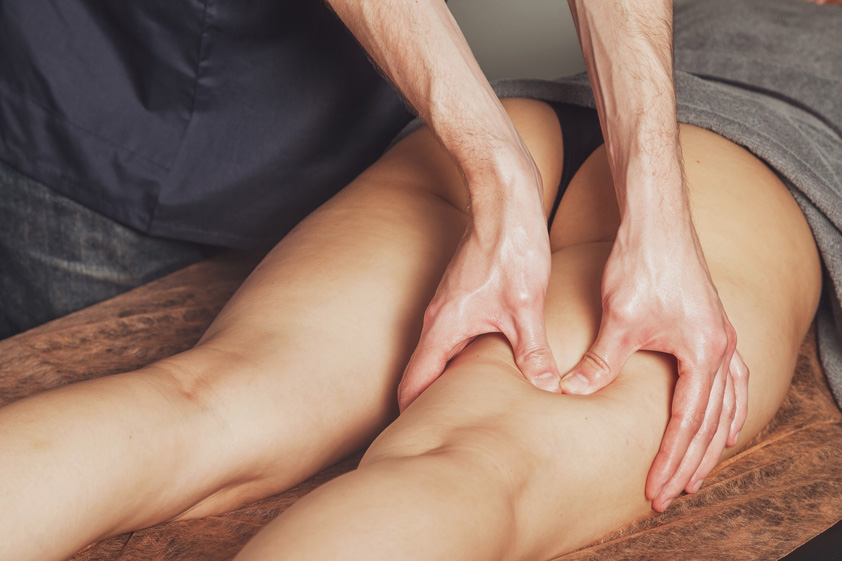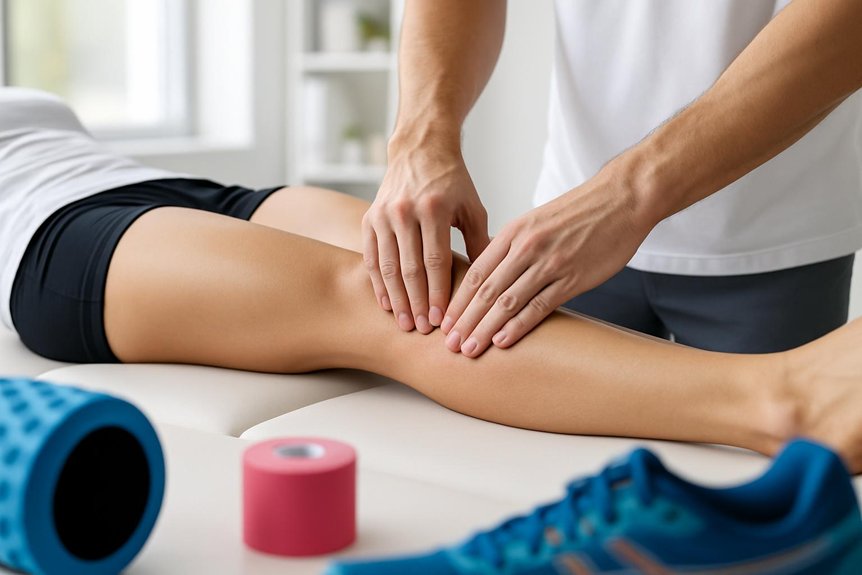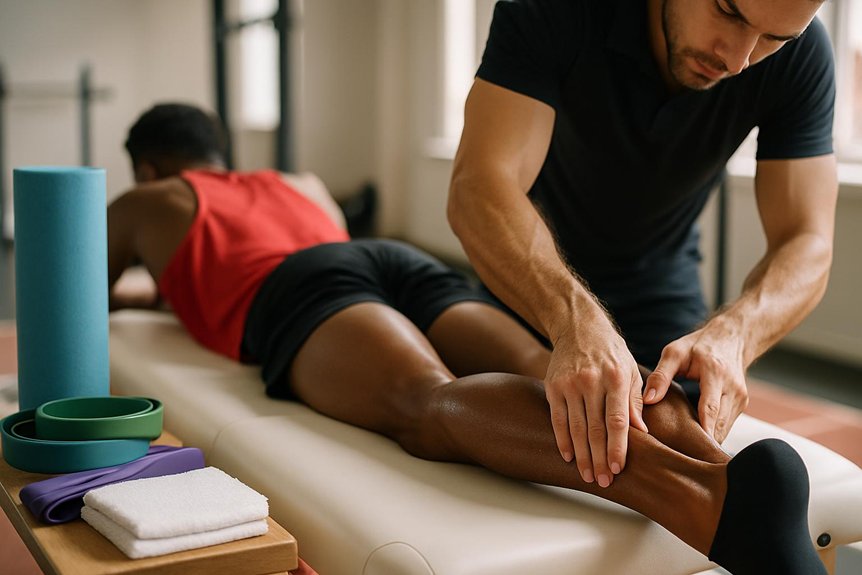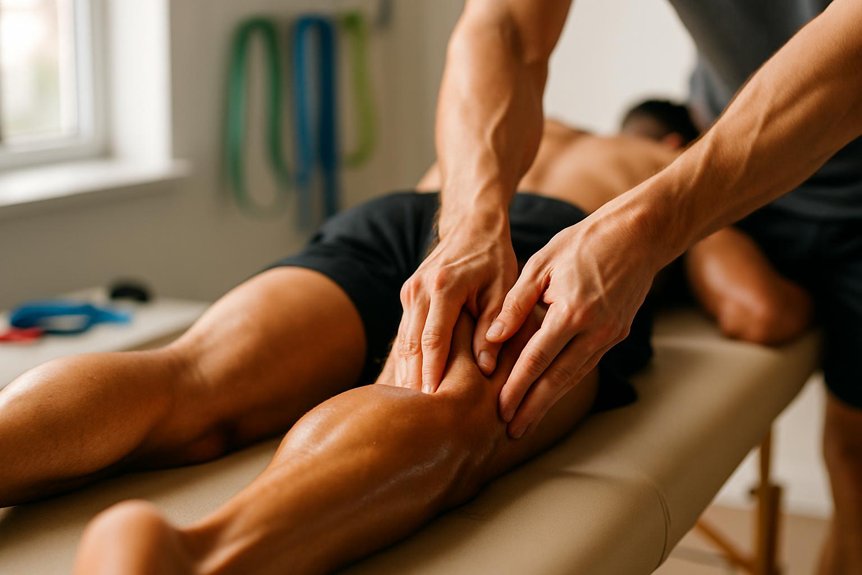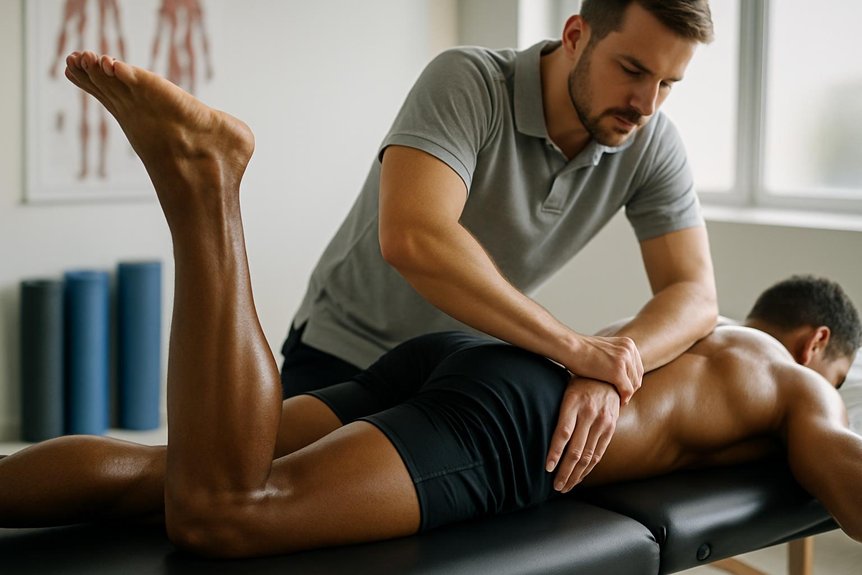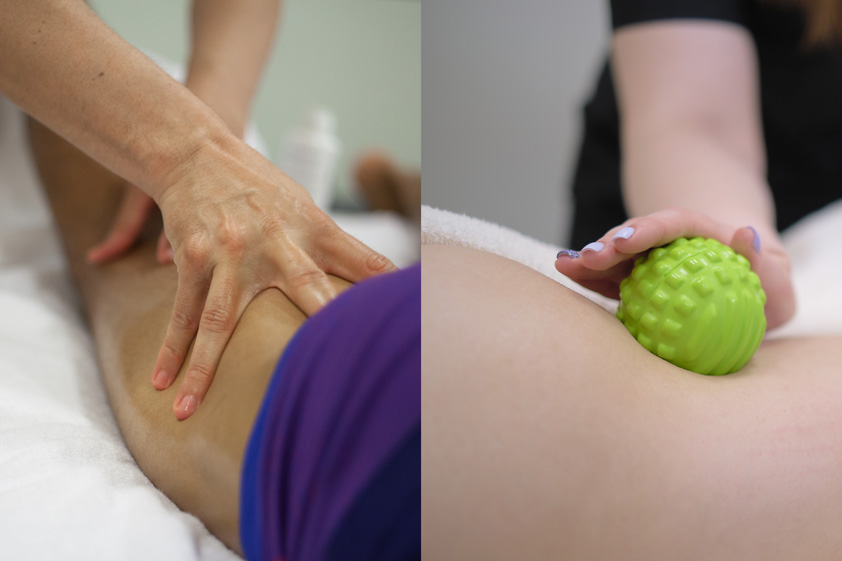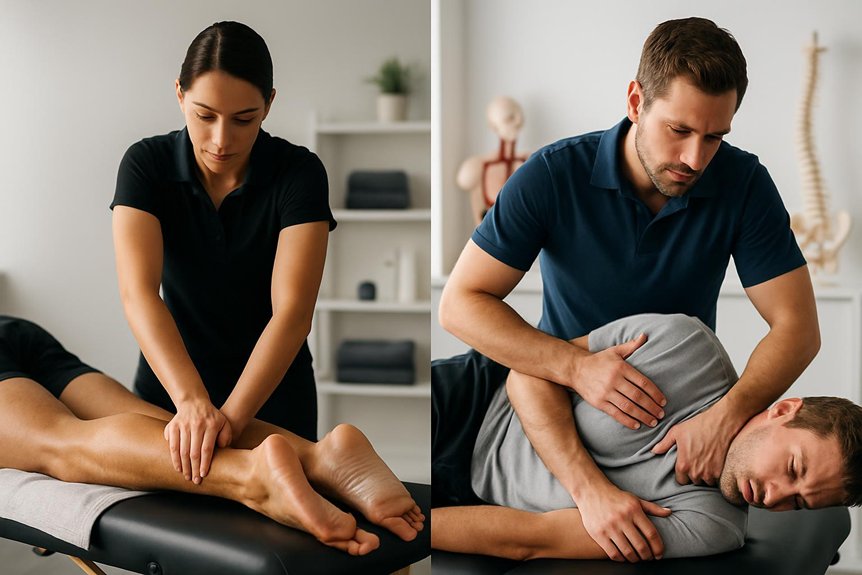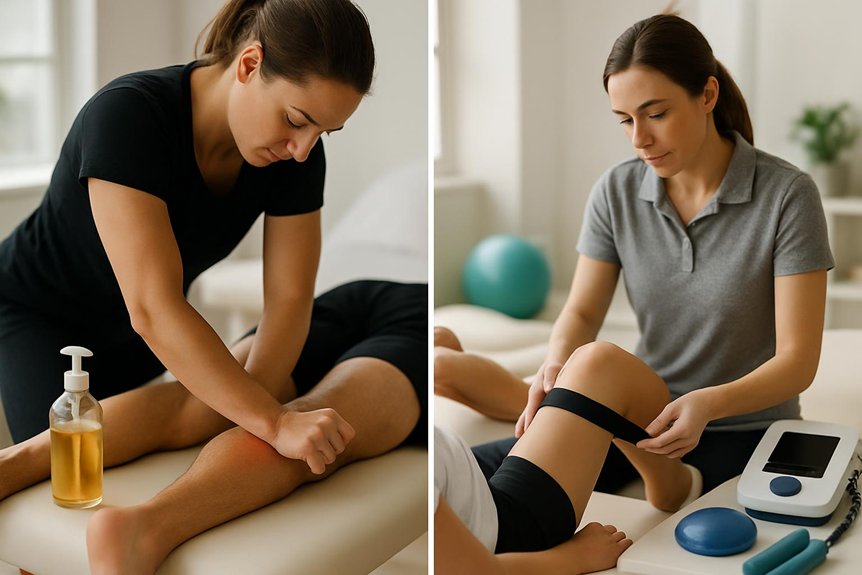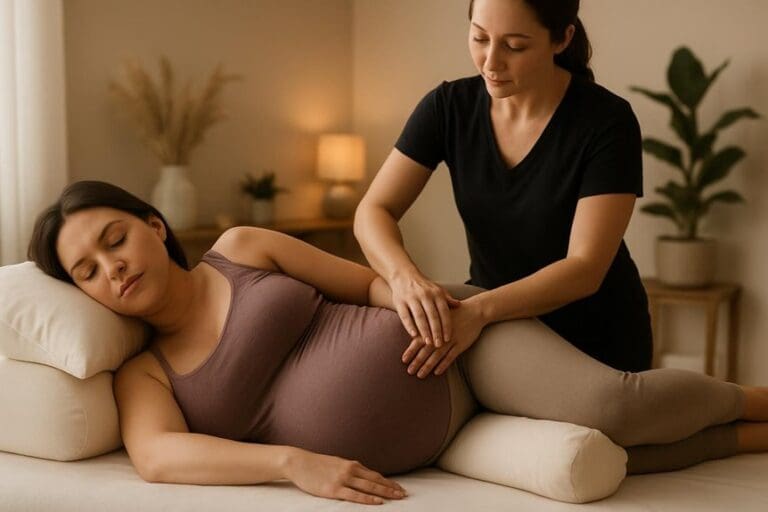
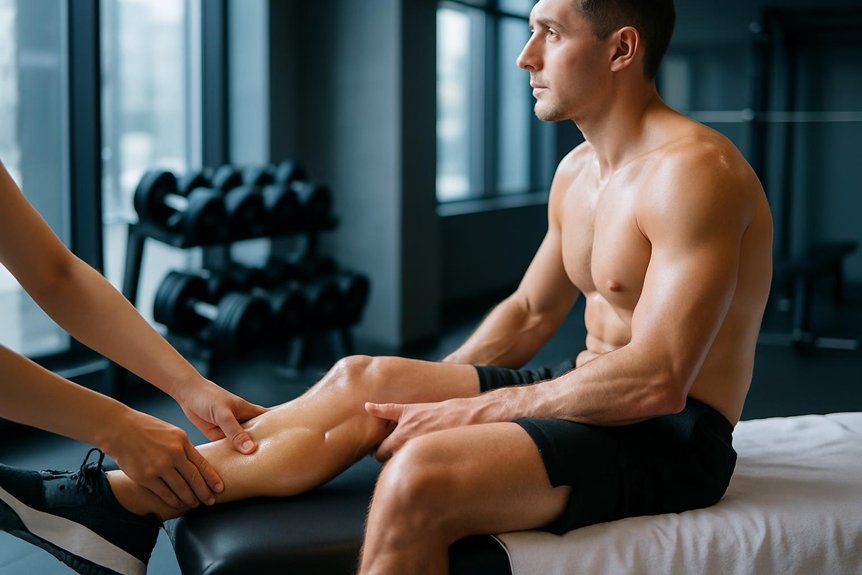
Lifting weights after an athletic massage is usually safe, but timing should match the massage intensity and recovery goal. Circulation- or mobility-focused sessions can allow light-to-moderate training the same day if separated by 6–8 hours. Deeper, technique-heavy work is better followed by next-day lifting to let coordination normalise. Expect mild soreness, heaviness, or temporary weakness for 12–24 hours. Reduce loads to 60–80%, cut volume, and avoid sharp pain. More guidance follows below.
Can You Lift Weights After a Sports Massage?
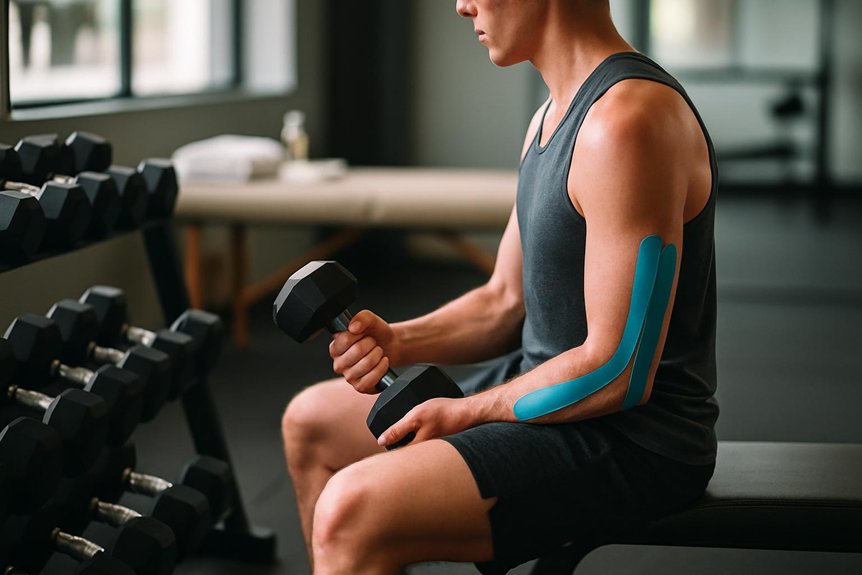
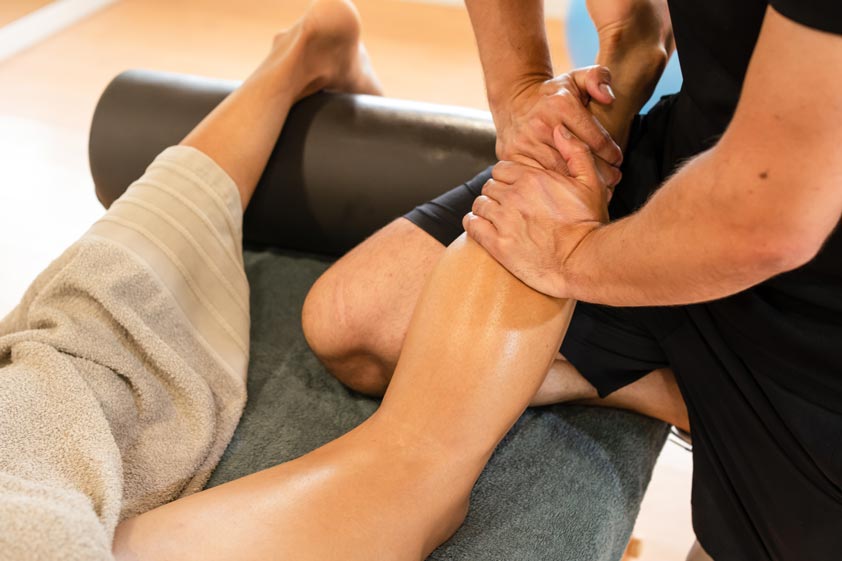
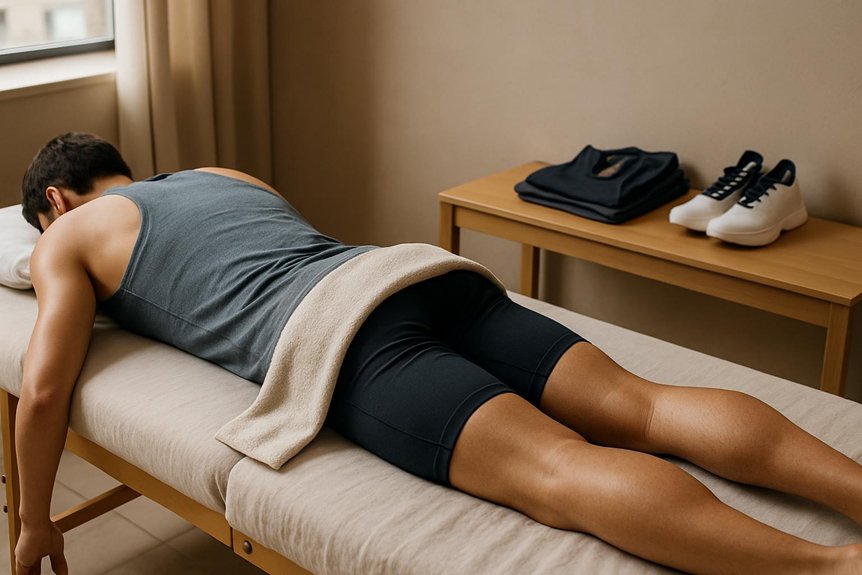
In most cases, weight training after an athletic massage is possible, but the decision should be guided by the session’s intensity and the athlete’s recovery goal.
Light-to-moderate lifting can suit athletes who feel stable, warm, and pain-free, especially after a brief, circulation-focused treatment rather than heavy, deep tissue work.
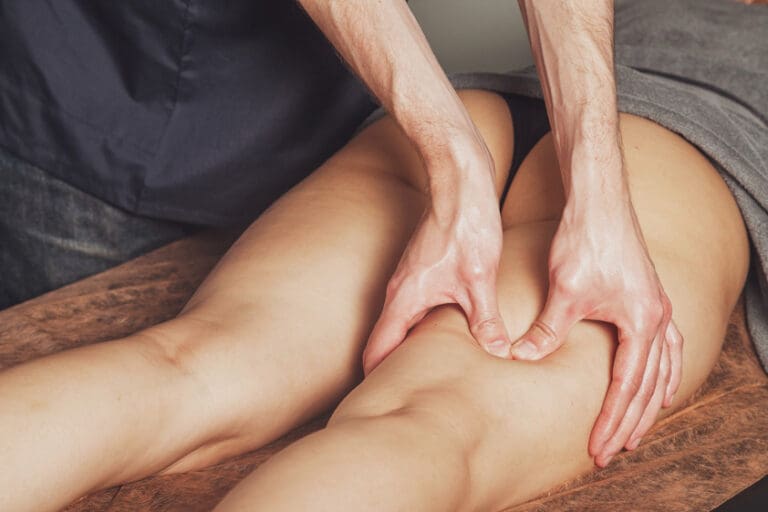
Strenuous lifting immediately after an intense athletic massage may feel “off” because tissue sensitivity, temporary soreness, and altered proprioception can reduce control under load.
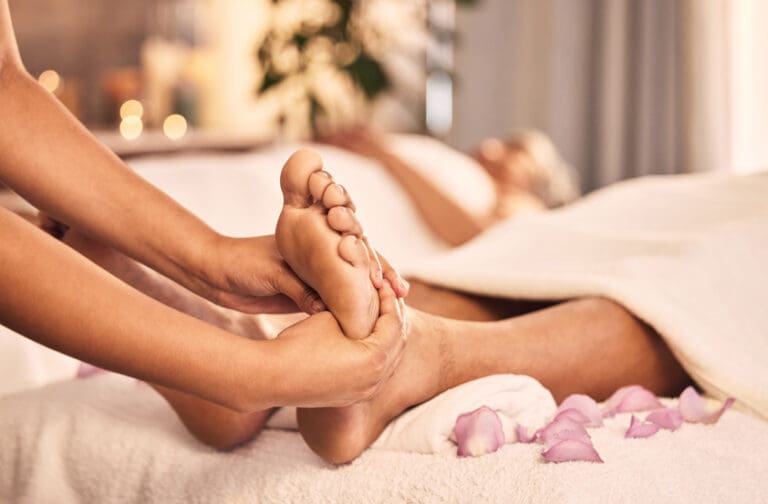
It can also support athletic recovery by improving circulation and easing muscle tension, which may influence how your body responds to training later that day.
In Spa & Massage clinics across London, therapists tailor pressure and techniques to the client’s training plan, then recommend hydration, gentle mobility, and attentive pacing in the next session.
If tenderness, bruised sensation, or reduced range appears, the safer performance choice is to keep loads conservative and prioritise clean technique and calm breathing.
When Should You Lift: Same Day or Next Day?
Timing matters as much as load selection after an athletic massage, because the body’s readiness can shift over the next 12–24 hours depending on the depth of work and the athlete’s training goal.
Same-day lifting can suit a pre-competition or maintenance phase, when the session is lighter, focused on circulation, and scheduled at least 6–8 hours before training.
Next-day lifting is often preferable after deeper, technique-heavy work intended to restore range and reduce protective muscle tone, allowing neuromuscular coordination to normalise.
At Spa & Massage clinics across London, therapists plan timing with the training week: mobility-focused athletic massage pairs well with an upper-body or low-skill session later, while intensive lower-limb work is best followed by a rest day or technical practice.
What Will You Feel After Athletic Massage (Soreness, Fatigue)?
After an athletic massage, it is common to feel a short-lived mix of localised soreness and general fatigue, driven by pressure-induced tissue sensitivity and a temporary shift in nervous-system tone.
Tenderness often reflects micro-irritation of sensitised trigger points and fascia rather than new injury, and may resemble post-training DOMS for 12–24 hours. Some clients notice heaviness, sleepiness, or a “floaty” calm as parasympathetic activity rises and perceived stress drops. Occasionally, treated areas feel looser yet slightly weak because protective muscle tone temporarily reduces.
In Spa & Massage clinics across London, therapists frame these sensations as normal recovery signals, advising awareness of swelling, sharp pain, or bruising that worsens, which may indicate excessive pressure or an underlying issue. Hydration and gentle movement can support comfort and circulation.
How to Adjust Your Weights After Athletic Massage
Reduce the load and treat the next lifting session as a technique-focused deload: most athletes perform best by cutting working weights to roughly 60–80% of normal (or dropping 1–3 RPE), keeping sets 1–2 reps further from failure, and trimming total volume by about 20–40% for 24–48 hours while tissue sensitivity and neuromuscular tone normalise.
At Spa & Massage, therapists advise prioritising controlled tempo, full-range reps, and longer rests to keep joints calm and form crisp. Favour machine or cable patterns over unstable free-weight variations, and reduce eccentric overload if the session felt deep.
Keep accessory work light, and let breathing stay slow and intimate—exhale through effort to soften bracing. Hydrate, add protein, and return to normal loading once movement feels smooth and springy.
Signs You Should Skip Lifting After an Athletic Massage
When is a post-massage lift a net negative for performance and recovery? It’s when the body is signalling “repair first.” Skip lifting if there’s lingering tenderness that changes movement, sharp pain, or a clear drop in joint control—signs the nervous system is still downshifting.
Avoid training if a deep tissue or sports session leaves heavy soreness, bruising, or swelling; tissues may need 24–48 hours to remodel.
Dizziness, nausea, headache, or unusual fatigue suggests dehydration, low blood pressure, or poor recovery readiness.
Also pause if sleep was poor, resting heart rate is elevated, or grip feels weak—common markers of stress load.
At Spa & Massage clinics, therapists advise a gentle walk, hydration, and mobility instead.
Conclusion
Whether to lift weights after an athletic massage depends on treatment intensity, planned training load, and post-session symptoms. Light, technique-focused lifting can suit those who feel looser and more mobile, while heavy or high-volume sessions are best delayed if tenderness or fatigue appears. This caution is performance-led: delayed onset muscle soreness typically peaks 24–72 hours after strenuous exercise, so stacking deep massage and maximal lifting can amplify soreness and compromise mechanics.