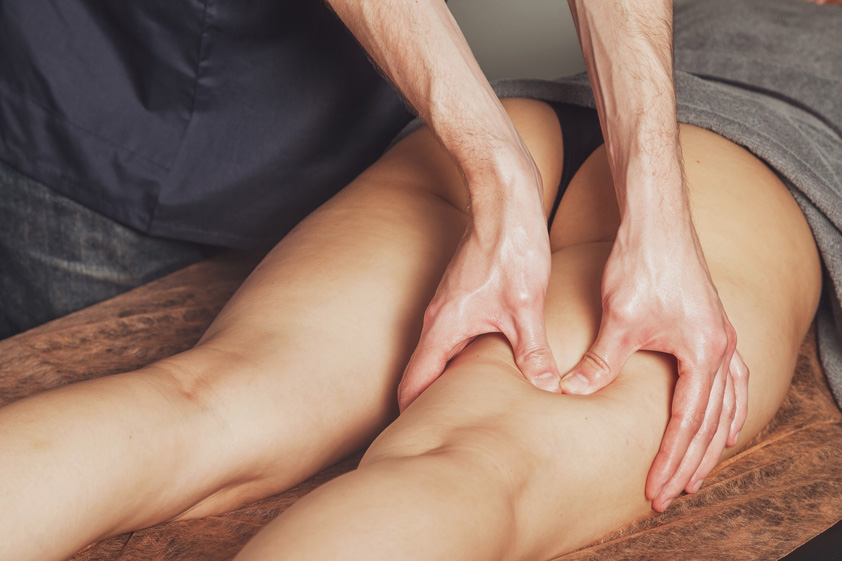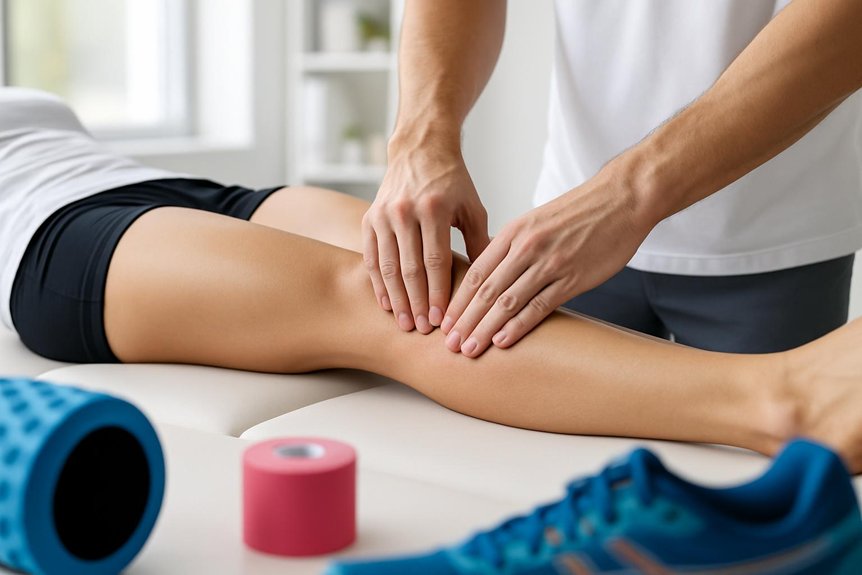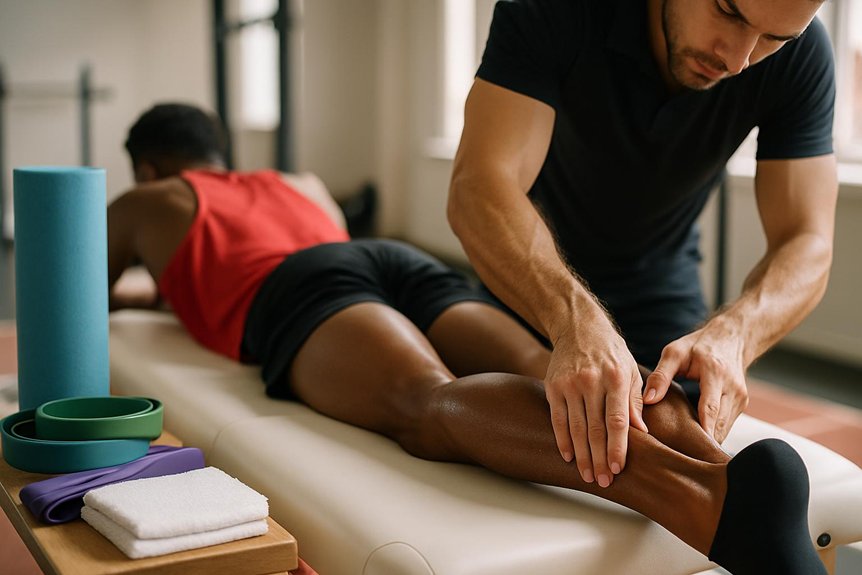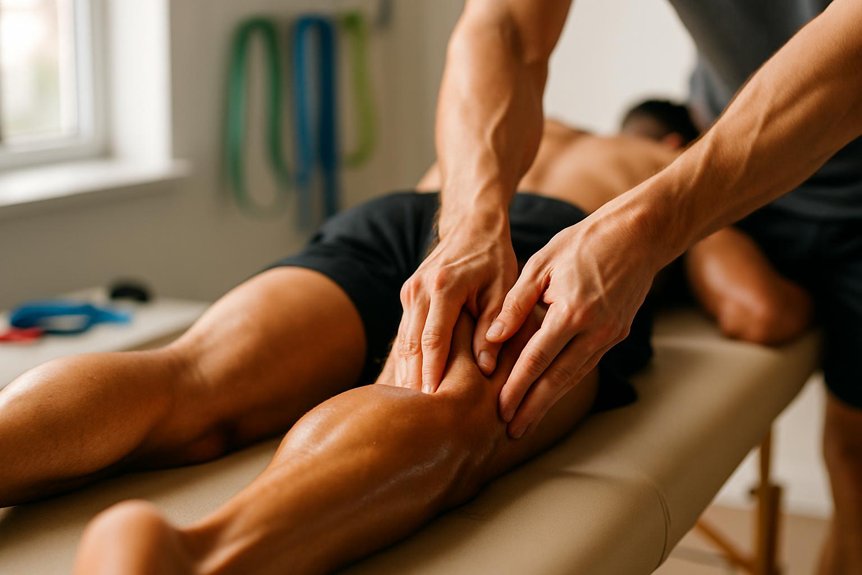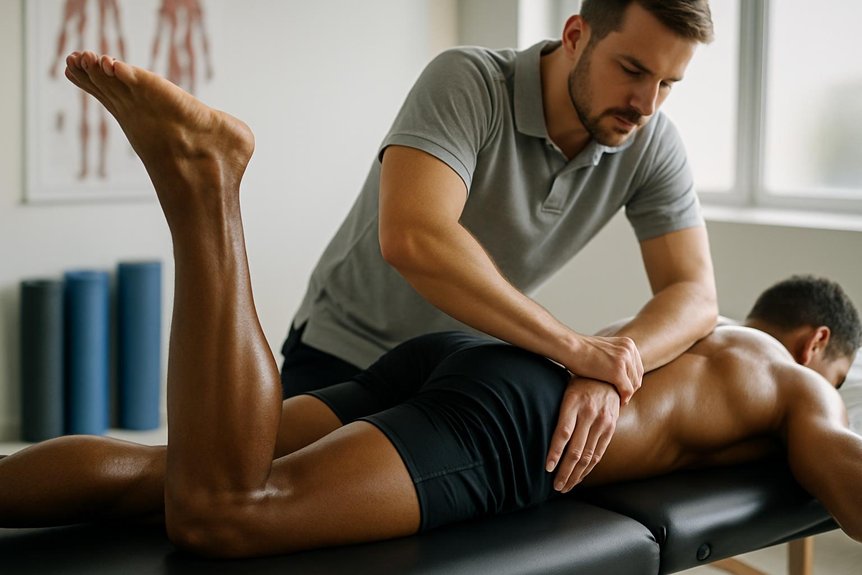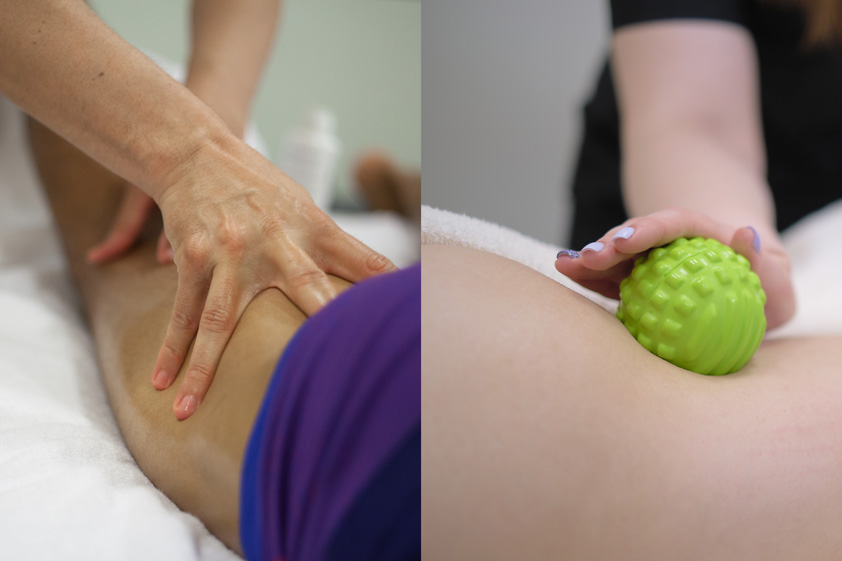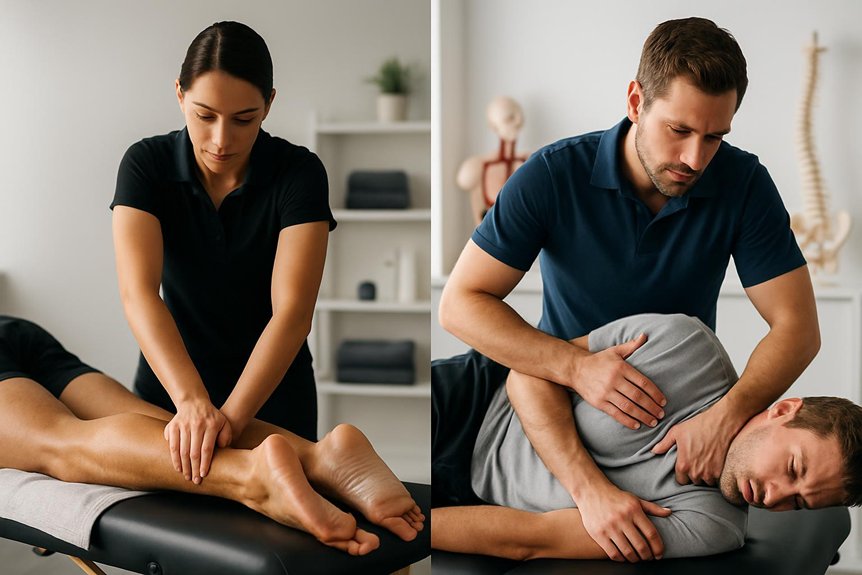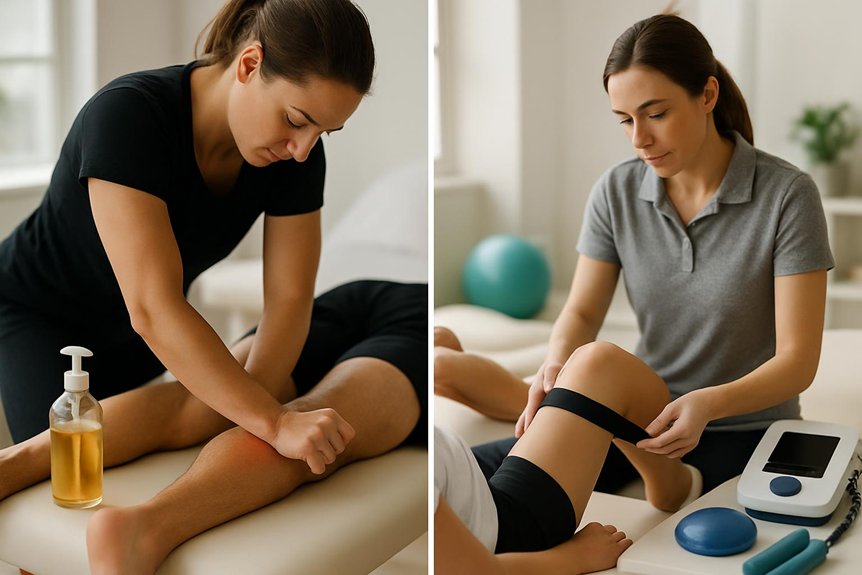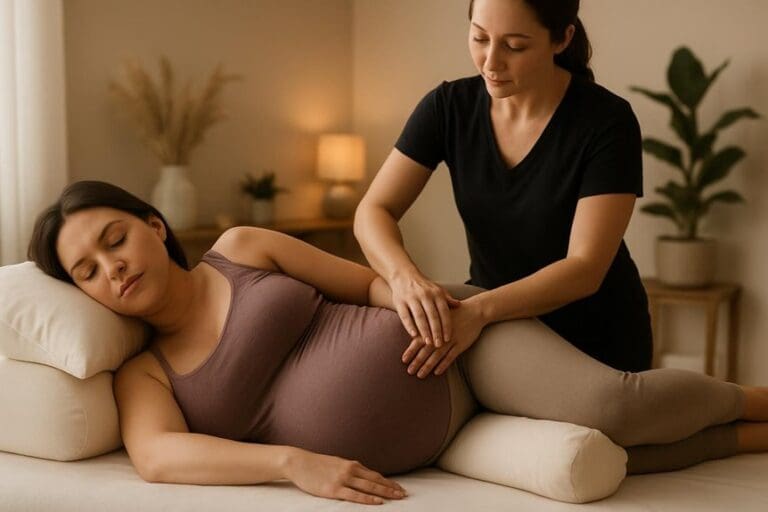
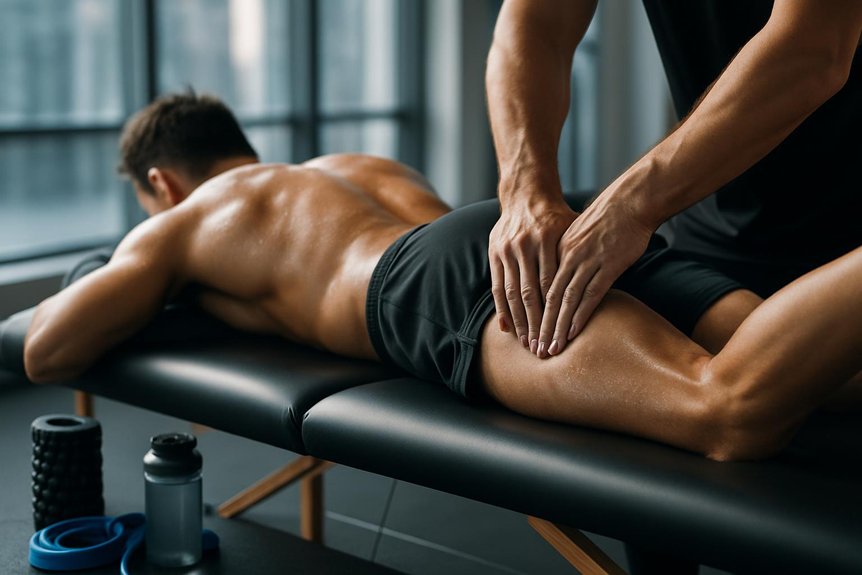
An athletic massage can be useful both before and after a workout, depending on the goal and tissue status. Pre-work sessions are typically brief (10–20 minutes) and use light-to-moderate effleurage, focused compression, and short dynamic stretching to improve readiness without causing tenderness. Post-work sessions, done later the same day or within 24–48 hours, use slower strokes and myofascial work to support recovery and range of motion. Contraindications include acute swelling, sharp pain, bruising, fever, or unexplained calf swelling; guidance on timing and technique follows.
Sports Massage: Before or After a Workout?
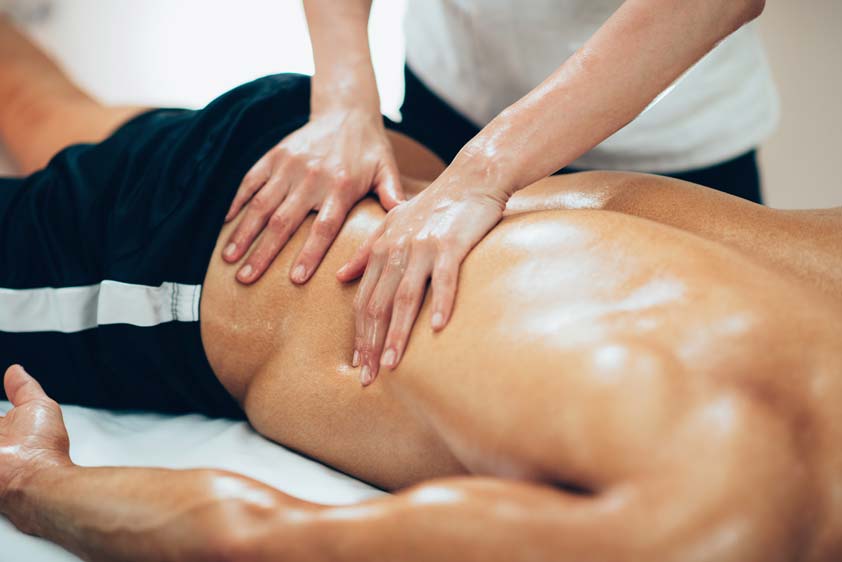
In practice, whether an athletic massage is scheduled before or after a workout depends on the training goal and the individual’s current tissue status. At Spa & Massage, therapists first assess soreness, range of motion, and any red flags (acute swelling, sharp pain, bruising), then select pressure and tempo to match readiness.
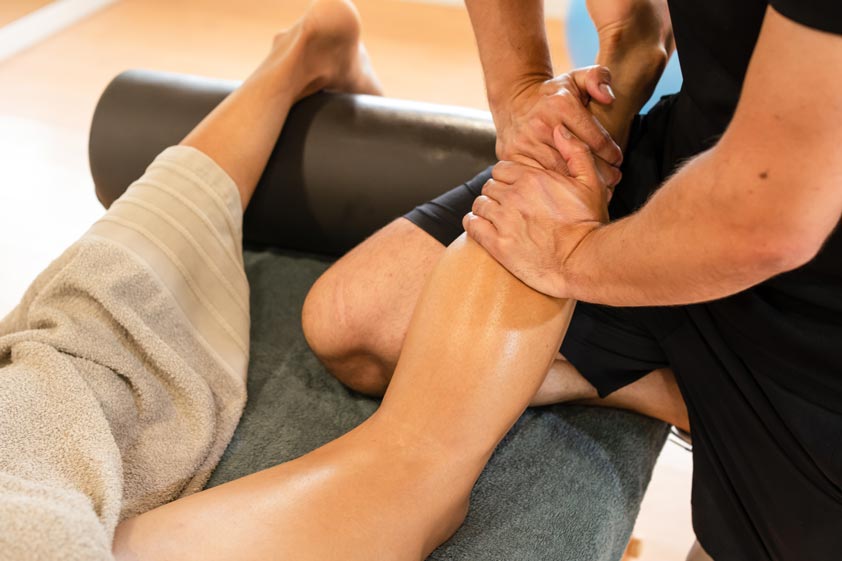
Post-workout sessions typically prioritise recovery: slower effleurage to support fluid exchange, targeted myofascial techniques for tight lines, and measured deep tissue work only when tenderness is tolerable. This approach aims to reduce perceived soreness and restore movement without aggravating microtrauma. For many athletes, athletic massage benefits include supporting recovery and helping maintain training consistency across sessions. When fatigue is high, gentler work is safer than aggressive stripping.
Clients are advised to hydrate, keep warmth on treated areas, and avoid maximal lifting for 12–24 hours if deep pressure was used.
When Is a Pre-Workout Athletic Massage Helpful?
Post-workout athletic massage often focuses on downregulating soreness and restoring comfortable movement; a pre-workout athletic massage is most helpful when the goal is to improve readiness without creating additional fatigue or tenderness. It suits sessions where a client feels “stiff” rather than painful, is returning after travel, or needs confidence in a specific range of motion.
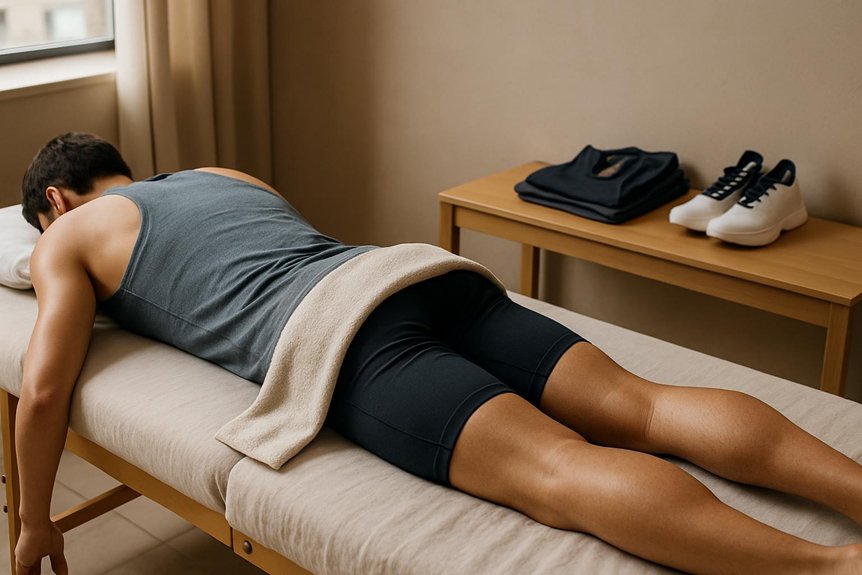
At Spa & Massage clinics, therapists typically use brief, targeted work (10–30 minutes): light-to-moderate effleurage to warm tissue, focused compression, and short bouts of dynamic stretching around key joints. Deep, slow stripping is usually avoided immediately pre-session because it can leave residual tenderness.
Safety screening matters: acute injury, swelling, nerve symptoms, or unfamiliar sharp pain warrants postponing and signposting medical review. Hydration and a gentle warm-up still follow.
When Is a Post-Workout Athletic Massage Best for Recovery?
After a demanding training session, a post-workout athletic massage is best scheduled once breathing and heart rate have settled and the body can tolerate focused pressure—typically later the same day or within 24–48 hours—when the aim is to reduce perceived soreness, restore range of motion, and support recovery between sessions.
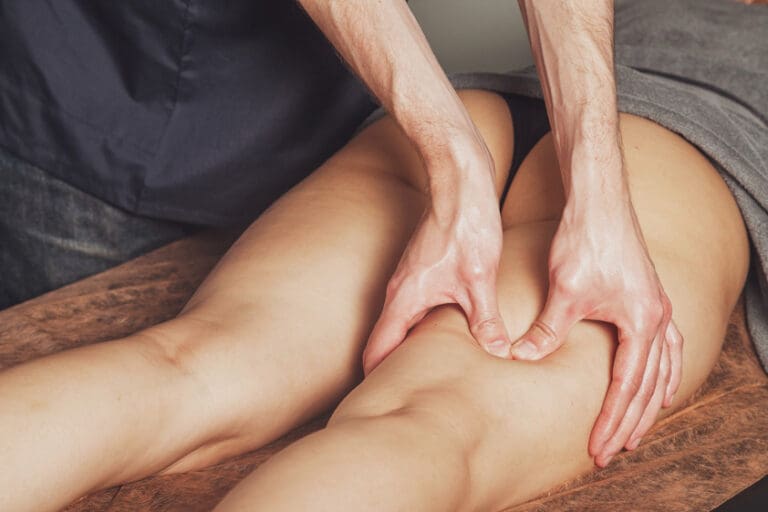
In Spa & Massage clinics, therapists favour slower effleurage to calm the nervous system, then targeted compressions and myofascial release around loaded areas (calves, quads, glutes, back) to ease tone without provoking tenderness.
Pressure is kept “comfortably intense,” with client feedback guiding depth and pace for a safe, intimate therapeutic feel.
It is avoided over acute swelling, sharp pain, bruising, fever, or suspected strain; lighter work and hydration are advised instead.
Best Timing for Athletic Massage Around Training
Recovery-focused massage within 24–48 hours is only one part of an effective plan; the best timing for athletic massage around training depends on whether the goal is pre-session readiness, intra-cycle maintenance, or post-session downregulation.
For pre-workout, Spa & Massage therapists typically use 10–20 minutes of brisk, light-to-moderate pressure (effleurage, petrissage, brief compressions) to increase local warmth and neuromuscular readiness without leaving tenderness.
Between hard sessions, a 30–45 minute maintenance treatment targets tone and trigger points with controlled depth, then reassesses range to keep movement smooth.
Immediately after training, 10–30 minutes of slower strokes, diaphragmatic breathing cues, and gentle flushing can calm the nervous system and reduce guarding.
Hydration and easy walking support circulation.
Who Should Avoid Athletic Massage Before Training?
Before a training session, not everyone is a good candidate for athletic massage: individuals with acute injury (new swelling, sharp pain, suspected tear), active inflammation or infection (fever, skin redness/heat, contagious illness), unexplained calf pain or marked swelling (DVT red flags), recent bleeding or anticoagulant use, uncontrolled cardiovascular issues, or significant post-treatment tenderness from a prior deep session should generally avoid pre-training work, as added mechanical load and increased local circulation can aggravate tissue damage, mask protective pain signals, or raise complication risk—so Spa & Massage therapists screen these factors first and, where appropriate, defer treatment, modify to very light techniques, or advise medical assessment before exercise.
They also avoid vigorous pre-work on nerve symptoms (numbness, tingling), severe delayed soreness, or unstable joints. Where touch is appropriate, gentle effleurage and breath-led relaxation may support readiness without overloading tissues.
Conclusion
Choosing athletic massage before or after a workout depends on intent: pre-training work is lighter, faster, and neuromuscularly stimulating, while post-training sessions are slower, down-regulating, and focused on restoring range and comfort. Timing should account for load, symptoms, and how tissue responds to pressure, especially around acute soreness or strain. Importantly, a meta-analysis reported massage can reduce delayed onset muscle soreness by ~13%, supporting its role as a structured recovery tool when applied safely.