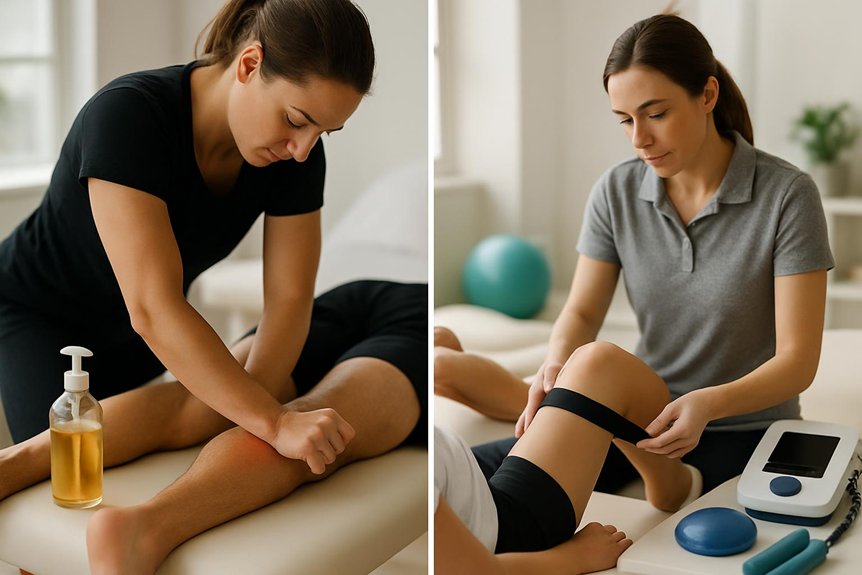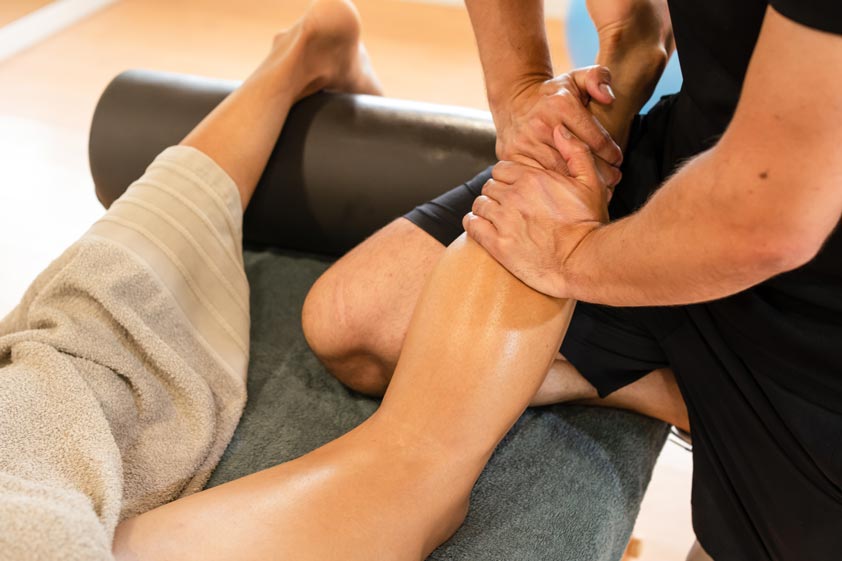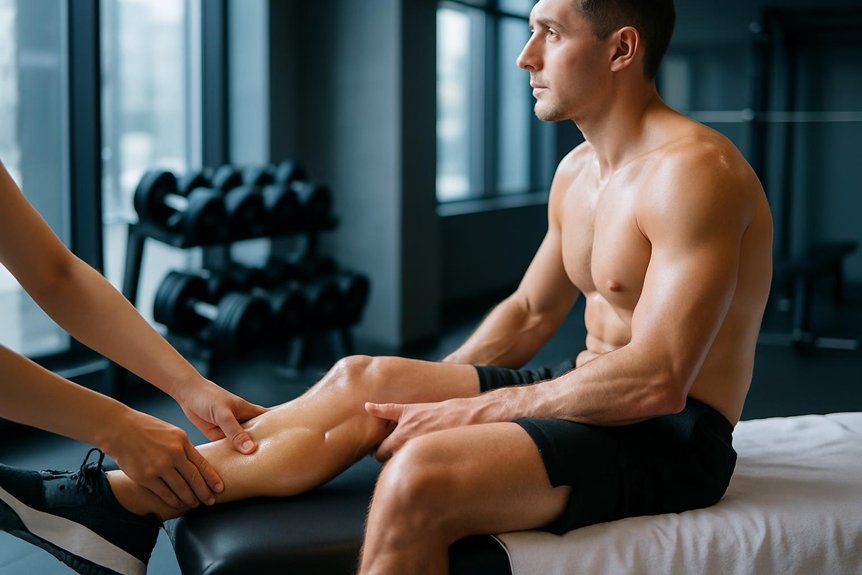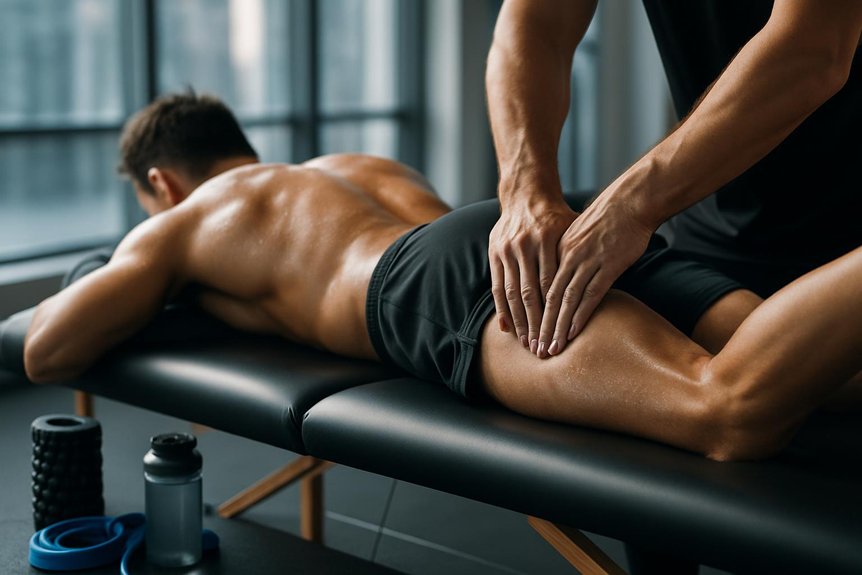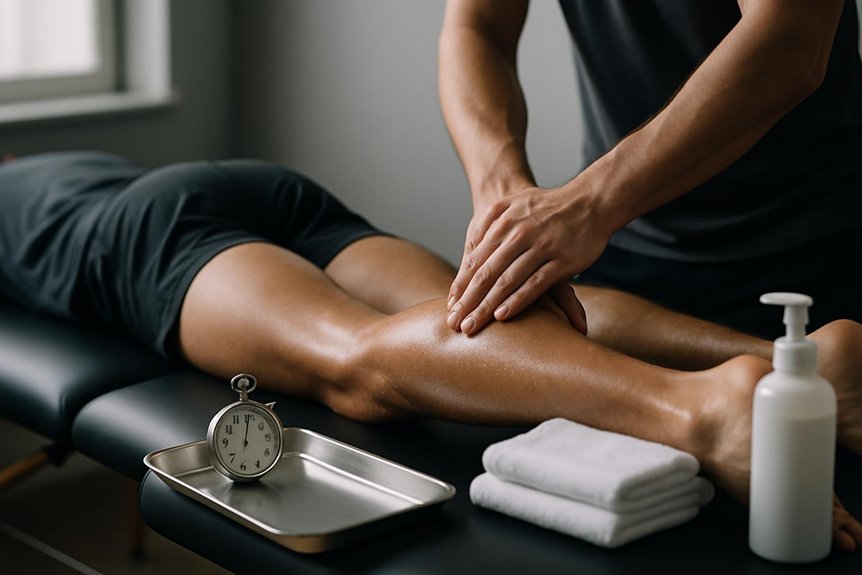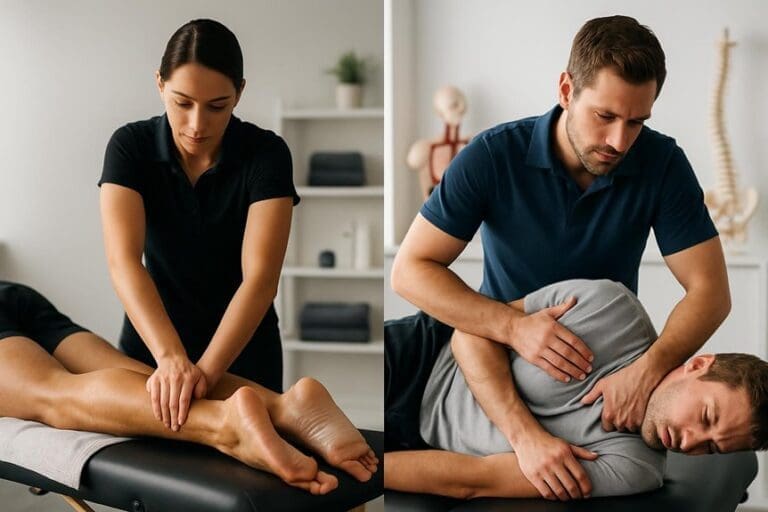
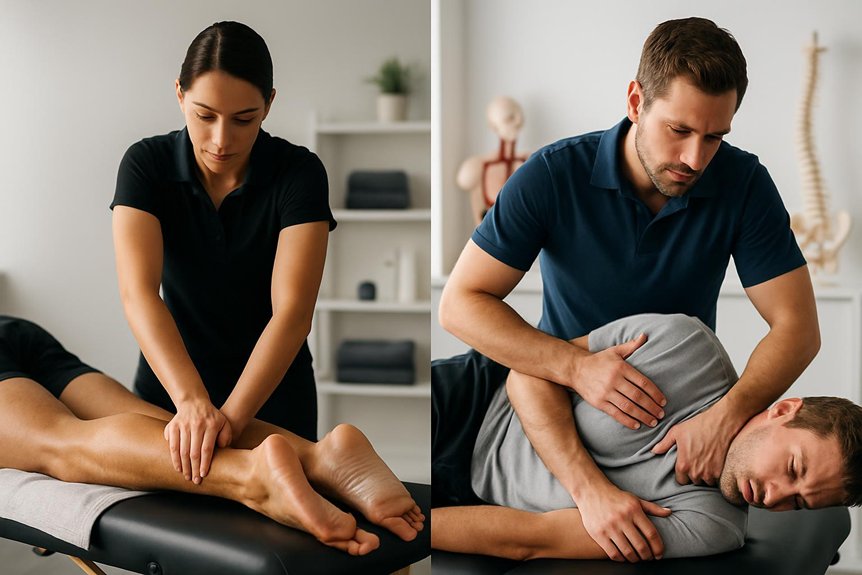
Performance massage targets overworked muscles and fascia to reduce tension, trigger-point tenderness, and post‑exercise soreness, often improving tissue glide and comfortable range of motion. Chiropractic care focuses on evaluating and treating joint and spinal mechanics, using mobilisation or adjustment alongside advice and exercise to restore movement and reduce mechanically driven pain. Diffuse tightness tends to suit massage, while sharp, movement‑specific or radiating symptoms warrant joint and nerve screening. The sections below explain choice, safety checks, and when combining helps.
Performance Massage Vs Chiropractic: How To Choose
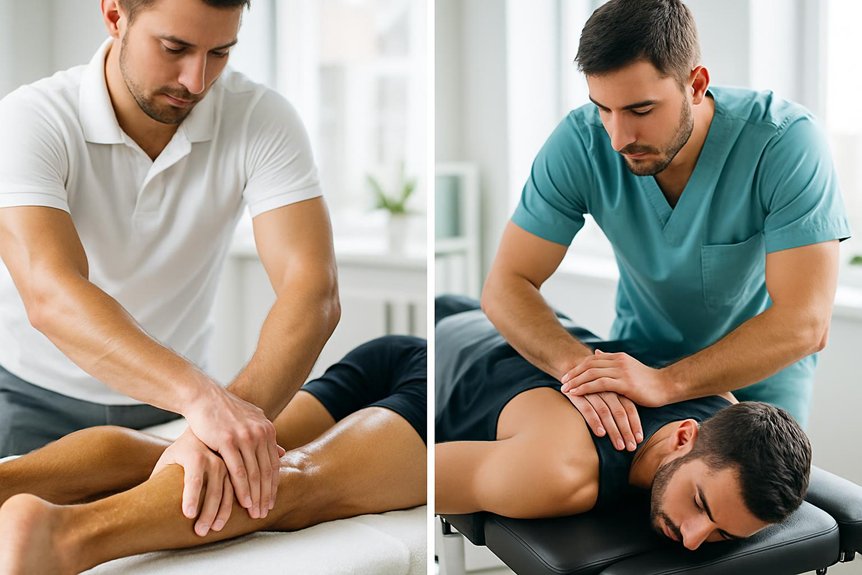
In practice, choosing between performance massage and chiropractic care depends on the primary source of the problem—soft-tissue restriction and muscle overload versus joint mechanics and spinal or peripheral alignment.
A focused history (onset, training load, posture, previous injury) and symptom mapping help narrow the driver: diffuse tightness, delayed soreness, and trigger-point tenderness often suit massage-led care; sharp, movement-specific pain, catching, or radiating symptoms may warrant a clinician evaluating joints and nerves first.
For athletes, performance massage can support recovery by reducing soreness and improving comfort through targeted soft-tissue work, offering benefits for athletes when training demands are high.
Red flags (numbness, weakness, bowel/bladder change, unexplained night pain) need medical review.
At Spa & Massage, therapists tailor pressure, pace, and consent-led touch, checking in often so clients feel safe, held, and fully present.
If progress stalls, referral is recommended promptly.
Sports Massage: What It Helps With
It is commonly used to ease muscle tension by targeting overworked soft tissues and improving local circulation, which many clients report as reducing stiffness and restoring comfortable movement.
It can also improve athletic recovery by moderating post‑exercise soreness and supporting tissue repair, helping patients return to training with fewer limitations.
In injury rehabilitation, Spa & Massage therapists apply assessment-led techniques to support graded loading, address compensatory patterns, and complement a clinician’s plan of care.
Eases Muscle Tension
How does muscle tension build to the point that it restricts movement and performance? Repeated loading, stress, and protective guarding can raise muscle tone, reduce glide between tissue layers, and create tender trigger points that alter movement patterns and increase discomfort.
Performance massage targets these changes with clinically applied pressure, slow strokes, and focused friction to help soften tight bands, improve local circulation, and restore comfortable range.
At Spa & Massage clinics across London, therapists assess posture, palpate for hotspots, and tailor intensity so clients feel safe, close to their bodies, and in control. Many clients notice easier breathing, freer stride, and less “pulling” during everyday tasks.
Aftercare is simple: hydrate, take a warm shower, and use gentle stretches recommended by the therapist.
Improves Athletic Recovery
Reduced tension and improved range of motion often set the stage for faster athletic recovery, particularly when training loads remain high. Performance massage can support recovery by improving local circulation, modulating post‑exercise soreness, and helping the nervous system shift from “on” to restorative mode.
In Spa & Massage clinics across London, therapists assess training context, tender points, and fatigue patterns, then use paced deep‑tissue strokes, myofascial techniques, and gentle stretching to ease heaviness without overworking sensitised tissue. Many clients report better sleep and a clearer sense of “reset” before the next session—both linked to recovery quality.
Aftercare is kept practical: hydrate, take a short walk, and allow 24–48 hours before maximal intensity, if possible.
Supports Injury Rehabilitation
Rehabilitation is often most effective when pain is calmed, movement is restored, and loading is progressed in a controlled way. Performance massage can support this process by reducing protective muscle guarding, improving local circulation, and helping clients tolerate graded exercise sooner, especially after strains, tendinopathy flares, or overuse pain.
At Spa & Massage clinics across London, therapists assess symptoms, training history, and comfort boundaries, then use targeted deep tissue and myofascial techniques to ease stiffness around the affected area without provoking sharp pain. Treatment is paired with clear aftercare: gentle mobility, hydration, and a simple home plan agreed with the client. While it does not “fix” tissue alone, it can make movement feel safer, so rehabilitation exercises are performed with better quality and confidence.
Chiropractic: What It Treats And How It Works
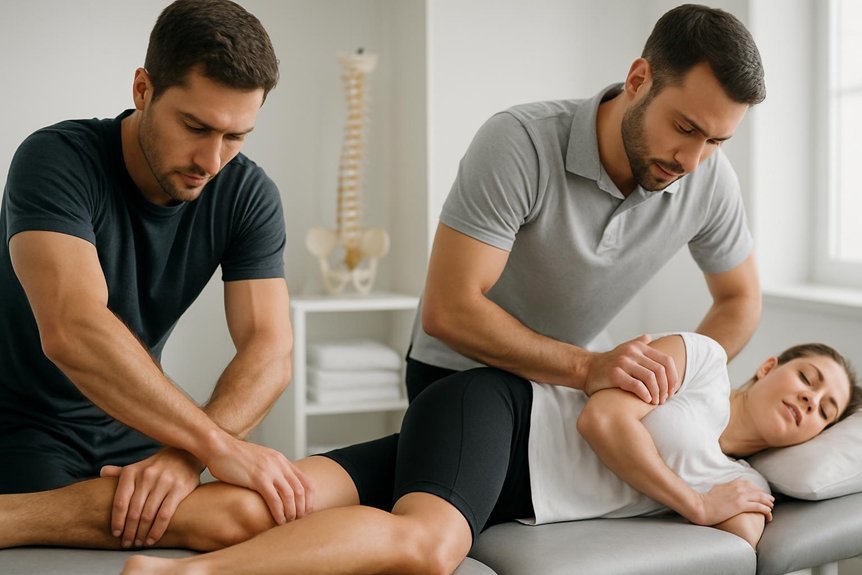
In clinical practice, chiropractic care focuses on evaluating and treating disorders of the musculoskeletal system—particularly the spine—with the aim of improving joint function, reducing pain, and supporting the nervous system’s role in movement and sensation. It is commonly used for neck pain, back pain, headaches linked to cervical dysfunction, and some limb symptoms related to joint mechanics.
Assessment typically includes a health history, posture and movement testing, orthopaedic and neurological screening, and red-flag checks to guide safe care or referral. Treatment may involve spinal manipulation or mobilisation, soft-tissue techniques, and tailored advice on activity, ergonomics, and strengthening.
A patient-centred approach explains expected sensations, options, and risks, then agrees goals and pacing. At Spa & Massage, clients are encouraged to coordinate chiropractic input with their wider rehabilitation plan.
Performance Massage Vs Chiropractic: Common Injuries Compared
Chiropractic care is often selected to address joint and spine-related mechanical dysfunction; performance massage, by contrast, is typically chosen for soft-tissue overload, muscle tone issues, and recovery demands.
Typical chiropractic presentations include acute low-back pain with restricted lumbar movement, neck pain linked to facet irritation, headache patterns associated with cervical dysfunction, and rib or pelvic joint irritation after lifting or contact sport.
Performance massage more commonly targets hamstring or calf tightness, delayed onset muscle soreness, tendinopathy-related tenderness, trigger-point referral pain, and post-training stiffness.
For many clients, symptoms overlap: a protective spasm can follow a joint sprain, and altered mechanics can perpetuate tendon load.
At Spa & Massage, therapists screen for red flags and coordinate care so clients feel safe, heard, and physically supported.
What To Expect From Performance Massage At Spa & Massage
At Spa & Massage, it typically begins with a personalised assessment of symptoms, training load, and medical history to set clear, functional goals such as pain reduction, improved range of motion, or faster recovery.
Treatment is then tailored to the findings, using clinically informed soft-tissue techniques and pressure matched to the client’s tolerance and target tissues.
Aftercare is provided with practical advice—such as hydration, graded stretching or mobility, activity modification, and self-management strategies—to support lasting results between sessions.
Personalised Assessment And Goals
How is a performance massage plan tailored to an individual’s body and training demands? At Spa & Massage, the therapist begins with a brief, private consultation that explores training load, recent sessions, pain patterns, sleep, stress, and prior injuries. Consent and comfort boundaries are clarified so the client feels safe, seen, and in control.
A focused assessment then checks posture, range of motion, tissue tone, and tenderness, linking findings to the client’s sport and goals. Together, they agree a clear aim—performance support, recovery, or symptom reduction—plus priority areas and pressure preferences.
The plan is adjusted in real time using feedback on sensation and breathing, ensuring therapeutic depth without overwhelming the nervous system, and maintaining a calm, intimate atmosphere throughout.
Treatment, Aftercare, And Advice
Once goals and priorities are agreed, the performance massage session is delivered as a structured, feedback-led treatment aimed at the identified tissues and movement restrictions.
At Spa & Massage clinics across London, therapists combine slow deep-pressure work, compressions, and targeted stretching, adjusting intensity to the client’s breathing and comfort. Clear communication is encouraged throughout to keep the experience safe, respectful, and closely attuned to what the body is ready for.
After treatment, temporary soreness or warmth can occur, similar to post-exercise effects. Therapists advise hydration, gentle walking, and avoiding heavy training for 24 hours when sensitivity is high. Simple self-care may include heat, light mobility drills, or brief foam rolling. Follow-up frequency is guided by symptoms, training load, and recovery response.
Performance Massage Vs Chiropractic: When Combining Helps
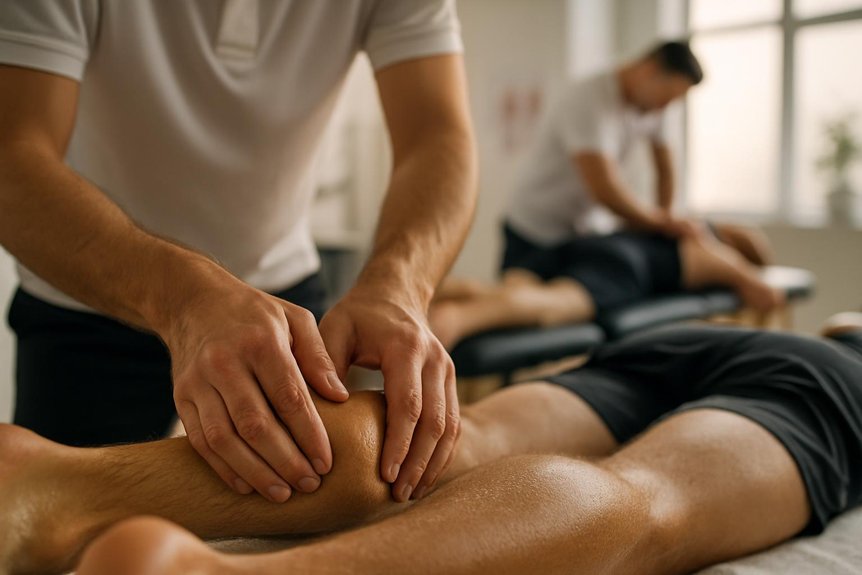
Combining performance massage with chiropractic care can be clinically useful when both soft-tissue restriction and joint mechanics are contributing to pain, reduced range of motion, or recurrent strain. Massage can reduce tone and tenderness in overworked muscles, improving tolerance to mobilisation or adjustment and helping the body “hold” new movement patterns.
Chiropractic input may support joint glide and spinal or pelvic alignment when stiffness is limiting function, particularly in persistent neck, back, hip, or shoulder complaints. At Spa & Massage clinics across London, therapists often coordinate timing so massage prepares tissues first, then reinforces changes with calm, guided aftercare.
Patient-centred plans emphasise consent, comfort, and pacing—especially when touch feels personal—along with hydration, gentle mobility, and activity modification between sessions to maintain results.
Conclusion
Performance massage and chiropractic care can both reduce pain and improve movement, but they address different drivers: soft-tissue overload versus joint and spinal mechanics. A common concern is, “What if I choose the wrong one and waste time?” A focused assessment reduces that risk by matching symptoms, training load, and objective findings to the right plan. For many London clients balancing exercise and desk work, the result is not just looser muscles or better alignment, but restored confidence to move.