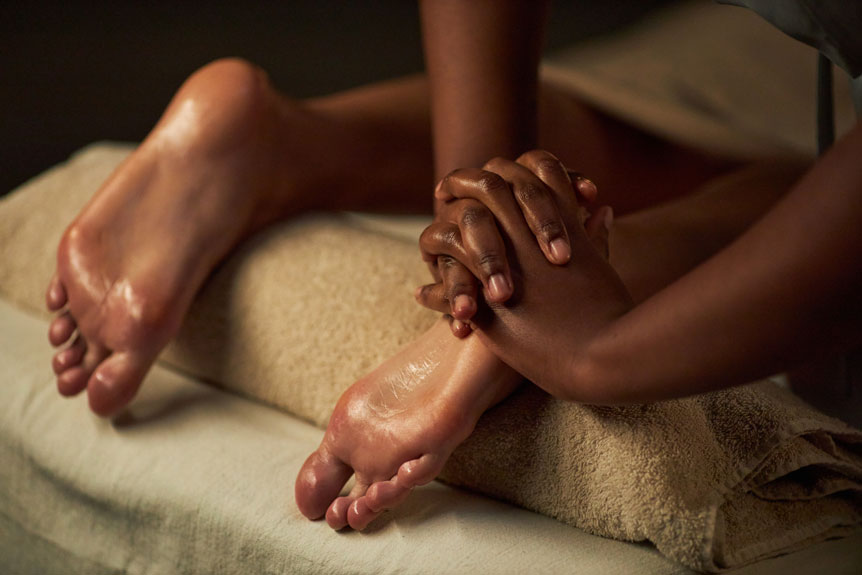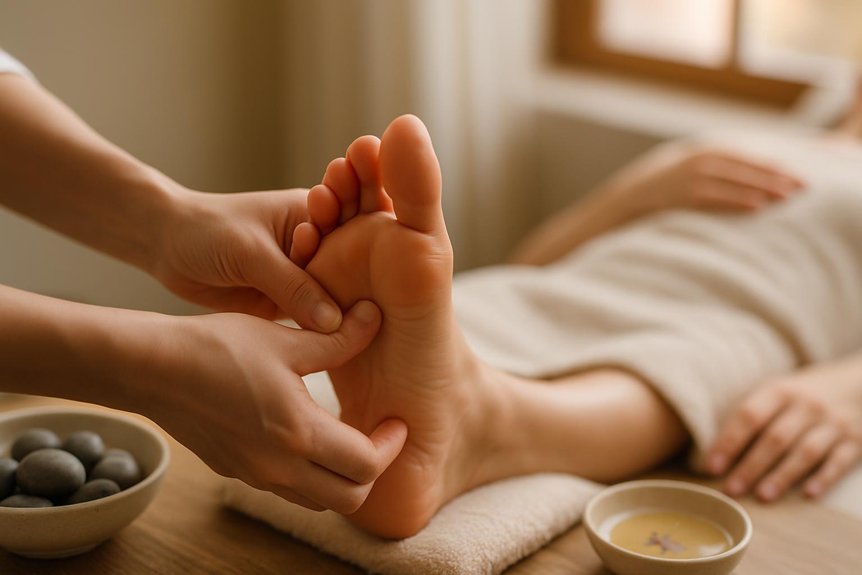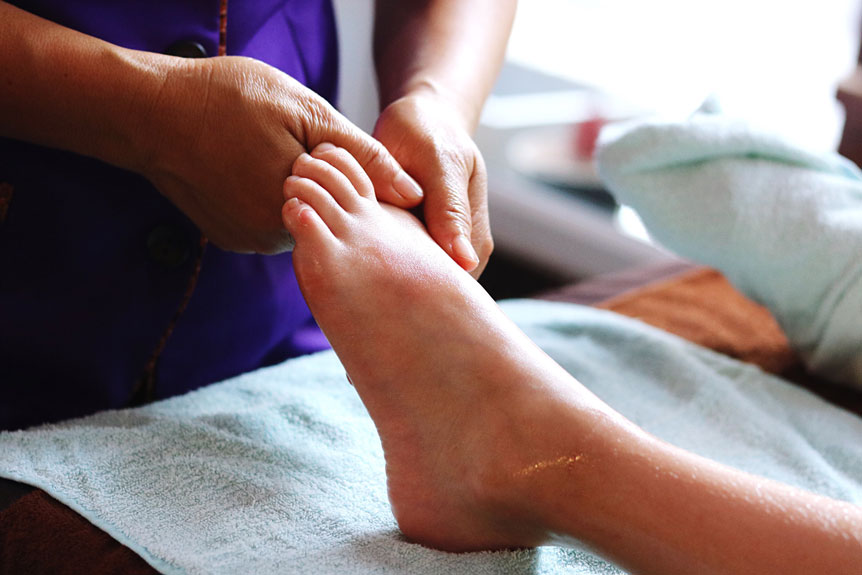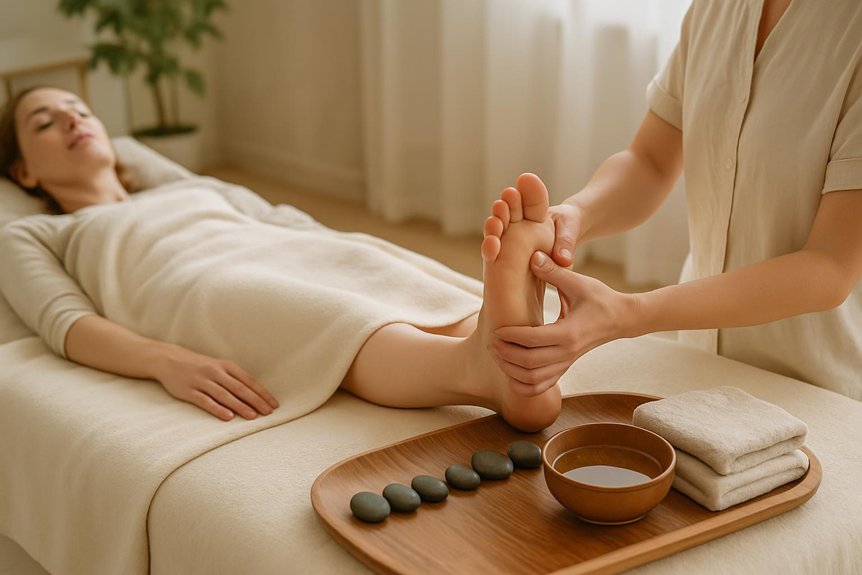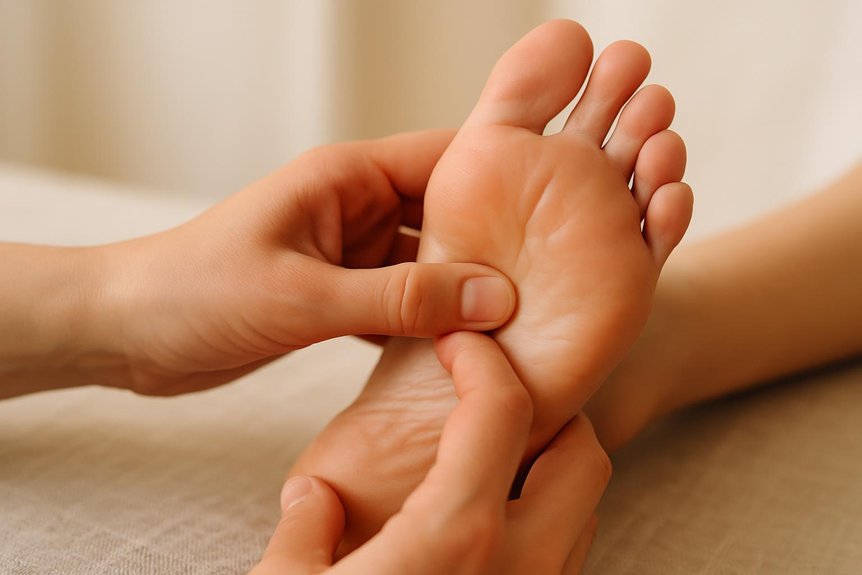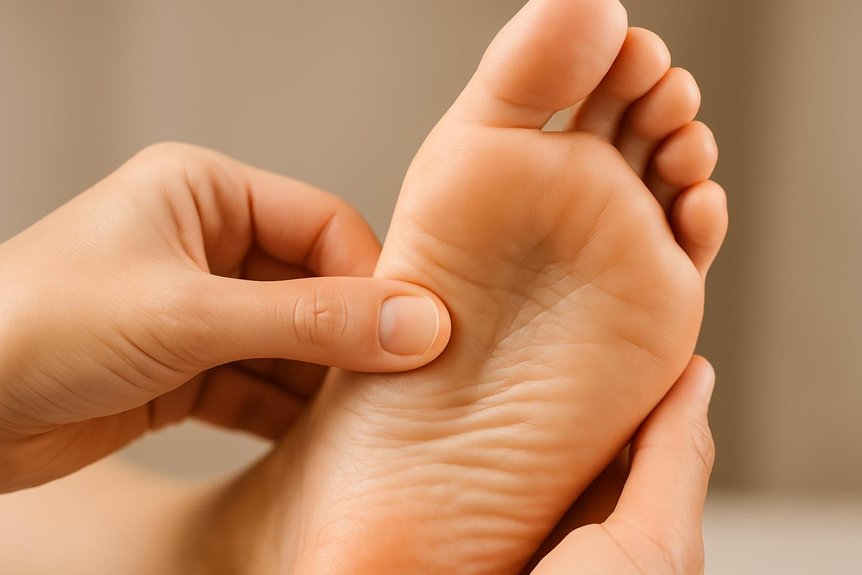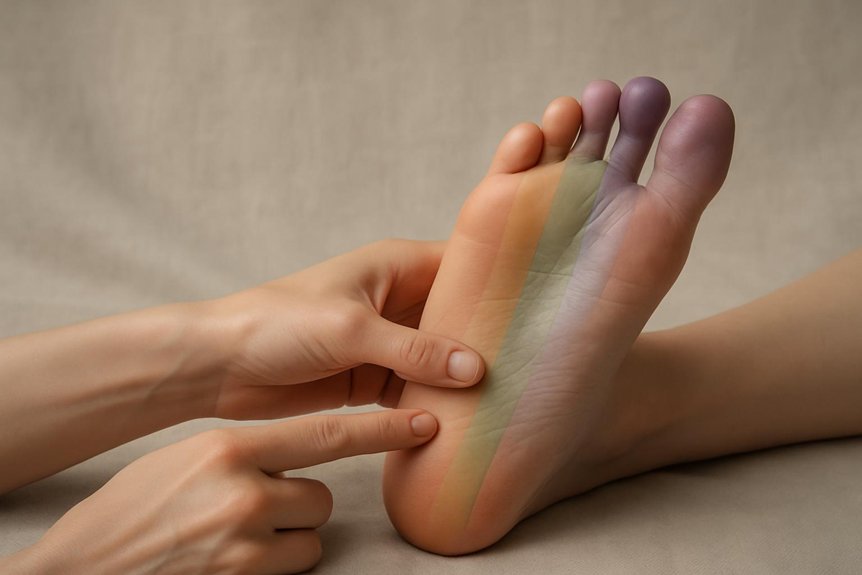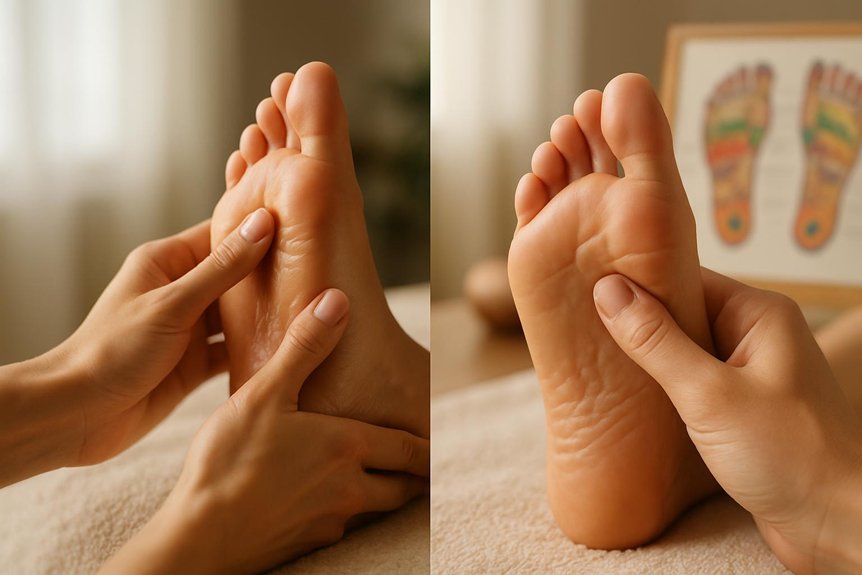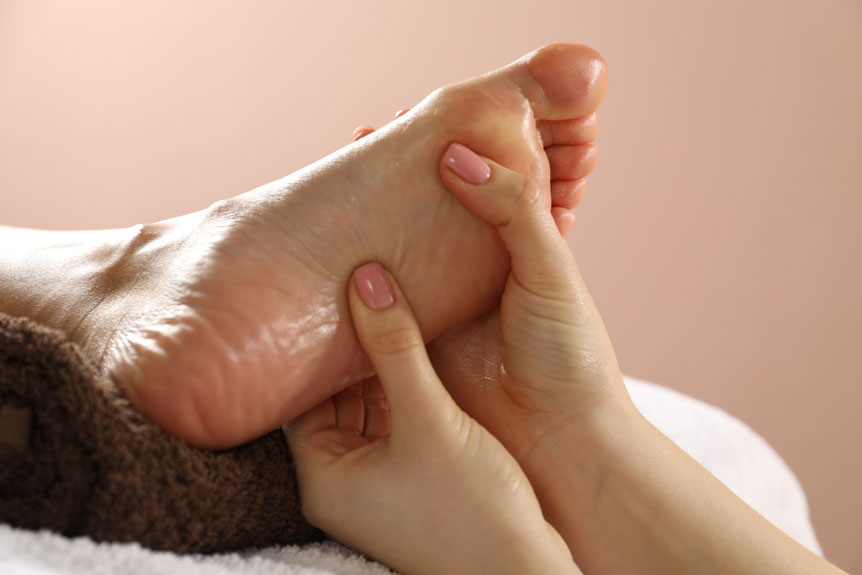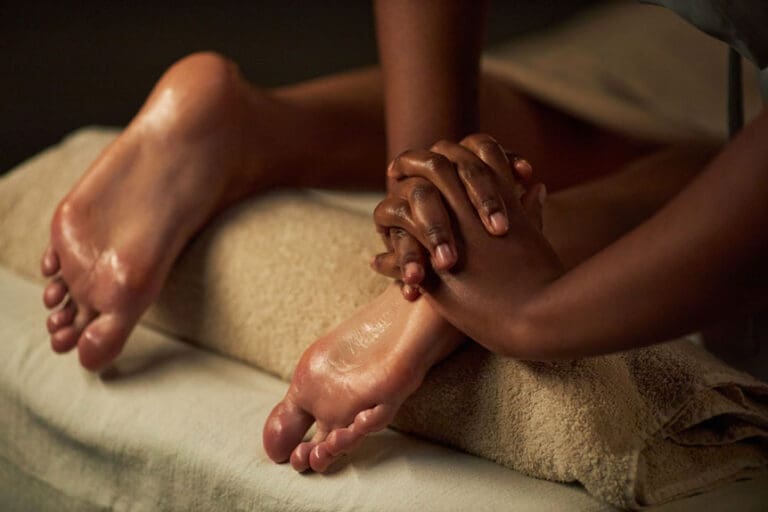
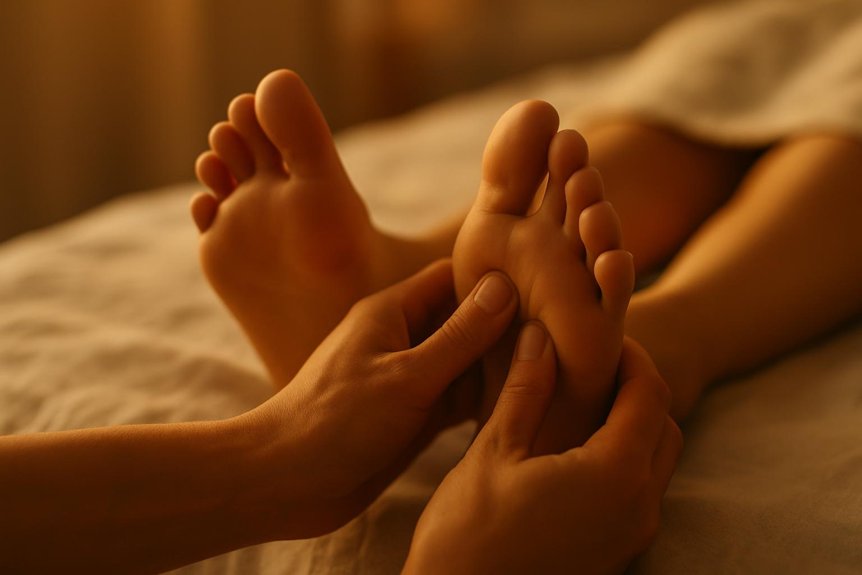
Reflex points for sleep commonly include the solar plexus point (midline of the sole just below the ball), the “pineal” point (centre of the big toe pad or thumb pad), the Kidney‑1 grounding point (depression under the ball of the foot between the 2nd–3rd metatarsals), and calming heart–lung zones on the upper palm. Techniques use light-to-moderate, non-painful pressure with slow circles for 30–90 seconds. Safety limits and next steps are important.
What Are the Best Reflex Points for Sleep?
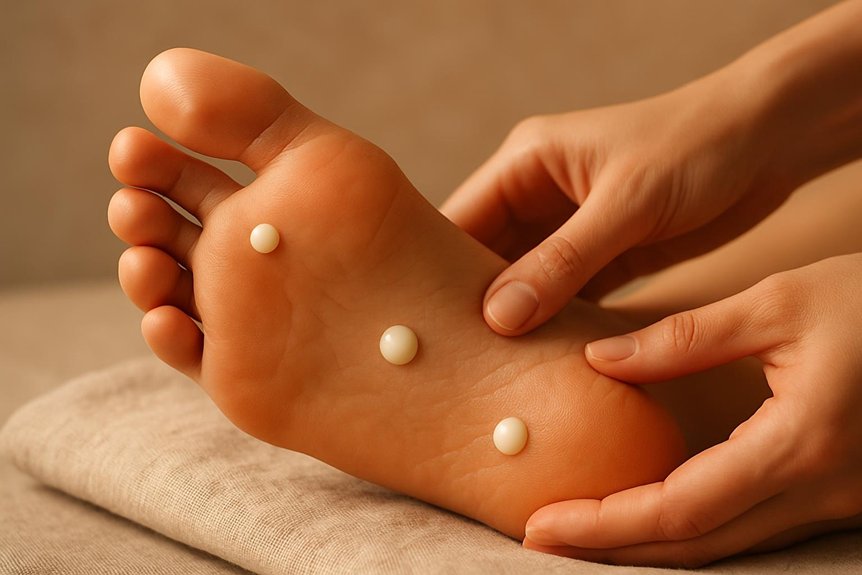
Often, the most useful reflex points for sleep are located on the feet—particularly the “solar plexus” point (midfoot), the “kidney” point (arch), and the “pineal” point (centre of the big toe)—because these areas are commonly targeted in clinical massage sessions to support relaxation and downregulate stress responses.
Additional points commonly selected include the “brain/head” zone across the toes, the “diaphragm” line beneath the ball of the foot, and the “heart” area on the left foot, all used to encourage slower breathing and a calmer internal state. As part of the healing power of reflex therapy, these points are often worked gently to promote a deeper sense of relaxation before sleep. At Spa & Massage clinics across London, therapists prioritise gentle, sustained pressure rather than pain.
It should complement—not replace—medical care; clients with diabetes, neuropathy, poor circulation, pregnancy complications, or acute foot injury should seek clinical advice first.
How Can Reflexology Help You Sleep (and What to Expect)?
In many cases, it may support sleep by shifting the nervous system toward a parasympathetic (“rest-and-digest”) state, which can reduce perceived stress and help the body settle into a more consistent pre‑sleep routine.
Evidence is mixed, but some people report easier sleep onset and fewer nighttime awakenings, especially when sessions are paired with sleep hygiene.
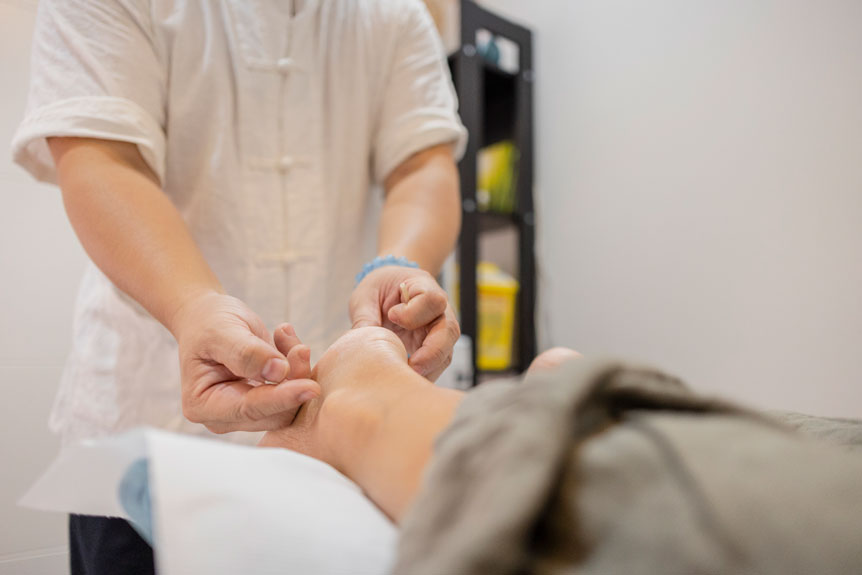
At Spa & Massage clinics across London, therapists typically begin with brief health screening, then apply steady, non‑painful pressure and gentle stretches to the feet while monitoring comfort and breathing.
During treatment, clients may feel warmth, heaviness, or emotional softening; afterwards, transient drowsiness is common.
Safety: avoid reflex therapy over open wounds, acute infections, or suspected clots; seek medical advice for pregnancy complications or uncontrolled conditions.
Which Foot Reflex Points Help With Sleep?
In massage sessions at Spa & Massage, therapists commonly prioritise three foot areas associated with relaxation and sleep readiness: the Solar Plexus calming point, the Pineal Gland sleep point, and Kidney 1 (K1) as a grounding point.
While evidence for reflex therapy remains mixed, targeted, gentle pressure to these points may support down‑regulation of arousal and perceived stress in some clients.
Techniques are applied conservatively, with adjustments for pain sensitivity, pregnancy, neuropathy, or acute foot conditions, and clients are advised to seek medical review for persistent or severe insomnia.
Solar Plexus Calming Point
For many people who carry stress in the chest and upper abdomen, the solar plexus calming point is a practical reflex therapy target for supporting pre-sleep relaxation. In foot reflex therapy, it is typically located in the midline of the sole, just below the ball of the foot, where tension may feel “knotted” or tender.
At Spa & Massage clinics, therapists often use slow, sustained thumb pressure with gentle circles for 30–60 seconds per foot, keeping sensation comfortably intense rather than painful. This pacing supports parasympathetic settling and can help quiet racing thoughts through embodied soothing. Clients are advised to breathe low and slow, allowing the abdomen to soften.
Avoid deep pressure with acute injury, neuropathy, or reduced sensation, and seek medical advice for unexplained pain.
Pineal Gland Sleep Point
One commonly cited reflex therapy target for sleep support is the pineal gland point, linked in reflex therapy theory to melatonin regulation and circadian rhythm. It is typically located on the centre of the big toe pad (hallux) on each foot.
At Spa & Massage, therapists may use gentle, slow pressure and small circular movements for 30–60 seconds per side, then pause, inviting the nervous system to settle.
Evidence for reflex therapy improving sleep is limited and mixed; however, some people report reduced subjective insomnia and improved relaxation, which can support bedtime routines.
Pressure should feel soothing, never sharp; avoid working over broken skin, acute inflammation, or severe neuropathy. Anyone pregnant, on anticoagulants, or with uncontrolled diabetes should seek professional guidance before self-treatment.
Kidney 1 Grounding Point
Alongside the pineal gland point on the big toe, reflex therapy protocols for sleep often include a grounding target known as Kidney 1 (K1), used to support down‑regulation of the stress response before bedtime. K1 is located on the sole, in the depression just below the ball of the foot, roughly between the second and third metatarsals.
At Spa & Massage clinics, therapists typically apply slow, sustained pressure and small circles for 30–90 seconds per foot, encouraging a settled, “held” sensation that many clients find soothing. Evidence for reflex therapy remains mixed, so K1 should be framed as a complementary relaxation strategy, not a treatment for insomnia or anxiety disorders.
Pressure should be gentle, avoiding pain, open skin, acute inflammation, neuropathy, or pregnancy complications; clients with diabetes or vascular disease should seek clinical advice.
Which Hand Reflex Points Help With Sleep?
In hand reflex therapy, practitioners commonly prioritise the pineal and pituitary points, the solar plexus hand point, and the heart and lung zones to support relaxation and perceived sleep readiness. At Spa & Massage clinics, these areas are approached with light-to-moderate, non-painful pressure as an adjunct to established sleep hygiene, acknowledging that clinical evidence remains limited and varies by individual.
Clients are advised to stop if symptoms worsen and to seek medical guidance for persistent insomnia, chest pain, or significant breathing difficulties.
Pineal And Pituitary Points
Two hand reflex therapy points most often discussed in relation to sleep regulation are the pineal and pituitary points, because these glands are involved in circadian timing and hormonal signalling.
In hand maps, both are typically located on the thumb pad; therapists apply slow, gentle pressure for 30–60 seconds per side, staying within comfortable tenderness and synchronising with steady breathing.
Evidence for reflex therapy is limited and should be viewed as supportive rather than a treatment for insomnia or endocrine disorders, yet many clients report a calming, “settling” effect.
At Spa & Massage, therapists use light, warm contact to encourage relaxation and a sense of safe closeness.
Anyone pregnant, on anticoagulants, or with new headaches, visual changes, or sleep disruption should seek medical advice.
Avoid pressing bruised skin.
Solar Plexus Hand Point
For many people seeking a calmer shift into sleep, the solar plexus hand point is used in reflex therapy as a relaxation-focused contact rather than a direct “sleep switch.” On most hand reflex therapy maps, it sits near the centre of the palm, slightly below the base of the middle and ring fingers; therapists apply gentle, sustained pressure or small, slow circles for 30–60 seconds per hand, keeping intensity comfortably mild to avoid irritation.
At Spa & Massage clinics across London, reflexologists often pair this with paced breathing and a quiet, grounded touch to support down‑regulation of stress responses. Evidence for reflex therapy and sleep is mixed, yet many clients report a comforting sense of ease.
It should be avoided over broken skin, acute inflammation, or nerve pain; persistent insomnia warrants medical advice.
Heart And Lung Zones
Where might hand reflex therapy focus when sleep is disrupted by chest tightness, shallow breathing, or a “wired” feeling at bedtime?
Practitioners often target the heart and lung zones on the palm—centrally beneath the fingers and across the upper palm—areas traditionally linked with respiratory ease and emotional settling.
At Spa & Massage, therapists use slow, warm thumb-walking and gentle circular pressure, encouraging longer exhalations and a softened chest response, which may support downshifting into sleep.
Evidence for reflex therapy remains limited, yet many clients report improved comfort and calmer breathing.
Pressure should feel tender but safe, never sharp.
It is not appropriate for acute chest pain, significant breathlessness, fever, or suspected infection—urgent medical assessment is essential.
For intimacy, partners can apply light touch with consent.
How Much Pressure Should You Use for Sleep Reflex Therapy?
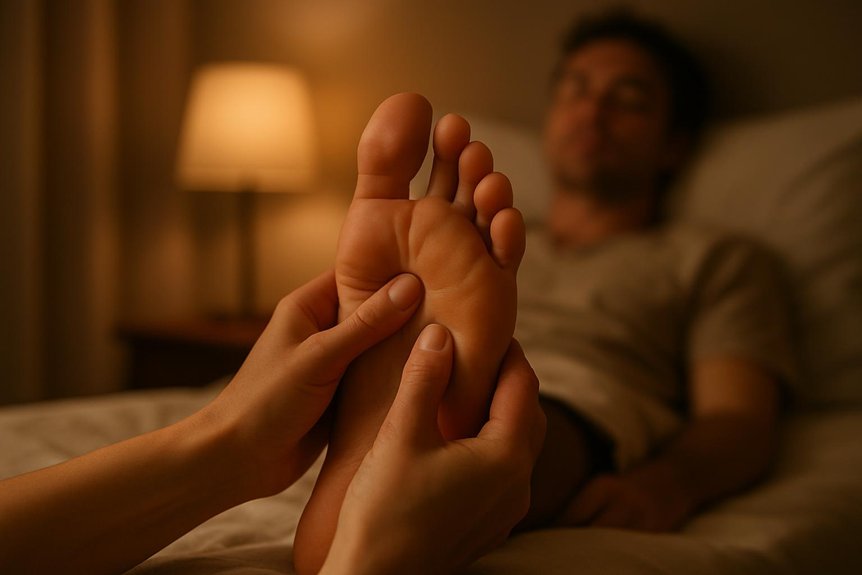
In sleep-focused reflex therapy, pressure should generally be light to moderate—firm enough to create a clear, comfortable sensation, but never painful or numbing.
A useful guide is a 3–5 out of 10 intensity, with the client able to breathe easily and soften through the touch. At Spa & Massage clinics, therapists begin with lighter contact, then increase gradually while monitoring facial tension, guarding, or withdrawal—signals to reduce pressure.
Slow, sustained presses and small circles are typically better tolerated than sharp, poking movements, especially on the solar plexus, diaphragm line, and heel.
Pressure should be reduced for sensitive feet, pregnancy, neuropathy, bruising, varicose veins, or skin irritation. Stop if burning, tingling, or lingering soreness occurs afterwards.
When It Isn’t Enough for Sleep (and Next Steps)?
Sometimes, reflex therapy—despite appropriate light-to-moderate pressure and consistent practice—does not meaningfully improve sleep, particularly when insomnia is driven by factors such as anxiety, depression, chronic pain, sleep apnoea, restless legs syndrome, medication effects, stimulant or alcohol use, perimenopausal symptoms, or irregular sleep schedules.
In these cases, next steps should prioritise medical review and evidence-based sleep care: screening for apnoea or restless legs, medication timing adjustments, and structured CBT-I where available.
Sleep hygiene can support progress—consistent wake time, reduced evening caffeine and alcohol, and limiting screens.
At Spa & Massage clinics across London, therapists can complement care with relaxing reflex therapy or aromatherapy massage to lower physiological arousal, while avoiding claims to treat disease.
Urgent evaluation is advised for snoring with choking, severe mood symptoms, or safety-critical daytime sleepiness.
Conclusion
Reflex therapy for sleep is used to encourage the nervous system to shift toward rest by applying measured pressure to commonly cited foot and hand points linked with relaxation. Sessions typically feel like firm, targeted touch and should remain comfortable, never painful; excessive pressure or bruising is not appropriate. Like a dimmer switch lowering sensory load, these techniques may reduce bedtime tension for some people. Persistent insomnia, severe anxiety, pain, or medical comorbidity warrants professional assessment and care.