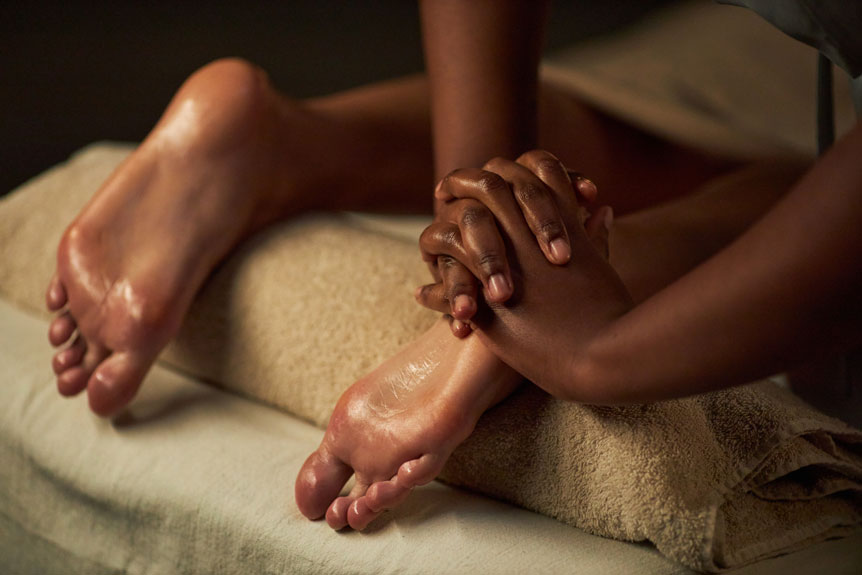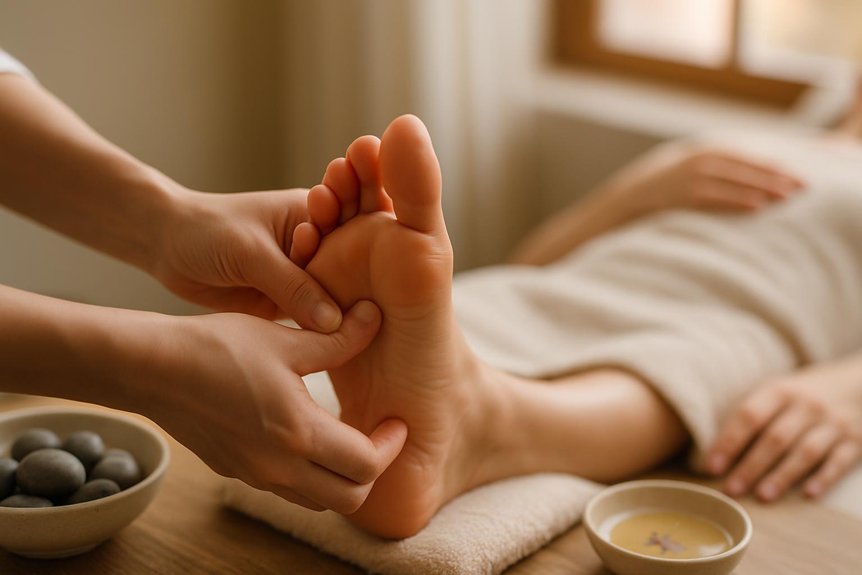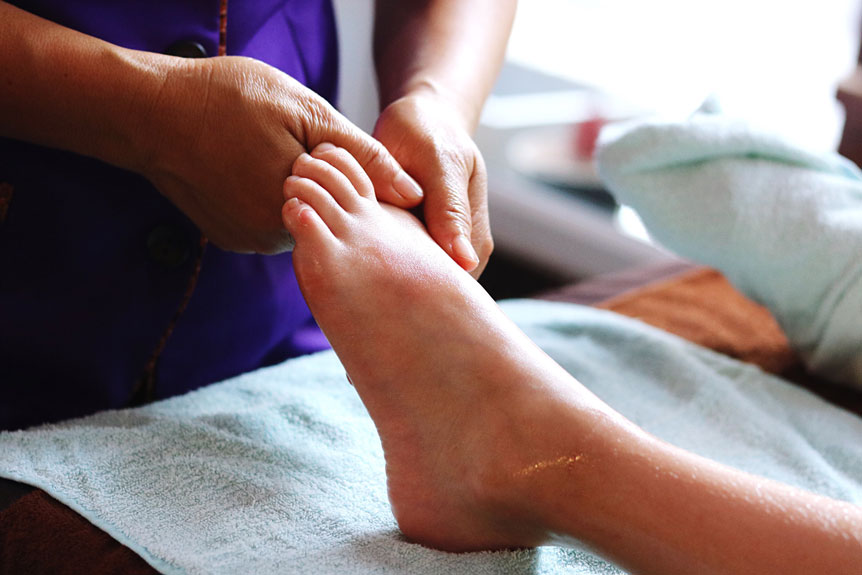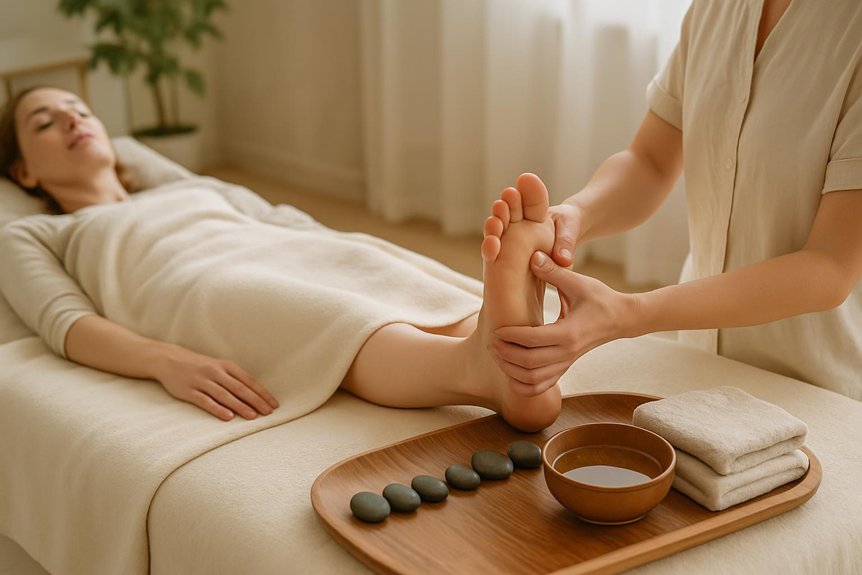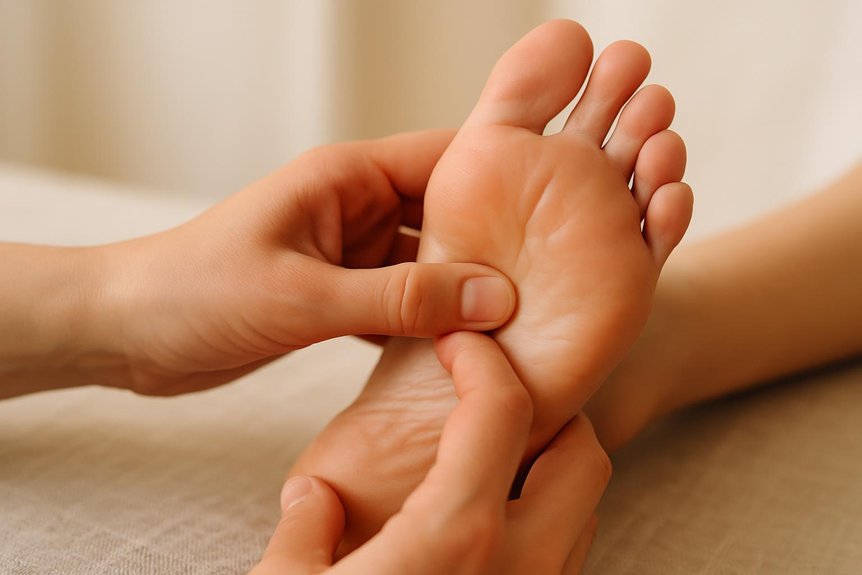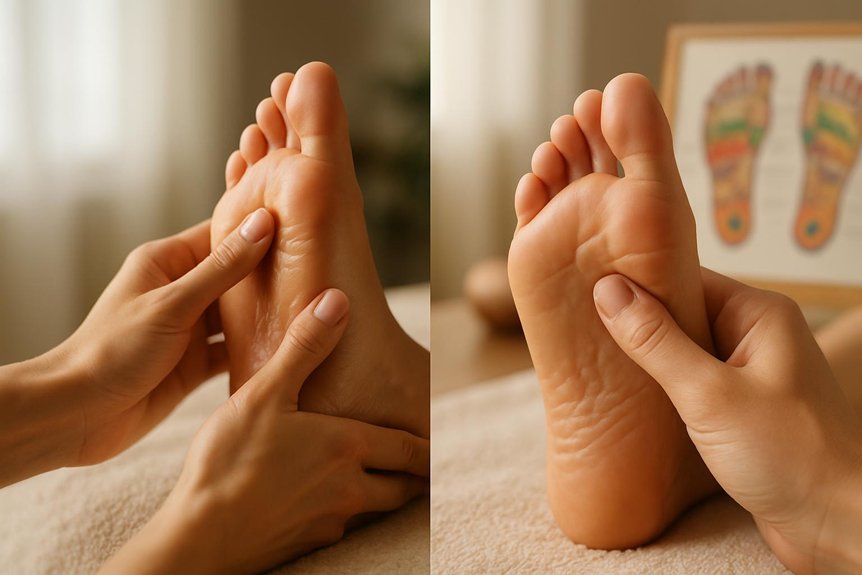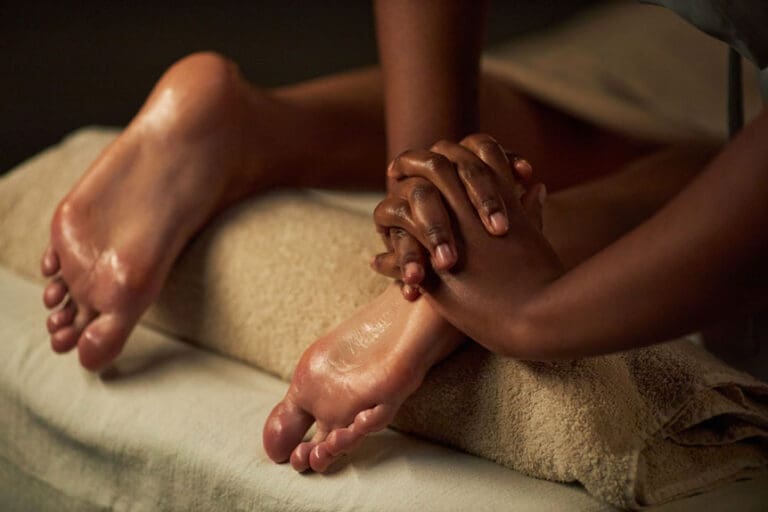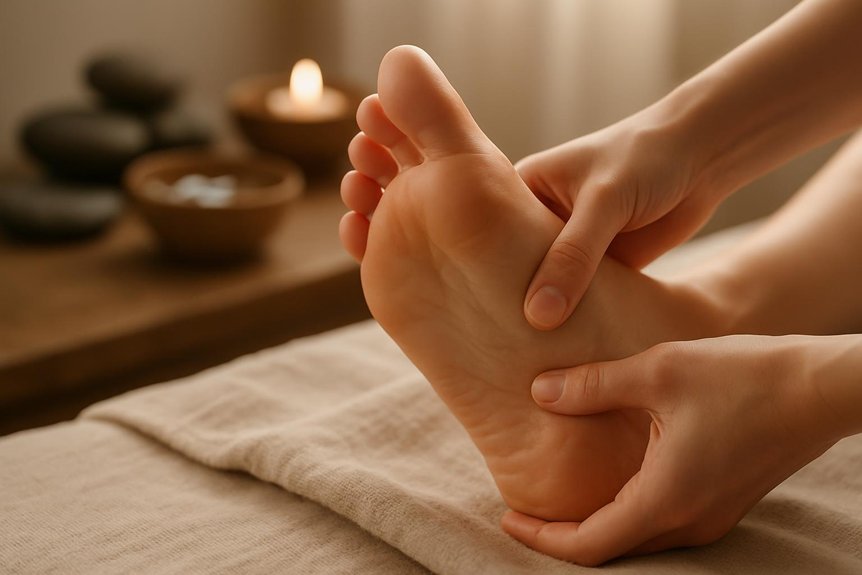
Fast stress-relief reflex therapy often targets the solar plexus and diaphragm reflexes in the mid-foot just below the ball, using slow, sustained holds paced to exhalation. Head/brain reflexes on the toes (especially the big toe) can ease mental overactivity, while adrenal reflexes along the upper inner arch may help reduce sympathetic “fight-or-flight” arousal. Rapid calm may also come from ear points (Shen Men, Point Zero, Sympathetic) and facial points (Yin Tang, Taiyang). Further guidance explains sequencing and safe pressure.
Which Reflex Therapy Points Relieve Stress Fastest?
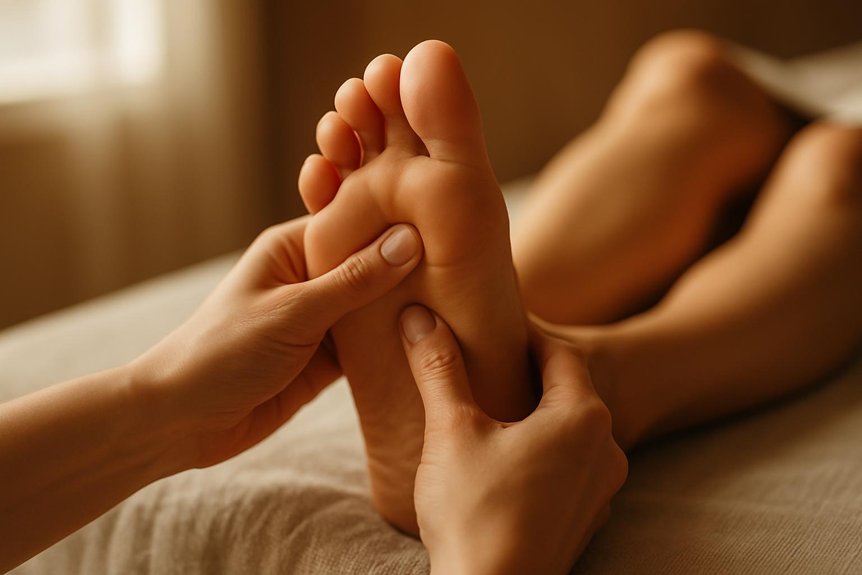
When stress needs to be dialled down quickly, reflex therapy typically focuses on points linked to the nervous system and the body’s primary “calming” pathways.
In practice, the fastest-acting areas are often the solar plexus reflex (mid-diaphragm line), the brain/head reflexes (toes), and the adrenal reflexes (upper arch), because they’re commonly sensitive during acute tension.
At Spa & Massage clinics, therapists usually start with slow, grounding holds on the solar plexus, then add gentle thumb-walking across the toe pads and controlled pressure at the adrenal points, adjusting intensity to the client’s breath and comfort.
Many clients respond best to rhythmic, moderate pressure for 60–90 seconds per point, followed by a soft sweep to integrate and settle.
This approach highlights the healing power of reflex therapy when used to calm the stress response.
How Does Reflexology Reduce Stress in the Body?
Although reflex therapy is applied at the feet (and sometimes the hands), its stress-reducing effects are generally understood to occur through downshifting the nervous system’s arousal response: steady, comfortable pressure and slow, repetitive “thumb-walking” can increase parasympathetic activity, ease muscle guarding, and support calmer breathing patterns.
Clinical research suggests reflex therapy may lower perceived stress and anxiety, likely by modulating autonomic tone and pain signalling, which can soften the body’s “alarm” response.
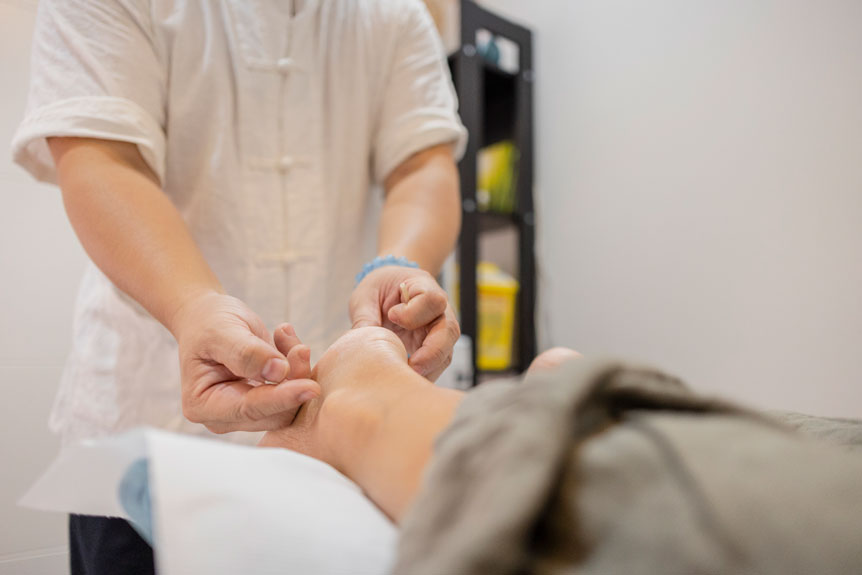
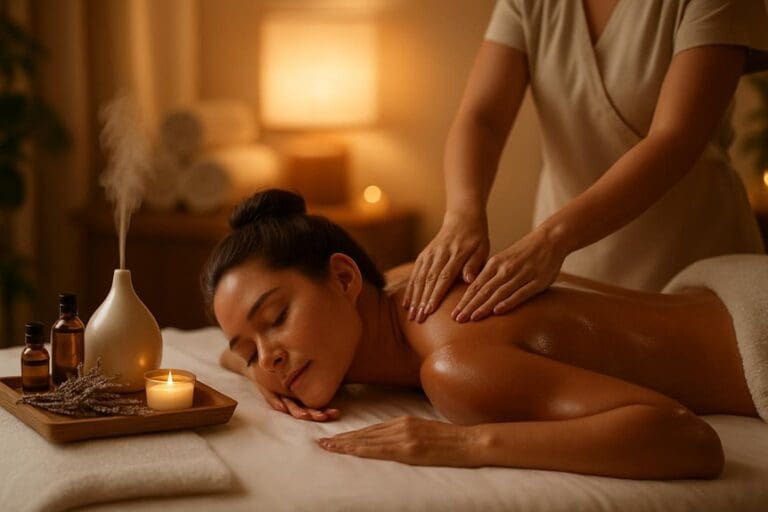
At Spa & Massage clinics across London, therapists pace pressure to the client’s exhale, then layer gentle holds and small, rhythmic movements to encourage warmth, heaviness, and a sense of safety.
When clients feel held, the mind often quiets; sleep and digestion may improve, and tension headaches can settle after sessions.
Which Foot Reflex Therapy Points Help With Stress?
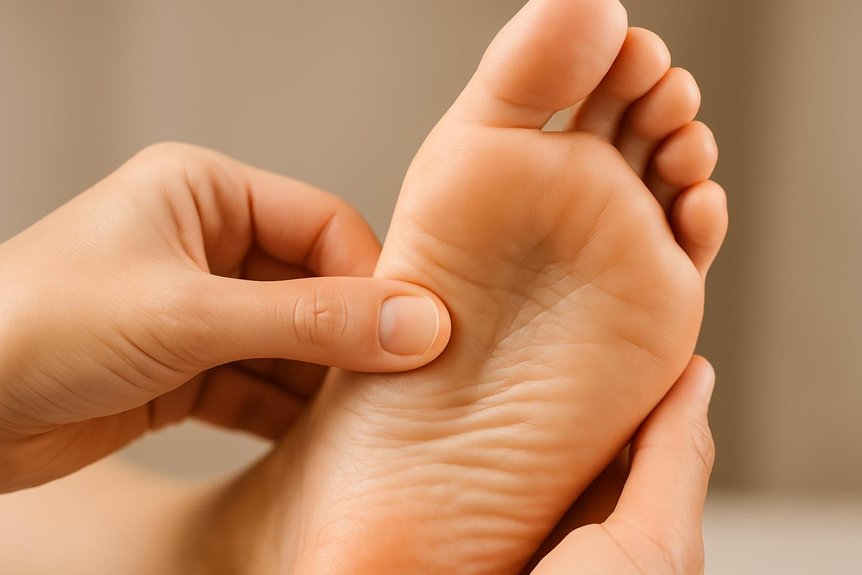
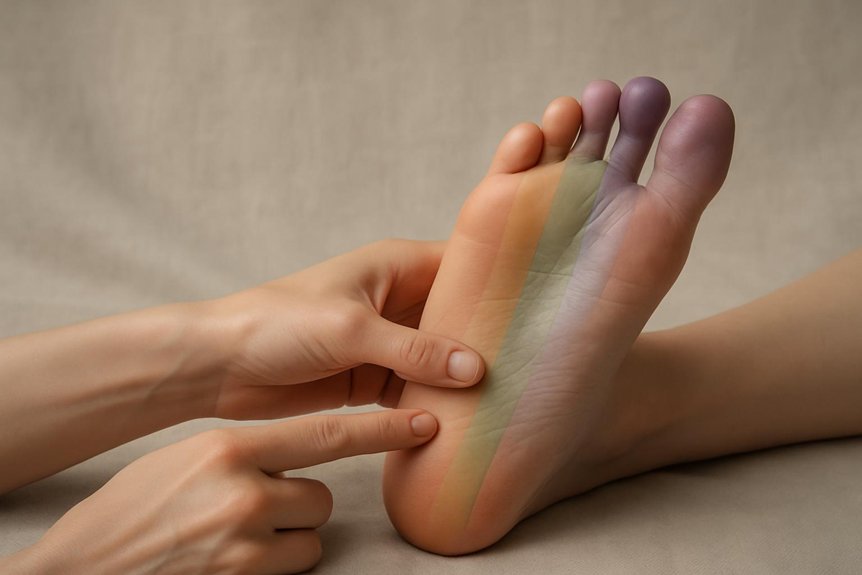
Across most reflex therapy maps, stress support centres on points linked to nervous-system downregulation and steadier breathing—most conspicuously the solar plexus/diaphragm reflex (mid-foot, just below the ball), the “head/brain” area (toes, especially the big toe), and the adrenal/kidney reflexes (inner arch).
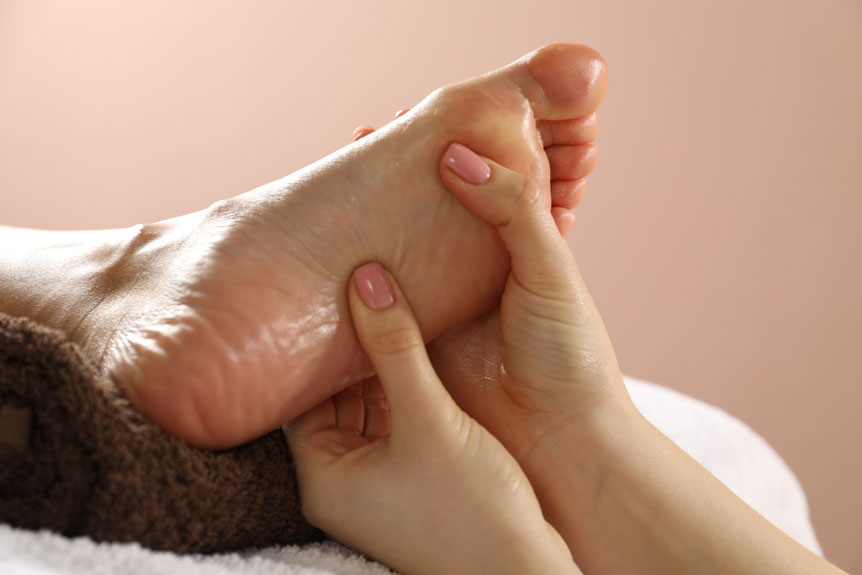
In Spa & Massage clinics, therapists typically use slow thumb-walking and gentle, sustained pressure, then pause to let the breath soften, keeping sensation within a “tender-but-safe” range.
Many clients find small circular holds at the big toe pad ease mental overactivity, while gradual passes through the inner arch feel grounding when stress sits in the body.
Finishing with light sweeping strokes across the whole sole can support relaxation and a sense of being held.
Which Hand Reflex Therapy Points Help at Work?
In the middle of a busy workday, hand reflex therapy offers a discreet, desk-friendly way to reduce tension and support focus using simple, repeatable pressure techniques.
At Spa & Massage, therapists often suggest three areas clients can self-treat without tools. First, the “solar plexus” point in the centre of the palm: press with the thumb, hold 10–20 seconds, then release slowly for 3–5 rounds.
Second, the web between thumb and index finger: apply firm, comfortable pressure and small circles for 30 seconds per side to ease jaw and shoulder holding.
Third, the inner wrist crease: glide the thumb along the crease with gentle pressure to settle a racing mind. Stop if pain increases, numbness, or swelling appears.
Which Ear and Face Points Calm Stress Quickly?
Ear reflex points for calm and facial acupressure for relaxation are often used as quick, low-risk techniques to help downshift the stress response when time is limited.
At Spa & Massage clinics across London, therapists typically apply light-to-moderate, steady pressure to targeted ear zones and key facial points (such as the brow line and jaw area), adjusting intensity to comfort and sensitivity.
While individual responses vary, many clients report a faster sense of ease and improved breathing when these points are used alongside slow, paced exhalations.
Ear Reflex Points For Calm
For fast, low-effort calming, specific auricular (ear) and facial acupressure points can be used to downshift the stress response by stimulating dense networks of sensory nerves linked to autonomic regulation.
For ear-focused calm, Spa & Massage therapists often teach three auricular points: Shen Men (upper triangular fossa), Point Zero (center of the concha), and the “Sympathetic” point (junction of the inferior crus and concha).
Using clean hands, gentle-but-firm pressure or small circular massage for 30–60 seconds per point, alternating ears, can soften racing thoughts and ease chest-tightening sensations.
Slow exhalations during stimulation enhance vagal tone.
Clients with piercings, skin irritation, or acute ear infection should avoid pressure and ask a therapist to adapt techniques.
Facial Acupressure For Relaxation
Often, a few well-chosen facial and ear acupressure points can reduce perceived stress within minutes by engaging trigeminal and vagal-linked sensory pathways that influence autonomic tone.
For quick calming, Spa & Massage therapists often suggest Shen Men (upper ear cartilage) and the ear “point zero”; press gently for 30–60 seconds per side while breathing slowly.
On the face, Yin Tang (between the eyebrows) and Taiyang (temples) can soften mental tension; apply steady, comfortable pressure in small circles for 60–90 seconds.
For a grounded, soothing finish, work Ren 24 (chin crease) and the jaw hinge to ease clenching. Pressure should feel tender-good, never sharp. If dizziness or pain occurs, stop and seek professional guidance.
How to Press Reflex Therapy Points Safely at Home
Although it is generally gentle, pressing points at home is safest when a clear, methodical technique is used: clean hands, a comfortable seated position, and slow, graded pressure applied with the thumb or knuckle until a “good pain” (mild tenderness without sharpness) is felt, then held for 10–30 seconds while breathing steadily.
Each point can be repeated 2–3 times, alternating sides, and followed by light stroking to settle the tissue.
A small amount of unscented oil or balm, as used in Spa & Massage clinics, may reduce drag and help the touch feel nurturing.
It should stay within comfort; numbness, tingling, bruising, or lingering soreness signals to stop.
Short, consistent sessions (3–5 minutes) tend to calm best.
When to Book Reflex Therapy for Stress at Spa & Massage?
Booking reflex therapy for stress at Spa & Massage is often most appropriate when self-care acupressure is not sufficiently reducing persistent tension, sleep disruption, headaches, or overwhelm that affects daily functioning.
Therapists can then apply a structured reflex therapy protocol with safe, consistent pressure and session pacing tailored to the client’s symptoms and comfort.
For timing, many clients book after several high-demand weeks or before predictable stressors, and appointments are commonly scheduled when there is time afterwards to hydrate, rest, and monitor changes in stress and sleep.
Signs It’s Time
When is stress signalling that a targeted reset is needed rather than more self-management? It is time to book reflex therapy when sleep stays light, the jaw and shoulders remain guarded, digestion feels unsettled, or headaches and racing thoughts recur despite rest, movement, and screen breaks.
Escalating irritability, tearfulness, or a sense of disconnection during intimacy can also indicate nervous-system overload. Evidence supports touch-based therapies for downshifting sympathetic arousal; reflex therapy adds precise, pressure-based stimulation to foot zones linked with relaxation responses.
At Spa & Massage, therapists note that persistently cold feet, shallow breathing, and difficulty “switching off” during quiet moments often respond well to structured sequences on diaphragm, solar plexus, and adrenal points, paced to the client’s comfort and consent.
Choosing Your Session Timing
In the days before a high-demand period—such as heavy deadlines, travel, or disrupted sleep—reflex therapy is often best scheduled proactively to lower baseline arousal rather than react to a spike.
At Spa & Massage, therapists typically recommend booking 48–72 hours ahead so the nervous system has time to settle and sleep can improve.
For acute stress, an early-evening appointment suits clients who want to unwind without rushing back to work; a lunchtime session can reset breathing and focus when pressure builds.
Many clients benefit from weekly sessions for 3–4 weeks, then maintenance every 2–4 weeks.
During treatment, slower thumb-walking and sustained pressure on diaphragm, solar plexus, and head/neck reflexes can encourage parasympathetic shift.
Afterward, warm water and a quiet walk help integrate effects.
Conclusion
Of course, the body’s stress response is famously rational—so it makes perfect sense that slow, precise pressure on mapped points can nudge it toward calm. It targets foot, hand, ear, and face zones linked with nervous-system regulation, using tolerable pressure, measured pacing, and continuous feedback. Evidence supports relaxation and perceived stress reduction in many clients, especially when sessions are tailored. For home use, gentle, time-limited pressing is safest. When symptoms persist, professional treatment offers structure and reassurance.