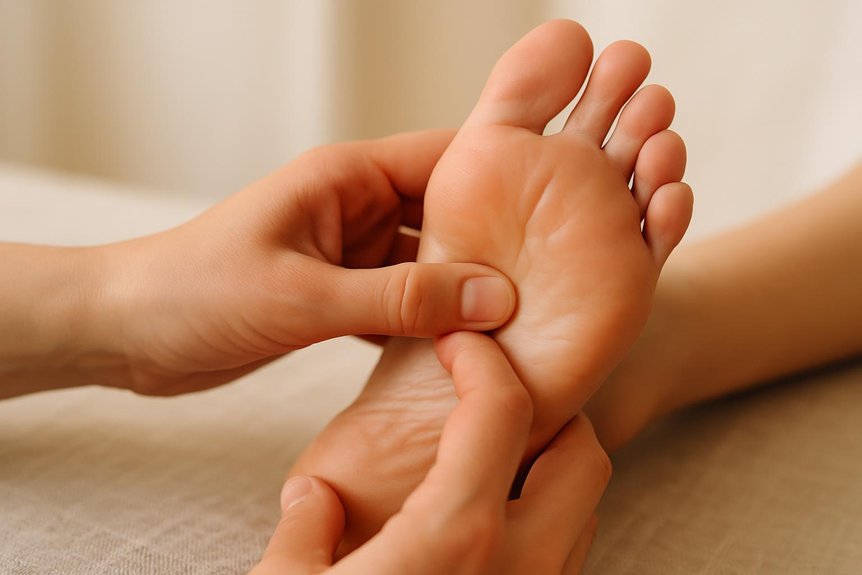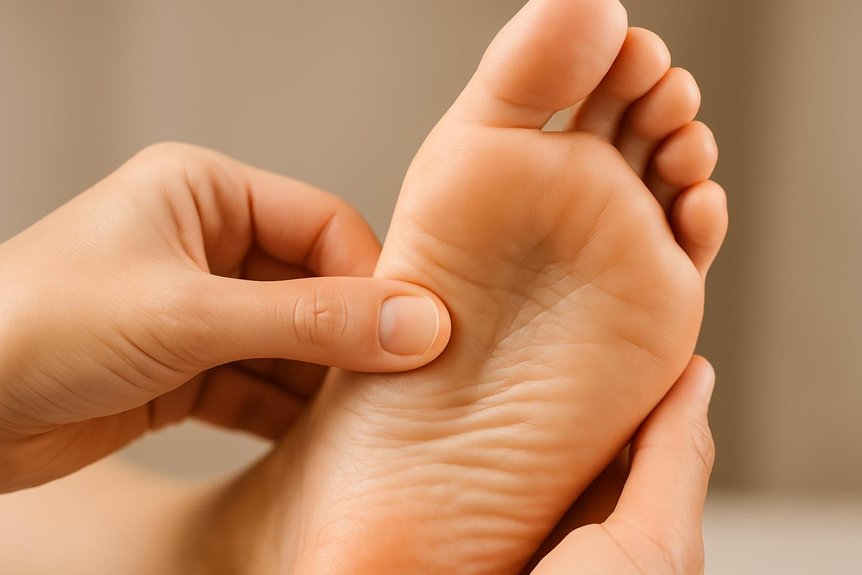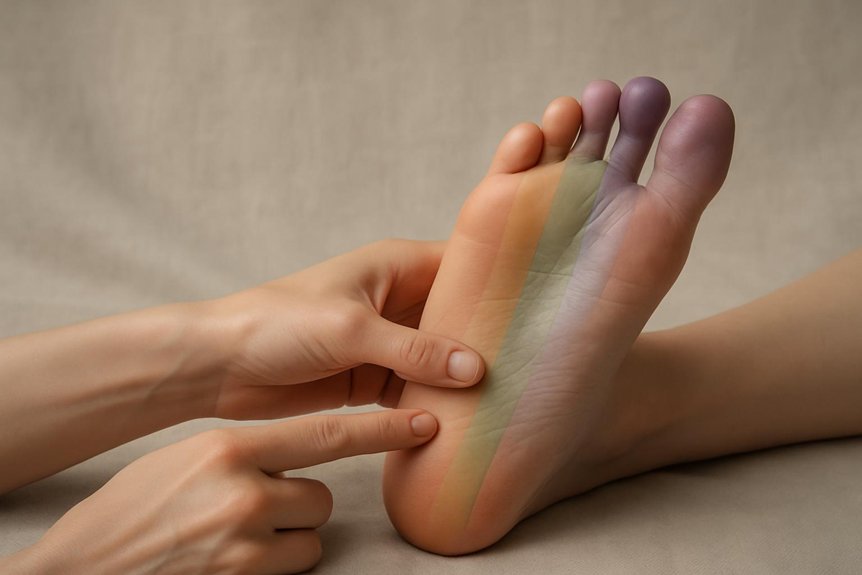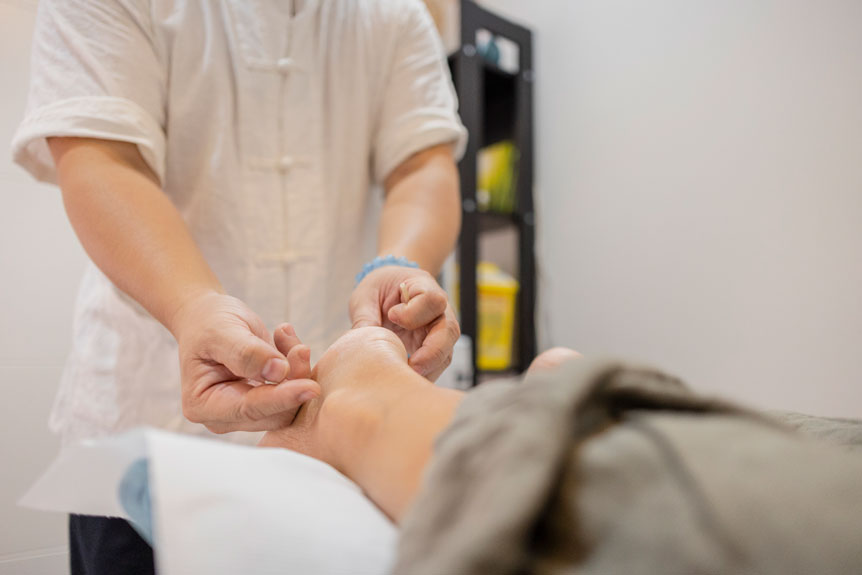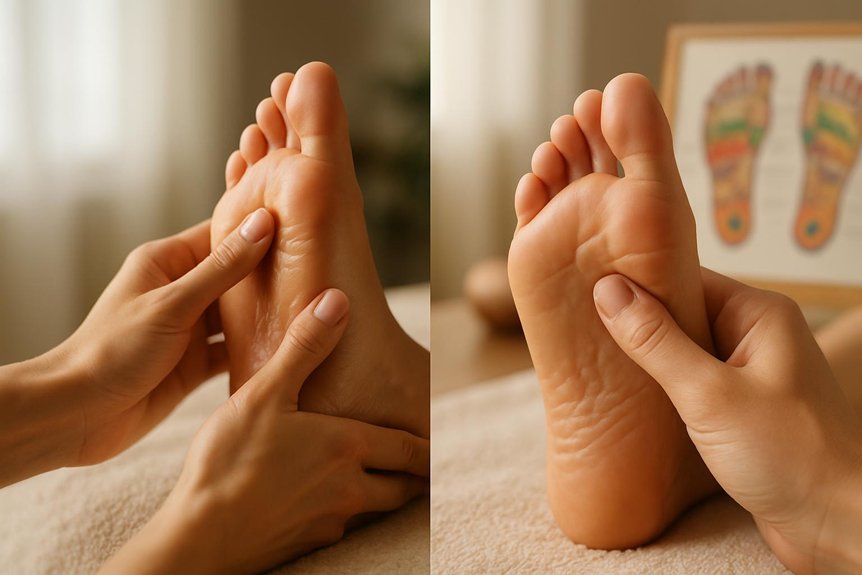
Yes. It can sometimes cause brief nausea, usually from transient shifts in autonomic nervous system tone during deep relaxation. Focused foot pressure may increase parasympathetic activity, altering breathing, circulation, and intestinal movement, which can produce queasiness or light-headedness, especially in first-time clients or those prone to low blood pressure, migraine, anxiety, dehydration, or low blood sugar. Symptoms typically ease with rest, slow standing, steady breathing, and sips of water, with guidance on prevention and warning signs ahead.
Can Reflexology Cause Nausea?
In some cases, it can be followed by mild, short-lived nausea. This can occur when pressure on foot reflex points promotes parasympathetic activation, shifting breathing and circulation and briefly altering gut motility. People who arrive dehydrated, anxious, sleep-deprived, or having eaten heavily beforehand may be more susceptible. Discovering the healing power of zone therapy can also involve noticing brief, temporary reactions like mild nausea as your body adjusts.
In Spa & Massage clinics, therapists pace pressure, check comfort, and adjust techniques if queasiness appears, while keeping touch respectful and reassuring. Clients are advised to drink water, avoid alcohol beforehand, and choose a lighter meal within a few hours of treatment.
Nausea that is severe, persistent, or accompanied by fainting, chest pain, or fever warrants medical assessment promptly.
Is Nausea After Zone Therapy Normal?
Mild nausea after zone therapy can be a normal, short-lived response in some clients and is often described as a detox-style reaction related to transient changes in autonomic tone and hydration status.
At Spa & Massage clinics, therapists advise rest and fluids and monitor whether symptoms settle within a few hours.
Medical advice should be sought if nausea is severe, persistent, accompanied by vomiting, fainting, chest pain, fever, or signs of an allergic reaction, or if the client has relevant underlying conditions or is pregnant.
Normal Detox-Style Response
Although zone therapy is generally well tolerated, short-lived nausea can occur after a session and is often considered a normal “detox-style” response rather than a sign of harm. This reaction is commonly attributed to transient shifts in autonomic tone, circulation, and hydration, alongside heightened interoceptive awareness after focused foot pressure.
Clients may notice mild queasiness, light-headedness, or fatigue as the body moves from sympathetic “doing” into parasympathetic “rest-and-digest,” particularly after stress, poor sleep, or limited fluids. In Spa & Massage clinics across London, therapists frame this as an occasional, self-limiting after-effect, similar to post-massage drowsiness.
Gentle aftercare—slow standing, sipping water, and a calm evening—often supports comfort while the nervous system settles.
When To Seek Help
After a zone therapy session, short-lived nausea is often benign, but it is not always “normal” and should be reviewed when it is intense, persistent, or accompanied by red-flag symptoms.
Medical advice is warranted if nausea lasts beyond 24 hours, worsens, or prevents hydration, or if there is vomiting, fainting, chest pain, severe headache, fever, new neurological symptoms, abdominal pain, or blood in vomit/stool.
Extra caution is advised during pregnancy, with diabetes, kidney disease, migraine, recent concussion, or if taking anticoagulants or new medications.
At Spa & Massage clinics across London, therapists invite clients to share any medical history and to report unusual reactions promptly, so pressure, duration, and positioning can be adjusted.
If symptoms feel frightening or rapidly escalating, urgent care is appropriate immediately.
Why Can Zone Therapy Make You Feel Nauseous?
In some clients, zone therapy can trigger short‑lived nausea because the treatment influences the autonomic nervous system and circulation, temporarily shifting how the body regulates blood pressure, gut activity, and stress hormones.
A rapid “rest‑and‑digest” switch may increase intestinal movement, while changes in vascular tone can briefly lower blood pressure, producing queasiness or light‑headedness.
Focused pressure on the feet can also heighten interoceptive awareness, so subtle sensations that were previously ignored feel more intense.
In Spa & Massage clinics, therapists also observe that deep relaxation can unmask tension held around breathing patterns, which may contribute to mild stomach upset.
These effects typically settle with slow breathing, sips of water, and a few minutes’ quiet grounding after the session.
Who Is Most Likely to Feel Nauseous After Massage?
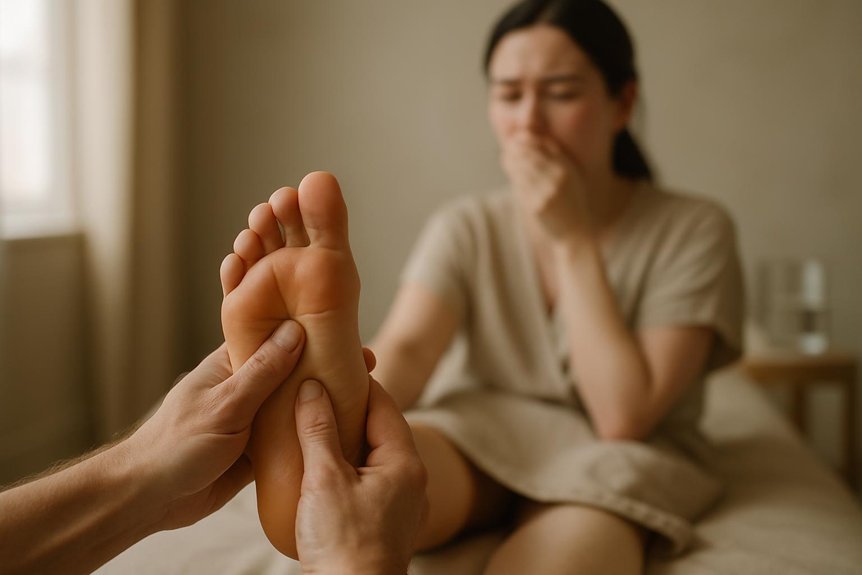
Nausea after zone therapy is reported more often in first-time clients, where unfamiliar sensory input and expectations may heighten autonomic responses.
It is also more likely in people with sensitive systems or underlying conditions (e.g., migraine tendency, low blood pressure, vestibular sensitivity, pregnancy, anxiety, or recent illness), who may be more prone to light-headedness or nausea with pressure-based therapies.
At Spa & Massage, therapists screen for these factors and adjust pressure, pacing, and positioning to reduce risk while keeping the treatment client-led and comfortable.
First-Time Zone Therapy Clients
Most first-time zone therapy clients tolerate treatment well, but a small subset is more likely to feel briefly nauseous—typically those who are anxious about bodywork, under-hydrated, sensitive to strong sensory input (pressure, touch, scent), prone to motion sickness or vasovagal reactions, or who arrive having skipped food or consumed alcohol/caffeine shortly beforehand.
Novel sensations and anticipatory tension can shift breathing and blood flow, occasionally triggering lightheadedness and stomach upset. At Spa & Massage clinics across London, therapists reduce risk by taking a short health check-in, explaining each step, and adjusting pressure, pacing, and aromatherapy choices.
Clients are advised to eat lightly 1–2 hours prior, limit alcohol and caffeine, and sip water before and after. If nausea appears, treatment is paused, feet are supported, and recovery is monitored.
Sensitive Systems Or Conditions
Beyond first-time nerves and hydration patterns, post-zone therapy nausea is more frequently reported in people with underlying sensitivities or health conditions that affect blood pressure regulation, vestibular balance, gastrointestinal stability, or sensory processing. This includes clients prone to low blood pressure, fainting, migraines, motion sickness, vertigo, reflux, IBS, anxiety-related somatic symptoms, and heightened sensory reactivity; pregnancy can also increase susceptibility. Certain medications that influence circulation or nausea thresholds may contribute.
In Spa & Massage clinics across London, therapists screen for these factors, adjust pressure, pacing, and positioning, and offer quiet pauses so the nervous system can settle. Clients are advised to eat lightly beforehand, avoid alcohol, and mention recent illness, concussion, or flare-ups. Persistent vomiting, severe dizziness, chest pain, or new neurological symptoms warrant medical assessment promptly.
What to Do If You Feel Nauseous After Zone Therapy?
If a client feels nauseous after zone therapy, the safest approach is to pause activity, sit or lie down, and focus on slow, steady breathing until symptoms settle.
In Spa & Massage clinics, therapists then offer cool water, loosen tight clothing, and encourage small sips only if tolerated. The client should be kept warm, with a calm, private space and minimal sensory input.
If nausea persists beyond 20–30 minutes, is severe, or is accompanied by fainting, chest pain, shortness of breath, fever, significant headache, or ongoing vomiting, urgent medical assessment is advised.
Clients with diabetes, pregnancy, migraine, or recent illness should monitor symptoms closely.
For same-day care, a light snack and rest may help if appetite returns, and avoid driving if dizzy.
How to Prevent Nausea in Your Next Zone Therapy Session
In many cases, nausea after zone therapy can be reduced with straightforward session planning and clear communication before treatment begins. Clients should arrive well hydrated, avoid heavy meals and alcohol for several hours, and disclose migraine history, low blood pressure, pregnancy, medications, or recent illness.
At Spa & Massage clinics across London, therapists can adjust pressure, pacing, and focus areas, and may start with shorter sessions to gauge sensitivity. Slow, diaphragmatic breathing and a calm, warm room help stabilise autonomic responses. Many clients benefit from a light snack beforehand if prone to low blood sugar.
During treatment, requesting breaks, cooler air, or reduced stimulation is encouraged. Afterward, gentle movement, water, and a brief rest support recovery and steadier comfort.
When to Seek Medical Help for Nausea After Zone Therapy
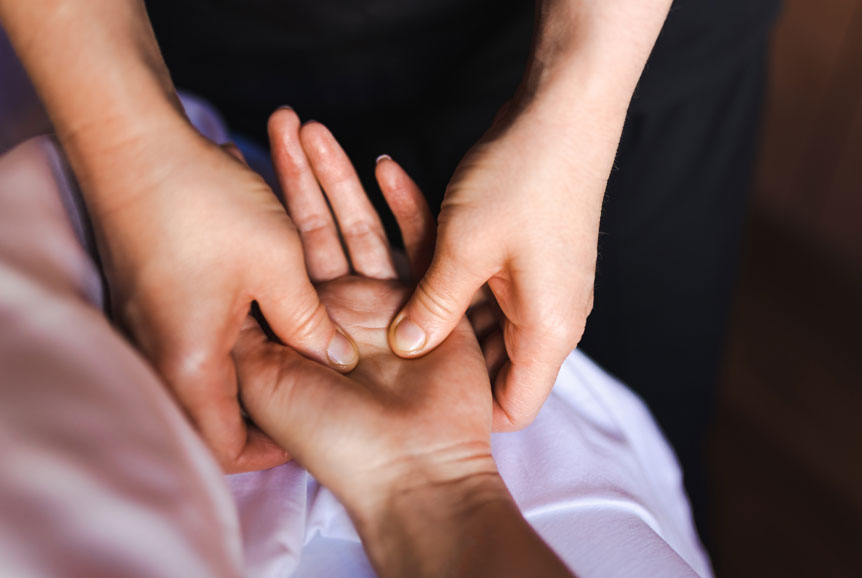
Practical steps—such as good hydration, lighter meals, and tailored pressure—often reduce post-session nausea, but symptoms that are severe, persistent, or accompanied by warning signs should be assessed by a medical professional rather than managed as routine aftercare.
Medical review is advisable if nausea lasts beyond 24 hours, prevents keeping fluids down, or is paired with repeated vomiting, fever, severe headache, fainting, chest pain, shortness of breath, new neurological symptoms, severe abdominal pain, blood in vomit or stool, or signs of dehydration (dry mouth, dizziness, dark urine). Extra caution is warranted in pregnancy, diabetes, kidney disease, or when taking anticoagulants.
At Spa & Massage London clinics, therapists encourage clients to share symptoms promptly and, when appropriate, pause treatment and seek urgent care, especially for sudden, escalating distress.
Conclusion
Mild nausea after zone therapy can occur and is typically brief, reflecting a temporary shift in autonomic balance, circulation, and breathing as the body steps out of “high alert.” In most cases, it settles with rest, hydration, and a light snack. Clients with anxiety, low blood sugar, dehydration, pregnancy, or vestibular sensitivity may be more susceptible. Persistent, worsening, or severe symptoms—especially with chest pain, fainting, fever, or vomiting—warrant medical review and future session adjustments.